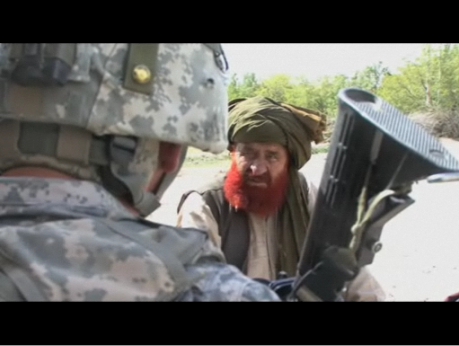
Earlier today I linked a video shot by a Guardian reporter covering soldiers with the 173rd Airborne as they attempt counterinsurgency in a difficult area of Afghanistan. The reporter’s narration is a bit overwrought, as are the snippets of Hopalong Cassidy background music littering the edit. But the video ably documents two significant hurdles to counterinsurgency in Afghanistan: the absence of a ‘COIN attitude’ in a given ISAF unit, and terrible interpreters.
The first problem is not particularly common among the units I’ve embedded with, though it does exist. Some people have ‘it’ and others don’t — ‘it’ being defined as the preternatural patience to engage the population with professionalism and an open mind, even when it’s pretty obvious that they know who is shooting at you on a regular basis. The reactions of the sergeant featured in that clip are understandable, but the man doesn’t have requisite reserves of ‘it.’
The problem with bad interpreters is much more significant, and is endemic to the fight in southern Afghanistan. Though complaints about the quality and quantity of linguists were legion and often justified in Iraq, the shortage of good interpreters in that conflict pales in comparison to the deficiency in Afghanistan. During my summer embed in Helmand, I met only one Pashto interpreter who had what I would consider reasonable English skill, vs. a dozen more who were minimally, if at all, understandable. This added tremendous ambiguity to interviews, the recordings of which were often played back for the lone skillful interpreter, who revealed what the interviewees were really saying.
The more serious consequences of how this miscommunication can derail counterinsurgency efforts are illustrated perfectly by the clip, specifically the exchange that begins at 3:30.