
-
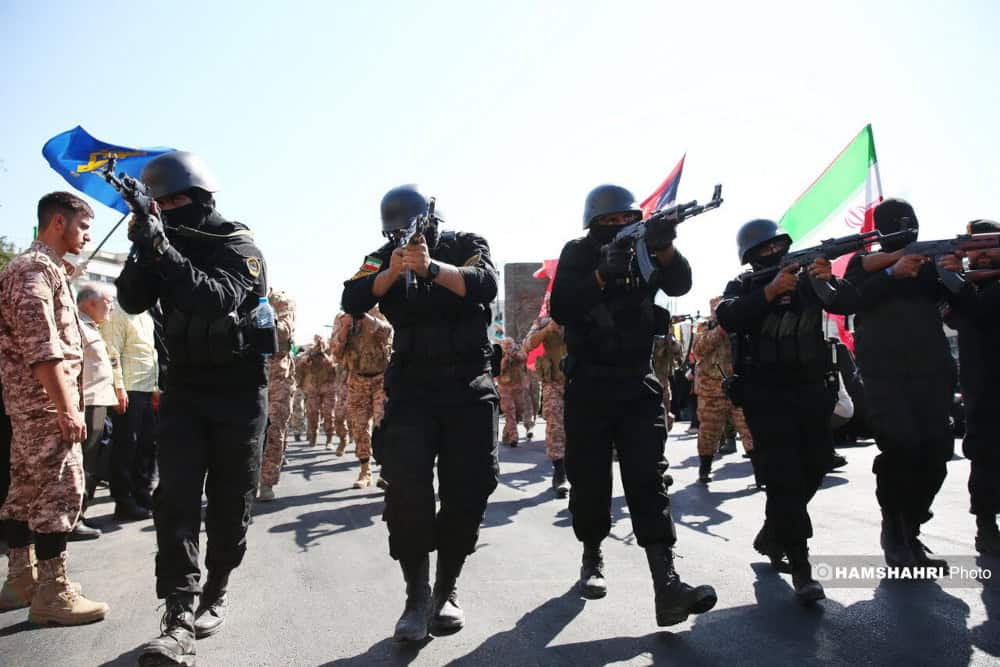
Iran expands Basij surveillance network with AI platform amid fears of renewed protests
The Islamic Republic is expanding its neighborhood intelligence capabilities through a new nationwide platform designed to map local communities and identify influential residents. The initiative is part of a broader trend toward militarizing the regime’s loyalist support base amid mounting economic pressure and renewed anti-regime demonstrations.
-
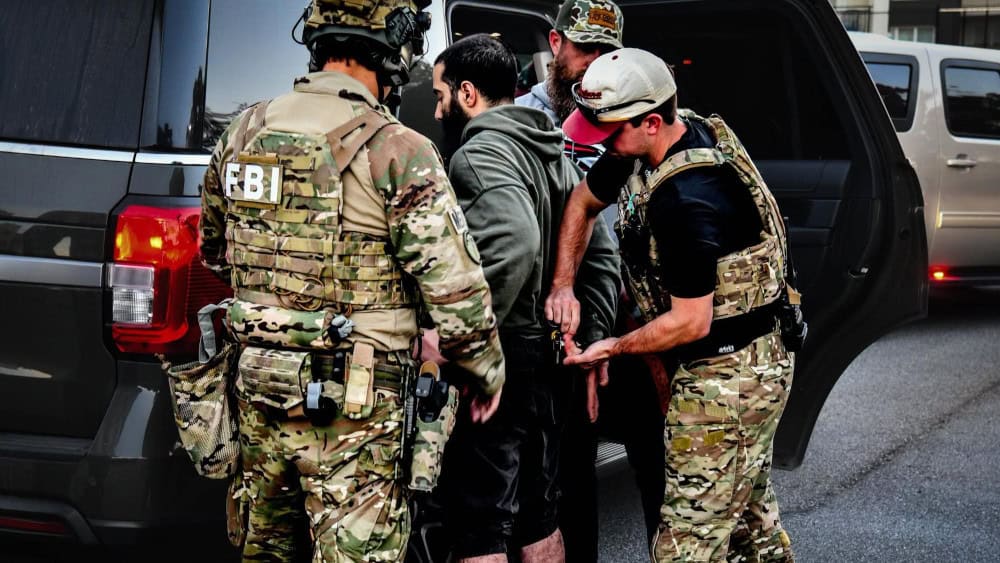
Georgia man arrested for allegedly sending $26,000 to Islamic State-linked recipients
The FBI arrested a Lavonia, Georgia, resident accused of transferring funds to individuals and groups affiliated with the Islamic State between 2021 and 2026. The arrest followed a years-long investigation involving cryptocurrency transactions, suspected extremist connections, and alleged destruction of evidence.
-
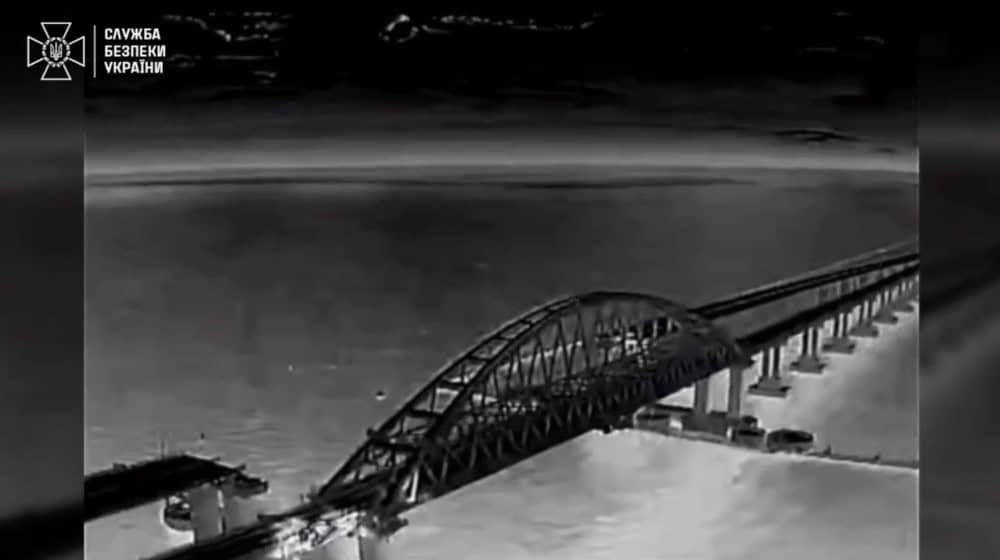
Ukraine cripples Crimean Bridge, but Starshield restrictions hamper squeeze on Russian logistics
Ukrainian strikes on the Crimean Bridge dealt a significant blow to a symbol of Russian occupation, further increasing Moscow’s reliance on alternative logistics routes through southern Ukraine. However, restrictions on access to Starshield hamper Ukrainian efforts to disrupt those routes.
-
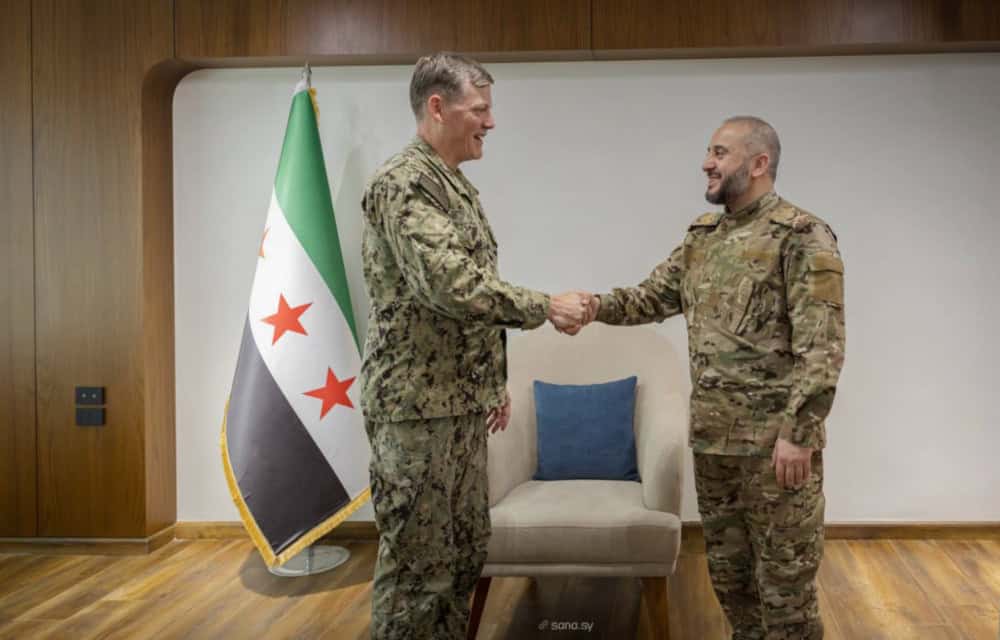
Syria hosts EU economic forum, French warship, and US commander
Syria expanded diplomatic and military engagement with Western countries in mid-November, hosting a European Union coordination forum, a French naval delegation, and a senior US anti-Islamic State coalition commander. The outreach comes as Damascus faces continued Islamic State threats, Kurdish protests over university integration, and tensions with Israel along the Golan border.
-
Iran’s long game and America’s short war
The US has inflicted significant damage on Tehran’s military capabilities, but Iran remains determined to fight. Bill Roggio is joined by FDD Senior Fellow Behnam Ben Taleblu to assess the state of the conflict, Iran’s strategy of targeting regional energy infrastructure and maritime commerce, and Washington’s efforts to pressure Tehran through sanctions and a naval…
-
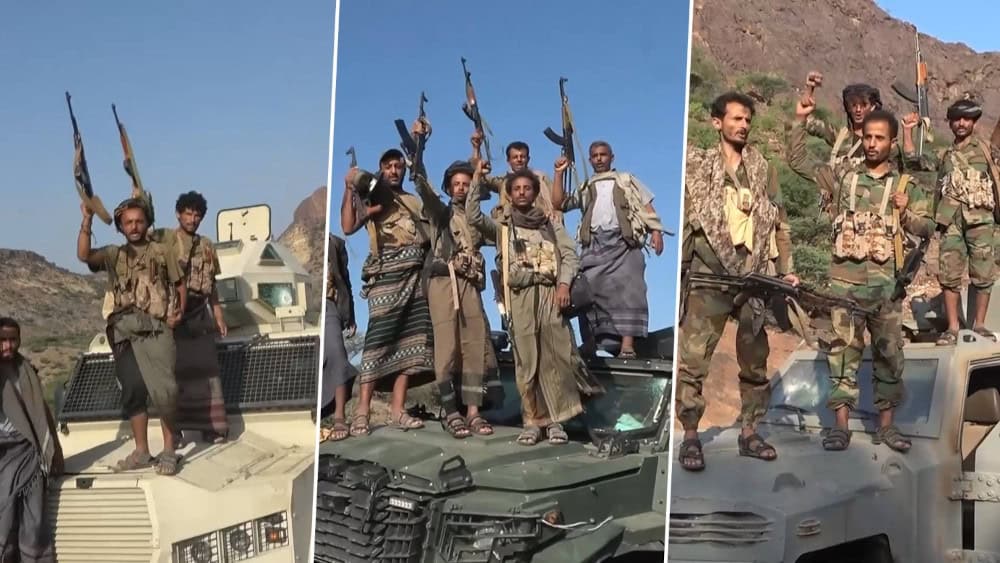
Houthis retake Bab al Mandeb and move toward Aden
Yemeni government-aligned forces have redeployed from the west coast to focus on defending the interim capital of Aden. The Houthis seized territory along the Bab al Mandeb Strait and mountainous areas on the Taiz-Lahj border, bringing the group within 40 miles of Aden.
-
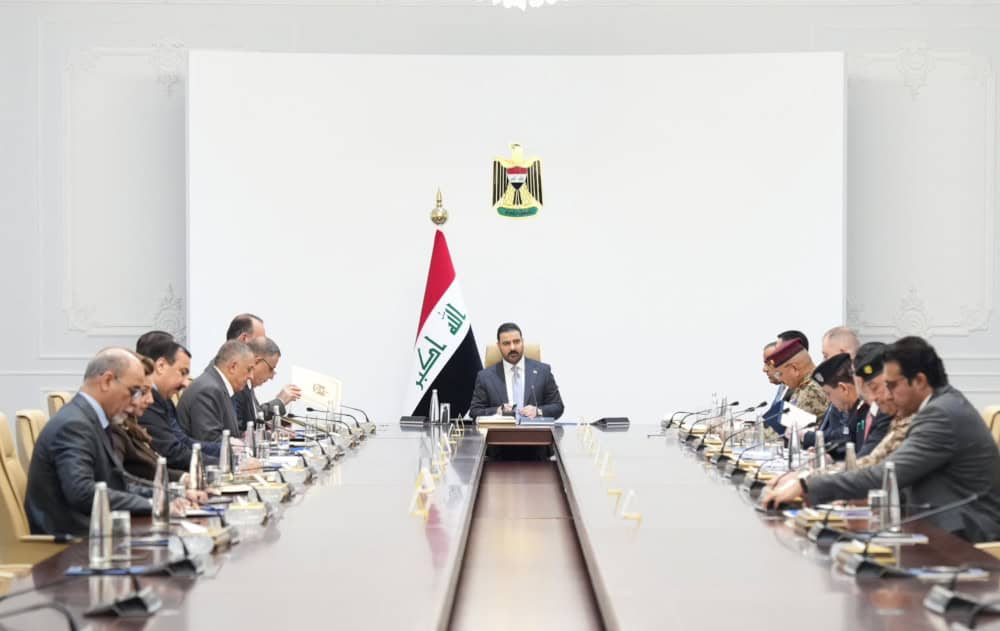
Iraqi PM’s crackdown on oil smuggling raises tensions with Kataib Hezbollah
Iraqi Prime Minister Ali al Zaidi launched a crackdown on alleged oil smuggling in Jurf al Sakhar, a stronghold of the Kataib Hezbollah militia, dismissing senior officials and preparing for a possible security intervention. The escalating confrontation comes amid broader efforts by the Iraqi government to assert state authority over Iran-backed militias and bring their…
-
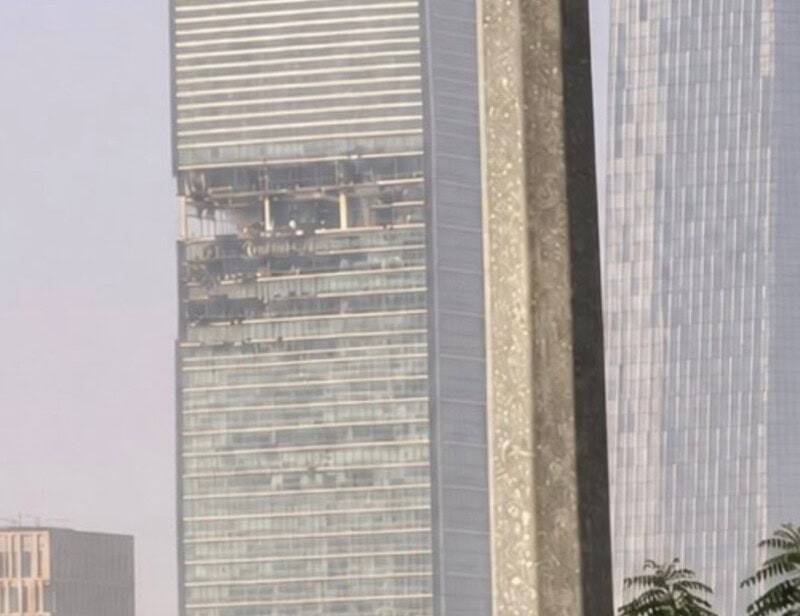
Houthis sustain missile and drone attacks across Saudi Arabia
Yemen’s Houthis have continued launching missile and drone attacks against Saudi Arabia, targeting oil infrastructure, airports, and military installations across the kingdom. The attacks coincide with continued fighting in Yemen, Saudi-led airstrikes against Houthi targets, and renewed Houthi demands for billions of dollars in compensation.
-
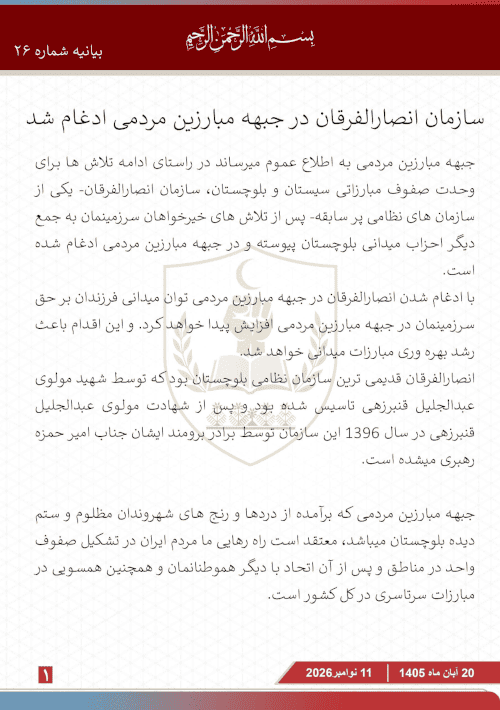
Iran’s Baluch insurgency expands with new faction merger
Ansar al Furqan, a Sunni Baluch insurgent group with a history of Islamist militancy, announced on November 11 that it had joined a coalition of Baluch armed factions fighting the Islamic Republic. The merger comes as the country’s Baluch insurgency has evolved from sectarian violence and attacks on civilians toward a nationalist movement targeting regime…
-
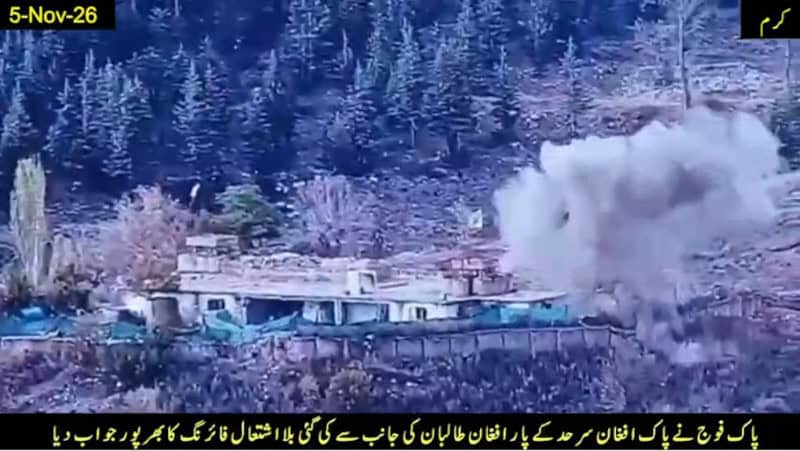
Taliban–Pakistan border clashes continue, TTP attack kills 10 Pakistani police
Taliban and Pakistani forces have fought repeatedly along their border since October 29, and a Movement of the Taliban in Pakistan ambush killed 10 Pakistani policemen on November 11. The violence comes as Washington signaled its willingness to help address Pakistan’s concerns about militant groups operating from Afghanistan.
-
The Muslim Brotherhood’s long game: Influence, infiltration, and Islamist politics
The Muslim Brotherhood’s growing influence in Western politics and institutions is raising concerns about free speech, religious extremism, and national security. Bill Roggio is joined by Edmund Fitton-Brown, a former British ambassador to Yemen and senior fellow at the Foundation for Defense of Democracies, to examine the Islamist organization’s activities in the United States and…

All Articles
-
The Greatness of God?
Ansar al-Sunnah (Islamic Army in Iraq), an ally of al Qaeda in Iraq, has claimed credit for shooting down a privately owned Bulgarian Mi-8 helicopter. While the exact cause of the downing has not been determined (machinegun fire, RPG or surface-to-air missile), the most likely cause would be an RPG directed at the tail rotor of the helicopter. This is a technique perfected by al Qaeda, who trained Somali Islamists of al-Itihaad al-Islamiya in the infamous “Black Hawk Down” battle in Mogadishu, Somalia in 1993: Because intelligence had determined that the RPGs did not represent an air defense threat, the…
-
Desperate Taliban
Coalition forces mount Operation Vigilance in Afghanistan to preempt potential Taliban and al Qaeda offensives that may be planned for the spring. According to Lt. Gen. David Barno, the senior commander in Afghanistan, the terrorists have lost the initiative after 3 ½ years of fighting and successful elections last fall, and are “desperate” to regain it: “As these terrorist capabilities grow more and more limited, the hard-core fanatics will grow more and more desperate to try and do something to change the course of events in Afghanistan Terrorists here in Afghanistan want to reassert themselves and I expect that they will…
-
Camp Gannon Revisited
Two new accounts of the al Qaeda assault on Camp Gannon in Husaybah appear in USA Today and the Washington Post. By both accounts, Marine Lance Corporal Joshua Butler is due to receive some medals for his heroism in the fight. He repeatedly exposing himself to fire, and destroyed two of the suicide vehicles – a dump truck and a fire truck – while under fire from about thirty dismounted terrorists. Corporal Anthony Fink and First Sgt. Don Brazeal also acted bravely when destroying an enemy position, possibly killing up to 11 terrorists. Marines responded to the attack by deploying…
-
www.zarqawi.com
As Iraq’s insurgency diminishes in its ability to affect the transition to a democratic state, Al Qaeda in Iraq digs in for the long haul. Evan Kohlmann reports on the discovery of a new web site being built by al Qaeda in Iraq. This site was discovered after a mistake was made by a jihadi programmer who humorously refers to himself as “Terrorist 007”: Several weeks ago, credible representatives of Abu Musab al-Zarqawi’s Al-Qaida faction in Iraq announced that they would soon be opening their own Al-Qaida website on the Internet, featuring propaganda materials, communiqu
-
The Iraqi Beat
The war rages in Iraq. On the military front, Coalition troops continue the hunt for al Qaeda and local terrorists and insurgents. A combined US and Iraqi task force conducted a complex raid north of Baqubah to arrest a suspected leader of the insurgency: About 1,000 soldiers of the 3rd Brigade’s 1st Battalion, 30th Infantry Regiment, 2nd Battalion, 69th Armor Regiment, 2nd Battalion, 34th Armor Regiment and 500 members of the 32nd Iraqi Army Brigade participated in the attack. The U.S. Air Force also provided close air support, which included AC-130 gunships and F-16 fighter aircrafts, Warren said. No casualties…
-
Desperate Terrorists
Al Qaeda has followed through on its plan to attack US bases on a larger scale. The Washington Post reports that Camp Gannon, a US post on the Syrian border, was attacked by a formation of al Qaeda fighters. As stated in last week in A Change in Tactics, direct assaults on American and Iraqi bases by platoon and company sized elements would not go well for al Qaeda. Attacks of this nature force the terrorists to expose themselves to the Coalition’s military strengths of training, leadership, firepower, armor, fortified positions, air-to-ground support, artillery support and surveillance: The raid Monday…
-
Driving the Wedge
The prophet’s predictions of political failure in Iraq have been discredited just over a week after being uttered. The Iraqi transitional assembly has chosen Kurdish Jalal Talabani as president, along with Shiite Adel Abdul Mahdi and Sunni Ghazi al-Yawar as vice presidents. They immediately appointed Shiite Ibrahim al-Jaafari as prime minister, and he is now tasked to form a government [the Council on Foreign Relations has a quick primer on the leaders of the transitional government and the responsibilities of the new government]. The Iraqi assembly has engaged in a spirited debate over several issues. The suggestion of a woman…
-
Entrapment
Iraq, as Princeton’s Michael Doran observed, was intended to be the graveyard of America’s counteroffensive against terror. Instead the enemy dug the grave for themselves. What we are seeing now is not simply the rout of a few armed men, but terror’s greatest defeat in modern times. Wretchard the Cat of Belmont Club, in Campaign Iraq has provided the United States a unique opportunity to engage al Qaeda in the heart of the Middle East. After the assault of Afghanistan, the rout of the Taliban and the inevitable scattering of al Qaeda, a new front was needed to draw out…
-
War in the Magic Kingdom
Saudi Arabia continues to physically battle the dragon it created, while refusing to deal with the underlying ideological problem in the Magic Kingdom – the support of the radical Wahhabi strain of Islam, the foundation of al Qaeda and the wellspring of Islamist extremism. A three day battle in the heart of the Wahhabi stronghold of Al-Ras ended with the death of 14 al Qaeda terrorists, including two of the most wanted men in Saudi Arabia, Kareem al-Mojati, a founder of al Qaeda in Saudi Arabia and explosives expert with international contacts, and Saud al-Otaib. This was followed by the…
-
A Change in Tactics
The recent attacks on Abu Ghraib prison provide an interesting window into the mindset and tactics of al Qaeda in Iraq. Austin Bay reports the goal of the attacks on Abu Ghraib is to amplify the propaganda effect of Abu Ghraib. No doubt this is true, as the mere mention of the name drives the antiwar elements into a fit of frenzy. Al Qaeda’s own statements on the assault show it is being used for political purposes; “Your brothers in the al Qaeda Organization (for Holy War) in Iraq launched a well-planned attack on Abu Ghraib prison, where Muslim women…
-
Exodus and Ascent
As the Iraqi government continues their attempts to pull the leaders of the Sunni led insurgency from the battlefield and into the political spectrum, the insurgency continues to lose the power to influence the future of Iraq via violence. Robert F. Worth of the New York Times reports Sheik Harith al-Dari, “a leading spokesman for Iraq’s disaffected Sunni Arabs” and leader of the Sunni Muslim Scholars Association is negotiating with the government to bring in Sunni fighters. The Muslim Scholars Association has openly supported the insurgency and has called for the boycott of the January election. While al-Dari’s demands are…
-
Great Games
The United States’ worldwide military posture provides valuable information how the US plans to address present and future threats. The US redeployment from the European theater marks the end of the Cold War strategy of protecting Europe from the threat of the now-defunct USSR. The shift of American forces to the East – Central Asia and the Middle East, and South – the Horn of Africa, reflects the new areas of concern for the United States. In the Asia Times, Ramtanu Maitra documents the proliferation of US bases in Central Asia, and posits the purposes are to surround Iran (a…
-
Out of the Bottle
“The democratic genie is out of the bottle”. An update on the status of democratic progress in the Middle East, and how the United States is leveraging diplomacy to promote democracy in the region.
-
Shifting Zarqawi
Osama bin Laden’s push for attacks in the United States by Zarqawi highlights several weaknesses in the current state of al Qaeda; a lack of experienced operatives and military and political pressure have forced the organization to modify its operations.
-
Dealing with the Devil
The Tel Aviv terrorist attack threatens to destroy the most recent truce between the Palestinian Authority and Israel. Islamic Jihad has taken credit for the suicide bombing, and Israel believes the order to conduct the attack was given from Syria. Israel indicated it would not retaliate at this time in order to give the Palestinian Authority the chance to hunt for the murderers. The door remains open for Israeli action inthelikely event the Palestinian Authority does not act in good faith. Palestinian Authority President Abbas believes Hezbollah is involved: Abbas angrily accused a “third party” of orchestrating Friday’s attack to…
-
The Syrian Keystone
“It’s strange for me to say it, but this process of change has started because of the American invasion of Iraq. I was cynical about Iraq. But when I saw the Iraqi people voting three weeks ago, 8 million of them, it was the start of a new Arab world. The Syrian people, the Egyptian people, all say that something is changing. The Berlin Wall has fallen. We can see it.” Walid Jumblatt, a Druze Muslim Leader of the Lebanese Opposition Walid Jumblatt succinctly explains why Iraq is the political keystone, as well as the geographic keystone, to addressing the…
-
The Sunnis’ Cards
As reported yesterday, the Sunnis are frightened over the prospects of being frozen out of the new Iraqi government, and now wish to participate in drafting the new Iraqi Constitution, which is one of the main tasks of the newly elected Iraqi Assembly. Control of the Assembly and the appointment of the Presidency Council requires a supermajority of two-thirds of the Assembly, and the passage of the Constitution requires the approval of the Iraqi people. The Shiite factions (which should not be looked at as a homogenous voting block) took about 50% of the vote, and the Kurdish factions about…
-
The Blitz
The recent wave of violent attacks, which killed over a hundred Iraqi Shiites, has inspired fear in a segment of the Iraqi population. It isn’t the Shiites shaking in fear, however. Reality is beginning to dawn on the Iraqi Sunnis, and it is a reality they were not prepared to face: As the Shiite majority prepared to take control of the country’s first freely elected government, tribal chiefs representing Sunni Arabs in six provinces issued a list of demands – including participation in the government and drafting a new constitution – after previously refusing to acknowledge the vote’s legitimacy. “We…

-
The Grip on the Levant
Lebanese politics gets interesting in the wake of the assassination of former Primer Minister Harari. Mr. Harari was a wealthy and influential Lebanese politician and businessman who positioned himself as an opposition leader to the existing pro-Syrian Lebanese government. While a previously unknown terrorist group (“The Organization for Victory and Jihad in the Levant”) has claimed credit for the murder, Syria is strongly suspected to have murdered Mr. Harari. But the Arab and European media refuses to rule out the usual suspect: let’s blame the Jews! The Lebanese government refuses to sanction an international investigation, even though it is believed…
-
Courting Indian Country
Russia has indicated that it will continue with assisting Iran’s nuclear program, increasing the likelihood of a nuclear-armed Iran. Between the soft efforts of the European Union 3 (EU-3) to stop the Iranian nuclear program and Russia’s encouragement and support, the Mullahs of Iran are sure to continue their quest to become a nuclear power. The impact of Russia’s support of Iran’s nuclear program is both far-reaching and short sighted. Russia is indicating that it is separating itself from the West by co-opting the theocratic regime of Iran. Russia’s myopia is clear: they do not recognize the interrelated threat from…
