
-

The Houthis’ Red Sea power play
The Houthis are on the offensive in Yemen, threatening one of the world’s most important maritime chokepoints and bringing the war back to Saudi Arabia’s doorstep. Bill Roggio is joined by FDD research analyst and Long War Journal contributor Bridget Toomey to discuss the Iranian-backed group’s renewed campaign to conquer Yemen, its advances along the Red Sea coast, and its siege of the strategic city of Taiz.
-

Ukrainian intelligence details new low-cost Russian cruise missile
A new missile called the Filin adds to Russia’s growing arsenal of low-cost, long-range munitions, placing strain on Ukraine’s overstretched air defenses. Ukraine is expected to scale production of faster interceptor drones, but this addresses only part of the challenge of countering Russia’s evolving missile and drone capabilities.
-
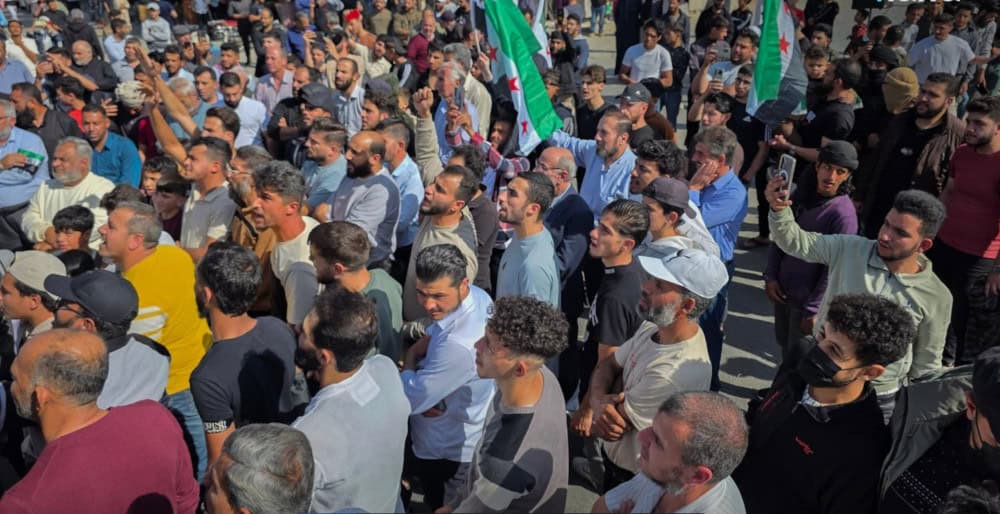
Protests break out in Syria against ‘Israeli incursions and attacks’ as tensions rise
Protests erupted across southern Syria and Damascus on October 23 against Israeli military operations in the buffer zone along the Golan border, following reports that a Syrian man with disabilities was killed during an IDF raid. The protests come amid growing Syrian condemnation of Israeli incursions, as well as diplomatic efforts by Syrian officials to…
-

FBI arrests alleged Islamic State supporter accused of plotting to assassinate Texas congressman
A 17-year-old Texas teenager allegedly plotted to assassinate Republican US Representative Keith Self at a veterans’ fundraiser as part of a broader Islamic State-inspired terrorist plot. Federal agents arrested the suspect after he acquired a firearm.
-
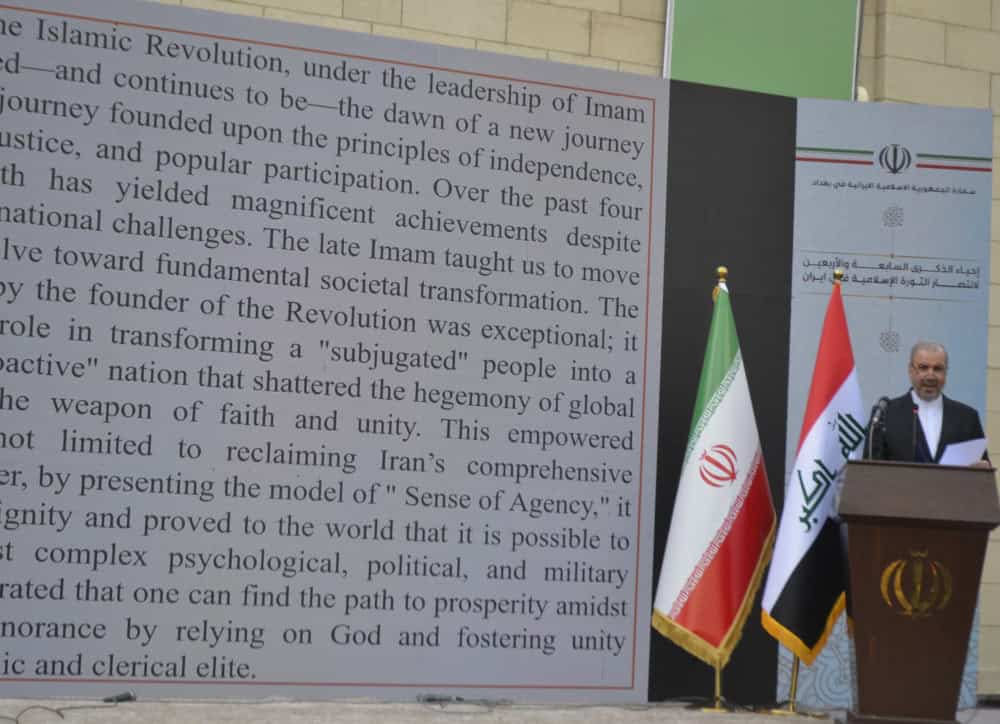
Iran says it has agreement with Iraq to expel Kurdish Iranian opposition groups
Iran’s ambassador to Iraq claimed on October 20 that Iraq has agreed to expel Iranian Kurdish opposition groups based in the Kurdistan Region. The announcement came amid increased Iranian attacks on these groups and as the Kurdistan Workers’ Party withdraws from positions in northern Iraq as part of a peace process with Turkey. An Iraqi…
-
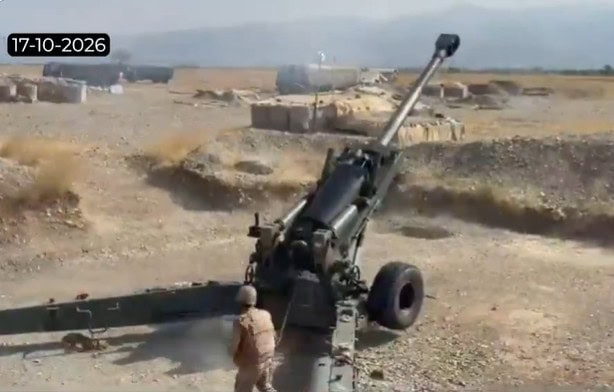
Pakistan-Taliban border clashes continue amid diplomatic efforts
Pakistani forces and the Taliban exchanged heavy fire along the border as Russia, the European, and China pressed for dialogue and action against terrorist groups operating from Afghanistan.
-
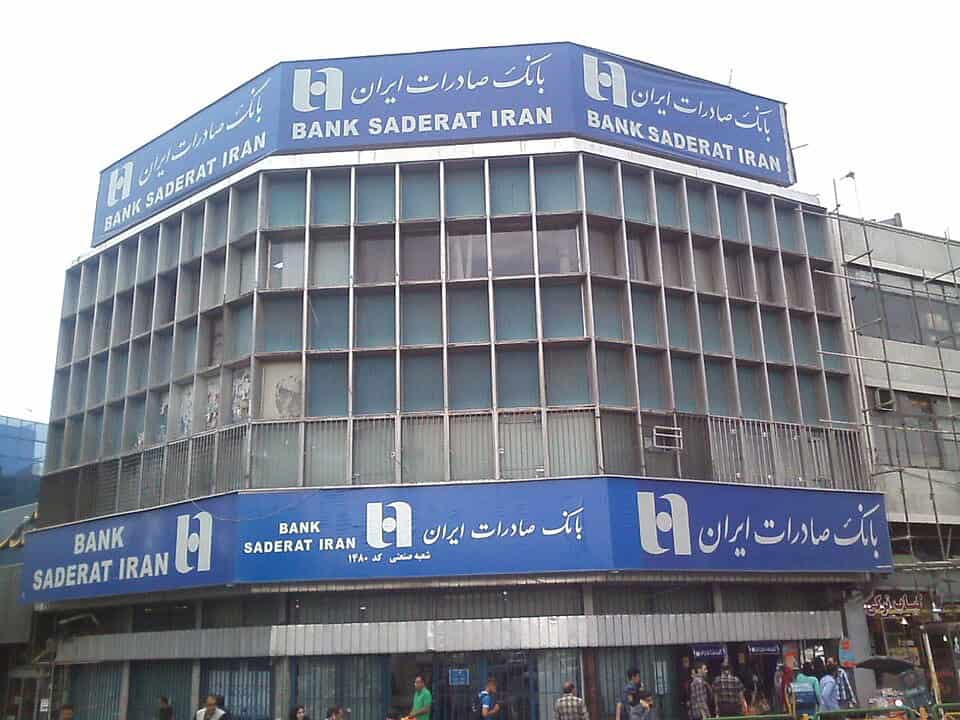
Lebanon revokes Iranian bank’s license amid US pressure over Hezbollah financing
Lebanon has revoked Bank Saderat Iran’s operating license amid US pressure to disrupt Hezbollah’s financial networks. The bank has a documented history of channeling Iranian funds to Hezbollah, but whether Lebanese authorities have closed its branches or initiated liquidation proceedings remains unclear.
-

Hezbollah accuses Lebanese police of violating security coordination procedure after supporters reportedly obstruct raid
Armed men identifying themselves as Hezbollah supporters reportedly surrounded Lebanese security personnel conducting an October 16 raid on a pharmaceutical warehouse near Beirut’s southern suburbs. Hezbollah subsequently claimed the officers had violated an agreed security coordination procedure with the group.
-

Profile: Hezbollah’s new liaison to the Lebanese state and society
Hussain al Abdallah, the new chief of Hezbollah’s Liaison and Coordination Unit who succeeded Wafiq Safa, reportedly sought the return of explosives seized by Lebanese security forces in early October. Abdallah’s career spans more than two decades in Hezbollah’s southern security apparatus.
-
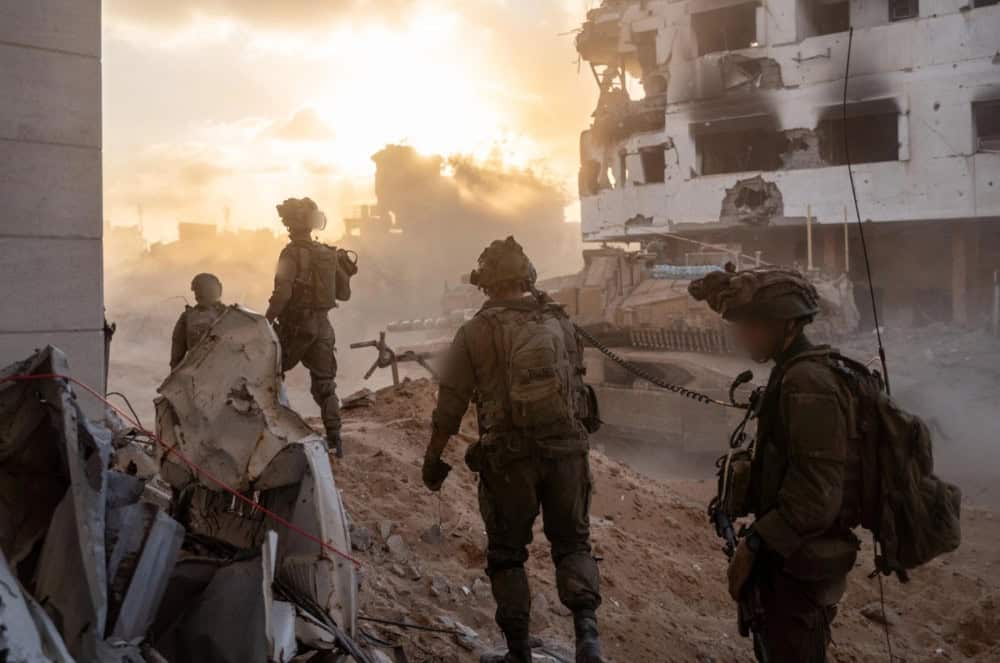
Israel reportedly blocks Board of Peace base in Gaza, IDF reports 31 ceasefire violations October 1–15
Efforts to implement the US-backed Board of Peace’s plans for Gaza remain stalled on the ground, with a first military facility still unbuilt, but preparations for Hamas’s disarmament and international reconstruction cooperation are moving forward. Meanwhile, Hamas maintains its grip on Gaza’s civilian administration and commercial activity, despite its July declaration that it was relinquishing…
-
Iraqi commander killed by Islamic State following Iraqi airstrikes against the group
An Iraqi brigadier general and two other military personnel were killed by an explosive device linked to the Islamic State near Kirkuk on October 14, a day after Iraqi F-16s carried out airstrikes against Islamic State positions in the area. The incident underscores the continued threat posed by the remnants of the jihadist group in…
All Articles
-
Continuing the Hunt
Coalition forces continue to target al Qaeda’s leadership. In Baghdad, al Qaeda physicians Dr. Sa’ad and Dr. Mazen are detained. Both men were responsible for treating wounded jihadis. Dr. Mazen is more than just an MD, however. According to CENTCOM, he “sold weapons and explosives to Wamid [al Qaeda’s Emir in Baghdad] and his subordinates to kill Iraqi Security and Coalition forces. He has admitted to visiting neighboring countries to buy weapons and explosives and then smuggling them back into Iraq, where he would sell them to his terrorist connections in Baghdad. One such purchase was to provide arms to…

-
Canceling the Civil War?
Just last week, Abu Musab al-Zarqawi, al Qaeda’s commander in Iraq, once again declared all out war on the Shiites, an Islamic sect despised by al Qaeda for their interpretation of the Koran and their ritual practices. The timing of Zarqawi’s statement coincided with the assault on Tal Afar, but also with a Shiite holiday in Karbala that begun yesterday. Regardless of the threats, the Shiite faithful are make the pilgrimage to Karbala by the thousands. Karbala has been relatively quiet despite the difficult security situation created by the mass movement of Shiites into and out of the city. Eight…
-
The “Resurgence” of the Taliban
After the Taliban failed to conduct successful attacks on Afghanistan’s election day, the counting of ballots begins. al Qaeda’s number two in command, Ayman al-Zawahiri, weighs in on the election. Apparently the will of six million Afghans is illegitimate. “These elections are a farce more than anything else,” he said, echoing pre-poll comments from a Taliban spokesman. Zawahri insisted the Taliban were still powerful and said U.S. forces had to “hide” in their bases. To disrupt the vote, the Taliban were not restricted to attacking polling places, candidates and voters. They could also intercept the ballot boxes as they are…
-
Abu Khabab and Project al-Zabadi
Bill raised the very valid point concerning al Qaeda’s chemical weapons capabilities below and with all the discussion now going on concerning them I can’t help but wonder whether or not it isn’t time to revisit the career of Midhat Mursi al-Sayyid Umar, a man far better known as Abu Khabab. A former scientist in the Egyptian chemical weapons program, Khabab, like many members of the Egyptian military, turned against the Sadat government following his peace treaty with Israel and joined Ayman al-Zawahiri’s Egyptian Islamic Jihad (EIJ), where he served as an explosives expert and poison trainer for the group.…
-
North Korea to End Nuke Program
North Korea–The North will have to build trust by fulfilling all its pledges before that issue would be discussed, said Sasae, who is director of the Asia and Oceania Bureau at Japan’s Foreign Ministry. North Korea has also refused to totally disarm without getting concessions along the way, while Washington has said it wants to see the weapons programs totally dismantled before granting rewards. The statement, however, says the sides agreed to take steps to implement the agreement “in a phased manner in line with the principle of ‘commitment for commitment, action for action.’ ” The other countries at the…
-
Toothless Taliban
Afghanistan has successfully conduct its second round of elections since its liberation from the Taliban in 2001. Turnout is estimated at over fifty percent. Despite promises to disrupt the election from al Qaeda and the Taliban, the violence on election day was insignificant. The BBC tallies up the election day violence: • A skirmish between police and Taliban. Two police and three Taliban are killed. • A French soldier is killed by a land mine. • Two rockets fired at a UN compound. • One Taliban fighter killed during an attack on a police station. • A candidate’s house is…
-
Chemical Games
The successful assault on the northern city of Tal Afar brought the prospect of chemical warfare in Iraq to the fore. Two al Qaeda linked groups claimed to have conducted successful attacks using chemical weapons last week. The Army of the Victorious Sect stated they attacked the Interior Ministry with rockets equipped with chemical weapons, while the Islamic Army of Iraq also took credit for firing a chemical mortar round. No proof of a successful chemical attack was found nor were any unusual injuries reported. Shortly after the purported attacks, an al Qaeda linked web forum praised the attacks and…

-
Continuing Ops In Tal Afar and Anbar
Coalition forces continue mop-up operations in Tal Afar. General Casey reports the city is nearly cleared of insurgents after recent operations, and that up to eighty percent of the foreign fighters (otherwise known as al Qaeda) and insurgents killed or captured have been accounted for (see this comment for correction). About 20,000 of the city’s population fled during the fighting, contrary to the stories of a mass exodus of civilians. Reconstruction efforts have been taking place in the city in conjunction with the fighting, with local Iraqis participating in the efforts to provide for jobs and ownership. Coalition forces captured…
-
Strikes in the Sunni Triangle
Coalition forces continue to press operations in the heart of the Sunni Triangle. The towns of Haditha and Karabilah are the latest targets. Haditha, which has been inaccurately referred to the Zarqawi’s “Islamic Republic of Haditha” , was the focus of a raid by ground forces, followed by airstrikes. A terrorist complex was uncovered, and weapons caches and a VBIED (car bomb) factory were destroyed. Some of the car bombs were ready to use, others were close to completion. According to CENTCOM, the residents of the “Islamic Republic” provided the intelligence to conduct the operation. In Karabilah, near Qaim, nine…

-
Back to the Euphrates III: Samarra, Ramadi
Both military and political pressure are being applied in the Anbar province. Al Jazeera reports airstrikes and combat between U.S. forces and ‘Iraqi fighters’ in the city of Ramadi near the U.S. base and a mosque. Omar from Iraq the Model reports delegates from Samarra have met with Iraqi Defense Minister Dulaimi to negotiate the future of the city. Dulaimi took a stern tone with the delegates, warning them that order is to be restored, be it locally or from the central government; “The minister was straightforward in his speech and warned the delegates that if the city doesn’t cooperate…
-
Back to the Euphrates II
As stated a few hours ago, the attacks in Baghdad would likely cause the Coalition to reassess the need to push forward with plans for operations along the Euphrates River. Reuters claims, based on a statements made by Major General Rick Lynch, that “U.S. forces are ready to launch air strikes on towns in western Iraq as they search for Iraq’s al Qaeda leader ” However, Reuters has the story wrong. First, the U.S. has been conducting airstrikes in the region of Qaim for weeks. Second, MG Lynch was very specific about the type of operation they plan to conduct in…
-
More Middlemen in Mosul; Back to the Euphrates
The Coalition continues to dismantle Al Qaeda’s network in northern Iraq. Yesterday Col. Robert Brown described the degradation of al Qaeda in the north, summarized here; “Eighty percent of the network has been killed or captured. Sixty to seventy percent of the terrorist killed were foreigners. Most terrorists are now in their mid-teens, and inexperienced. Mortar attacks are down from three hundred a month to six.” Today, Multinational Forces-Iraq stated that three more senior al Qaeda commanders in the Mosul region have been detained, based on intelligence from local Iraqi citizens. Captured were Abu Muhammad, “a terrorist battalion commander for…
-
Baghdad Battles
After Tal Afar, al Qaeda strikes in its predictable and brutal fashion: suicide bombs and terror. In Baghdad, a suicide bomber lures in Shiite day-laborers, blows up his truck. Reports indicate 114 killled and 156 wounded in this single incident. Mohammed at Iraq the Model states eleven separate explosions in Baghdad ocurred in today. According to Zarqawi today’s attacks are revenge for al Qaeda’s losses at Tal Afar, and the beginning of “all out war against the Shiites”. Zarqawi’s terror campaign achieves its desired effect. Coalition successes in northern and westerner Iraq are overshadowed by the gruesome images of mass…
-
After Action Report: Oil Spots and Tal Afar
There has been much debate in the past on the lack of an effective strategy to fight the insurgency in Iraq. In the September/October edition of Foreign Affairs, Andrew Krepinevich argues that to win, the U.S. must fight using an “oil spot” strategy, which is one of securing major cities, and working your way to the outlying areas, slowing gaining control of the region and establishing law and order. Two days ago, Pamela Hess reported that the oil spot strategy (or “ink blot” in her article) is working effectively in Fallujah. Yesterday, Col. H. R. McMaster, the commander of the…

-
More Ops at the Gateway to the Euphrates Ratline
There is little rest for al Qaeda and the insurgency in the Qaim region, or in northwestern or southwestern Iraq as well. Reuters AlertNet reports multiple airstrikes in Karabila and ground operations in Gumruk. “American aircraft have struck the city of Karabila more than 10 times,” the source said. A security source added that the Iraqi army also clashed with insurgents at Gumruk, near Karabila, on Tuesday.” The involvement of Iraqi Army units, if true, is an interesting development, as most operations in this region have been conducted by U.S. Marines. Word has it that families are moving to Haditha…
-
Enter the 82nd in Tal Afar
At the end of last month, the Department of Defense reported two battalions from the 82nd Airborne Division will deploy to Iraq to provide additional security for the upcoming elections. Less than three weeks after the announcement, the 2nd Battalion, 325th Airborne Infantry Regiment of the 82nd appears in action at Tal Afar. Stryker Brigade News has the details: In successful combat operations Soldiers from 2nd Squadron, 3rd Armored Cavalry Regiment detained 57 individuals suspected of terrorist activity during two operations in Tal Afar. Soldiers from 1st Squadron, 3rd Armored Cavalry Regiment detained 15 individuals suspected of terrorist activity during…

-
Unsafe Havens
While mop-up operations continue in Tal Afar, Coalition forces continue to keep al Qaeda off balance on the Euphrates and Tigris Rivers. Last night a raid was conducted in Haditha, where an al Qaeda aide was arrested and an airstrike was called in to destroy an enemy vehicle. Four of his associates were subsequently killed in the attack. Several Days ago, al Qaeda’s Emir in Mosul, Abu Zayd, was killed. Zayd succeeded Mosul Commanders Abu Talha (former leader of Ansar al-Islam, captured) and Abu Zubayr (killed). Zayd also was the author of a scathing letter to Zarqawi, where he lamented…
-
A Fresh Offensive in Tal Afar
Reports of the end of the Tal Afar offensive are greatly exaggerated. Reuters states an Iraqi brigade has launched a new operation in the city, “killing 40 insurgents and arresting 21 “terrorist emirs,” or senior insurgent leaders.” The Kuwait News Agency reports that eighty percent of the city is now under Coalition control, so there is still some heavy lifting to be done. The city was deemed safe enough that Iraqi Prime Minister Jaafari arrived to inspect the operations. Initial estimates of the strength of the insurgency were around 350 to 500 fighters total. The best guestimate available on enemy…
-
Border Wars V – Operation Cyclone in Rutbah, Tal Afar, and more
With simultaneous offensives occurring in Qaim, Tal Afar, and Rabiah, Coalition forces launch Operation Cyclone in the southern town of Rutbah, which sits astride roads at the southern-most border crossing with Syria and the northern-most border crossing with Jordan. Cyclone is a cordon and search, there is no word on the composition of the force or whether Coalition forces intend to fully occupy the town at this time, as is being done in Tal Afar. The Iraqi government states Iraqi Security Forces took the lead in the fight in Tal Afar. While the media reports on the size of the…

-
Border Shutdown West of Tal Afar
The Iraqi government has instituted a curfew and closed the border crossing in the town of Rabiah, which is directly West of Tal Afar, the city where the Coalition has initiated an assualt. “The decree closed the border to all transportation, including the railroad, except for vehicles with special permission from the Interior Ministry.” The border is being sealed tight to prevent al Qaeda reinforcements from streaming in, as well as to close the door on any terrorists that slip the cordon around Tal Afar. This implies that U.S. or Iraqi forces are availble to actually shut the border down…

