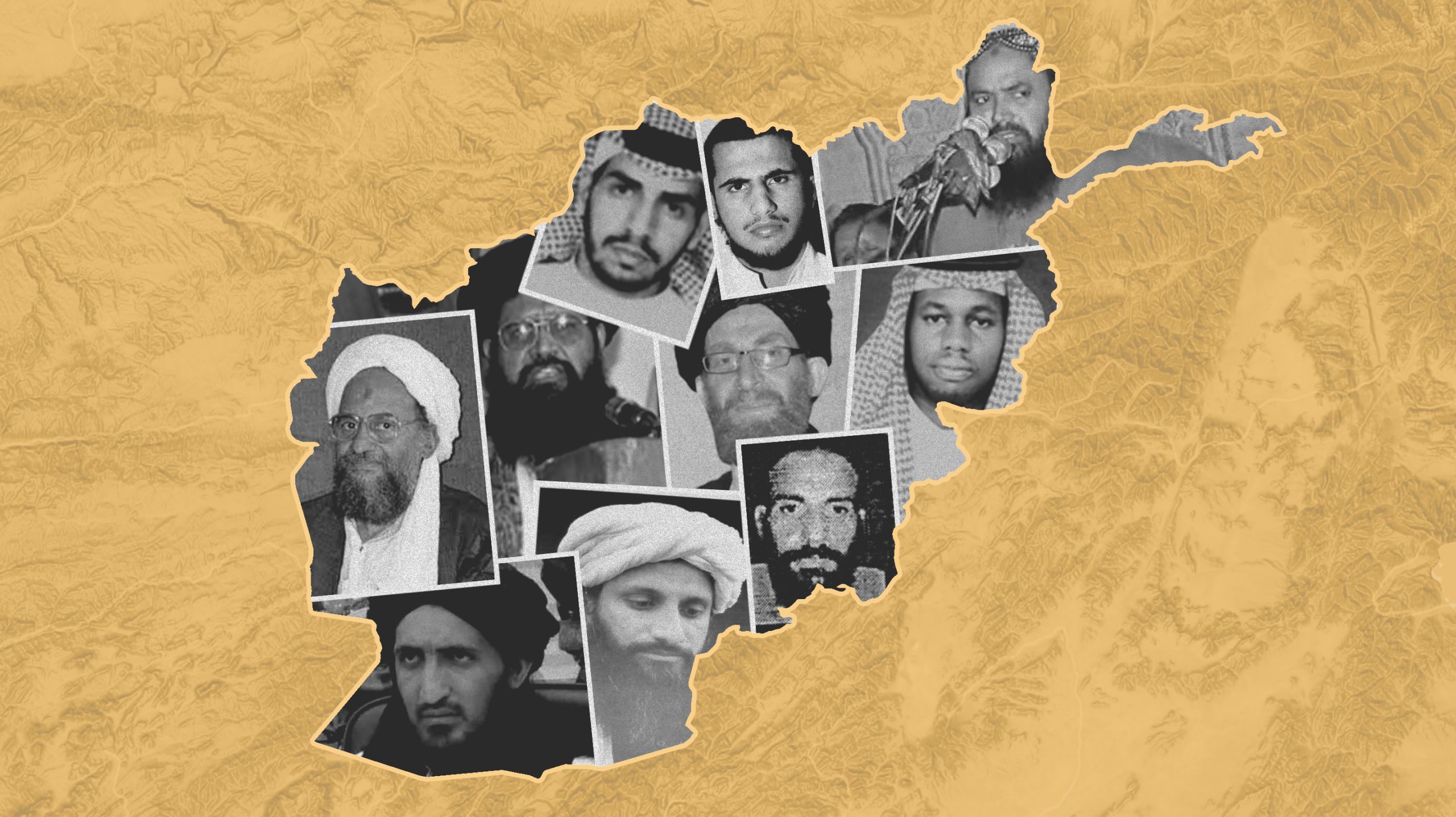
Map from NPR/US TRANSCOM.
The Taliban claimed credit for destroying 22 NATO fuel tankers and supply trucks in a bombing and subsequent ambush in the northern province of Samangan. The trucks were using the Northern Distribution Network, the supply line through the Afghan north that serves as an alternative to the Pakistani routes [see LWJ report, Analysis: The US-Pakistan relationship and the critical factor of supply, for more information on the NDN]. More on today’s attack, from The Associated Press:
To show they remain a resilient force, insurgents are conducting targeted attacks – even in relatively peaceful parts of the nation like Samangan province in the north.
The Taliban said they attacked NATO supply trucks parked overnight in the Rabatak area of Samangan.
“We put explosives on a fuel tanker. When it exploded, we fired on the trucks,” Taliban spokesman Zabiullah Mujahid told The Associated Press in a telephone call.
Sidiq Azizi, a spokesman for the province, said many tankers and semi-trailers caught fire after the bomb went off around 2 a.m.
By mid-day, heavy black smoke still poured from the area where the truckers had stopped to rest. Firefighters were spraying water on the burning vehicles.
“There was a big boom,” Azizi said. “It’s possible that is was a magnetic bomb from insurgents. We are investigating.”
“I counted 20 fuel tankers burning. There is still a very big fire,” said Azizi, who was at the scene. “The weather is very hot and it’s hard to get close to the fire.”
The tankers in the convoy were transporting fuel south toward the Afghan capital, Kabul, from neighboring Uzbekistan to the north.
As noted just the other day at LWJ, Samangan province is anything but peaceful. On July 14, a suicide bomber killed 23 people, including a prominent Afghan member of parliament, the western zone police commander, a provincial intelligence chief, and several senior Afghan officials, in an attack at a wedding in the provincial capital. The province is known to have hosted suicide camps used by the Islamic Movement of Uzbekistan (it is unclear if these camps still exist; we suspect they do).