Iraqi Army Brigadier General Ahat Yasser Khudair Hussein, Commander of the 11th Infantry Division’s Communications Directorate, was killed in a bombing linked to the Islamic State, Iraq’s Ministry of Defense said on October 14. The commander was killed alongside Warrant Officer Mutaz Shahid Abbas, and a third soldier later died of his wounds. Iraqi authorities blamed “a remnant of the terrorist ISIS [Islamic State] gangs” for the blast. The bombing came a day after Iraq announced airstrikes targeting the jihadist group west of the city of Kirkuk.
The Iraqi News Agency said that Hussein was killed by a “device left behind by the terrorist group ISIS in Kirkuk.” He had been “inspecting the site of an airstrike that had targeted a terrorist cell safehouse in Wadi Zaghytoun, Kirkuk Governorate, within the division’s area of
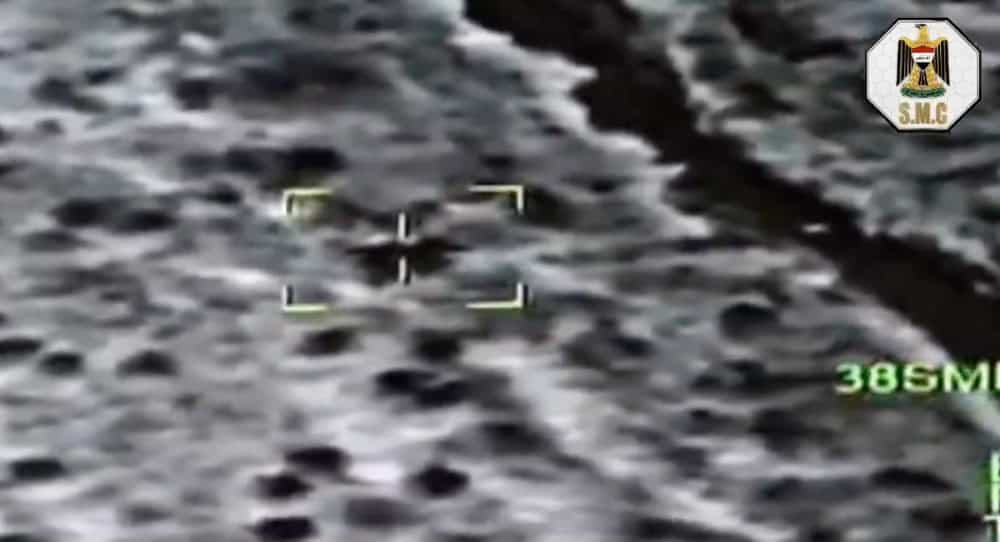
The incident followed airstrikes against the group that Iraq’s official Security Media Cell announced on October 13. The Security Media Cell said that Iraqi F-16s had carried out three airstrikes “targeting the outposts of the remnants of the terrorist ‘ISIS’ in the Zghiton [sic] Valley within the Kirkuk Operations Command sector.”
“These successful strikes resulted in the complete destruction of all targeted outposts and achieved precise hits,” the cell added.
The strike followed reports of Islamic State activity around Hawija, southwest of Kirkuk, a longtime stronghold of the jihadist group. The Islamic State seized the area during its sweep across parts of Iraq in 2014, but the Iraqi Army recaptured Hawija in October 2017. Despite losing territorial control, Islamic State cells continued to pose a threat around Hawija and in the nearby Hamrin Mountains. These areas form part of a broader arc of the jihadist group’s activity extending north toward Mount Qarachokh and the Nineveh Plains. The northern portion of this arc straddles a security seam between the Kurdistan Regional Government’s Peshmerga forces and Iraqi federal forces.
There are new concerns about Islamic State activity in these areas of northern Iraq in the wake of the US withdrawal from the country on September 30. On October 10, Iraqi parliamentarian Mazen Gharib, a member of the Security and Defense Committee, warned that the Islamic State was exploiting security gaps between the Peshmerga and Iraqi federal forces, pointing to examples in Daquq and Hawija.
On October 7, Shafaq News reported that there had been two Islamic State attacks in a 24-hour period near Hawija. “The attacks disabled thermal imaging equipment that Iraqi forces use to watch open farmland and valleys at night. They have also renewed attention on stretches of northern Iraq that local commanders concede are not fully covered.”
On October 11, Iraqi forces, including elements of the Iraqi Army, Federal Police, and the Popular Mobilization Forces (PMF), raided villages in Nineveh Governorate. The PMF is an umbrella organization composed largely of Iranian-backed militias, some of whom operate in Nineveh. The same day, the Iraqi Air Force targeted the Islamic State in Diyala Governorate.
The strikes on the Islamic State and the death of a high-level Iraqi Army commander came as Iraqi Prime Minister Ali al Zaidi met with US Special Presidential Envoy Tom Barrack on October 13. Iraq’s Prime Minister’s Office said that the two officials discussed regional security and stability but did not provide more details or mention the Islamic State.