As the Taliban enters its sixth year in power, a resistance against its rule remains active despite lacking a sanctuary or an official state sponsor. Throughout September, eight anti-Taliban resistance groups claimed to have conducted 37 targeted operations, consisting mostly of ambushes or assassinations.
The attacks took place in the southern provinces of Helmand, Kandahar, and Zabul; the eastern province of Nangarhar; the southeastern province of Ghazni; the northern provinces of Baghlan, Badakhshan, and Sar-e Pol; the western province of Badghis; and the central provinces of Kabul, Panjshir, Kapisa, and Ghor. Sustained engagements with Taliban forces were also reported in the northeastern province of Badakhshan and the eastern province of Nuristan.
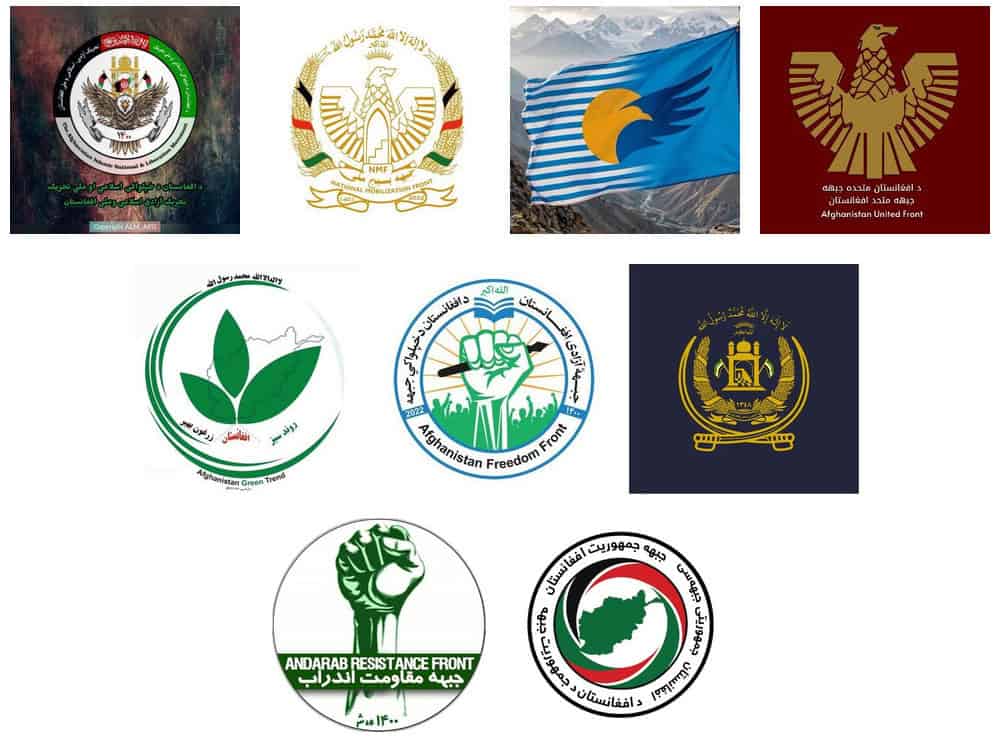
Over the past month, Ahmad Massoud’s National Resistance Front (NRF) claimed two attacks in mid-September, both in the northeastern province of Badakhshan, which has been the focus of much of the anti-Taliban activity over the past few months. The NRF claimed that the attacks left 10 Taliban members killed or wounded.
The Andarab Resistance Front, an NRF affiliate that operates in the Andarab valley of Baghlan province, claimed to have conducted a joint attack with the newly formed New Horizon Organization on September 5 in Andarab, reportedly killing three Taliban members and wounding three others.
The NRF’s September kinetic operations were comparatively light compared to previous months, a drop likely attributable in part to the death of senior NRF commander Hasib Panjshiri, whom the Taliban killed on August 19 in northern Salang, an area of Parwan province north of Kabul. On September 4, the NRF announced that Commander Mukhtar Shoresh, one of Panjshiri’s closest comrades, would replace him.
Relatedly, on September 25, the NRF announced that former Afghan parliamentarian Saleh Mohammad Registani had been appointed its general operational commander. On the same day, the NRF posted a video purportedly showing Registani in Afghanistan, announcing his return to fight the Taliban.
The Afghanistan Freedom Front (AFF), led by former Afghan National Army Chief of General Staff Yasin Zia, claimed to have launched seven targeted operations in Kapisa province near Kabul, the eastern province of Kunar, the northern provinces of Badakhshan and Sar-e Pol, and the Afghan capital of Kabul, killing 15 Taliban members and wounding 13.
In early September, the AFF claimed to have repelled a Taliban assault on its fixed positions in the Zibak district of Badakhshan province. The AFF claimed to have repelled Taliban assaults on its positions in Zibak since late July.
On September 26, the AFF claimed to have repelled a Taliban assault on its outposts in the northeastern province of Nuristan. The next day, the group said it had liberated villages in the Kamdesh district of Nuristan and the Nari district of Kunar from the Taliban, allegedly killing 37 Taliban personnel and wounding 24 others. The AFF disputed Taliban videos circulating on X claiming to show AFF fighters surrendering to the Taliban. Additional footage posted on X purports to show AFF fighters standing alongside captured outposts in Kamdesh, Nuristan.
The Afghan United Front (AUF), led by former Afghan National Army 215th Corps Commander Lieutenant General Sami Sadat, claimed to have conducted 21 attacks across Afghanistan in September, allegedly killing 21 Taliban members and wounding at least nine. Of the 21 attacks, six took place in Kandahar and three in Helmand, both in southern Afghanistan, underscoring Sadat’s intention to challenge the Taliban in its stronghold.
Nearly all of the AUF’s operations were either ambushes or assassinations targeting lone Taliban members. A handful targeted Taliban outposts or checkpoints. Notably, on September 28, the AUF claimed responsibility for an attack on the Taliban governor’s office in Ghor province in central Afghanistan. According to Afghan press reports, the Taliban detained at least 10 people for involvement in the attack.
Other smaller anti-Taliban resistance groups also conducted attacks throughout September. In mid-September, the Afghan Green Trend, led by Amrullah Saleh, former first vice president of the Islamic Republic of Afghanistan, claimed to have killed three Taliban members in Badakhshan province and destroyed two Taliban vehicles in a separate attack in Panjshir province north of Kabul.
On September 28, the National Mobilization Front (NMF) claimed to have killed two Taliban members in Baghlan province in northern Afghanistan. On September 29, the NMF also claimed responsibility for the attack on the Ghor provincial headquarters. It is unknown whether the NMF or AUF conducted the attack, though the AUF has shown the capacity to attack Taliban headquarters during its two months on the battlefield.
The Afghan Liberation Movement, a smaller group focused primarily on southern Afghanistan, claimed that a sniper attack on September 11 in Helmand province killed two Taliban members.
The Afghanistan Republican Front (ARF), a new anti-Taliban resistance group that reported its first attack in early August, claimed a grenade attack on a Taliban checkpoint in Kabul’s 13th district on September 4. The ARF also announced an attack on the Ghor provincial center on September 12. Tahir Zamir, a former governor of Bamyan province in central Afghanistan, leads the ARF. In May 2023, Zamir surrendered to the Taliban before taking up arms again.
Qayyum Malang’s Homeland Soldiers Front did not claim any attacks in September. Afghan media reported that the Taliban sent a senior delegation to Badakhshan to persuade Malang to end his armed struggle. However, Malang reportedly rebuffed the offer. The Homeland Soldiers Front briefly captured the Yaftali Sufla district center in Badakhshan province on July 17, marking the first time the Taliban had lost control of a district center since regaining power in August 2021.
Although the anti-Taliban resistance is not currently an existential threat to Taliban rule and is unlikely to emerge as one in the near to medium term, it continues to conduct attacks across Afghanistan. The United Nations reported that security incidents in the country from May 1 to July 31 increased by 11% compared with the same period in 2025. However, that figure includes attacks by resistance groups and by terrorist organizations such as the Islamic State.