-
Taliban force surrender of dissident commander, kill senior anti-Taliban resistance leader
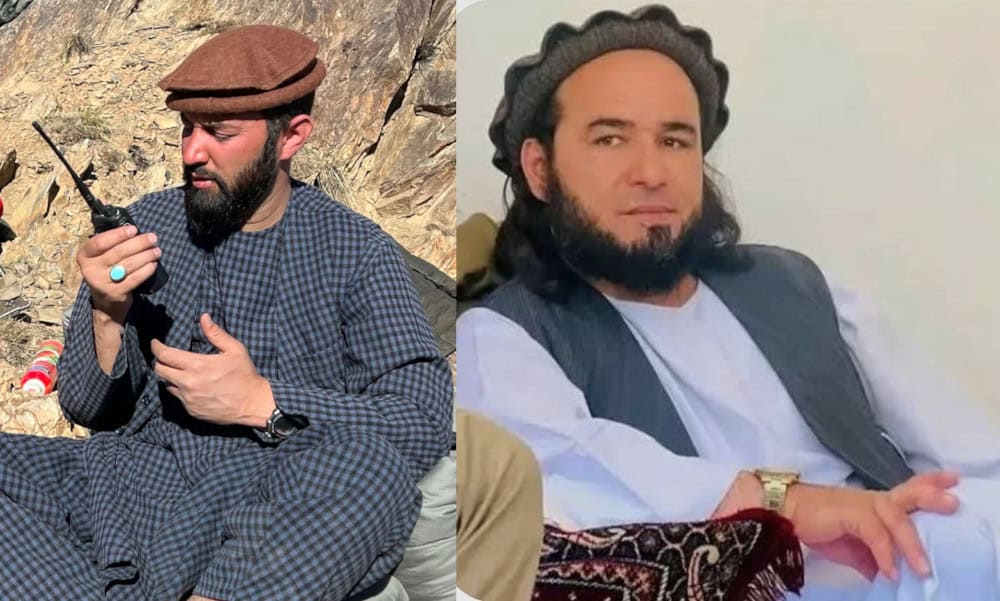
The surrender of dissident Taliban commander Juma Khan Fateh and the death of senior National Resistance Front commander Hasib Panjshiri give the Taliban notable victories as Afghanistan’s armed resistance attempts to build momentum.
-
Resistance to Taliban rule persists in Afghanistan
Five years after the fall of Kabul, Afghanistan’s armed resistance continues to expand despite lacking territorial sanctuary, overt state sponsorship, and meaningful international assistance. Although it remains far from an existential threat to Taliban rule, its persistence challenges the appearance of uncontested control.

-
Anti-Taliban resistance groups increase attacks in northeast Afghanistan, district center briefly falls
Three anti-Taliban resistance groups launched separate operations across Badakhshan province, Afghanistan, over a two-week period, temporarily overrunning a district center and attacking Taliban positions in multiple districts. While there is no evidence of direct coordination among the resistance groups, there are signs cooperation may be increasing.

-
Anti-Taliban groups conclude fifth Vienna Conference
Over 90 former leaders of the previous Afghan government, civil society representatives, and anti-Taliban resistance leaders attended the conference at the Austrian Institute for International Affairs and called for help forming a transitional government.

-
Analysis: The Afghanistan Freedom Front Steps into the Spotlight
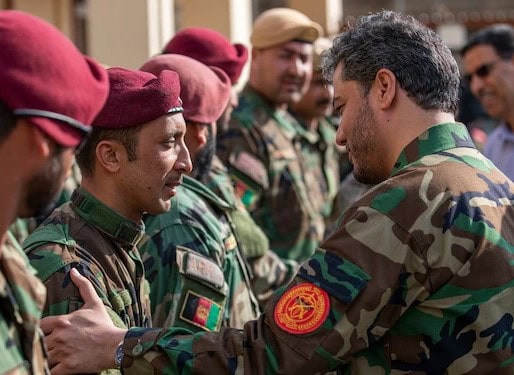
The Afghanistan Freedom Front (AFF), led by former Afghan Armed Forces Chief of General Staff Yasin Zia, is increasing the scope and lethality of its attacks. While the AFF is still in its infancy, Zia’s battlefield experience bodes well for its future.
-
Nascent Afghan resistance grows in strength but not a threat to Taliban rule
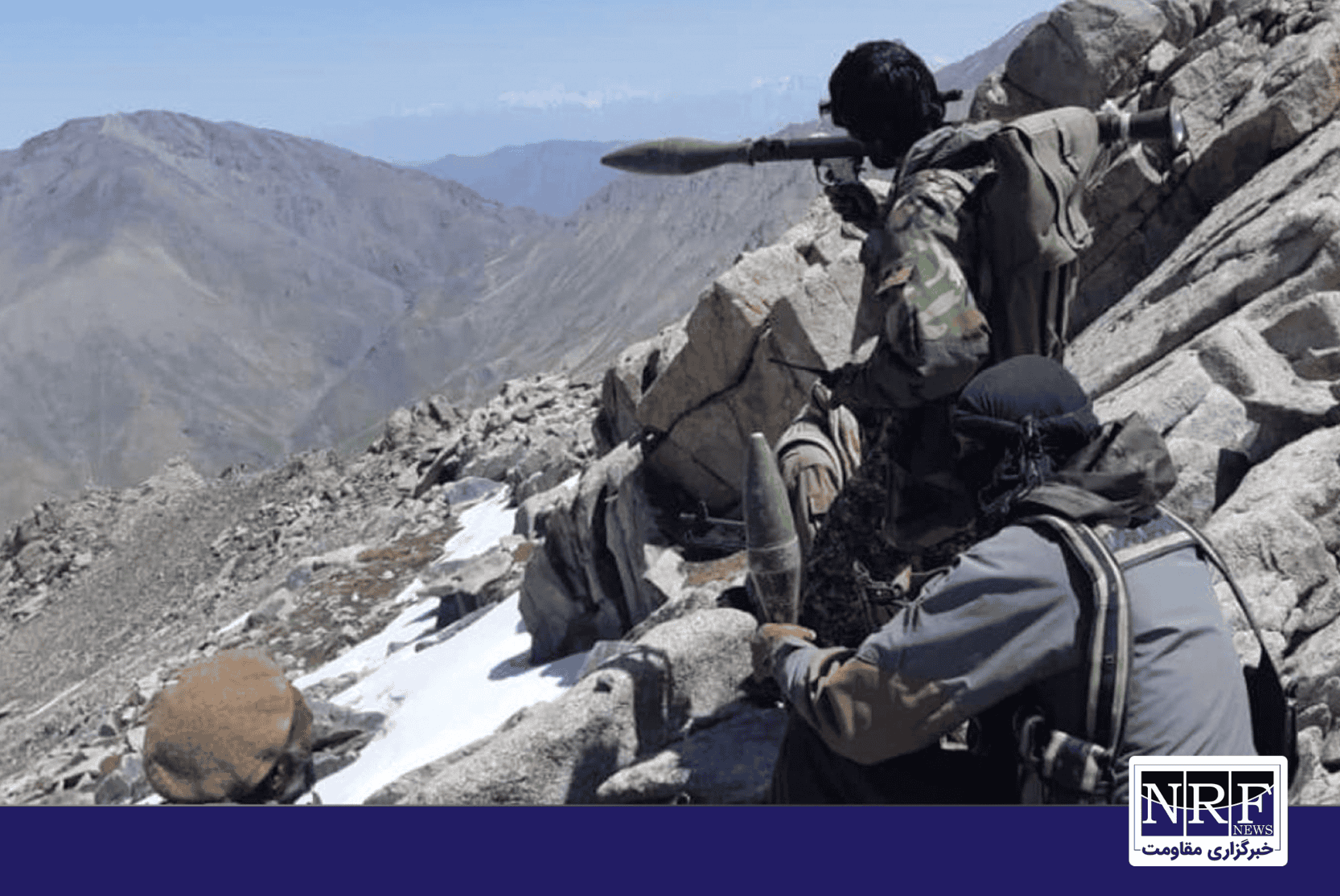
The anti-Taliban resistance is gaining strength and conducting more attacks on the Taliban regime. However, these groups lack cohesion, outside support, and a safe haven. Until those requirements are met, they will lack the strength to be a formidable challenger to Taliban rule.
-
One year after U.S. withdrawal, resistance to Taliban rule grows
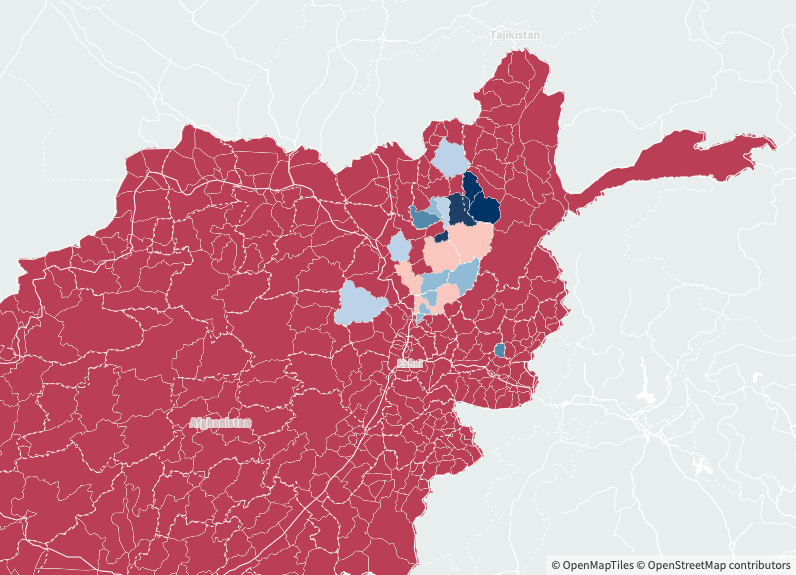
One year after America’s chaotic withdrawal from Afghanistan, resistance to the Taliban’s brutal regime has organized in northern Afghanistan and is beginning to challenge the Taliban’s primacy. FDD’s Long War Journal is mapping the resistance activities.
-
Taliban Appoints Former Guantanamo Bay Detainee to Lead Fight in Panjshir
Zakir’s appointment to lead the fight against the National Resistance Front (NRF) in Panjshir and the district of Andarab in the neighboring province of Baghlan is a clear indication that the NRF is challenging the Taliban’s primacy in central and northern Afghanistan. Zakir is a capable military commander.
-
U.S. State Department does “not support organized violent opposition to the Taliban”
This policy both limits the effectiveness of anti-Taliban resistance and reduces the U.S. military and intelligence communities’ ability to monitor and strike Al Qaeda, the Islamic State and other regional and global terror groups based in Afghanistan.
-
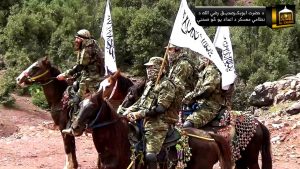
Taliban completes conquest of Afghanistan after seizing Panjshir
The mountainous fortress province of Panjshir fell only seven days after the Taliban launched its assault. The Taliban is now in complete control of the country, and is set to declare its Islamic Emirate of Afghanistan.
-
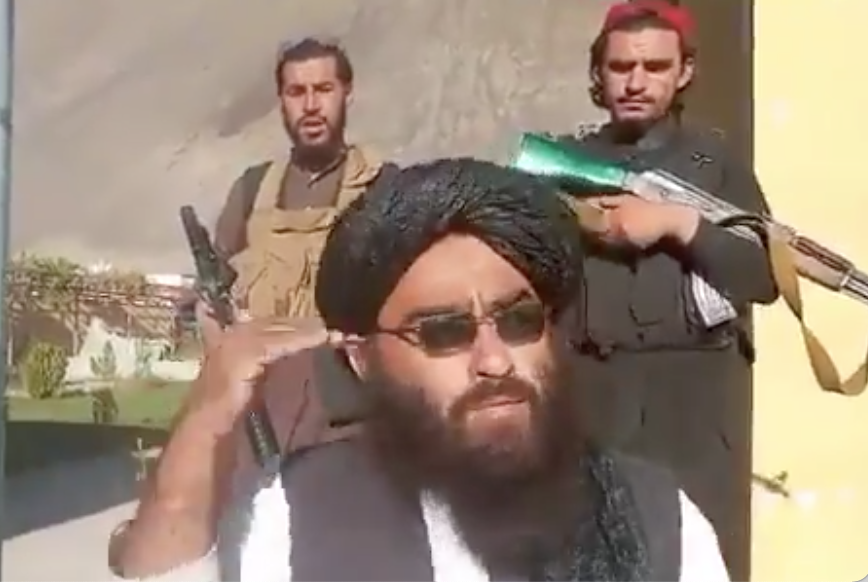
National Resistance Front repels multi-day Taliban assault on Panjshir
The Taliban launched attacks on three mountain passes that lead to Panjshir province, the last bastion of resistance in Afghanistan. The National Resistance Front repelled the assault.