-
Anti-Taliban resistance claims attacks across Afghanistan in September
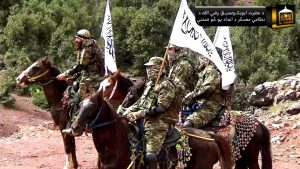
Anti-Taliban resistance groups claimed to have conducted 37 targeted operations across Afghanistan in September, including assassinations, assaults in Taliban strongholds in the south, and fighting over outposts in the northeast.
-
Resistance to Taliban rule persists in Afghanistan
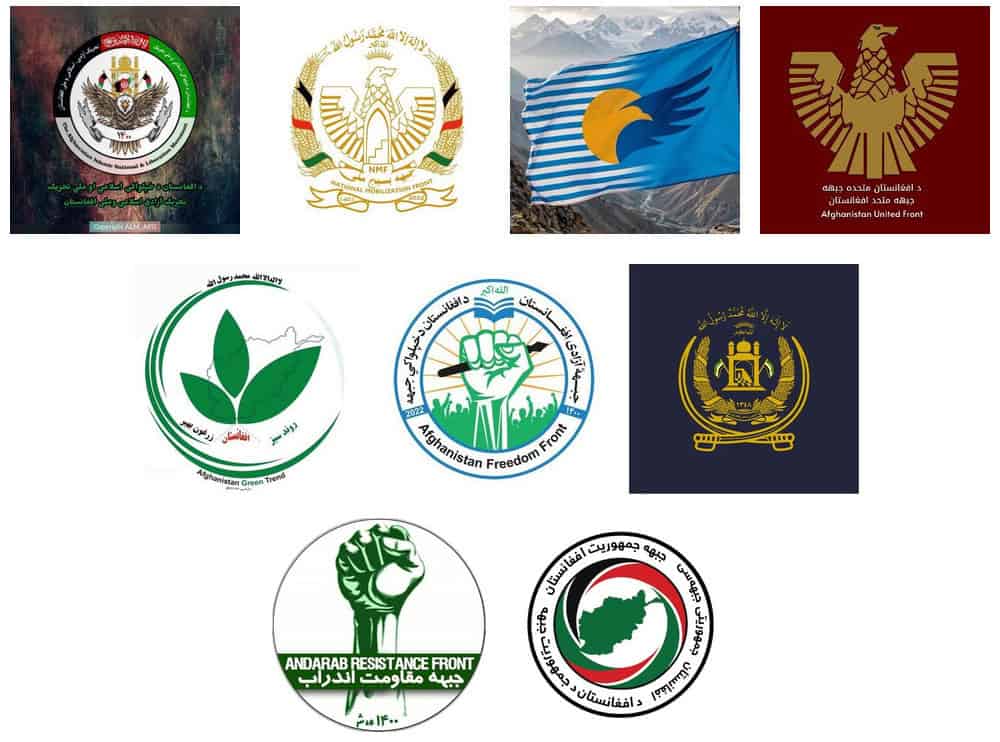
Five years after the fall of Kabul, Afghanistan’s armed resistance continues to expand despite lacking territorial sanctuary, overt state sponsorship, and meaningful international assistance. Although it remains far from an existential threat to Taliban rule, its persistence challenges the appearance of uncontested control.
-
Anti-Taliban groups conclude fifth Vienna Conference
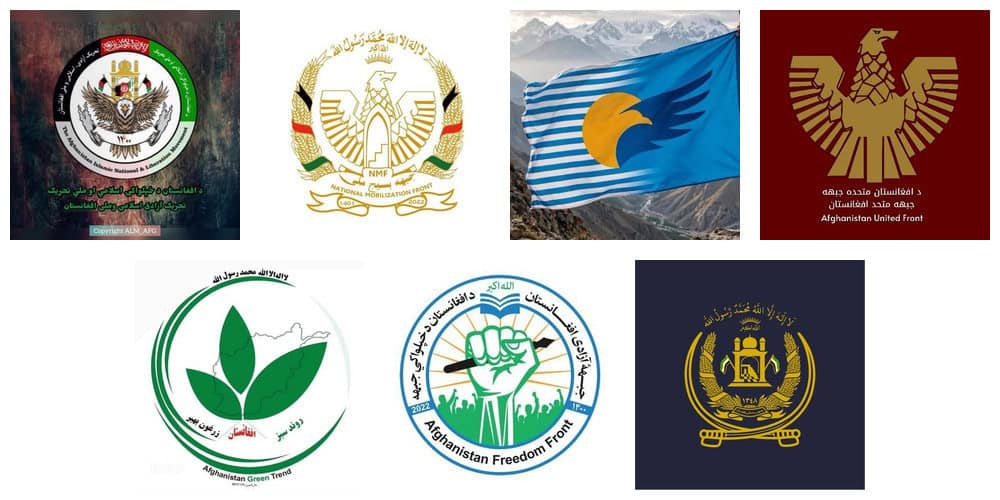
Over 90 former leaders of the previous Afghan government, civil society representatives, and anti-Taliban resistance leaders attended the conference at the Austrian Institute for International Affairs and called for help forming a transitional government.

-
Analysis: The Afghanistan Freedom Front Steps into the Spotlight
The Afghanistan Freedom Front (AFF), led by former Afghan Armed Forces Chief of General Staff Yasin Zia, is increasing the scope and lethality of its attacks. While the AFF is still in its infancy, Zia’s battlefield experience bodes well for its future.
-
U.S. State Department does “not support organized violent opposition to the Taliban”
This policy both limits the effectiveness of anti-Taliban resistance and reduces the U.S. military and intelligence communities’ ability to monitor and strike Al Qaeda, the Islamic State and other regional and global terror groups based in Afghanistan.