
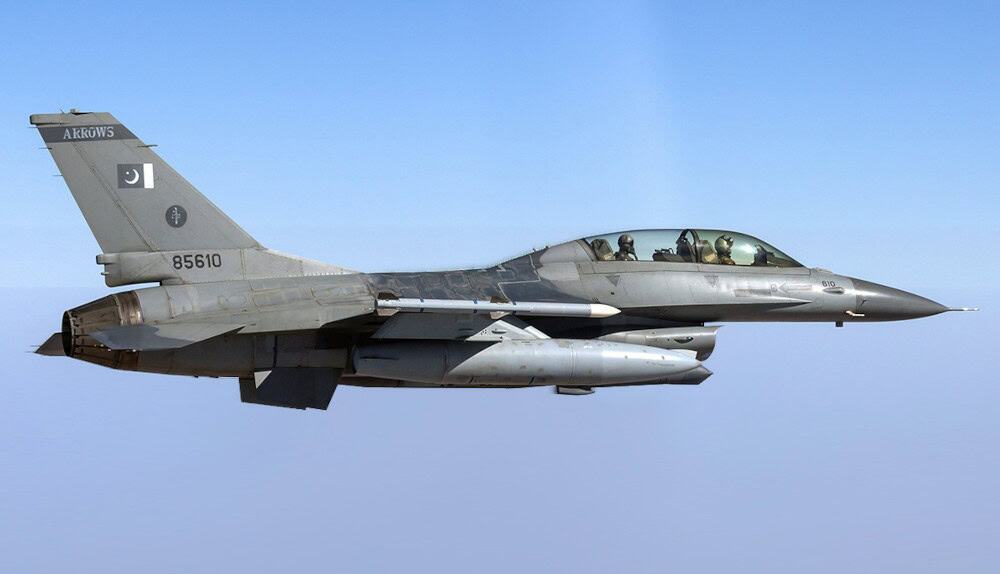
The latest round of conflict between Pakistan and the Taliban continued this past week, including airstrikes, cross-border attacks, targeted operations, and a car bombing. The fighting appears likely to continue unless intermediaries can help bring about a ceasefire between the former allies.
On September 24, Pakistan conducted airstrikes on 10 targets in Afghanistan that it said were used to conduct drone attacks against Pakistan. The strikes hit targets in Kandahar, Paktia, and Khost provinces in southern and eastern Afghanistan. The Taliban confirmed the strikes and said they killed four people but denied conducting any drone attacks.
Attaullah Tarar, Pakistan’s federal minister for information and broadcasting, posted on X that “the targets were linked to terrorist attacks inside Pakistan against unarmed civilians and [a] recent foiled drone intrusion by Afghan Taliban regime on 23 September.” Taliban Spokesperson Zabihullah Mujahid condemned the attacks on X, stating that they “will be met with an appropriate response through a decisive stance.”
Although Pakistan played an instrumental role in the Taliban’s return to power in 2021, the relationship has deteriorated due to Pakistan’s contention that the Taliban provides a safe haven for militants, such as the Movement of the Taliban in Pakistan (TTP), to conduct attacks against Pakistan. The dispute has led to intermittent rounds of fighting between the former allies over the past two years.
This most recent round of fighting began on September 18 when Ittehad ul Mujahideen Pakistan (IMP), a TTP splinter group, conducted a complex suicide attack on a police compound, killing 31 people and injuring more than 100 others. Two days later, Pakistan retaliated with air strikes against alleged militant hideouts. Pakistan reported that the strikes killed 28 militants. The Taliban disputed this claim, stating that the strikes killed three civilians.
On September 25, Pakistani security forces claimed to have repelled a Taliban cross-border attack in southwest Pakistan, leaving 13 Afghan Taliban personnel dead. The Taliban denied the claim.
On September 26, the TTP claimed responsibility for a suicide car bombing at a police checkpoint in northwest Pakistan that killed 12 people and wounded approximately 35 others. After the bombing, gunmen opened fire on first responders, killing a rescue worker and wounding two others.
That day, Pakistani Prime Minister Shehbaz Sharif addressed the recent spike in tensions at the United Nations General Assembly, claiming that the Taliban provides sanctuary to both the TTP and the Baluchistan Liberation Army as they conduct attacks on Pakistan.
On September 27, the Taliban Ministry of Defense claimed to have killed 28 fighters and captured 32 others who had crossed from Pakistan into Afghanistan’s eastern Nuristan province. The Taliban alleged that the fighters were recruited by Pakistan’s intelligence services and included members of the former Afghan government and Islamic State fighters. Pakistan denied the Taliban’s claims. Videos on X linked to the Taliban claim to show captured fighters confessing to being trained by Pakistani intelligence.
Also, on September 27, Afghan media reported significant fighting along the border involving artillery, mortars, and other heavy weapons. The battles took place in the eastern Afghan provinces of Paktia and Nangarhar and the Kurram district of Pakistan’s Khyber Pakhtunkhwa province. Both sides reportedly blamed the other for initiating the attacks.
Relatedly, on September 27, the Inter-Services Public Relations, the official media and public relations wing of the Pakistani Armed Forces, reported that security forces had killed 71 terrorists in Baluchistan in the previous 96 hours. The Pakistani Army blamed Indian sponsored Taliban militant activity for prompting the operation.
The latest round of fighting between Pakistan and Afghanistan followed nearly three months of relative calm after Pakistani airstrikes in late June. Pakistan said those strikes were in retaliation for an attack in Karachi, Pakistan, claimed by Jamaat-ul-Ahrar (JuA), another TTP splinter group.



.jpg)