-
Fighting between Pakistan and the Taliban persists into second week
The latest round of conflict between Pakistan and the Taliban continued this past week, including airstrikes, cross-border attacks, targeted operations, and a car bombing. The renewed direct clashes that began on September 18 ended a nearly three-month lull in fighting between the former allies.
-
Analysis: Pakistan attempts to shift blame for TTP attacks toward India
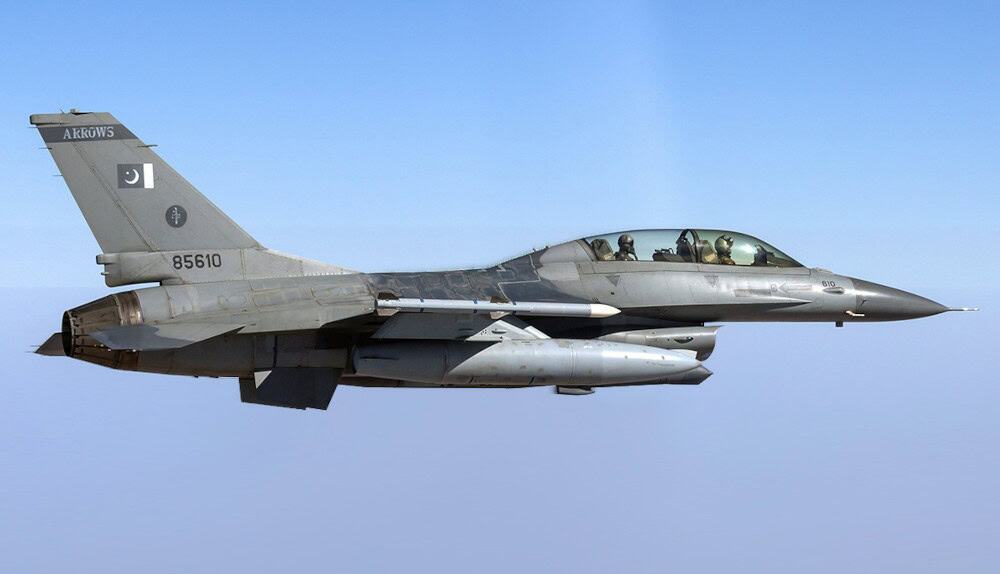
Pakistani officials blamed an attack in the northwestern province of Khyber Pakhtunkhwa that killed 11 Pakistani soldiers on the “Indian Proxy, Fitna al Khwarij.” However, the accusation is an attempt to redirect the responsibility for violence toward India and mask Pakistan’s role in the formation of and support for the Afghan Taliban and its spinoff, TTP.
-
Pakistani Taliban kills scores in mosque bombing in Peshawar
Jamaat-ul-Ahrar, a faction of the Movement of the Taliban in Pakistan, claimed credit for the deadly attack. The Movement of the Taliban in Pakistan denied involvement, while it and the Afghan Taliban cynically claimed it would never strike a mosque.
-
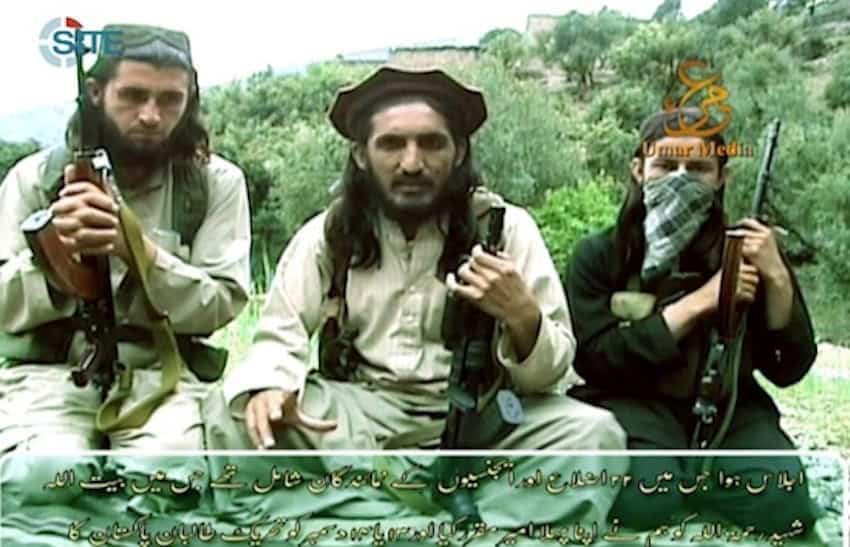
Senior Pakistani Taliban leader reportedly killed in Afghanistan
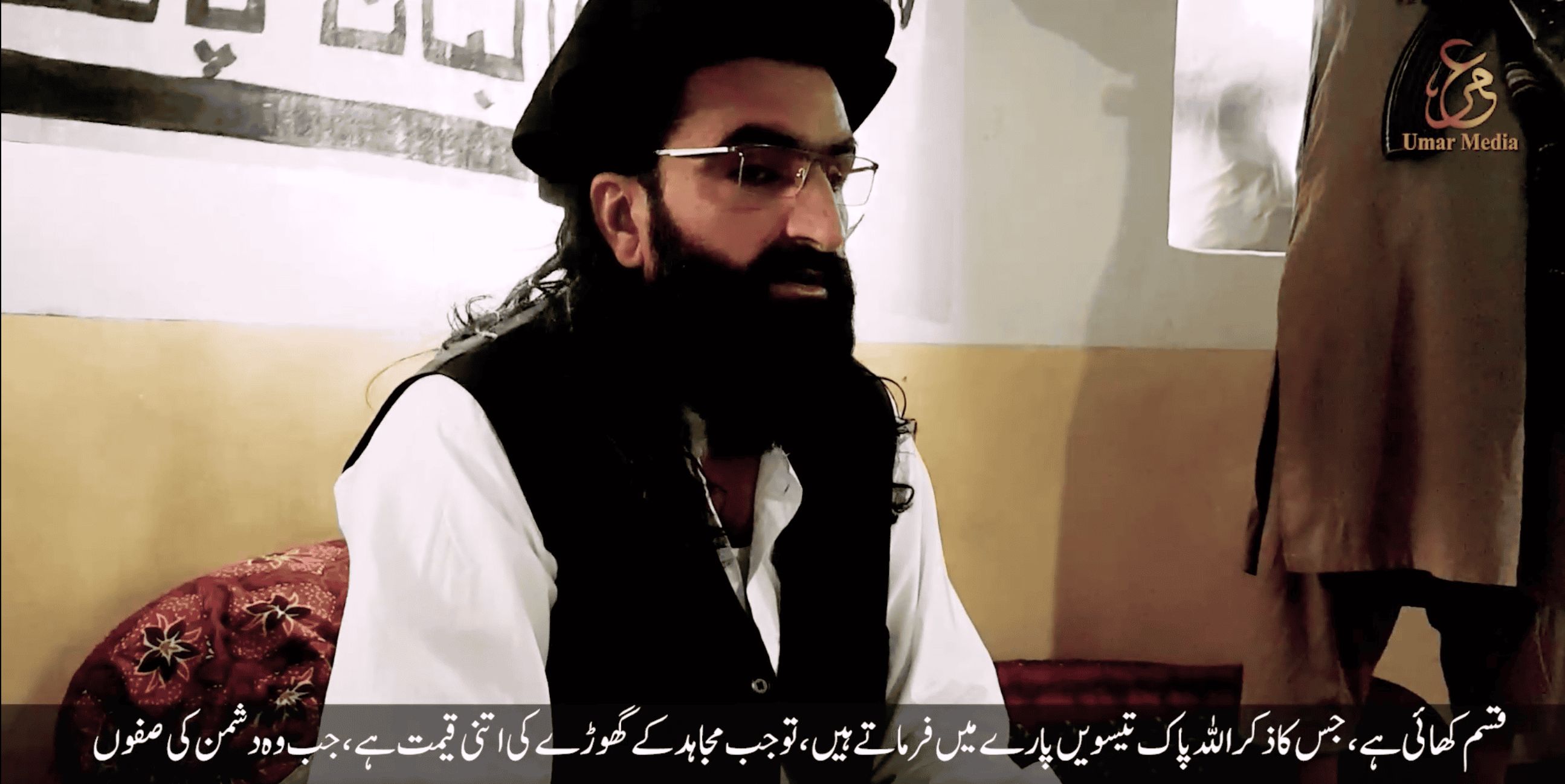
Jamaat-ul-Ahrar and Movement of the Taliban in Pakistan leader Omar Khalid Khurasani, who is believed to have given sanctuary to Ayman al Zawahiri in the past, has called for global jihad, attacks on the US, and the establishment of the caliphate, and celebrated the Sept. 11, 2001 attacks on the U.S. He is reported to have been killed in a district in Afghansitan that has hosted an Al Qaeda training camp in the past.
-
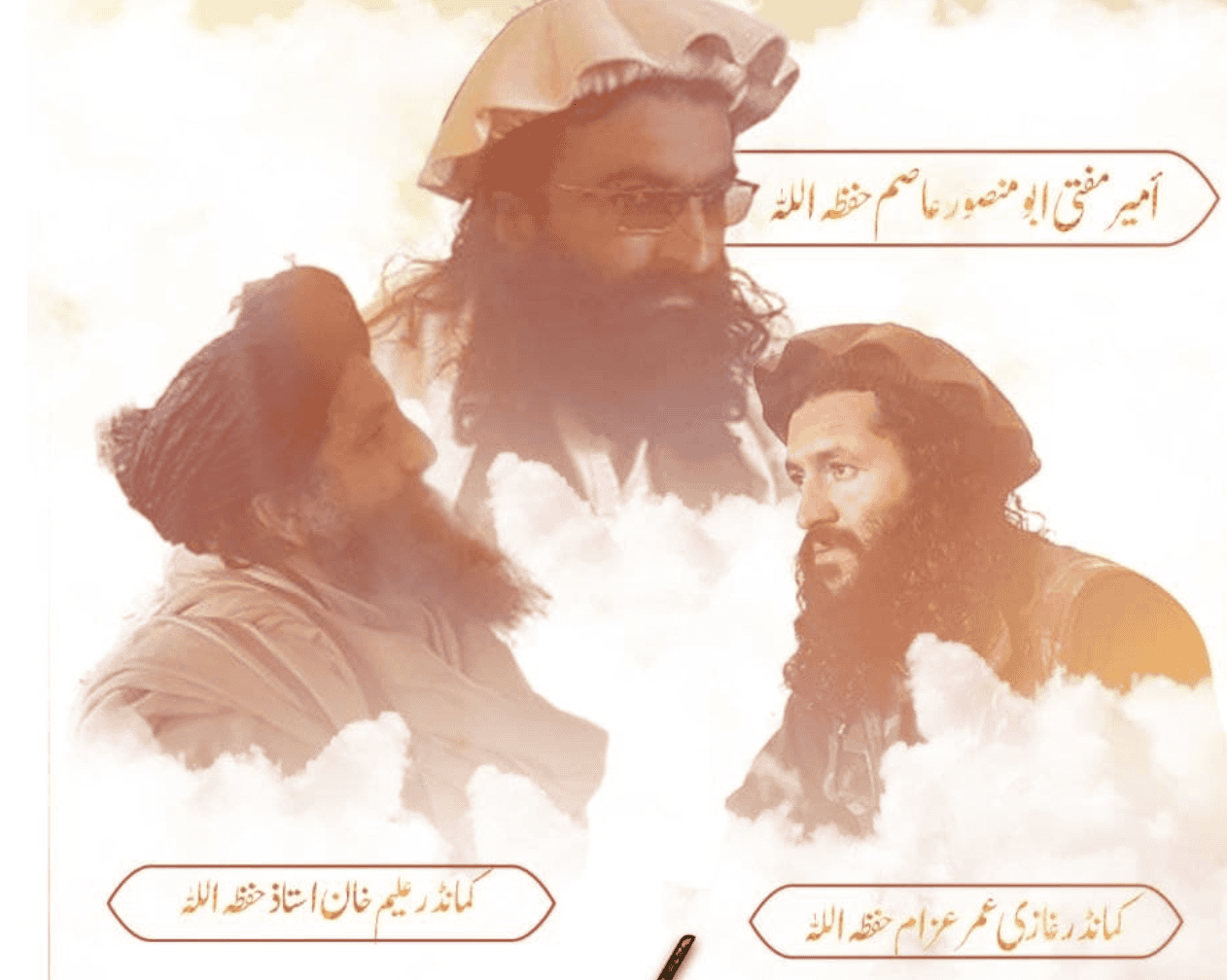
Movement of the Taliban in Pakistan (TTP) consolidates power in tribal areas
With increased muscle, backing and resources, the TTP – which sent thousands of fighters into Afghanistan to help the Afghan Taliban conquer the country over the summer – can now refocus its efforts on its insurgency in order to overthrow the Pakistani state.
-
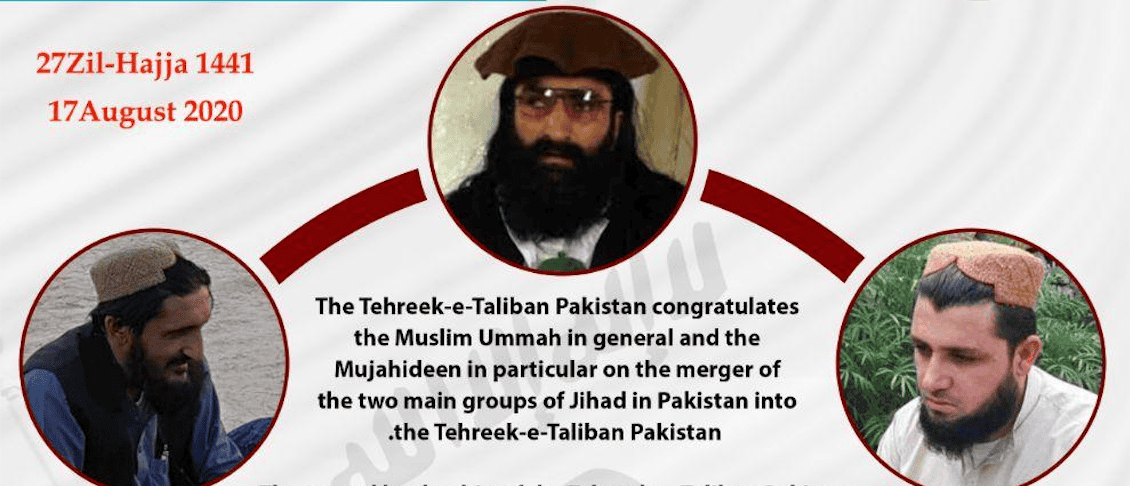
Pakistani Taliban splinter factions officially rejoin group
The Pakistani Taliban announced today that two splinter factions, Jamaat-ul-Ahrar (JuA) and Hizb-ul-Ahrar (HuA), have rejoined the organization.
-
Al Qaeda growing stronger under Taliban’s umbrella, UN finds
According to a recently released report by a UN Security Council monitoring team, the Taliban is the “primary partner for all foreign terrorist groups operating in Afghanistan,” including al Qaeda. The only exception is the Islamic State, which opposes the Taliban.

-
Leader of Jamaat-ul-Ahrar emerges after reports of his death
Omar Khalid Khurasani, who was reported to have died on Oct. 19 after a US drone strike, is alive. However, he confirmed the death of Khalifa Umar Mansour, the group’s military leader who was killed in a US airstrike back in Afghanistan in July 2016.
-
US kills influential al Qaeda-linked Pakistani Taliban leader in Afghanistan
Omar Khalid al Khurasani was closely allied with al Qaeda and its emir, Ayman al Zawahiri. In the past Khurasani has called for the imposition of sharia law, the establishment of a global caliphate, and the seizure of Pakistan’s nuclear weapons. He was killed in a drone strike in Paktia province.
-
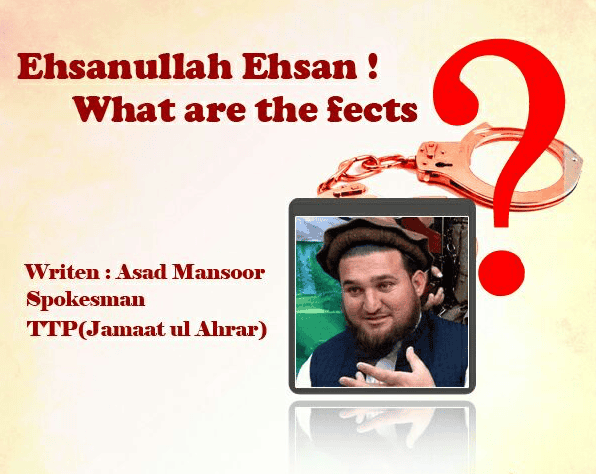
Pakistani Taliban faction claims spokesman was captured in Afghanistan
Jamaat-ul-Ahrar said that Ehsanullan Ehsan was captured on Mar. 7 by Pakistan’s Inter-Services Intelligence Directorate along with three others and subsequently turned over to the Pakistani military. The group’s claim contradicts the Pakistani military’s version of events. Earlier this week, Pakistani officials said Ehsan had voluntarily turned himself in.
-
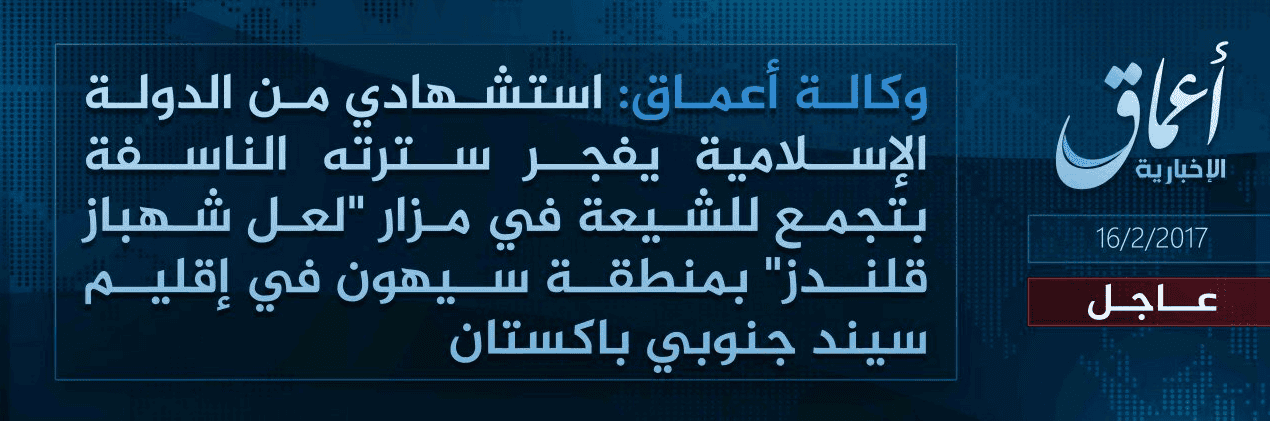
Islamic State targets Sufi shrine in Pakistan suicide bombing
The Islamic State’s Khorasan province claimed credit for today’s suicide bombing at a Sufi shrine in Sindh province, Pakistan that killed at least 70 people and wounded scores more.
-
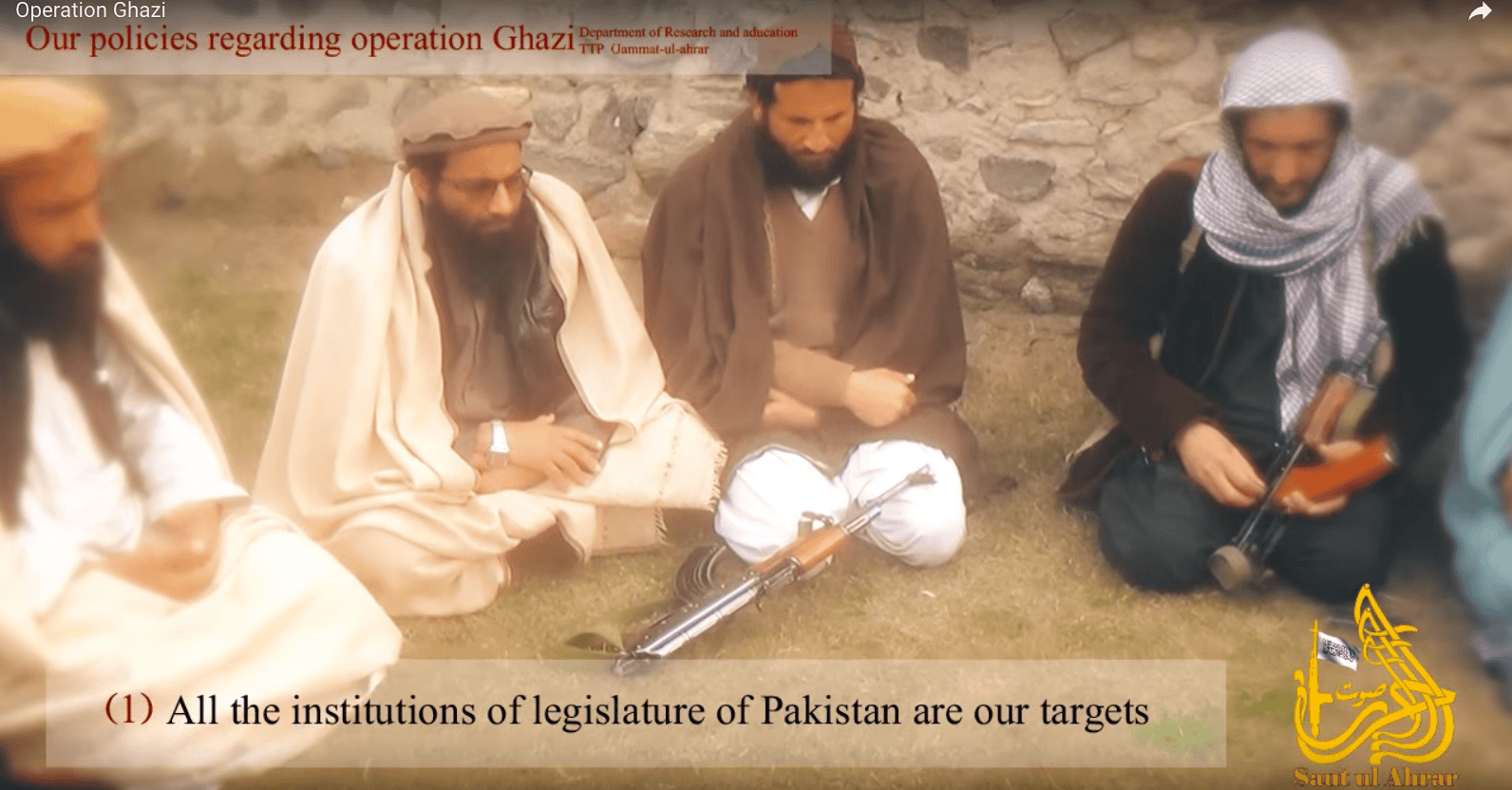
Pakistani Taliban faction targets police in Lahore
Jamaat-ul-Ahrar claimed that attack, which killed at least 10 people and wounded scores more, under Operation Ghazi. The operation targets all factions of the Pakistani state.
-
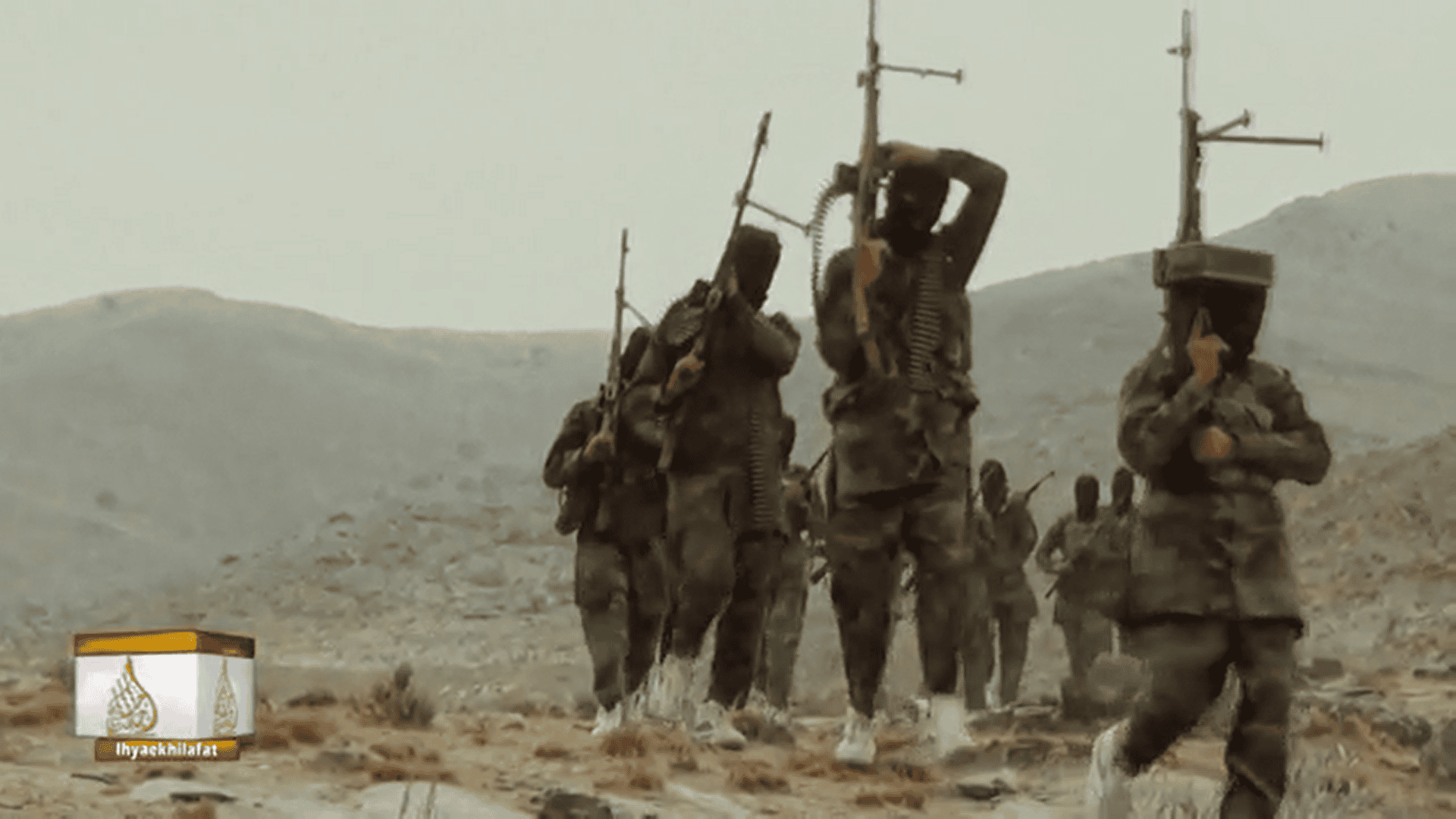
Pakistani Taliban faction showcases training camp, suicide attacks
The video, from Jamaat-ul-Ahrar, a powerful faction of the Movement of the Taliban in Pakistan, highlights the training of suicide bombers and an assault on a Pakistani military base that took place last November.
-
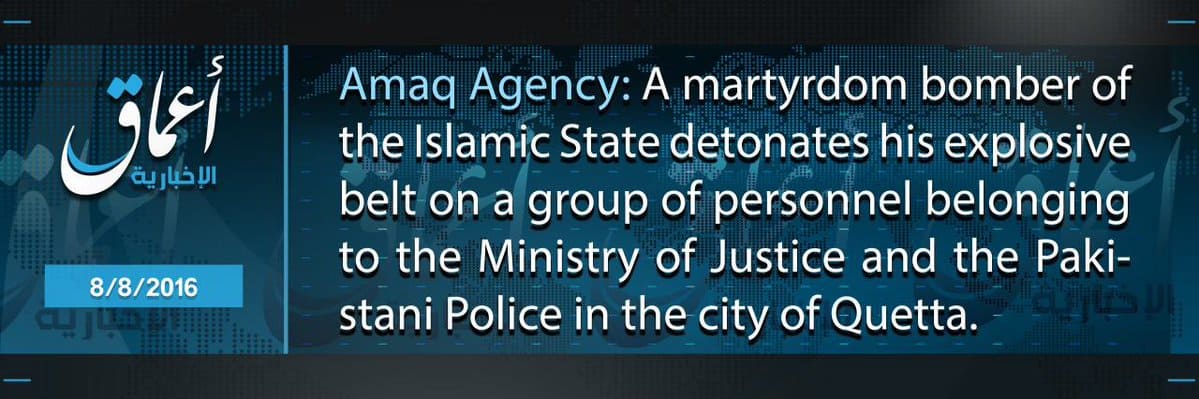
Jamaat-ul-Ahrar, Islamic State claim suicide attack at Pakistani hospital
While the competing claims cannot be verified, both groups are capable of executing the mass-casualty suicide attack in Quetta.
-
US State Department lists Jamaat-ul-Ahrar as terrorist group
Jamaat-ul-Ahrar has been behind numerous deadly attacks inside Pakistan and is closely allied with the Afghan Taliban and al Qaeda. In 2014 it celebrated al Qaeda’s 9/11 attacks on the US and said it would fight until an Islamic caliphate “is established in every nook and corner of the world,” it concluded.

-
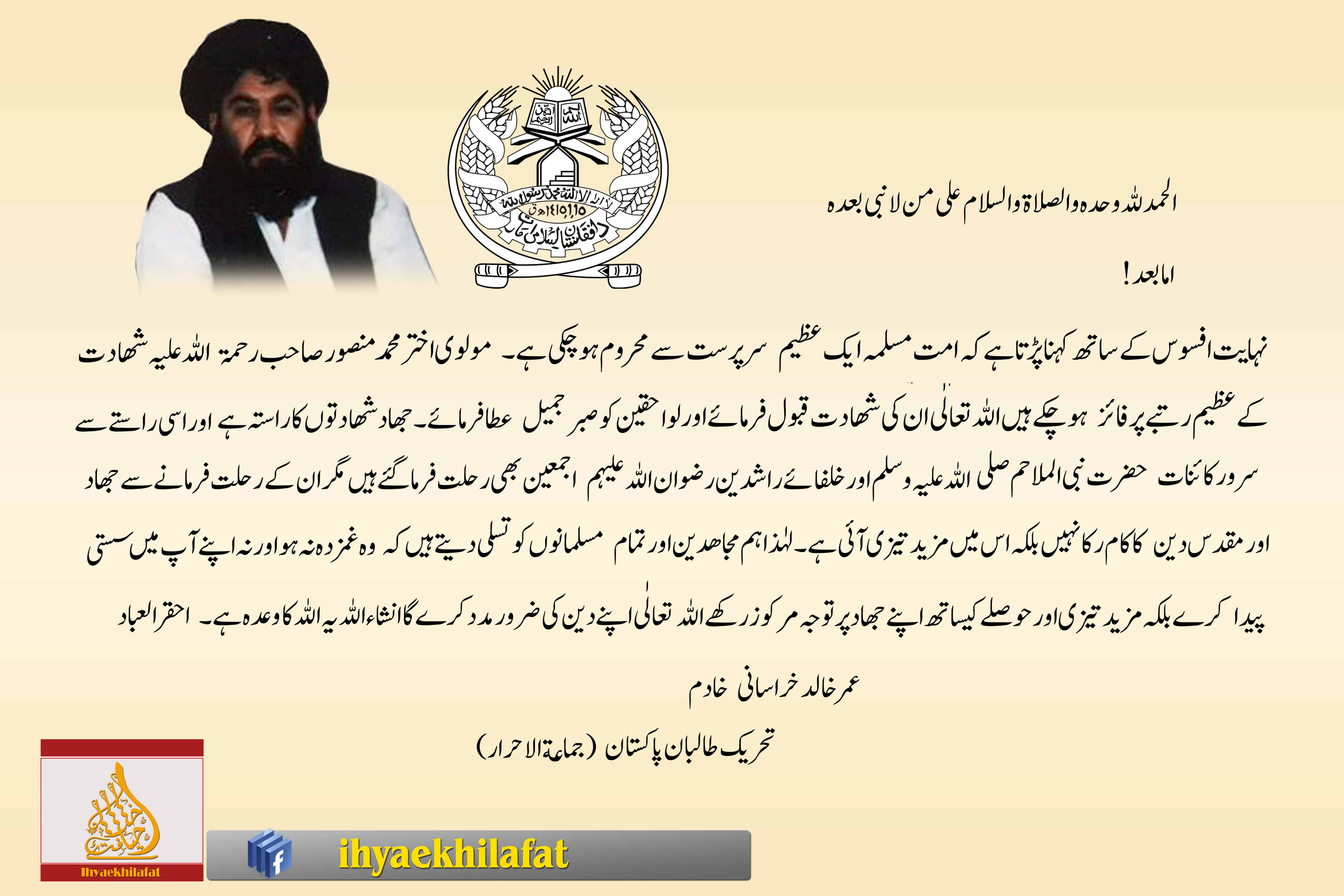
Pakistani Taliban faction mourns death of Mullah Mansour
“With regret the Muslim world has lost a great mentor,” Jamaat-ul-Ahrar spokesman Ihsannullah Ihsan said, referring to Mansour. He urged “the Mujahideen and all Muslims” not to grieve too long, and to “focus on fighting” their enemies.
-
‘The target was Christians,’ Pakistani Taliban says of Lahore Easter attack
“The target was Christians,” the official spokesman of the Movement of the Taliban in Pakistan Jamaat-ul-Ahrar said after a suicide bomber killed more than 70 people, mostly women and children, at a park in Lahore.
-
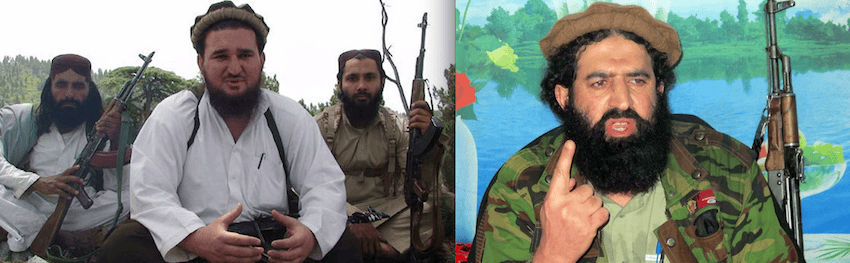
Pakistani Taliban confirms death of Khorasan province spokesman, calls for Afghan Taliban and Islamic State to ‘end their dispute’
The spokesman for the Jamaat-ul-Ahrar faction of the Movement of the Taliban in Pakistan said it “will avenge” the death of Shahidullah Shahid “from the Americans and its allies.” He also claimed a peace council was formed to mediate the dispute between the Islamic State and the Afghan Taliban.
-
Pakistani Taliban kills Dr. Afridi’s lawyer
The murder of Samiullah Afridi will make it all the less likely that Dr. Shakil Afridi will ever get a chance to appeal his prison sentence for his role in helping find Osama bin Laden.
/assets/images/featured-image-default.jpg)
-
Pakistani jihadist groups, Lashkar-i-Islam merge into the Movement of the Taliban in Pakistan
Omar Khalid Khorasani’s Jamaat ul Ahrar faction and Mullah Fazlullah’s group have put aside differences and reformed the Movement of the Taliban in Pakistan. Lashkar-e-Islam also joined the group.

-
Jihadists praise Paris attacks
Various jihadist groups around the world have commented on the terrorist attacks in Paris and have lauded the terrorists as “heroes.”
-
Taliban splinter group releases photos of suicide bomber who attacked Pakistani border crossing
Jamaat-ul-Ahrar announced that a fighter known as Hanifullah executed the deadly suicide attack on Nov. 2 at the Wagah border crossing.

-
India
Pakistan border attack shows Islamists′ strength
-
Suicide bomber strikes in Pakistan at border crossing with India
Jamaat-ul-Ahrar, a recently formed splinter group of the Movement of the Taliban in Pakistan, and Jundallah both claimed credit for the suicide attack in Wagah that killed more than 50 people.
-
Discord dissolves Pakistani Taliban coalition
The spokesman for the Pakistani Taliban announced that he and five other leaders had defected to the Islamic State this week. The bulk of the organization had already broken off earlier this year.
-
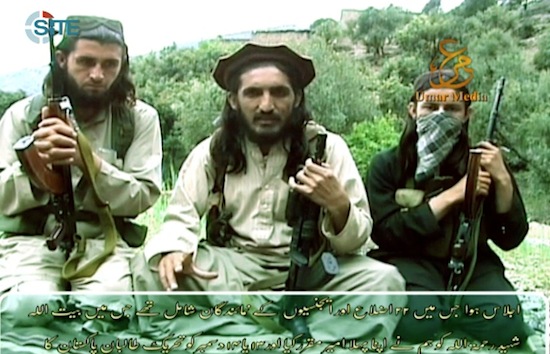
Pakistani Taliban group urges jihadists in Iraq and Syria ‘to reconcile’
Omar Khalid al Khorasani, a top leader in Jamaat-ul-Ahrar, offered to help mediate the dispute between the Islamic State and the Al Nusrah Front and other jihadist rivals.
-
Pakistani Taliban commander killed during fighting in North Waziristan
The Movement of the Taliban in Pakistan said that Mohammad Hassan recently was freed from a prison in Afghanistan before rejoining the fight in Pakistan’s tribal areas.

-
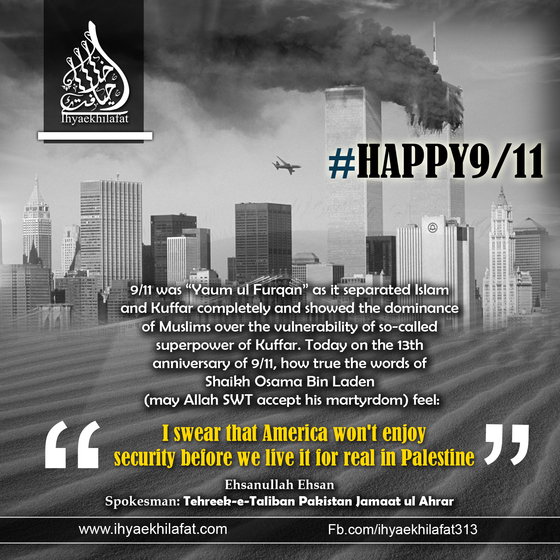
Jamaat-ul-Ahrar celebrates 9/11 attack
“In 2001, Afghanistan was the only Islamic Emirate in the world but now Jihad has spread to a vast swathe of land including Pakistan, Chechnya, Iraq, Syria, Palestine, Yemen, Somalia, Libya, Algeria, Mali and Nigeria,” the group states.
-
Pakistani military claims 910 ‘terrorists,’ 82 soldiers killed in North Waziristan operation
Jamaat-ul-Ahrar’s spokesman described the military press release and subsequent reporting in the Pakistani media as “nothing but complete lies,” and claimed that jihadists had moved out of the area long before the operation began.
-
Taliban splinter group Jamaat-ul-Ahrar forms in northwestern Pakistan
The new group includes Taliban factions from the tribal agencies of Mohmand, Bajaur, Khyber, and Arakzai, and the districts of Charsadda, Peshawar, and Swat.