The Houthis and the Yemeni Armed Forces, along with allied militias, have continued fighting on multiple fronts across the country, with the Houthis particularly focused on taking higher ground beyond their recent coastal advance.
The Houthis seek to control the highlands in Yemen’s Taiz Governorate, inland from the southern Red Sea coast that the group had seized by September 11. This territory connects the Houthis’ recent gains to southern, government-controlled areas. The group’s advance into the highlands and continued push east would also enable it to isolate Taiz city, one of Yemen’s most populous cities and a gateway between the government-controlled south and the country’s west coast and northern territory.
Following the Houthis’ advance earlier in the month, the group has focused on securing and consolidating its gains. Reportedly, advisors from Iran’s Islamic Revolutionary Guard Corps (IRGC) visited the Houthis’ newly seized Bab al-Mandeb territory and areas around the Red Sea port city of Mocha. They oversaw efforts to build tunnels into surrounding hills and discussed the installation of coastal radar. According to Emirati outlet Al Ain News, Iran had already begun to deploy radar in the area as of September 19.
On September 21, the media center of the Taiz Military Axis, a regional command of the Yemeni Armed Forces, reported fighting across key fronts in the Jabal Habashi District, part of the highlands in the center of Taiz Governorate to the west of the governorate’s eponymous capital. Government forces repelled Houthi attacks in two parts of the district, sources told Yemen Monitor, a Yemeni news site.
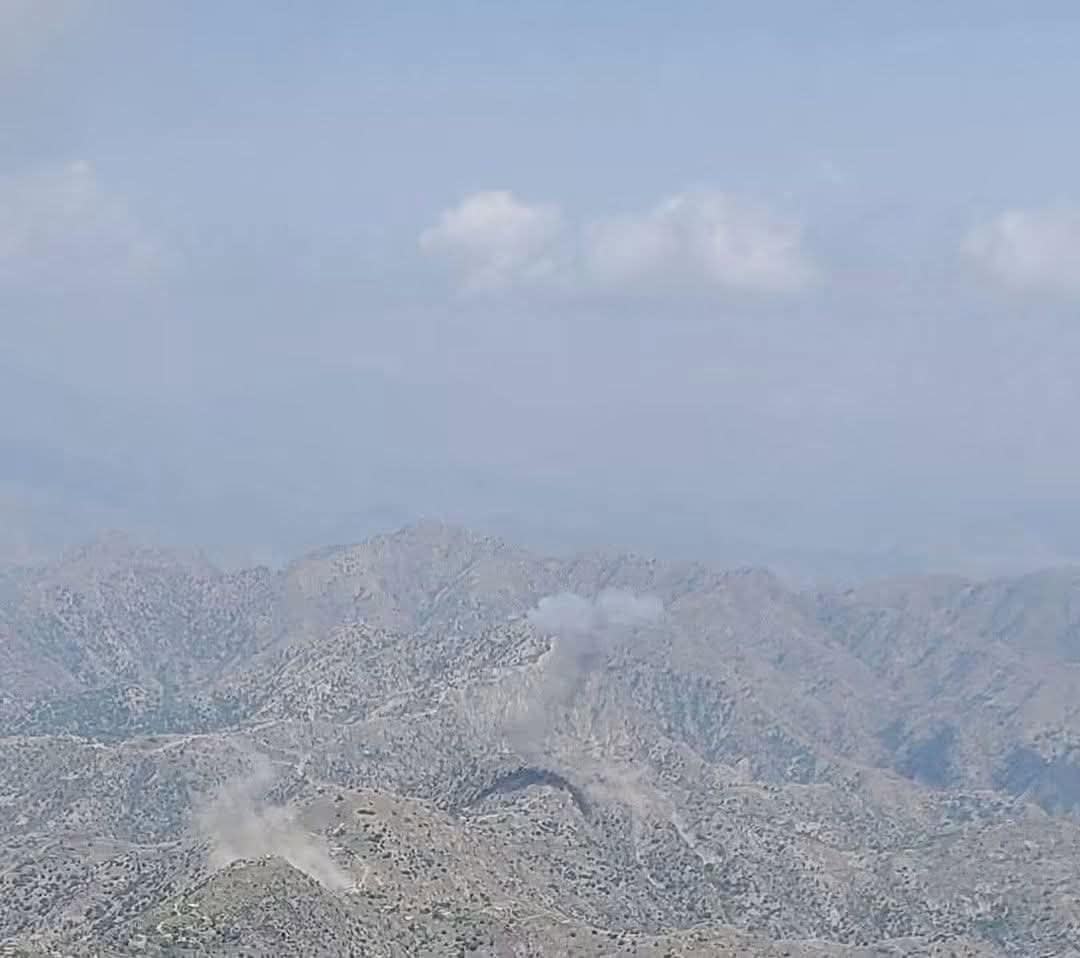
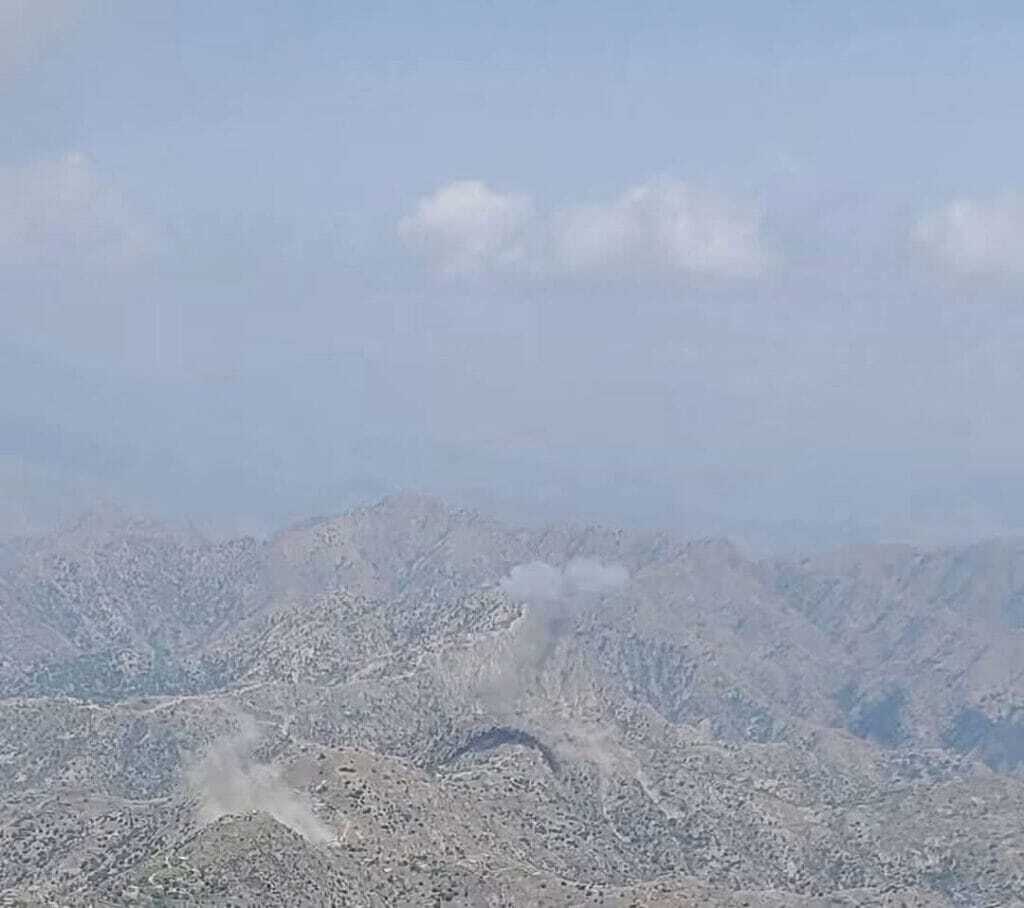
Fighting also continued in southern and southwestern Taiz. Government and government-aligned forces reportedly retook key positions in Jabal Naman on September 20 that the Houthis seized earlier in the month. “Our armed forces’ warplanes carried out five airstrikes today, targeting positions and fortifications of the Iranian regime-backed terrorist Houthi militia in southern Taiz governorate,” September Net, which is associated with the Yemeni Armed Forces, reported. The strikes targeted Houthi positions in Haifan District, Taiz, on the southern border with Lahj on September 21.
The Yemeni Armed Forces also reported fighting elsewhere in the country, including the central, oil-rich governorate of Marib. September Net said on September 19 that “our armed forces thwarted an infiltration attempt carried out by the Iranian-backed Houthi terrorist militia on the southern fronts of Marib Governorate.” The next day, Brigadier General Yahya al Hatemi, the director of the Yemeni army’s military media, reported more than 80 Houthi casualties. Hatemi also said that Yemeni forces were supported with aerial attacks from drones and planes. Colonel Majid al Nuzaili, the Yemeni Armed Forces spokesman, said airstrikes targeted the Houthis in central-southern Al Bayda Governorate and the northern governorate of Al Jawf.
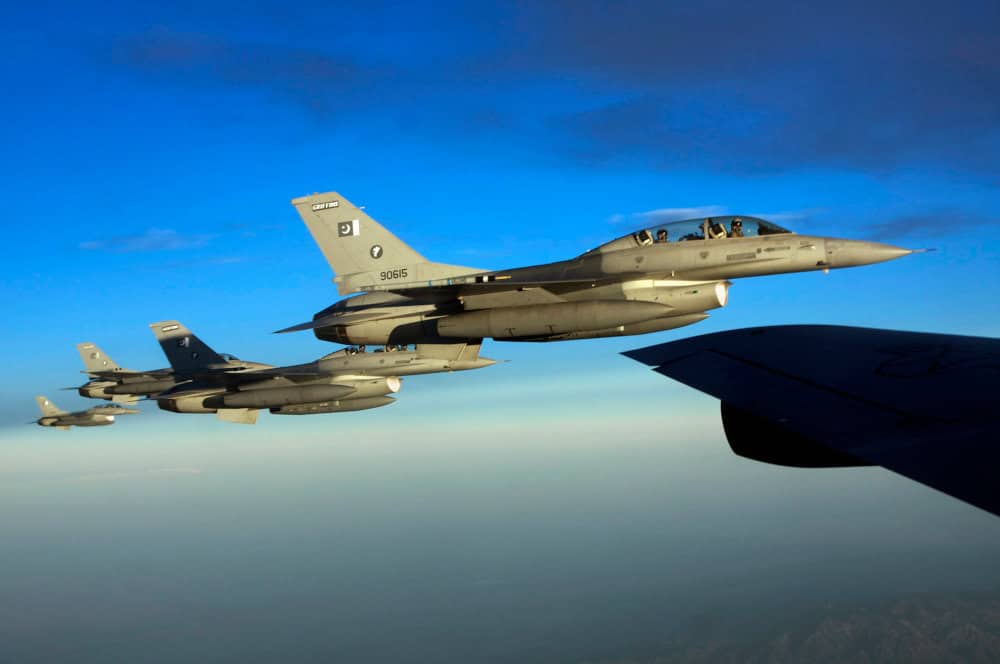
While Yemeni Armed Forces have expanded the use of drones in the recent conflict with the Houthis, airstrikes in support of ground forces are likely conducted by Saudi-led coalition aircraft. However, Riyadh has not confirmed these operations in Yemen. On September 16, the Houthis claimed to have shot down a Saudi F-15 operating in Marib and shared footage that was verified by the BBC, but Riyadh did not confirm the attack. Houthi military spokesman Yahya Saree said that Saudi Arabia had conducted 917 airstrikes in Yemen as of September 21.
The Houthis use airstrikes by Saudi Arabia as a justification for ongoing attacks against the kingdom. On September 19, the Yemeni group claimed attacks on Riyadh and Aramco facilities at Yanbu, Saudi Arabia’s Red Sea oil export terminal. Major General Turki al Maliki, the spokesman for the Saudi-led Coalition in Yemen, said that the kingdom intercepted a ballistic missile launched at the capital on September 19. Smoke was reported at the airport. Saudi Arabia also accused the Houthis of launching a drone at Mecca, which its forces intercepted, on September 15. The Houthis denied the attack.
President Trump resists striking the Houthis
US President Donald Trump reversed a plan to strike the Houthis on September 20 after repeated requests from Saudi Crown Prince Mohammad bin Salman for American airstrikes against the group. Trump’s ultimate decision reportedly came as US aircraft were preparing to depart for the operation.
The Trump administration has been in contact with the Houthis. The group told Washington that it would continue to abide by a ceasefire between the two parties reached in May 2025 following a seven-week US air campaign.
However, the UK Ministry of Defense said on September 22 that it will provide defensive military support to Saudi Arabia. Specifically, “the UK has agreed to provide an RAF Voyager air-to-air refuelling aircraft to support Saudi defensive activity in support of the legitimate government of Yemen,” according to an official statement.