NATO and Afghan troops killed more than 50 Haqqani Network fighters during an attack on an “encampment” in the eastern Afghan province of Paktika.
The encampment was located in the Sar Rowzah District in Paktika province, a known haven for the Haqqani Network and allied groups such as the Pakistani Taliban and al Qaeda.
The “training camp” was used as “a staging area for Haqqani and foreign fighters,” the International Security Assistance Force stated in a press release. ISAF uses the term “foreign fighters” to describe members of al Qaeda and allied terror groups such as the Islamic Movement of Uzbekistan. “These fighters were moved into the country by Haqqani insurgents who planned to use them for attacks throughout Afghanistan,” ISAF stated.
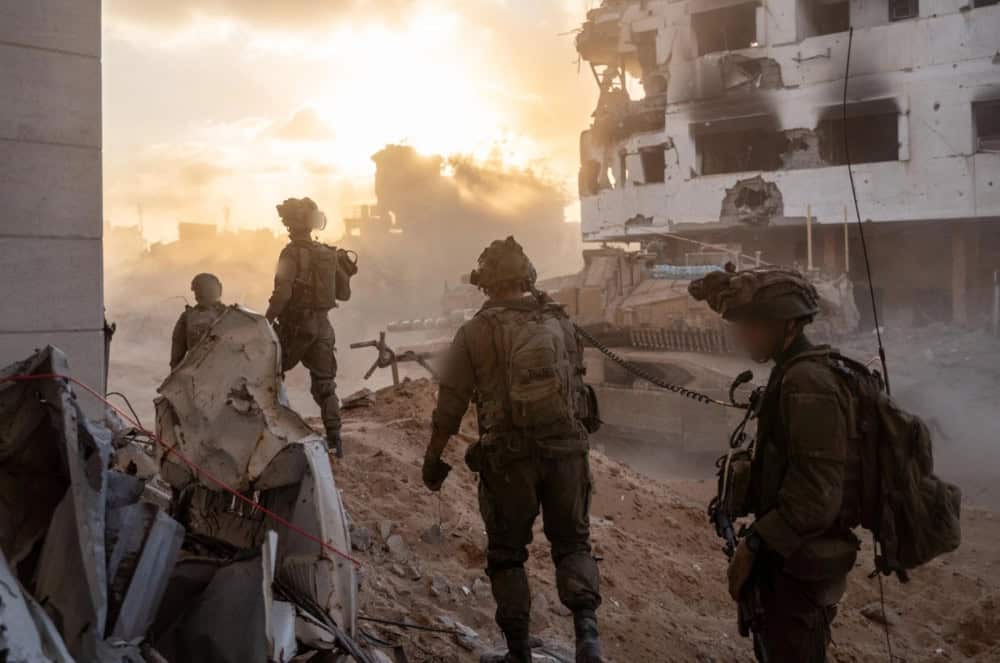
The combined ISAF and Afghan force attacked the camp last night after receiving reports of its location “from disenfranchised insurgents.” The ISAF and Afghan troops were attacked “from several locations, including cave sites and fortified bunkered fighting positions” by Haqqani fighters armed with “rocket propelled grenade launchers, heavy machine guns and AK-47 assault rifles.” The Afghan and ISAF force killed 30 Haqqani network fighters in the initial engagement, which lasted “throughout the night.”
Security forces killed “more than 20 additional insurgents” while continuing to clear the training camp and the surrounding area this morning and afternoon. After the engagement, security forces found “numerous stockpiles of weapons including mortars, RPGs with warheads, PK machine guns with multiple crates of ammunition, AK-47 rifles with magazines, grenades, chest racks and military gear.”
No ISAF or Afghan soldiers were killed during the engagement. ISAF said that no women or children were present at the site during the fighting.
The Haqqani Network is known to operate large training camps, “forts,” and bunkers throughout the Afghan east. In 2009, ISAF and Afghan forces conducted multiple large-scale assaults on Haqqani Network bases in Paktika, Paktia, and Khost provinces [see LWJ report, Afghan forces battle the Haqqani Network in Paktika]. But the Haqqani Network remains entrenched in the east due to its bases and support network across the border in Pakistan’s tribal agencies of North Waziristan and Kurram.
ISAF says it will step up operations against the Haqqani Network in the east. During the ‘surge’, ISAF focused its efforts on security for the southern provinces of Kandahar and Helmand, leaving the east and north ripe for Taliban expansion. With the drawdown of US and NATO forces, ISAF will be hard pressed to surge additional forces to deal with the Haqqani Network, and will rely on Afghan forces to take the lead.
Paktika province is a known al Qaeda haven
Paktika province is run by Mullah Sangeen Zadran, who is the shadow governor. Mullah Sangeen is a senior lieutenant to Siraj Haqqani, the military commander of the Haqqani Network. Siraj is also a member of al Qaeda’s Shura Majlis, or executive leadership council, as well as a member of the Taliban’s Quetta Shura, its top council, and the leader of the Miramshah Shura, one of the Taliban’s four major military commands in Afghanistan.
Al Qaeda and allied groups maintain a presence in Paktika province, according to an investigation by The Long War Journal. US military press releases document the presence of al Qaeda and “foreign fighter” cells in the districts of Bermel, Sar Rowzah, Wor Mamay, Yahya Khel, Yosuf Khel, Zadran, and Ziruk; or seven of Paktika’s 18 districts.
The Taliban and the Haqqani Network have carried out three major assaults against US outposts in Bermel since 2008. In November 2008, US forces killed 16 enemy fighters as they assaulted Combat Outpost Margah.
In the fall of 2010, the Haqqani Network launched two major massed suicide assaults on COP Margah over the span of two months. On Sept. 2, US forces killed 20 Haqqani Network fighters. On Oct. 31, US forces killed 78 Haqqani Network and foreign fighters while repelling a massive attack. The Haqqani Network assault team was backed by fighters from al Qaeda as well as the Taliban.
Also, in June of this year, al Qaeda announced the death of Mahmoud Hamdan Nizal, a Jordanian who was known as Abu Dher al Urduni. Nizal was killed while attacking COP Margah, his martyrdom statement claimed.
Recent clashes with al Qaeda fighters in the east and raids against the terror group contradict claims that al Qaeda has only 50 to 100 operatives in Afghanistan [see LWJ report, Al Qaeda leader and bin Laden associate captured in northern Afghanistan]. These claims have been made by top US intelligence and military leaders, including most recently by General David Petraeus, the former commander of ISAF.