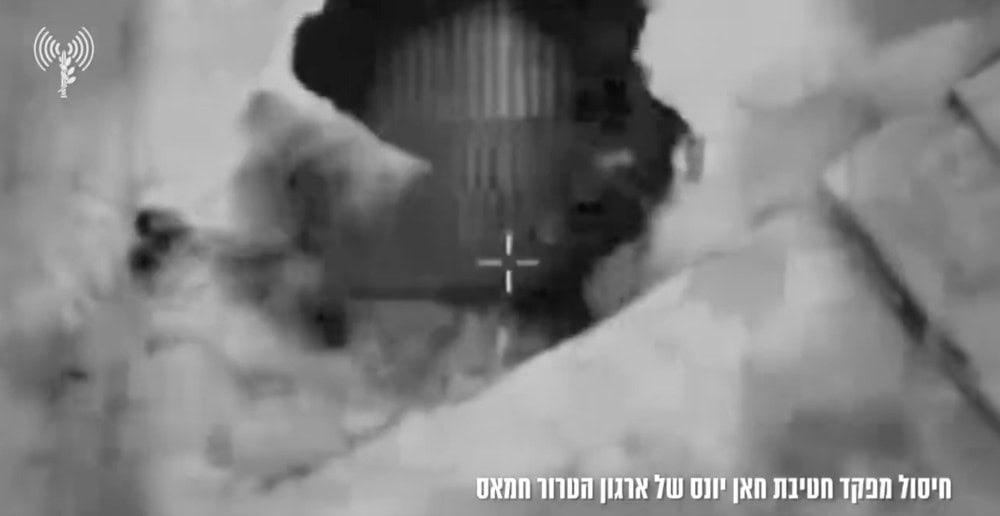
More than 90 Taliban fighters and civilians are reported to have been killed in a NATO airstrike in a region under the control of the Taliban in northern Afghanistan. Germany insists no civilians were killed in the attack, however.
NATO fighter-bombers attacked two fuel trucks after the Taliban hijacked the vehicles in Kunduz province and beheaded the drivers. The trucks stalled while crossing a riverbed in the Taliban-controlled Ali Abad district and were reportedly hit just as local villagers swarmed the tankers to siphon fuel. The Taliban reportedly encouraged the villagers to take the fuel just before the airstrike.
Casualty reports on the number of Taliban and civilians killed have varied, but 93 people have been reported killed. Kunduz Governor Engineer Mohammad Omar claimed 45 Taliban fighters as well as their commander, Mullah Abdul Rahman, were killed during the attack. Razaq Yaqoobi, the provincial chief of police, said 65 Taliban fighters were among those killed.
Haji Habibullah, the district governor of the Ali Abad district, said that “some of the dead were civilians and some were Taliban fighters.” More than a hundred people were reported to have suffered serious injuries, including burns. Civilians have been seen burying their dead and have taken the wounded to local hospitals; some are being transported to Kabul for treatment.
The Germans, who make up the biggest NATO contingent in Kunduz, said the strike occurred at 2:30 AM local time and that civilians were not present.
“According to the information available to us there have been no civilian casualties,” ministry spokesman Christian Dienst said. “Had civilians been present, the air strikes could not have been called in.”
The strike was ordered by the Kunduz Operational Command Center after the fuel tankers were reported stolen and the local commander assessed that civilians were not in the area.
“After ISAF [International Security Assistance Force] observed the insurgent activity and assessed civilians were not in the area, a local ISAF commander authorized an air strike,” the initial ISAF press release on the incident stated. “A large number of insurgents were reported killed or injured and the fuel trucks were destroyed in the attack.”
ISAF later stated that it was investigating the attack to determine exactly what happened. “While the air strike was clearly directed at the insurgents, ISAF will do whatever is necessary to help the community including medical assistance and evacuation as requested,” Brigadier General Eric Tremblay, the ISAF spokesperson, said in a press release. “ISAF regrets any unnecessary loss of human life and is deeply concerned for the suffering that this action may have caused to our Afghan friends.”
The strike takes place as NATO is seeking to limit civilian casualties and has tightened the rules of engagement when confronting the Taliban. Coalition aircraft are not to fire on Taliban targets if civilians are thought to be present.
Kunduz the new northern battleground
|
|
|
Map of Afghanistan showing Taliban control. Kunduz and Baghlan provinces are directly north of Kabul. Data from Afghanistan’s Interior Ministry; map from Reuters. |
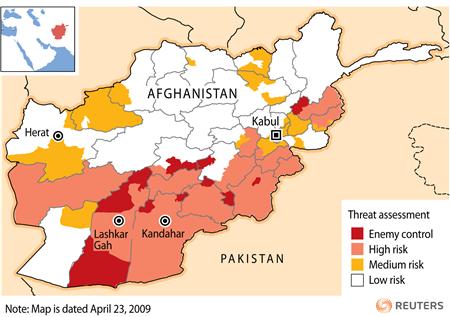
Today’s airstrike in Kunduz highlights the rapidly deteriorating security situation in the northern province, as well as in neighboring Bahglan province.
Of the seven districts in Kunduz province, only two are considered under government control; the rest of the districts – Chahara Dara, Dashti Archi, Ali Abab, Khan Abad, and Iman Sahib – are considered contested or under Taliban control, according to a map produced by Afghanistan’s Interior Ministry. Two districts in neighboring Baghlan province – Baghlan-i-Jadid and Burka – are under the control of the Taliban [see LWJ report, Afghan forces and Taliban clash in Kunduz, and Threat Matrix report, Afghanistan’s wild-wild North].
Fighting in Kunduz has intensified over the past month despite a series of operations launched in the spring and summer to drive out the Taliban.
The Taliban have conducted assaults against police checkpoints, killed senior political and military leaders, and kidnapped civilians sending their daughters to school.
Just yesterday, Afghan security forces claimed they killed 15 Taliban fighters, including Mullah Abdul Salam, the Taliban’s shadow governor for the province. The Taliban denied Salam was killed.
The Taliban, along with the al Qaeda-linked Islamic Movement of Uzbekistan, have sought to put pressure on the Afghan government in the north while opening a corridor into the Central Asian countries.
List of major incidents in Kunduz since Aug. 3
Sept. 4, 2009: A NATO airstrike in the Ali Abad district killed 93 people after the Taliban hijacked two oil tankers and beheaded the drivers.
Sept. 3, 2009: Afghan security forces killed 15 Taliban fighters, and claimed the Taliban’s Shadow governor was also killed.
Sept. 1, 2009: Afghan police killed a Taliban commander and wounded his driver in the Qala-i-Zal district.
Aug. 28, 2009: Afghan forces killed seven Taliban fighters and captured four members of the al Qaeda-linked Islamic Movement of Uzbekistan in Kunduz province.
Aug. 26, 2009: A director of the justice department was killed in a bomb attack on his car in Kunduz province.
Aug. 26, 2009: Security forces killed seven Taliban fighters during an operation in the Hazrat-e-Sultan area of Kunduz.
Aug. 25, 2009: The Taliban killed a policeman in Kunduz.
Aug. 18, 2009: A Taliban commander and nine fighters were killed during a joint operation of Afghan and US forces in Kunduz province.
Aug. 16, 2009: One Afghan Army soldier was killed and four more were wounded during a Taliban ambush.
Aug. 13, 2009: Former President Rabbani survived an ambush on his convoy in Kunduz. Also, police killed and wounded more than 20 Taliban fighters after the Taliban attacked a police station.
Aug. 13, 2009: Eight Taliban fighters and two Afghan security personnel were killed and more than a dozen more fighters and four security men were wounded during an operation in Kunduz province.
Aug. 12, 2009: Taliban fighters attacked the Dashti Archi district headquarters and killed the district police chief and three other policemen.
Aug. 10, 2009: A suicide bomber detonated his explosives-filled car close to an ISAF convoy in Kunduz City.
Aug. 3, 2009: The Taliban kidnapped a woman as she took her daughter to a school in the Bagh Shirkat area of Kunduz province. The Taliban warned families not to send their daughters to schools.