|
|
|
The front gate of the Haqqani-run Manba Ulom madrassa in North Waziristan. Photo by The Asia Times. |
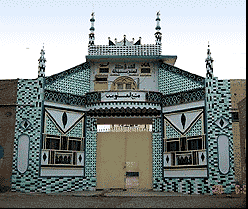
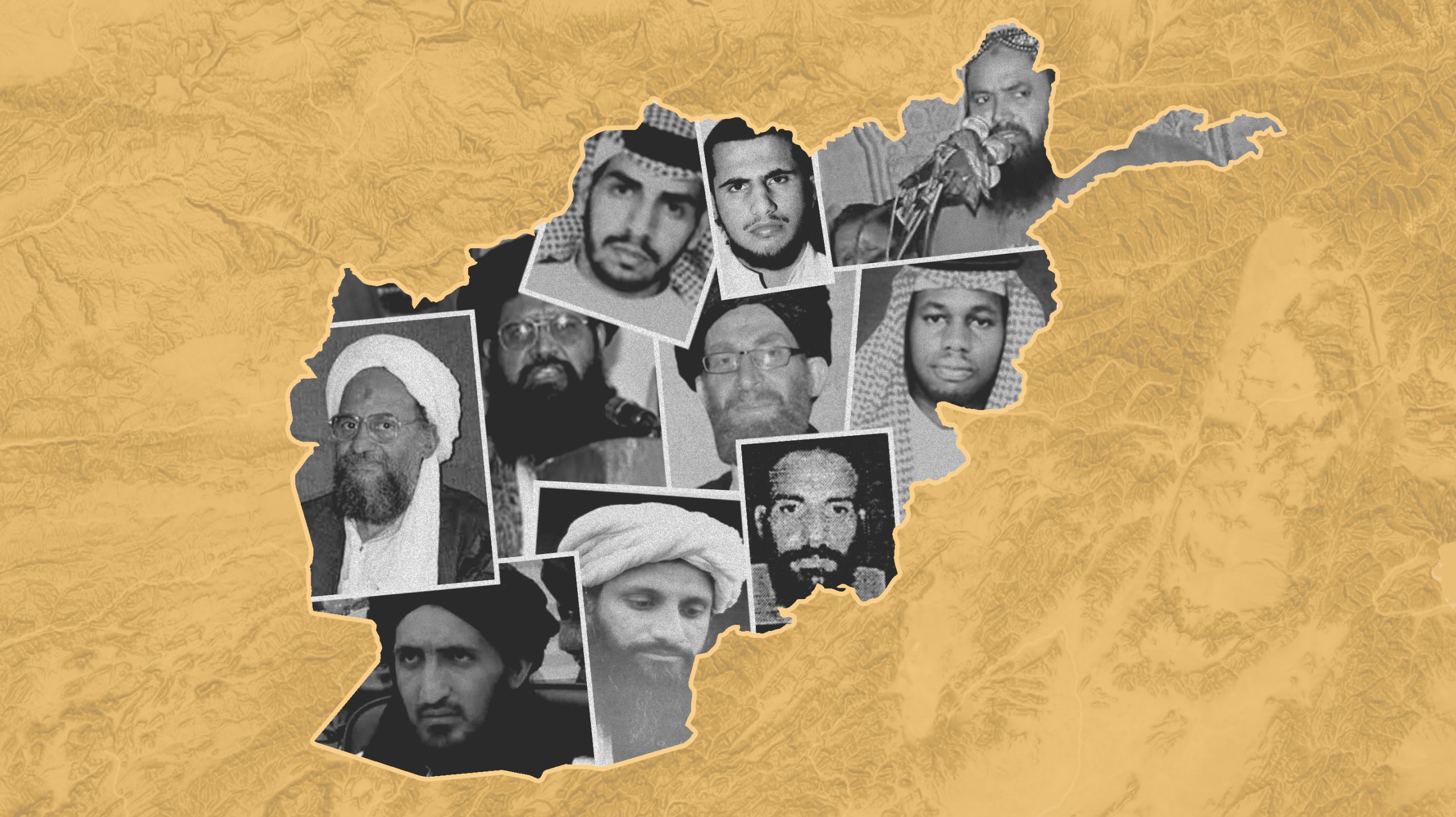
The Sept. 8 air attack in North Waziristan hit the main madrassa run by the al Qaeda-linked Haqqani family in North Waziristan, a senior US military intelligence official told The Long War Journal. The Predator attack, the latest in a series of strikes against Taliban and al Qaeda targets inside Pakistan’s lawless tribal agencies, was designed to “send a message” to the Haqqani Network.
The US launched several missiles at the notorious Manba Ulom madrassa and an adjacent home in the town of Danda Darpa Khel on the outskirts of Miramshah in North Waziristan. More than 20 were killed in the attack, but Jalaluddin Haqqani, the patriarch of the Haqqani family, and Siraj, his son, were not at the madrassa. Reports from Pakistan indicate nine Arab al Qaeda operatives and six Taliban fighters were killed in the strike, along with a sister of Jalaluddin.
The purpose of today’s strike was to put the Haqqani family on notice, a senior US military intelligence official told The Long War Journal on the condition of anonymity. The senior leaders of the Haqqani Network are not believed to shelter in the madrassa often, but the symbolic value of hitting the site is crucial. “We want the Haqqanis to know we will hit them anywhere,” the official said.
The Haqqani Network inside Pakistan has been in the US’ crosshairs of late. The US has conducted seven airstrikes and raids in North and neighboring South Waziristan since Aug. 31. Five of the strikes have been aimed at the compounds owned by the Haqqani Network.
These cross-border raids are not expected to let up, several senior US military and intelligence officials told The Long War Journal.
|
|
|
Click to view slide show of the Haqqani network. Pictured is a composite image of Siraj Haqqani. |
The Haqqani’s madrassa and network
The madrassa hit just outside Miramshah has both an operational and a symbolic value. The Manba Ulom madrassa was established by Jalaluddin and was used in the 1980s to train mujahideen to fight the Soviet Union in Afghanistan. The Haqqani family used the Manba Ulom madrassa as a training center and meeting place for senior al Qaeda leaders after the US invasion of Afghanistan in 2001. The Asia Times’ Syed Saleem Shahzad, who interviewed Siraj Haqqani, the son of Jalaluddin and a senior military commander in Afghanistan, described the madrassa as “a center of jihadi activities.”
The Pakistani government closed the madrassa down in 2002, but it was reopened in 2004, The Asia Times reported. Since then, Taliban fighters and members of al Qaeda’s network are known to shelter in the madrassa compound.
The madrassa also serves as the headquarters for the Haqqani Network, while the forward operating command center is located in the village of Zambar in the northern Sabari district in Khost province, Afghanistan. The network is active in the Afghan provinces of Khost, Paktia, Paktika, Ghazni, Logar, Wardak, and Kabul, and provides support to Taliban networks in Kunar, Nangarhar, Helmand, and Kandahar provinces.
The Manba Ulom was recently raided by Pakistani security forces, but no Taliban or al Qaeda fighters were found. Hundreds of paramilitaries from the Frontier Corps and the Levies surrounded the madrassa on July 30, but the search came up empty.
The Haqqanis are believed to have extensive links with Pakistan’s military intelligence agency, the Inter-Service Intelligence, or ISI. This relationship has allowed the Haqqani network to survive and thrive in North Waziristan, and emerge from raids like the one on July 30 unscathed. The Haqqanis control large swaths of North Waziristan, and run a parallel administration with courts, recruiting centers, tax offices, and security forces.
The Haqqani family is believed to be behind some of the more spectacular attacks in Afghanistan.
The Haqqanis took credit for the January 14 assault against the five-star Serena hotel in downtown Kabul, which left seven people dead. A March 3 suicide truck bombing against the Sabari district headquarters in Khost, Afghanistan destroyed the building and killed two US soldier in a guard tower. The Haqqanis were also behind the April 27 mortar and machine-gun attack on a military parade in Kabul. President Hamid Karzai and several senior dignitaries were present at the event.
The most devastating attack occurred against the Indian embassy in Kabul on July 7. Two Senior Indian officials were among 41 killed in the suicide strike. Recent communications intercepts by US and Indian intelligence agencies reportedly confirm a link between ISI officers and Haqqani operatives. The attack is said to have been jointly planned and executed.
Siraj Haqqani has risen in prominence over the past year, and is believed to be the mastermind of the most deadly attacks as well as the senior military commander in eastern Afghanistan. The US military has described Siraj as the primary threat to security in eastern Afghanistan. A $200,000 reward has been issued for the capture of Siraj and 11 other senior and mid-level Taliban, al Qaeda, and other allied commanders.
Siraj is believed to be dangerous not only for his connections with the Afghan Taliban, but with al Qaeda’s central leadership, which extends all the way to Osama bin Laden.
“Siraj is part of a younger, more aggressive generation of Taliban senior leadership,” said US Army Lieutenant Colonel Dave Anders, then the director of operations for Combined Joint Task Force-82 in October 2007. Siraj has focused recruiting and training foreign fighters from Uzbekistan, Chechnya, Turkey, and Arab countries to fight against US forces and serve as suicide bombers both inside and outside of Afghanistan.