|
|
|
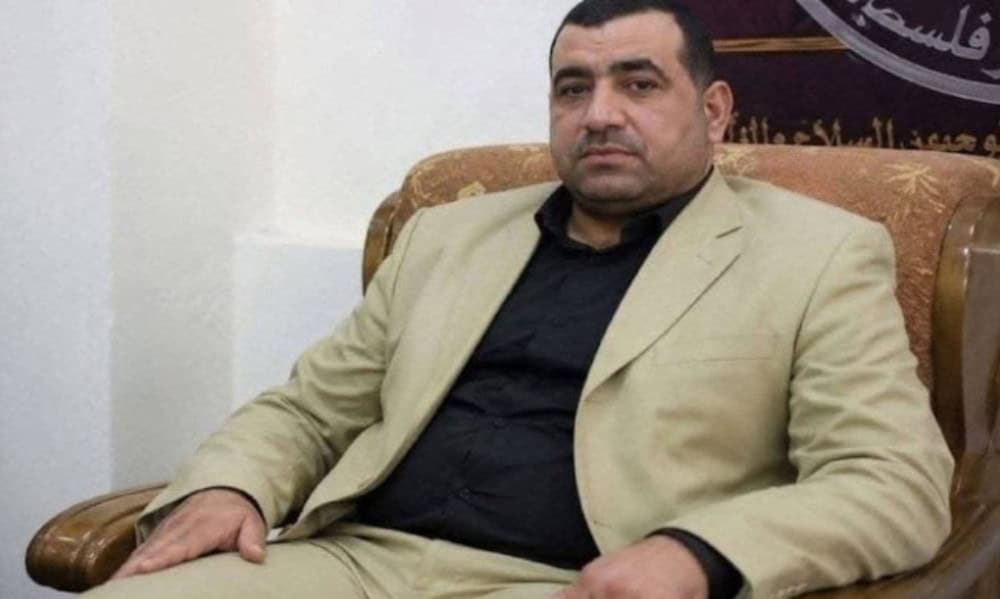
Abu Ayyub al Masri. |

Less than 24 hours after a spokesman for the Iraqi Ministry of Defense announced the capture of Abu Ayyub al Masri, the leader of al Qaeda in Iraq, the US military denied al Masri has been captured. “Neither coalition forces nor Iraqi security forces detained or killed Abu Ayyub al-Masri,” Major Peggy Kageleiry, spokeswoman for Multinational Division North, told The Associated Press. “This guy had a similar name.” Al Masri was reported to have been captured in Mosul.
The report of al Masri’s capture was cause by a case of mistake identity, said Mohammed al Askari, the spokesman for the Ministry of Defense. “We called the commander of Ninewa operations 10 times and every time he insisted it was Abu Hamza al-Muhajir [a pseudonym for al Masri] because when they caught him, they asked him whether his name was Abu Hamza al-Muhajir and he said yes,” Askari told the AP. The Ninewa operations commander “insisted that it was him, how can we deny him then.”
This is the third time the Iraqi security forces claimed al Masri was either killed or captured since 2007. The spokesman for the Interior Ministry in February 2007 claimed al Masri was wounded in a major clash between al Qaeda forces and the Awakening and police forces near the city of Balad. Al Masri was not captured, but Abu Abdullah al Majamaia, an aide to al Masri who also is believed to lead his security detail, was.
In May 2007, Sunni tribes reported al Masri was killed in a battle near Taji, just north of Baghdad. Iraq’s Ministry of Interior claimed its forces saw his body. Just days later, the Ministry of Interior said Abu Omar al Baghdadi, the supposed leader of the Islamic State of Iraq, was reported killed in another battle in the town of Dhuluiya in Salahadin province. US forces confirmed Muharib Abdul Latif al Jubouri, al Qaeda in Iraq’s senior minister of information was killed, but neither al Masri nor Baghdadi were killed.
Al Qaeda regrouping in Mosul
The report of al Masri’s capture in Mosul highlights the importance of the northern city to al Qaeda. Al Qaeda’s senior leadership is attempting to regroup in Mosul. Al Qaeda in Iraq’s last major ratline into Syria spans westward from Mosul into Tal Afar and the crossing point at Sinjar. The terror group is waging a brutal campaign to prevent the Iraqi Army and US forces from securing the province.
US and Iraqi forces have killed several key al Qaeda leaders in Mosul over the past several months. Fourteen of the top 30 al Qaeda operatives who have been killed or captured in the past three months were al Qaeda leaders in Mosul, including three al Qaeda leaders from Saudi Arabia.
Al Masri also has family ties in Mosul. In September 2007, Coalition forces captured Ali Fayyad Abuyd Ali in the northern city. Fayyad was a senior adviser to the terror group’s leaders, including al Masri. He also is al Masri’s father-in-law.
Background on al Masri’s rise to power and his Islamic State of Iraq
Al Masri entered Iraq in 2002 prior to the US invasion and established what is believed to be the first terror cell inside Baghdad. He is an experienced bomb maker, and built car bombs and trained other al Qaeda operatives in the techniques.
He was appointed the leader of the terror group in the summer of 2006 after US forces killed Abu Musab al Zarqawi, the infamous leader and founder of al Qaeda in Iraq. Al Masri quickly worked to undo the failures of Zarqawi andattempted to unite the disparate Sunni insurgent groups and the Sunni tribes in the Sunni-dominated province. In a letter to the deceased al Qaeda in Iraq leader, Ayman al Zawahiri, al Qaeda’s second in command, urged Zarqawi to “Iraqify the insurgency,” but al Masri ignored the message.
A close confidant of Zawahiri, al Masri was a member of Egyptian Islamic Jihad, the group that folded into al Qaeda under Zawahiri’s leadership. Egyptian Islamic Jihad is a core element of al Qaeda and includes many former members of the Egyptian military.
Al Masri is officially listed as the minister of defense for the Islamic State of Iraq, according to a press release put out by the terror group in April 2007. But over the summer of 2007, it became known the Islamic State of Iraq was the invention of al Masri, who serves as the emir, or leader, of the group. Baghdadi is actually a fictional character played by an Iraqi actor named Abu Abdullah al Naima. This information was revealed after the capture of Abu Muhammad al Mashadani, the former minister of information for the Islamic State of Iraq. Recently, an Iraqi police leader in Hadithah claimed Baghdadi was actually a former officer in Saddam Hussein’s Army.
Al Qaeda established the Islamic State of Iraq in October 2006 to put an Iraqi face on al Qaeda’s operations in Iraq and unite the Sunni disparate elements of the insurgency. Al Qaeda claimed the Islamic State of Iraq comprises “Baghdad, Anbar, Diyala, Kirkuk, Salahadin, Ninewa, and … other parts of the governorate of Babel.” The declaration of the Sunni Islamic State of Iraq followed the creation of the “Mutayibeen Coalition,” which included six Anbar tribes, as well as three smaller insurgent groups. In mid-April 2007, Baghdadi named the ministers of the cabinet of the rump Islamic State of Iraq.