-
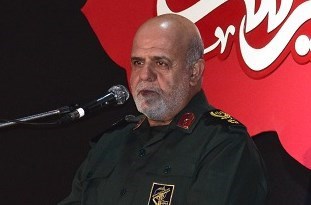
Iraq’s PMF is IRGC’s “next step,” senior Qods Force commander says
The establishment of Iraq’s Popular Mobilization Forces (PMF) is an extension of Iran’s plan to export the revolution, which keeps war against Sunni extremists from reaching the country’s borders, a senior adviser to the commander of the Islamic Revolutionary Guard Corps Qods Force argues.
-
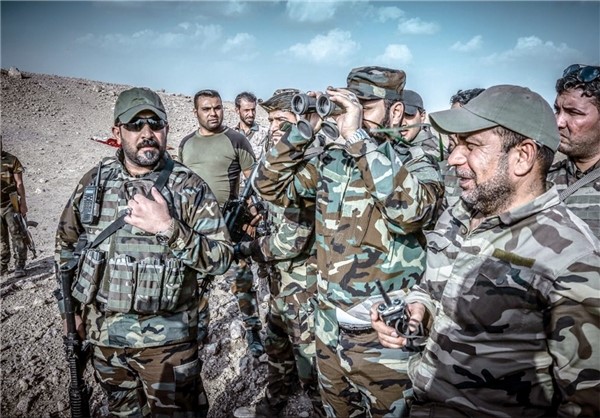
Iraqi militia leader says Qassem Soleimani is in Iraq
Akram al Kabi, a senior Iraqi militia leader, says IRGC Qods Force chief Qassem Soleimani is in Iraq. Soleimani’s last confirmed sighting was on Oct. 28 in Tehran, Iran.
-
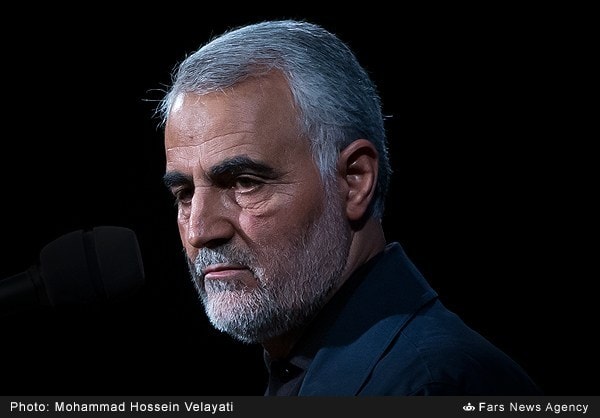
Qassem Soleimani: Islamic State was created to fight Iran
Two top officials from the Islamic Revolutionary Guard Corps Qods Force (IRGC-QF) delivered remarks commemorating the most senior IRGC commander killed in Syria last year. Qassem Soleimani, the commander of the IRGC-QF, spoke about the strategic importance of Syria, and claimed that the Islamic State was established with the goal of threatening Iran.
-
Iraqi Shiite militia commander close to Qassem Soleimani killed in Aleppo
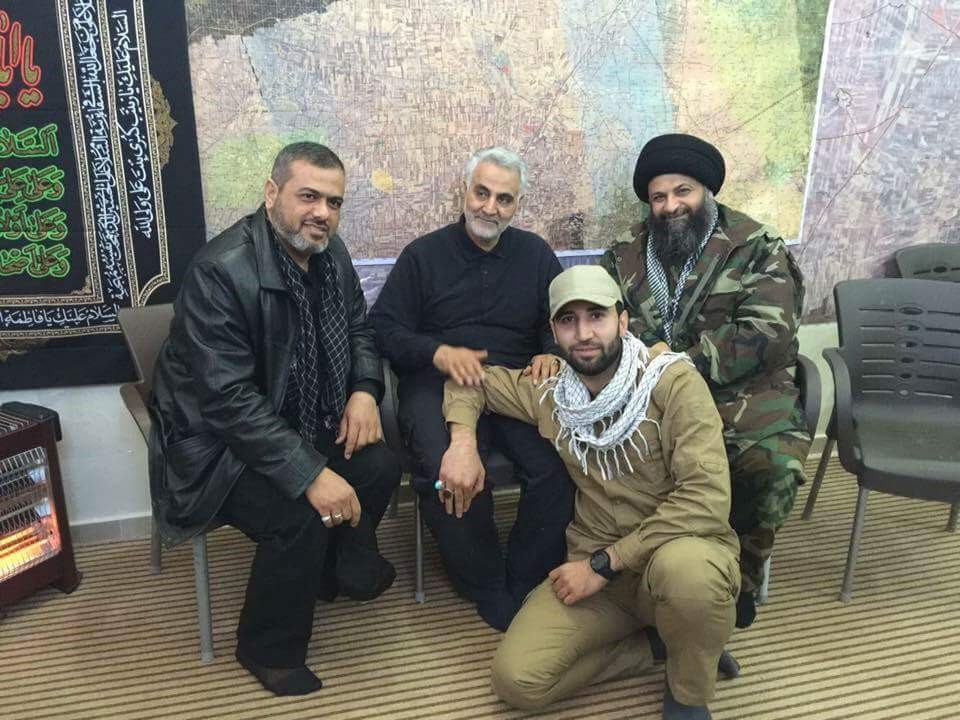
A senior commander in the Iraqi Asa’ib Ahl al Haq militia who was close to IRGC-QF commander Qassem Soleimani has been killed in Aleppo, Syria.
-
Qods Force front group develops shrine in Iraq
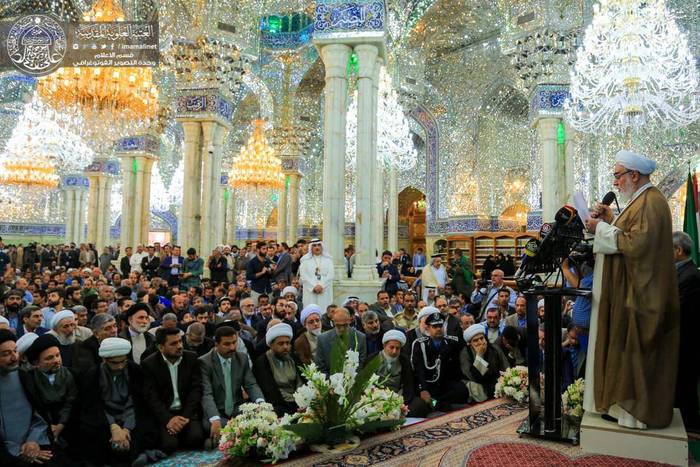
The IRGC’s construction arm is helping to develop a massive complex in a Shiite shrine in Najaf Iraq. Its partner, the Headquarters for the Restoration of Holy Shrines, is a front organization for the Qods Force.
-
Iraqi militia leader receives warm reception in Tehran
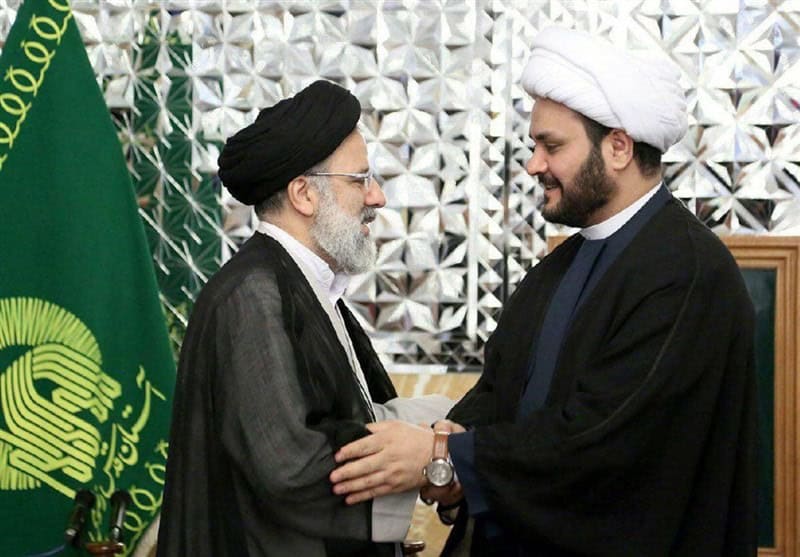
Iraqi Shiite militia leader Akram al Kabi has met with top Iranian government official in Iran. Kabi, who is a member of the Iraqi Popular Mobilization Forces that has become an official part of the Iraqi government, boldly proclaimed his allegiance to Iran’s Supreme Leader, Ali Khamenei.
-
Soleimani’s presence in Aleppo underscores strategy of crushing rebels
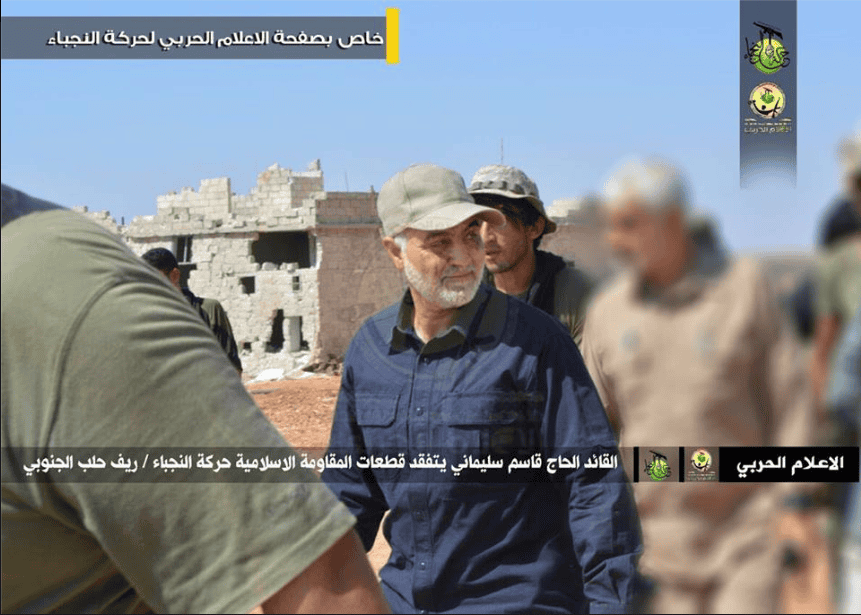
Qassem Soleimani, the commander of the Islamic Revolutionary Guard Corps (IRGC) Qods Force, was spotted in southern Aleppo on September 6, inspecting the positions of Iraqi Shiite militia Harakat al Nujaba in advance of assaults.
-
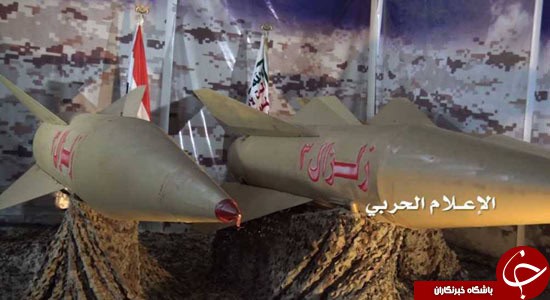
Analysis: IRGC implicated in arming Yemeni Houthis with rockets
The Yemeni Houthi movement, officially known as Ansar Allah, has recently deployed Zelzal-3, an Iranian-manufactured artillery rocket.
-
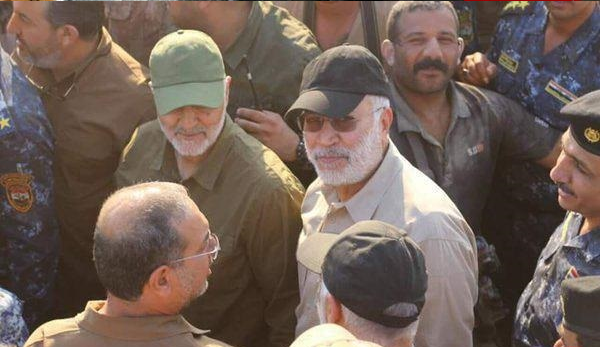
Iraq’s prime minister establishes Popular Mobilization Forces as a permanent ‘independent military formation’
The Iraqi Prime Minister’s order will establish Iraq’s own IRGC, institutionalizing Tehran’s influence in the country. This development follows similar trends in Iran and Lebanon.
-
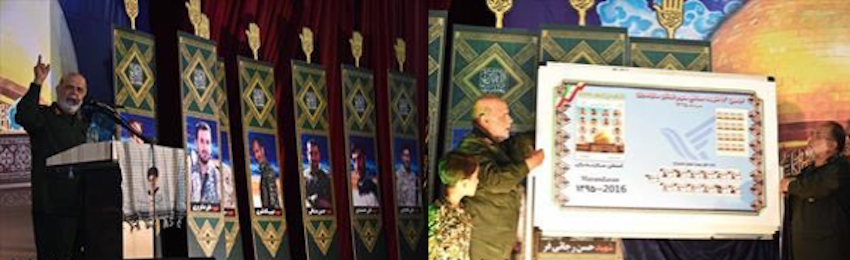
Qods Force general vows to fight in Iraq and Syria until the last jihadist is killed
A senior advisor to the commander of the Islamic Revolutionary Guards Corps – Qods Force vowed that Iranian forces would continue to fight in Iraq and Syria until the last Islamic State and “takfiri” fighters are killed. The statement signals the entrenchment of Iranian military assets in Iraq and Syria and the two countries continue to be mired in civil wars.
-
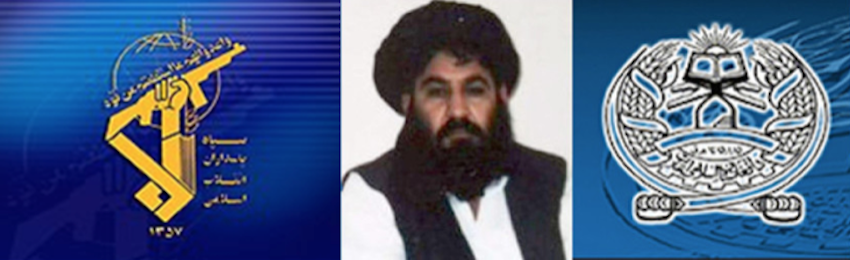
Iran shuts down news site after reporting Taliban emir held talks with officials
The discussions reportedly centered around the Taliban’s commitment to preventing the Islamic State from expanding, “especially in Afghanistan’s northeastern border and the Afghanistan-Tajikistan border.” The Taliban and Iran have colluded since the US invasion of Afghanistan in 2001.
-
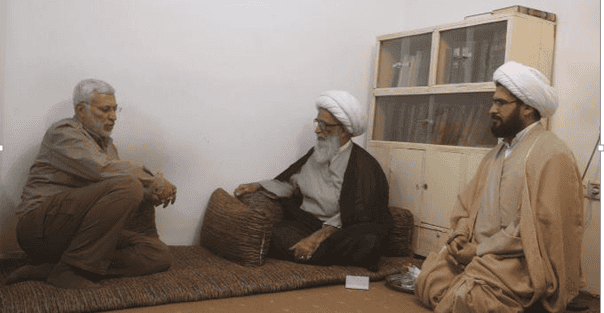
Abu Mehdi Muhandis meets with senior Iraqi Shiite cleric in Najaf
Iranian media reported that the head of Iranian-backed Iraqi Popular Mobilization Forces left the front lines of Fallujah yesterday to brief a senior cleric in Najaf, who praised the forces and stressed the protection of civilians.
-
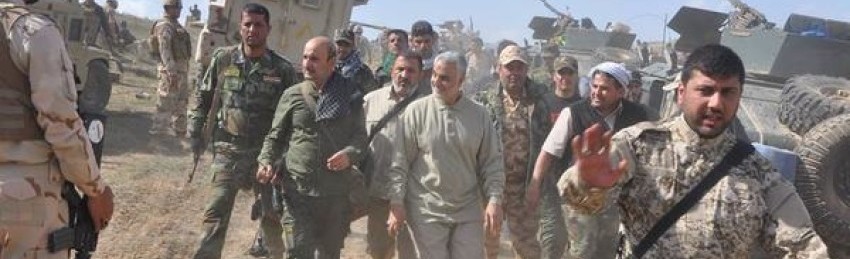
Qods Force commander an official advisor to government, Iraq’s foreign minister says
Foreign Minister Ibrahim Jafari defended Qassem Soleimani’s role in bolstering sectarian militias that have often acted outside of the law in Iraq as they battle the Islamic State.
-
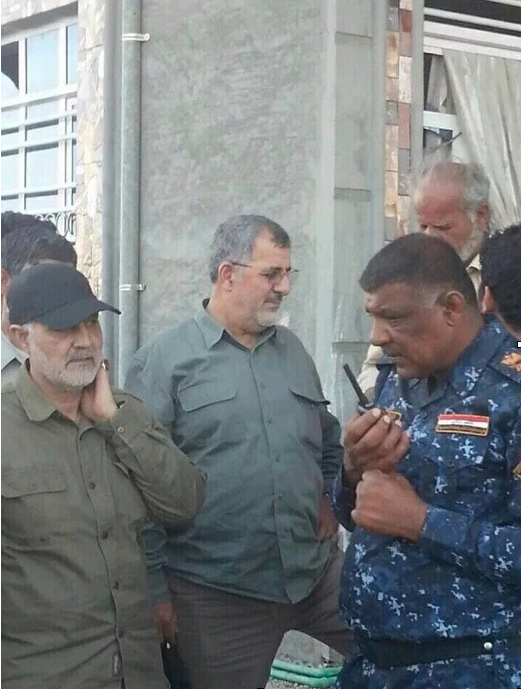
IRGC Ground Forces commander spotted in Fallujah
Brigadier General Mohammad Pakpour’s presence in Fallujah alongside Qassem Soleimani underscores the importance of operations in Iraq to the IRGC’s leadership.
-
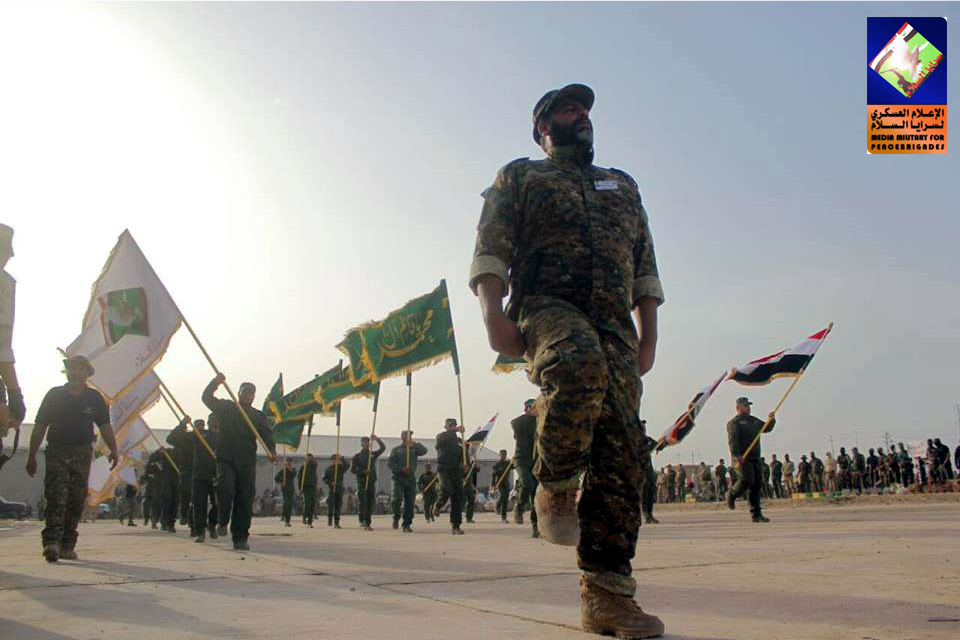
Sadr’s ‘Peace Brigades’ prepares for Mosul offensive
Muqtada al Sadr, the radical Shia cleric who battled US forces during the Iraqi occupation, is preparing his militia to participate in an offensive to retake the northern city of Mosul from the Islamic State. The US military has insisted that Iranian-backed militias will not fight in Mosul.
-
The IRGC’s involvement in the battle for Aleppo
Iran’s Islamic Revolutionary Guard Corps has invested significant resources to prop up Bashar al Assad’s regime. Qods Force Commander Qassem Soleimani, who oversees all of the Shiite militias active in Syria, is directing operations in the battle of Aleppo.
-
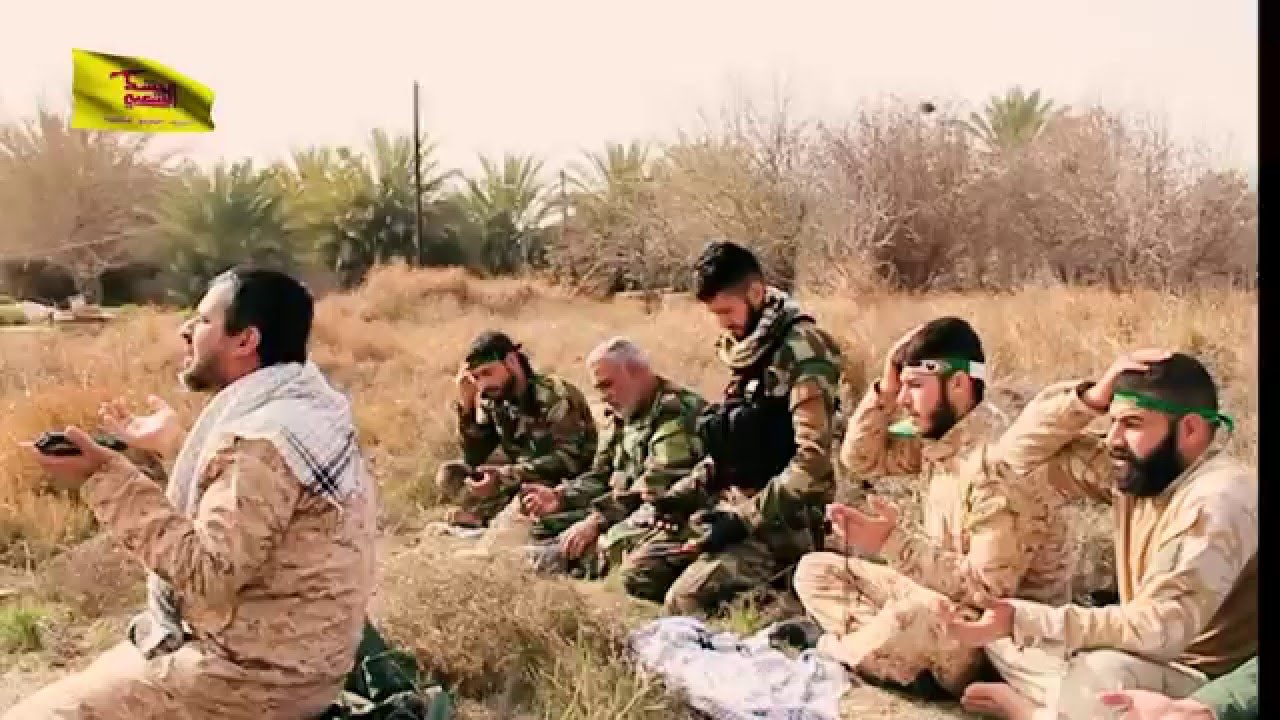
Iranian-backed militia seen with US tank in Iraq
The photo offers more evidence of another Iranian-backed militia in Iraq owning and using a US-made M1 Abrams tank.
-
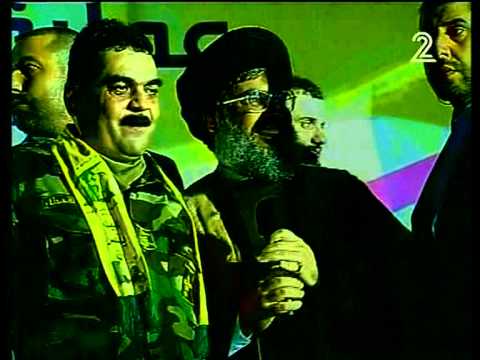
Israeli Air Force kills notorious Hezbollah commander in Syria
Israel carried out the assassination of Samir Quntar, a man who had become a symbol in Hezbollah for killing Israelis and was acting as one of its commanders in Syria.
-
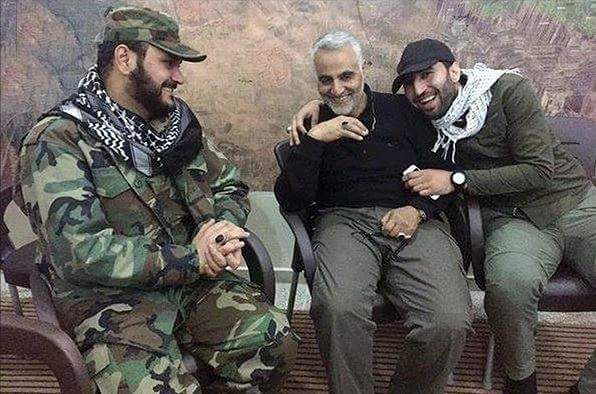
Qods Force commander spotted with US-designated terrorist in Aleppo
Harakat al Nujaba leader Akram al Kaabi met with Qassem Soleimani, the commander of Iran’s Qods Force, in Aleppo, Syria, according to the Iraqi Shiite militia.
-
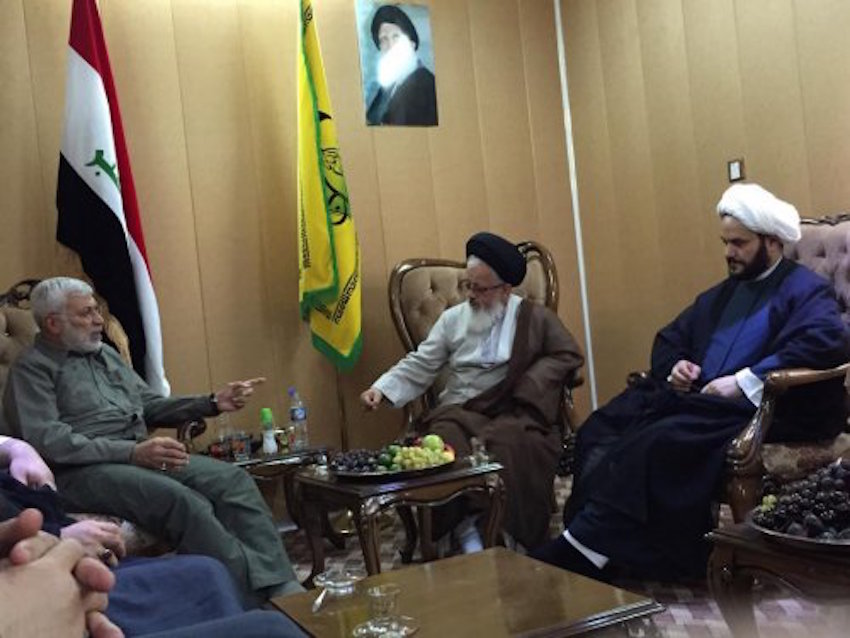
Iraqi Shiite militia leader says he would overthrow government if ordered by Iran’s supreme leader
Akram al Kaabi, the leader of the Iranian-supported Harakat al Nujaba militia that is based in Iraq and an integral part of the Popular Mobilization Forces, has said that he follows Iran’s supreme leader and would participate in a coup if ordered to do so.
-
Popular Mobilization Committee militia threatens to ‘strike and destroy’ the Saudi government
Sayyid al Shuhada said it would “strike and destroy” Saudi interests, not just in Iraq, but inside the kingdom. The militia, which operates as part of the Iraqi government, Iran, and the US-backed Popular Mobilization Committee, is led by Abu Mustafa al Sheibani, a dangerous commander who is listed by the US as a global terrorist.
-
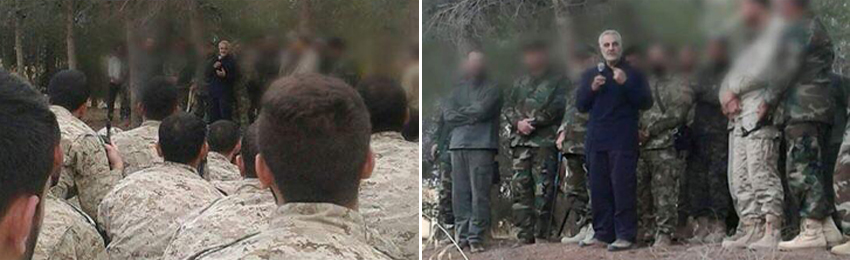
Qods Force commander Qassem Soleimani rallies Iranian officers, Hezbollah in Syria
Photographs show the notorious Qods Force commander addressing Iranian officers and Hezbollah forces in Latakia. Iran is reported to have deployed significant forces, estimated at thousands of troops, to support the Assad regime’s offensive in northwestern Syria.
-
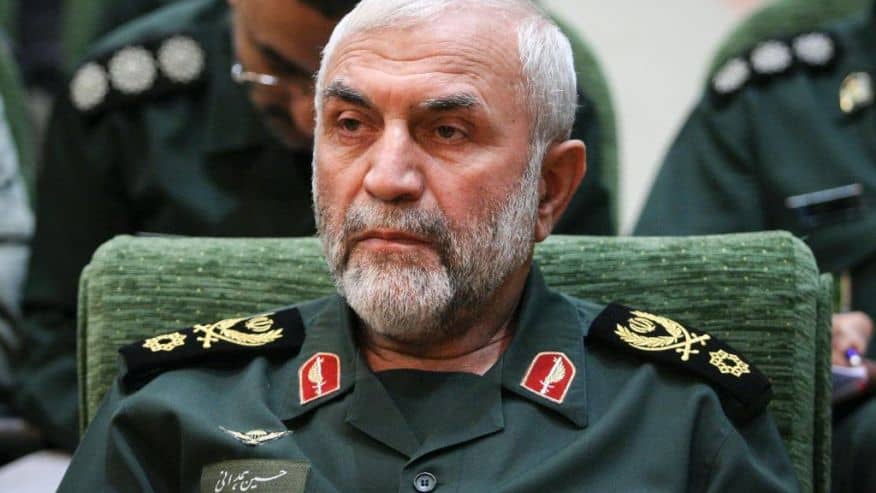
Islamic State kills Iranian general in Syria
Brigadier General Hossein Hamedani is the third senior Iraqi military adviser who has been killed in the Syrian-Iraqi theater since the beginning of the year.
-
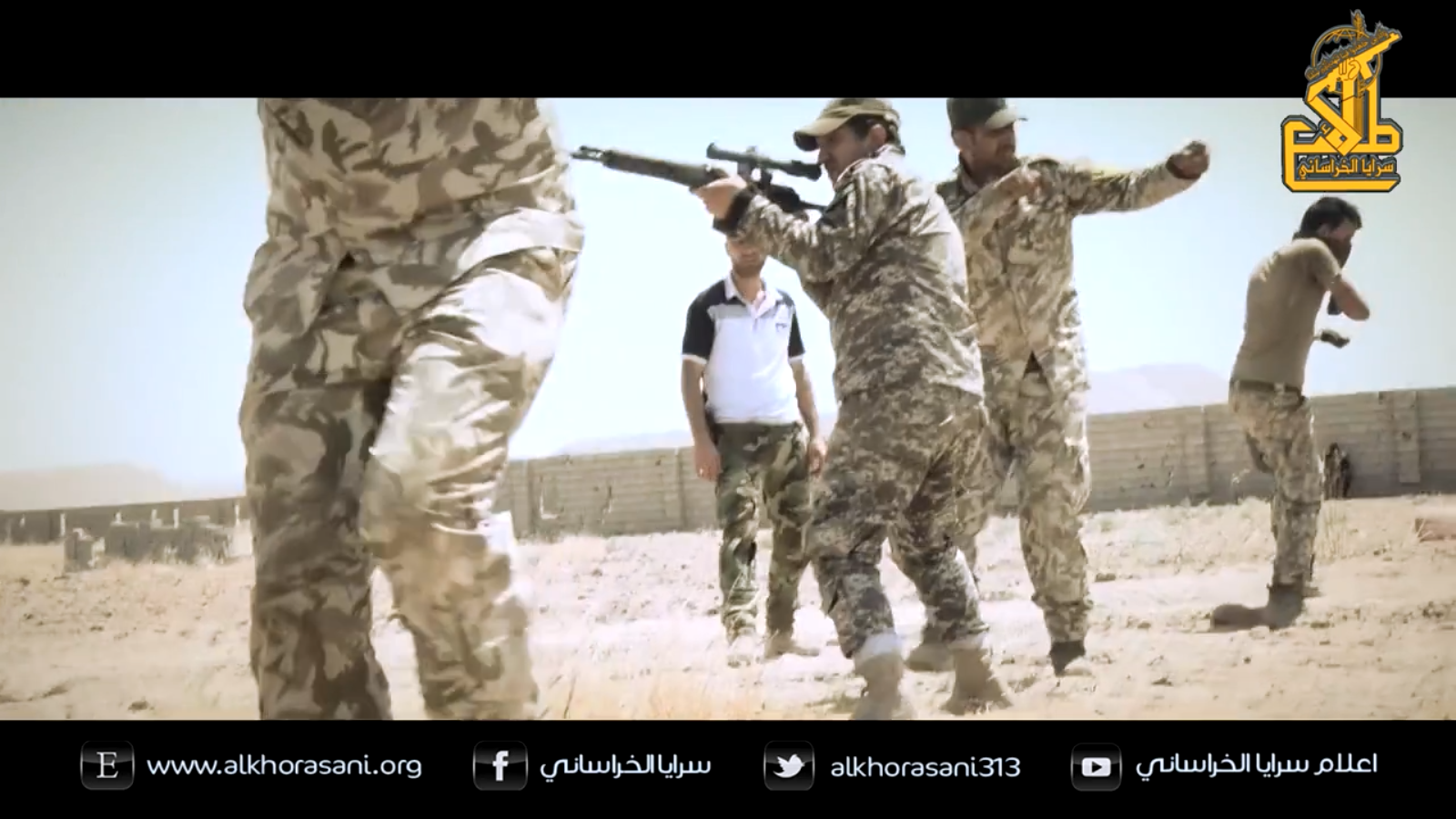
Iraqi Shiite militia promotes training camp named after Qods Force general
Saraya al Khorasani, an Iranian-backed Shiite militia that operates alongside the Iraqi military, released a video showing the “Sheikh Hajj Hamid Taqavi training center.” Taqavi was an Iranian Revolutionary Guards Corps – Qods Force general who was killed by an Islamic State sniper.
-
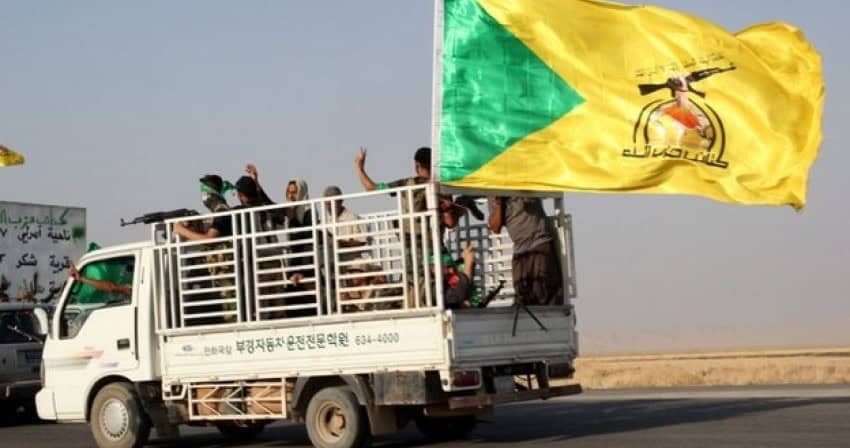
Iraqi Hezbollah Brigades suspected of kidnapping Turkish workers
One Iraqi soldier was killed today as the military raided a Hezbollah Brigades headquarters while searching for 18 Turkish construction workers who were kidnapped in Baghdad.
-
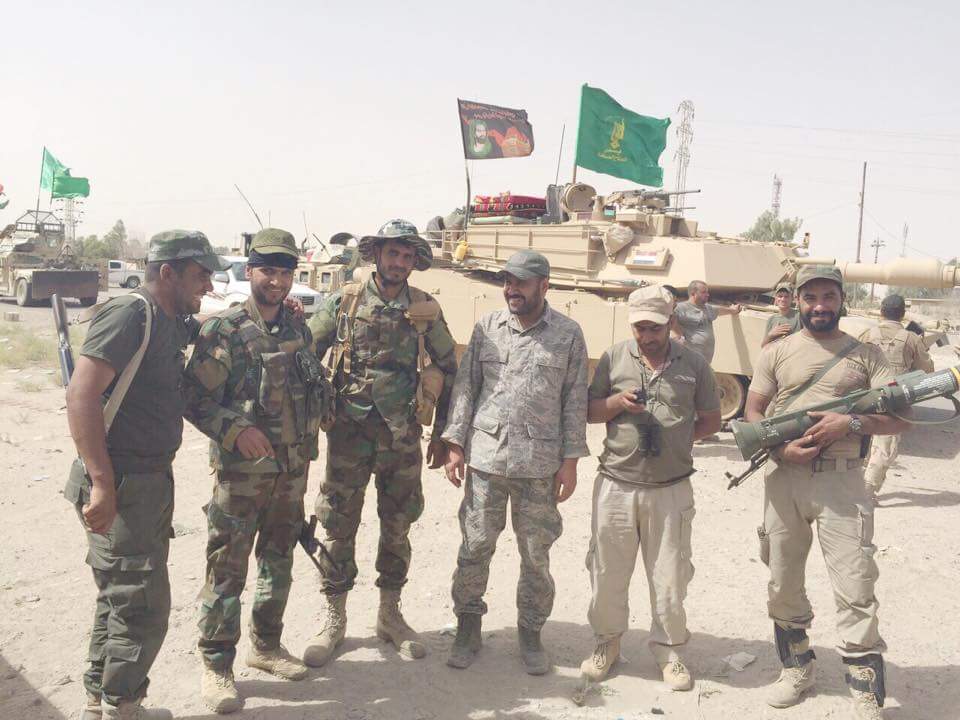
Badr Organization fighters pose with US M1 Abrams tank
A Badr fighter also displays an AT4 anti-tank rocket. US equipment that has been supplied to the Iraqi military continues to fall into the hands of Iranian-backed Shiite militias.
-
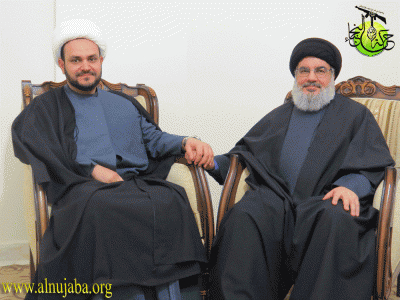
Iraqi Shiite militia commander threatens to attack US
Akram Abbas al Kabi, a Specially Designated Global Terrorist and the leader of the Harakat Nujaba, said his group and others “will seek revenge” for what he claimed was a US airstrike that killed 10 members of the League of the Righteous.
-
Qods Force commander Soleimani reportedly spotted in Anbar province
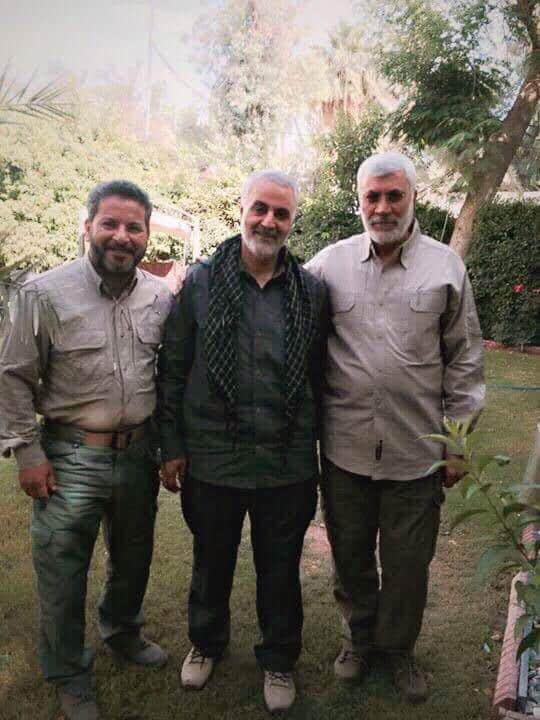
Qods Force commander Major General Qassem Soleimani was also photographed in Baghdad with Popular Mobilization Committee chief Abu Mahdi al Muhandis and Imam Ali Brigade leader Shebl al Zaydi. The images contradict US official’s claims that Iran and its Shiite militia proxies are not involved in the Anbar counteroffensive.
-
Iranian military commander killed fighting in Ramadi
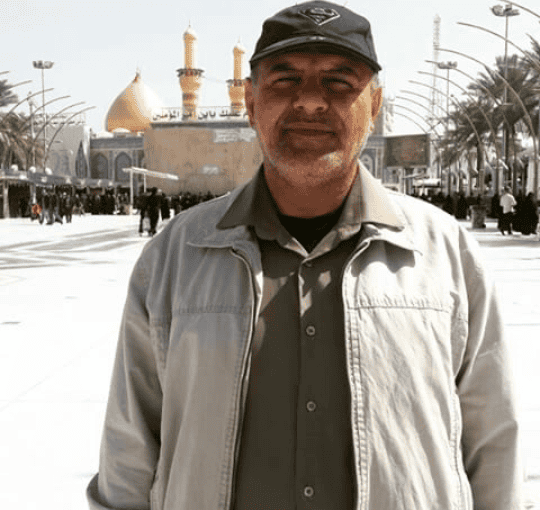
Commander Jassem Nouri is likely a member of Qods Force, the external operations branch of the Iranian Revolutionary Guards Corps Qods Force. He was advising Shiite militias, such as Hezbollah Brigades, who are engaged in fighting in Iraq’s Anbar province.
-
Muqtada al Sadr threatens to ‘unfreeze the military wing,’ attack US interests
“If America persists” in advocating for a Sunni and Kurdish state outside of Iraq, “then it will cease to exist,” the Iranian-backed cleric threatened.