-
Israeli operations in Lebanon against Hezbollah: April 28–May 11, 2025
Israel continued operations in Lebanon between April 28 and May 11, 2025. These activities included targeted killings and the destruction of a Hezbollah PGM storage facility in Beirut’s southern suburbs.
-
Hamas releases US hostage Edan Alexander, IDF continues operations in Gaza
On May 12, Hamas released Edan Alexander, one of 59 hostages still held in Gaza and the last living American hostage. The release came as US President Donald Trump headed to the Middle East for meetings in Saudi Arabia, the IDF is gearing up for an expanded offensive in Gaza, and US Ambassador to Israel Mike Huckabee announced a new US-led humanitarian aid initiative for the territory.

-
Analysis: Naim Qassem encourages voting in upcoming Lebanese municipal elections
Hezbollah Secretary-General Naim Qassem called on his group’s followers to vote in strength in the upcoming municipal elections in Lebanon. He also demanded that the Lebanese government end Israel’s operations in the country and rebuild areas damaged in the recent Hezbollah-Israel war.

-
Israel prepares plan for expanded Gaza offensive
On May 4, Israel’s Security Cabinet approved a new military offensive and plan for operations in Gaza. The multi-stage plan envisions the Israel Defense Forces taking control of Gaza, clearing it of Hamas, and remaining in portions of the territory long-term while the civilian population is evacuated to southern Gaza.

-
President Trump announces ceasefire between US and Houthis
The US and the Houthis entered a ceasefire brokered by Oman on May 6 in which each side agreed not to target the other. However, American and Houthi leaders have made contradictory statements about the circumstances of the ceasefire, each trying to portray it as a sign of the other’s weakness. Israel is not part of the agreement.

-
Israel announces airstrikes against Iran-backed Houthis in Yemen
On May 5, the Israeli military launched airstrikes against Houthi targets in Yemen, including the Hudaydah port and a cement factory used for military infrastructure, in response to a ballistic missile attack that injured six people near Ben Gurion Airport. The strikes come amid escalating Houthi attacks on Israeli territory and maritime vessels, as well as ongoing US-led operations targeting Houthi military assets across Yemen.

-
Israel renews airstrikes in Syria as sectarian violence flares
Israel conducted several airstrikes in Syria between April 30 and May 3 after sectarian clashes erupted in the country. “The IDF has carried out a warning operation and struck elements of an extremist group that was preparing to continue attacks on the Druze population,” Prime Minister Benjamin Netanyahu and Defense Minister Israel Katz said on April 30. The IDF followed up with more strikes in Syria aimed at warning Damascus against harming members of the Druze minority, while others targeted military sites.

-
Clashes erupt between Druze militias and pro-government forces in Syria
Sectarian tensions are flaring again in Syria after a series of clashes first erupted in the Damascus suburb of Jaramana, a diverse area home to Druze, Christian, and Muslim communities. Reports indicate that 14 people were killed in fights between armed groups in the town, while at least 16 others were killed in Ashrafiyet Sahnaya.

-
IDF has hit 1,800 targets in Gaza since new operations began on March 18
The Israeli military has struck more than 1,800 targets since renewing operations in Gaza on March 18, 2025. “We are continuing with the operational pressure and tightening the ring around Hamas as needed, and if we see no progress in the return of the hostages, we will expand our activities,” Israel Defense Forces (IDF) Chief of Staff Eyal Zamir said on April 24.

-
Israeli operations in Lebanon against Hezbollah: April 21–April 27, 2025
Israel continued operations in Lebanon between April 21 and April 27, 2025. These activities included targeted killings and the destruction of a Hezbollah precision-guided munitions storage facility in Beirut’s southern suburbs.
-
Houthis conduct retaliatory strikes, issue threats, sanctions, and boycotts against US and Israel
The Houthis have responded to the large-scale operation conducted by US forces with largely unsuccessful attacks against the US Navy and Israel. The group has also issued sanctions against American companies and ordered a boycott of US and Israeli products.

-
Hamas reportedly unable to pay fighters amid Israeli campaign against finances
Israel’s efforts against Hamas have included severing the Islamist organization’s funding lifelines in addition to sustained military pressure. A recent report indicates that Hezbollah is showing financial strain.

-
IDF suffers first casualties since start of new Gaza offensive
One IDF soldier was killed and three soldiers wounded in northern Gaza, the IDF said on April 19. Israeli forces in northern and southern Gaza continue to dismantle terrorist infrastructure, and Hamas rejected an Israeli proposal for a hostage deal and demanded an end to the war. Israeli Prime Minister Benjamin Netanyahu said that Israel would not “surrender” to Hamas as part of a new hostage deal.

-
Israel kills Hezbollah Unit 4400 deputy commander amid allegations of continued smuggling
Israel killed Hezbollah Unit 4400’s new deputy commander, Hussain Ali Nasr. The Israel Defense Forces alleged that Iran and Unit 4400 continue to oversee weapons smuggling to Hezbollah, including through Beirut–Rafic Hariri International Airport.

-
Analysis: Qassem’s speech on Lebanon’s national defense strategy indicates Hezbollah will remain armed
Hezbollah Secretary-General Naim Qassem delivered his first speech thoroughly addressing Hezbollah’s vision for a national defense strategy. He said the group was ready for a dialogue, which remained premature, but would refuse to disarm even after a strategy is set.

-
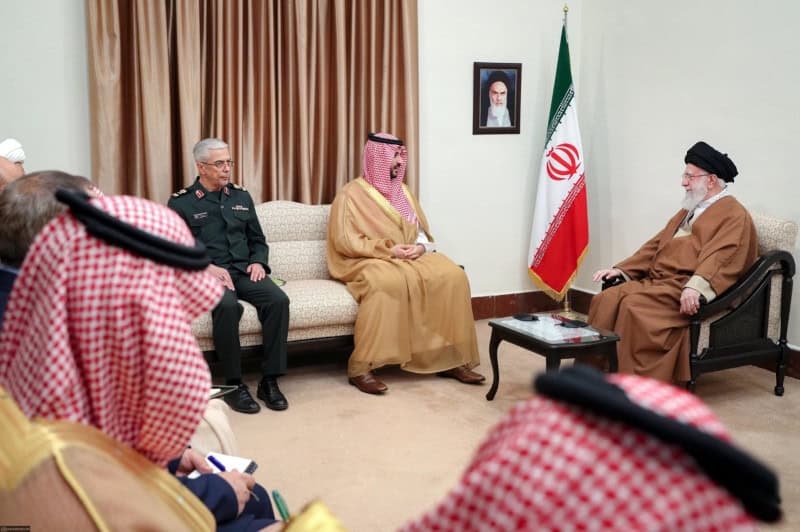
Analysis: A decade of Saudi-Iranian relations: from rivalry to re-engagement
From 2015 to 2025, Tehran-Riyadh ties shifted from confrontation to cautious engagement. Prince Khalid bin Salman’s visit to Tehran marks a historic step in de-escalation amid rising regional tensions. Riyadh appears intent on avoiding entanglement in a broader conflict between Iran and the West.
-
Israeli operations in Lebanon against Hezbollah: April 7–April 13, 2025
Israel continued operations in Lebanon between April 7 and April 13, 2025, repeating a lower-intensity pattern from the previous week. The Israel Defense Forces targeted 10 areas and killed one mid-level Hezbollah commander and one Hezbollah operative.
-
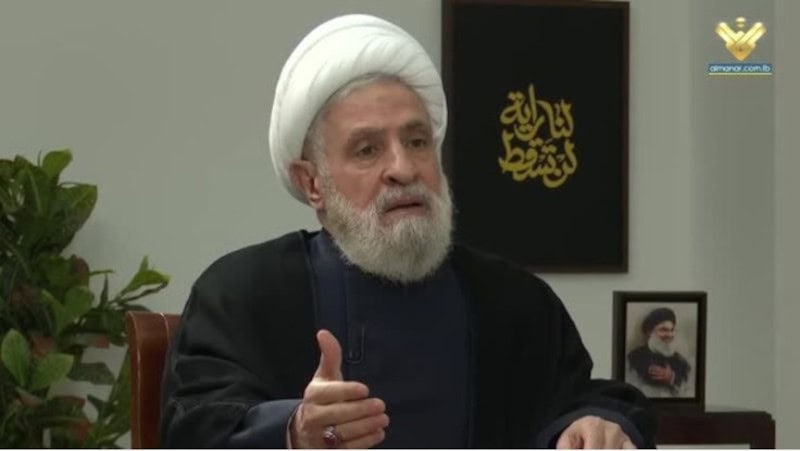
Analysis: Naim Qassem explains Hezbollah’s vision for the future in first long-form interview
Al Manar hosted Naim Qassem for his first lengthy interview as Hezbollah’s secretary-general. Qassem threatened to resume attacking Israel if it didn’t withdraw from south Lebanon and explained Hezbollah’s vision for the future, including the group’s intention to retain its arms and freedom of action from the Lebanese state.
-
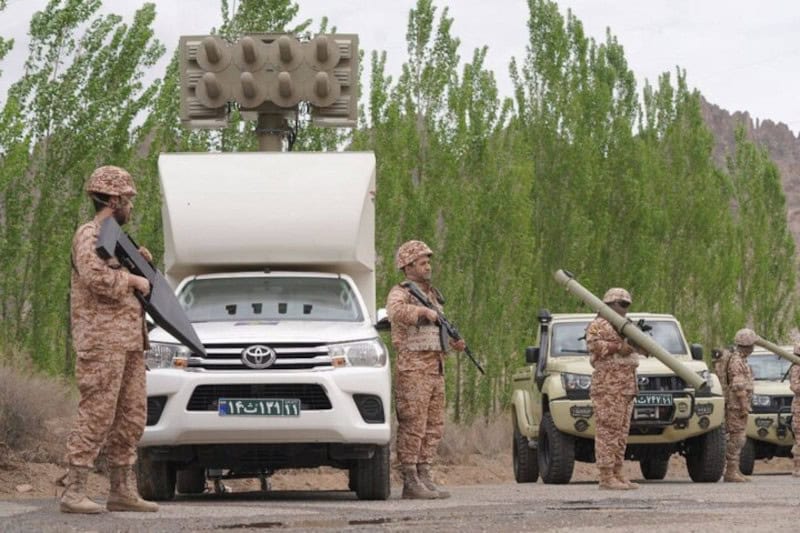
Iranian and Armenian militaries drill as Azerbaijan hosts Israel-Turkey talks
Iranian and Armenian special forces conduct their first joint military exercise near the two countries’ shared border, while Azerbaijan mediated talks between Israel and Turkey over Syria.
-
IDF slowly moves forward to consolidate control in southern Gaza
The Israel Defense Forces (IDF) continued establishing operational control of southern Gaza, sending more forces, including infantry and armor, into the territory during the first week and a half of April. The IDF announced that it eliminated the commander of Hamas’s Sheijaiya Battalion on April 10. Israeli media reported that only 25 percent of Hamas tunnels have been destroyed, and the group’s battalions continue to operate in Khan Younis and Rafah.

-
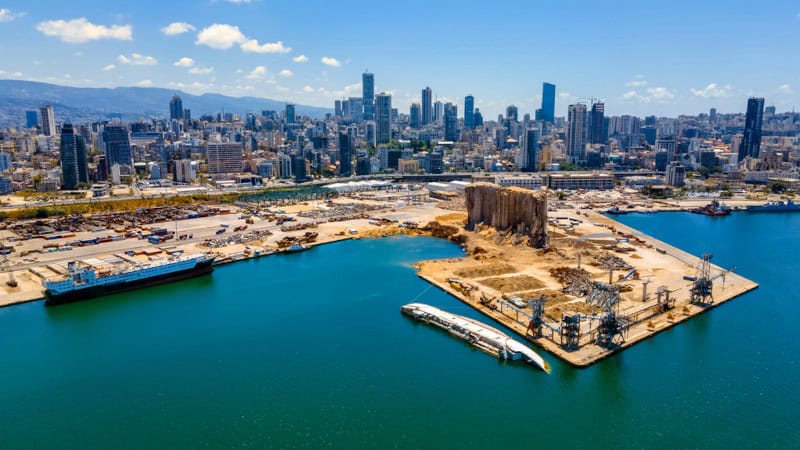
Iran reportedly smuggling weapons to Hezbollah via Beirut port
A “Western security source” told Al Arabiya that Hezbollah is using the Port of Beirut to smuggle weapons into Lebanon from Iran. In early March, Israel assassinated a Hezbollah commander in charge of maritime weapons smuggling, saying his activities had continued after the November 27 Lebanon-Israel ceasefire.
-
Iran braces for possible US attack amid proxy setbacks
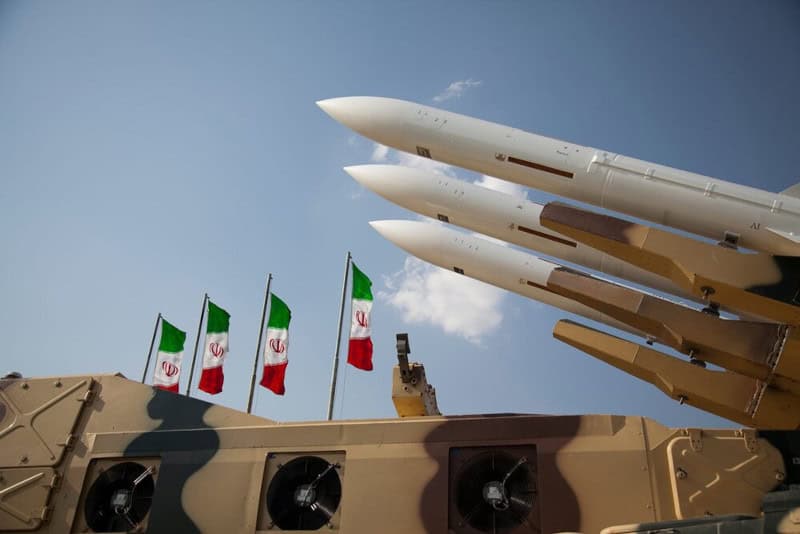
Amid mounting proxy losses and a major US military buildup across the Middle East, Iran has placed its armed forces on high alert and warned neighboring states against facilitating a potential American strike. Tehran is suffering setbacks in Iraq and Yemen while ramping up deterrence through inflammatory propaganda.
-
Israel assassinates Hamas official in Lebanese city of Sidon
Israel assassinated senior Hamas official Hassan Ahmad Farhat in Sidon on Friday. The Israel Defense Forces said Farhat was responsible for attacks on Israel during the recent war, including the February 14, 2024, strike on Tzfat and continued planning attacks against Israel in recent months. Farhat’s son Hamzah, also a Hamas operative, and his daughter, Jinan, were killed alongside him.

-
Israeli operations in Lebanon against Hezbollah: March 31–April 6
Israel continued operations in Lebanon between March 31 and April 6, 2025, though there was a noticeable drop in number and intensity. However, Israel conducted two targeted killings in Lebanon: one in Beirut’s Dahiyeh neighborhood killed a Hezbollah commander and operative, and another in Sidon killed a Hamas commander and operative.
-
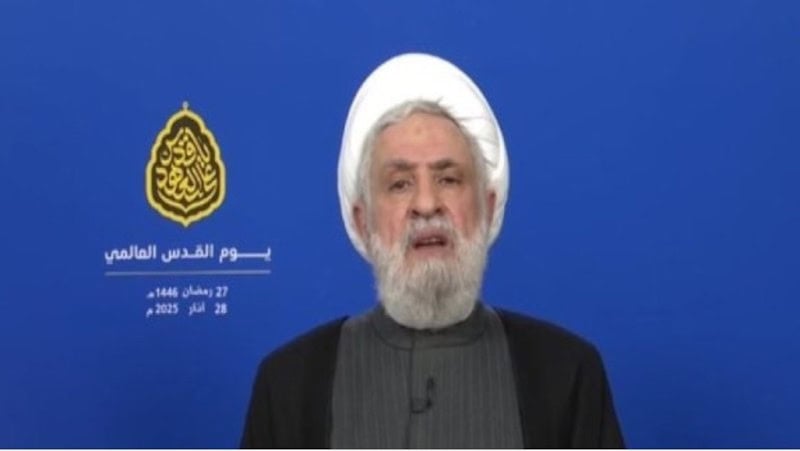
Analysis: Hezbollah Secretary-General Naim Qassem’s Quds Day speeches
Naim Qassem delivered two speeches last week to mark Quds Day that touched on similar themes, including Hezbollah’s alleged victory in the recent war with Israel. Qassem also vowed Hezbollah would not disarm and cryptically threatened to resume attacking Israel if Israeli operations in Lebanon continued.
-
Israel takes over new area dubbed ‘Morag Corridor’ in Gaza
On April 2, Israeli Prime Minister Benjamin Netanyahu said Israel was shifting gears in Gaza and taking over more areas. “We are also doing something else: We are seizing the Morag Corridor. This will be […] an additional Philadelphi Corridor,” Netanyahu said. The Morag Corridor separates Khan Younis from Rafah in southern Gaza. The IDF also called on Gazans to evacuate Rafah in south Gaza and Shejaiya in northern Gaza.

-
Israeli operations in Lebanon against Hezbollah: March 24–March 31
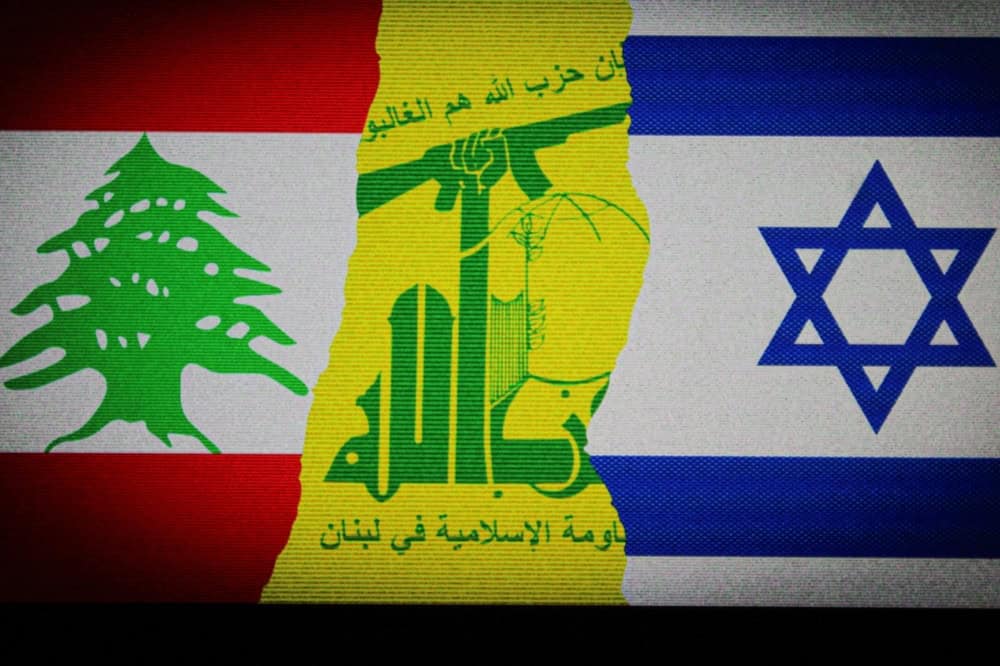
Israeli operations in Lebanon continued on a near-daily basis last week. On Friday, Israel struck in Dahiyeh, Beirut for the first time since the November 27 ceasefire, destroying a Hezbollah drone storage facility. Lebanese officials made equivocal statements on reining in Hezbollah.
-
Israel strikes Hamas vehicles, political leaders in Gaza
The Israel Defense Forces (IDF) carried out strikes targeting more than 100 pickup trucks used by terrorist groups in Gaza. The IDF continued to extend operations in northern Gaza’s Beit Hanoun and Tel al Sultan in southern Gaza. Elements of four IDF divisions are now active in the new operation, which began on March 18.

-
Israeli operations in Lebanon against Hezbollah: March 18–March 23
Israel conducted a series of operations in Lebanon between March 18 and March 23, targeting Hezbollah personnel and assets. On Saturday, in response to rocket fire from Lebanon, Israel launched its most expansive series of attacks in Lebanon since the November 27 ceasefire went into effect.
-
Israel strikes gunmen in southern Syria; Damascus says civilians killed
The Israel Defense Forces carried out an airstrike in southern Syria on March 25, stating it acted after gunmen fired on Israeli forces operating in the area. Syrian state media claimed that four civilians were killed. It is the latest clash in Syria as Israel continues to try to demilitarize the southern part of the country, an effort that has included airstrikes and ground operations in recent weeks.