-
Houthis attack Israel and announce ban on Israeli vessels in the Red Sea
The Houthis in Yemen launched two missiles at Israel and declared a blockade of Israeli vessels in the Red Sea on Monday. The Iran-backed terror group conducted this attack during waves of Iran’s own missile attacks against Israel.

-
Reciprocal attacks between Houthis and Israel continue
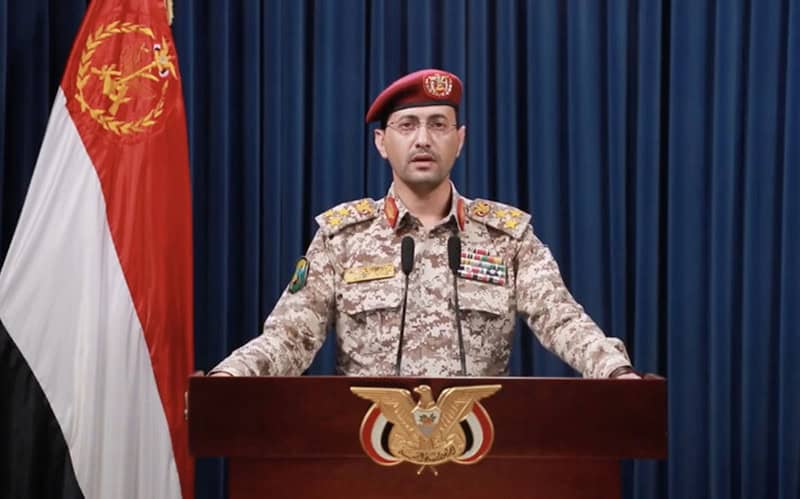
The Houthis have conducted near-daily attacks on Israel throughout September, including launching a drone that struck Ilan and Asaf Ramon International Airport. Israel has responded with frequent strikes in Houthi territory, including one on September 10 that caused significant casualties.
-
Israel kills 12 top officials in Yemen’s Houthi-controlled government
The Israel Defense Forces (IDF) confirmed that it killed 12 Houthi political leaders in an assassination strike that targeted a meeting in Sanaa on August 28. The successful attack indicates that the IDF has improved its intelligence efforts in Yemen.

-
Israel strikes Sanaa amid continuing Houthi missile launches against Israel
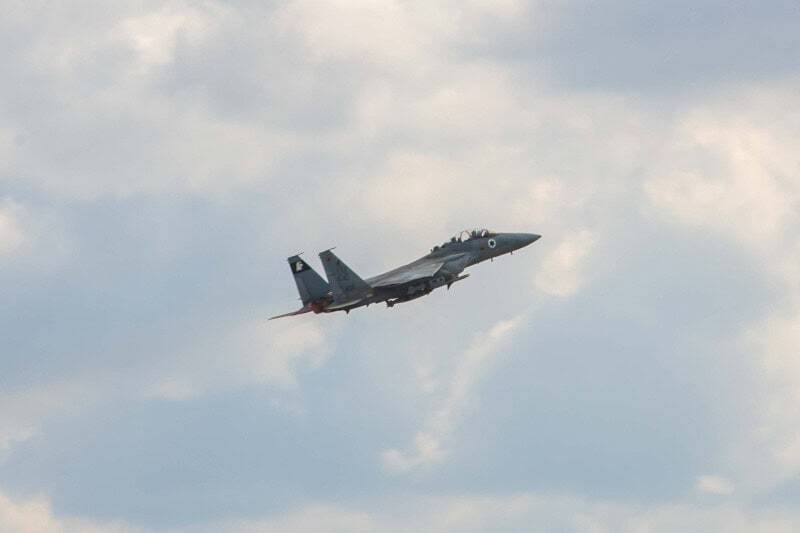
Israel launched attacks against the Houthis’ military and economic infrastructure and attempted assassinations of the group’s key leaders this week. Some sources in Yemen claim that Houthi Prime Minister Ahmed al Rahawi was killed, but this information is unconfirmed.
-
Houthis resume deadly Red Sea shipping attacks
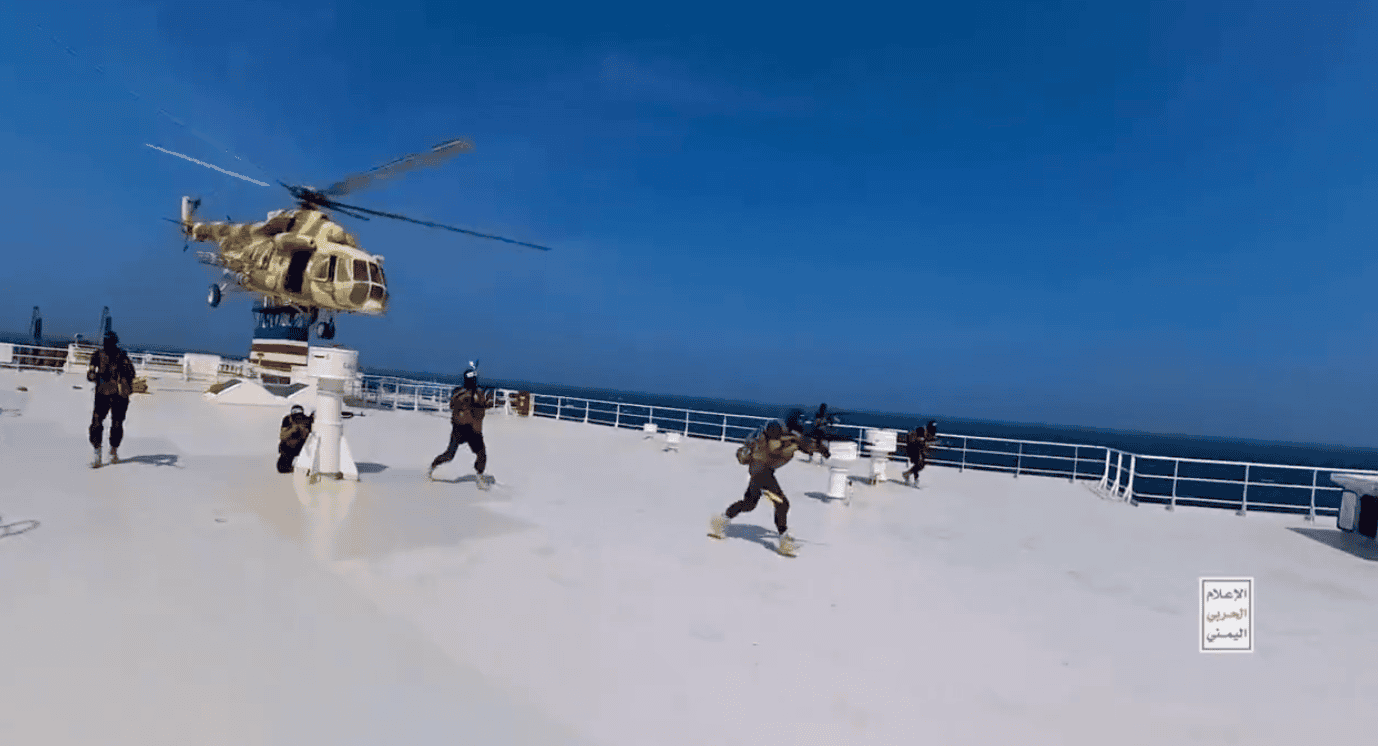
The Houthis resumed targeting Red Sea shipping with two attacks on commercial vessels that killed three crew members and injured two more. The Yemeni terrorist group had not targeted commercial shipping in over half a year.
-
Houthis repeat threats against US over strikes against Iran
The Houthis threatened to attack US forces after American strikes against Iran. A ceasefire has been in place between the US and the Houthis since May 6, following a seven-week campaign by US Central Command (CENTCOM) against the Yemeni terrorist group.
-
The Houthis join Iran’s attacks on Israel
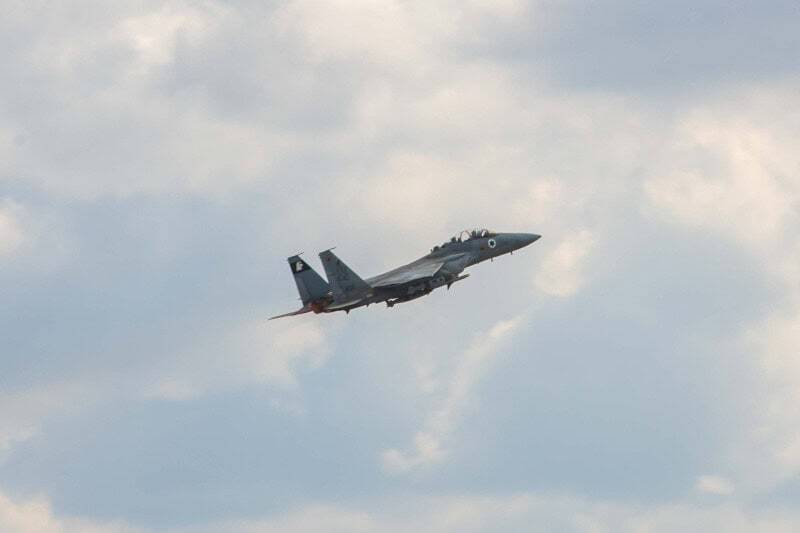
Yemen’s Houthis have continued their campaign against Israel, but now in coordination with and support of Iran. Other Iranian proxies within the Tehran-led Axis of Resistance have chosen not to involve themselves in the conflict openly and directly, so far. Israel carried out a targeted strike in Yemen in response to Houthi attacks.
-
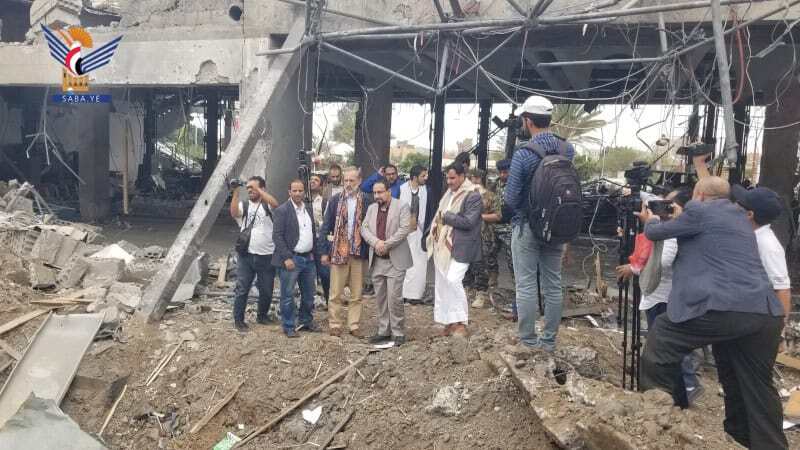
Houthis begin rebuilding after airstrikes, rely on extortion to finance projects
The Houthis have started rebuilding efforts after significant US and Israeli airstrikes. The terrorist group is extorting the citizens of northern Yemen to fund the reconstruction of damaged infrastructure.
-
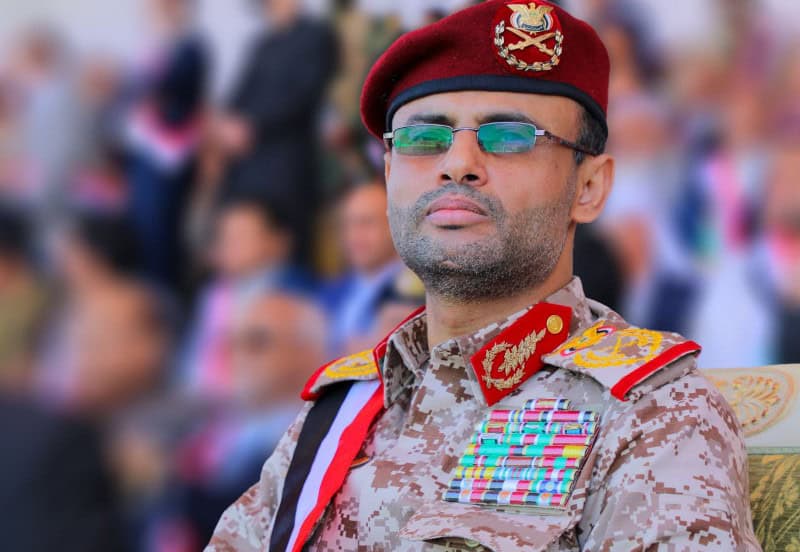
President Trump announces ceasefire between US and Houthis
The US and the Houthis entered a ceasefire brokered by Oman on May 6 in which each side agreed not to target the other. However, American and Houthi leaders have made contradictory statements about the circumstances of the ceasefire, each trying to portray it as a sign of the other’s weakness. Israel is not part of the agreement.
-
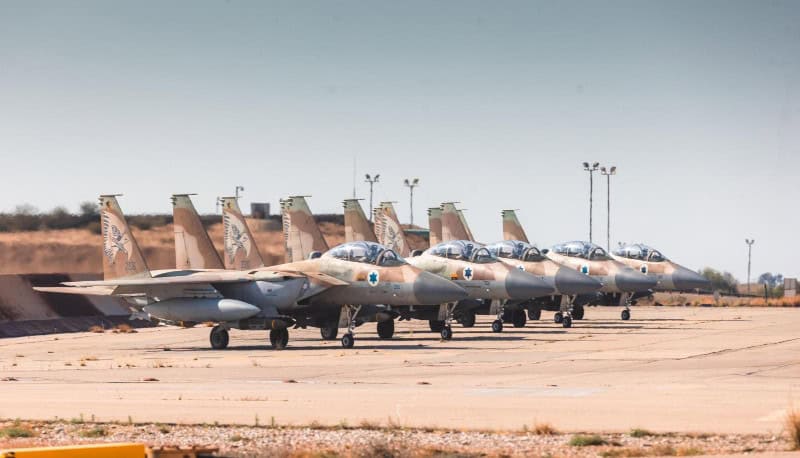
Israel announces airstrikes against Iran-backed Houthis in Yemen
On May 5, the Israeli military launched airstrikes against Houthi targets in Yemen, including the Hudaydah port and a cement factory used for military infrastructure, in response to a ballistic missile attack that injured six people near Ben Gurion Airport. The strikes come amid escalating Houthi attacks on Israeli territory and maritime vessels, as well as ongoing US-led operations targeting Houthi military assets across Yemen.
-
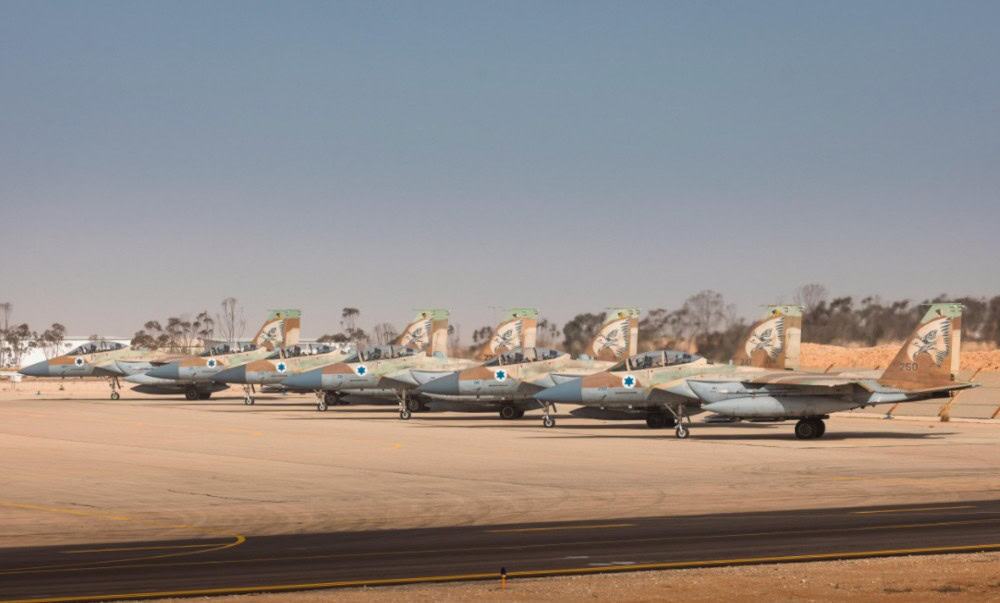
Israel strikes Houthi targets after ballistic missile attacks on Israel
The Israel Defense Forces (IDF) carried out airstrikes on the Iranian-backed Houthis in Yemen on December 26. The daytime strikes targeted the port of Hudaydah and Sanaa International Airport, among other targets. The IDF said it was targeting military infrastructure linked to the Houthis and Iranian smuggling of weapons to the group. The Houthis conducted a ballistic missile attack on Israel in the early hours of December 27.
-
Israel strikes Iranian-backed Houthis in Yemen after missile attacks
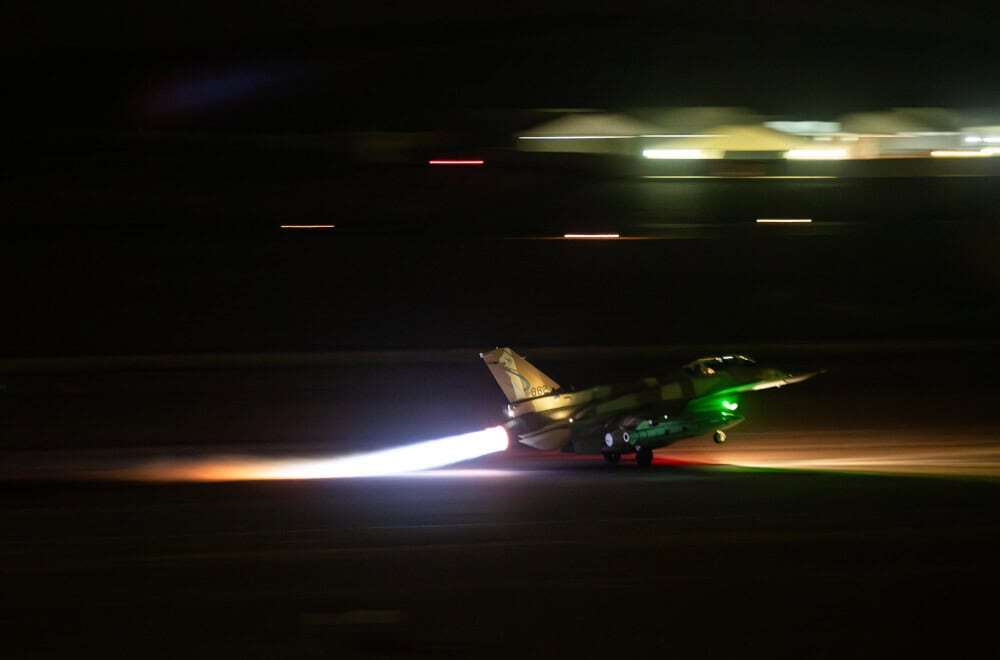
The Israeli Air Force carried out retaliatory strikes on the Iranian-backed Houthis in Yemen on December 19, following a Houthi missile attack targeting the Tel Aviv area on December 19 and also another attack on December 16. The IDF intercepted both threats, though debris on December 19 fell on a school near Tel Aviv. Israel’s strikes in Yemen targeted ports and energy infrastructure.
-
Israel strikes targets on multiple fronts
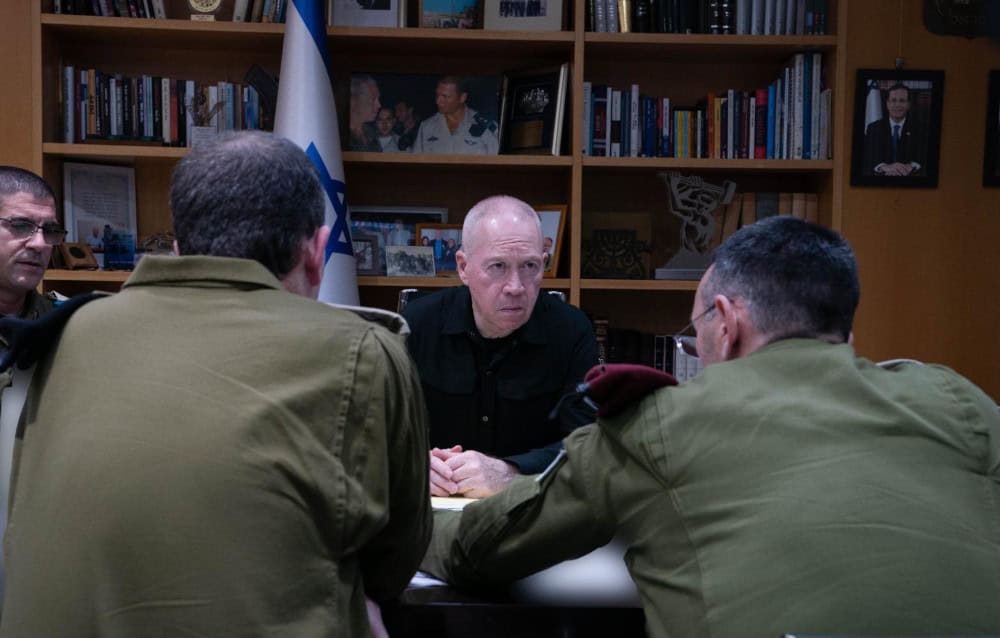
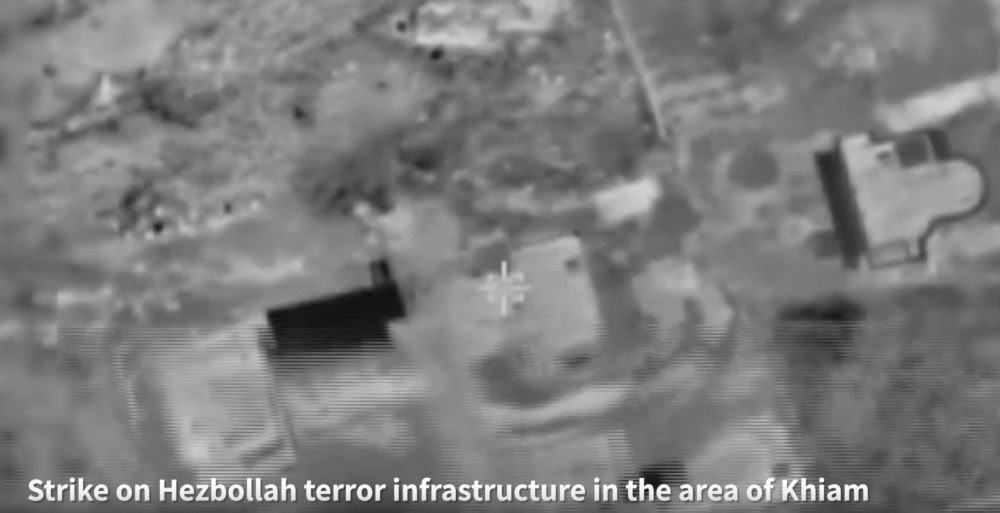
The IDF carried out airstrikes on the Iranian-backed Houthis in Hudaydah using dozens of aircraft. An Israeli missile ship intercepted a UAV launched at Israel, and Iranian-backed militias in Iraq took credit for the attack. Israeli forces in Gaza uncovered a tunnel. Hezbollah carried out numerous rocket attacks on Israel on September 29, and the IDF continued strikes on the terrorist group. The IDF confirmed that more than 20 Hezbollah members were eliminated in the September 27 strike which killed Hezbollah leader Hassan Nasrallah in Beirut.
-
Amid Yemen-Israel escalation, Hezbollah increases attacks on Israel
Hezbollah increased attacks on Israel amid an escalation of Houthi-Israel tensions that grew after the Houthis attacked Tel Aviv with a drone, killing one person, and IDF retaliatory strikes. Israel’s Defense Minister Yoav Gallant said, “The blood of Israeli citizens has a price.”
-
Israeli Air Force bombs sites in Yemen controlled by Iran-backed Houthis
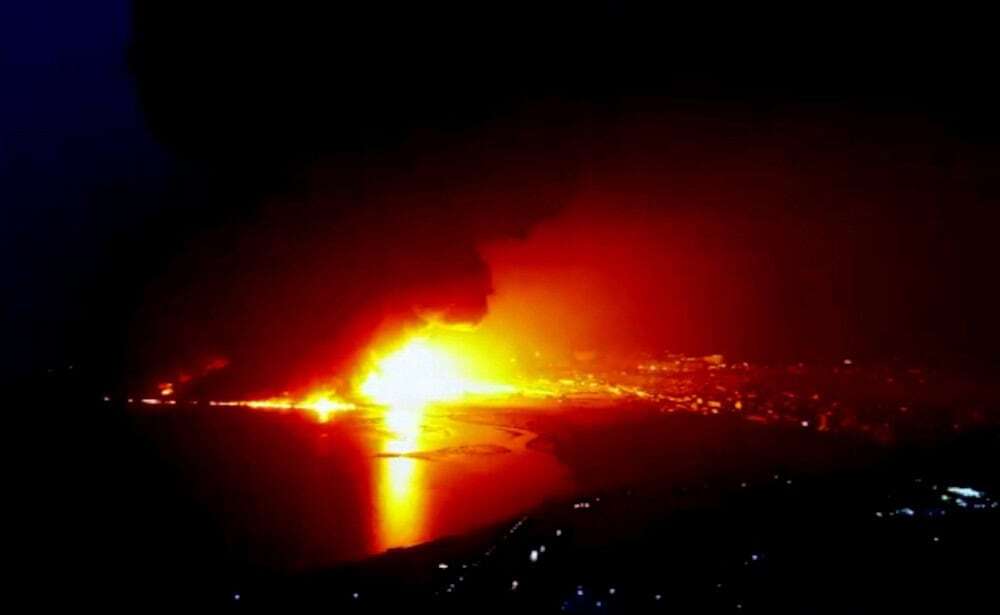
In response to the Houthi drone attack on Tel Aviv yesterday, the Israeli Air Force carried out strikes against Houthi targets in Hudeydah, Yemen.
-
Houthi drone is responsible for deadly attack on Tel Aviv
Houthis in Yemen claimed responsibility for launching a long-range UAV that killed one person and injured at least 10 others in Tel Aviv on Friday morning.