-
Gunmen fire at police outside of Israeli consulate in Istanbul
Three attackers opened fire on police officers outside the Israeli consulate in Istanbul, Turkey earlier today. Turkish police killed one shooter and captured two others. The affiliation of the attackers is currently unknown, but the incident comes almost a week after the Islamic State called for attacks on Jews during the Passover holiday.

-
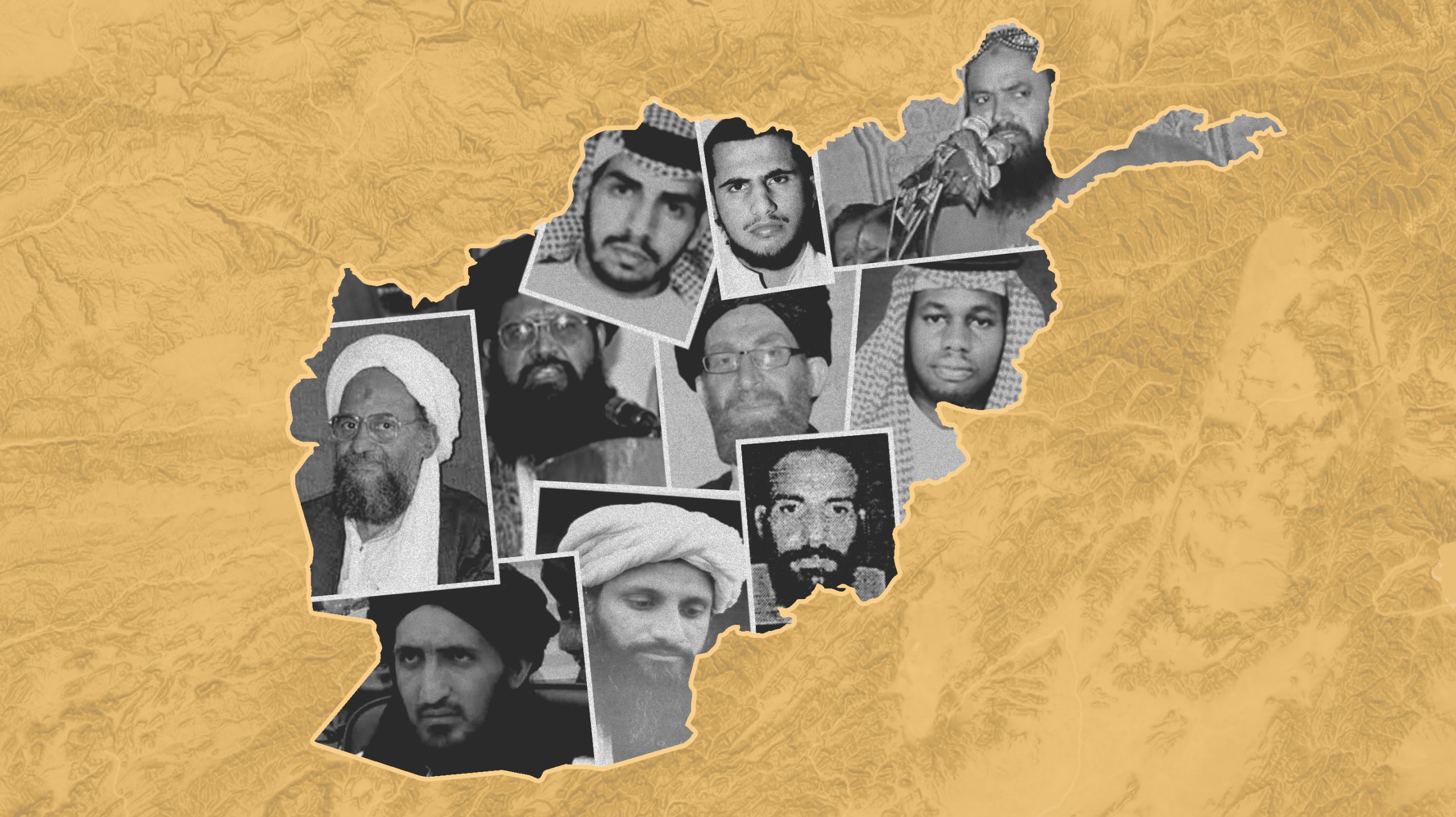
Analysis: From Afghanistan to America: the rising reach of the Islamic State Khorasan Province
Four years after the US withdrawal from Afghanistan, the threat posed by the Islamic State Khorasan Province (ISKP) has expanded beyond the region, now endangering both America and Europe. With the group actively recruiting and transferring fighters across borders, regional actors such as the Taliban, Iran, Tajikistan, and Pakistan have proven unable to curb its growth.
-
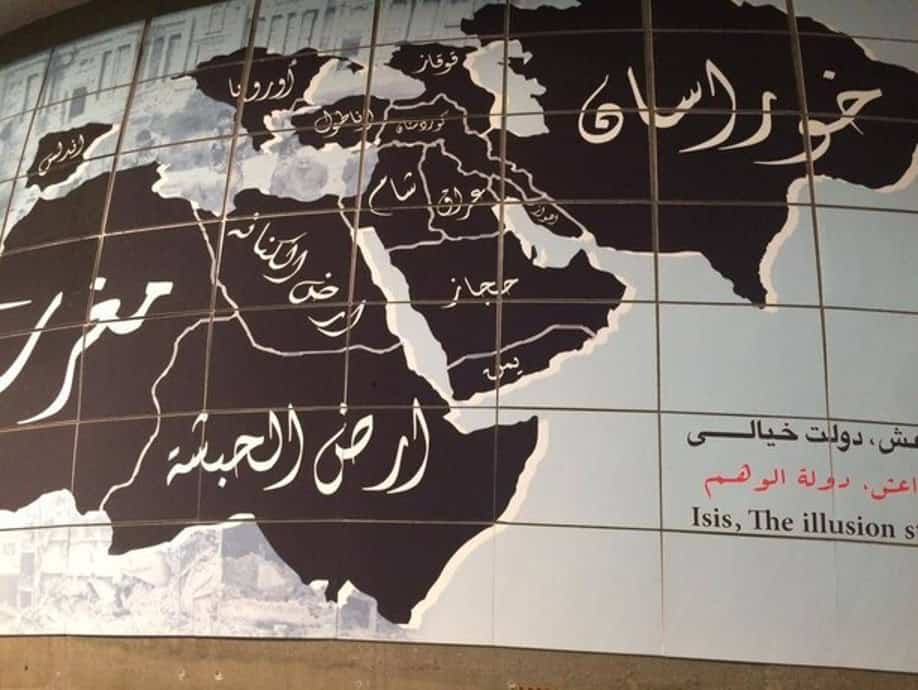
The Islamic State claims responsibility for Omani Shia mosque attack
A recent Islamic State (IS) attack in Oman, coupled with the group’s growing capacity in Iraq and Syria, suggests that IS strongholds across the Middle East present a threat as formidable as its Asian branch.
-
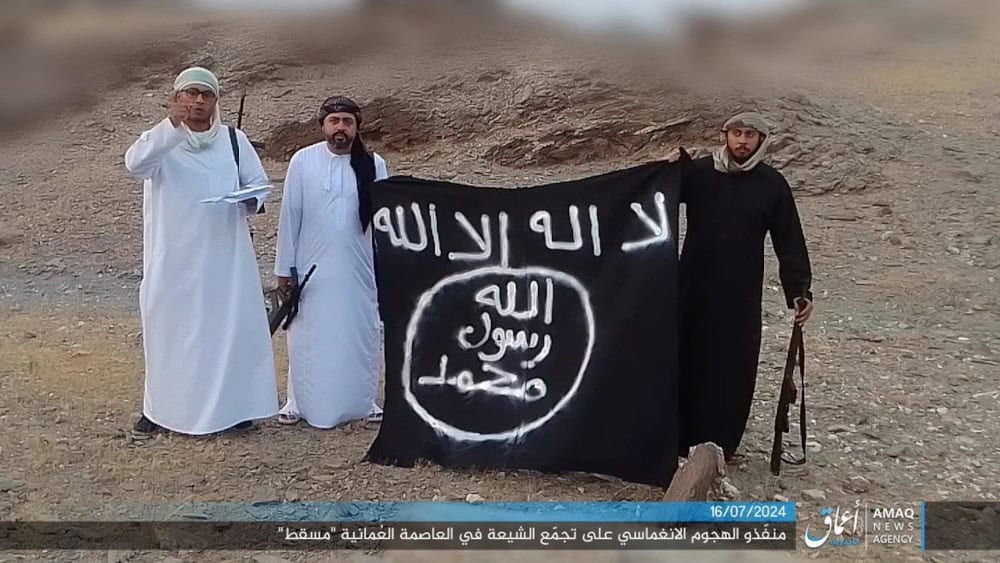
Islamic State operatives arrested after illegally crossing the US border
Eight Tajik nationals with ties to the Islamic State in Khorasan Province (ISKP) were recently arrested in major US cities after illegally crossing the Mexican border as early as 2023. The arrests underscore the resurgence of the ISKP after the US withdrawal from Afghanistan and may indicate terrorist groups are seeking to exploit America’s border crisis to stage attacks.
-
ISKP’s transnational reemergence
Leveraging its stronghold in Afghanistan and networks across Central and South Asia, ISKP is surging as a formidable transnational actor, posing a threat from Asia to Europe. The Taliban’s self-portrayal as a counterforce to ISKP raises concerns about their true motives and the perpetuation of regional instability.
-
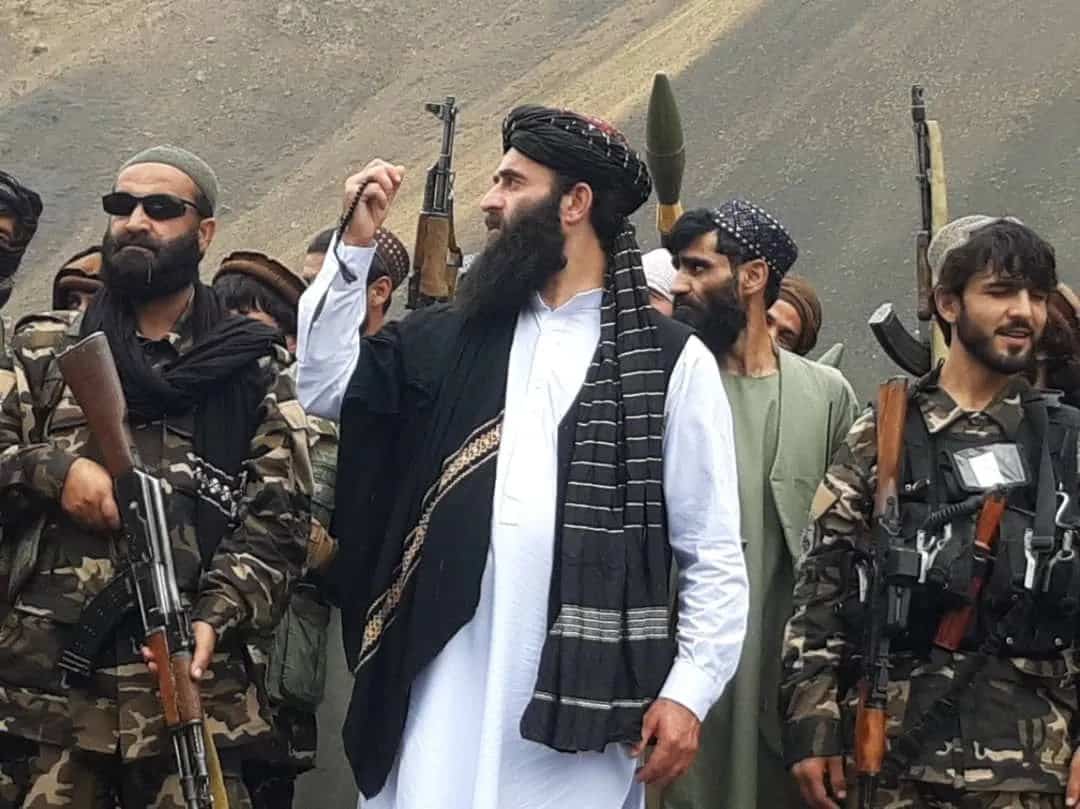
Opium protests catalyze anti-Taliban sentiments
Afghanistan has grappled with a surge in terrorism, deepening ethnic rifts, protests, and the devastating impact of natural calamities in recent weeks. Two years into their control of Afghanistan, the Taliban is struggling to govern as a state actor.
-
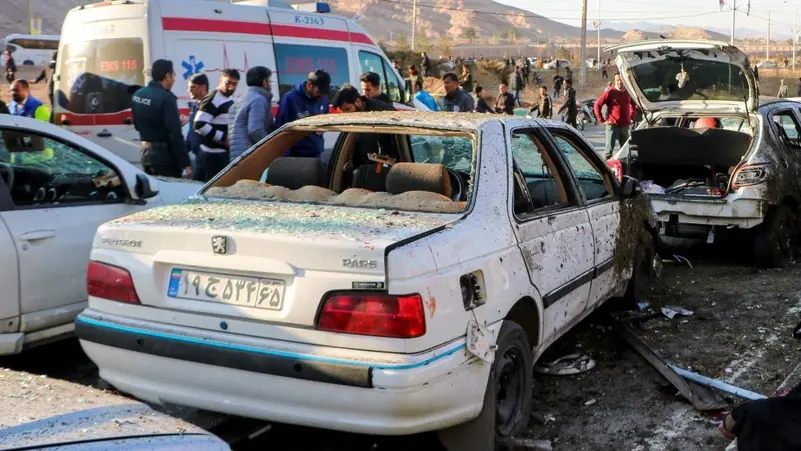
Iranian reactions to the Islamic State’s suicide bombings in Kerman
While ISKP claimed responsibility for the Kerman twin suicide bombings, Iranian state media and officials are downplaying the Afghanistan connection and are instead pointing fingers at Israel. Despite internal crackdowns and heightened security measures, Iran treads carefully to avoid straining relations with the Taliban amid escalating tensions in the region.
-
Department of Defense continues to downplay Taliban and Al Qaeda threat in Afghanistan
The U.S. military continues to recycle stale estimates of Al Qaeda’s strength in Afghanistan, and elevate the Islamic State as a greater threat.

-
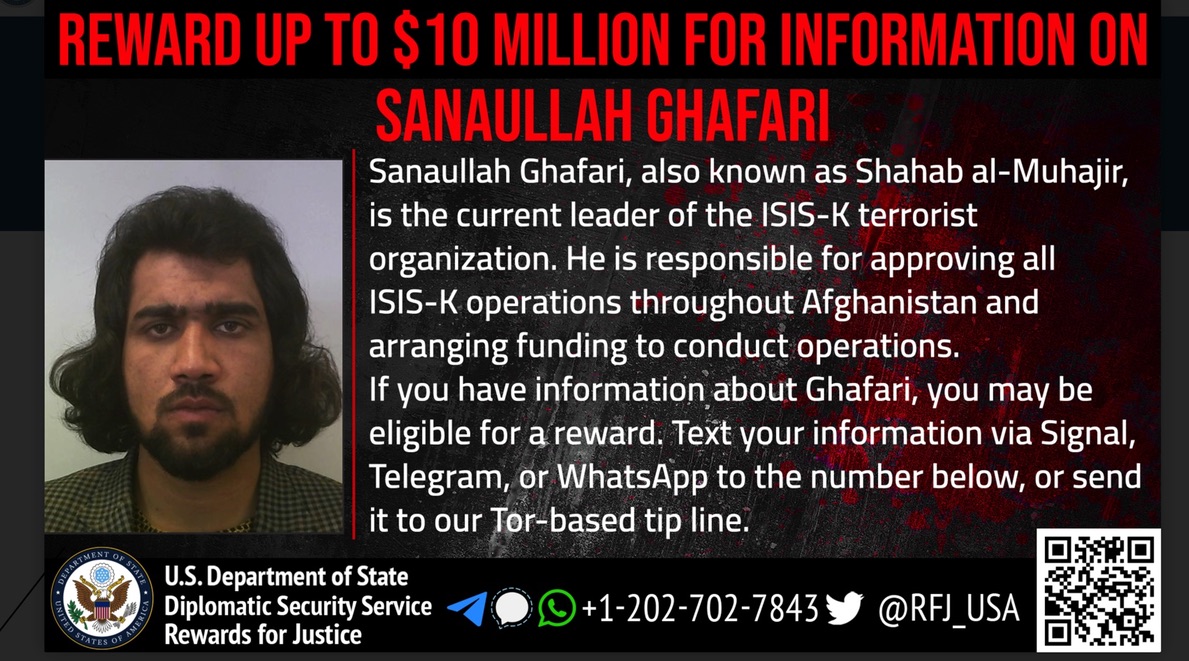
U.S. offers $10 million reward for leader of Islamic State Khorasan Province
Sanaullah Ghafar, who is also known as Shabab al-Muhajir, has been identified as an “ambitious new leader” of the Islamic State Khorasan Province. His challenge is to hold off the vastly superior Taliban, which controls Afghanistan.
-
In fight against Islamic State, the Taliban holds major advantage
The Taliban has the advantage in all of the key areas, save one. The Taliban has state sponsors, terrorist allies, regional support, a marked superiority in weapons and numbers, and controls all of Afghanistan. ISKP can only match the Taliban in one area, and this the will to fight and persevere.
-
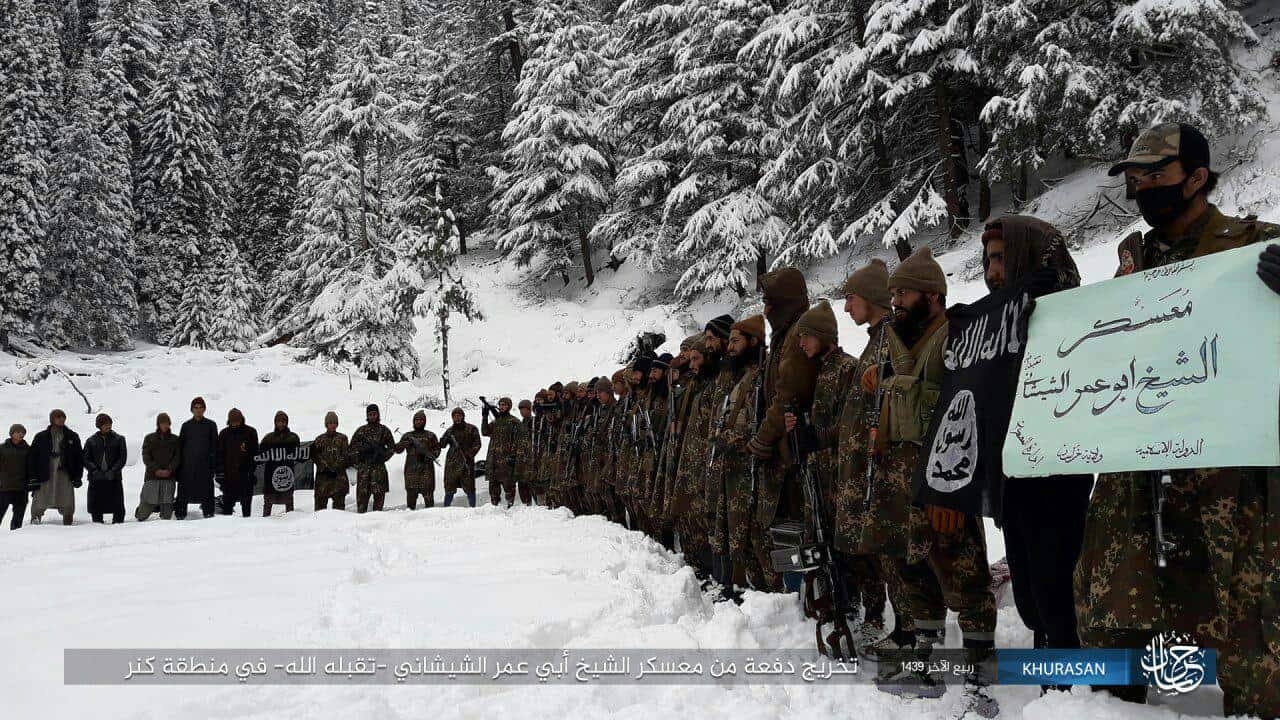
Islamic State bombs bus, security personnel in western Kabul
The Islamic State’s Afghan arm detonated three improvised explosive devices (IEDs) in Kabul earlier today. The first bomb struck a bus carrying civilians, while the second two were detonated after security forces and journalists made their way to the scene.
-
Taliban and Islamic State target religious opponents in Afghanistan
According to a State Department report published this week, the Taliban continues “to assassinate and threaten religious leaders with death for preaching messages contrary to” its “interpretation of Islam or its political agenda.” As part of its widespread assassination campaign, Taliban gunmen have been killing “imams and other religious officials throughout the country.”