-
Bahraini militant group adopts IRGC branding
The new branding further highlights Saraya al Ashtar’s role within the Iranian-led “Axis of Resistance” in the Middle East.
-
Iran sends drone into Israeli airspace one day before 1979 revolution anniversary
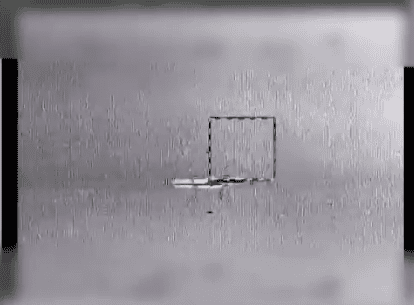
In the early hours of Feb. 10, a day before the 39th anniversary of the Islamic revolution in Iran, an Iranian Unmanned Aerial Vehicle (UAV) entered Israeli airspace from Syria.
-
Top Iraqi-Shiite cleric endorses incorporation of PMF into the state
Iraqi-Shiite Grand Ayatollah Ali Sistani announced his support of the Popular Mobilization Forces (PMF) and “requested that all weapons come under government’s control.”
-
US designates Qods Force counterfeit cash operation
The US Treasury Department designated a counterfeit ring that has procured material and equipment to help finance the Islamic Revolutionary Guard Corps’ (IRGC) operations in Yemen. This announcement answers an important question about at least one of force’s method of financing its operations in Yemen.
-
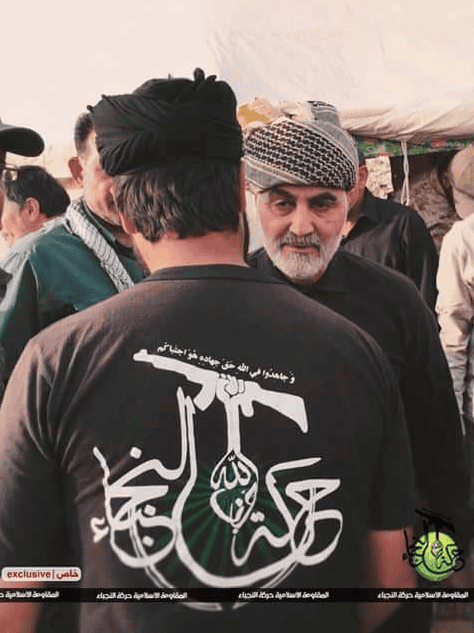
Iraqi militia publicizes Iranian Qods Force chief by Syrian border town
The Iraqi Harakat Hezbollah al Nujaba has posted photos of its Iranian commander, Islamic Revolutionary Guard Corps (IRGC) Qods Force chief Qassem Soleimani, inspecting positions near Al Bukamal in Syria near the Iraqi border.
-
Bahrain blames “Iran-trained” cell for deadly bombing
In recent years, Iran has stepped up its support for various Shia militant groups in the small Sunni-led kingdom. This support has been noted by both Bahraini and American officials.
-
Russia and Iran help capture Syria’s al Mayadin from Islamic State
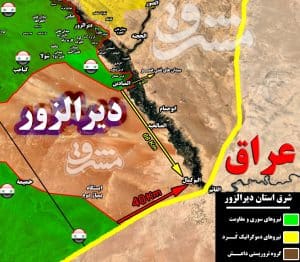
Iran’s Revolutionary Guard and Russia have spearheaded the operation to capture the Islamic State-held city of al Mayadeen in Deir Ezzor province, eastern Syria.
-
Iran’s Revolutionary Guard threatens the US over terrorism designation
Before President Donald Trump levied a terrorism designation against Iran’s Islamic Revolutionary Guard Corps, the IRGC and the Islamic Republic threatened the US over the move. One senior Iranian official initially called it a “declaration of war” and then he tampered it down.
-
FAQ after allegations of another ballistic missile test by Tehran
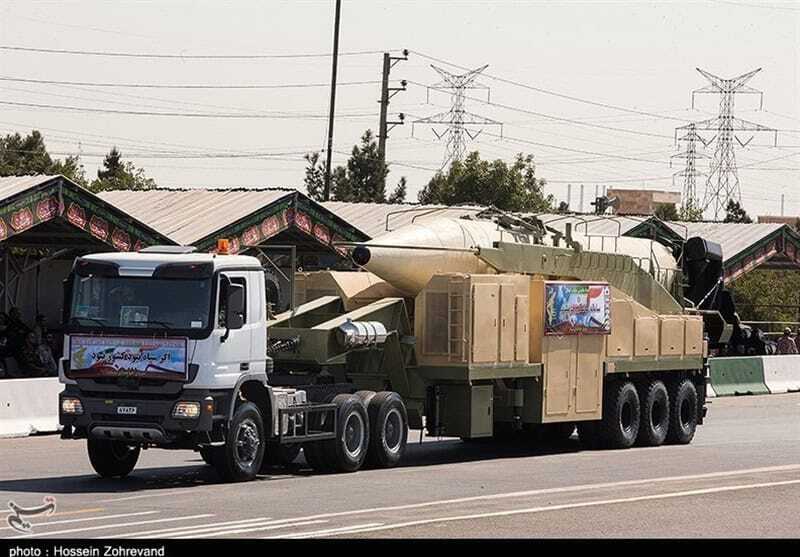
Getting the right answers on allegations surrounding an alleged Iranian ballistic missile launch requires asking the right questions. The following eight questions make sense of the English and Persian language news reporting surrounding the Khorramshahr ballistic missile.
-
IRGC promotes more drone strikes against the Islamic State
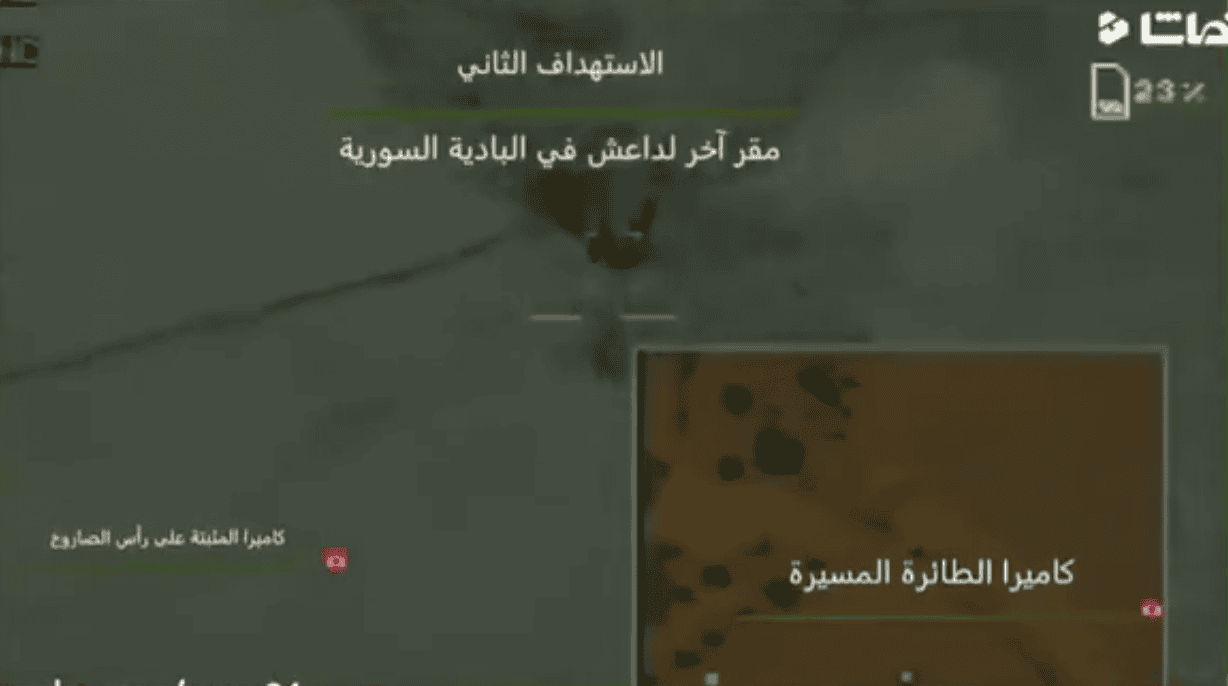
This week, Iran’s Islamic Revolutionary Guard Corps Corps (IRGC) publicized more drone strikes in eastern Syria, allegedly against Islamic State positions by the Iraqi border.
-
Tensions mount as Iraqi militias boost numbers in contested areas while Kurds hold referendum
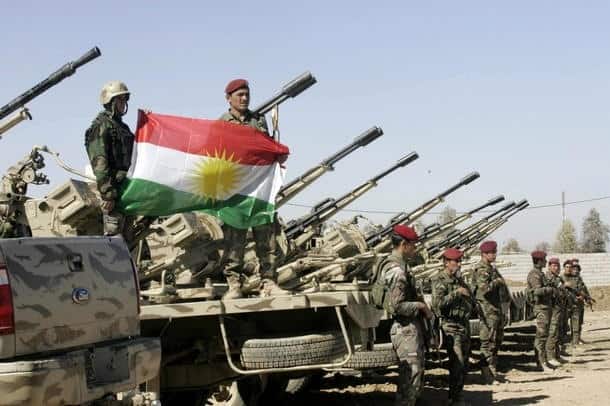
As tensions mount between the Iraqi federal government and the Kurdistan Regional Government, several Iranian-backed group have deployed more troops to contested areas near Kirkuk and Tuz Khurmatu. As both sides remain steadfast in their claims to the oil rich province, tensions continue to mount and the risk of military escalation rises.
-
Iran highlights Qods Force commander killed by the Islamic State
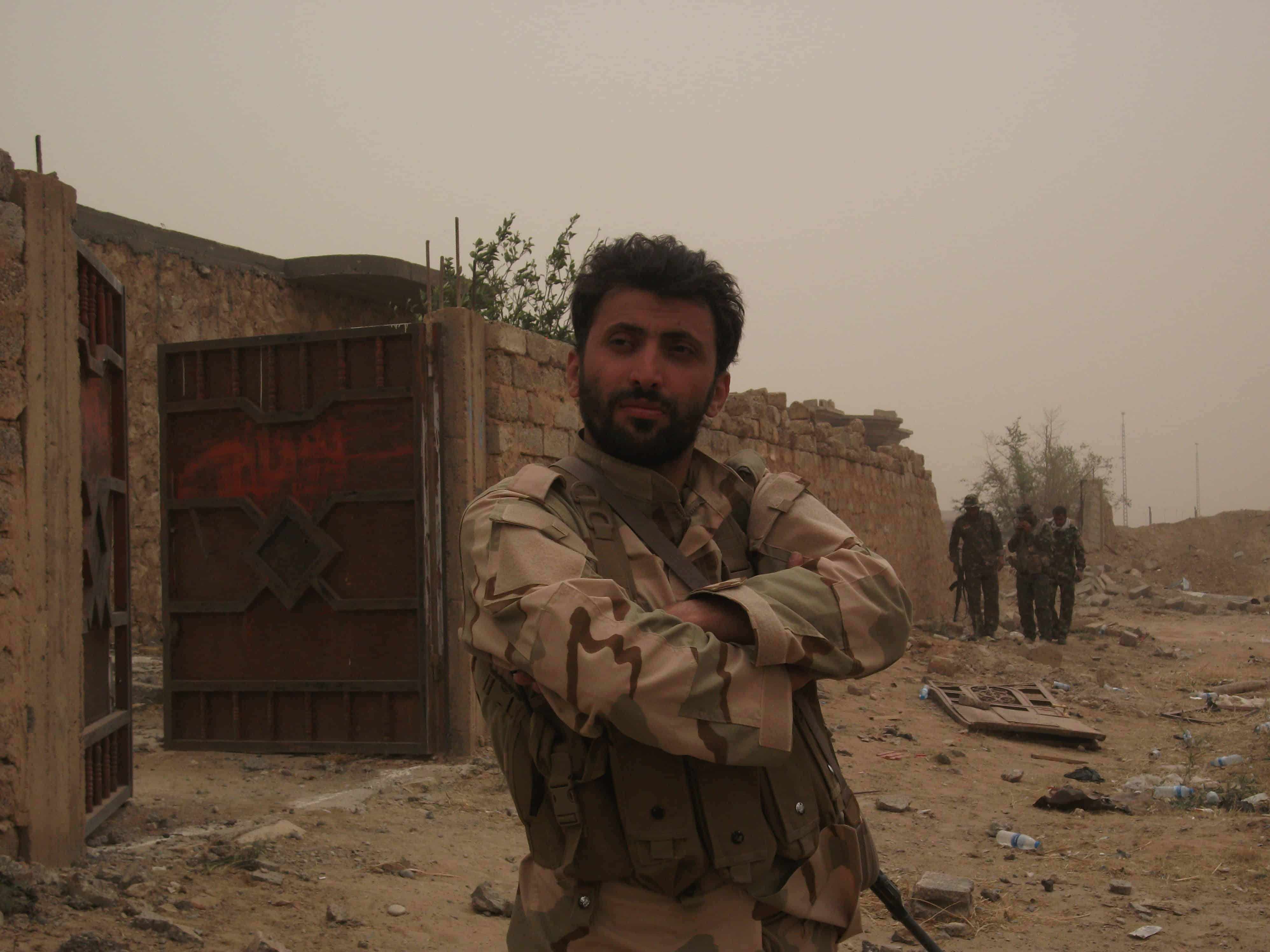
Iran has divulged more details about a senior officer from the Islamic Revolutionary Guard Corps’ (IRGC) Qods Force who was killed in Syria last month. The 32-year old Col Morteza Hosseinpour-Shalmani (AKA Hossein Qomi) died afteran Islamic State ambush near Jamouna, which is about 37 miles northeast of the US base of Tanf by the Iraqi border in eastern Syria. The operations commander of the Iranian-led Iraqi contingent in Syria, he was leading a unit of Seyyed al Shuhada Brigades that included Iranian-embedded soldiers.
-
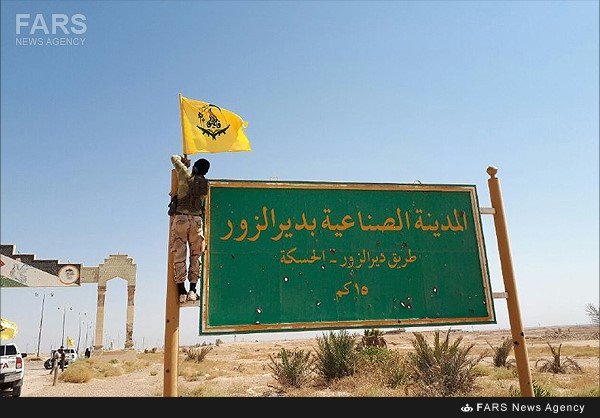
IRGC-led Afghan militiamen hoist flags in Deir Ezzor city
An Iranian-controlled Afghan Shia militia advertises its role in the battle for Deir Ezzor in eastern Syria.
-
The IRGC touts drone strikes against the Islamic State
Iran’s Islamic Revolutionary Guard Corps (IRGC) has promoted its drone strikes against the Islamic State near the Iraqi border in Syria. The IRGC says the strikes were carried out as “revenge” for an Iranian soldier who was beheaded by the so-called caliphate.
-
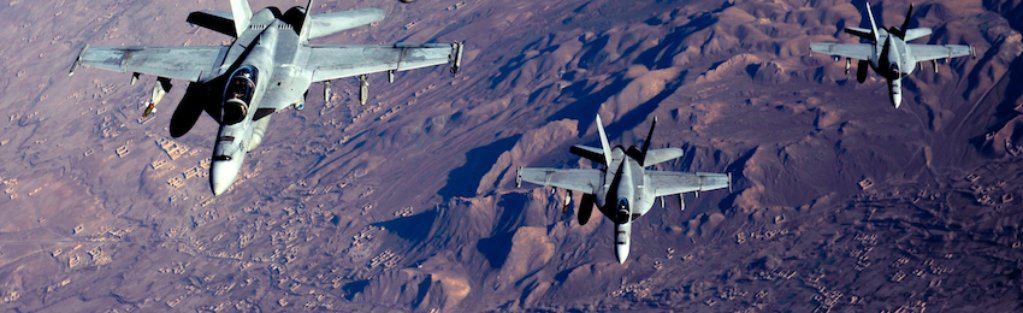
US airstrike prevents Islamic State fighters from reaching eastern Syria
The US-led coalition carried out an air strike to block Islamic State fighters from reaching eastern Syria after they were evacuated from Lebanon. As part of the deal, the Islamic State was to hand over the body of an IRGC fighter who has become a household name in Iran.
-
US to designate the IRGC, affiliates as terrorists
The milestone marks the first instance the US will designate the military branch of a foreign country for terrorism.
-
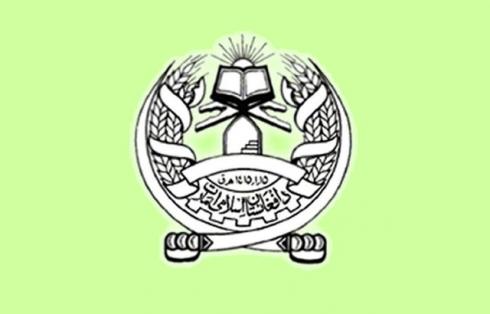
Qods Force-linked Taliban commander leads insurgency in central Afghanistan
Mullah Mustafa, a Taliban commander who was targeted by the US military in an airstrike nearly a decade ago and who has links to Iran’s Islamic Revolutionary Guards Corp – Qods Force, remains a key player in the insurgency in central Afghanistan. He was involved in the Taliban takeover of a district in Ghor.
-
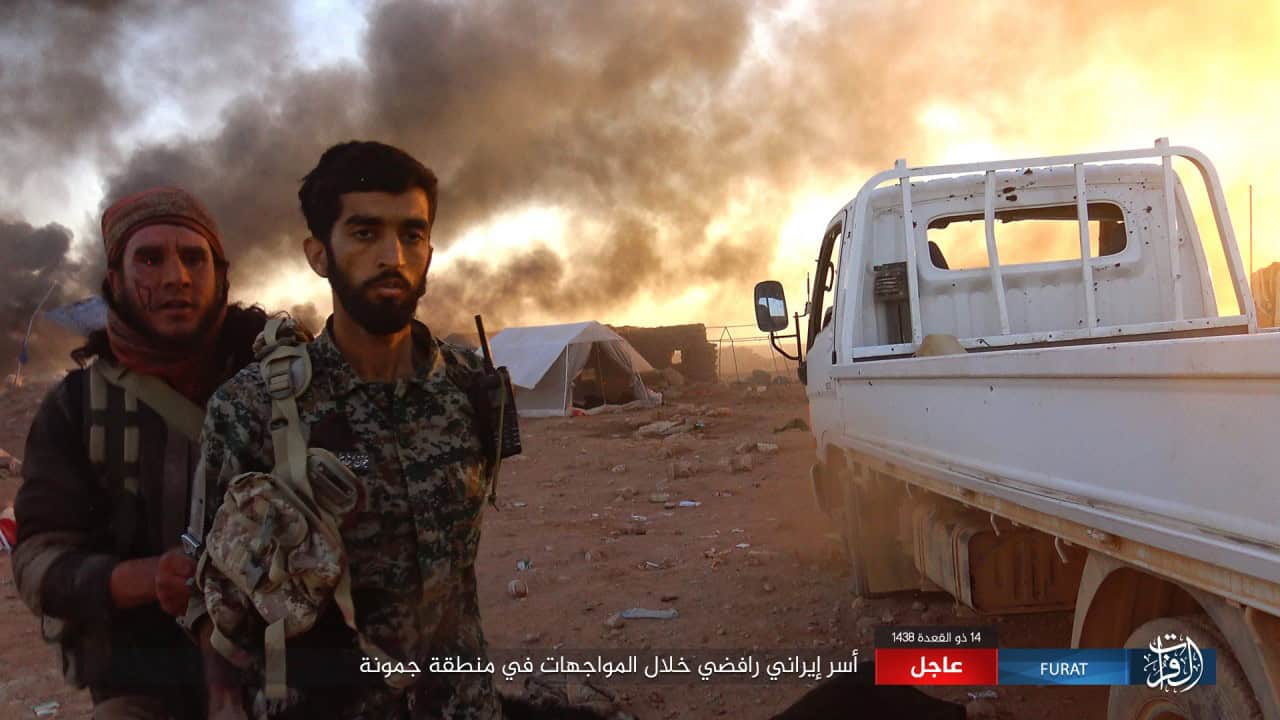
IRGC-controlled militia accuses US of strike to hide Islamic State raid near Syrian border
An Iraqi-Shiite militia controlled by Iran’s Islamic Revolutionary Guard Corps (IRGC) claimed yesterday that its forces came under fire from American artillery shells in the vicinity of Jamouna, Syria. A US Defense spokesman rejected the allegation. The Islamic State posted footage of a raid in that area on the same day that shows the Shiite militia’s flag, strongly suggesting an attempt by the Shiite-jihadist militia to cover up an attack by the Sunni-jihadist group, muddy the waters and shift the blame to the United States.
-
Iraqi Shia militias promote training camps in Syria
Kata’ib Imam Ali and Kata’ib al Sabriun join other IRGC-controlled Iraqi Shia militias training inside Syria.

-
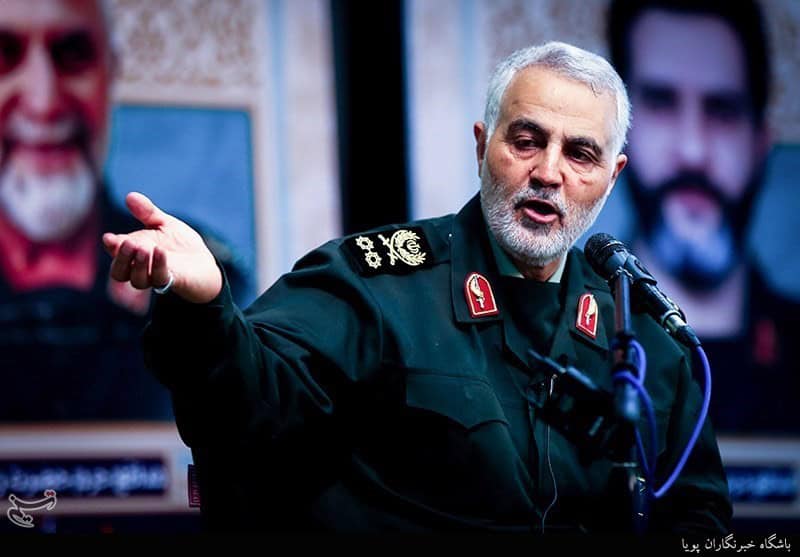
IRGC tries to appropriate Mosul victory
The Islamic Republic of Iran and its Islamic Revolutionary Guard Corps (IRGC) are running a propaganda campaign to appropriate victory in Mosul and the broader war against the Islamic State as their own, while omitting US military support, which has been critical in the campaign.
-
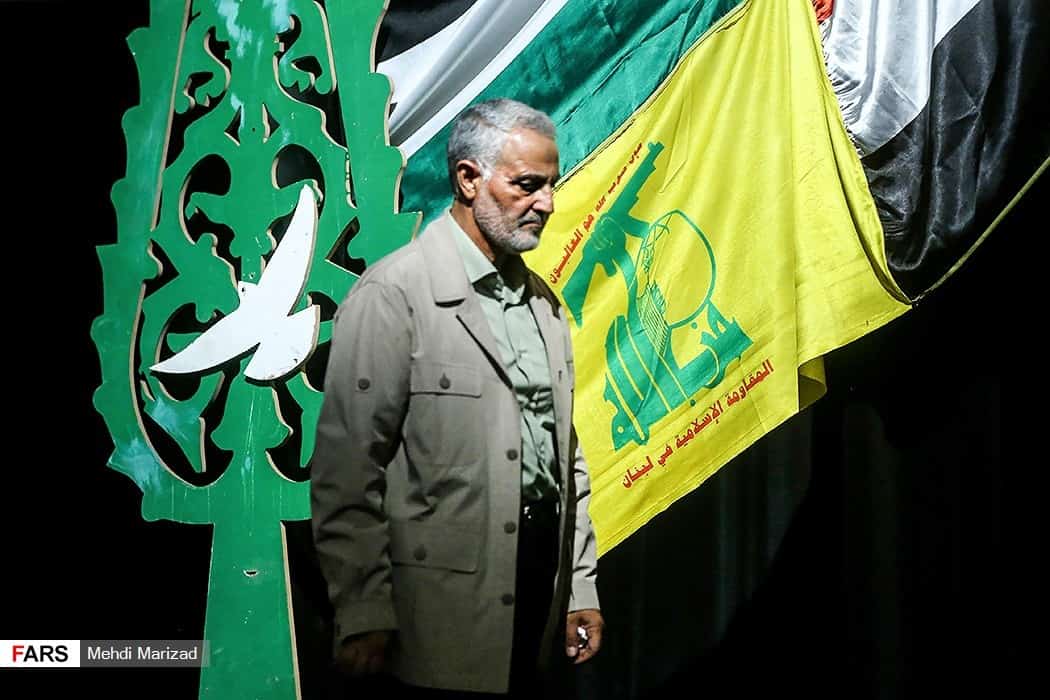
Iran’s Qods Force chief calls Iraqi militia commander a ‘living martyr’
At a July 10 ceremony commemorating a Revolutionary Guard commander recently slain in Iraq, Major General Qassem Soleimani hailed victory in Mosul against the Islamic State. Addressing the crowd with the flags of the Islamic Republic, Lebanese Hezbollah, Palestine and Iraq draped behind him, the Qods Force chief praised Iraqi actors, as well as Iran’s material and combat support to Iraq during the war.
-
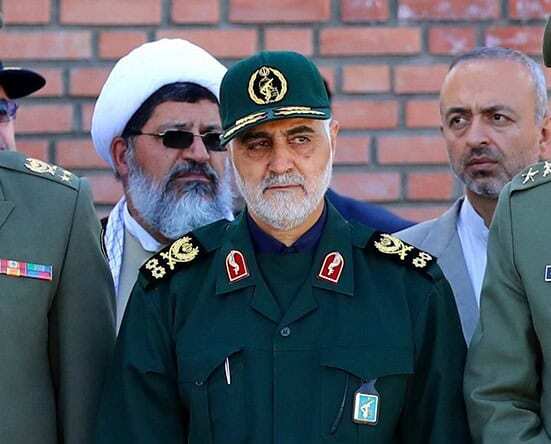
Qassem Soleimani boasts of Tehran’s expanded footprint throughout Middle East
On July 3, Major General Qassem Soleimani, the chief of the Islamic Revolutionary Guard Corps’ (IRGC) Qods Force, spoke at an Iran-Iraq war veterans gathering in his home province of Kerman. Soleimani praised the Islamic Republic’s decades-long effort to take the mantle of the Palestinian cause and boasted that Tehran’s influence in the Middle East has expanded as a result of the Syrian war. He excoriated Saudi Arabia, as well as domestic Iranian critics of the Guard Corps. And the general also lamented the drop in religious observance in Iran.
-
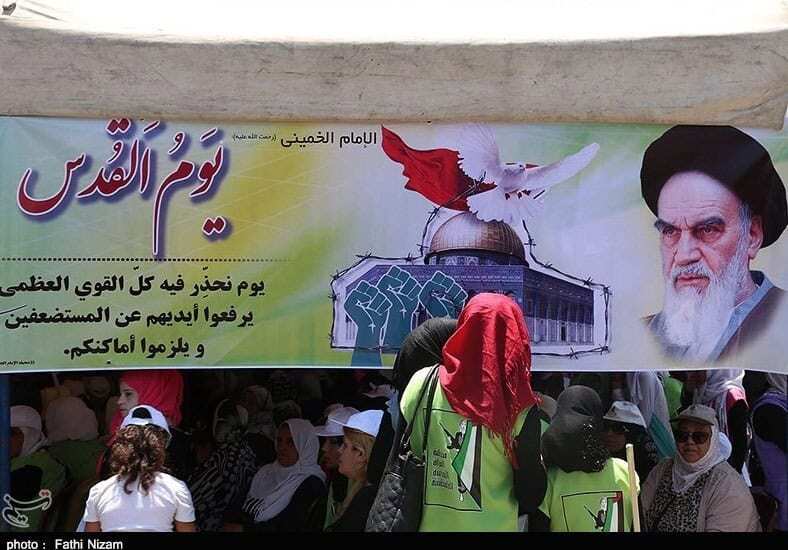
Qods Day commemorations highlight Tehran’s global reach
The Islamic Republic of Iran and its allies abroad on Friday commemorated Qods (Jerusalem) Day, an annual event held on the last Friday of Ramadan and established by Ayatollah Ruhollah Khomeini to express support for Palestinians and opposition to Israel. The regime has not shied away from reiterating its call for Israel’s destruction during the annual event.
-
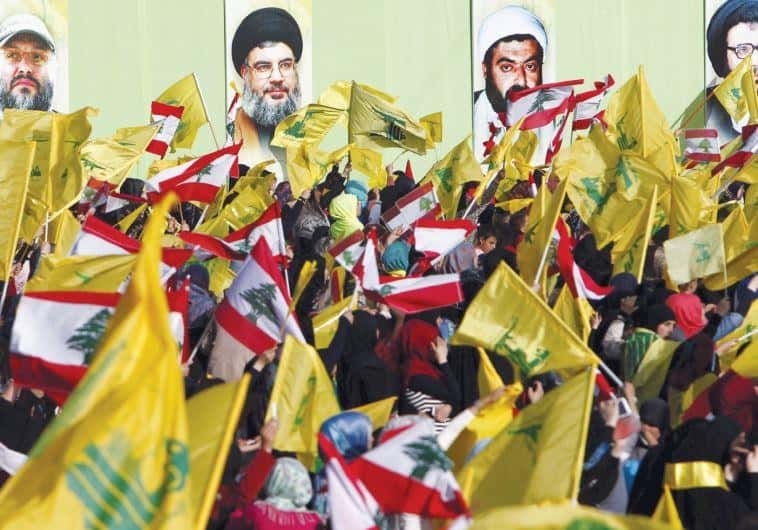
Analysis: 2 US cases provide unique window into Iran’s global terror network
Earlier this month, the Department of Justice announced that two men, Ali Kourani and Samer El Debek, had been arrested and charged with carrying out various missions on behalf of Hizballah’s Islamic Jihad Organization. The IJO serves as Hizballah’s external operations wing, carrying out clandestine missions on behalf of Iran around the world. The complaints allege that Kourani and El Debek were both members of the IJO, which is ultimately controlled by Hizballah leader Hassan Nasrallah, who in turn reports “directly” to Iranian Supreme Leader Ali Khamenei.
-
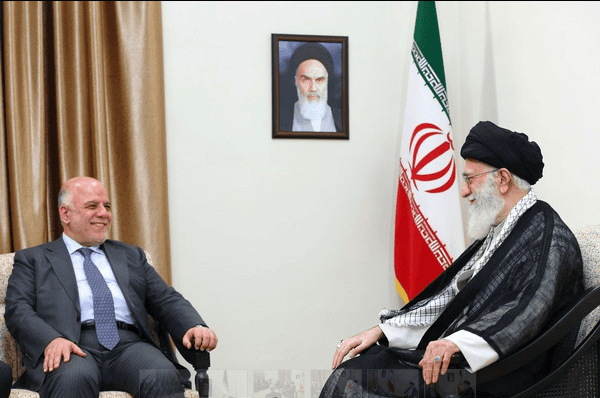
Iraqi Popular Mobilization Forces an ‘important and blessed phenomenon,’ Khamenei says
Iraqi Prime Minister Hayder al Abadi arrived in Tehran today to met with senior Iranian government officials, including Iranian Supreme Leader Ali Khamenei. The Popular Mobilization Forces (PMF) is an “important and blessed phenomenon,” Khamenei said. “The reason the Americans oppose the popular forces is because they want Iraq to lose its important factor of strength,” he added.
-
Iranian media reports missile strike in Syria
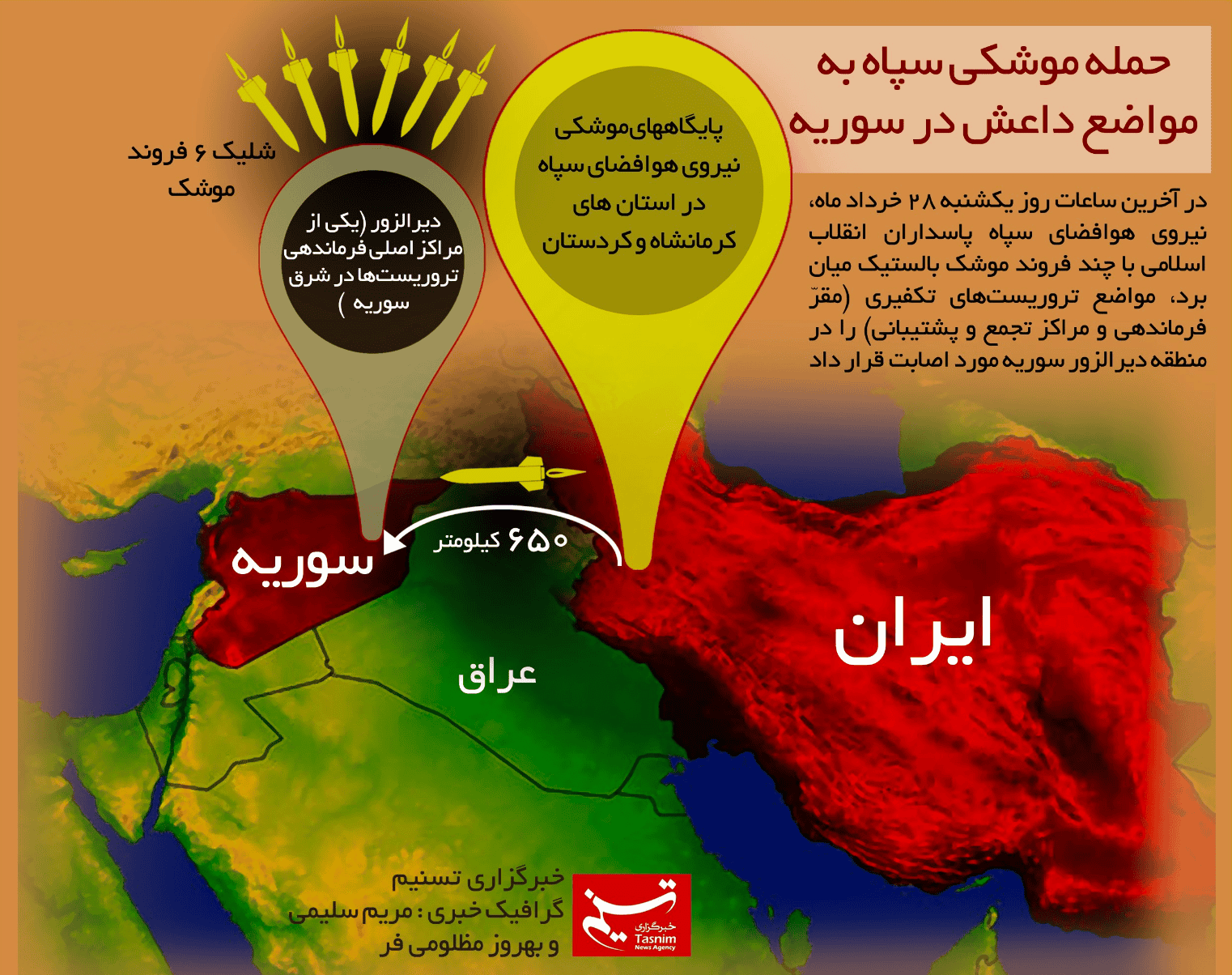
Iranian press outlets report that the Islamic Revolutionary Guards Corps (IRGC) has fired missiles from Iranian territory at the Syrian governorate of Deir ez-Zor in response to the recent Islamic State terror attacks in Tehran.
-
Qassem Soleimani spotted in Karbala, Iraq
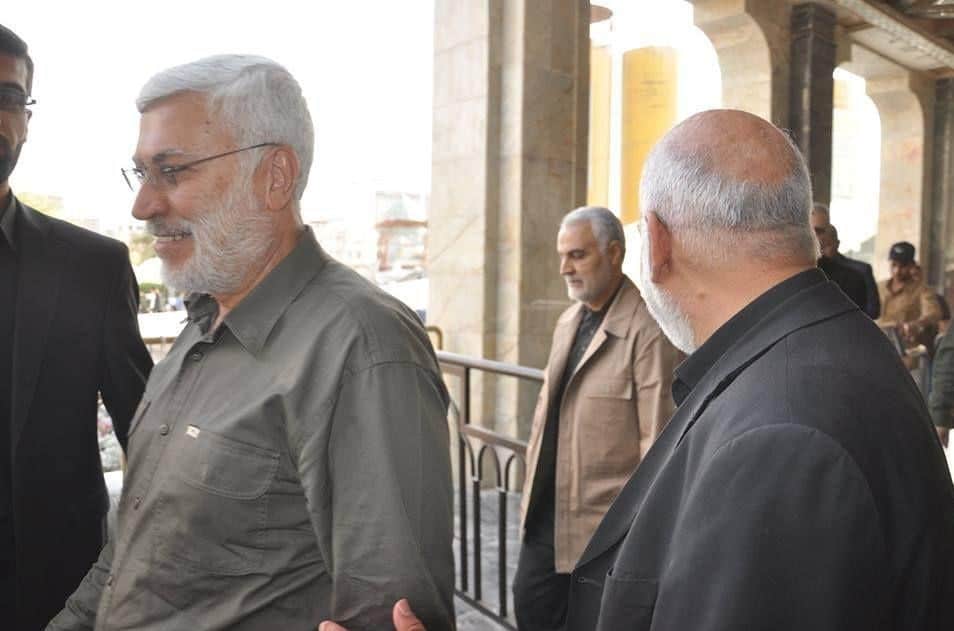
Yesterday, photos emerged on social media of Qassem Soleimani, the chief of the Islamic Revolutionary Guard Corps Qods Force, on a pilgrimage to the shrine of Imam Hussein in Karbala, Iraq, during a holy period in Ramadan. Soleimani was photographed next to his deputy Abu Mahdi al Muhandis, the operations commander of the Iraqi Popular Mobilization Force (PMF), which was enshrined into a legal and separate military corps last year, thus technically making Muhandis a government official.
-
Qassem Soleimani allegedly spotted in Syria near the Iraqi border
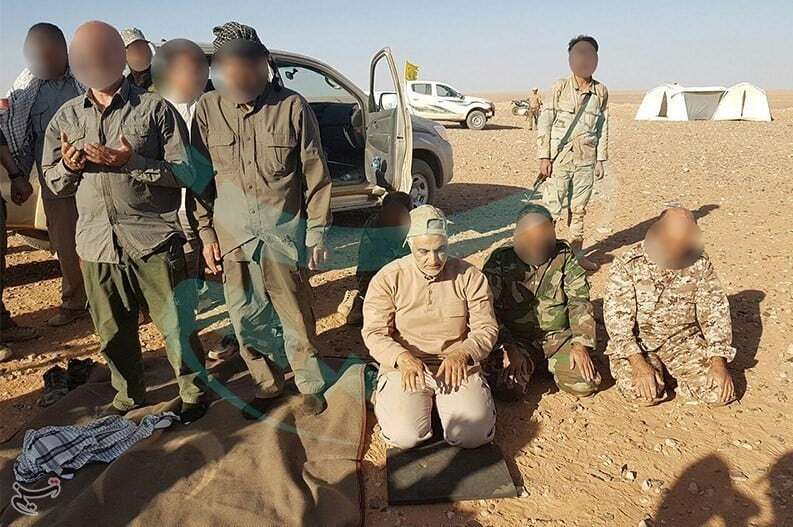
Today, Tasnim News Agency – a propaganda outlet affiliated with Iran’s Revolutionary Guard – posted photos of Qods Force chief Qassem Soleimani, allegedly by the Iraqi border in Syria. The precise location and date of the photo are unconfirmed.
-
Iranian officials offer disjointed response to Islamic State terrorist attacks in Tehran
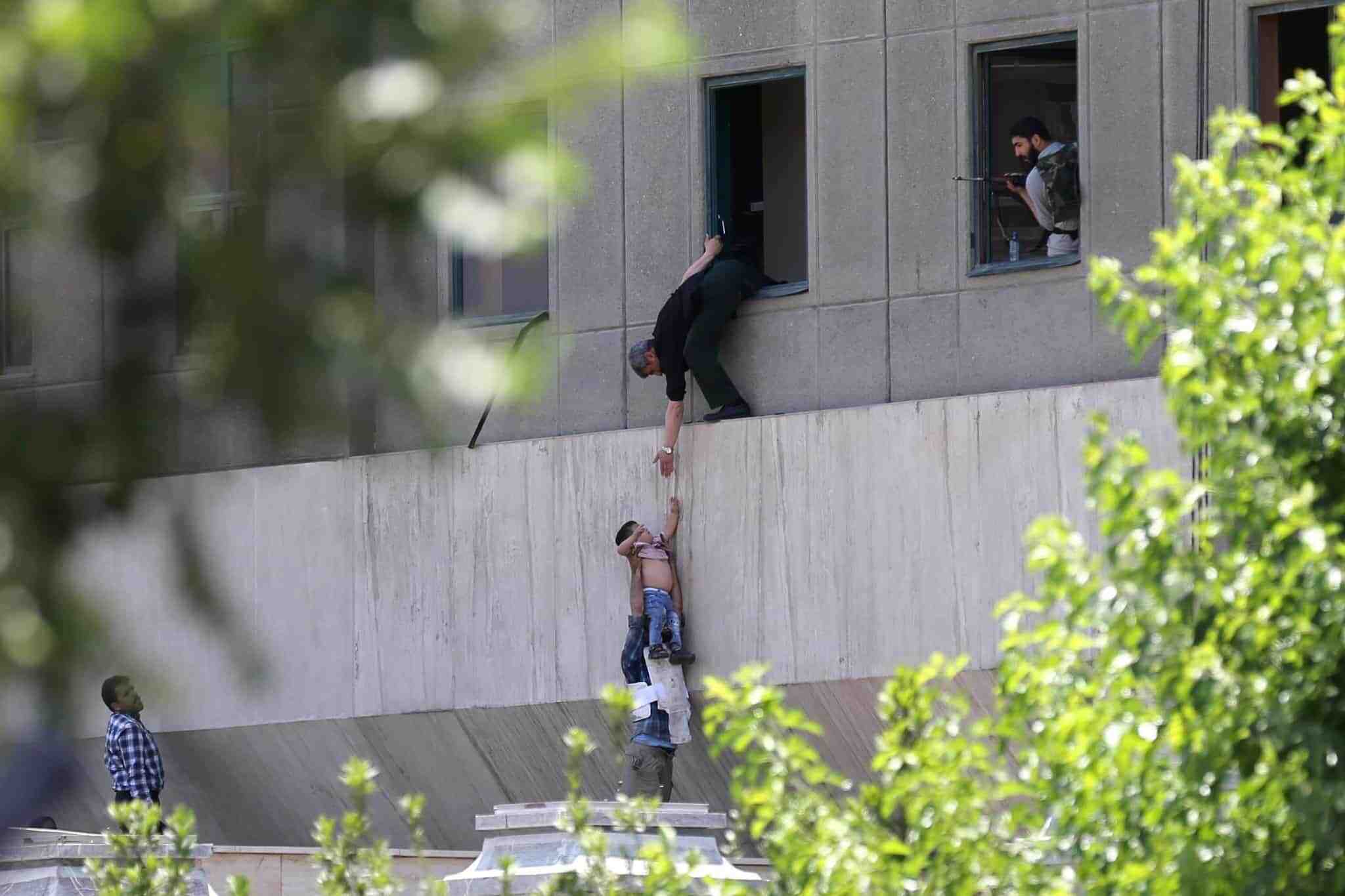
The Islamic Republic has scrambled to explain Wednesday’s Islamic State-claimed, twin terrorist attacks in Tehran, leading to contradictory statements highlighting confusion amongst government agencies. Select Iranian officials however, like Supreme Leader Ayatollah Khamenei, have attempted to downplay the severity of the attack in what appears to be an attempt to dissuade criticism.
-
Afghan Fatemiyoun Division operative killed near US base in southeastern Syria
One day before Tuesday’s US airstrike in southeastern Syria, Iranian media announced the death of an Afghan militiaman in the vicinity of the Tanf military base, where coalition forces are training Syrian insurgents fighting the Islamic State.