-
Iranian drone and missile attacks against Israel: June 22, 2025
Iran conducted four attacks against Israel on June 22, including a mid-size missile barrage launched shortly after the United States targeted several Iranian nuclear installations. The attacks caused significant damage in Tel Aviv and Central Israel but no deaths.

-
Israel targets IRGC officials, nuclear scientist, and missile bases in Iran (June 22–21 updates)
Over the past 72 hours, Israel has intensified its air campaign across Iran, striking missile and drone infrastructure in Esfahan, Bushehr, Ahvaz, Yazd, and Qom. Targets included the Imam Hossein missile base in Yazd, IRGC drone and air defense facilities, and the Shahid Mostafa Khomeini military base. Senior IRGC and IRGC-Qods Force commanders tied to weapons transfers, regional proxy coordination, and nuclear development were killed. Despite Tehran’s calls for retaliation, Hezbollah, Hamas, and other allied militias have mostly stayed out of the fight so far.

-
Israel reportedly eliminates nuclear scientist, expands messaging campaign (June 20 updates)
Israel expanded its campaign against Iran with strikes on Islamic Revolutionary Guard Corps (IRGC) sites, missile infrastructure, and nuclear-linked facilities, reportedly killing a nuclear scientist in Tehran. The Israel Defense Forces (IDF) framed the attacks as targeting the Iranian regime’s repression and appealing to public discontent. Talks between Iran and EU officials on June 20 brought no breakthrough, as Tehran ruled out abandoning uranium enrichment.

-
Israel targets nuclear sites, Iran appoints new officials (June 19 updates)
Israel has expanded its military campaign against Iran with targeted strikes on nuclear facilities, missile infrastructure, and security institutions. Leadership changes within Iran’s Islamic Revolutionary Guard Corps (IRGC) point to a tightening of internal control, while cyberattacks have disrupted Iran’s banking system and fueled public anxiety. Tehran’s threats toward US regional bases continue as Washington weighs possible military involvement.

-
Israel strikes Tehran police HQ, hacks live broadcast (June 18 updates)
Israel struck key Iranian military sites across Tehran, Karaj, and Kermanshah, destroyed air defenses, and hacked state TV, urging protests. Iran responded with internet shutdowns and claims of foiling Israeli plots. Supreme Leader Ali Khamenei’s recent emergency video reflects rising tensions after Trump’s demands for Iran’s surrender.

-
Israel targets IRGC general and disrupts Iranian banks (June 17 updates)
As new operations unfold, Tehran appears cornered—its highest military leadership decimated, banking networks disrupted, and supreme leader underground. With Western powers weighing escalation, the coming days could determine whether this conflict ends in negotiation or spreads further across the region.

-
Israel widens air campaign, hits Iran’s critical infrastructure, propaganda hubs (June 15–16 updates)
As Israel expands its precision strikes across Iran, the US has publicly denied involvement in Israel’s campaign while quietly ramping up military deployments. With Iran’s missile stockpile dwindling and its top regime officials either dead or in hiding, Israel’s campaign is now targeting critical infrastructure and propaganda hubs. Meanwhile, Tehran has intensified a domestic crackdown, even as public unrest grows louder.

-
Israel targets Iran’s nuclear sites and senior military figures
Israel launched a sweeping campaign targeting Iran’s nuclear sites, missile infrastructure, and senior military leaders, with strikes reported at Natanz, Fordow, and across Tehran. Mossad-led covert operations neutralized key assets and personnel, while Iran vowed retaliation and also blamed the US for the assault.

-
Iran’s armed forces escalate threats as Khamenei rejects latest US proposal
Amid deadlocked nuclear talks, Iran’s military leadership issued new threats on June 4, vowing to confront the US and Israel with force. Supreme Leader Ali Khamenei and senior officials rejected Washington’s latest proposal as unacceptable, while Tehran repositioned air defenses around nuclear sites and warned of retaliation if Israel strikes unilaterally.

-
Iran named by Finland as foreign intelligence threat
Finland officially named Iran as a state actively conducting espionage operations within its borders, a designation previously reserved only for Russia and China. The regime in Tehran has accelerated terror plots and intelligence operations across the US, Europe, and Israel.

-
Iran displays missiles and drones at Baghdad military expo
An Iranian delegation led by the regime’s Ministry of Defense and Armed Forces Logistics attended the 13th International Defense Exhibition (IQDEX) in Baghdad on April 20, showcasing Iran’s latest drones, missiles, and anti-air defense systems. The attendance reflects a pattern of Iran positioning itself as a regional arms exporter and military patron.

-
Iranian and Armenian militaries drill as Azerbaijan hosts Israel-Turkey talks
Iranian and Armenian special forces conduct their first joint military exercise near the two countries’ shared border, while Azerbaijan mediated talks between Israel and Turkey over Syria.
-
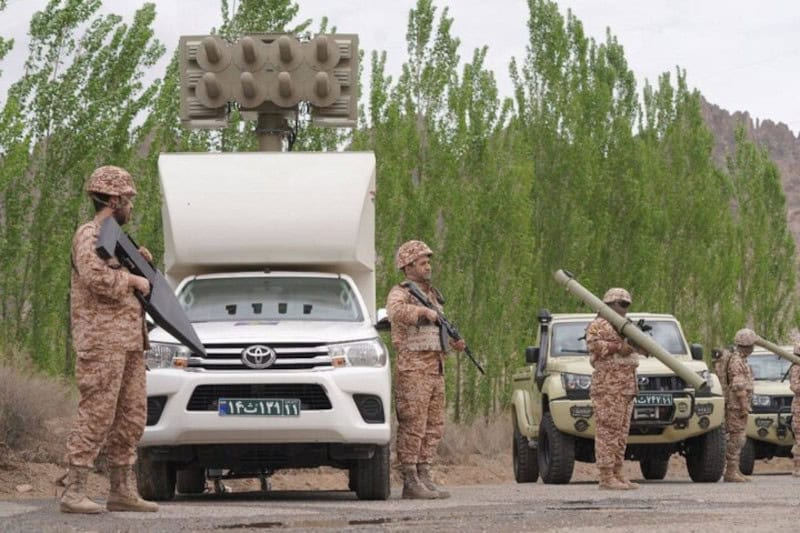
Iran braces for possible US attack amid proxy setbacks
Amid mounting proxy losses and a major US military buildup across the Middle East, Iran has placed its armed forces on high alert and warned neighboring states against facilitating a potential American strike. Tehran is suffering setbacks in Iraq and Yemen while ramping up deterrence through inflammatory propaganda.
-
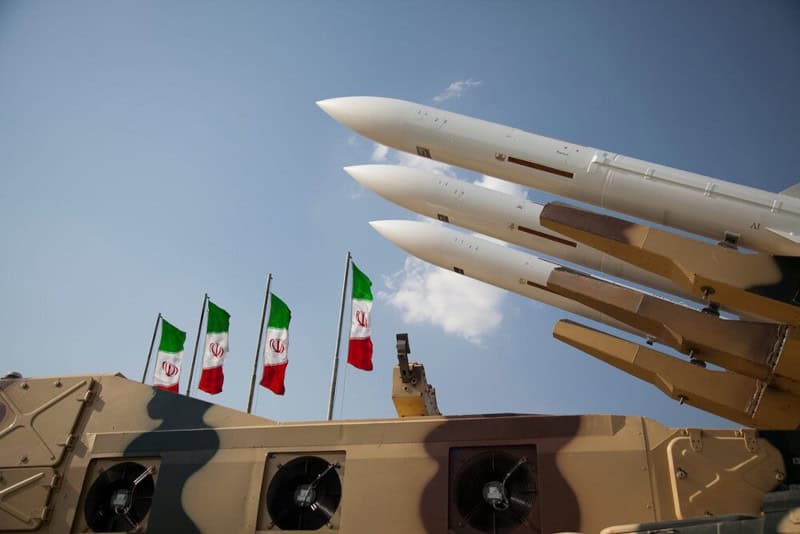
Iranian personnel leave Yemen as US strikes intensify
Iran has reportedly ordered its military personnel to leave Yemen amidst the growing US bombing campaign. The move reflects a broader pattern of the Islamic Republic recalibrating its regional strategy in response to the Trump administration’s moves to curtail Tehran’s influence in the Middle East and threats to potentially strike Iran’s nuclear sites.
-
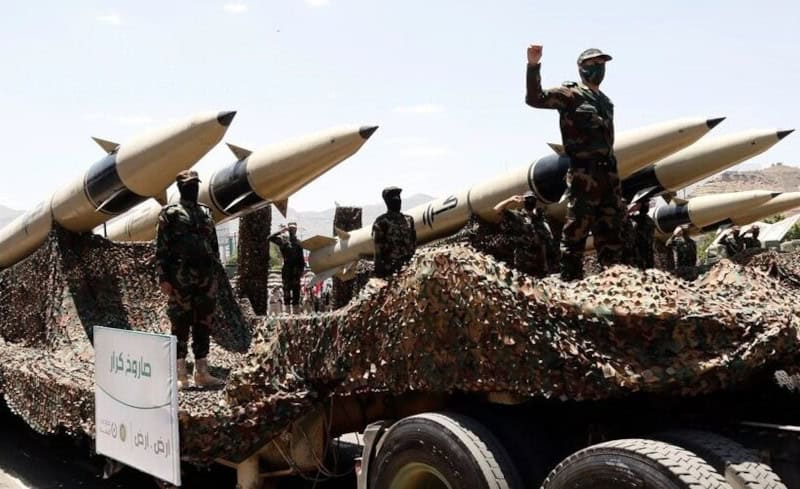
Iran strengthens its military in the Persian Gulf
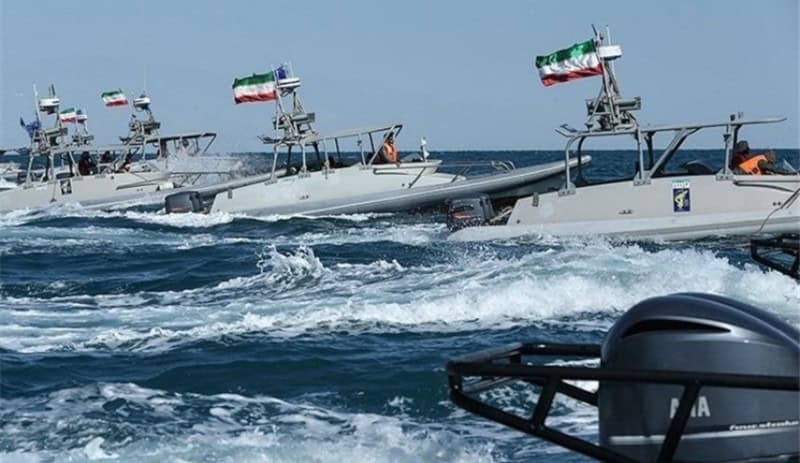
Amid rising tensions with the US, the Islamic Revolutionary Guard Corps has increased its military presence in the Persian Gulf. Over recent months, Iran has intensified exercises on islands located along a vital maritime corridor for global energy transit. Over one-fifth of the world’s oil passes through the Persian Gulf, making it a key geopolitical hotspot.
-
Iran’s ties to Western organized crime networks
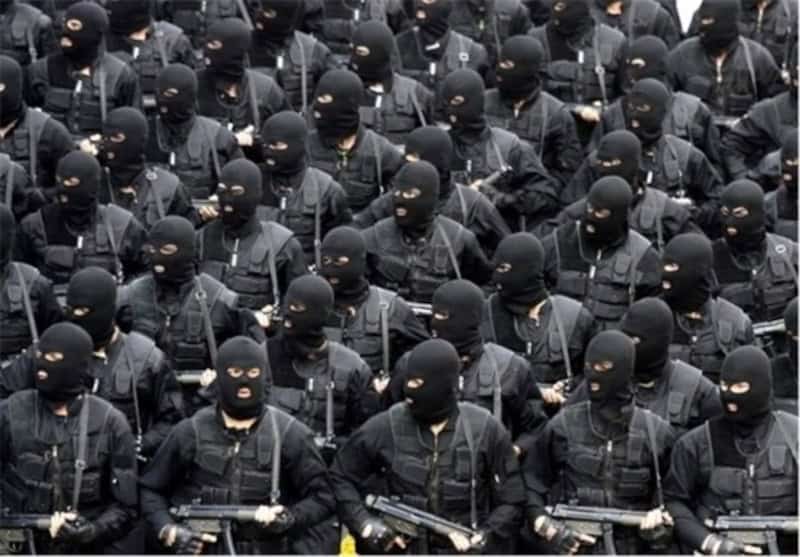
Tehran’s ambitions extend beyond backing Shia and Sunni Islamist groups in the Middle East. On March 13, the US Treasury Department sanctioned Sweden’s Foxtrot gang for its ties to the Iranian regime, underscoring Tehran’s longstanding practice of cultivating criminal networks across Europe and the Americas to assassinate dissidents and target American, European, and Israeli interests.
-
Iran cracks down on armed nationalist group
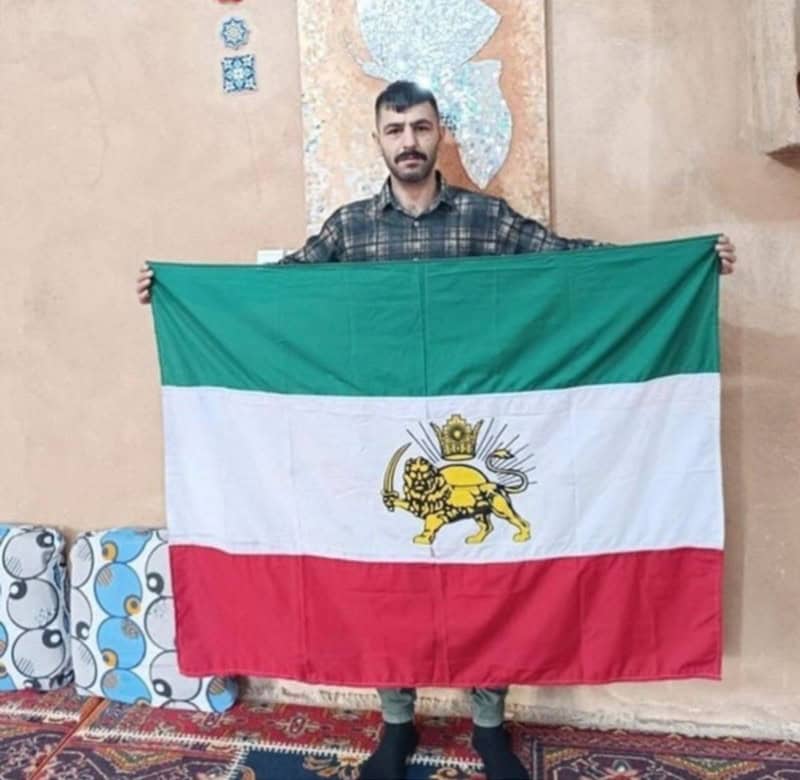
In a rare escalation, a group of armed men with nationalistic aspirations clashed with regime security forces in the southwestern city of Izeh. Livestreamed footage captures the final moments of four surrounded men, one of whom takes his own life rather than face arrest.
-
Analysis: Is Iran poising itself for escalation with Israel?
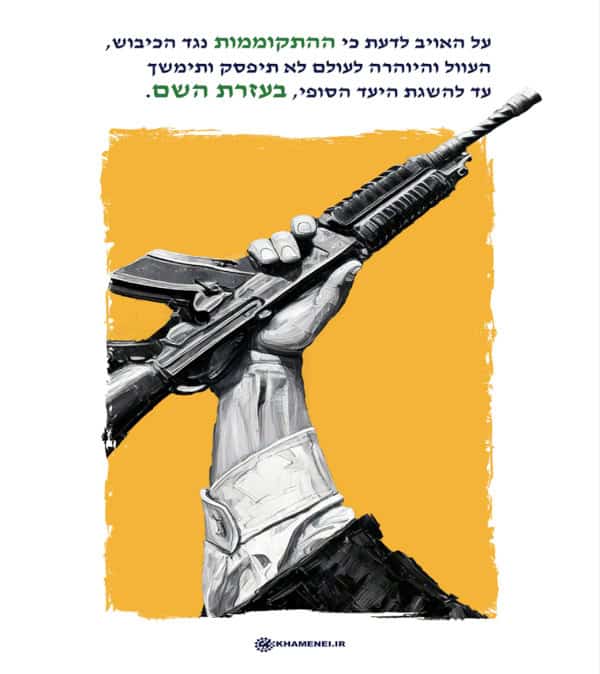
Recent statements by Islamic Republic officials indicate Tehran’s staunch commitment to rebuilding Hezbollah’s capabilities and achieving “final victory.” These threats may signal a renewed escalation in the region after Israel’s crippling blow to Iran’s missile arsenal and the collapse of the Islamic Republic’s Syrian ally.
-
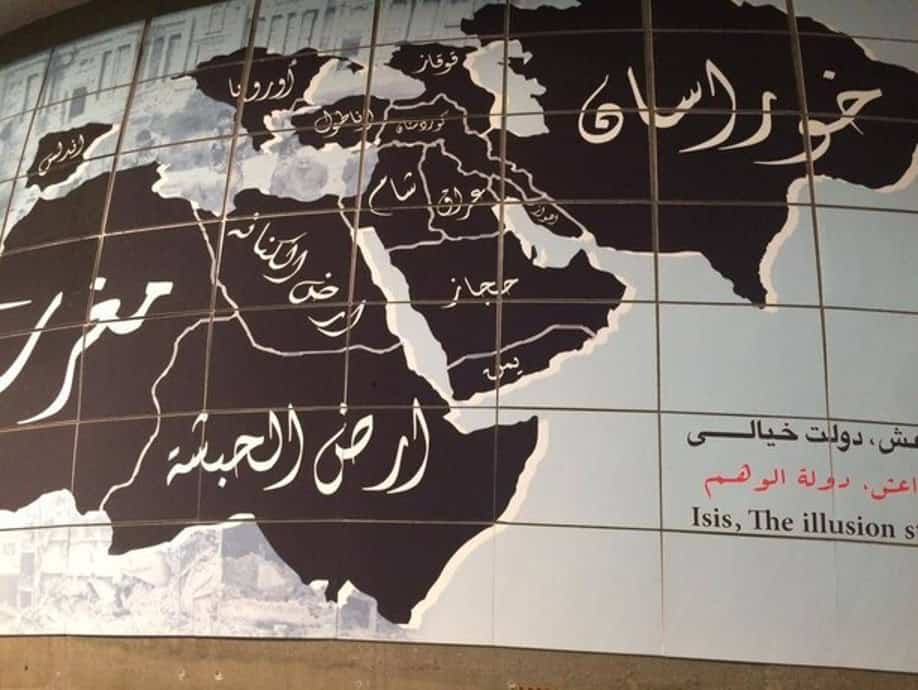
Analysis: From Afghanistan to America: the rising reach of the Islamic State Khorasan Province
Four years after the US withdrawal from Afghanistan, the threat posed by the Islamic State Khorasan Province (ISKP) has expanded beyond the region, now endangering both America and Europe. With the group actively recruiting and transferring fighters across borders, regional actors such as the Taliban, Iran, Tajikistan, and Pakistan have proven unable to curb its growth.
-
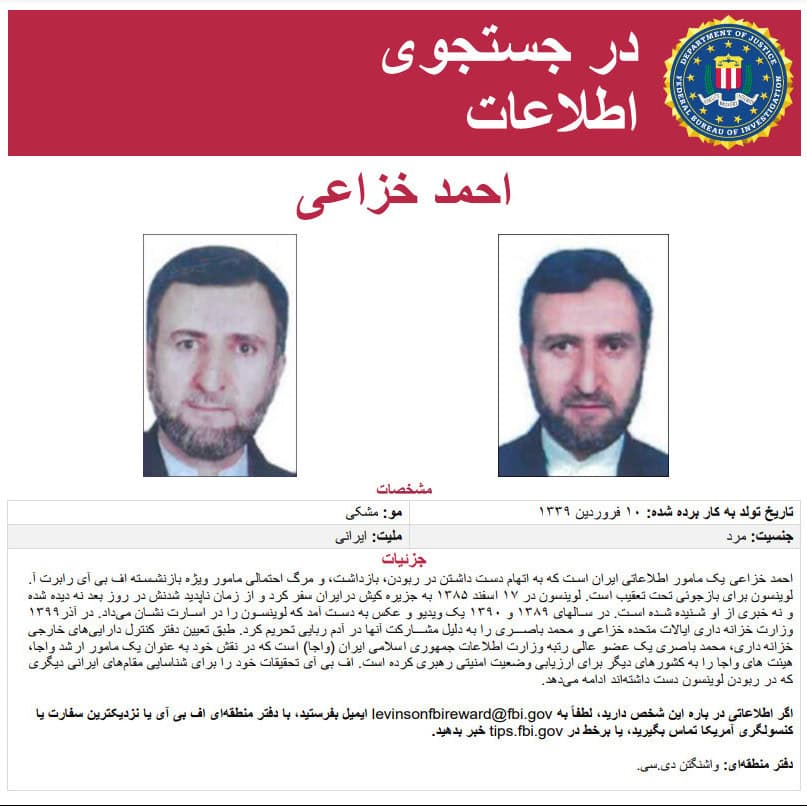
Analysis: Unpacking Iran’s counterintelligence apparatus
Iran’s intelligence network is not a monolithic entity but a web of competing and cooperating factions that execute the regime’s global ambitions. Iran’s Islamic Revolutionary Guard Corps (IRGC), Quds Force, and Ministry of Intelligence each play distinct yet overlapping roles in conducting assassinations, abductions, and sabotage operations worldwide. While institutional rivalries persist, their shared objective—suppressing dissent and expanding Iran’s geopolitical reach—ensures continued collaboration.
-
Tehran’s pawns in Iraq
Bill is joined by show regular Edmund Fitton-Brown to discuss Edmund’s latest analysis for FDD’s Long War Journal: The role of Iraqi Shia militias as proxies in Iran’s Axis of Resistance.
-
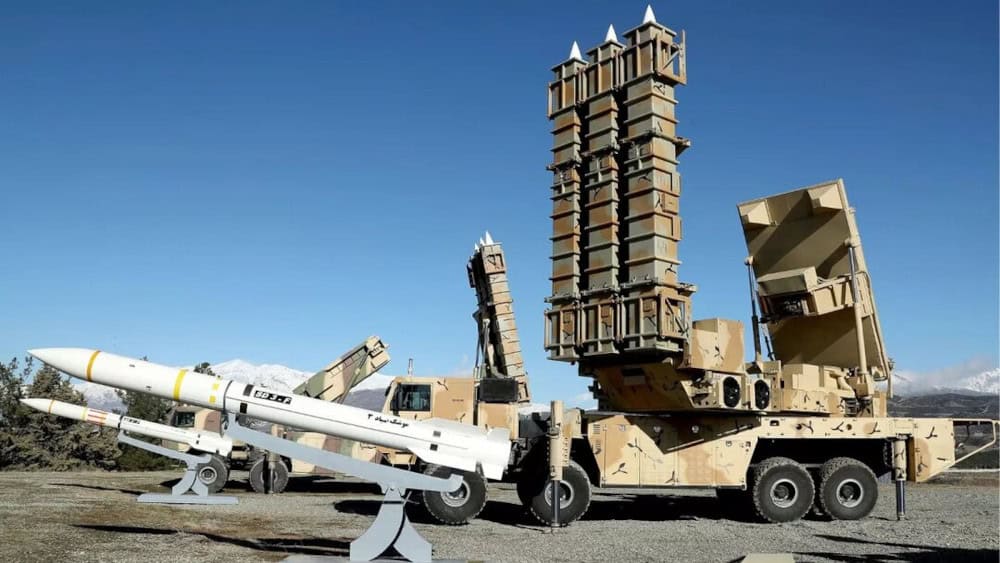
Analysis: Tehran’s triad: propaganda, proxies, and preparedness
The Tehran regime faces significant challenges, including the diminished influence of its regional proxies and the potential for an Israeli strike on its nuclear facilities. In response, the Islamic Republic has devised a three-pronged strategy: bolstering morale through propaganda, conducting extensive military drills as a deterrent, and amplifying support for its remaining proxies.
-
Analysis: The Islamic State and Iran remain determined to attack the US
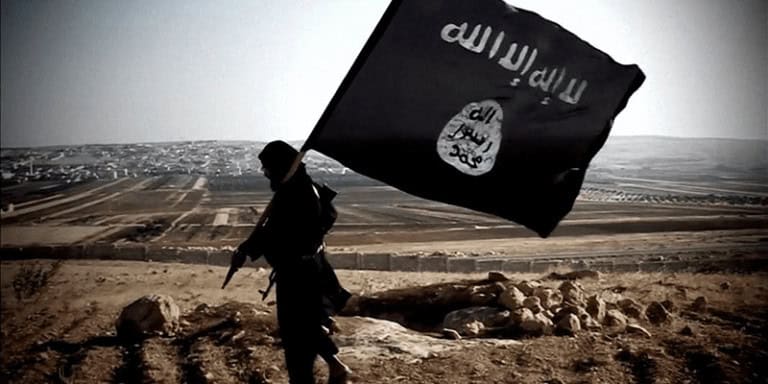
US law enforcement agencies have apprehended or charged 11 individuals involved in plots supporting the Islamic State or Iran since October 8, underscoring both US adversaries’ continued determination to kill Americans at home and abroad.
-
Analysis: Iran never gave up on Assad; it simply failed to protect him
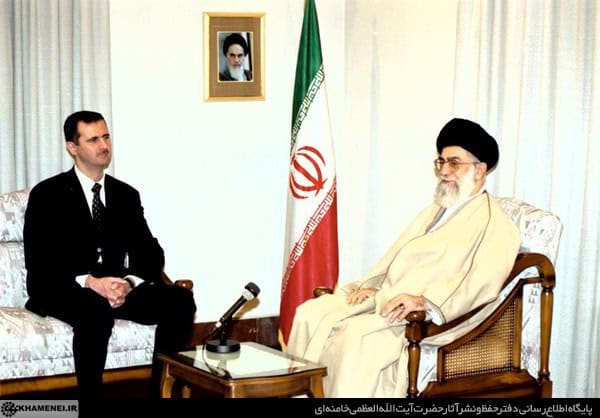
The sudden collapse of the Islamic Republic’s closest state-actor ally stunned the world as Syrian rebels captured Damascus in just 11 days after launching a new wave of insurgency. To deflect this humiliating defeat, Iranian officials have claimed that the Tehran-Damascus alliance had been weakening and that Iran no longer aimed to preserve the Assad dynasty. However, leaks from Tehran and insights into Iranian regional strategy tell a different story: Iran was incapable of safeguarding the Syrian regime, and its collapse has sparked internal divisions among Iranian officials.
-
Analysis: Spy surge: Tehran’s espionage strategy against Israel
The Islamic Republic has accelerated its intelligence operations in Israel, with at least five spy rings uncovered in October alone. Between October 14 and 31, Israeli authorities arrested some 20 individuals who were operating on behalf of Iran. Led by the Islamic Revolutionary Guard Corps (IRGC) and Iran’s Ministry of Intelligence (MOI), Tehran’s multifaceted espionage strategy in Israel employs cyber warfare and direct human intelligence engagement.
-
Analysis: Iran reacts to Israel’s direct retaliation
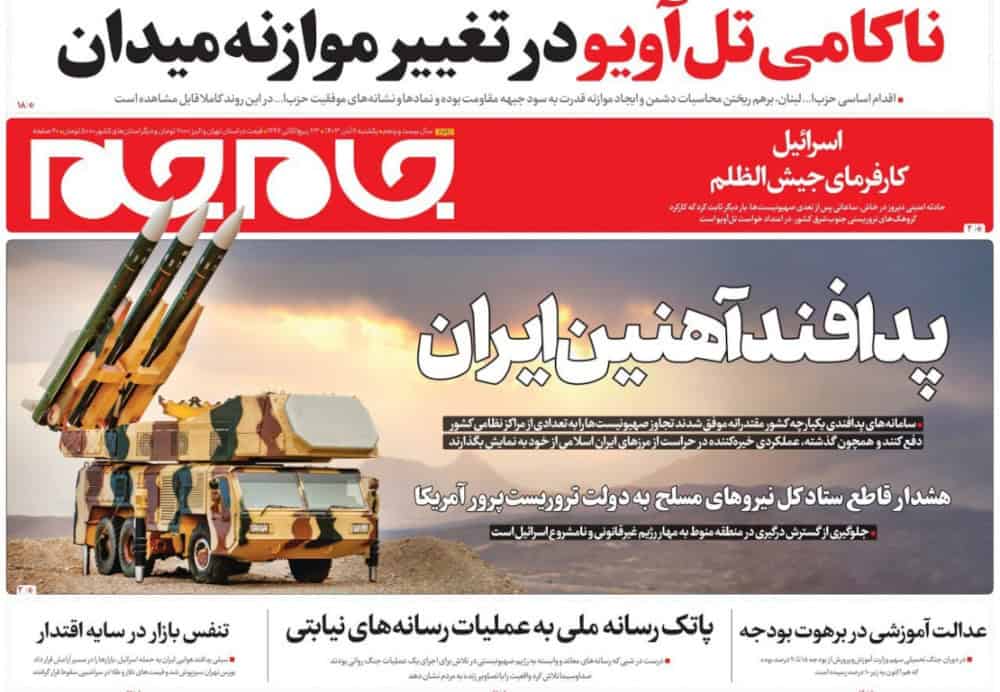
As Iran attempts to save face following Israel’s recent military strike, conflicting narratives about the imperative to respond are coming to the fore.
-
Israel launches retaliatory strikes against Iranian military facilities
Israeli fighter jets carried out airstrikes against military bases in Iran as a direct response to Iran’s ballistic missile attack on Israel on October 1. Waves of strikes eliminated radar and air defenses, followed by missile and drone bases, including production sites.

-
Analysis: The lights are still blinking red—Sunni Islamists and Iran are determined to attack the homeland
While the United States is focused on the election, the domestic terrorism warning signs are still blinking red. Over the last few months, the Department of Justice has indicted another Islamic State terrorist and uncovered an Iranian assassination plot against former President Donald Trump.
-
Analysis: The Houthis’ leadership structure
The Houthis in Yemen have an extensive leadership hierarchy. FDD’s Long War Journal lists some of the leaders of the organization, their roles, and if they have been sanctioned by the United States government.

-
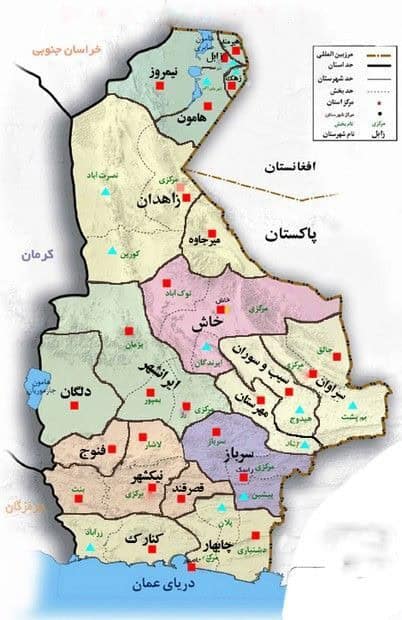
Jaish al-Adl claims responsibility for twin attacks in Iran’s Sistan and Baluchistan province
Jaish al-Adl claimed responsibility for twin attacks in Iran’s Sistan and Baluchistan province that killed IRGC members and local law enforcement personnel. The separatist group has intensified its attacks against regime targets recently, with one previous wave occurring in three cities.