-
Tensions mount as Iraqi militias boost numbers in contested areas while Kurds hold referendum
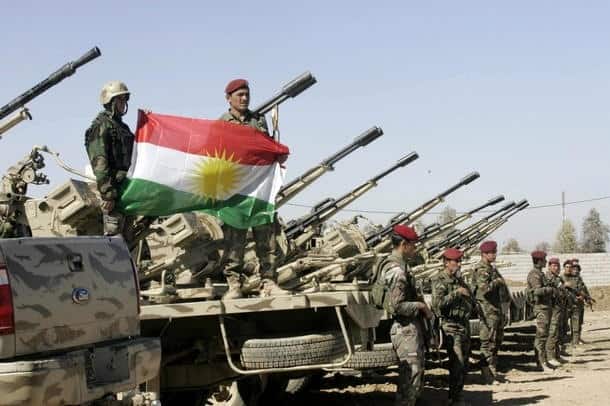
As tensions mount between the Iraqi federal government and the Kurdistan Regional Government, several Iranian-backed group have deployed more troops to contested areas near Kirkuk and Tuz Khurmatu. As both sides remain steadfast in their claims to the oil rich province, tensions continue to mount and the risk of military escalation rises.
-
The IRGC touts drone strikes against the Islamic State
Iran’s Islamic Revolutionary Guard Corps (IRGC) has promoted its drone strikes against the Islamic State near the Iraqi border in Syria. The IRGC says the strikes were carried out as “revenge” for an Iranian soldier who was beheaded by the so-called caliphate.

-
Hezbollah and allies parade in Deir Ezzor, Syria
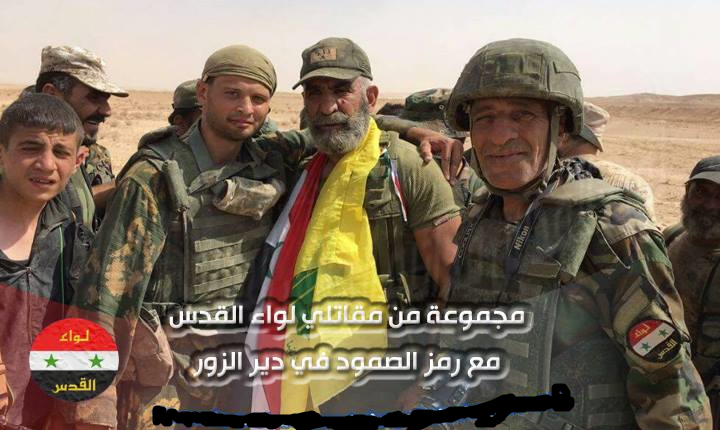
Hezbollah forces and its militia allies can be seen parading in the streets of Deir Ezzor after lifting the siege of the city. Syrian regime soldiers, who had been under the siege since 2014, praise Hezbollah and Hassan Nasrallah for their role in the operation.
-
Israeli airstrikes target suspected chemical weapons facility in Syria
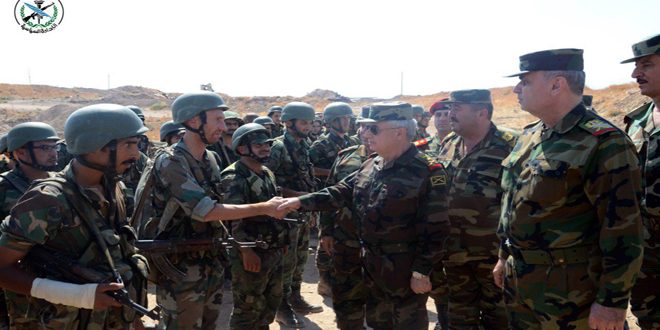
Israel struck a suspected chemical weapons facility near Masyaf, Syria earlier today. The facility may have been run by the Syrian regime’s Scientific Studies and Research Center (SSRC), which has been sanctioned by the US government for its role in producing chemical weapons and the means to deploy them.
-
Islamic State loses more ground in Raqqa, Deir Ezzor
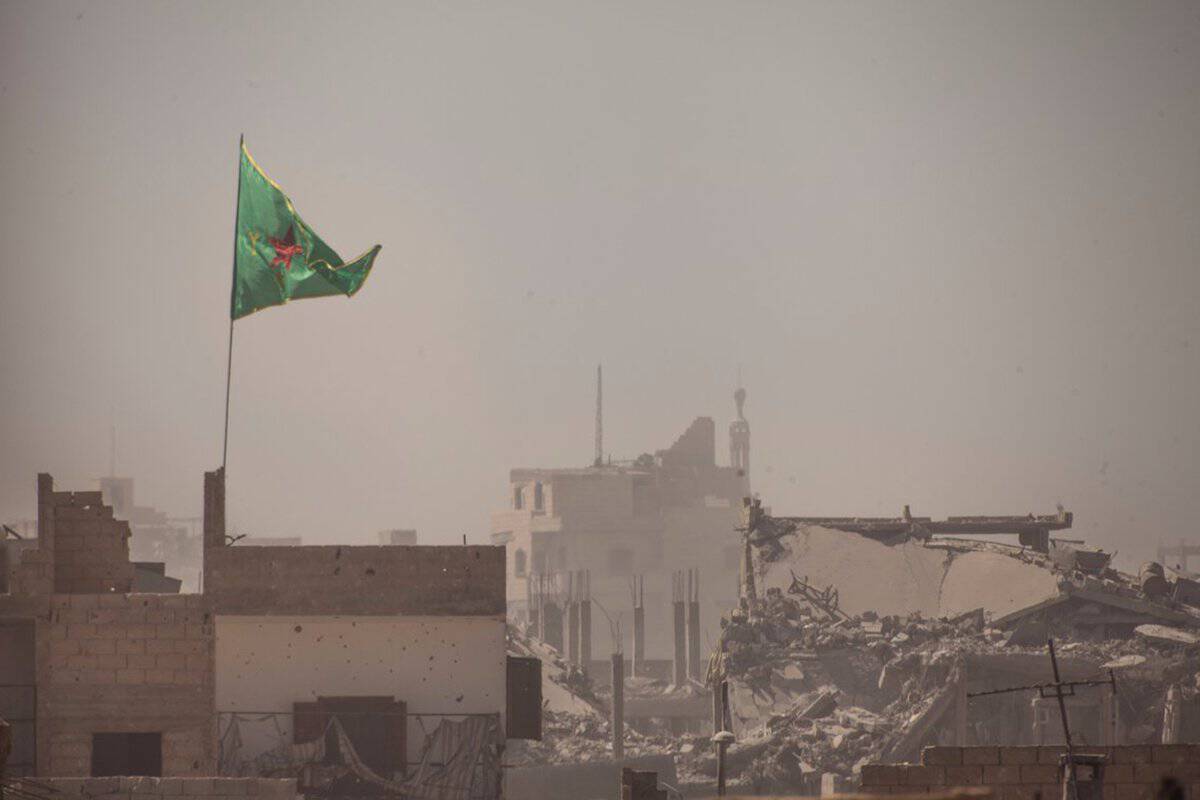
As US-backed forces seize the city of Raqqa, the Syrian regime moves to retake ground in Deir Ezzor, where the Islamic State has laid siege to Bashar al Assad’s forces since 2014. Assad’s regime has received a boost from Iranian-sponsored militias, as well as the Russians, during its recent offensive in eastern Syria.
-
Sending more troops to Afghanistan is a good start
A complete US withdrawal from Afghanistan would have been disastrous. The US government needs to drastically reassess America’s jihadist enemies and avoid the policy pitfalls of the past.
-
Analysis: Taliban propagandists release ‘open letter’ to President Trump
The Taliban has released an “open letter” to President Trump urging him to “adopt the strategy of a complete withdrawal from Afghanistan instead of a troops increase.” The propaganda letter contains several erroneous or misleading claims. It is also disingenuous with respect to the jihadist threat emanating out of Afghanistan.
-
US to designate the IRGC, affiliates as terrorists
The milestone marks the first instance the US will designate the military branch of a foreign country for terrorism.

-
Qods Force-linked Taliban commander leads insurgency in central Afghanistan
Mullah Mustafa, a Taliban commander who was targeted by the US military in an airstrike nearly a decade ago and who has links to Iran’s Islamic Revolutionary Guards Corp – Qods Force, remains a key player in the insurgency in central Afghanistan. He was involved in the Taliban takeover of a district in Ghor.
-
IRGC-controlled militia accuses US of strike to hide Islamic State raid near Syrian border
An Iraqi-Shiite militia controlled by Iran’s Islamic Revolutionary Guard Corps (IRGC) claimed yesterday that its forces came under fire from American artillery shells in the vicinity of Jamouna, Syria. A US Defense spokesman rejected the allegation. The Islamic State posted footage of a raid in that area on the same day that shows the Shiite militia’s flag, strongly suggesting an attempt by the Shiite-jihadist militia to cover up an attack by the Sunni-jihadist group, muddy the waters and shift the blame to the United States.

-
Houthi leader: Yemeni forces will take part in any future conflict with Israel
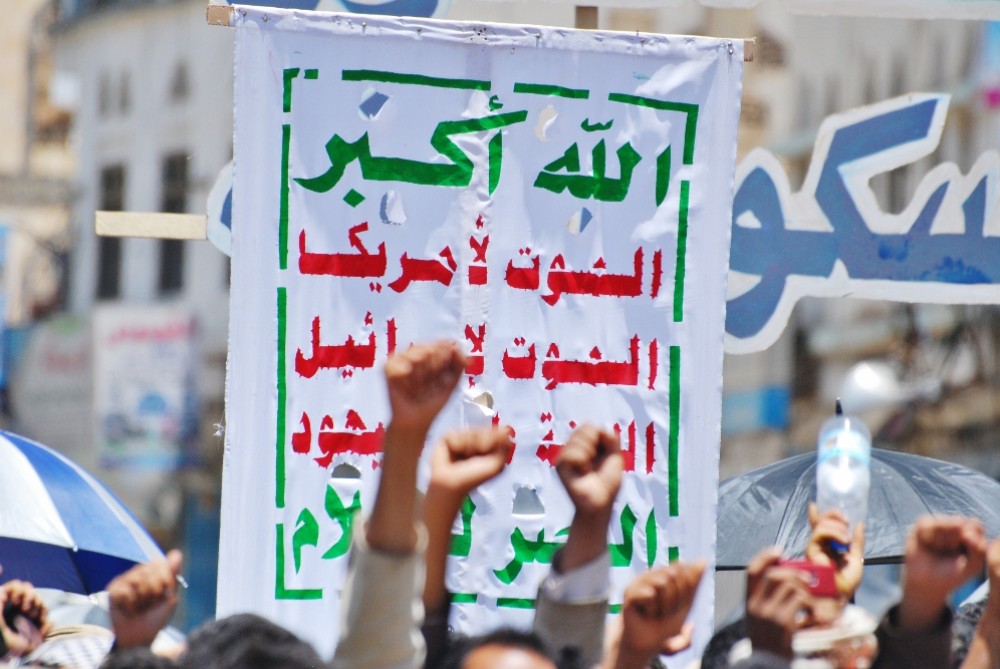
The insurgent leader said that his forces will take part in any future conflict with Israel alongside Hezbollah. The statement comes on the heels of Hezbollah leader Hassan Nasrallah pledging Shiite forces from around the Middle East and South Asia would be involved.
-
State Department: Iran continues to host al Qaeda’s ‘core facilitation pipeline’
“Since at least 2009,” the State Department says in a recently released report, “Iran has allowed AQ [al Qaeda] facilitators to operate a core facilitation pipeline through the country, enabling AQ to move funds and fighters to South Asia and Syria.”

-
Hezbollah has ‘about 7,000 fighters’ in Syria, US says
The State Department says there “are reportedly about 7,000 Hezbollah fighters in Syria.” They have been deployed to the country to bolster Bashar al Assad’s regime.
-
Iran continues to protect AMIA bombing suspects
On the 23rd anniversary of the Jewish Community Center bombing in Buenos Aires, which remains the deadliest attack on Argentinian soil, Iran continues to protect the suspects from arrest by Interpol.

-
US military credits Iraqi militias for helping liberate Mosul
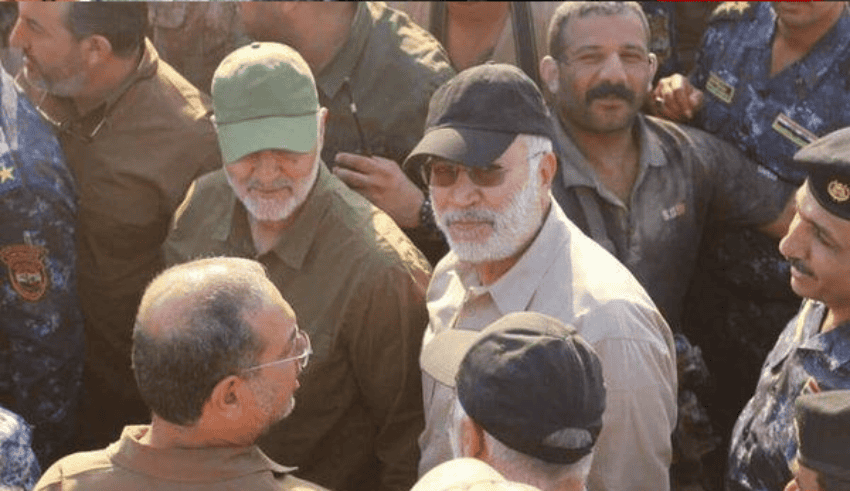
Combined Joint Task Force – Operation Inherent Resolve said that Iraq’s Iranian-backed militias “deserve a share of the credit for their sacrifices” in the battle to liberate Mosul, yet calls for Iraqis to unite to prevent the return of the Islamic State.
-
Qassem Soleimani boasts of Tehran’s expanded footprint throughout Middle East
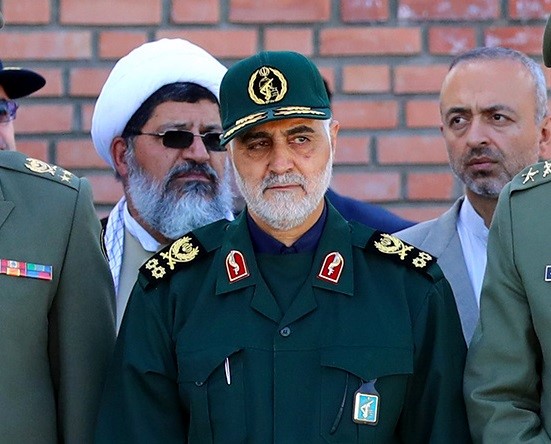
On July 3, Major General Qassem Soleimani, the chief of the Islamic Revolutionary Guard Corps’ (IRGC) Qods Force, spoke at an Iran-Iraq war veterans gathering in his home province of Kerman. Soleimani praised the Islamic Republic’s decades-long effort to take the mantle of the Palestinian cause and boasted that Tehran’s influence in the Middle East has expanded as a result of the Syrian war. He excoriated Saudi Arabia, as well as domestic Iranian critics of the Guard Corps. And the general also lamented the drop in religious observance in Iran.
-
Analysis: 2 US cases provide unique window into Iran’s global terror network
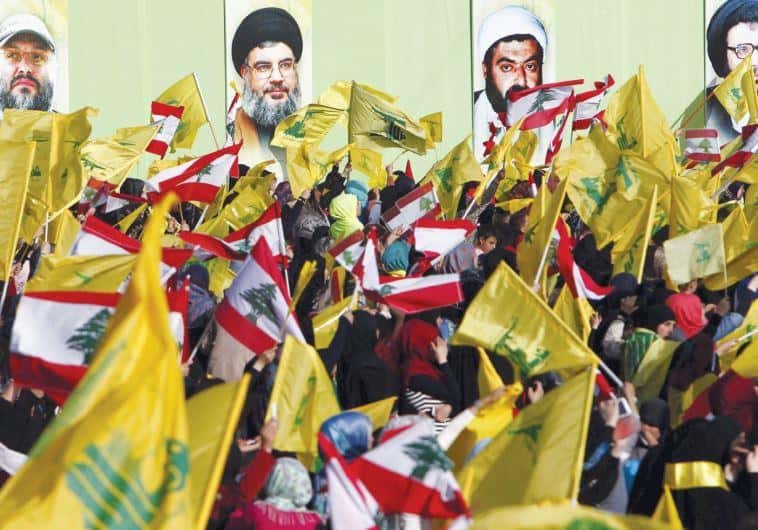
Earlier this month, the Department of Justice announced that two men, Ali Kourani and Samer El Debek, had been arrested and charged with carrying out various missions on behalf of Hizballah’s Islamic Jihad Organization. The IJO serves as Hizballah’s external operations wing, carrying out clandestine missions on behalf of Iran around the world. The complaints allege that Kourani and El Debek were both members of the IJO, which is ultimately controlled by Hizballah leader Hassan Nasrallah, who in turn reports “directly” to Iranian Supreme Leader Ali Khamenei.
-
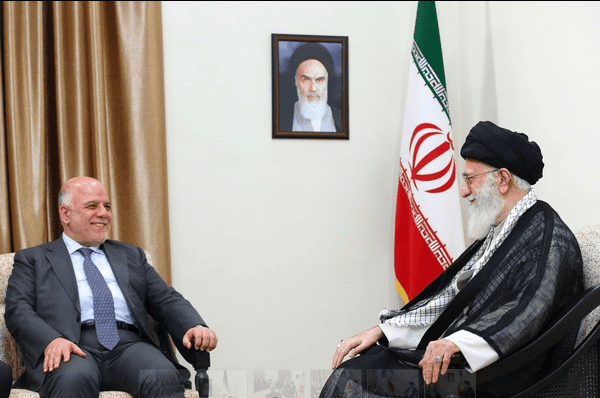
Iraqi Popular Mobilization Forces an ‘important and blessed phenomenon,’ Khamenei says
Iraqi Prime Minister Hayder al Abadi arrived in Tehran today to met with senior Iranian government officials, including Iranian Supreme Leader Ali Khamenei. The Popular Mobilization Forces (PMF) is an “important and blessed phenomenon,” Khamenei said. “The reason the Americans oppose the popular forces is because they want Iraq to lose its important factor of strength,” he added.
-
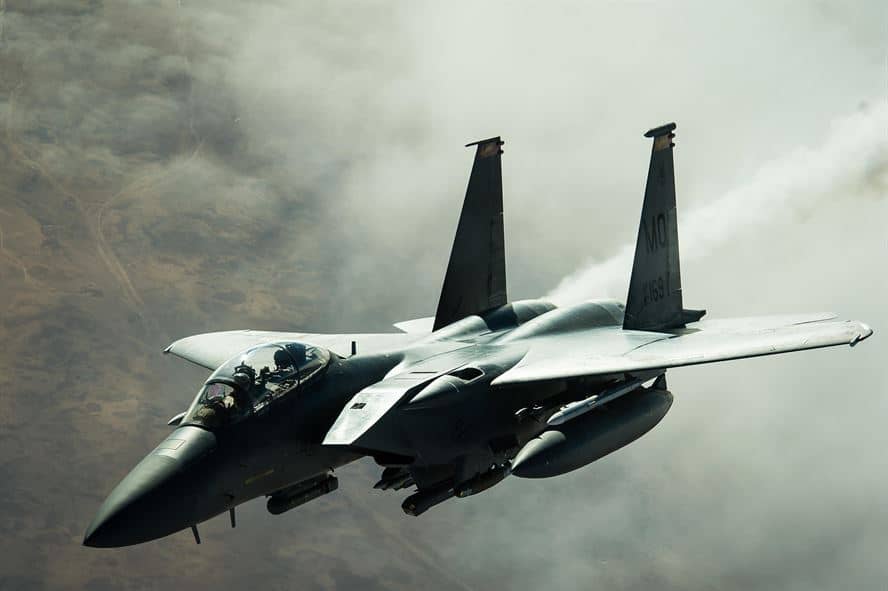
US shoots down another Iranian UAV over Syria
US Central Command said that the Iranian-made drone was shot down after it “displayed hostile intent and advanced on Coalition forces.”
-
Iranian media reports missile strike in Syria
Iranian press outlets report that the Islamic Revolutionary Guards Corps (IRGC) has fired missiles from Iranian territory at the Syrian governorate of Deir ez-Zor in response to the recent Islamic State terror attacks in Tehran.

-
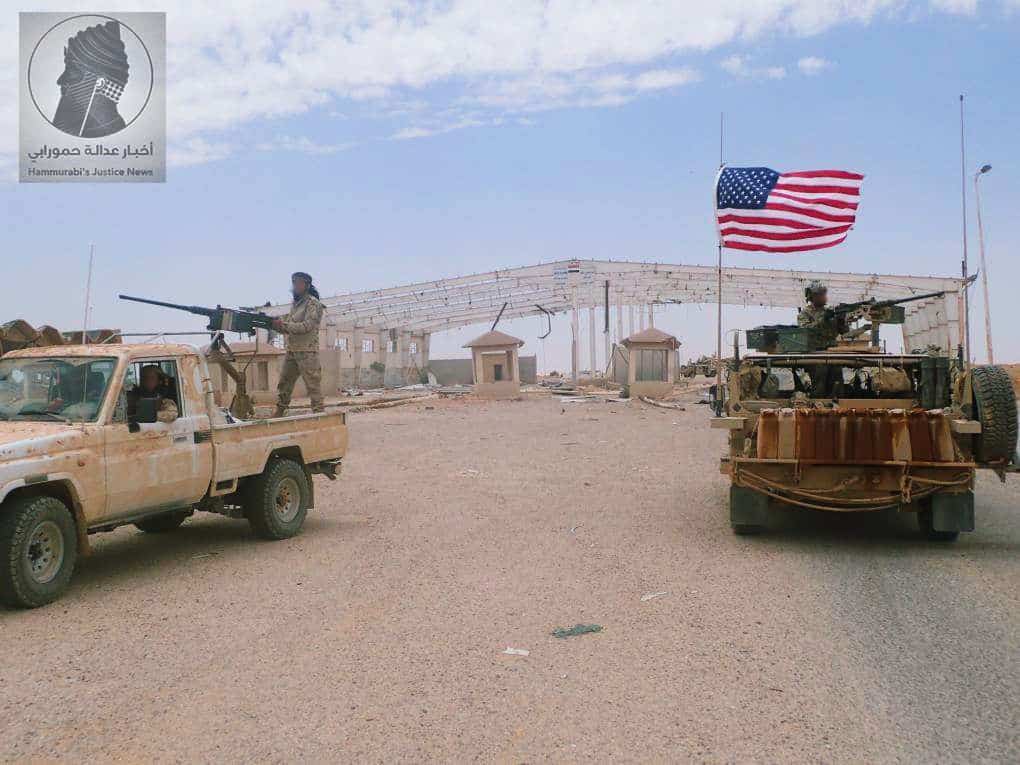
Photos show US joint patrols with rebels in southern Syria
The photos and videos show the extent of the US presence in southern Syria near the border with Iraq. This comes as the Tanf area of southeastern Syria has largely become a flash-point between US and Iranian-controlled forces.
-
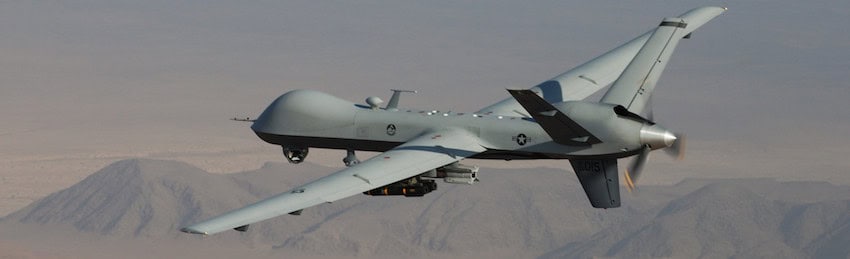
US military downs UAV, strikes militias in Syria
The US military noted that it does not seek a fight against pro-Syrian regime militias, but its forces will continue to defend themselves if threatened.
-
Iranian officials offer disjointed response to Islamic State terrorist attacks in Tehran
The Islamic Republic has scrambled to explain Wednesday’s Islamic State-claimed, twin terrorist attacks in Tehran, leading to contradictory statements highlighting confusion amongst government agencies. Select Iranian officials however, like Supreme Leader Ayatollah Khamenei, have attempted to downplay the severity of the attack in what appears to be an attempt to dissuade criticism.

-
Analysis: The Islamic State’s first major terrorist attacks inside Iran
The Islamic State claimed responsibility for its first major attacks inside Iran earlier today. Although the group has long fought Iranian-backed forces in Iraq and Syria, it had never struck Tehran. Islamic State spokesman Abu Muhammad al Adnani previously admitted that his organization had abided by an order from al Qaeda’s senior leadership to refrain from attacking in Iran.

-
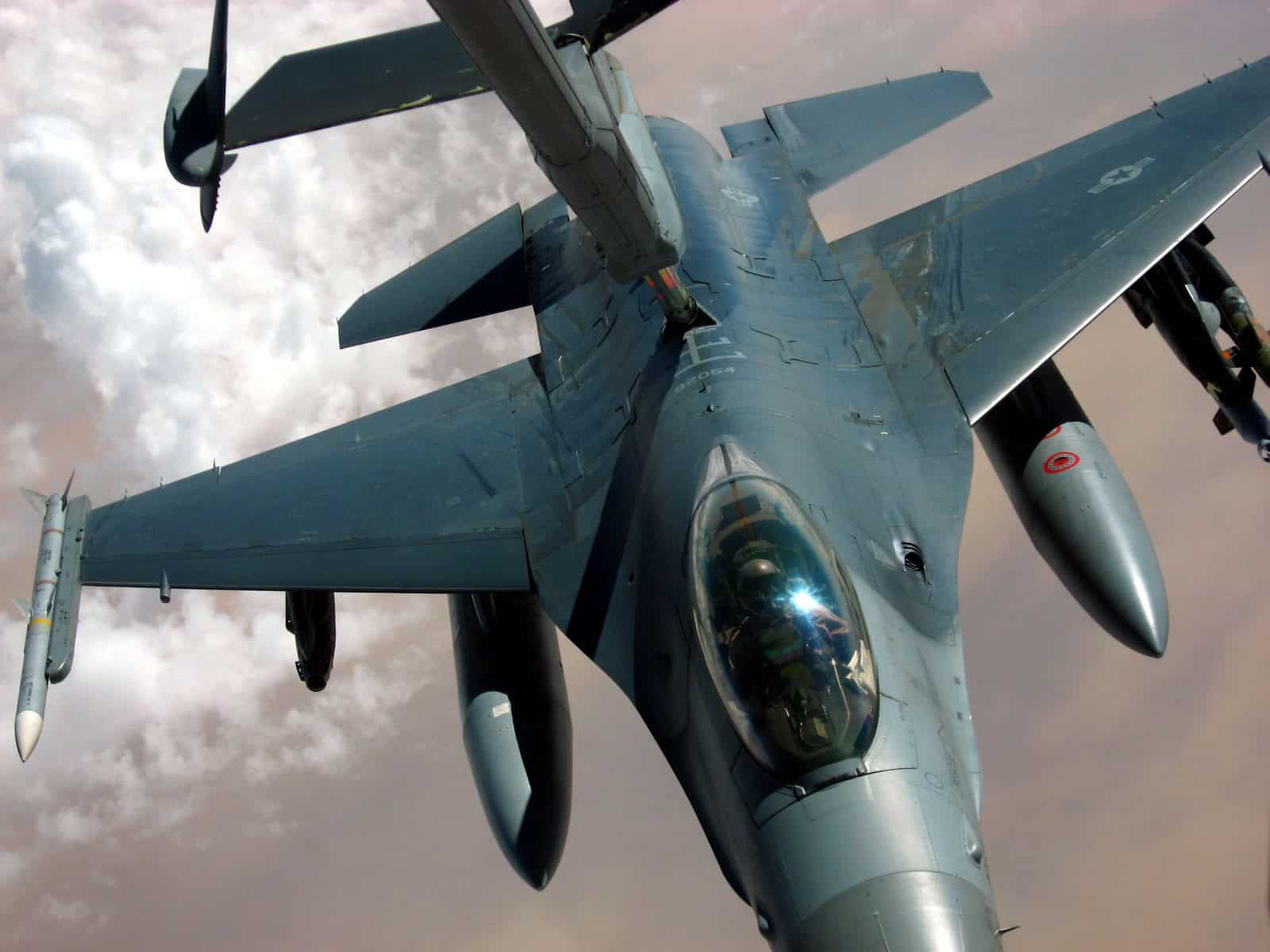
US warplanes again strike militias near Syrian-Jordanian border
The strike against pro-Syrian government militias is the second in the past month. The US military is training Free Syrian Army-branded militias in the area to battle the Islamic State.
-
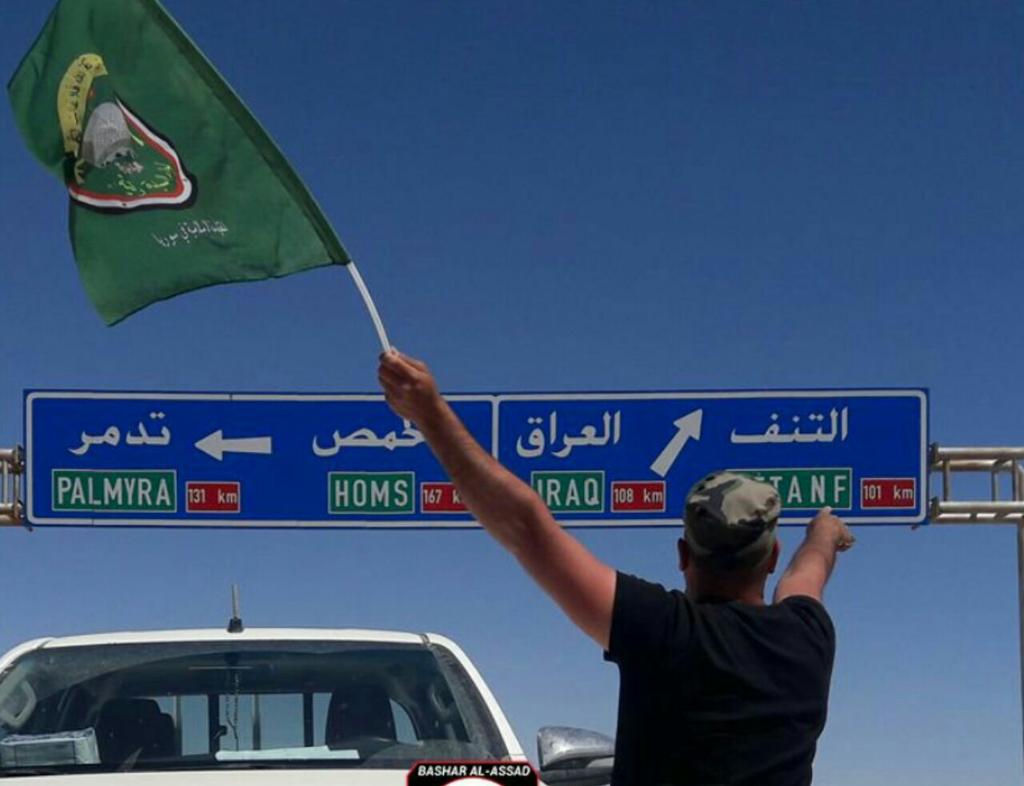
Iran tests the US in southeastern Syria
Major powers involved in the Syrian war are racing to maximize gains from the crumbling Islamic State in southern and eastern Syria. The continued advancement of pro-Syrian regime forces and Iranian-backed militias toward the US-held Tanf base – as well as the potential advance of both sides toward the Iraqi border area – raise the risk of further clashes that may draw in the US and Russia, though the latter has been unwilling to challenge US strikes against a pro-regime convoy and Syrian warplanes this year.
-
The Revolutionary Guard’s long shadow over Iran’s presidential election
Iranians head to the polls today to choose between “bad and worse” in yet another unfair-and-unfree presidential election. The primary challenger, Ebrahim Raisi – who is considered a frontrunner to succeed Supreme Leader Ali Khamenei – has received the support of the Islamic Revolutionary Guard Corps – the protector of Ayatollah Ruhollah Khomeini’s Islamic revolution that has long cast a dark shadow over the country.

-
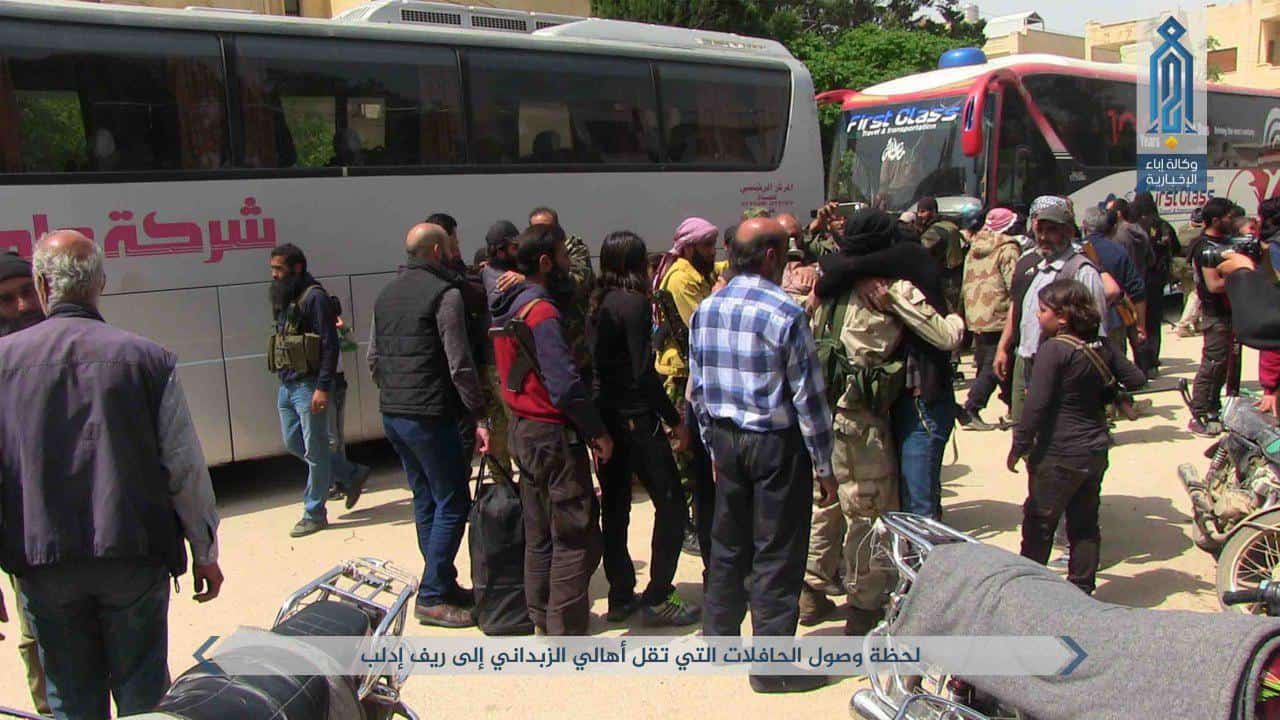
Analysis: Qatar’s ill-timed hostage deal increases pressure on Washington
Qatar recently secured the release of Qatari hostages, including members of the royal family. But its diplomatic victory was marred by reports that a multi-million dollar ransom was paid to a US-designated terrorist group and an al Qaeda-linked joint venture in Syria.
-
Reading Iran’s Reaction To US Missile Strikes In Syria
Iran’s political elite have weighed-in on the recent US cruise missile strikes in Syria and used the opportunity to plug their regime’s narrative. While time will tell if Iran will ultimately read the strike as a show of American resolve or indecision, Iranian officials have fallen back on gloating, intimidation, and misinformation tactics that so often characterize Persian-language reporting.
-
IRGC members killed in Syria’s Hama province
Iranian authorities have confirmed that at least two Iranians were killed in combat in Syria’s Hama province. Pro-Assad regime forces have been fighting a major insurgent offensive that was launched by a number of groups in Hama earlier this month.