-
Analysis: Hezbollah redeploys forces after withdrawal from Syrian-Lebanese border positions
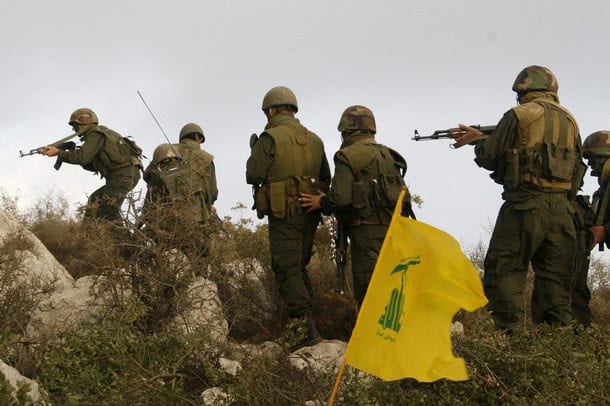
Hezbollah has repositioned its men for the ongoing battles in Syria.
-
Analysis: Qatar’s ill-timed hostage deal increases pressure on Washington
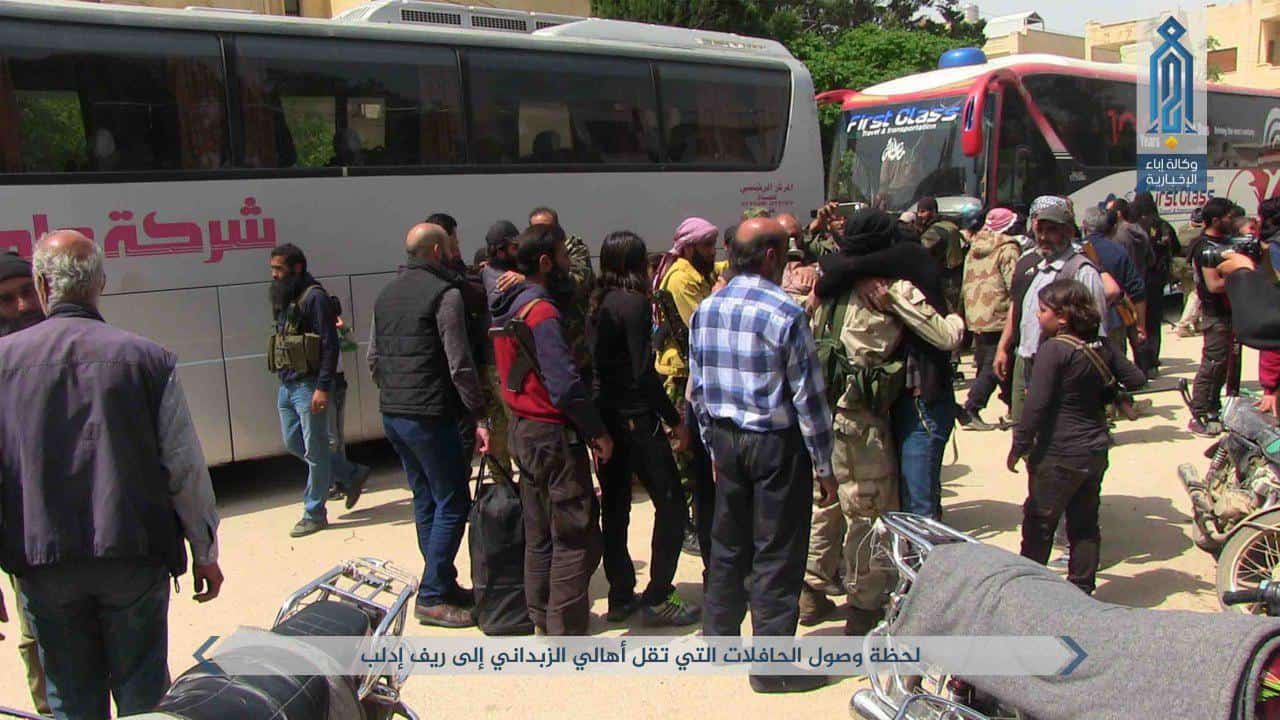
Qatar recently secured the release of Qatari hostages, including members of the royal family. But its diplomatic victory was marred by reports that a multi-million dollar ransom was paid to a US-designated terrorist group and an al Qaeda-linked joint venture in Syria.
-
Analysis: Syria policy must reflect the complex reality on the ground
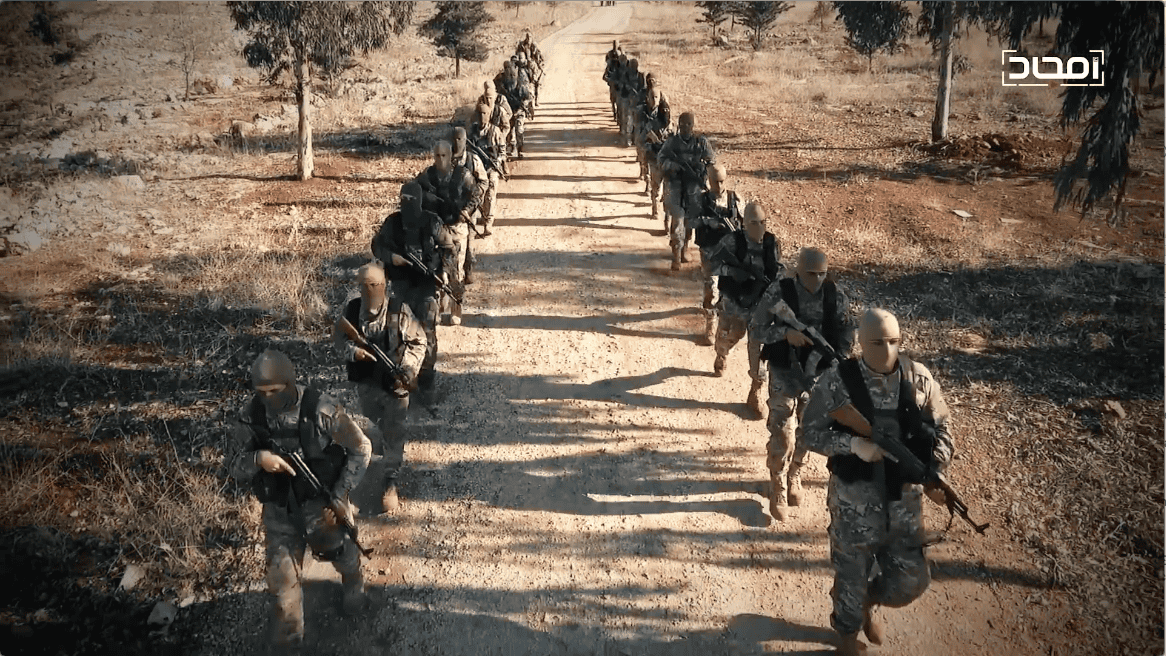
The policy debate concerning Syria must reflect on-the-ground realities. The war is a complex, multi-sided affair with no easy solutions.
-
Israel carries out two strikes against Assad Regime, Hezbollah targets in Syria
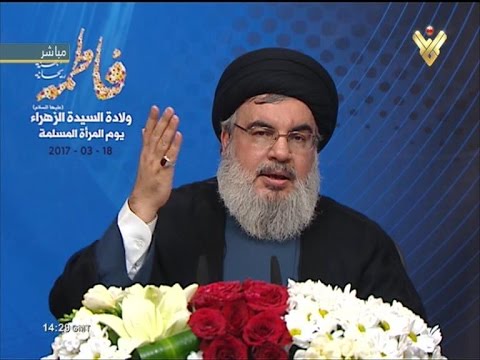
Israel forcefully redraws its blurred red lines on Hezbollah weapons transfers via Syria.
-
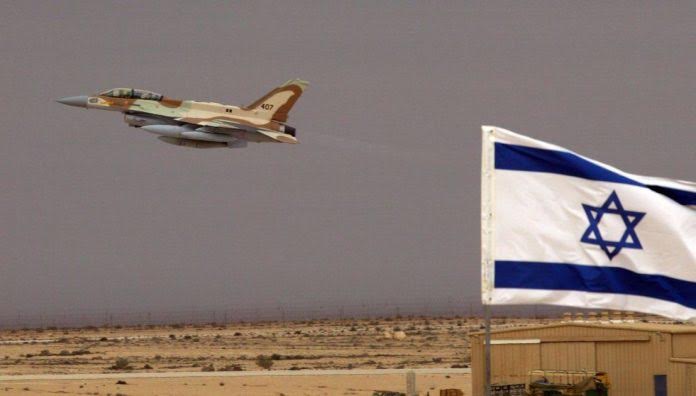
Israel’s airstrikes in Palmyra likely targeted Hezbollah weapons shipments
Hezbollah may have begun receiving weapons shipments at Palmyra’s T-4 airport in an attempt to avoid Israeli detection.
-
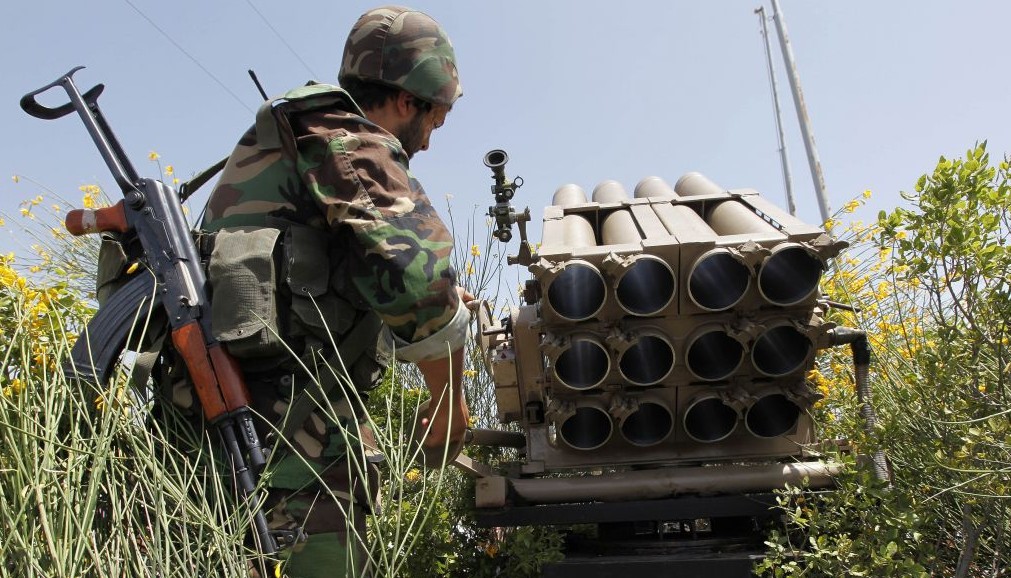
Has Hezbollah developed a domestic arms industry with Iranian support?
A report says the IRGC has built weapons factories for Hezbollah in Lebanon, possibly giving the Shiite organization the ability to build and produce projectiles or missiles capable of reaching any location in Israel.
-
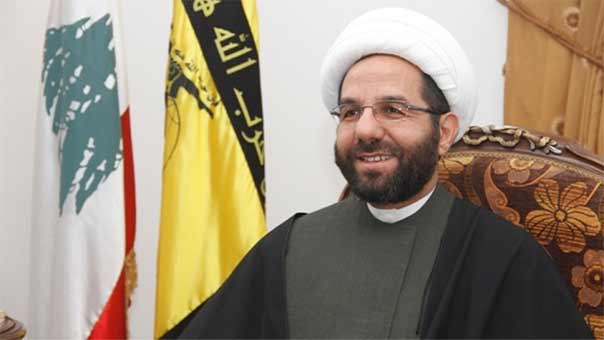
US adds 2 senior Hezbollah members to terrorism list
On Monday, the State Department listed Ali Da’amoush and Mustafa Mughniyeh, both part of Hezbollah’s senior leadership, as specially designated global terrorists.
-
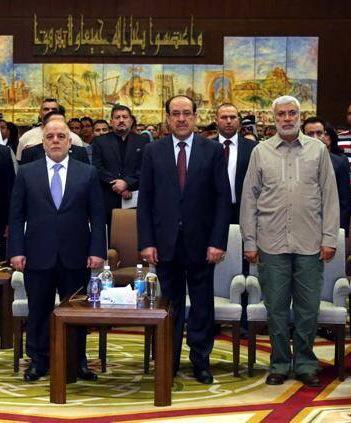
PMF deputy commander Muhandis details Hezbollah ops in Iraq
Along with Iran, Hezbollah helped the PMF “with training and planning, and with weapons and equipment” to the Popular Mobilization Forces with the knowledge of Iraq’s prime minister, according to Abu Mahdi al Muhandis.
-
Israel prepares home front for next war with Hezbollah
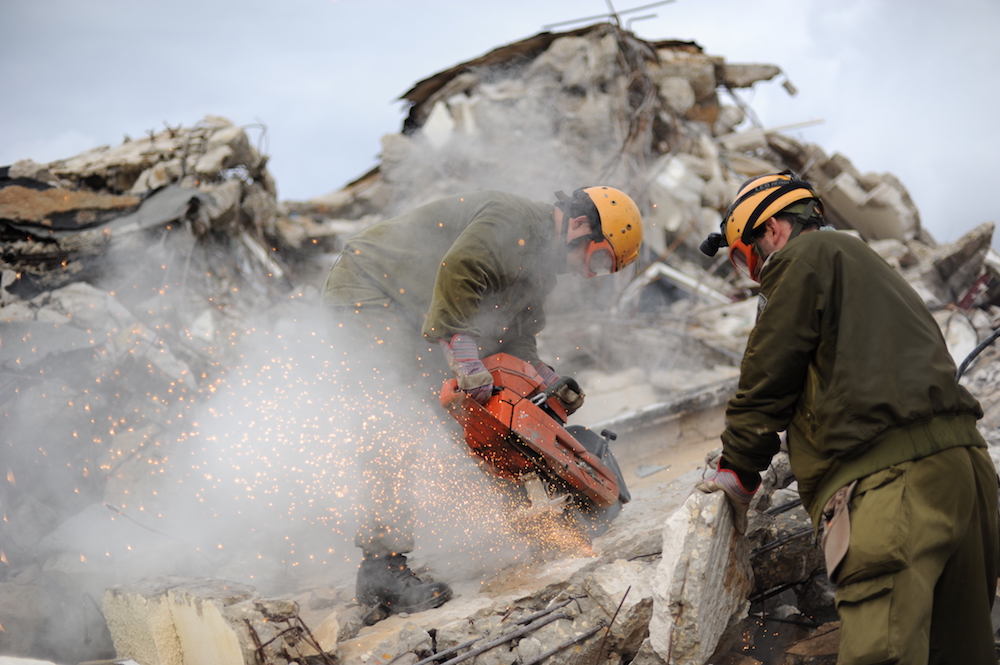
Israel’s nationwide Home Front Drill, to be held next week, will simulate a worst-case-scenario war with Hezbollah, involving Iran, Syria and Hamas.
-
Analysis: IRGC implicated in arming Yemeni Houthis with rockets
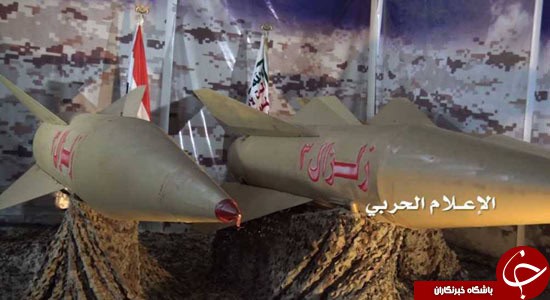
The Yemeni Houthi movement, officially known as Ansar Allah, has recently deployed Zelzal-3, an Iranian-manufactured artillery rocket.
-
Iranian media report deployment of elite Iraqi, Lebanese combatants to Aleppo
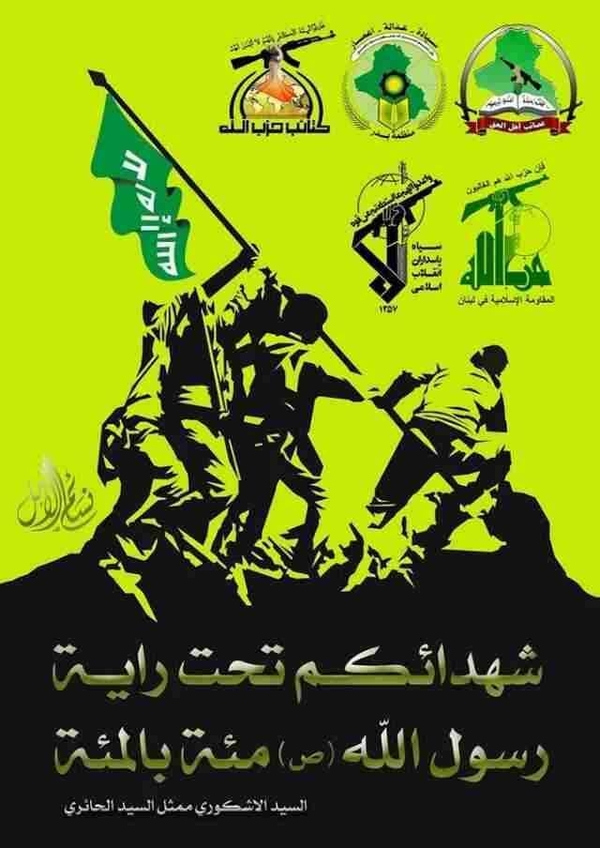
After the jihadist-led Jaish al Fatah and Syrian rebel groups succeeded in breaking the siege of Aleppo, an Iranian media outlet has reported the deployment of elite Lebanese Hezbollah and Iraqi Harakat al Nujaba to cut the opposition’s artery to the rebel-held eastern side of the city. [Update: IRGC confirms rank of officer announced dead on Monday as Major].
-
Jihadists and other rebels claim to have broken through siege of Aleppo
More than 20 jihadist, Islamist and other rebel organizations took part in the offensive to break the siege of Aleppo. It was likely one of the largest combined efforts in the history of the Syrian war.

-
Iraq’s prime minister establishes Popular Mobilization Forces as a permanent ‘independent military formation’
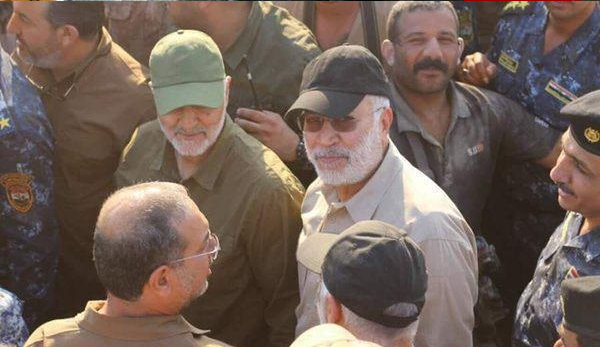
The Iraqi Prime Minister’s order will establish Iraq’s own IRGC, institutionalizing Tehran’s influence in the country. This development follows similar trends in Iran and Lebanon.
-
Hezbollah issued veiled warning hours prior to Beirut bank bombing
Two hours before an attack on the headquarters of Banque du Liban et d’Outre-Mer in Beirut, Hezbollah hinted at an attack from “Lahad’s Banking Army,” warning against Lebanon’s Central Bank to back down from their application of U.S. financial sanctions or face potential violence. Sunday’s attack was a first volley, with greater bloodshed possible.

-
Syrian rebels deny Hezbollah’s military commander killed in ‘artillery shelling’
The Syrian Observatory for Human Rights disputed Hezbollah’s findings, claiming that it did not observe any artillery attacks on the airport, and its sources within the Syrian military and rebel groups in the city denied shelling the airport. It is likely that Israeli warplanes killed Mustafa Badreddine.

-
Storied Hezbollah commander killed in Syria
Mustafa Badreddine, Imad Mughniyah’s replacement and a notorious Hezbollah senior military commander, was killed in an attack on Damascus International Airport initially attributed to Israel.

-
IRGC, allies sustained significant losses in battle for Khan Touman
On May 6, the Islamic Revolutionary Guard Corps lost the strategic village of Khan Touman to Jaysh al Fath, suffering its worse defeat yet in the Syrian war. Iranian officials and commanders alongside state outlets have publicly downplayed the loss and have vowed revenge to retake the town. They also level accusations that the West and its regional allies support “terrorists” who take advantage of ceasefires.

-
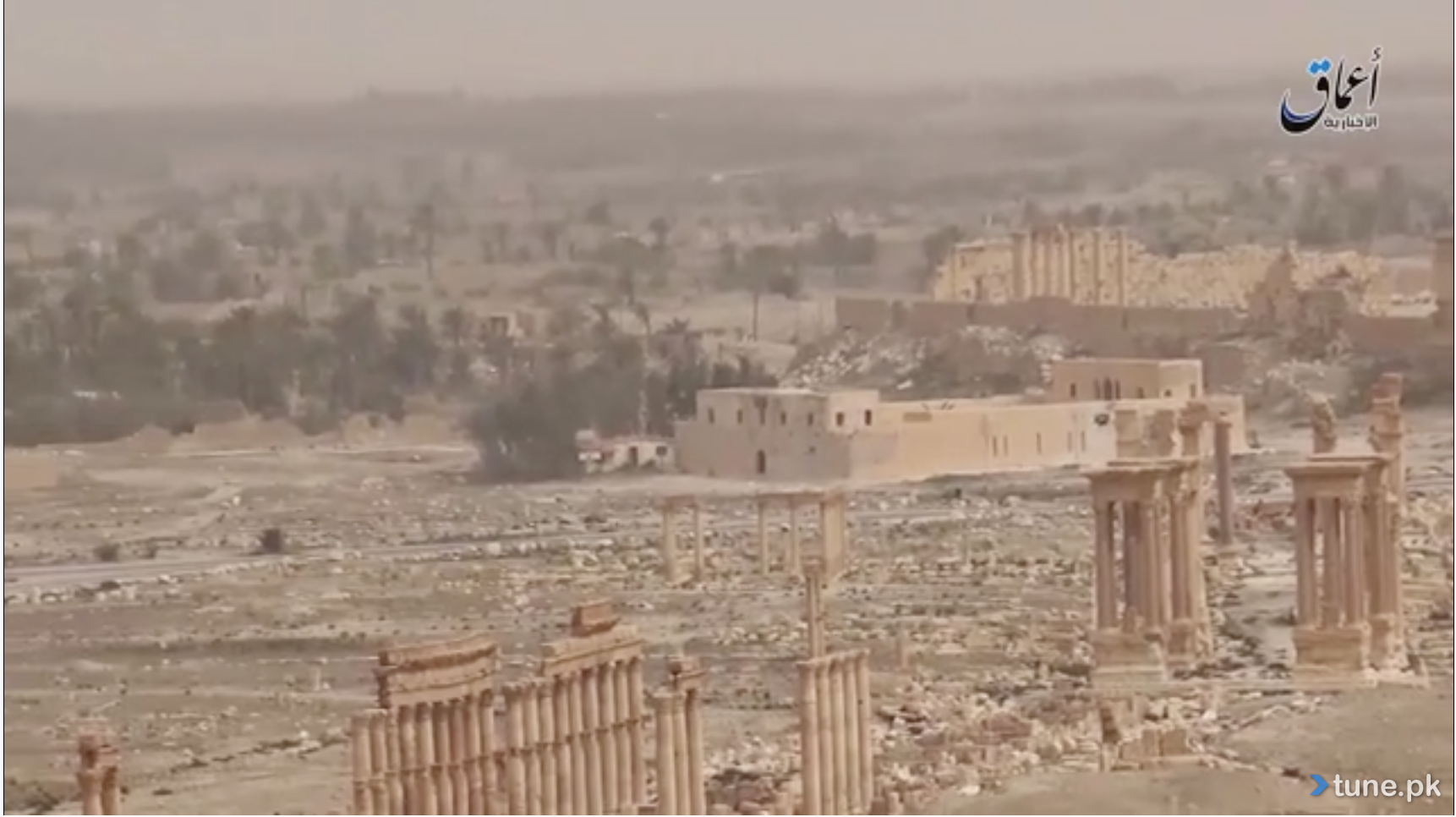
Syrian Army, allies retake Palmyra from the Islamic State
The Syrian Army claims to have retaken the city of Palmyra from the Islamic State. Bashar al Assad’s forces, backed by their Iranian and Russian allies, are battling Abu Bakr al Baghdadi’s jihadists on several fronts. The Islamic State frequently claims “martyrdom operations” against Syrian regime fighters in Aleppo province, Deir Ezzor, and elsewhere.
-
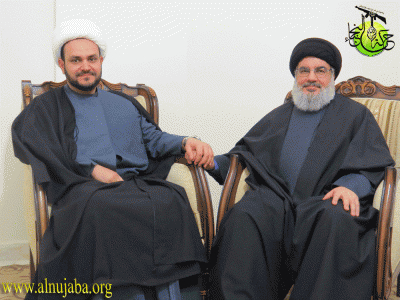
‘Hezbollah and Harakat al Nujaba are the twins of resistance,’ Iraqi militia spokesman says
Harakat al Nujaba has a long history with Hezbollah and Iran, in both Iraq and Syria. “The blood of Hezbollah which flowed in the land of Iraq is our responsibility for so long as we exist,” the group’s spokesman said.
-
Saudi Arabia targets alleged Hezbollah procurement agents
All of the entities targeted by Saudi Arabia also stand accused by the U.S. of bolstering Hezbollah’s military influence, including in areas that could be used against Saudi Arabia or Saudi proxies in places such as Syria or Yemen.
-
Hezbollah tries to shift attention to the West Bank
Israeli security forces announced last week their dismantling of a five-man terror cell from the West Bank city of Tulkarem, jihadists who were recruited by Hezbollah’s secretive Unit 133. The men were instructed to gather intelligence information on Israel Defense Forces (IDF) training facilities for attacks and prepare a bomb for use in a suicide operation against civilians. The foiled plot was Hezbollah’s latest attempt to stir up Israeli-Palestinian violence, exploiting the conflict to improve its tarnished image while bogging down Israeli forces in a battlefield far from its home base. Hezbollah established Unit 133 in the early 2000s, to focus its…

-
Hezbollah responds to Israeli assassination of commander
Despite the exchange of threats between Israel and Hezbollah, the latest attack in the Shebaa Farms does not indicate a large-scale confrontation is on the horizon.

-
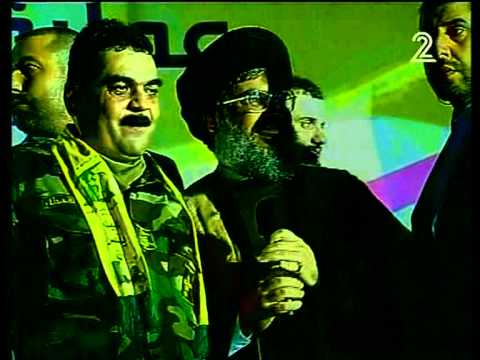
Israeli Air Force kills notorious Hezbollah commander in Syria
Israel carried out the assassination of Samir Quntar, a man who had become a symbol in Hezbollah for killing Israelis and was acting as one of its commanders in Syria.
-
Saudi satellite operator drops Hezbollah channel from airwaves
The role of terrorist-backed media has emerged as an area of concern not only in the West but across the Middle East as an increasing number of individuals are incited to violence by these outlets. Saudi Arabia is the latest country to shut down Al-Manar.
-
Assad regime, allies break Islamic State’s siege of air base in Aleppo
With the help of Russian airstrikes, Bashar al Assad’s military and paramilitary allies have broken the Islamic State’s siege of the Kweiris air base in Aleppo province. Hezbollah and other Iranian-backed militant organizations supported the Syrian military’s offensive.

-
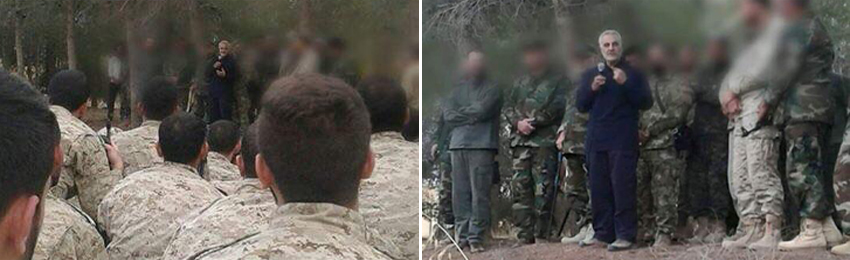
Qods Force commander Qassem Soleimani rallies Iranian officers, Hezbollah in Syria
Photographs show the notorious Qods Force commander addressing Iranian officers and Hezbollah forces in Latakia. Iran is reported to have deployed significant forces, estimated at thousands of troops, to support the Assad regime’s offensive in northwestern Syria.
-
Al Nusrah Front, allies strike 2 Shiite towns in Idlib province
The Al Nusrah Front, Ahrar al Sham, Jund al Aqsa, and the Turkistan Islamic Party have launched significant operations targeting two Shiite villages in the Idlib province of Syria. Their attacks are a response to the siege of Zabadani, a southern Syrian city, by Bashar al Assad’s regime and its allies.

-
Iraqi Shiite militia commander threatens to attack US
Akram Abbas al Kabi, a Specially Designated Global Terrorist and the leader of the Harakat Nujaba, said his group and others “will seek revenge” for what he claimed was a US airstrike that killed 10 members of the League of the Righteous.
-
Lebanese Army defector portrayed as ‘martyr’ in Al Nusrah Front video
The Al Nusrah Front, al Qaeda’s official branch in Syria, has released a video portraying Osama Mansur as a “martyr” for its anti-Iranian, anti-Hezbollah cause. Mansur served in the Lebanese Army before defecting to Al Nusrah.

-
Hezbollah
Israel, Hezbollah signal their flare-up is over