-
Hizballah operative convicted of terror charges after surveilling targets in New York City
A jury in a Manhattan federal court convicted Ali Kourani of various terrorism and other charges last week. Kourani surveilled prospective targets in New York City on behalf of Hizballah’s Islamic Jihad Organization, which has plotted terrorist attacks since the 1980s.
-
US Treasury adds Qods Force, Hezbollah officials to list of global terrorists
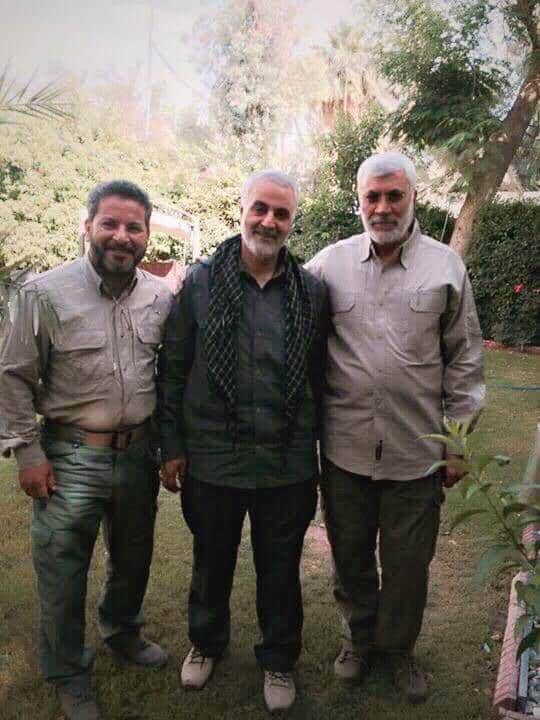
While the Treasury designation focuses on the four Iraqis’ links to Hezbollah, which is described as “a terrorist proxy for the Iranian regime that seeks to undermine Iraqi sovereignty and destabilize the Middle East,” it practically ignores the fact that one of them is the Secretary General of the Imam Ali Battalions, or Kata’ib Imam Ali, a key component of the Popular Mobilization Forces, an official military arm of the Iraqi state that reports directly to the prime minister.
-
Hezbollah commemorates last year’s joint operation with Lebanese, Syrian militaries
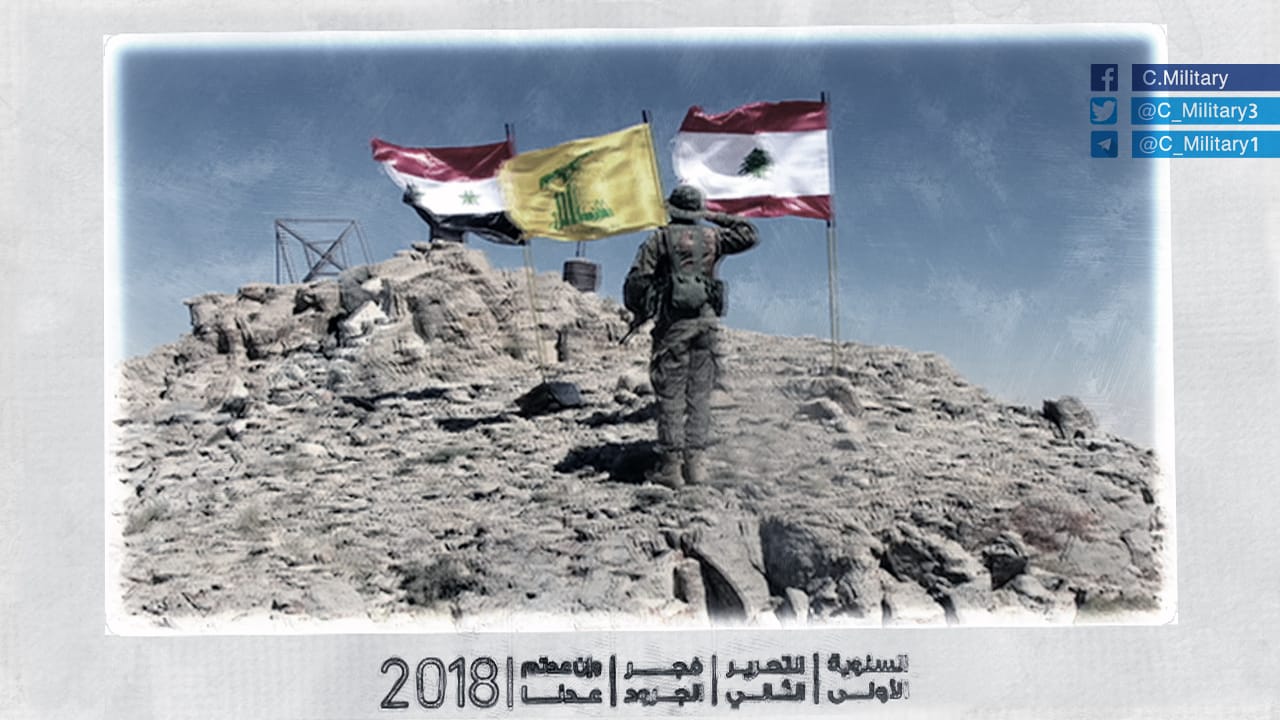
Despite official Lebanese claims to the contrary, the photos recently released by Hezbollah offer more evidence of how its forces coordinated with the Lebanese military in last year’s battle near Arsal.
-
Hezbollah’s Nasrallah meets with Houthi leadership
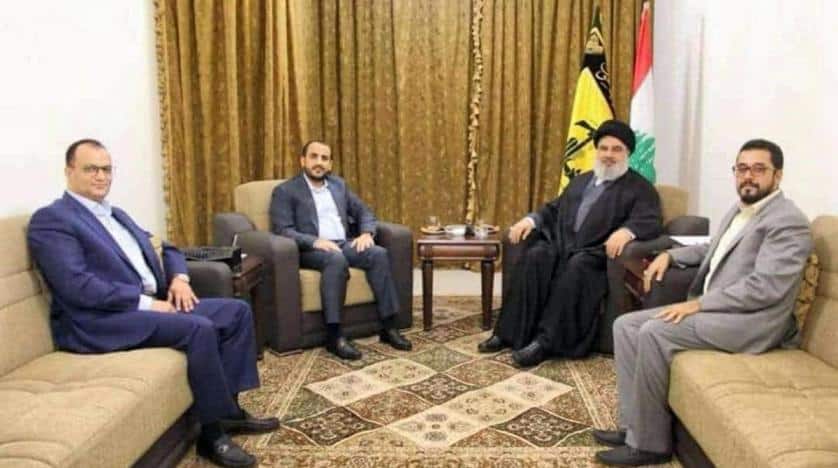
Hezbollah media sources released a photo of a meeting between its Secretary General Hassan Nasrallah and Houthi leadership.
-
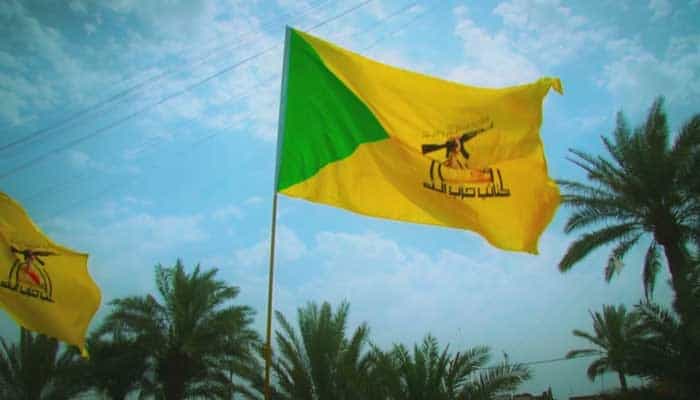
Shia militias across the Middle East send condolences to Hezbollah Brigades
Various Shia militias from around the Middle East have expressed their support or condolences for the Iranian-backed Hezbollah Brigades, which was targeted in unclaimed airstrikes in eastern Syria on Sunday.
-
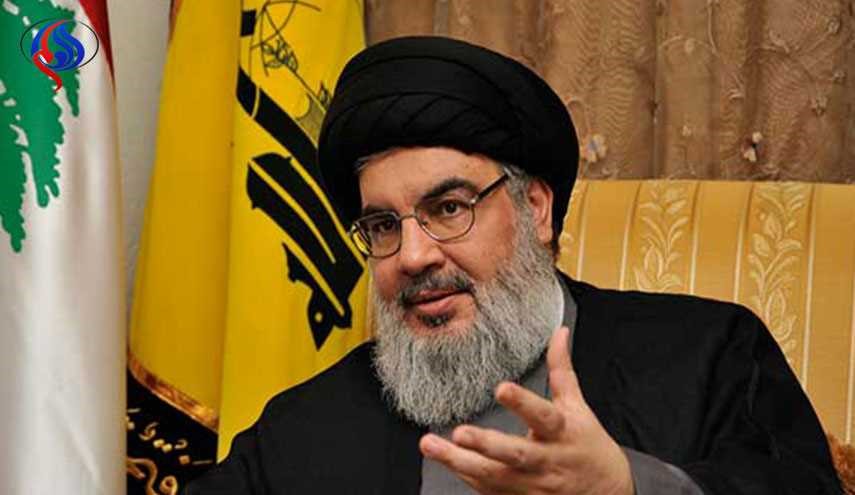
Hezbollah chief’s censored speech reaffirms group as Tehran’s arm in Lebanon
In March, a state-affiliated Iranian media outlets published a speech by Lebanese Hezbollah chief Hassan Nasrallah that it shouldn’t have. The speech, which was quickly retracted, was meant for internal distribution, thus making it a valuable document.
-
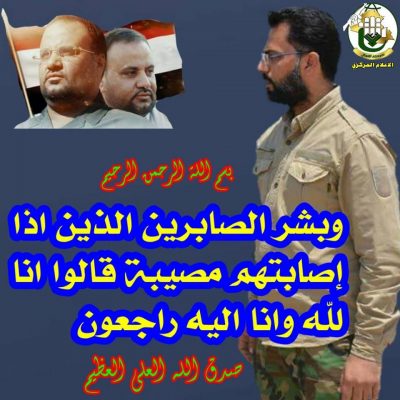
IRGC network eulogizes slain top Yemeni Houthi official
Several groups within the Iranian Revolutionary Guard Corps network have eulogized Saleh al Sammad, the political leader of Yemen’s Houthis.
-
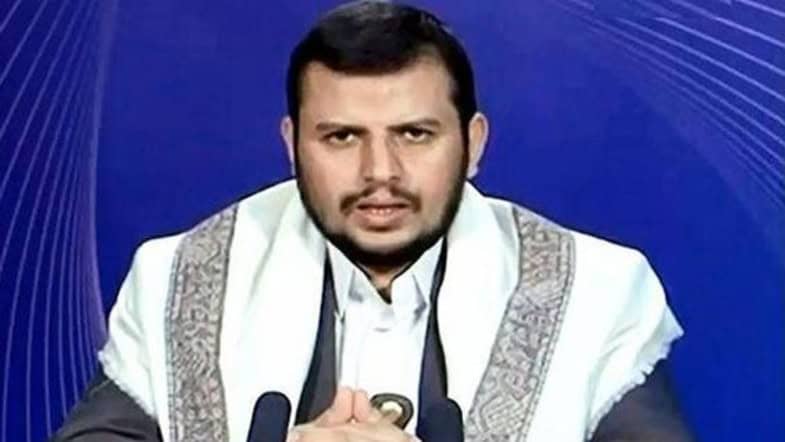
Houthi leader again promises to take part in any future conflict between Hezbollah and Israel
Abdel Malek al Houthi, the leader of Yemen’s Houthi insurgent group, again promises to send fighters to battle alongside Hezbollah in any future war with Israel.
-
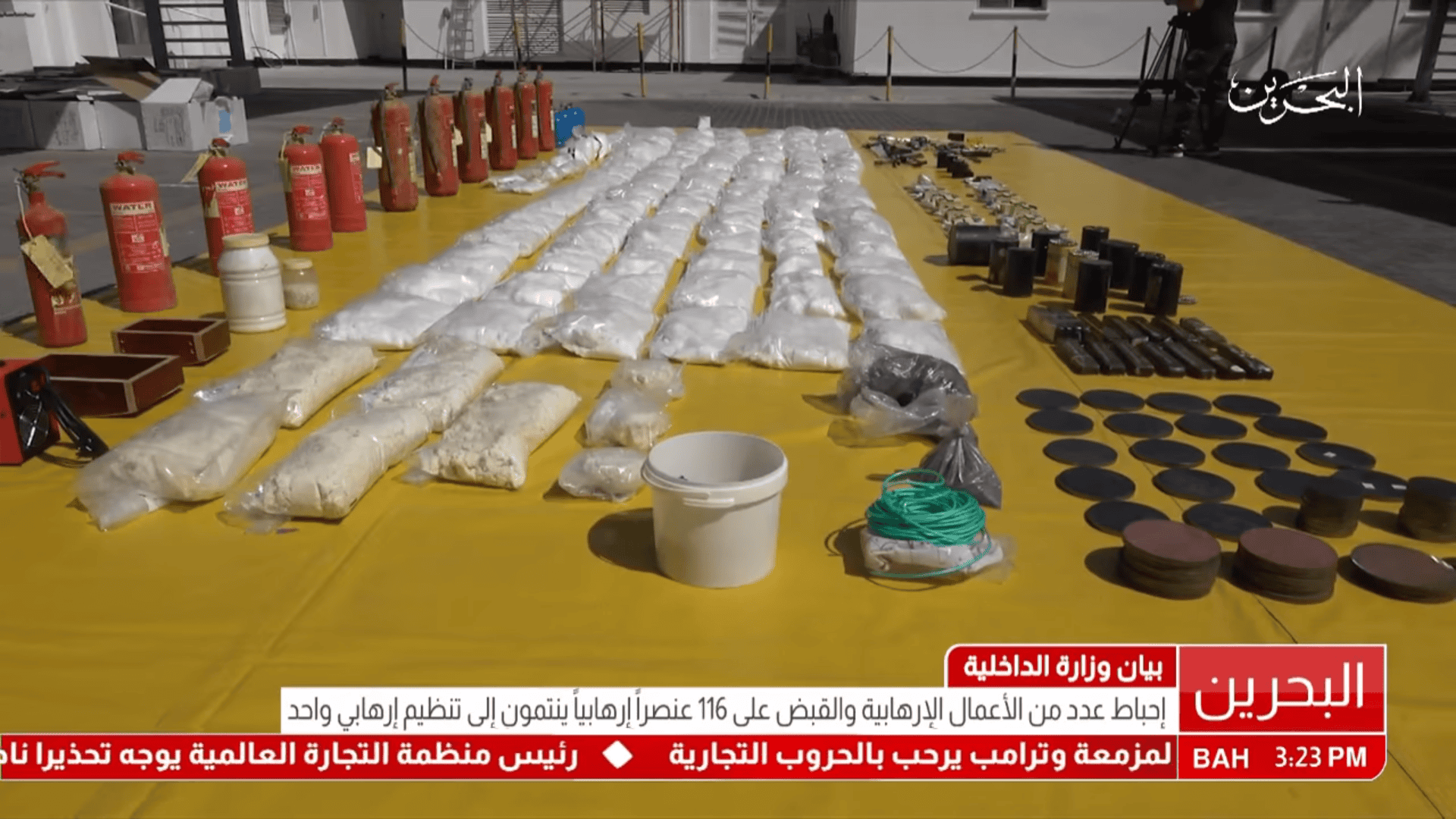
Bahraini raids arrest over 100 members of alleged Iranian-backed network
Bahrain claims to have broken up a militant cell, which was reportedly linked to Iran. Also captured in the raids was large amounts of explosives, including material to produce IEDs.
-
Trump administration designates Iranian-spawned jihadist faction in Gaza
The State Department’s announcement that it was going after as-Sabirin, an Iranian-backed splinter faction in Gaza, shows the administration is serious about cutting Iran’s ties to its regional proxies.
-
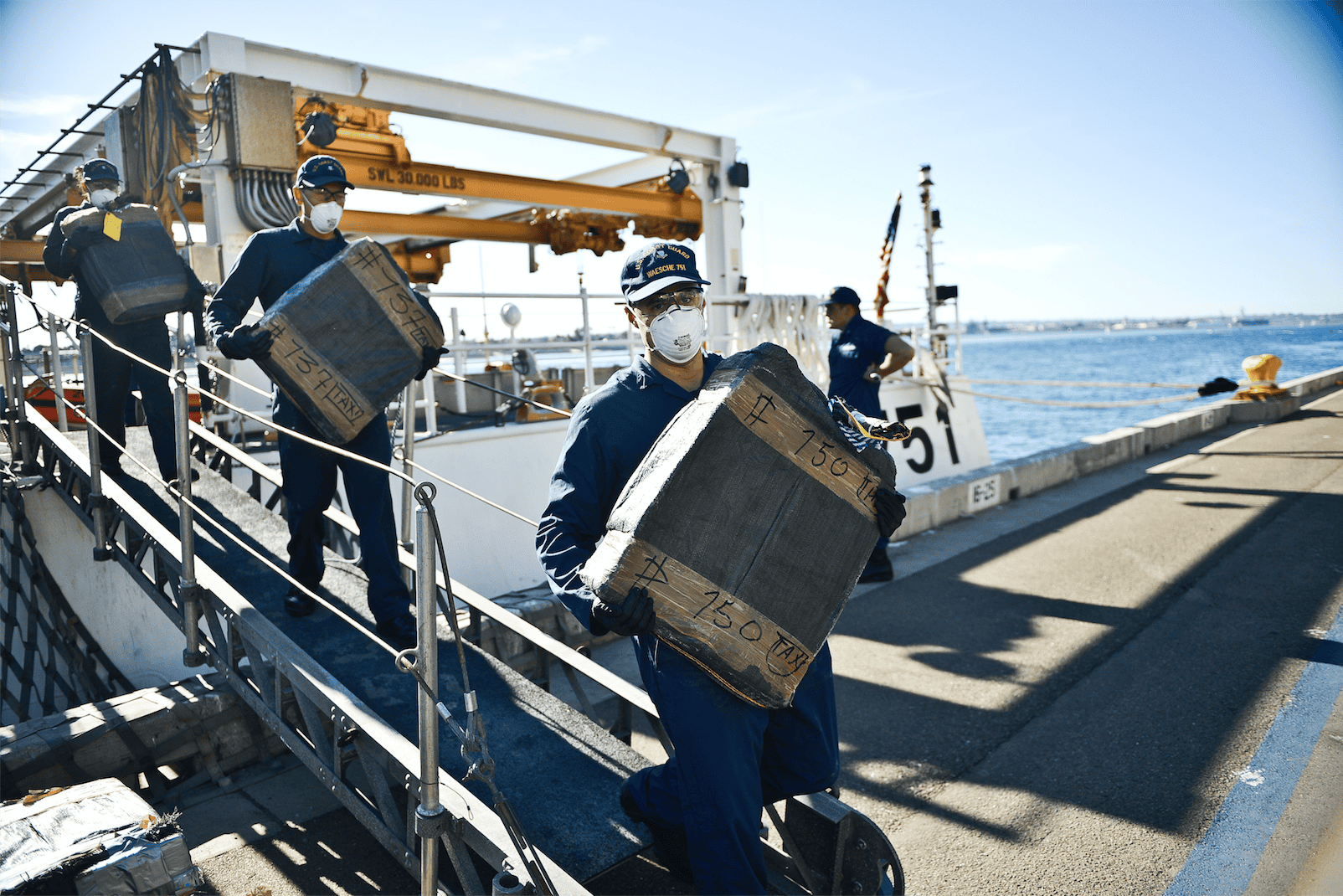
Podcast: Hezbollah’s Narco-Terror Nexus in Latin America
Iranian-backed Hezbollah is leveraging its growing global network to launder huge amounts of money, traffic weapons, and engage in a long list of illicit activities that are increasingly overlapping with the work of Latin American narcos.
-
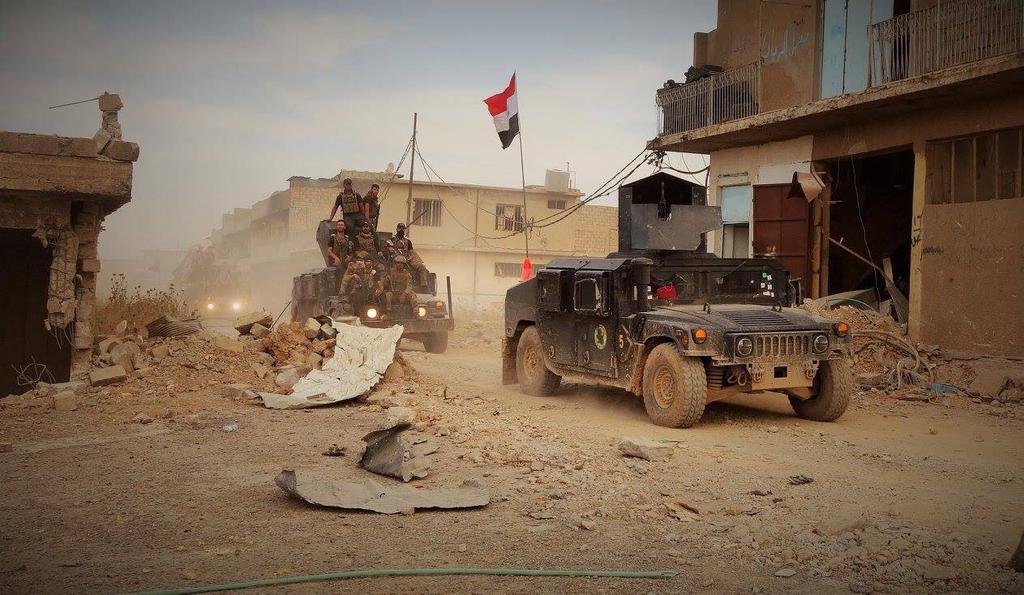
Islamic State suffers defeats in Iraq and Syria
The Syrian military has taken full control of Deir Ezzour, while Iraqi troops and Iranian supported militias ejected the Islamic State from Al Qaim.
-
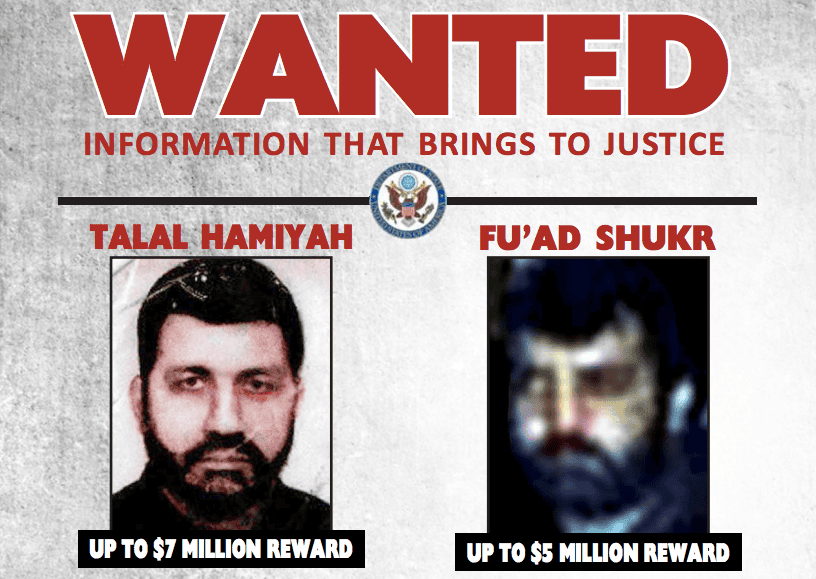
State Department offers rewards for 2 Hezbollah leaders
The State Department announced today that it is offering rewards for information concerning the whereabouts of two senior Hezbollah operatives. One of the two, Talal Hamiyah, is the head of Hezbollah’s External Security Organization, which oversees worldwide terrorist plots. The other, Fuad Shukr, “played a central role” in the Oct. 1983 Marine Barracks bombing in Beirut, Lebanon. That suicide bombing helped inspire a generation of Shiite and Sunni jihadists.
-
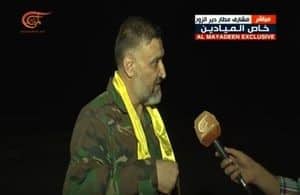
Hezbollah publicizes commander’s role in defending Deir Ezzor city
After pro-Syrian regime forces broke the siege of Deir Ezzor city this month, Lebanese Hezbollah media outlet Al Mayadeen released a rare interview with Hezbollah field commander “al Haj Abu Mustafa,” crediting the gray-bearded, southern Lebanese native with playing a key role in leading the defense against the Islamic State.
-
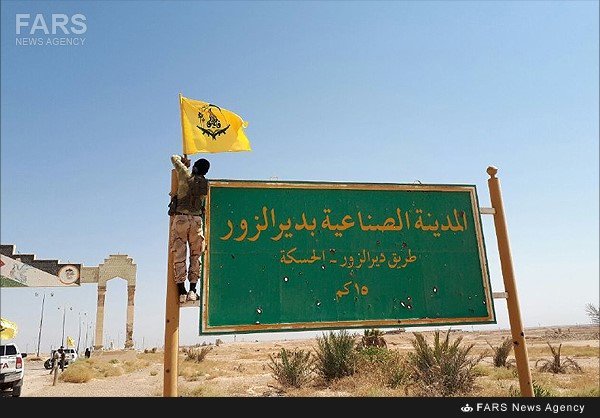
IRGC-led Afghan militiamen hoist flags in Deir Ezzor city
An Iranian-controlled Afghan Shia militia advertises its role in the battle for Deir Ezzor in eastern Syria.
-
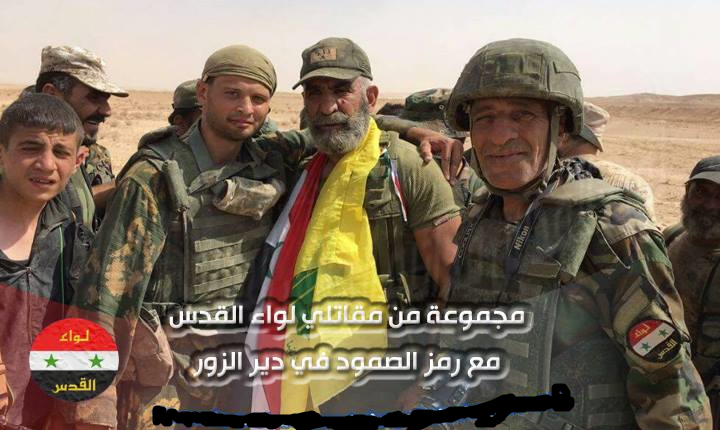
Hezbollah and allies parade in Deir Ezzor, Syria
Hezbollah forces and its militia allies can be seen parading in the streets of Deir Ezzor after lifting the siege of the city. Syrian regime soldiers, who had been under the siege since 2014, praise Hezbollah and Hassan Nasrallah for their role in the operation.
-
Israeli airstrikes target suspected chemical weapons facility in Syria
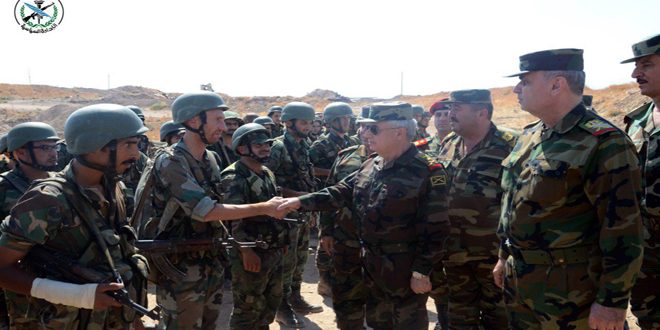
Israel struck a suspected chemical weapons facility near Masyaf, Syria earlier today. The facility may have been run by the Syrian regime’s Scientific Studies and Research Center (SSRC), which has been sanctioned by the US government for its role in producing chemical weapons and the means to deploy them.
-
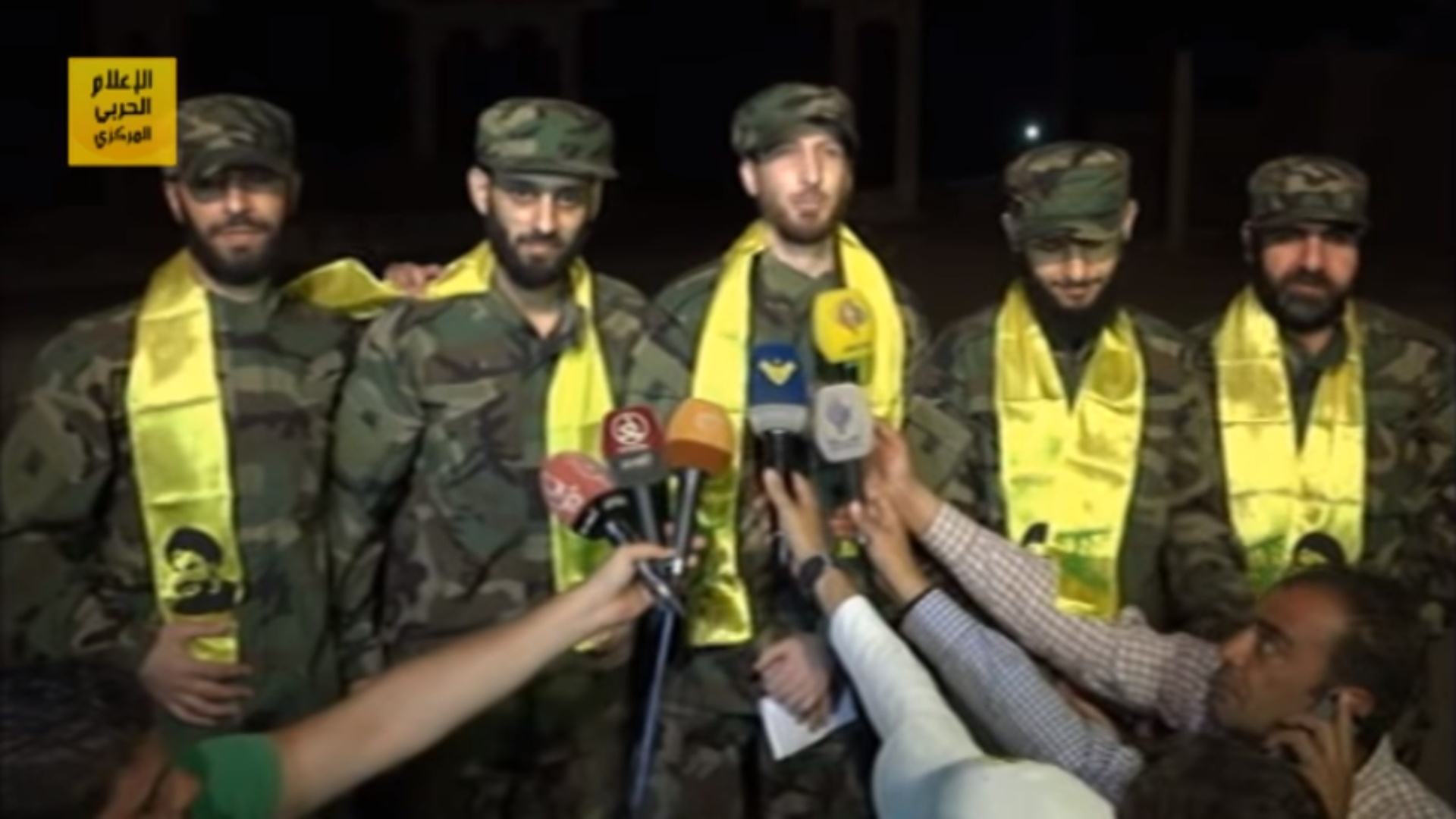
Hezbollah touts prisoners freed from HTS in Syria
The Shiite jihadists were freed as part of a ceasefire deal with Sunni jihadists in the Lebanon-Syria border region.
-
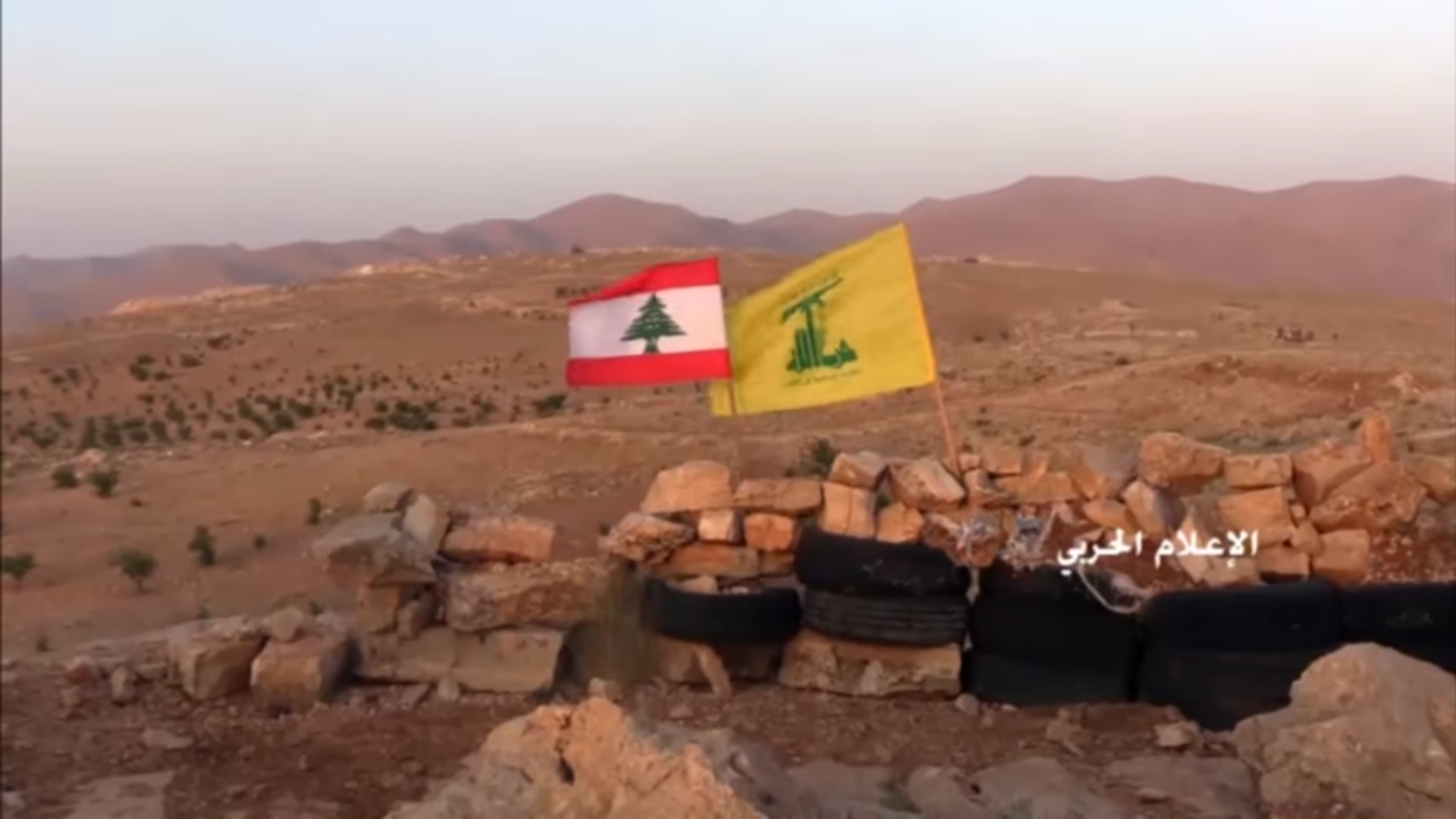
Hezbollah announces ceasefire with Sunni jihadists near Arsal
The ceasefire comes just one day after Hezbollah Secretary-General Hassan Nasrallah touted his forces imminent victory in the Jurud Arsal region of Lebanon.
-
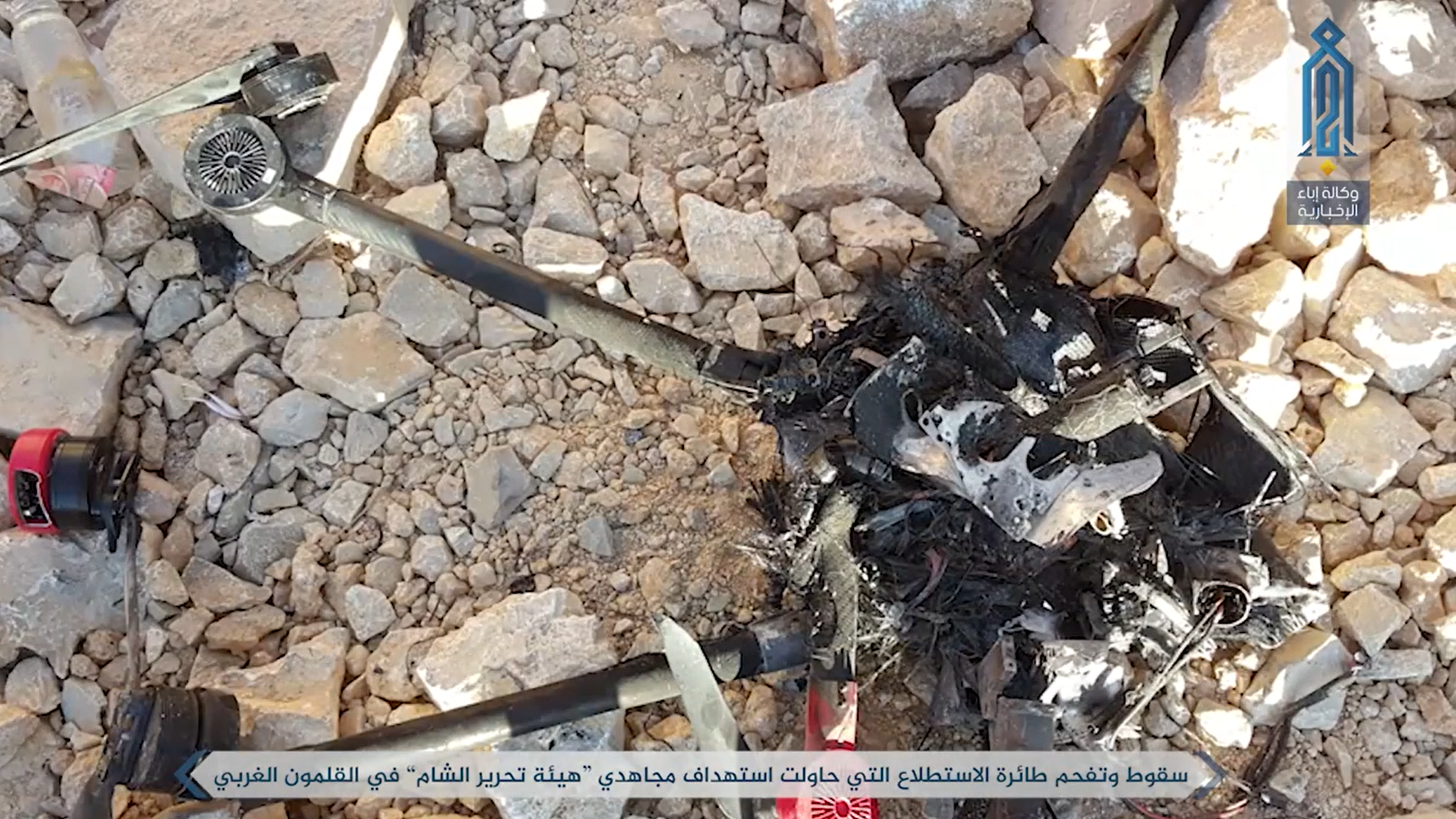
HTS shoots down armed Hezbollah drone in western Syria
The video offers more visual confirmation of Hezbollah’s capabilities for armed commercial drones.
-
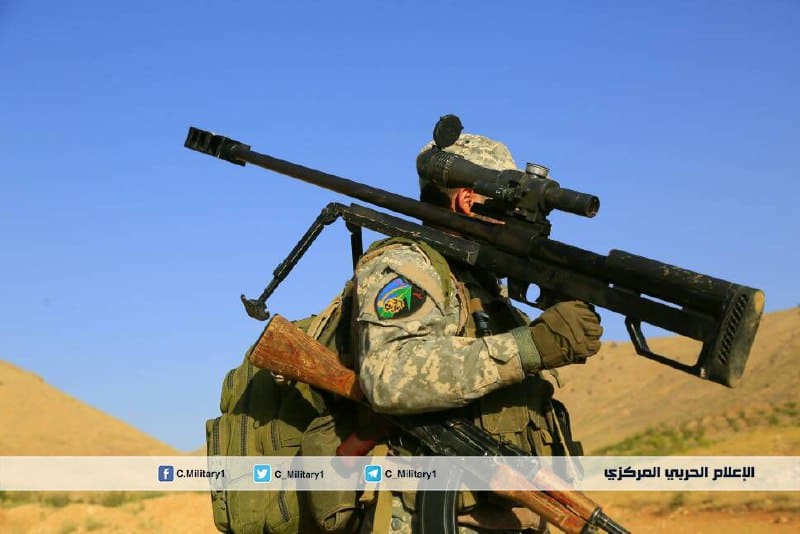
Hezbollah issues ultimatum to Sunni jihadists in Arsal battle
The Shiite jihadist group offers safety to the Sunni militants in Arsal if they “throw down their weapons and surrender.”
-
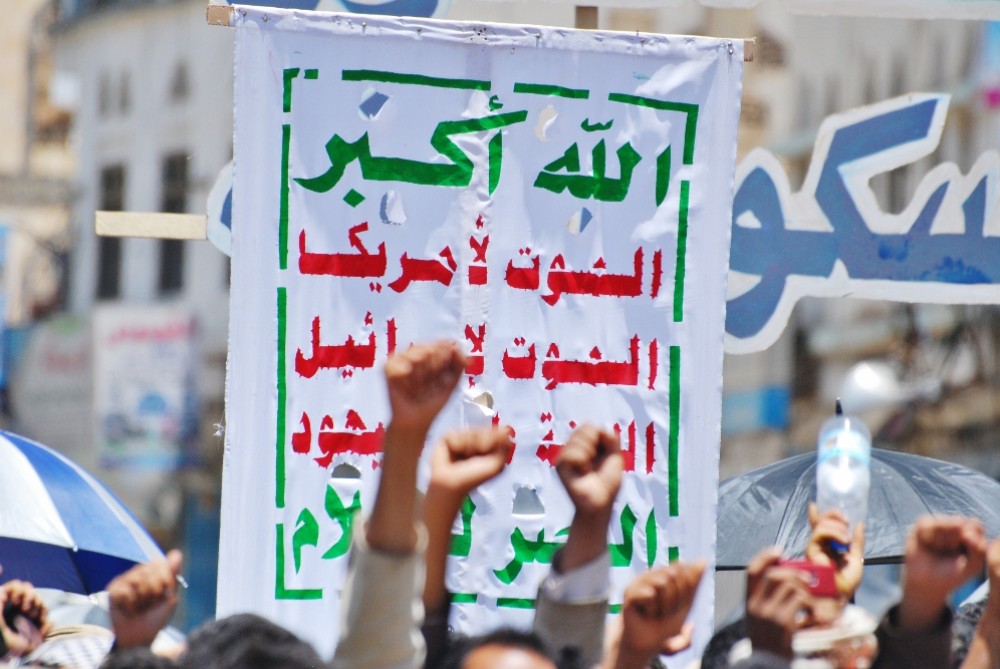
Houthi leader: Yemeni forces will take part in any future conflict with Israel
The insurgent leader said that his forces will take part in any future conflict with Israel alongside Hezbollah. The statement comes on the heels of Hezbollah leader Hassan Nasrallah pledging Shiite forces from around the Middle East and South Asia would be involved.
-
Hezbollah claims advances in border offensive near Syria
As the offensive enters its third day, Hezbollah has claimed several advances on both sides of the Lebanon-Syria border.
-
Lebanese military coordinates with Hezbollah, Syrian military in border operation
While Lebanese Prime Minister Saad Hariri claims that the Lebanese military is not coordinating with Syria or Hezbollah near Arsal, various reports from on the ground say otherwise.
-
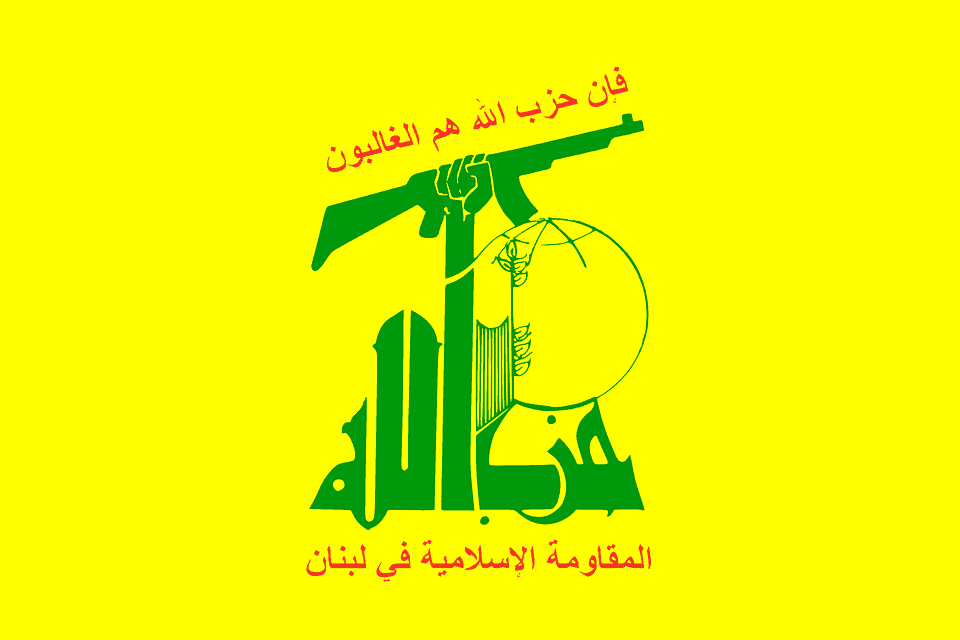
Hezbollah has ‘about 7,000 fighters’ in Syria, US says
The State Department says there “are reportedly about 7,000 Hezbollah fighters in Syria.” They have been deployed to the country to bolster Bashar al Assad’s regime.
-
Qods Day commemorations highlight Tehran’s global reach
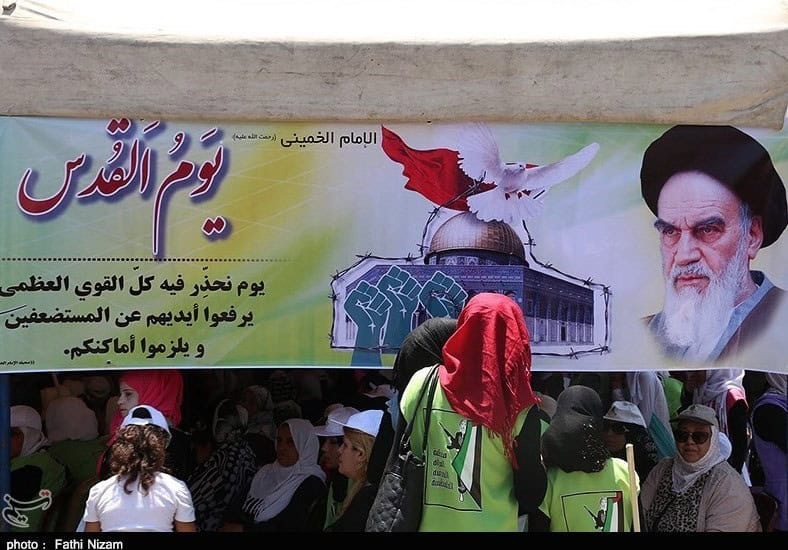
The Islamic Republic of Iran and its allies abroad on Friday commemorated Qods (Jerusalem) Day, an annual event held on the last Friday of Ramadan and established by Ayatollah Ruhollah Khomeini to express support for Palestinians and opposition to Israel. The regime has not shied away from reiterating its call for Israel’s destruction during the annual event.
-
Analysis: 2 US cases provide unique window into Iran’s global terror network
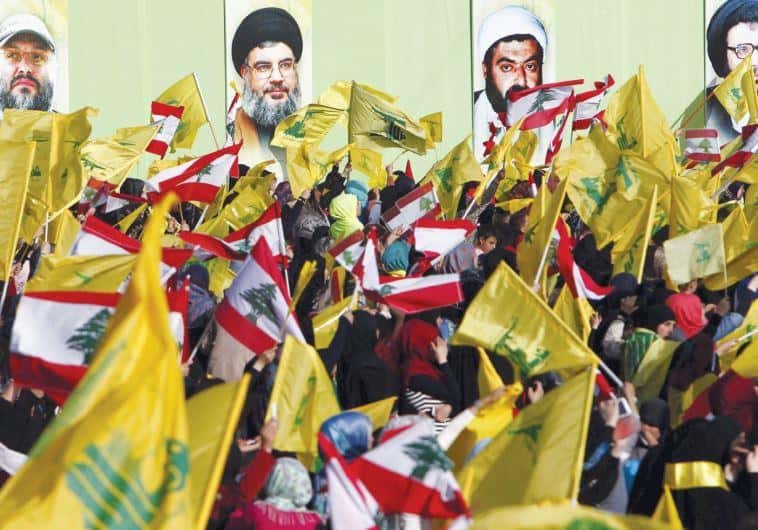
Earlier this month, the Department of Justice announced that two men, Ali Kourani and Samer El Debek, had been arrested and charged with carrying out various missions on behalf of Hizballah’s Islamic Jihad Organization. The IJO serves as Hizballah’s external operations wing, carrying out clandestine missions on behalf of Iran around the world. The complaints allege that Kourani and El Debek were both members of the IJO, which is ultimately controlled by Hizballah leader Hassan Nasrallah, who in turn reports “directly” to Iranian Supreme Leader Ali Khamenei.
-
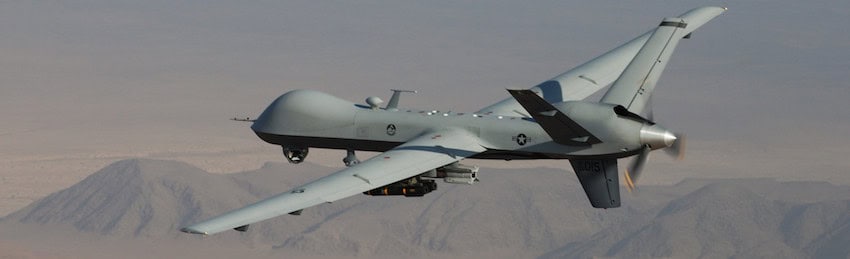
US military downs UAV, strikes militias in Syria
The US military noted that it does not seek a fight against pro-Syrian regime militias, but its forces will continue to defend themselves if threatened.
-
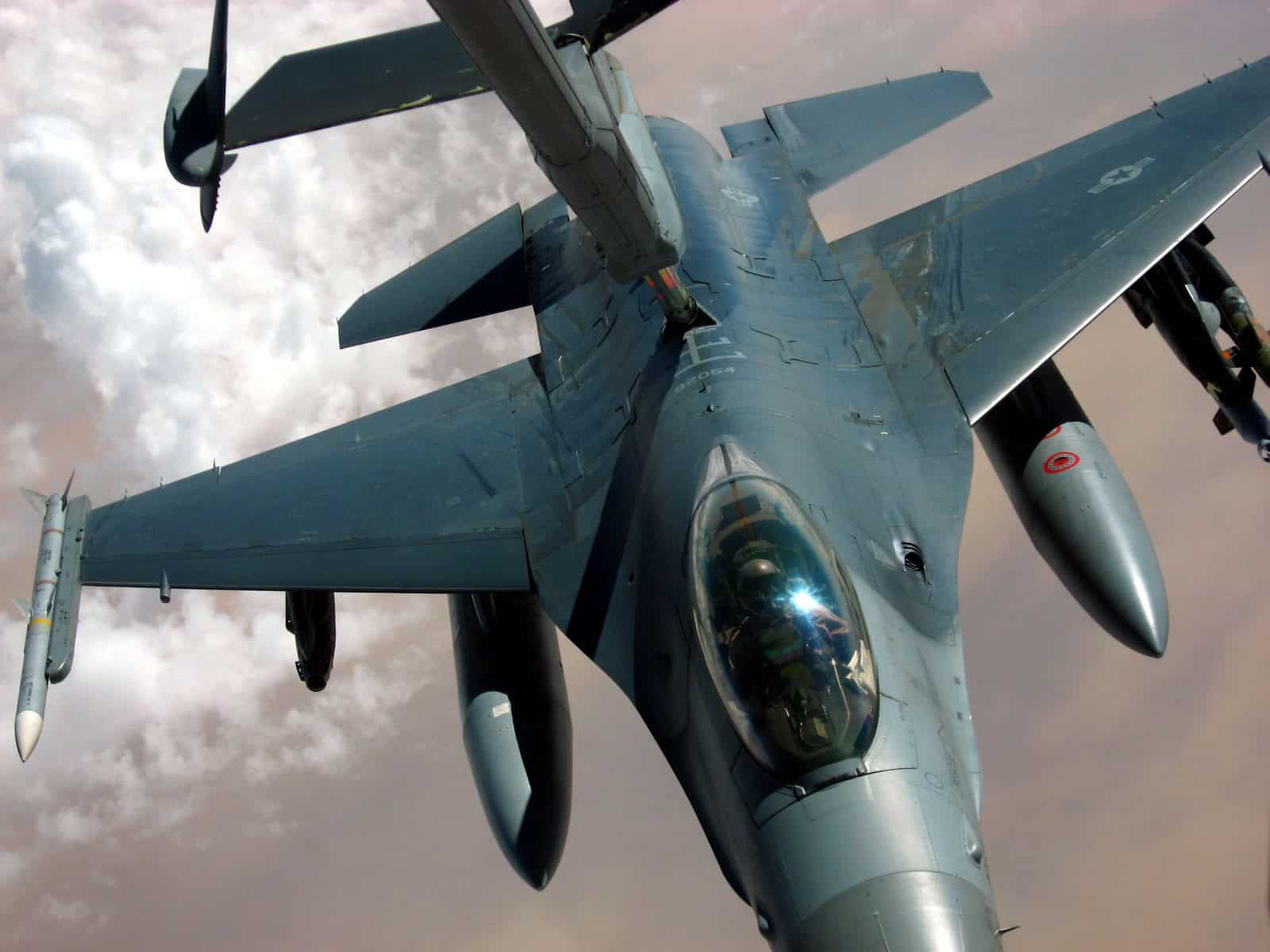
US warplanes again strike militias near Syrian-Jordanian border
The strike against pro-Syrian government militias is the second in the past month. The US military is training Free Syrian Army-branded militias in the area to battle the Islamic State.
-
State Department blacklists Hashem Saffiedine
Hashem Saffiedine is the head of Hezbollah’s powerful Executive Council, making him the second-most important man in the organization behind its leader, Hassan Nasrallah. He is also Nasrallah’s heir apparent as Hezbollah’s Secretary General. According to the State Department designation, Saffiedine poses a serious risk of committing terrorist acts against the United States and threatening its national security.