-
US flag trampling, militia disarmament dispute mark Iraq’s post-US withdrawal era
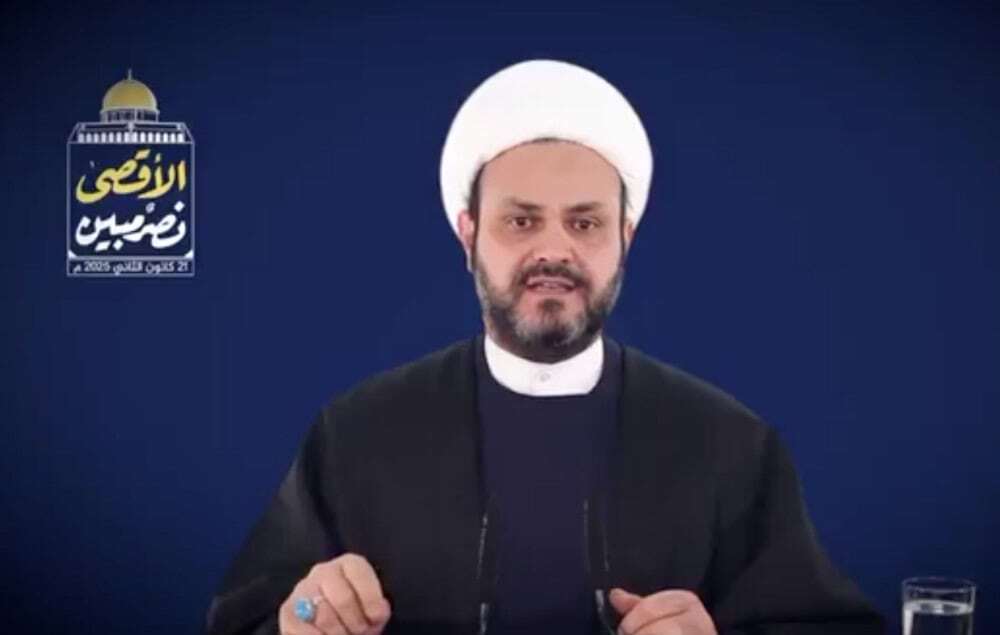
Iraq is grappling with controversy over the role of Iran-backed militias following the departure of US forces, including an incident in which Popular Mobilization Forces members were photographed driving over an American flag. Prime Minister Ali al Zaidi is pushing to bring militia weapons under state control by June 2027, with several factions reportedly agreeing to disarm while others continue to resist.
-
Several Iranian-backed militias in Iraq say they accept state control of weapons
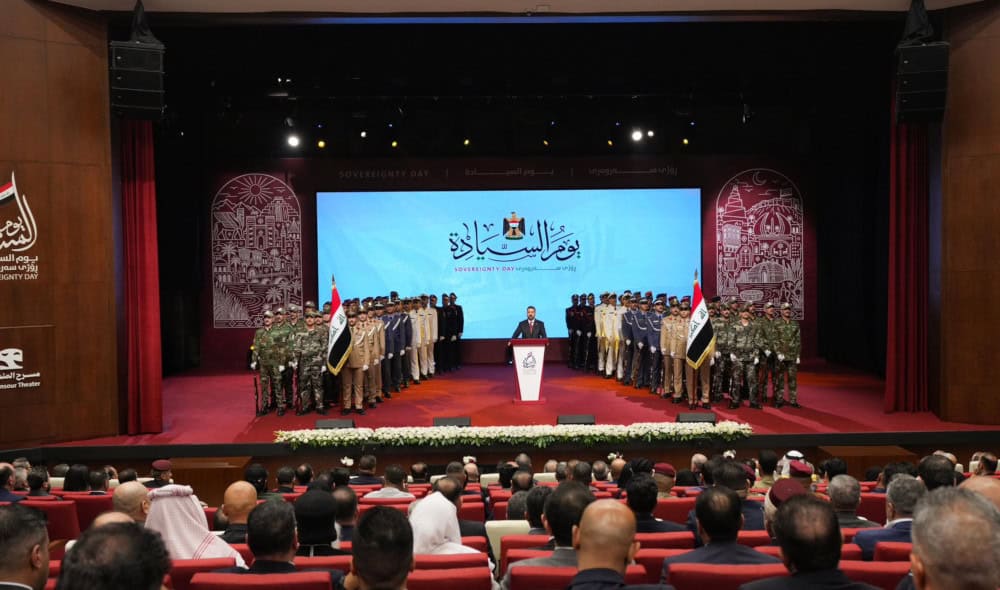
Iraq’s new government is attempting to bring weapons held by Iranian-backed militias under state control, a move that could reshape the role of armed groups linked to the Popular Mobilization Forces (PMF). Several militias have announced plans to place their arms under government authority and disengage from the PMF, while others remain opposed or have issued mixed signals.
-
US Treasury designates 7 Iran-backed Iraqi militia commanders as terrorists
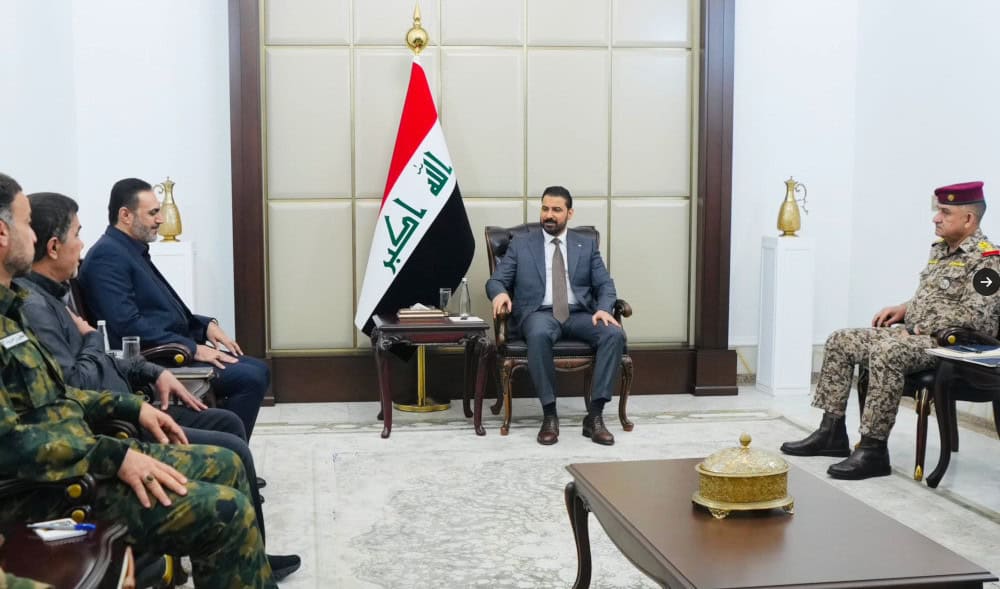
The US Treasury Department announced the designation of seven high-level members of Iran-backed Iraqi militias as Specially Designated Global Terrorists on April 17. Their organizations are previously US-designated terror groups that, operating under front groups, have conducted numerous attacks on the US presence in Iraq since the start of the war with Iran on February 28.
-
Iraqi fundraising drives linked to militias channel support to Iran and Hezbollah
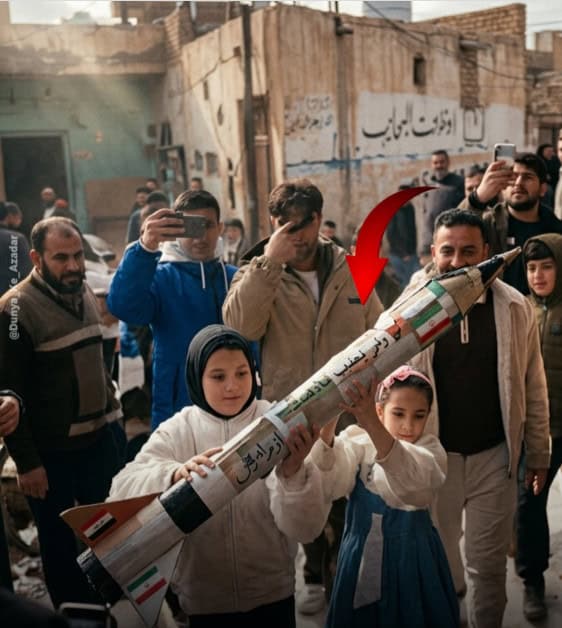
Efforts described by Iran-backed Iraqi militias as humanitarian campaigns increasingly show signs of serving as a parallel financial pipeline that also fuels Iran’s current war effort and regional proxy network. Across Iraq, groups aligned with Tehran are mobilizing donation drives framed as a religious obligation and in wartime solidarity.
-
Iraqi Shiite militias join the war between Israel, the US, and Iran with drone attacks
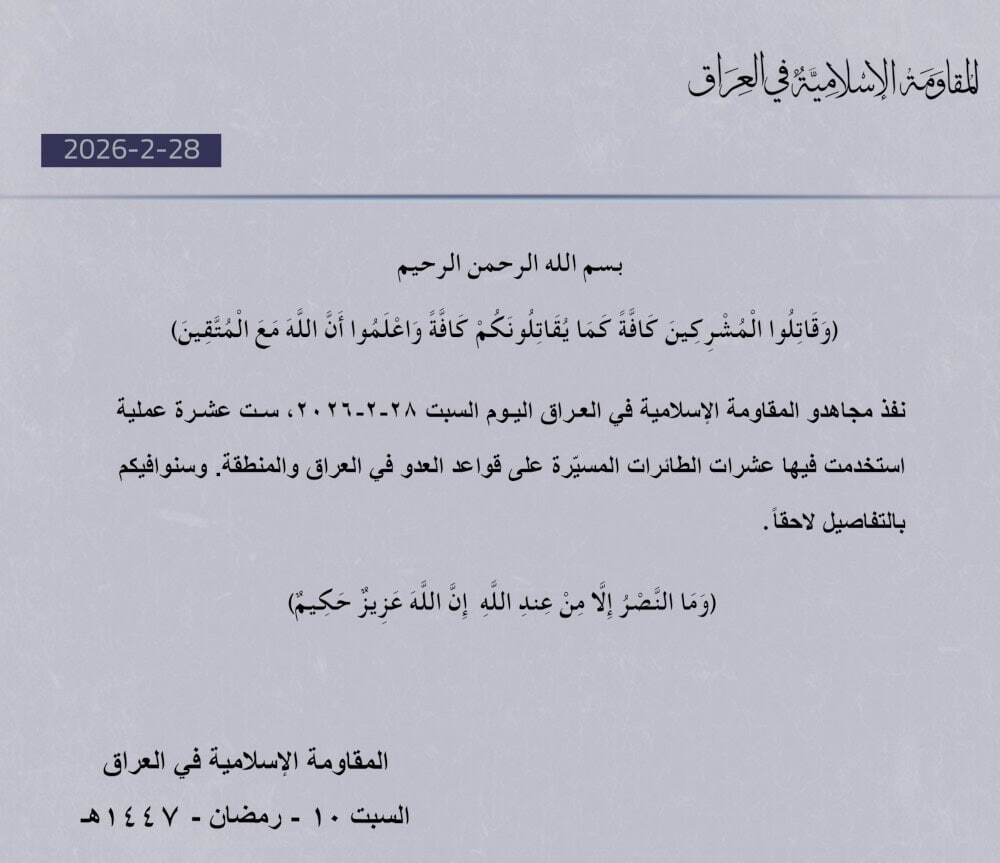
The Islamic Resistance in Iraq (IRI), a coalition of Iran-backed Shiite militias, claimed over a dozen drone attacks against “enemy bases in Iraq and the region” and issued statements of support for the Tehran regime in retaliation for US and Israeli strikes on Iran. The groups are also responding to unclaimed airstrikes on Iraq that have reportedly killed at least six people, including four confirmed Iraqi militiamen.
-
Trump calls for Iraq to reject Maliki as prime minister, Maliki denounces US ‘interference’
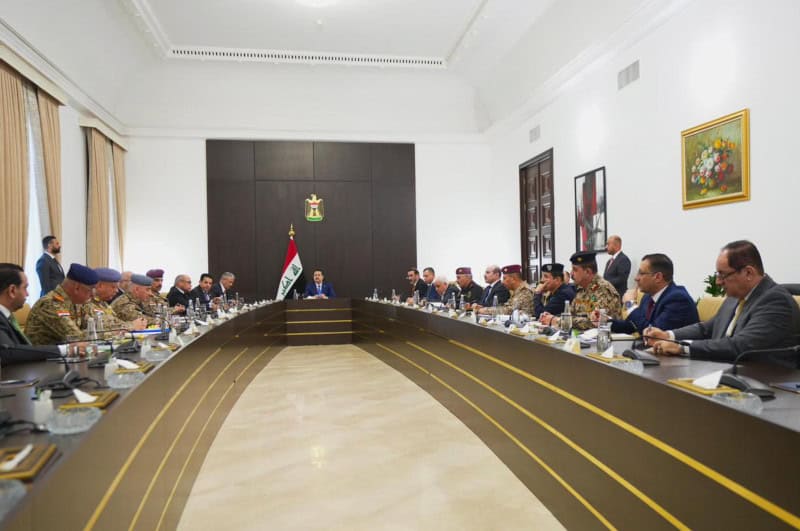
On January 28, former Iraqi Prime Minister Nouri al Maliki stated that he rejected “blatant American interference in Iraq’s internal affairs,” a day after US President Donald Trump said Maliki, who is a leading contender for the country’s next prime minister, should not retake the office. US envoy to Iraq Mark Savaya also said that Iranian-backed militias should be prevented from having power in the next government. Separately, several Iranian-backed militias threatened to support Iran in any conflict with the US or Israel and sent forces to the border with Syria amid fighting between the Syrian government and the Syrian…
-
US designates 4 Iran-backed Iraqi militias as Foreign Terrorist Organizations
On September 17, the US State Department designated four Iran-backed Iraqi militias as Foreign Terrorist Organizations (FTOs). These groups, previously listed as Specially Designated Global Terrorists (SDGTs), have received support from the regime in Tehran and attacked US forces and interests in Iraq and across the Middle East.
-
Iraqi militias largely rely on rhetoric in response to Israel-Iran conflict—for now
Iranian-backed militias in Iraq have refrained from attacking Israel directly since the start of the war between Israel and Iran on June 13. However, there have been two unclaimed attacks on US interests in Iraq since Operation Rising Lion began, and the Iraqi groups have ramped up anti-Israeli and anti-American rhetoric, threatening US interests and mobilizing supporters through propaganda channels.

-
Iran-backed Shiite militias attack US forces based in Iraq
The Islamic Resistance of Iraq has carried out more than 180 such attacks against US forces in Iraq, Syria, and Jordan since October 7, 2023. The most recent attack risks drawing US forces into an offensive role in Israel’s war with Iran. Thus far, the US has attempted only to provide defensive support for Israel in the conflict.
-
US adds Iran-backed Iraqi militia Kataib Imam Ali to list of terror organizations
Kataib Imam Ali is the sixth Iran-backed Shiite militia in Iraq that has been listed by the US as a terrorist organization. The group’s secretary general was previously designated for his ties to Iran’s Islamic Revolutionary Guards Corps–Qods Force and its former commander, Qassem Soleimani.
-
Iranian-backed militias in Iraq face an uncertain future
Pro-Iranian militias in Iraq, collectively part of the Hashd al Shaabi (Popular Mobilization Units), face increasing calls to place their arms under state control or lay them down entirely. The fall of the Assad regime, a new administration in Washington, and the Gaza ceasefire have put these groups under the spotlight in Iraqi politics.