-
Russian military launches recruitment drive for drone units
The Russian military has launched a recruitment drive seeking troops for drone units, reflecting the key role that unmanned systems have come to play both in the Ukraine war and in Russia’s plans for its future force structure.

-
Russia announces plan to muster reservists to combat Ukrainian drones
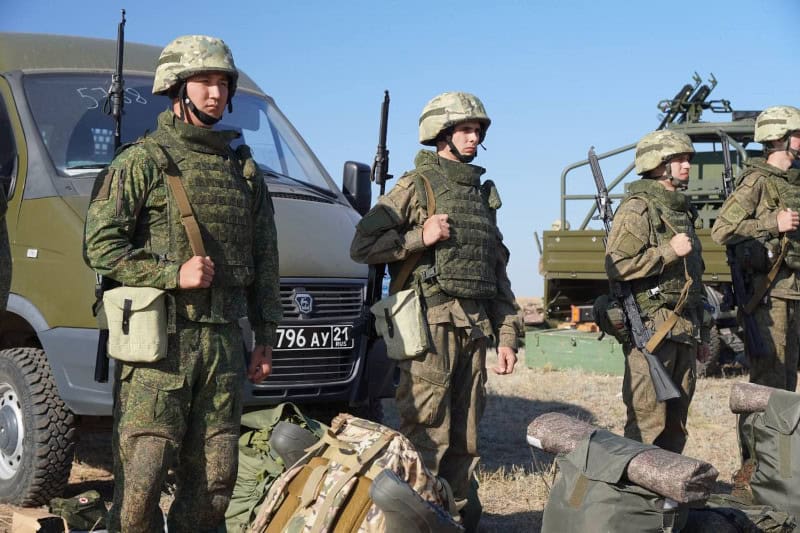
Moscow has introduced a new law allowing for reservists to be mustered to counter Ukrainian drone strikes targeting Russian oil refineries and other key facilities.
-
Ukrainian intelligence details Russia’s new V2U autonomous loitering munition
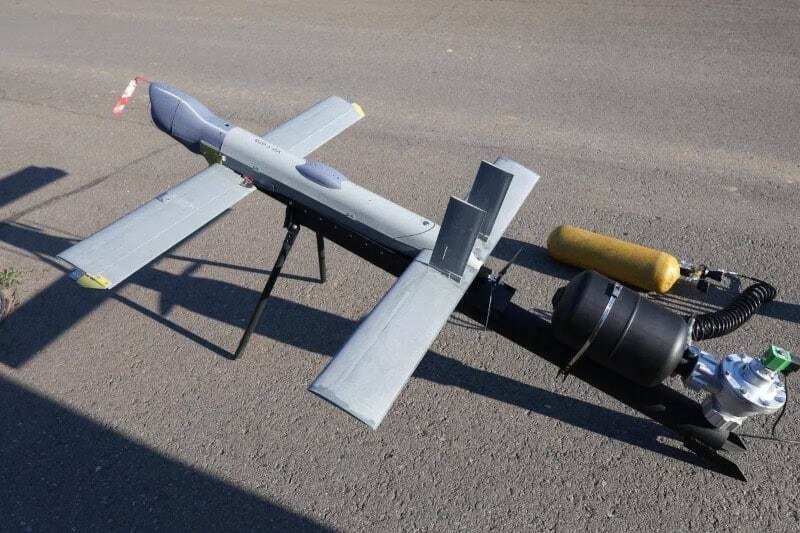
Russia has developed a new loitering munition called the V2U that, according to Ukrainian reports, can use AI to navigate and strike targets and may be able to collaborate with other drones as part of a swarm. If these reports are accurate, the V2U marks a significant step forward in Russian autonomous drone development.
-
Ukraine bets on unmanned systems with expansion of best drone units
Ukraine announced a new initiative to expand some of its best drone units and replicate their strengths across the force. Amid a shortage of infantry, Kyiv is leaning even more on drone units to serve as a force multiplier in support of ground troops.

-
Russia announces plans to form Unmanned Systems Forces
Russia unveiled plans to form a new branch dealing with unmanned systems, echoing a similar move by Ukraine. This decision reflects both the increasing importance of drones and a desire to systematize related evolutions within the Russian military.
-
Generation Jihad Ep. 89 — Update on the War Between the Wars
Host Bill Roggio is joined by FDD Senior Fellow Behnam Ben Taleblu to disuss Behnam’s major new FDD Monograph — Arsenal: Assessing the Islamic Republic of Iran’s Ballistic Missile Program — including through the lens of Iran’s shadow war against Israel, AKA “the war between wars.”
-
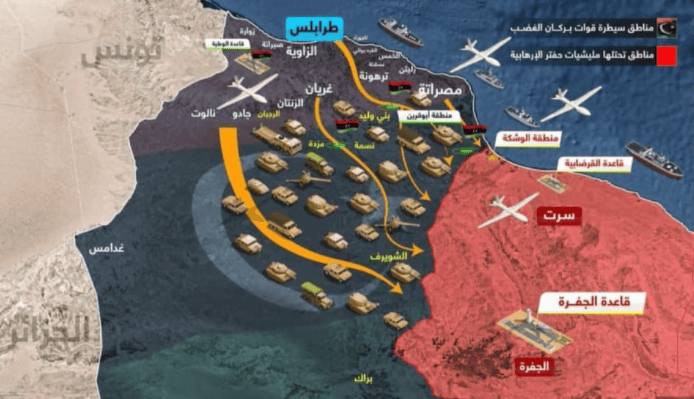
Russian air defense systems outmatched by Turkish drones in Syria and Libya
After many years of conflict in Syria and Libya, the involvement of Turkey, Russia and other powers is leading to increasingly sophisticated clashes between the latest UAV and air defense technology. The use of new technology has ramifications for future conflicts in the Middle East and provides an emerging model for how regional powers are fighting proxy wars to redraw the balance of power in the region.
-
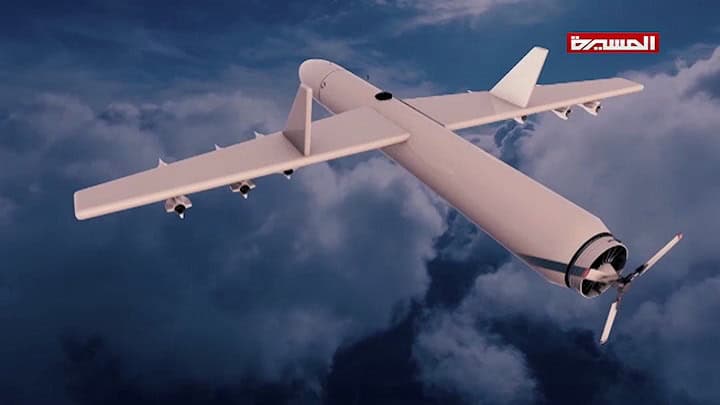
Analysis: Houthi drone strikes in Saudi Arabia and Yemen
Beginning last year, the Houthis have launched dozens of drone strikes inside Saudi Arabia and Yemen. FDD’s Long War Journal has mapped these strikes.
-
Yemen’s Houthis target Saudi airports
The Houthi insurgents claimed hitting a southern Saudi airport with a cruise missile, as well as drone strikes.

-
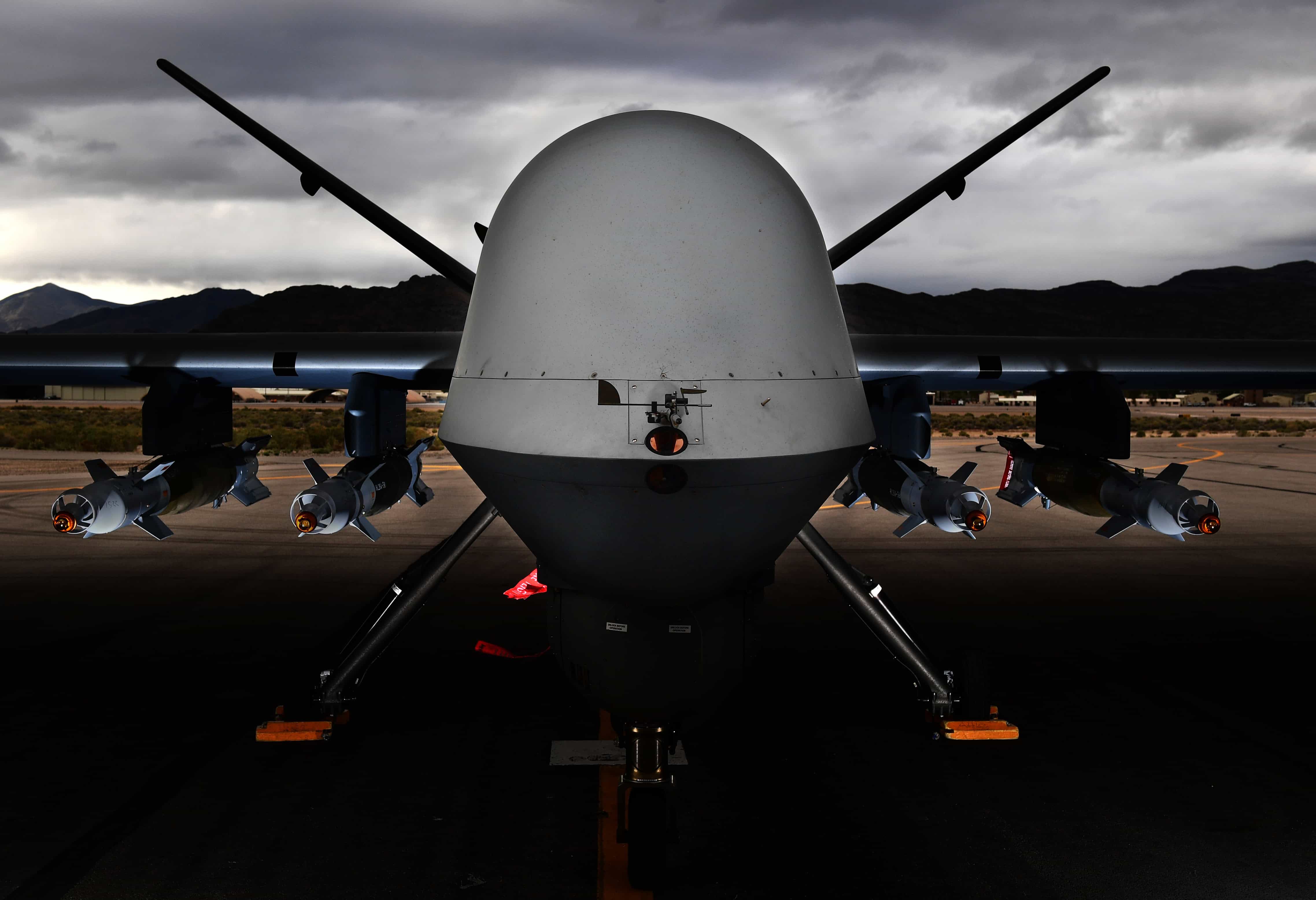
Pakistan ‘condemns drone strike’ that killed Haqqani Network commander
The Pakistan government often criticizes US airstrikes that kill members of the Afghan Taliban, including Haqqani Network leaders.
-
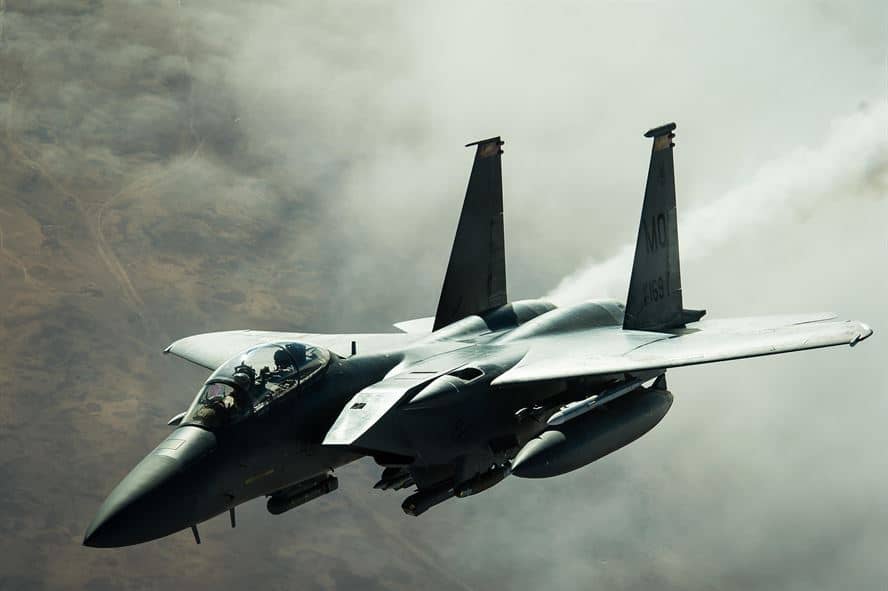
US resumes strikes against Islamic State in Libya
US Africa Command launched airstrikes against the Islamic State in Libya for the first time in eight months. AFRICOM also revealed to FDD’s Long War Journal that an estimated 800 to 900 Islamic State fighters were killed during Operation Odyssey Lightning’s air campaign in Sirte last year.
-
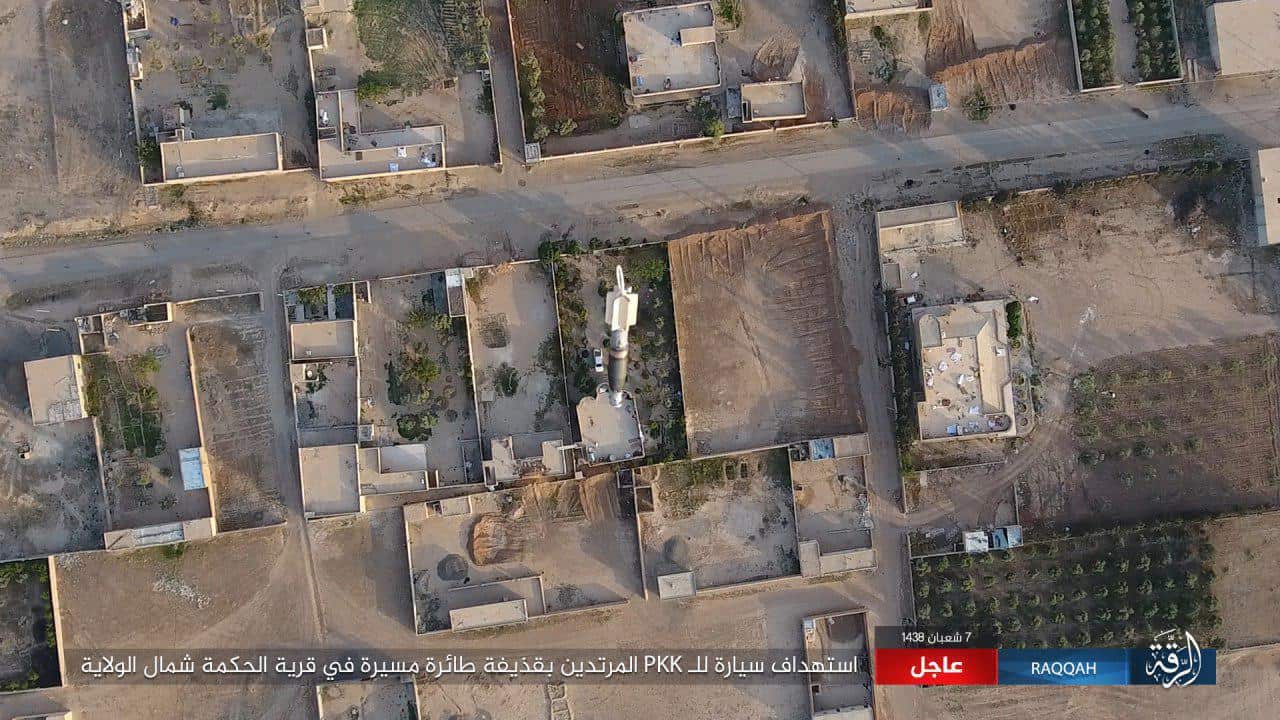
US-led coalition kills 3 Islamic State ‘drone experts’ in eastern Syria
The US-led coalition announced that three Islamic State figures were killed in airstrikes in Mayadin, Syria between Sept. 12 and 14. All three worked for the so-called caliphate’s drone program. The US has carried out a targeted air campaign against the group’s personnel in or near Mayadin since earlier this year.
-
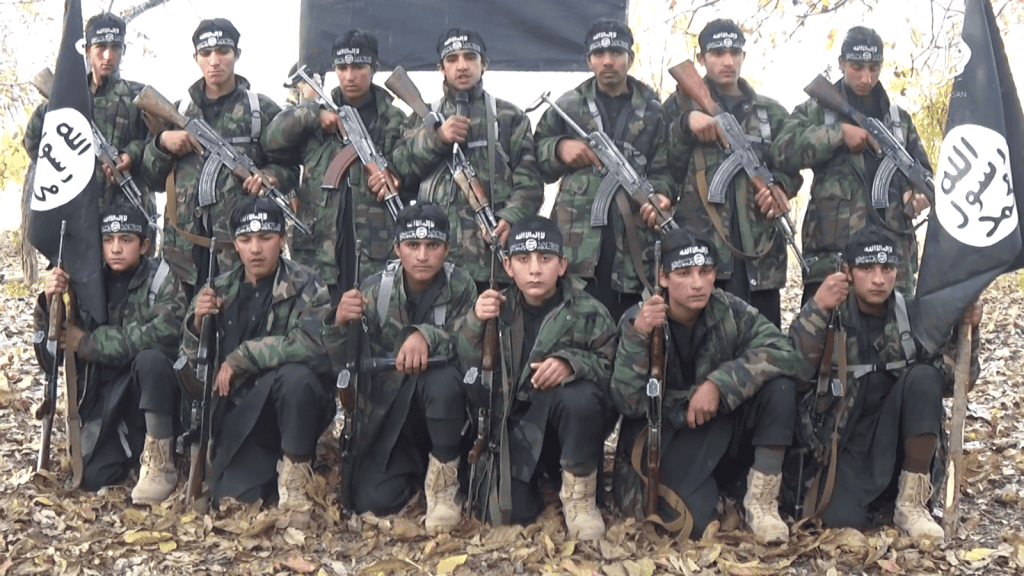
CENTCOM: Three senior Islamic State foreign fighters killed
CENTCOM announced today that “three senior foreign fighters” in the Islamic State were killed in recent weeks. Two of them were reportedly involved in the group’s “external operations” and one of them was a trainer in the “Cubs of the Caliphate” program, which indoctrinates youth. The third jihadist helped oversee the Islamic State’s use of small drones.
-
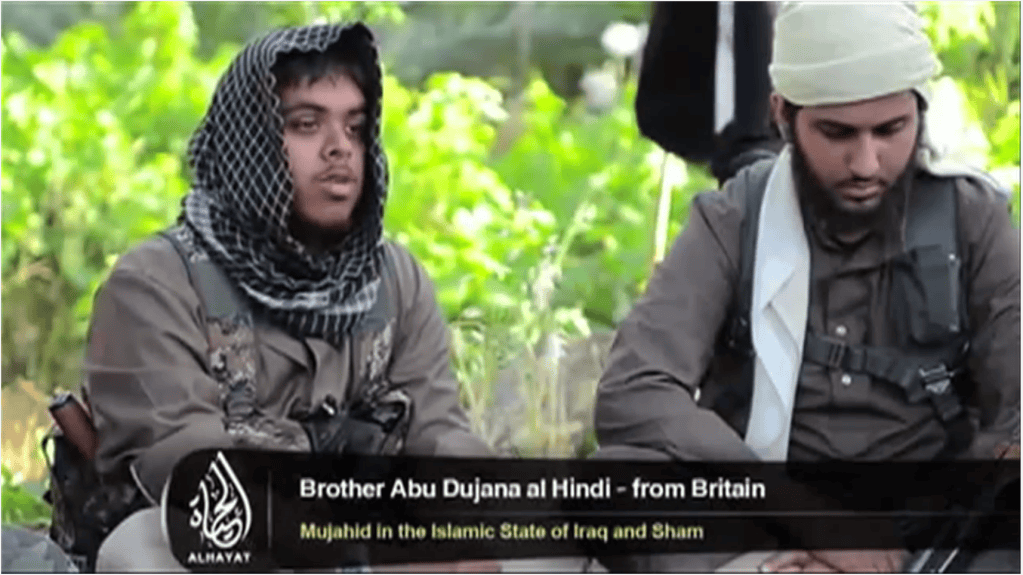
Why the UK launched its first targeted drone strike ever
The UK Parliament’s Intelligence and Security Committee has released its investigative report on the Aug. 21, 2015 drone strike that killed UK national Reyaad Khan. The bombing was “the first time outside participation in a military campaign that the UK had conducted a lethal drone strike against a terrorist target.” Khan was one of the Islamic State’s most prolific cyber planners.
-
Pakistani Taliban confirms senior al Qaeda commander killed in Afghanistan
The Pakistani Taliban confirmed today that Qari Muhammad Yasin, a senior al Qaeda military commander, was killed along with three of his “companions” in a US drone strike on Mar. 19. The airstrike was carried out in Afghanistan’s eastern Paktika province. Yasin was a member of the Punjabi Taliban, which includes jihadists from various other Pakistani terrorist organizations who are aligned with al Qaeda.

-
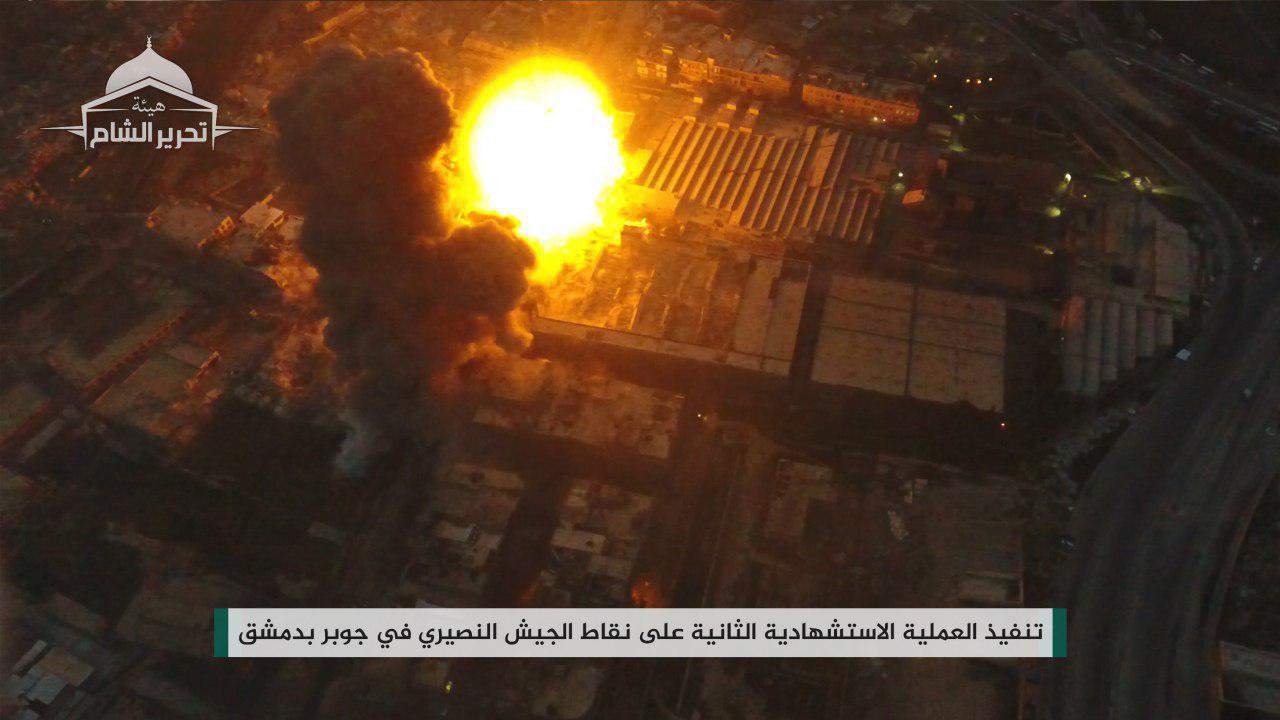
Insurgents launch new offensive in outskirts of Damascus
Hay’at Tahrir al Sham (HTS), Ahrar al Sham, and the Free Syrian Army-affiliated Faylaq al Rahman launched a surprise offensive against Bashar al Assad’s regime in Damascus yesterday. HTS, an al Qaeda front group, has been stepping up its attacks in the Syrian capital in recent weeks.
-
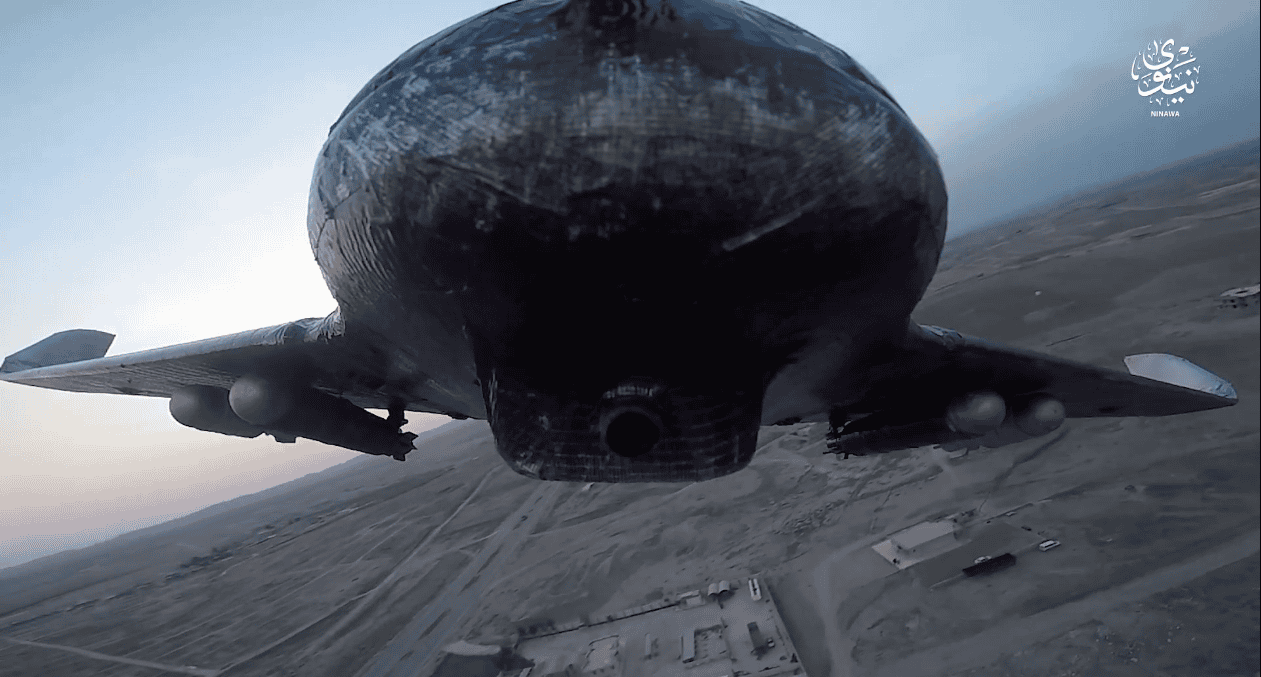
Islamic State uses improvised weapons of war in Mosul, Iraq
The Islamic State’s Ninawa province has released a video highlighting its use of improvised weapons of war in the battle for Mosul, Iraq. The weapons include: vehicle-borne improvised explosive devices (VBIEDs) with armor attached, modified drones, and a remote-controlled rocket launcher. Children or young adolescents used as “martyrdom” bombers are also featured in the propaganda production.
-
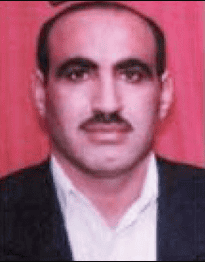
Zawahiri’s deputy sought to ‘unify’ Syrian rebels
The US killed al Qaeda veteran Abu al Khayr al Masri in a drone strike in Idlib, Syria in late February. Masri was identified as al Qaeda’s “general deputy” in July 2016. He worked to unite Syrian rebel groups under a common banner.
-
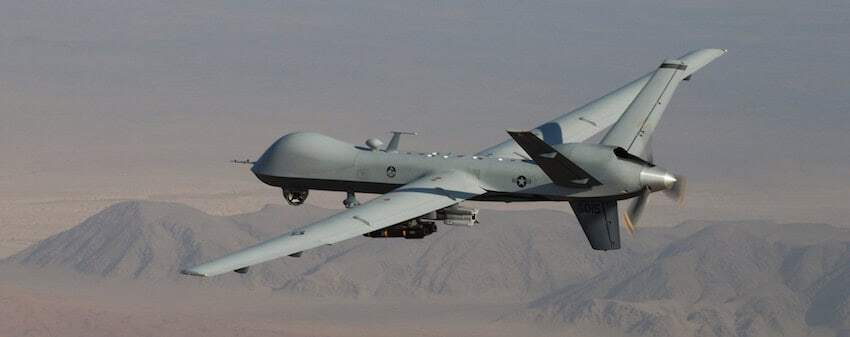
US government releases data on ‘counterterrorism strikes outside areas of active hostilities’
ODNI released some information on counterterrorism raids as part of an effort to provide more transparency on these operations. US intelligence claims that between 2,372 to 2,581 combatants and between 64 to 116 civilians were killed in 473 strikes in areas outside of Afghanistan, Iraq, and Syria since President Obama took office.
-
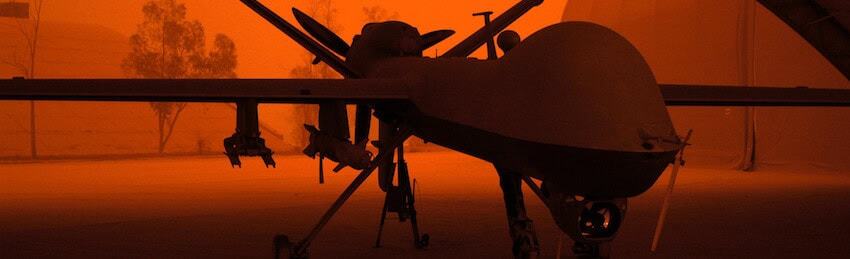
US military announces 3 new airstrikes in Yemen
“We remain committed to defeating AQAP and denying it safe haven regardless of its location,” CENTCOM said while announcing three previously undisclosed drone strikes.
-
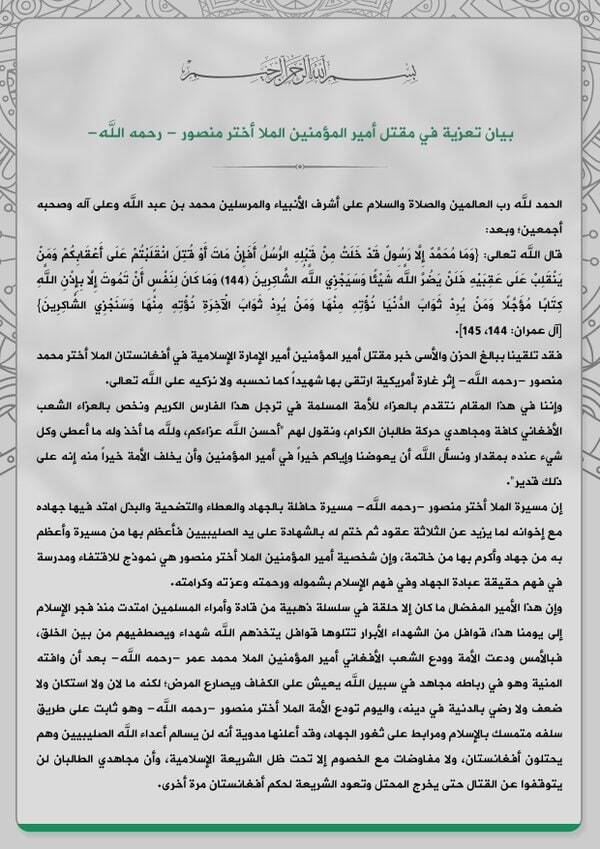
Al Qaeda branches eulogize Taliban leader Mullah Mansour
Al Qaeda in the Arabian Peninsula, Al Qaeda in the Islamic Maghreb and Al Nusrah Front have jointly issued a eulogy for Mullah Mansour, the Taliban’s chief leader. Mansour was killed in an American drone strike on May 21.
-
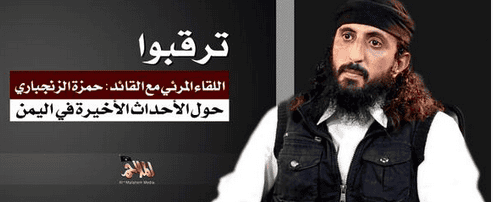
Senior AQAP commander reportedly killed in US drone strike in Yemen
According to jihadists on social media and press reports, a prominent AQAP commander named Jalal Bala’idi was killed in a US drone strike launched last night. Bala’idi’s death has not been confirmed. He has led AQAP’s forces in a number of key battles and once claimed that his group has trained “thousands” of Sunnis. In December, Bala’idi was seen congratulating his fighters after they overran the town of Jaar.
-
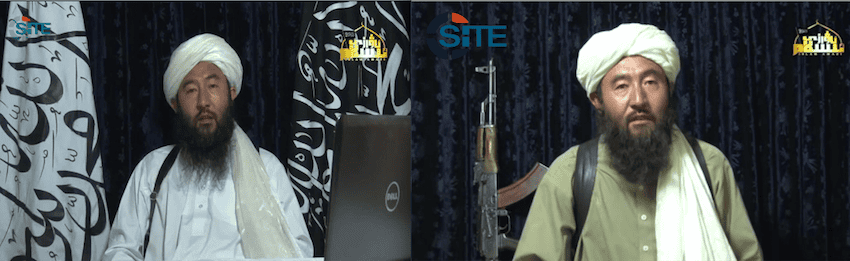
Turkistan Islamic Party emir thought killed in 2010 reemerged to lead group in 2014
US intelligence agencies thought that Abdul Haq al Turkistani, a member of al Qaeda’s executive council, was killed in a drone strike in February 2010. But according to a jihadist media outlet, he was badly wounded but recovered and assumed command of the Turkistan Islamic Party in 2014.
-
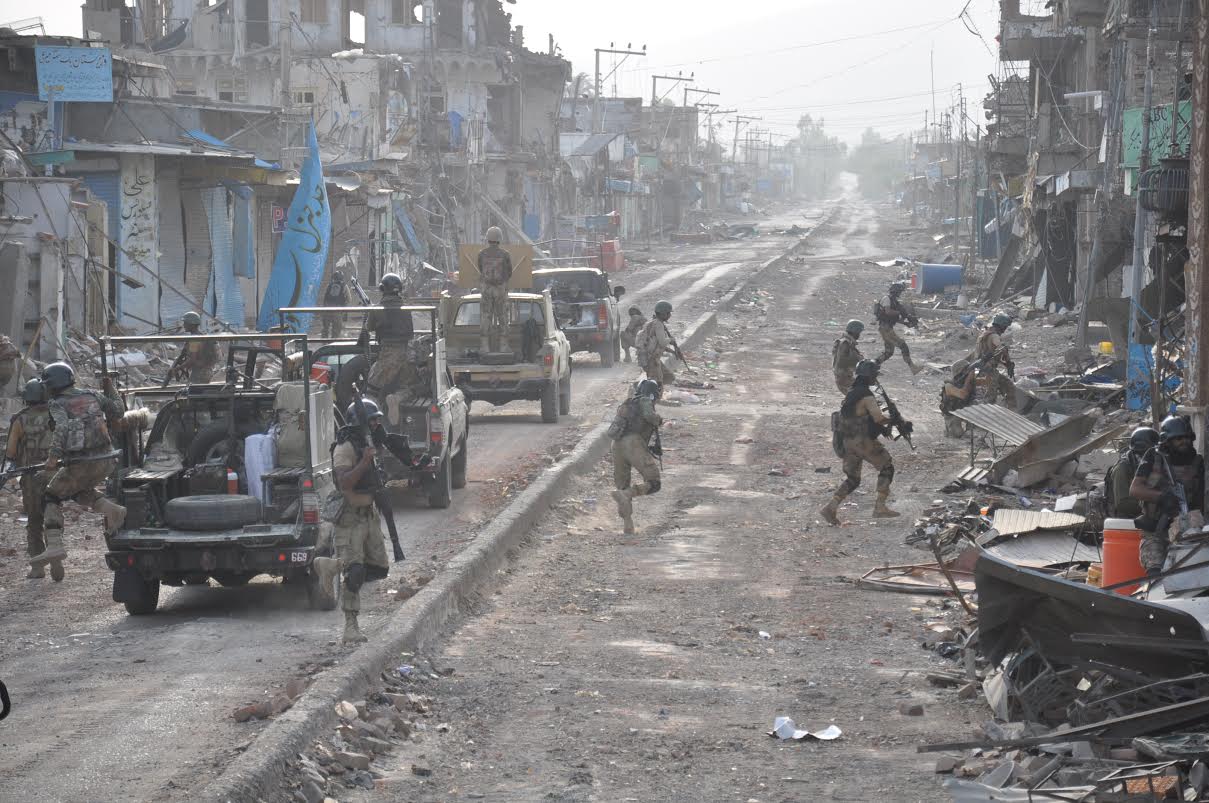
Suicide bomber kills 7 Pakistani troops in North Waziristan
The attack took place in a section of Pakistan’s tribal agencies where the the US is concentrating its drone campaign in North Waziristan.
-
US kills Afghan Taliban fighters in drone strike in Pakistan
Five of the eight strikes that have taken place in Pakistan so far this year have targeted jihadists operating in the Shawal Valley, which spans both North and South Waziristan.
-
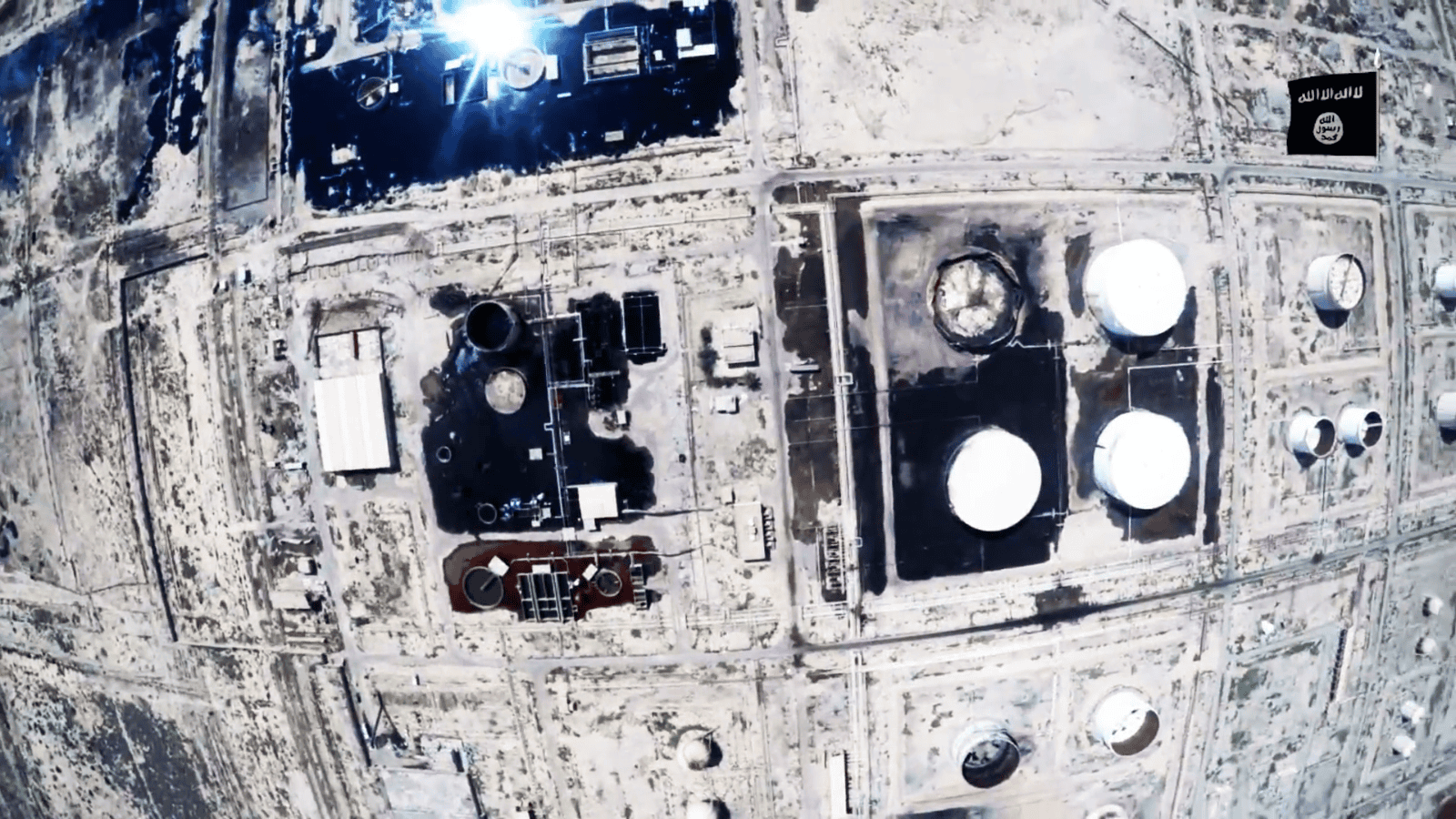
Islamic State uses drones to coordinate fighting in Baiji
In a new video from Baiji, the Islamic State highlighted the use of a drone to gather intelligence for its “operations control room” directing the fighting at the oil refinery complex. The jihadist group has showcased the use of drones before, most notably at the Brigade 93 base in Raqqah last summer.
-
US killed AQIS deputy emir, shura member in January drone strikes
Al Qaeda in the Indian Subcontinent confirmed that deputy emir Ustad Ahmad Farooq and shura member Qari ‘Imran were killed in separate strikes in January. Farooq was identified in Osama bin Laden’s documents as an up and coming al Qaeda leader.

-
‘Foreigners’ among 7 jihadists killed in US drone strike in Pakistan
The strike took place in the Shawal Valley, a jihadist hub that spans both North and South Waziristan.
/assets/images/featured-image-default.jpg)
-
US targets emir of Punjabi Taliban in pair of drone strikes in North Waziristan
Asmatullah Muawiya is said to have been targeted in one of the two strikes that took place today in Shawal area of North Waziristan in Pakistan.

-
US drones strike in jihadist stronghold in North Waziristan
The Pakistani military claimed it “cleared” the Datta Khel area in September 2014 as part of operation Zarb-e-Azb. The US has launched seven drone strikes in Datta Khel since then.