-
Iranian ballistic missile operations: 2024–2026
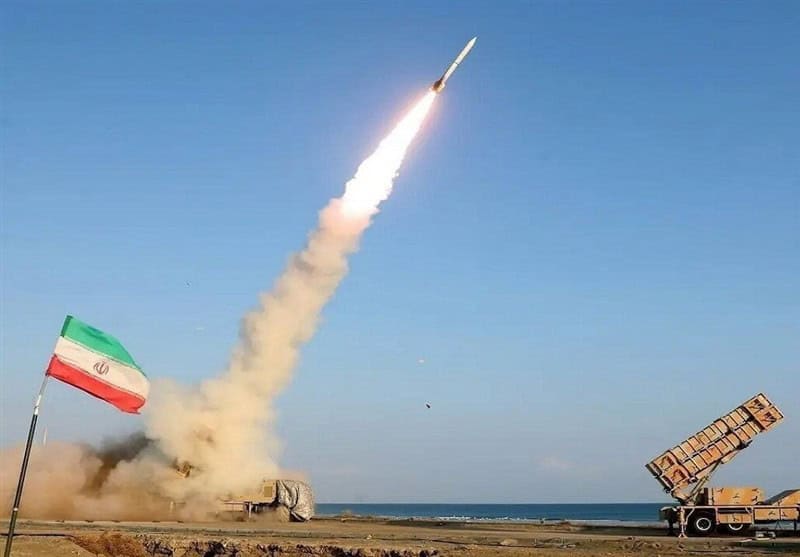
Over the past two years, the Islamic Republic has engaged in at least 15 distinct ballistic missile operations from its territory against foreign targets. Despite a pause in these attacks in 2023, the 2024–2026 period resumed a trend of increasing Iranian missile operations in the region between 2017–2022.
-
Analysis: Why Iran’s ballistic missile launches are declining
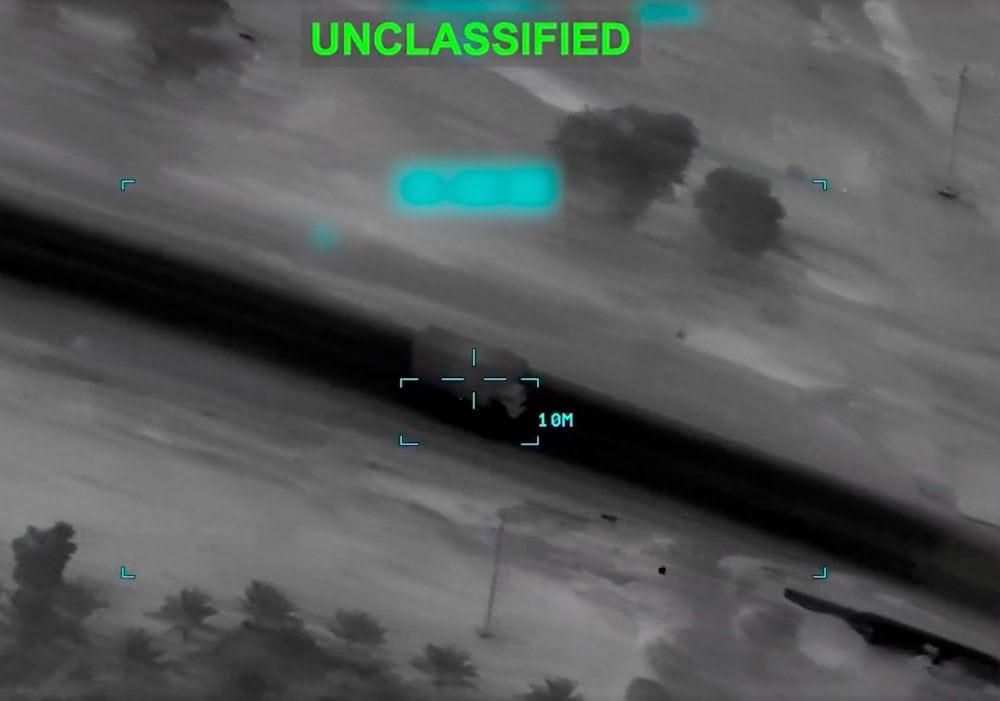
Iran has lashed out at its neighbors with hundreds of missiles and drones. However, a careful analysis of the data shows that Tehran’s ballistic missile launches have been dropping since the start of the conflict, largely because of the impact of US and Israeli strikes.
-
Report: Iran rebuilding its ballistic missile program
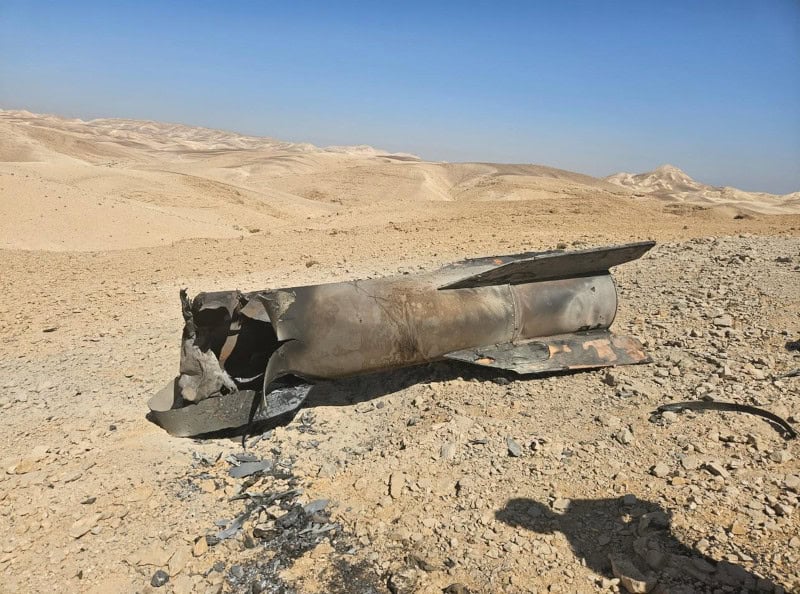
With the help of China, Tehran is importing a chemical precursor for its medium-range ballistic missiles despite recently imposed United Nations sanctions, CNN reported. The report assesses that Tehran “appears to be stepping up the rebuilding of its ballistic missile program” following the 12-day war with Israel in June.
-
Generation Jihad Ep. 89 — Update on the War Between the Wars
Host Bill Roggio is joined by FDD Senior Fellow Behnam Ben Taleblu to disuss Behnam’s major new FDD Monograph — Arsenal: Assessing the Islamic Republic of Iran’s Ballistic Missile Program — including through the lens of Iran’s shadow war against Israel, AKA “the war between wars.”

-
Analysis: Houthi missiles against the Saudi-led coalition
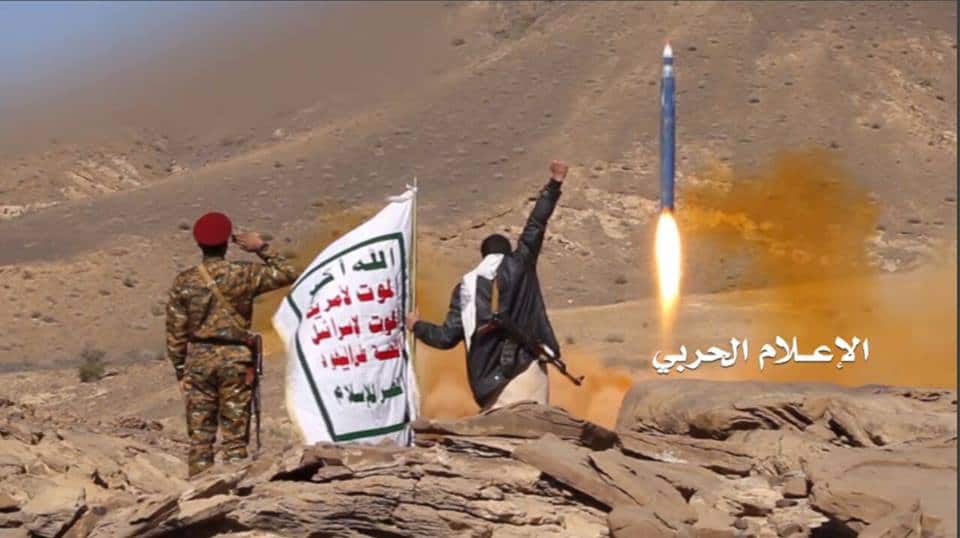
Since 2015, the Houthi insurgents in Yemen have launched a myriad of ballistic missiles into Saudi Arabia, the United Arab Emirates, and at various sites across Yemen. FDD’s Long War Journal has mapped these missile launches.
-
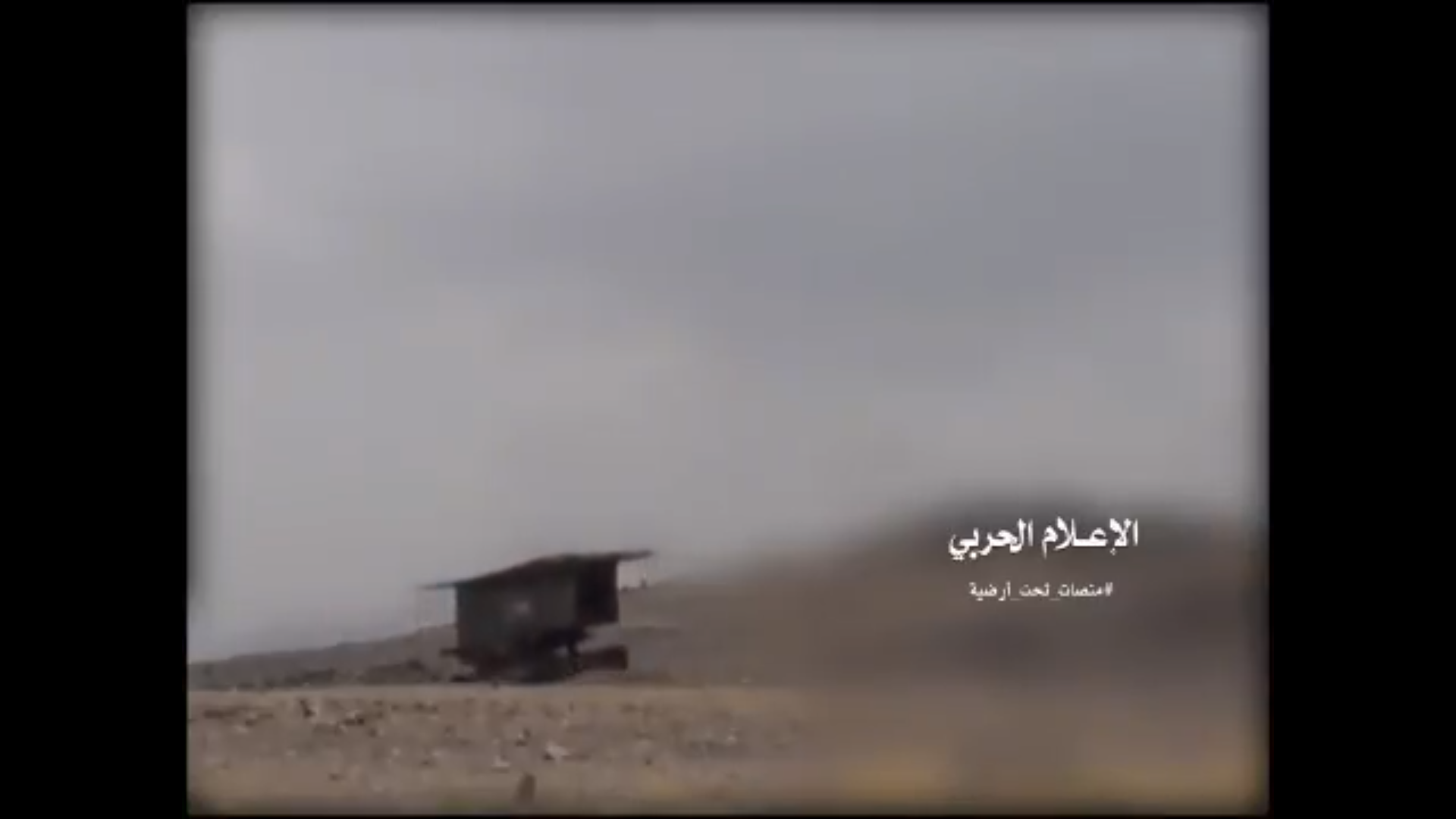
Yemen’s Houthis highlight new underground missile launchers
The Houthi rebels showed off new ballistic missile technology in a new missile launch directed at an airport in southern Saudi Arabia.