-
Trump announces sanctions relief for Syria
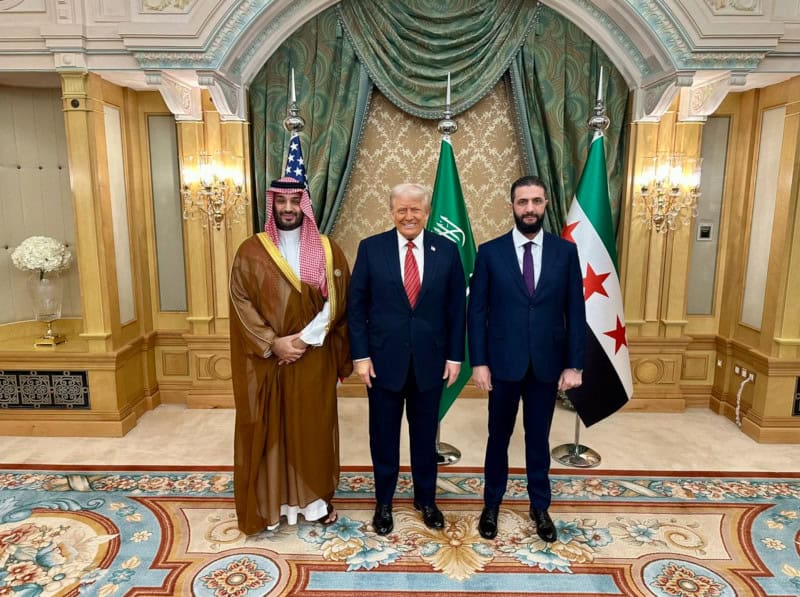
On June 30, US President Donald Trump announced the revocation of numerous sanctions on Syria, as he had promised Syrian President Ahmad al Sharaa to do in their May meeting that took place in Riyadh.
-
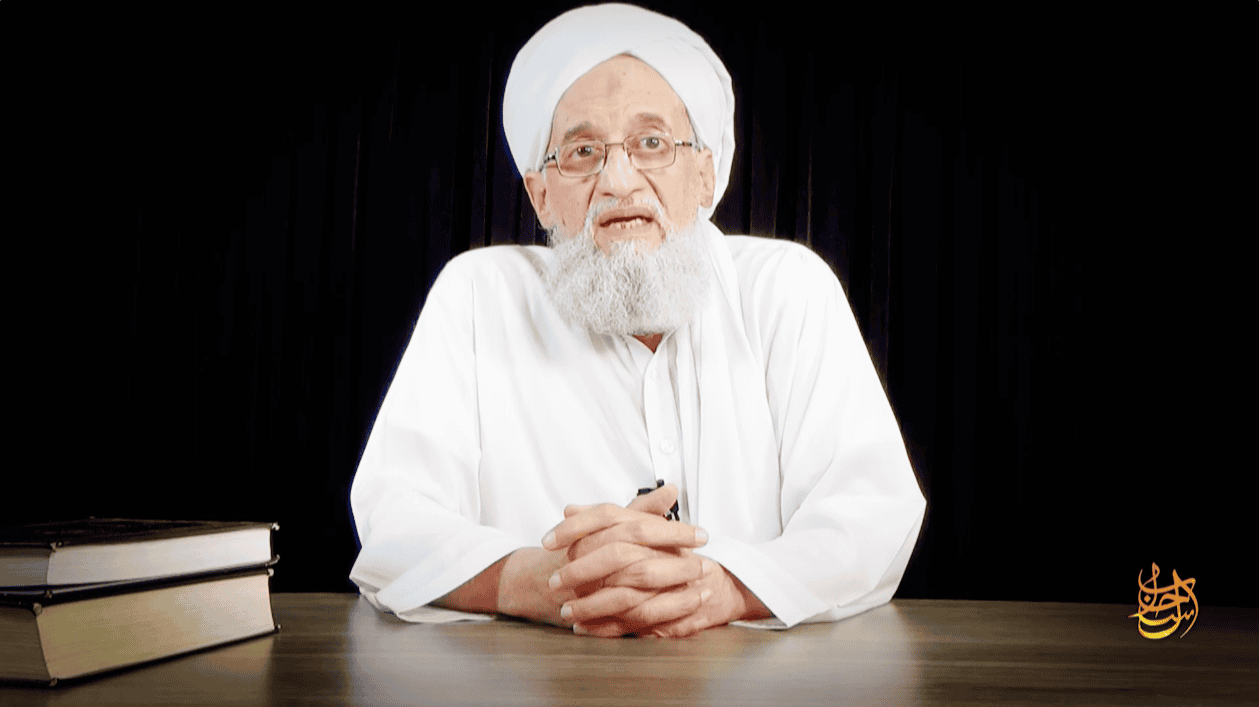
Al Qaeda is very much alive, and widely misunderstood
AL Qaeda’s operatives are fighting in more countries around the world today than was the case on 9/11. And its leaders still want to target the United States and its interest and allies. The war they started is far from over.
-
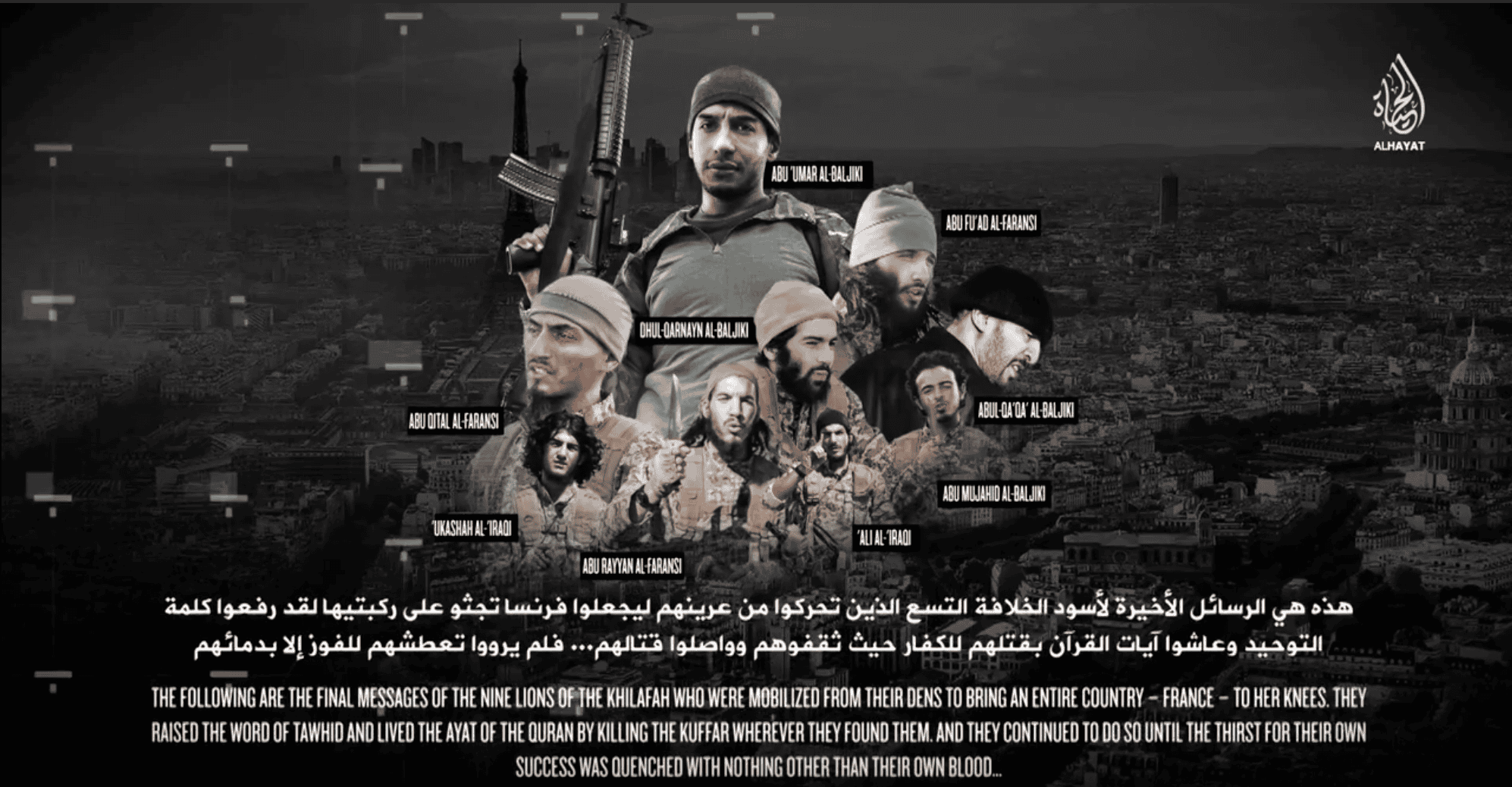
State Department designates ‘coordinator’ of Islamic State attacks in Europe, 2 others
On June 15, the State Department designated three Islamic State operatives as terrorists. The designations underscore the global nature of the self-declared caliphate’s threat, as two of the men have been responsible for a number of plots in Europe and India. The third has repeatedly attempted to convince his fellow Bahrainis to join the group’s cause.
-
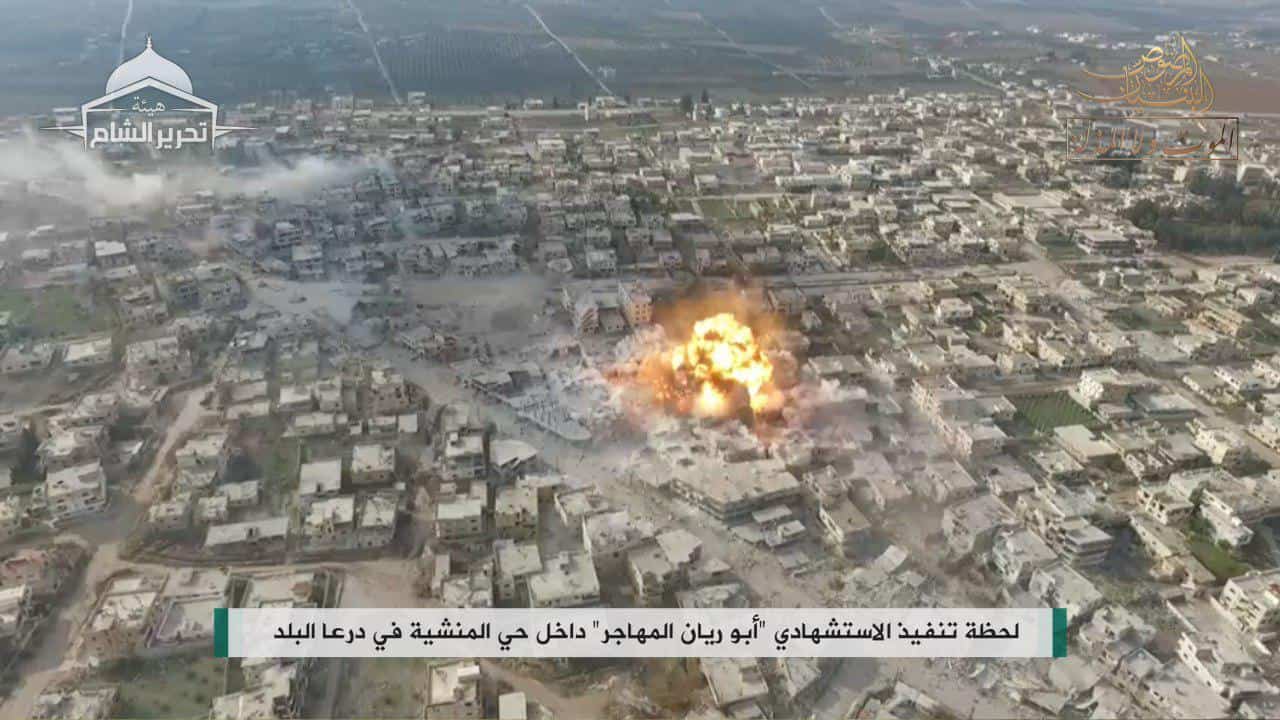
Treasury, UN sanction 2 senior leaders in al Qaeda’s Syrian branch
The US Treasury Department and the UN have added two senior jihadists to their terror sanctions lists. Both of them were leaders in the group formerly known as Al Nusrah Front, al Qaeda’s official branch in Syria. Treasury’s announcement provides new details about al Qaeda’s operations in Syria, including the organization’s history and personnel.
-
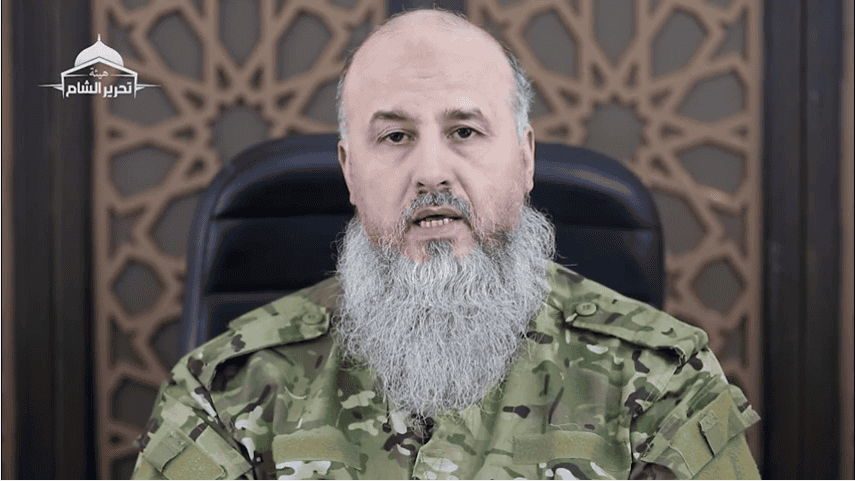
Hay’at Tahrir al Sham leader calls for ‘unity’ in Syrian insurgency
Abu Jaber has released his first speech as the general commander of the newly formed Ha’yat Tahrir al Sham (“Assembly for the Liberation of Syria”). He calls on other factions to join his group, promises to wage jihad on Bashar al Assad’s regime until the end and claims that losing the war would be catastrophic for Syria’s Sunnis.
-
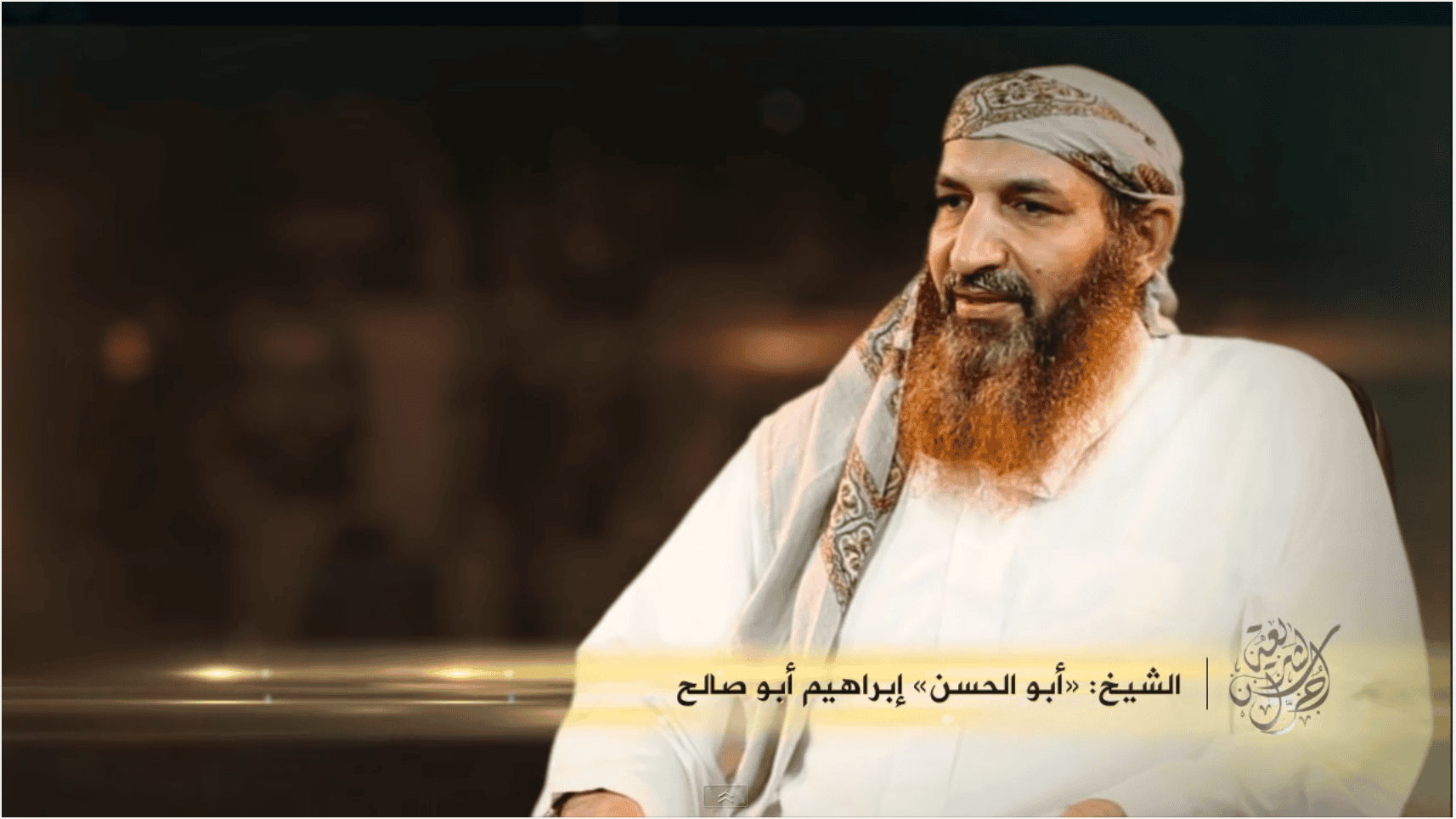
State Department designates founding member of Al Qaeda in the Arabian Peninsula
The State Department has designated Ibrahim al Banna as a terrorist. Al Banna has served as an al Qaeda official in Yemen since the 1990s. He originally joined the Egyptian Islamic Jihad (EIJ) and has been one of Ayman al Zawahiri’s loyalists for decades.
-
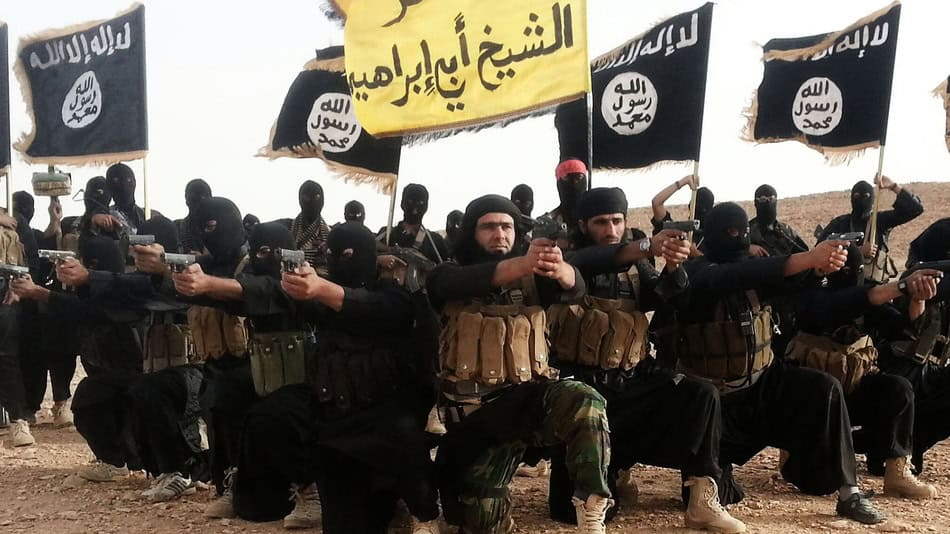
US kills Islamic State’s military emir for Anbar province
Abu Wahib has been waging jihad in Iraq for more than a decade. He fought for al Qaeda in Iraq, was imprisoned and escaped during an al Qaeda assault on a prison in 2014, and is responsible for the Islamic State’s successes in Anbar province.
-
US strike on camp targeted local AQAP fighters, not external network, commander claims
While the AQAP commander’s statement may be technically true, it ignores the fact that jihadist groups’ local and foreign operations support each other, and both pose a threat to the West.
-
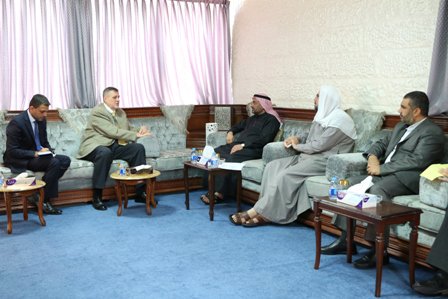
UN official reportedly meets with Iraqi on al Qaeda sanctions list
UN representative Jan Kubis reportedly met with Muthanna Harith al Dari yesterday. The UN National Security Council’s Al Qaeda Sanctions Committee has accused Dari of funding al Qaeda in Iraq.
-
Pentagon confirms French al Qaeda member, Islamic State leader killed in airstrikes
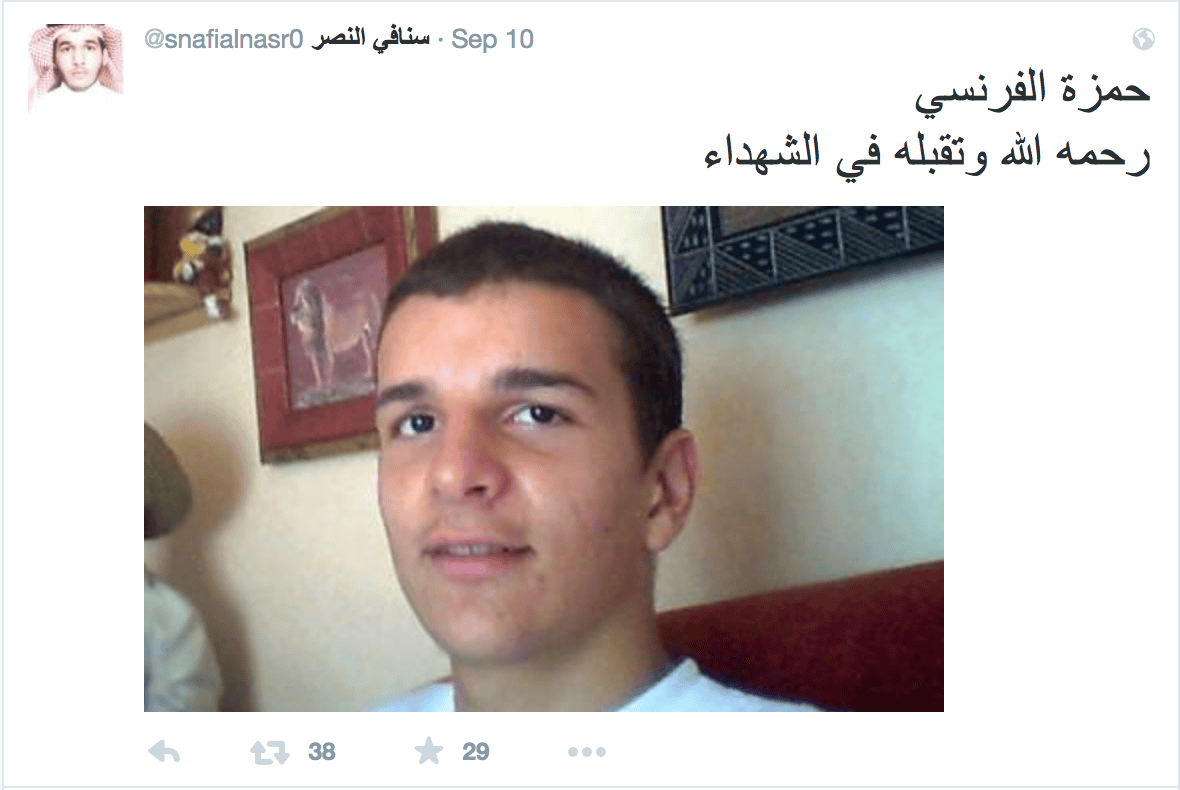
Pentagon press secretary Peter Cook told reporters today that David Drugeon, a French bombmaker who belonged to al Qaeda’s so-called “Khorasan Group,” and Abu Bakr al Turkmani, a senior Islamic State leader, have been killed in airstrikes. Drugeon was killed in July, while al Turkmani perished earlier this month.
-
Ansar al Sharia Libya showcases spoils of war, key personalities in video
A newly released Ansar al Sharia video features Wissam Ben Hamid, a key figure in the security failures surrounding the Sept. 11, 2012 terrorist attack in Benghazi. The video also shows Mohammed al Darsi, who appears to be the same jihadist released in exchange for a Jordanian ambassador earlier this year.

-
Iraq
From IS Militant to Iraq Informant
/assets/images/featured-image-default.jpg)
-
Al Qaeda
How a talented footballer became world’s most wanted man, Abu Bakr al-Baghdadi
-
Al Nusrah Front
Theo Padnos, American Journalist, on Being Kidnapped, Tortured and Released in Syria
-
Al Qaeda in Iraq
Islamic State militants allegedly used chlorine gas against Iraqi security forces
-
France
US, France propose UN sanctions on 15 foreign Islamist fighters
-
The Islamic State’s global reach
A closer look at recent developments in a number of countries should dispel any illusions that the Islamic State’s aspirations and activities are only regional.
-
Al Qaeda in Iraq
Obama says will ‘degrade and destroy’ Islamic State
-
Al Qaeda in Iraq
Iraq’s Sunni and Shiite Turkmens fall out over IS
-
Al Qaeda in Iraq
Military Skill and Terrorist Technique Fuel Success of ISIS
-
Al Qaeda in Iraq
Islamic State seeks women
-
Al Qaeda
Did Ankara miss its chance to head off the Islamic State?
-
Islamic State
Islamic State takes Akhtarin
-
Al Qaeda in Iraq
As ISIS Militants Exert Their Control, US Pursues a Military Middle Road
-
Analysis: Islamic State advertises war crimes in video
A video disseminated by the Islamic State celebrates the group’s depravity. Warning: This article includes graphic images of violence.

-
Al Qaeda
How a talented footballer became world’s most wanted man, Abu Bakr al Baghdadi
-
Al Nusrah Front
Is Lebanon at risk of becoming the next jihadi hub?
-
Al Qaeda in Iraq
Records show how Iraqi extremists withstood US antiterrorism efforts
-
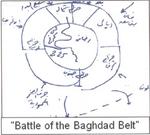
Analysis: ISIS, allies reviving ‘Baghdad belts’ battle plan
The Islamic State of Iraq appears to be using the same plan it implemented in 2006, when it seized Baghdad’s surrounding “belts” and launched attacks into the capital.
-
Al Qaeda in Iraq
Repent or die: al Qaeda forces announce rules for Iraqi territory they now control