-
Generation Jihad Ep. 64 — Minority Report: Ukraine
Bill Roggio provides an update on the current situation in Ukraine following Russia’s invasion, including a clear-eyed and sober analysis of what’s actually happening on the ground. Bill reminds listeners that the West must understand the enemy and how — if we want to help Ukraine — we must be honest about its predicament.

-
Generation Jihad Ep. 63 — Know Thine Frenemy
Host Bill Roggio is joined by Hussain Haqqani, South and Central Asia Director at the Hudson Institute and Pakistan’s former Ambassador to the U.S., for an update on Pakistan — from the Taliban’s victory in resurrecting the Islamic Emirate of Afghanistan to the Pakistani state’s hospitality for jihadis and possible future scenarios for Pakistan, its neighbors, and the region.
-
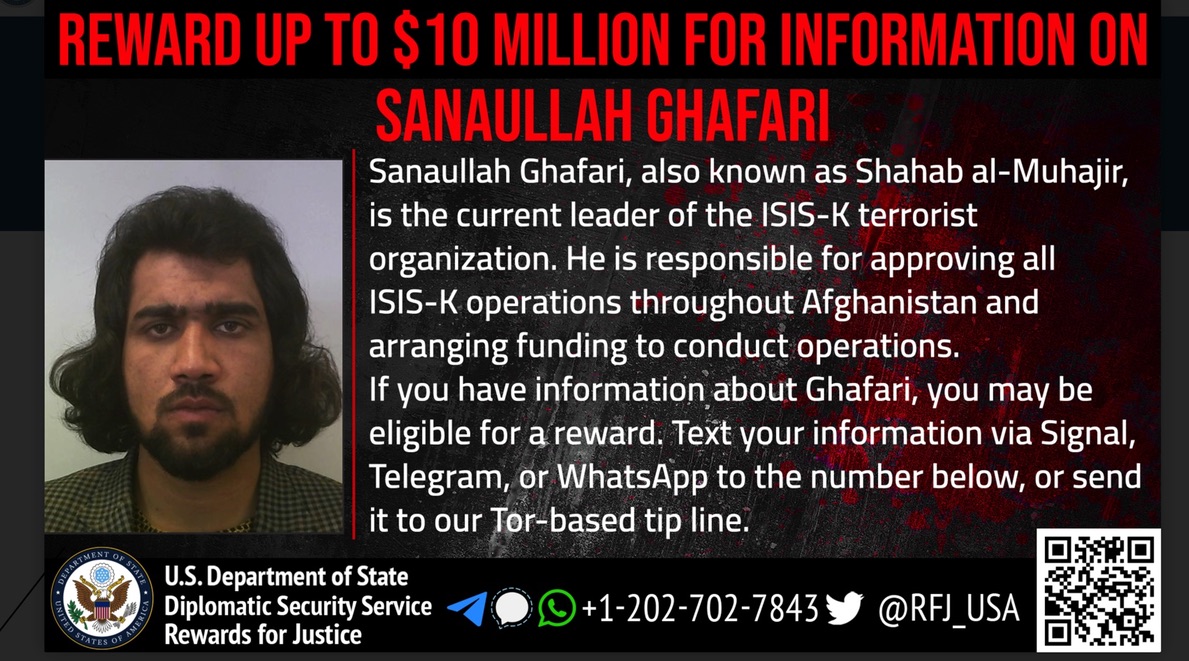
U.S. offers $10 million reward for leader of Islamic State Khorasan Province
Sanaullah Ghafar, who is also known as Shabab al-Muhajir, has been identified as an “ambitious new leader” of the Islamic State Khorasan Province. His challenge is to hold off the vastly superior Taliban, which controls Afghanistan.
-
Generation Jihad Ep. 61 — The State of the Jihad
Bill Roggio is joined by Edmund Fitton-Brown, Coordinator of the United Nations Security Council Analytical Support and Sanctions Monitoring Team, to discuss the findings from his team’s latest report on the statuses of ISIS and al-Qaeda.
-
The Dynamic Terrorism Landscape and What It Means for America
On Feb. 2, Bill Roggio testified before the House Committee on Homeland Security at a hearing titled, “The Dynamic Terrorism Landscape and What It Means for America.” His testimony focused on the state of Al Qaeda, the Islamic State, the fall of Afghanistan to the Taliban, state sponsors of terrorism such as Iran and Pakistan, and the growing threat of global jihadism.
-
Ep. 58 — The Year in Review
Hosts Tom Joscelyn and Bill Roggio discuss 5 key stories from 2021 and what they mean for jihadism going forward. Mentioned in the episode Tom’s article in The Dispatch: “The U.S. Must Better Explain Al-Qaeda to the Public” — read via FDD here. Powered by RedCircle Take a look around the globe today and you’ll see jihadists fighting everywhere from West Africa to Southeast Asia. They aren’t the dominant force in all of those areas, or even most of them. But jihadism has mushroomed into a worldwide movement, with al-Qaeda, the Taliban, ISIS and other groups waging guerrilla warfare and…
-
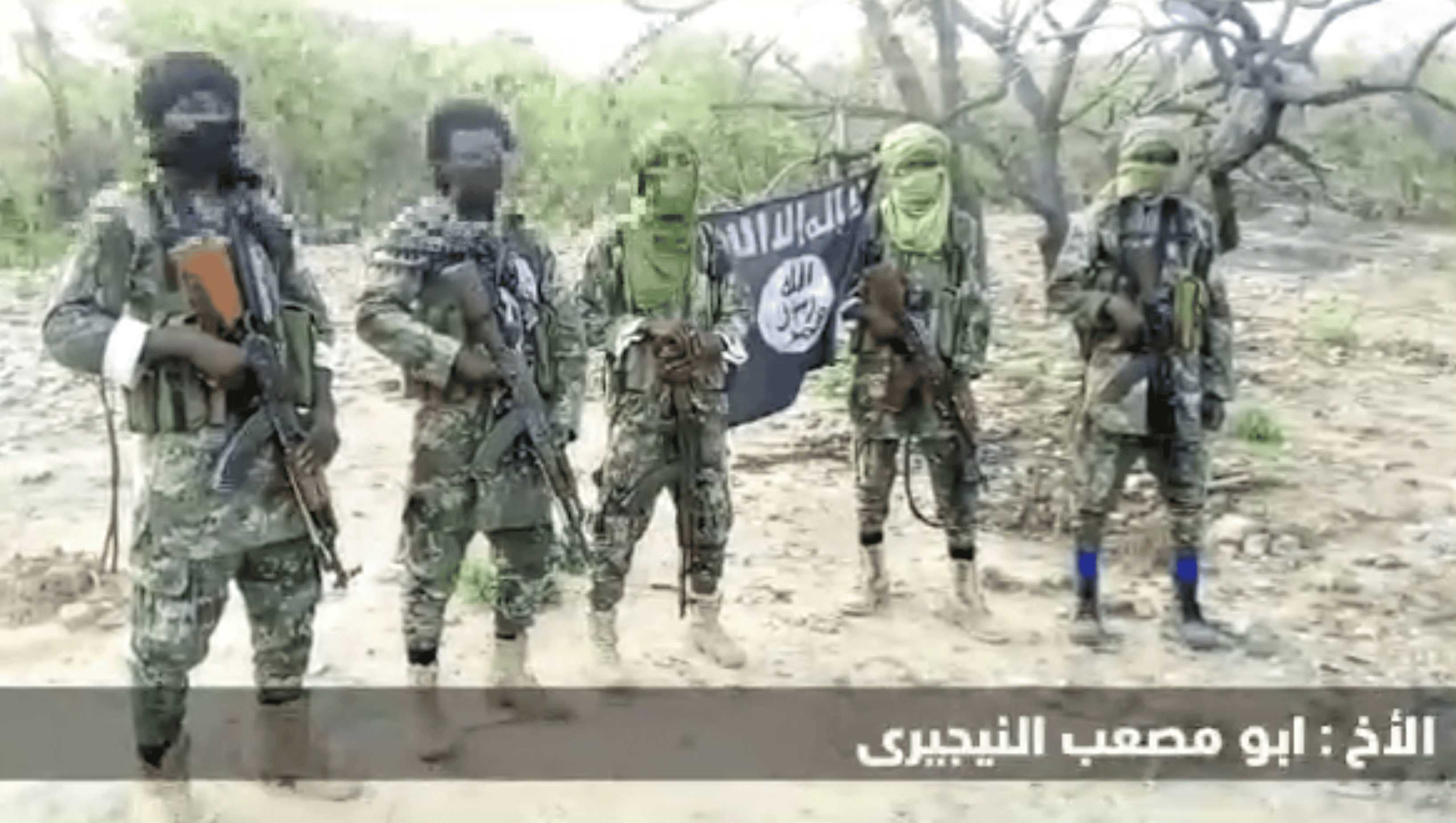
Ansaru congratulates the Taliban in Afghanistan, promotes Al Qaeda ties
Two new videos from Ansaru, or al Qaeda’s franchise in Nigeria, demonstrate the group’s continued ideological affinity and connections to the global jihadist network.
-
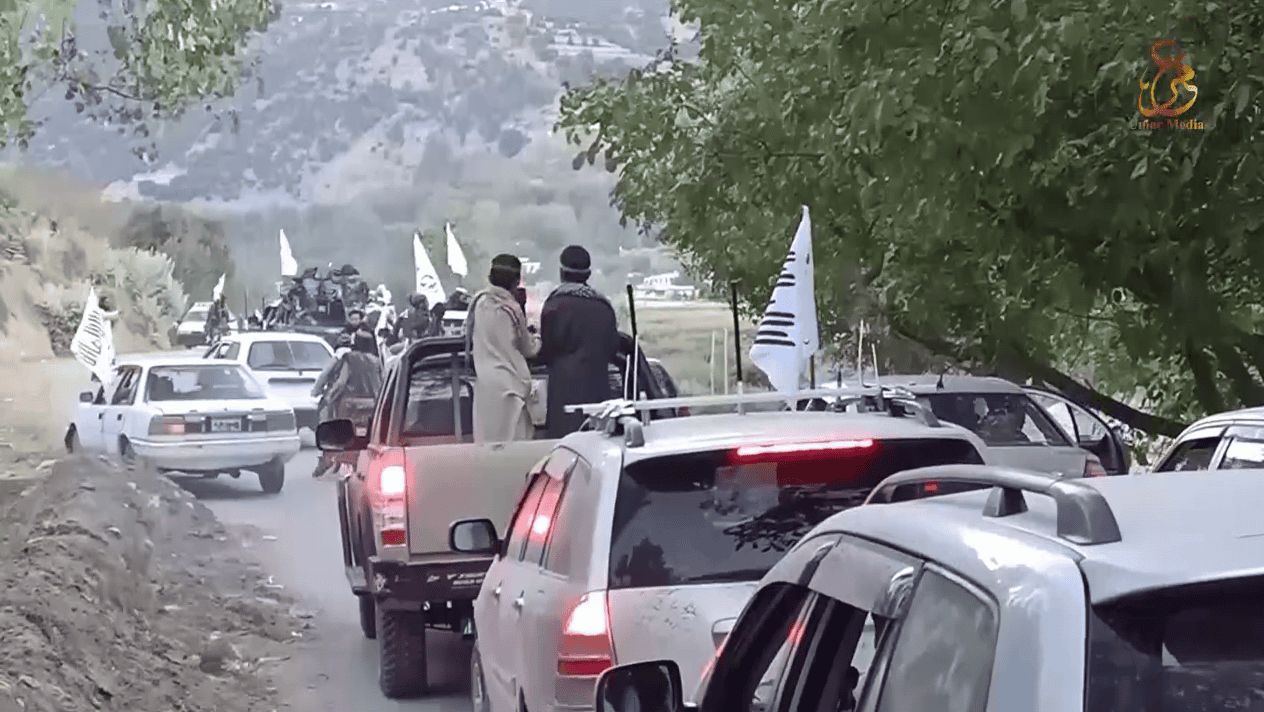
Pakistani Taliban emir says his group “is a branch of the Islamic Emirate of Afghanistan”
TTP emir Noor Wali Mehsud said that his group “is a branch of the Islamic Emirate of Afghanistan” while traveling throughout Pakistan’s northern areas.
-
In fight against Islamic State, the Taliban holds major advantage
The Taliban has the advantage in all of the key areas, save one. The Taliban has state sponsors, terrorist allies, regional support, a marked superiority in weapons and numbers, and controls all of Afghanistan. ISKP can only match the Taliban in one area, and this the will to fight and persevere.
-
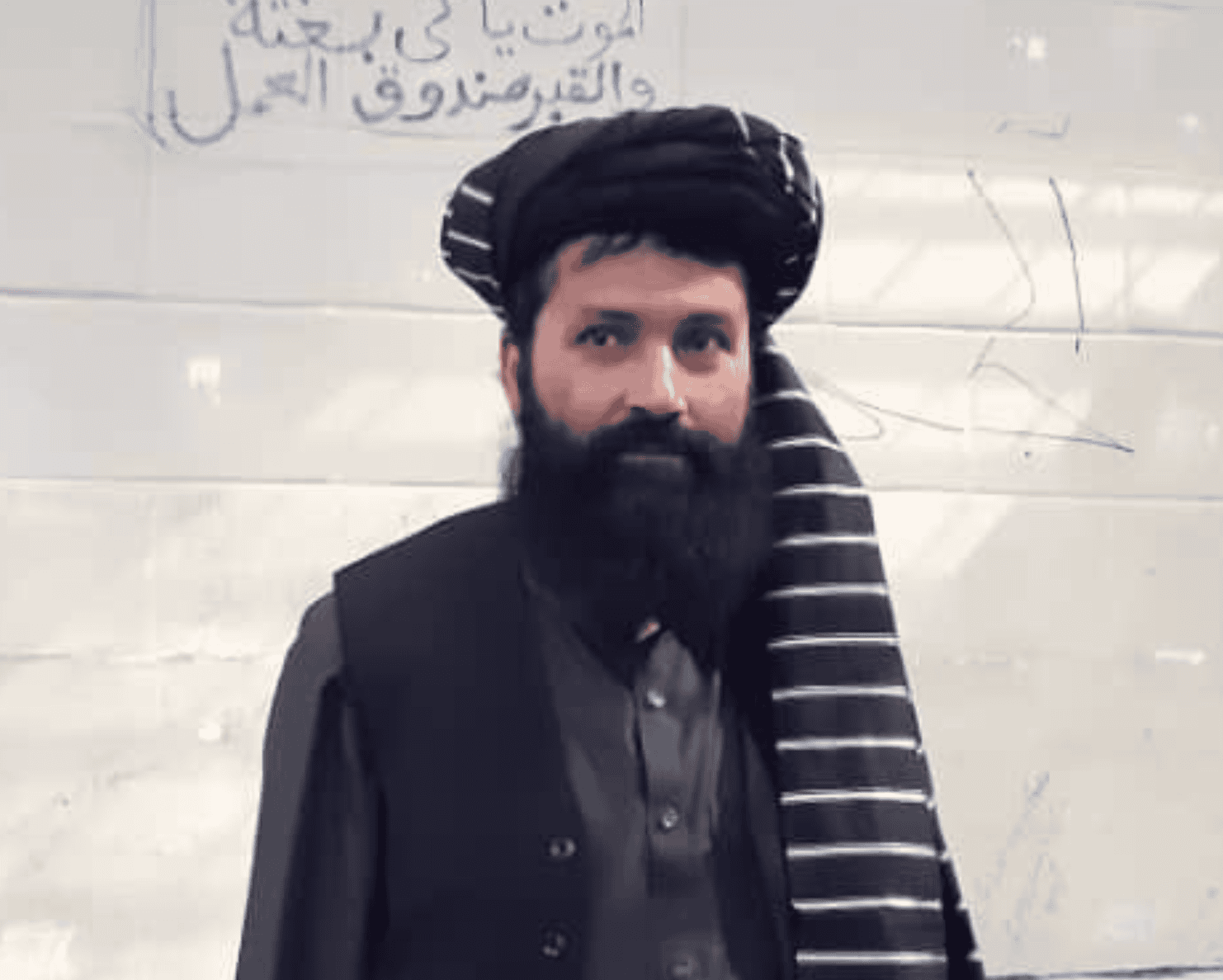
Top Haqqani Network leader named Taliban governor of Logar
Haji Mali Khan was a top Haqqani Network and Taliban leader when he was detained by the U.S. in 2011. He was freed in 2019 in exchange for a U.S. and an Australian professor who were kidnapped in Kabul in 2016.
-
Taliban appoints Kabul Attack Network commander as provincial governor
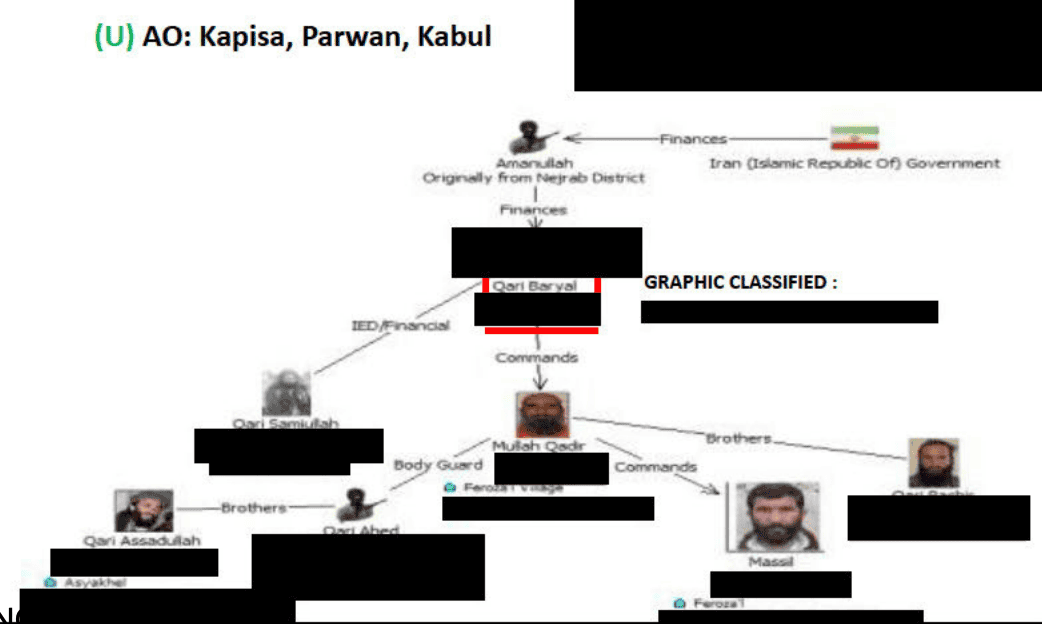
Qari Baryal led an element of the Kabul Attack Network, which attacked Coalition and Afghan forces, as well as civilians, in an around Kabul. He is closely allied with Al Qaeda and has received financial support from Iran.
-
Ep. 57 — The Emperor Was Nude All Along
Hosts Tom Joscelyn and Bill Roggio discuss Tom’s recent testimony before the Senate, why the Islamic State bombed a mosque in Kunduz, and the Pakistani Taliban’s ongoing jihad. Powered by RedCircle Take a look around the globe today and you’ll see jihadists fighting everywhere from West Africa to Southeast Asia. They aren’t the dominant force in all of those areas, or even most of them. But jihadism has mushroomed into a worldwide movement, with al-Qaeda, the Taliban, ISIS and other groups waging guerrilla warfare and launching terrorist attacks on a regular basis. Each week Generation Jihad brings you a new…
-
Movement of the Taliban in Pakistan (TTP) consolidates power in tribal areas
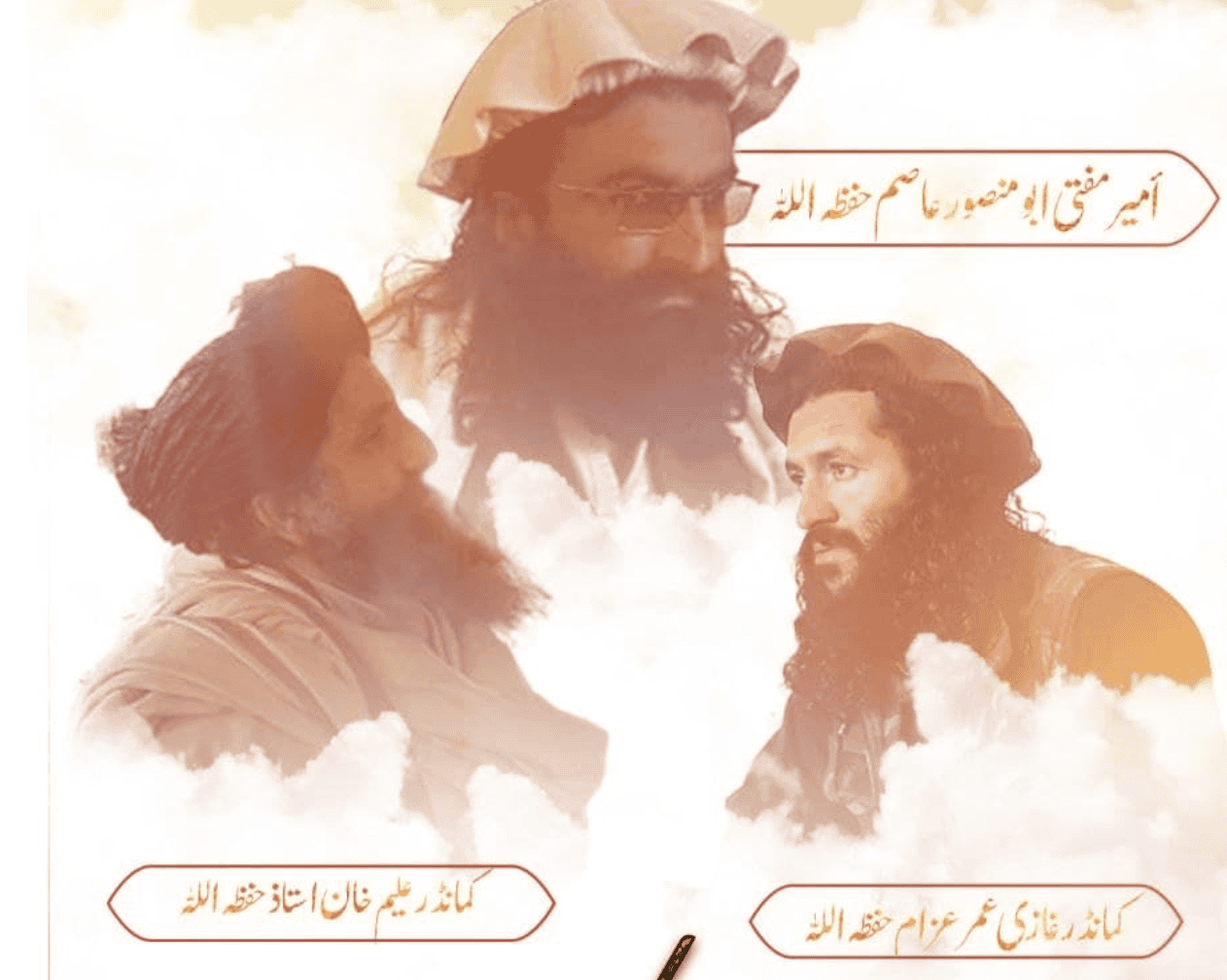
With increased muscle, backing and resources, the TTP – which sent thousands of fighters into Afghanistan to help the Afghan Taliban conquer the country over the summer – can now refocus its efforts on its insurgency in order to overthrow the Pakistani state.
-
Sirajuddin Haqqani’s Ministry of Interior has begun issuing Afghan passports
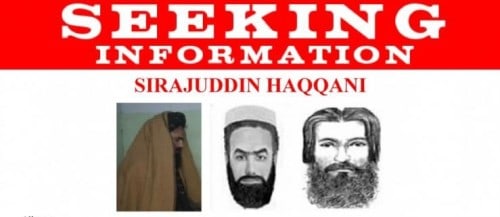
With control of the Ministry of Interior, Sirajuddin now has the power to issue passports to Al Qaeda operatives and their allies, all in the name of the government of Afghanistan.
-
Testimony: The Biden Administration’s Policy on Afghanistan
Note: On September 30, 2021, Thomas Joscelyn testified before the Senate Armed Services Committee at a hearing titled, “To receive testimony on Afghanistan.” You can watch a recording of the hearing here, and you can read his full written testimony here. An excerpt, without footnotes, is below. Chairman Reed, Ranking Member Inhofe, members of the committee, thank you for inviting me to testify today. My written testimony is focused on the terrorism threats emanating from Afghanistan and how to understand them. Below, I first offer my general points. I then take a closer look at the Taliban and the so-called Haqqani Network,…

-
Influential Taliban commanders appointed to key positions in new regime
The Taliban appointed former Guantanamo Bay detainee Mullah Abdul Qayyum Zakir as a deputy minister of defense, while Ibrahim Sadr, who has worked closely with Iran in the past, was named a deputy minister of the interior for security.
-
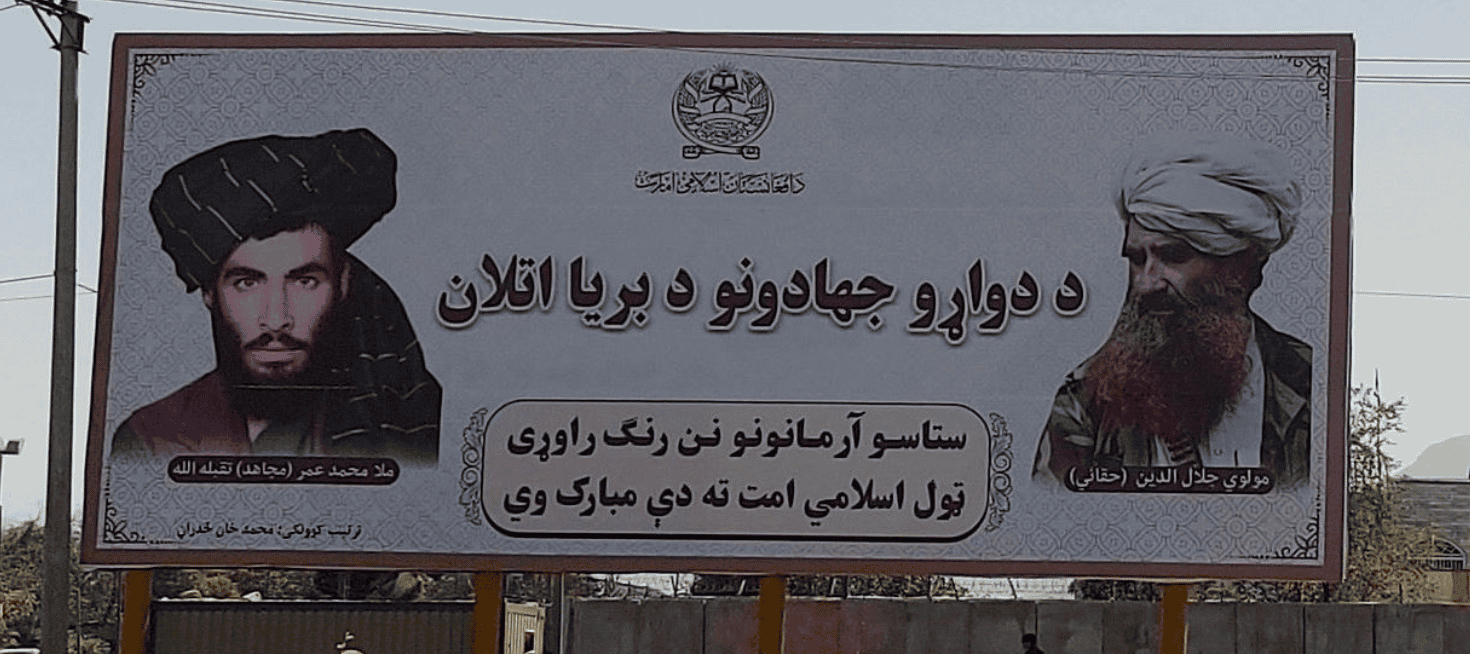
Taliban lionizes Haqqani commander who celebrated ties to Al Qaeda, held American hostage
Mullah Sangeen Zadran, a senior Taliban and Haqqani Network leader, was intricately linked to Al Qaeda. he viewed the two groups as inseparable “brothers.” The U.S. killed Sangeen and an Al Qaeda bomb maker in a drone strike in Pakistan in 2013.

-
Taliban’s government includes designated terrorists, ex-Guantanamo detainees
The Taliban has announced the “interim” leadership of its newly restored Islamic Emirate of Afghanistan. FDD’s Lpng War Journal profiles 22 of these figures, many of whom were sanctioned by the U.N. in 2001, are designated terrorists, or are former Guantanamo detainees. Multiple Taliban leaders have worked with al Qaeda.
-
National Resistance Front repels multi-day Taliban assault on Panjshir
The Taliban launched attacks on three mountain passes that lead to Panjshir province, the last bastion of resistance in Afghanistan. The National Resistance Front repelled the assault.
-
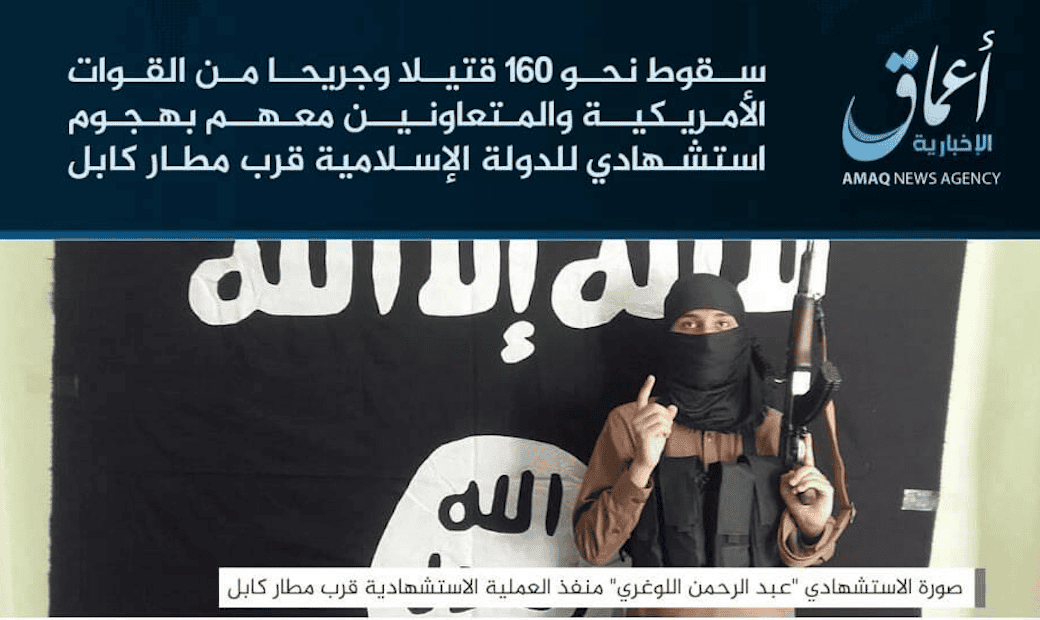
Islamic State claims responsibility for suicide bombing in Kabul
The Islamic State’s Khorasan province has claimed responsibility for a suicide bombing outside of the Kabul airport earlier today. 12 U.S. service members were killed and 15 others wounded in a pair of attacks inside the capital. Dozens of others were killed or wounded as well.
-
Anti-Taliban resistance makes modest gains outside Panjshir
While the Panjshir resistance’s odds remain long, it stands a chance to not only divert and disrupt Taliban operations but create a groundswell of interest that could lead to a larger campaign with more sustainable momentum.

-
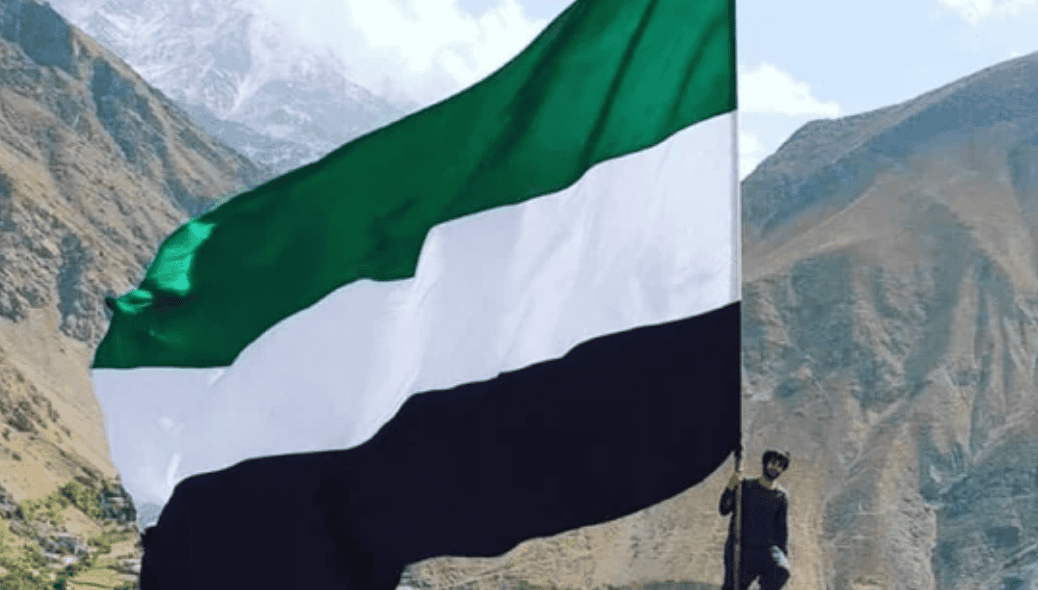
After fall of Kabul, resistance to Taliban emerges in Panjshir
Prospects for this resistance, lead by Amrullah Saleh, are dim. He has a formidable task ahead of him and his prospects are bleak. The Taliban will seek to crush this last bastion of resistance.
-
Ep. 55 — Afghanistan Falls
Hosts Tom Joscelyn and Bill Roggio discuss the need for accountability after 20 years of failures. Powered by RedCircle Take a look around the globe today and you’ll see jihadists fighting everywhere from West Africa to Southeast Asia. They aren’t the dominant force in all of those areas, or even most of them. But jihadism has mushroomed into a worldwide movement, with al-Qaeda, the Taliban, ISIS and other groups waging guerrilla warfare and launching terrorist attacks on a regular basis. Each week Generation Jihad brings you a new story focusing on jihadism around the globe. These stories will focus not…
-
Taliban encircling Afghan capital Kabul, prepping final assault through east
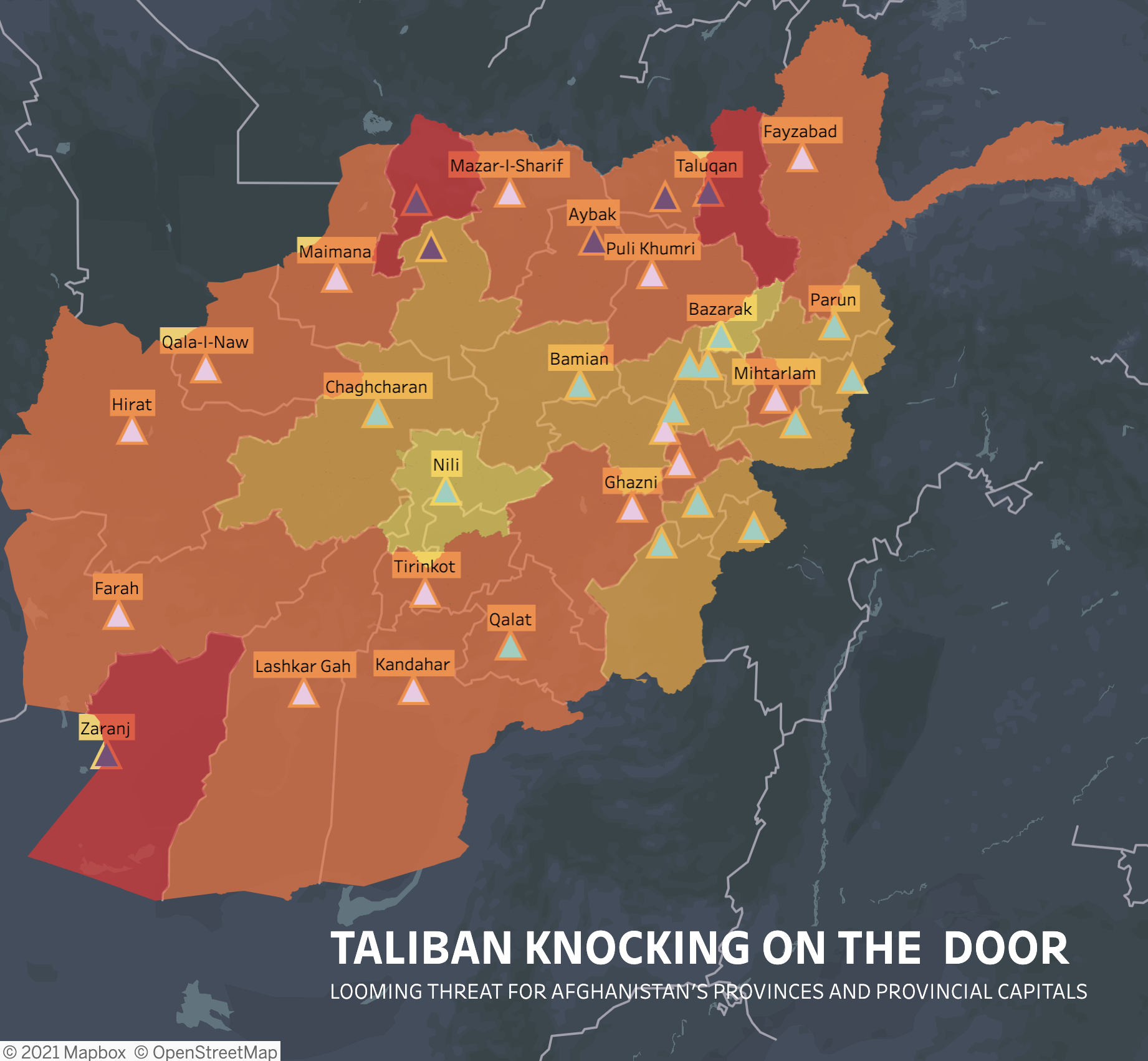
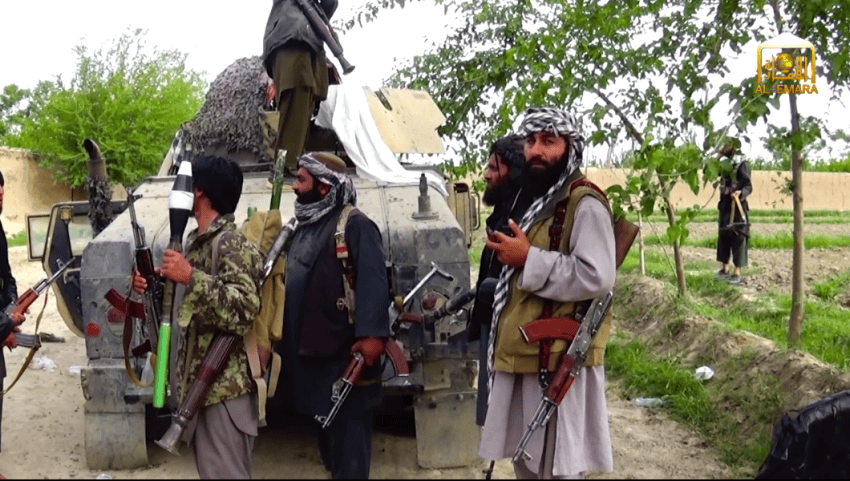
The Taliban took control of the provinces of Paktika, Paktia, Faryab, Laghman, and Kunar today, as well as Mazar-i-Sharif, Afghanistan’s second largest city. It is consolidating its control of the east in preparation for its final assault on Kabul.
-
Afghan government on verge of collapse as Taliban capture 4 more cities
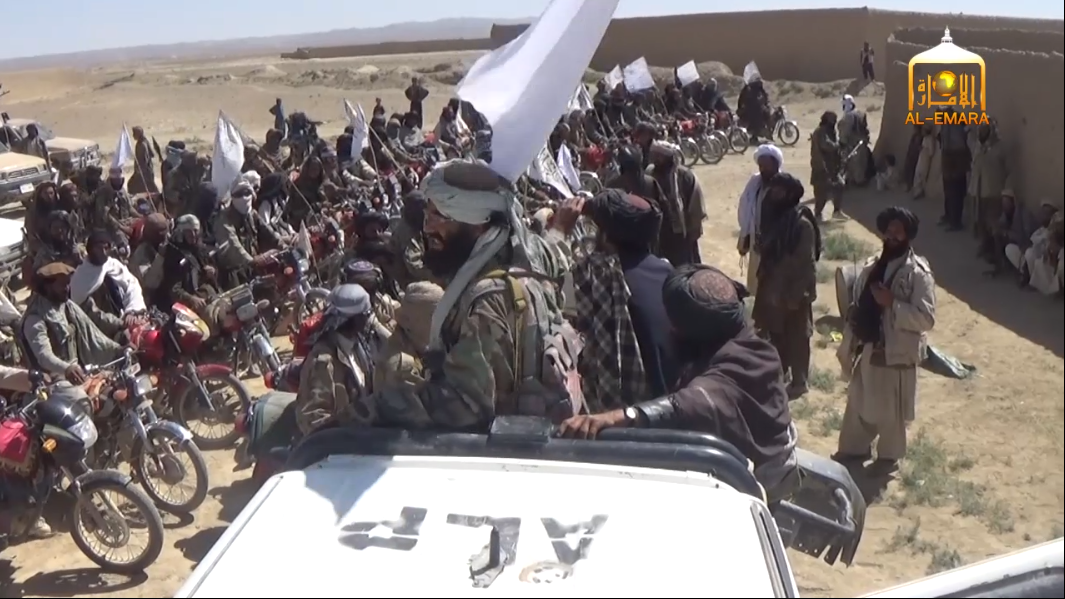
The Taliban seized control of four more provincial capitals, and cemented it control of the strategic south with the capture of Zabul and Uruzgan provinces. The road to Kabul is now open.
-
After lengthy siege, Lashkar Gah is taken by the Taliban
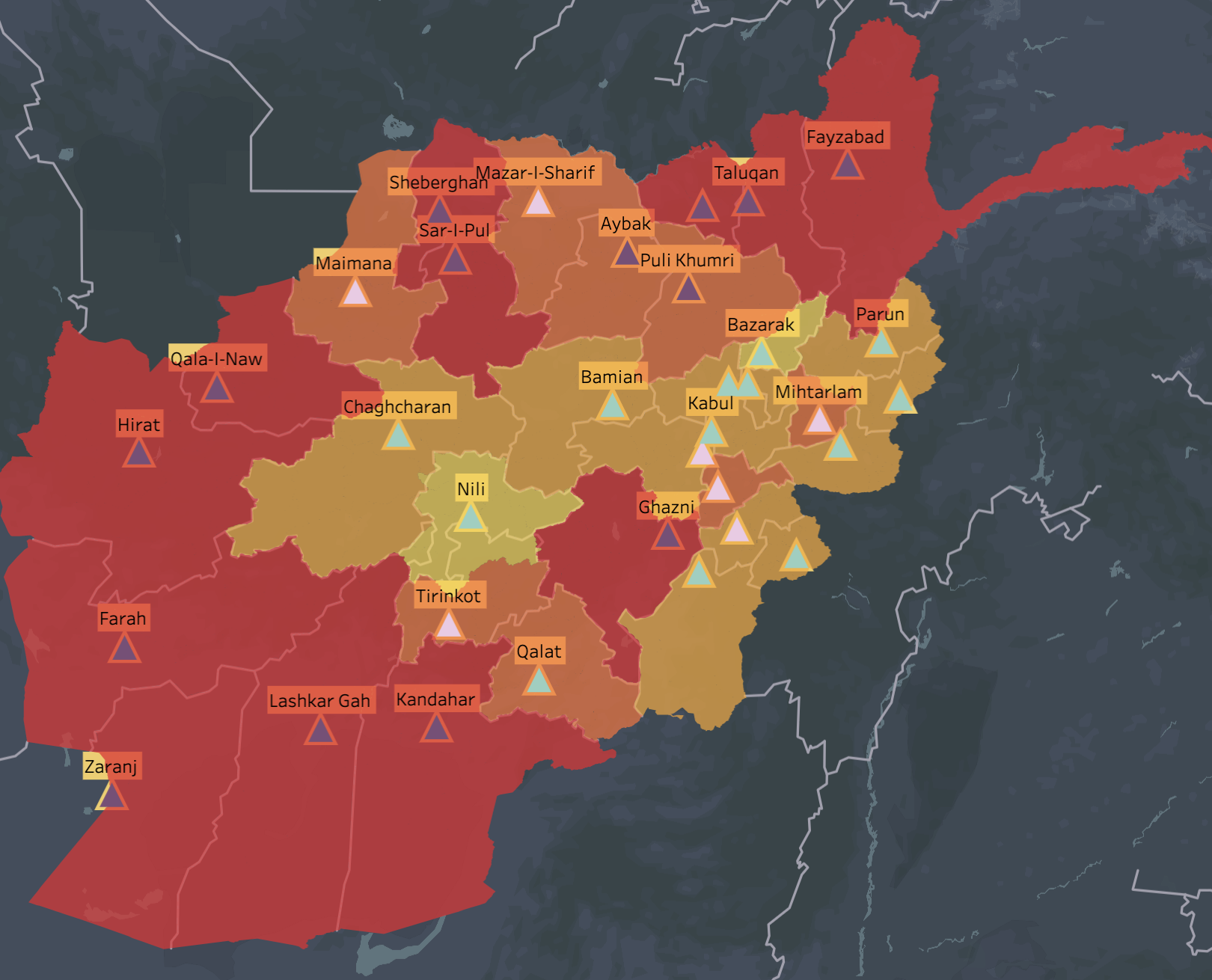
With Helmand and Kandahar provinces in the hands of the Taliban, the rest of the south will go under Taliban control in short order.
-
Taliban overrun Herat City, Qala-i-Naw
Herat City is the Taliban’s biggest victory since it began taking control of provincial capitals in late July. With the fall of Herat and Qala-i-Naw, the Taliban now fully controls the west.
-
Former headquarters of Northern Alliance falls under Taliban control
The north, where many Afghan power brokers are base, is now in a state of general collapse. Seven of the nine northern provincial capitals are under Taliban control.
-
Farah City, Pul-i-Khumri fall to the Taliban
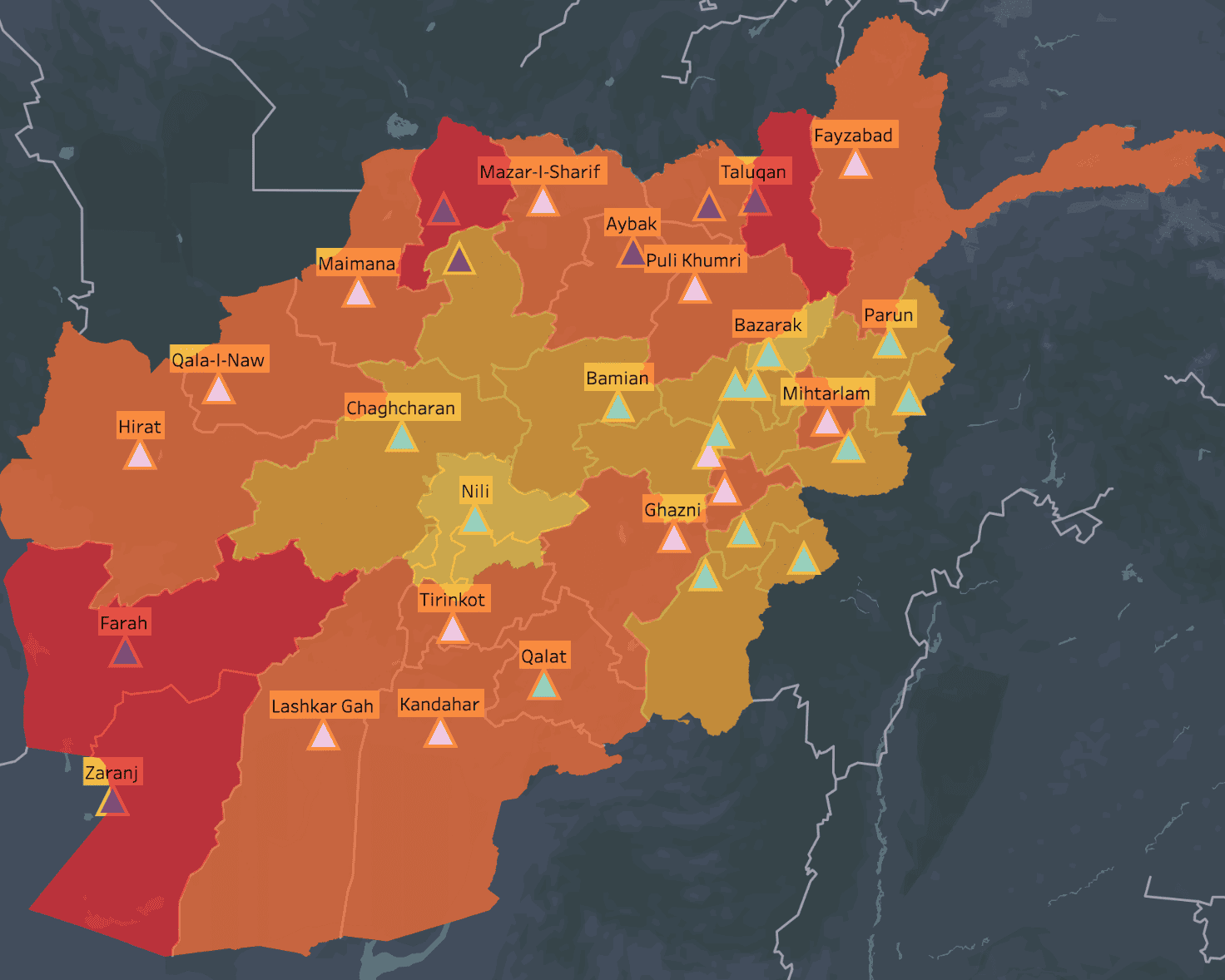
Eight of Afghanistan’s 34 provincial capitals have fallen to the Taliban in less than a week. The Taliban now fully controls four provinces; Farah, Jawzjan, Nimruz, and Takhar.
-
Fifth northern Afghan capital falls to the Taliban
The Taliban is sweeping up northern capitals. Aybak is the fifth northern capital to fall to the Taliban in three days, and and the sixth in four days.