-
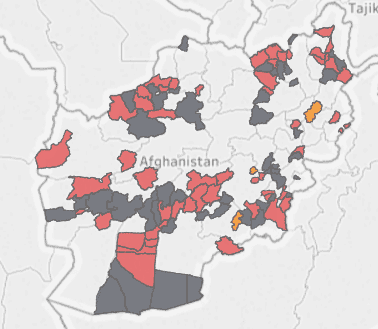
Taliban overruns 2 districts in Afghan east
The Taliban continues to demonstrate that it can conduct concurrent operations across the country, while Afghan forces largely remain on the defensive.
-
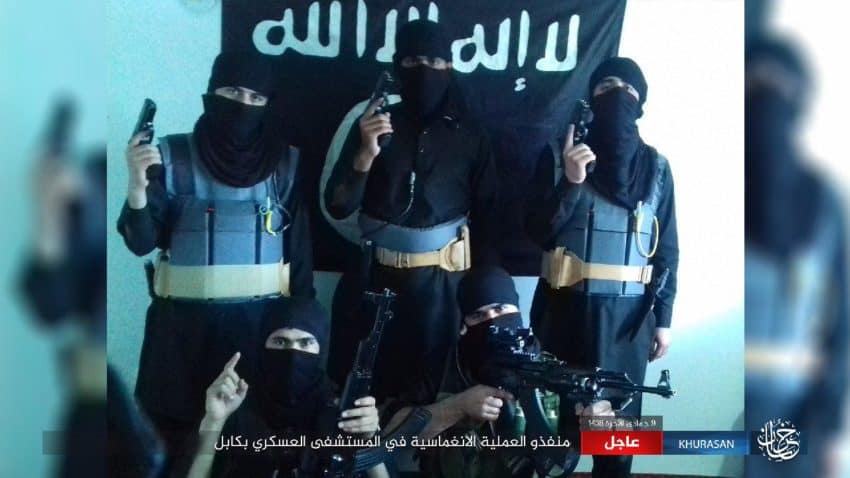
Islamic State suicide team strikes Kabul mosque
The Islamic State’s Khorasan province, like the main branch in Iraq and Syria, has had no qualms about targeting Afghan civilians, particularly Shiites, in mass-casualty suicide attacks in mosques and other locations.
-
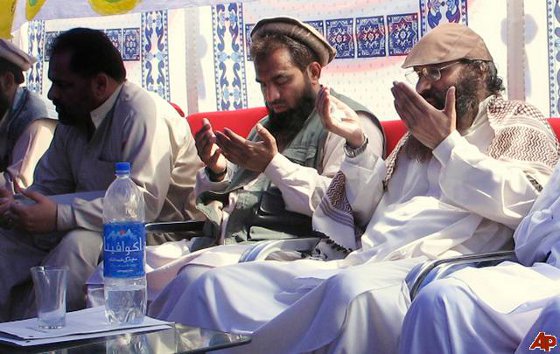
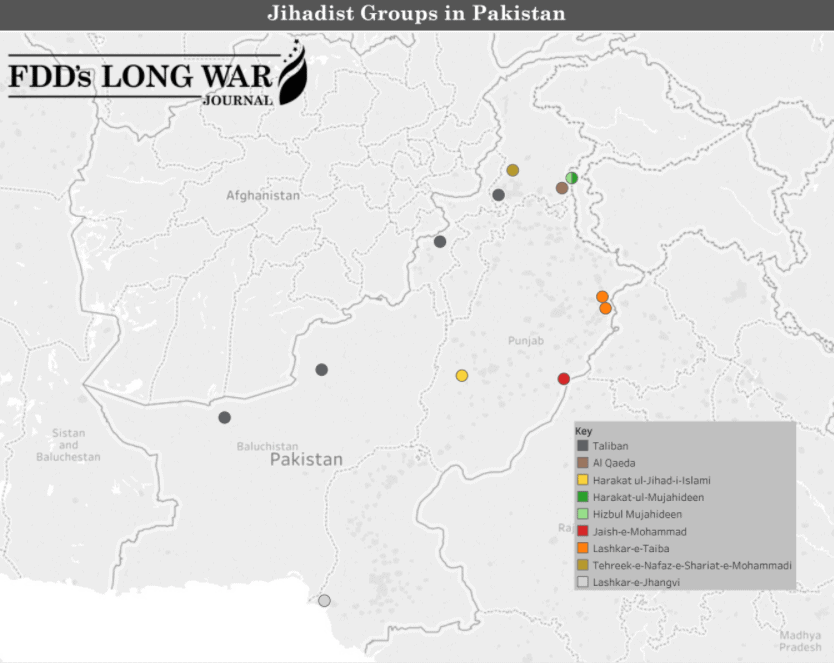
Mapping terrorist groups openly operating inside Pakistan
For decades the country has permitted a number of jihadist groups to openly operate under its aegis. A map highlights the more prominent groups openly operating inside Pakistan.
-
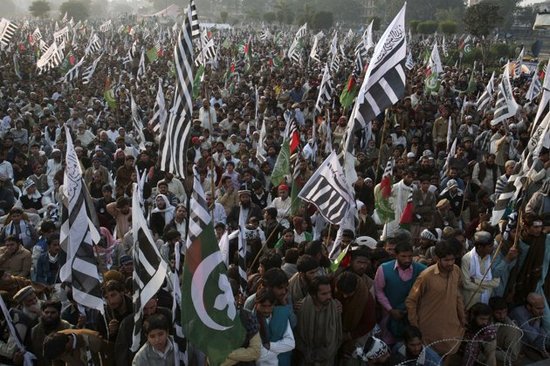
In response to Trump, Pakistan claims no terrorist groups operate on its soil
Pakistan’s denial of harboring terrorist groups that conduct attacks outside of its borders falls flat on its face when looking at Lashkar-e-Taiba, which not only supports al Qaeda and the Taliban, but has executed numerous attacks inside of Pakistan’s neighbor and enemy, India, as well as in Afghanistan.
-
Taliban vows to continue its “Jihad” against US
Taliban spokesman Zahibullah Mujahid denounced Trump’s decision to remain engaged in Afghanistan and said that Taliban fighters will “sustain our Jihad.” Additionally he repeated the canard that the Taliban does not pose a threat to foreign countries.
-
Trump takes hard line on Pakistan for supporting terrorist groups
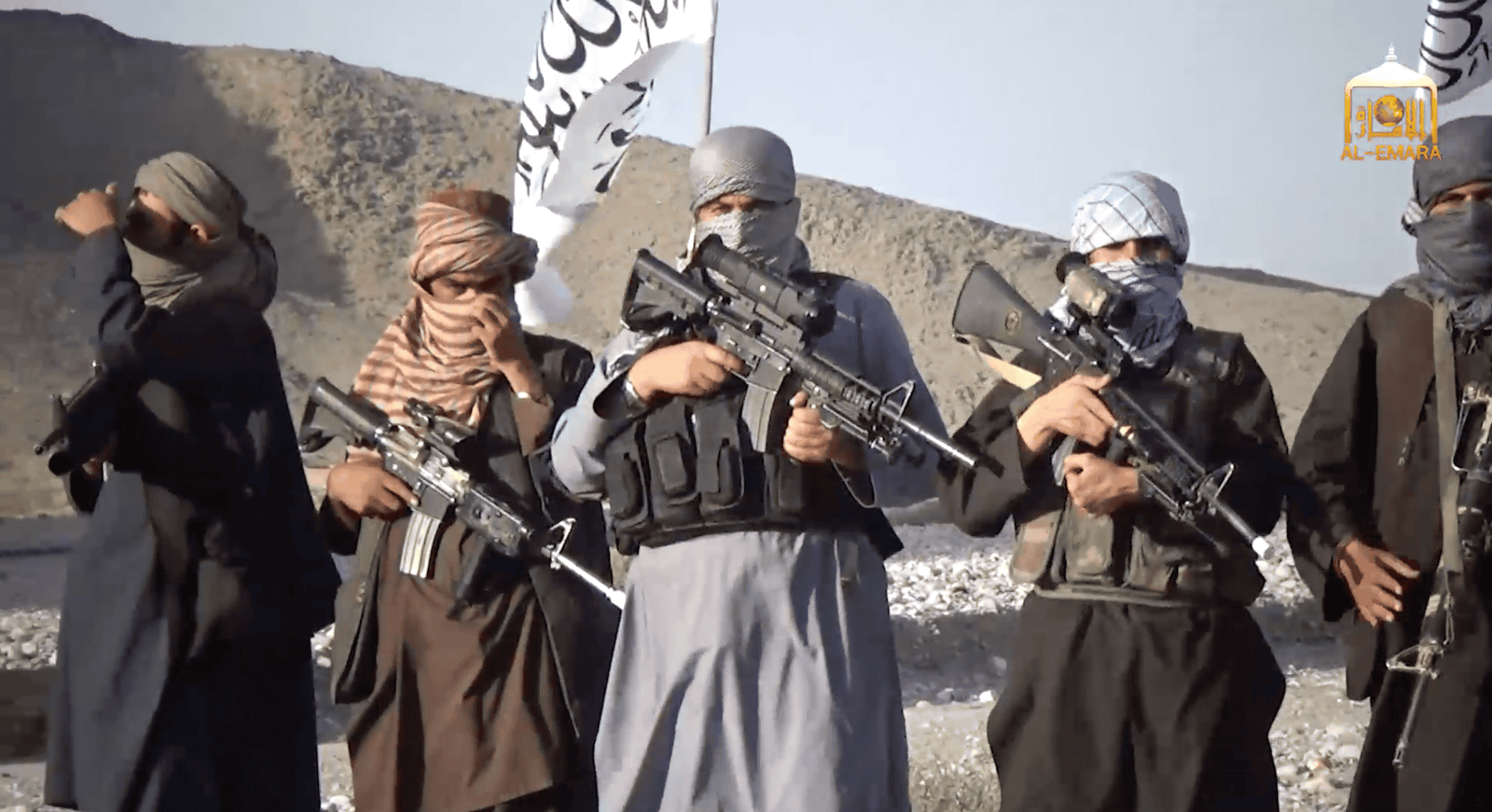
With words unprecedented for a US president, Trump called out Pakistan for harboring and supporting terrorist groups that target and kill US citizens and said there would be a radical change in policy toward the South Asian nation. Trump indicated the US would work to increase ties with India, Pakistan’s neighbor and greatest enemy, a move sure to both enrage as well as frighten Pakistani elites.
-
Sending more troops to Afghanistan is a good start
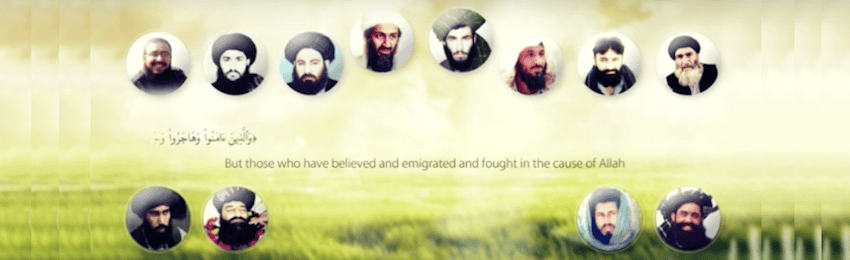
A complete US withdrawal from Afghanistan would have been disastrous. The US government needs to drastically reassess America’s jihadist enemies and avoid the policy pitfalls of the past.
-
Taliban seizes large quantity of weapons during ‘Recent Conquests in Kandahar’
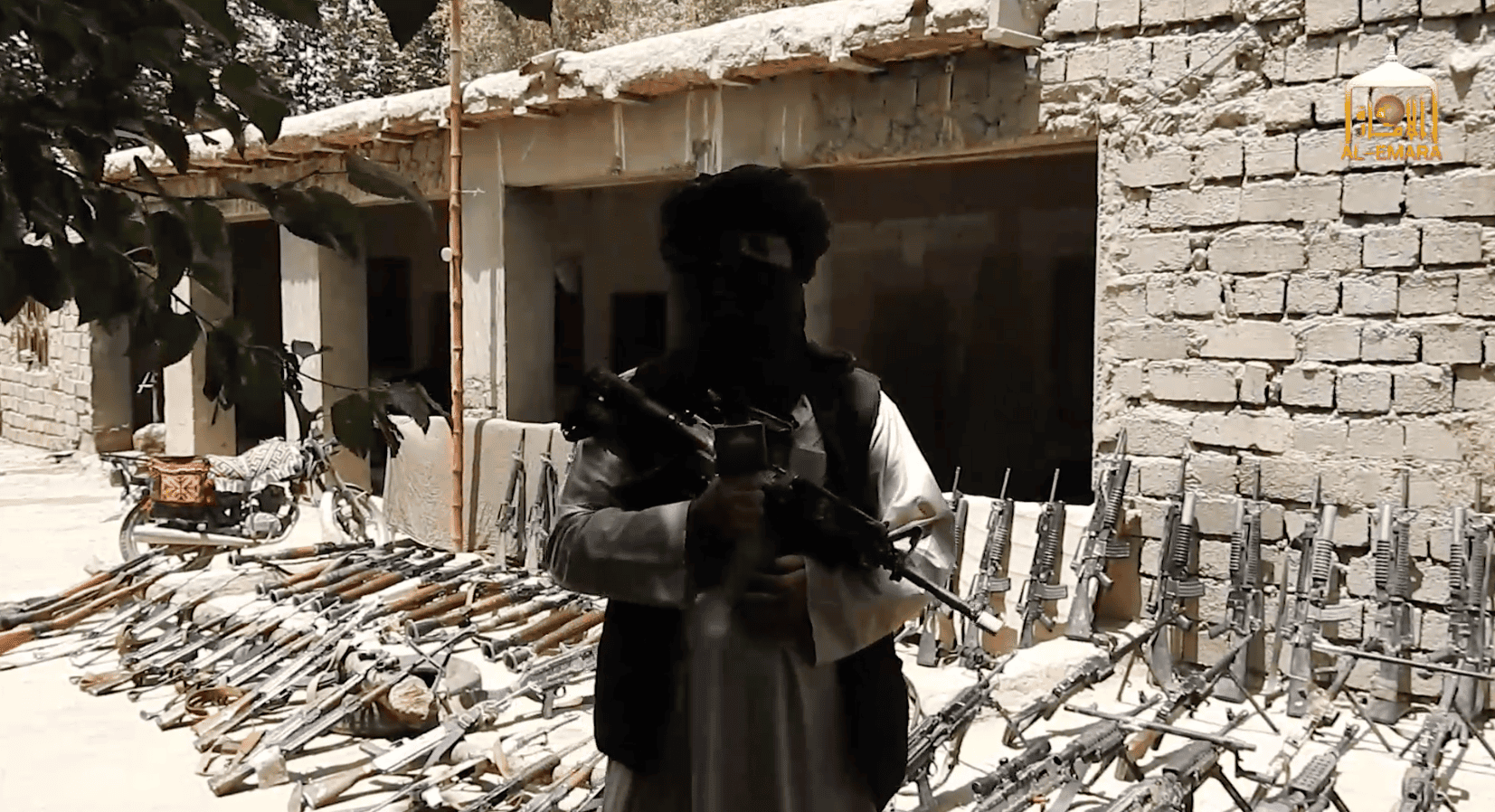
The Taliban, which continues to make inroads in Kandahar province, released a video flaunting a bounty of weapons, ammunition and military equipment after it overran bases and outposts in Khakrez and Shah Wali Kot.
-
Analysis: Taliban propagandists release ‘open letter’ to President Trump
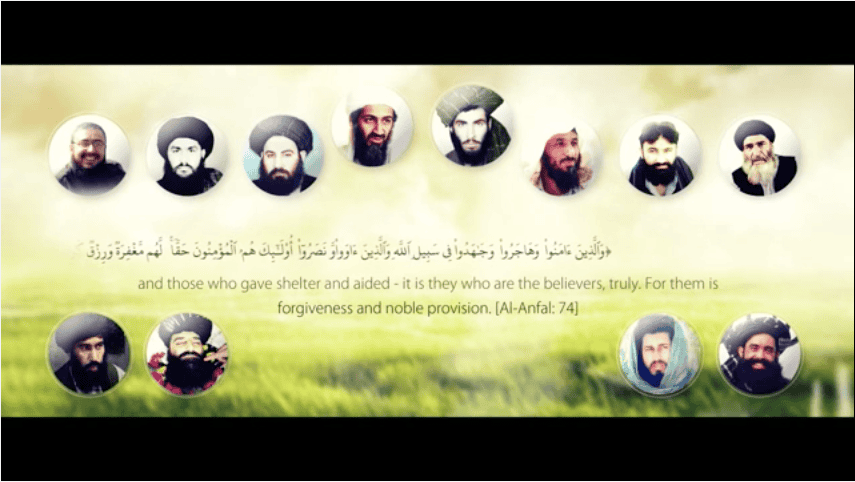
The Taliban has released an “open letter” to President Trump urging him to “adopt the strategy of a complete withdrawal from Afghanistan instead of a troops increase.” The propaganda letter contains several erroneous or misleading claims. It is also disingenuous with respect to the jihadist threat emanating out of Afghanistan.
-
Taliban overruns district in Afghan northwest
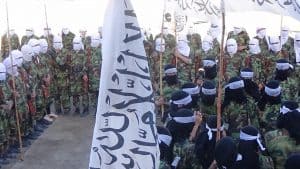
The Afghan Taliban has again retaken control of the district of Ghormach in Faryab province. The remote district has changed hands twice in less than two years.
-
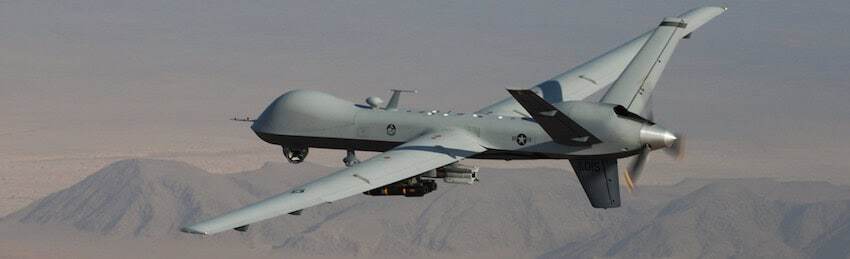
US military kills Islamic State Khorasan province leader in Kunar
The commander, known as Abdul Rahman, was a candidate to take control of Khorasan province after the US killed the previous emir last month.
-
Taliban retakes eastern Afghan district from Afghan forces
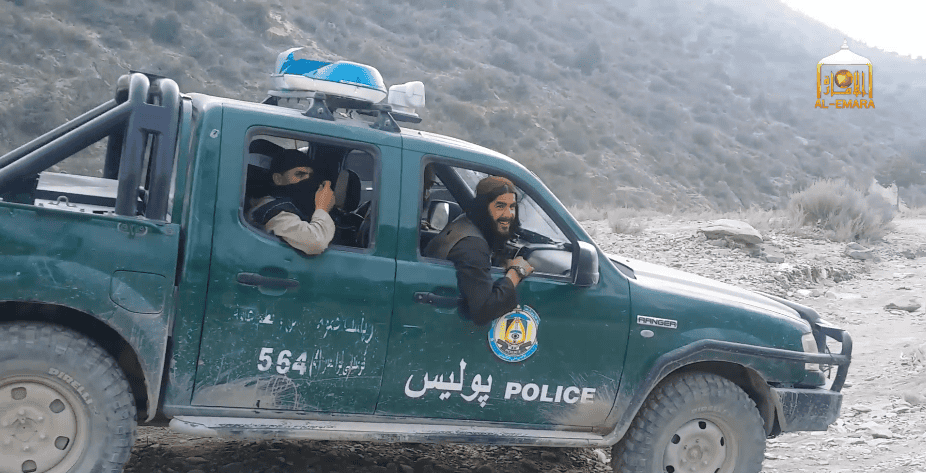
Jani Khel in Paktia province has changed hands three times over the past two weeks. The loss of Jani Khel to the Taliban demonstrates the difficulties Afghan forces face in holding onto remote contested districts.
-
Qods Force-linked Taliban commander leads insurgency in central Afghanistan
Mullah Mustafa, a Taliban commander who was targeted by the US military in an airstrike nearly a decade ago and who has links to Iran’s Islamic Revolutionary Guards Corp – Qods Force, remains a key player in the insurgency in central Afghanistan. He was involved in the Taliban takeover of a district in Ghor.
-
Afghan policeman wounds Romanian soldier in latest insider attack
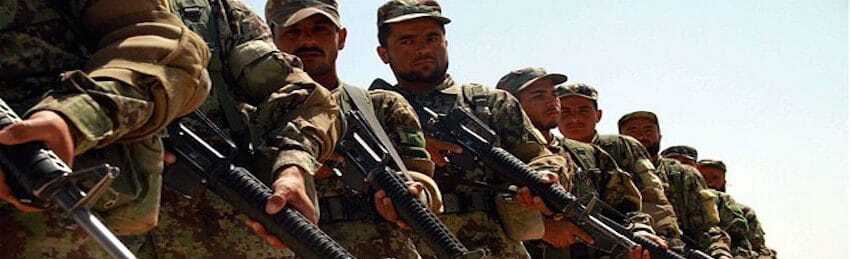
An Afghan policeman opened fire on Romanian soldiers in Kandahar and wounded one before being killed in return fire. The insider, or “green-on-blue,” attack is the fourth of its kind recorded so far this year.
-
Islamic State bombs Shiite mosque in western Afghanistan
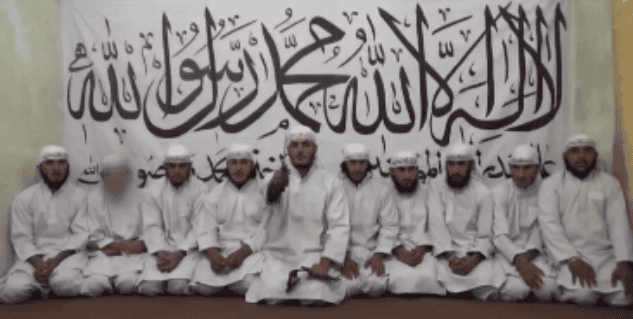
The Islamic State’s Khorasan continues to target Shiites in mosques and other civilian areas. At least 50 people were killed in the suicide attack.
-
Taliban suicide bomber strikes NATO convoy in Kandahar
Resolute Support released a statement confirming that the attack “did cause casualties” and said it would release more details at a later time. The Pentagon later confirmed that two US soldiers were killed.
-
Taliban control of Afghan districts remains ‘unchanged,’ according to SIGAR
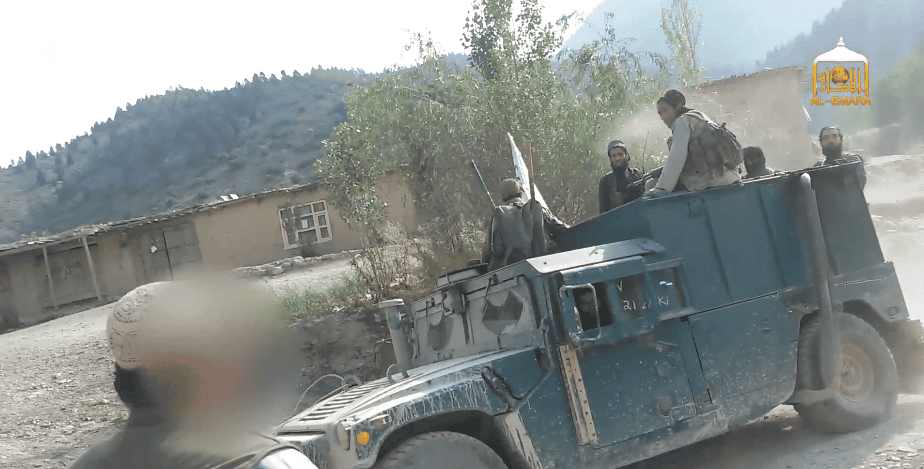
The Special Inspector General for Afghanistan Reconstruction’s assessment, based on data provided by the US military, is the best case scenario of the security situation for the country. At best, Afghanistan is a “stalemate.”
-
Taliban video details takeover of eastern Afghan district
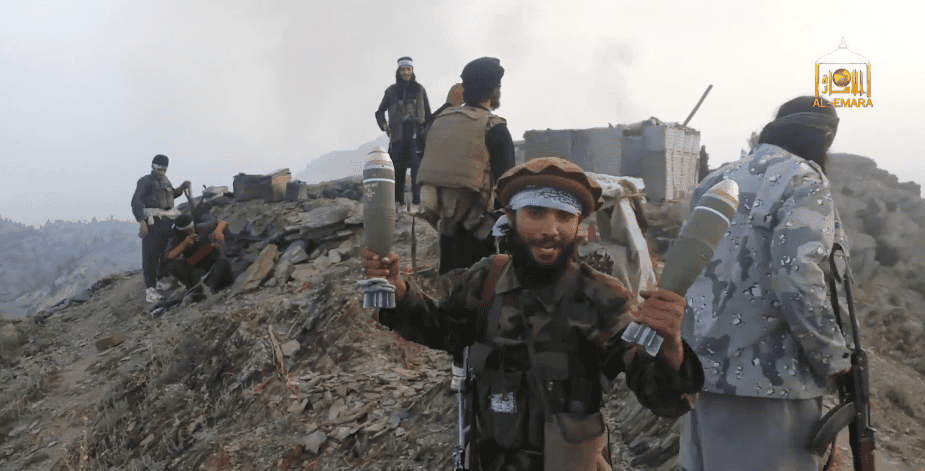
The Taliban displayed US-supplied HUMVEES and Ranger pickup trucks used by the police and military that were captured or destroyed. The Taliban also seized a large quantity of rocket propelled grenade launchers, machine guns, rifles, mortars, and other weapons.
-
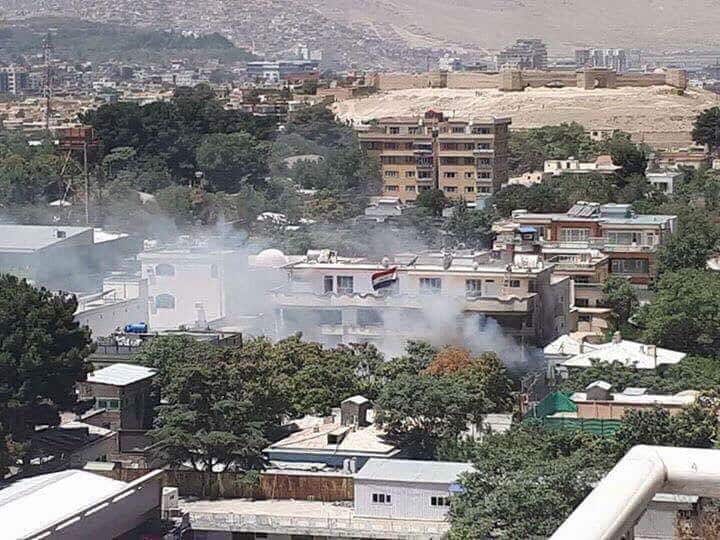
Islamic State’s Khorasan ‘province’ assaults Iraqi embassy in Kabul
The Islamic State’s Wilayah Khorasan attacked the Iraqi embassy in Kabul earlier today. Nearly 16 years after the US invaded Afghanistan, civilian and official facilities in the country’s capital are regularly assaulted. Both the Taliban and Wilayah Khorasan have launched complex operations in Kabul on multiple occasions this year.
-
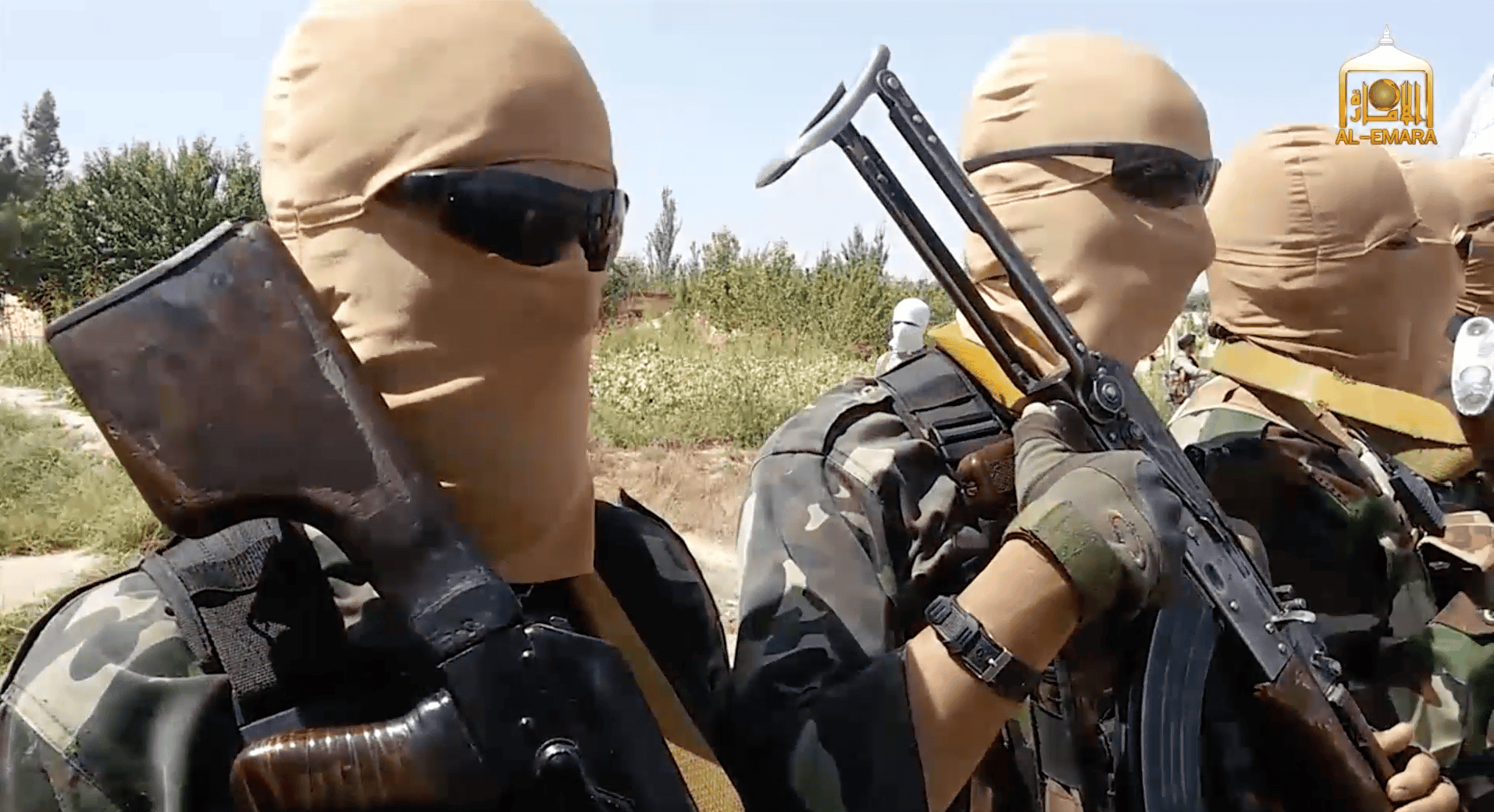
Afghan forces sustain heavy casualties in Taliban assault on southern base
Approximately 57 of the 82 soldiers at an Afghan National Army base in the southern province of Kandahar were either killed, wounded or captured during the attack.
-
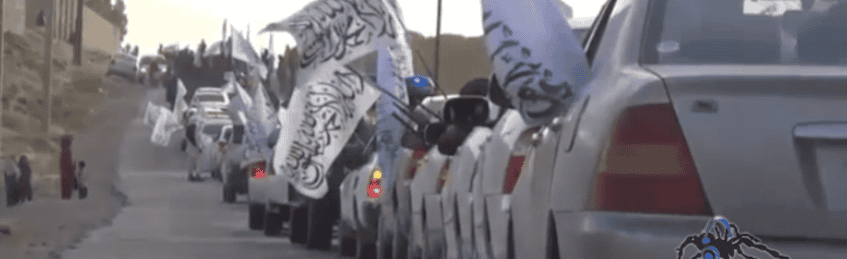
Taliban seizes 3 districts from Afghan government
The Taliban is demonstrating that it can sustain operations in all theaters of Afghanistan. The three districts are located in three different regions of Afghanistan.
-
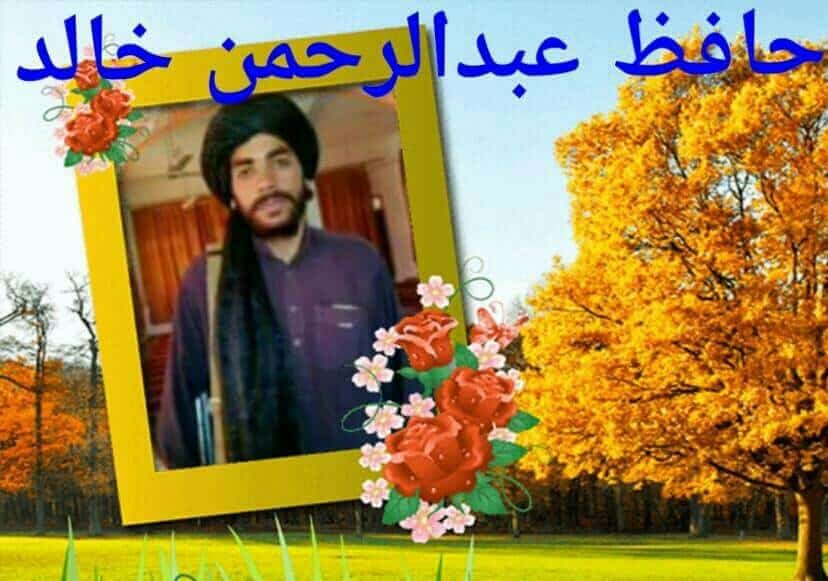
Son of Taliban’s emir kills himself in suicide attack on Afghan forces
The son of Mullah Haibatullah, the emir of the Afghan Taliban, killed himself in a suicide attack that targeted Afghan forces in the southern province of Helmand earlier this week.
-
State Department: Pakistan continues to provide safe haven for Taliban, allied jihadists
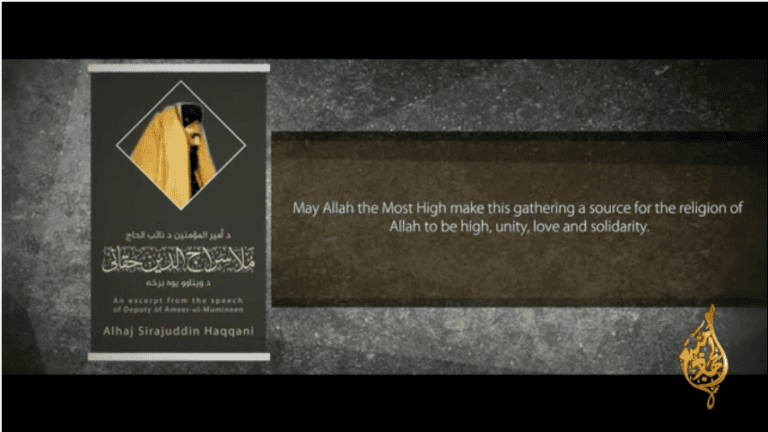
The State Department’s newly released Country Reports on Terrorism says that Pakistan “did not take substantial action against the Afghan Taliban,” including the Haqqani Network, in 2016. The Taliban’s leadership has long had a presence in Pakistan.
-
Afghan military calls for Pakistan to launch operations on ‘terrorist centers’ throughout country
The Pakistan military recoiled after Afghanistan’s Ministry of Defense called on Pakistan to launched operations against “terrorist centers” throughout the country, including in the Pakistani cities of Lahore and Quetta.
-
Afghan forces liberate district in central Helmand
Nawa district, which is adjacent to the provincial capital of Lashkar Gah, was under Taliban control for nine months before Afghan forces could muster the strength to mount an operation and retake it.
-
US kills third emir of Islamic State’s Khorasan province
The US announced that Abu Sayed, the emir of the Islamic State’s Wilayah Khorasan, died as result of an airstrike in Afghanistan’s Kunar province on July 11. He is the third emir of Wilayah Khorasan killed in the past year.

-
Islamic State fights the Taliban, Afghan government-backed locals in Tora Bora Mountains
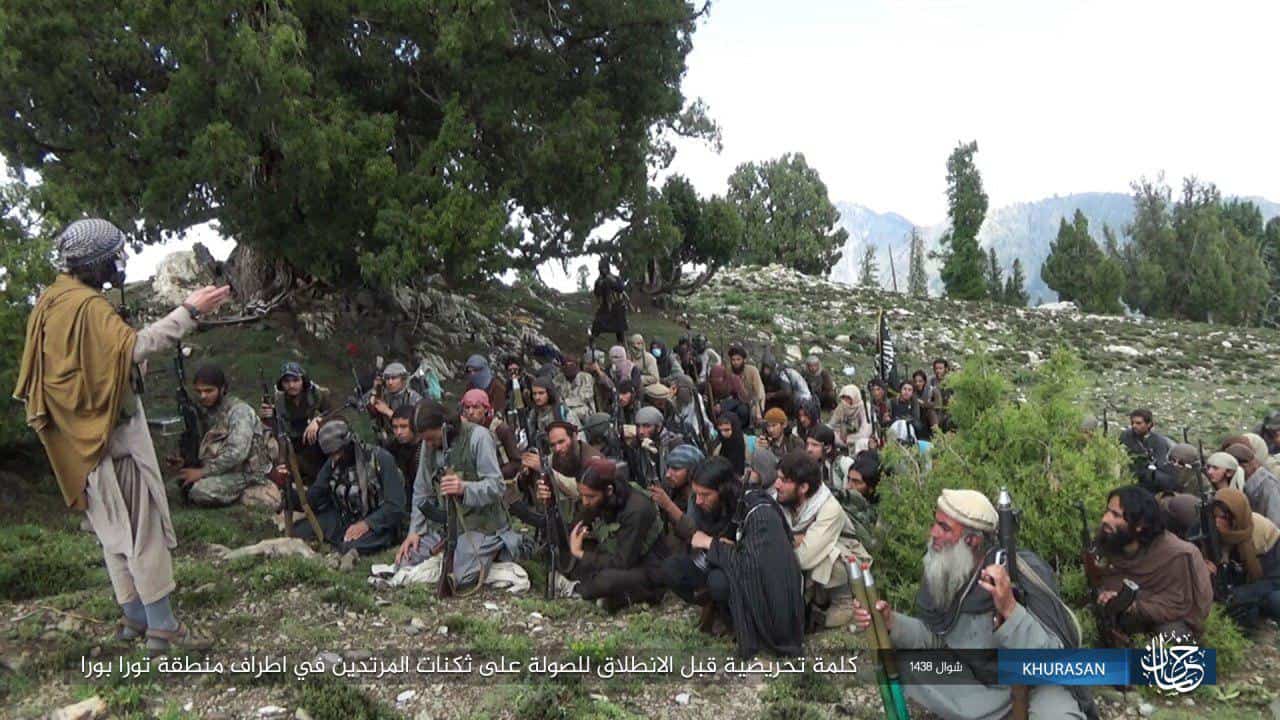
The Islamic State’s Wilayah Khorasan (or Khorasan province) released a set of photos documenting its battles against the Taliban near the Tora Bora Mountains. The group’s offensive in the area forced the Afghan government to provide more support to locals who had sided with the Taliban in order to counter Wilayah Khorasan’s offensive in June.
-
NATO ignores false Taliban claims of killing US soldiers
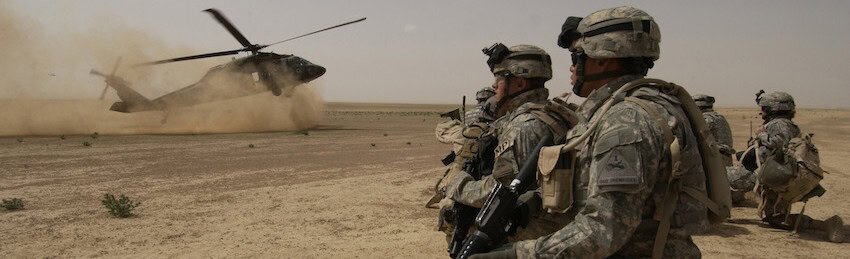
The Taliban has issued 11 official statements on Voice of Jihad where it has wrongly claimed to have killed 45 American soldiers, and Resolute Support ignored them. Yet when the Islamic State falsely claimed it killed two Americans, Resolute Support quickly jumped into action to refute it.
-
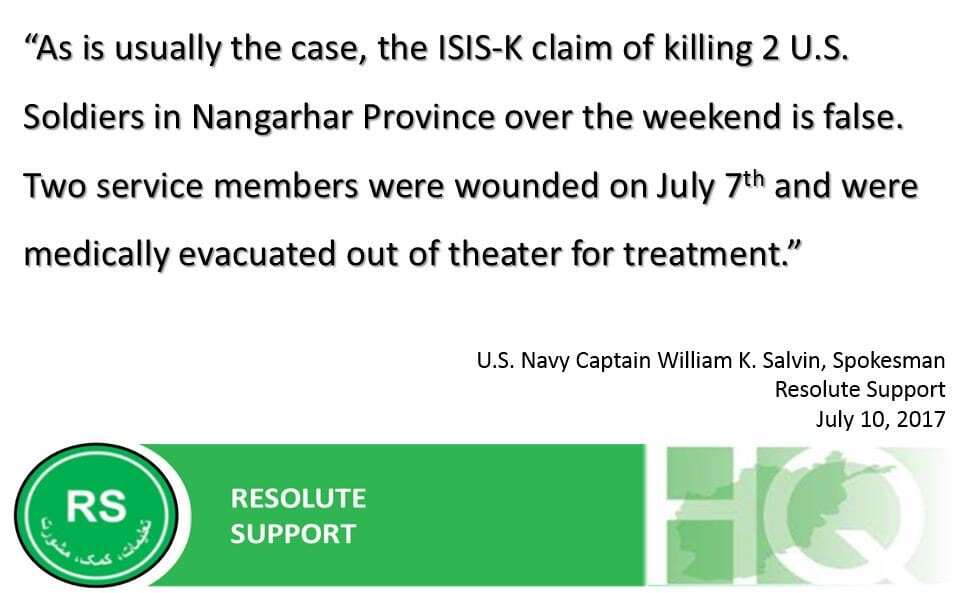
NATO: Islamic State falsely claimed killing of 2 Americans in Afghanistan
The Islamic State claimed that a “SPG-9 round destroyed an American Cougar vehicle” in Nangarhar, Afghanistan, killing two “Crusaders” and three Afghan soldiers on board. However, NATO’s Resolute Support says that this isn’t true, and the two Americans were wounded.
-
Pakistan denounces US terrorism designation of Hizbul Mujahideen chief
While denouncing the designation of Syed Salahuddin, the Ministry of Foreign Affairs claimed that “Pakistan has a demonstrated and longstanding commitment of combating terrorism in all its forms and manifestations.”