-
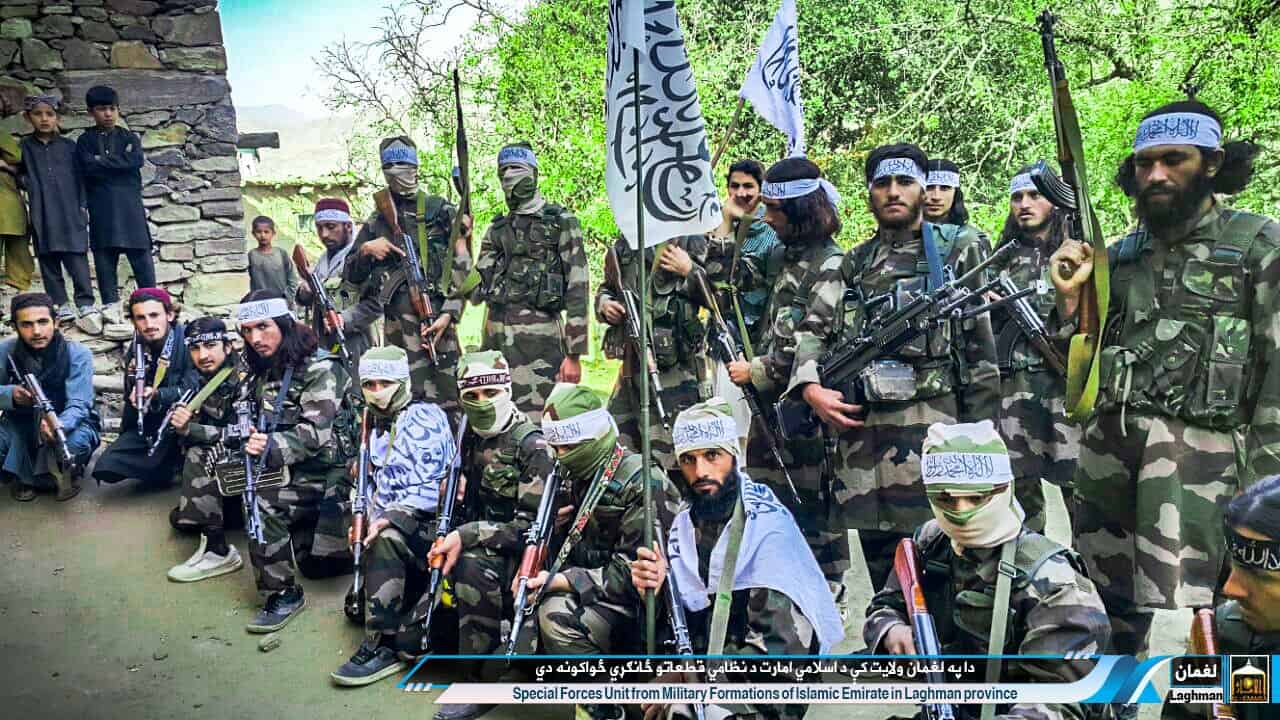
Taliban touts “Special Forces Unit”
While the Taliban’s “Special Forces Unit” certainly isn’t trained to the same standards and proficiency as US special operations forces, it has proven to be effective on the battlefield against its Afghan adversaries.
-
SIGAR: ‘Afghan government district control deteriorated’
The Afghan government’s ability to control its territory has “deteriorated” as the Taliban has gained control of additional districts, according to SIGAR. This tracks with an analysis of Afghanistan’s districts conducted by FDD’s Long War Journal, which tracks Taliban controlled and contested districts.

-
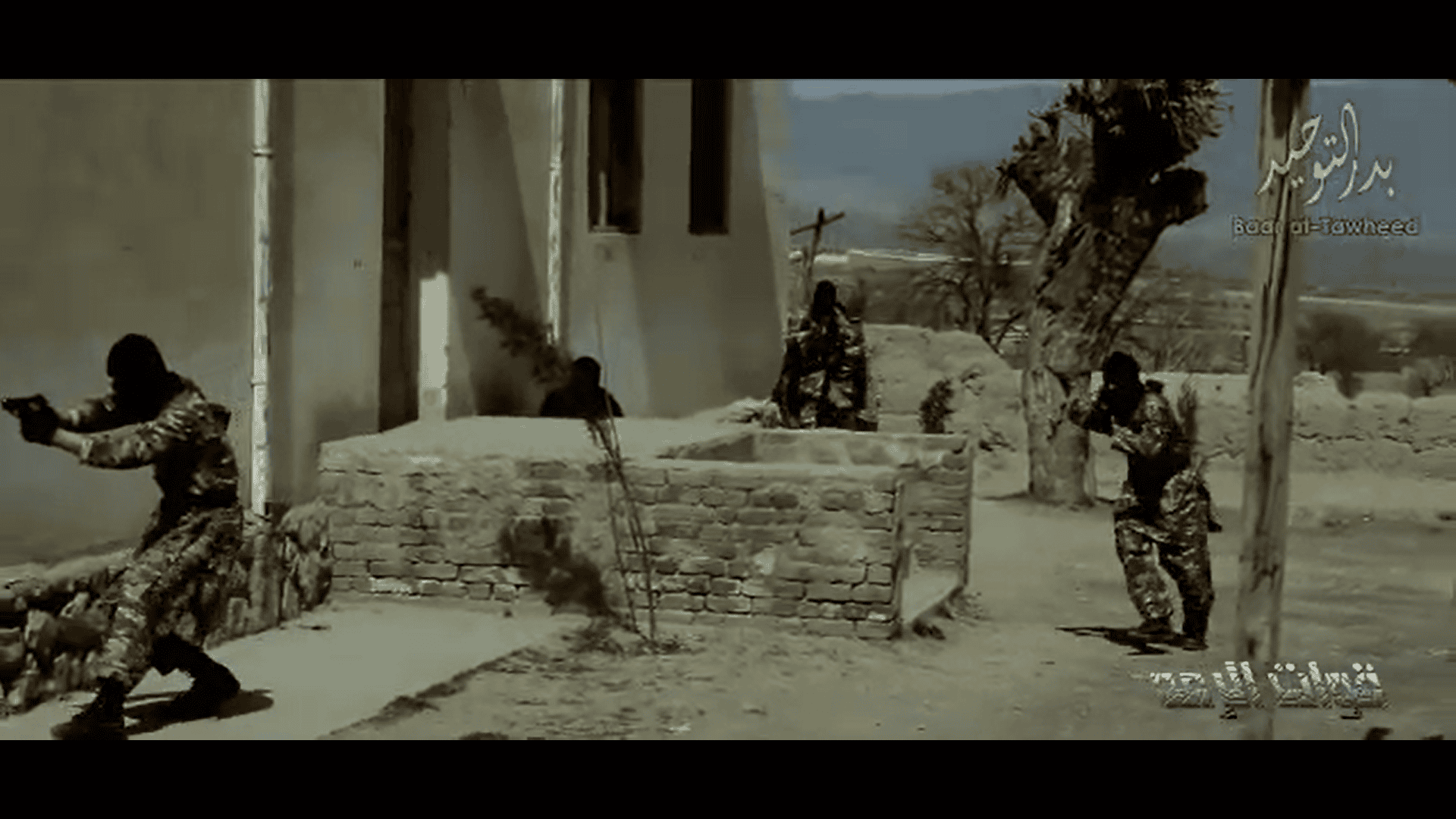
Islamic Jihad Union showcases ‘special forces’ training camp
The IJU joins a list of jihadist groups that have publicized its training camps inside Afghanistan, including the Taliban, the Turkistan Islamic Party, and the Imam Bukhari Jamaat. training camp joins similar training camps in Afghanistan advertised by the Taliban, the Turkistan Islamic Party, Imam Bukhari Jamaat, Harakat-ul-Mujahideen and others.
-
Taliban fighters mass in western Afghan province
Hundreds of Taliban fighters in the western province of Farah paraded their vehicles and then stood in formation for a lengthy period of time, without fear of being targeted by Afghan or Coalition forces, to listen to an official give a speech recently.

-
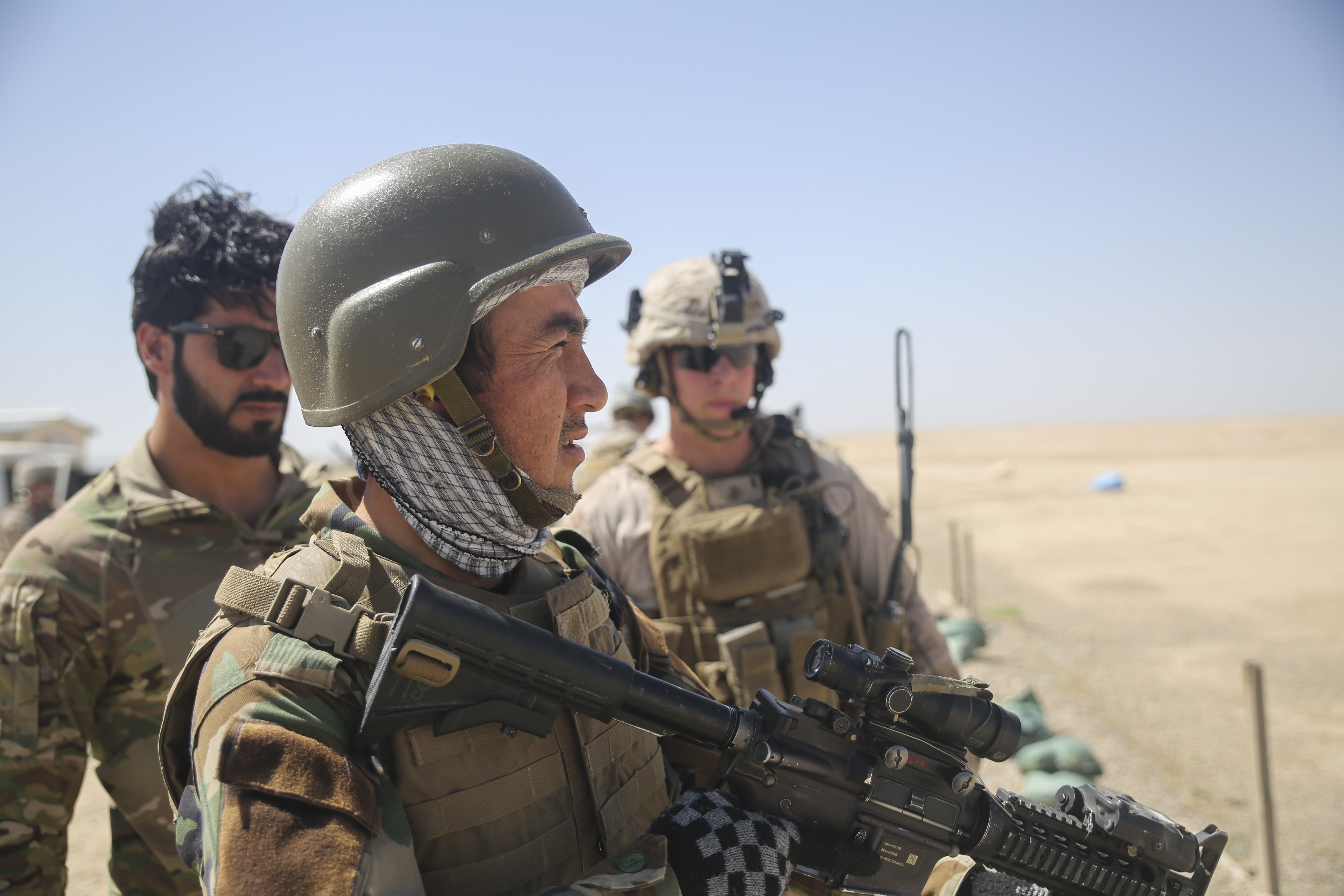
SIGAR: Alarming rate of Afghan trainees in the US are going AWOL
Afghan forces account for just one percent of the total number of foreign military personnel trained in the US since 2005, but account for nearly 50 percent of the AWOL cases in the same time frame.
-
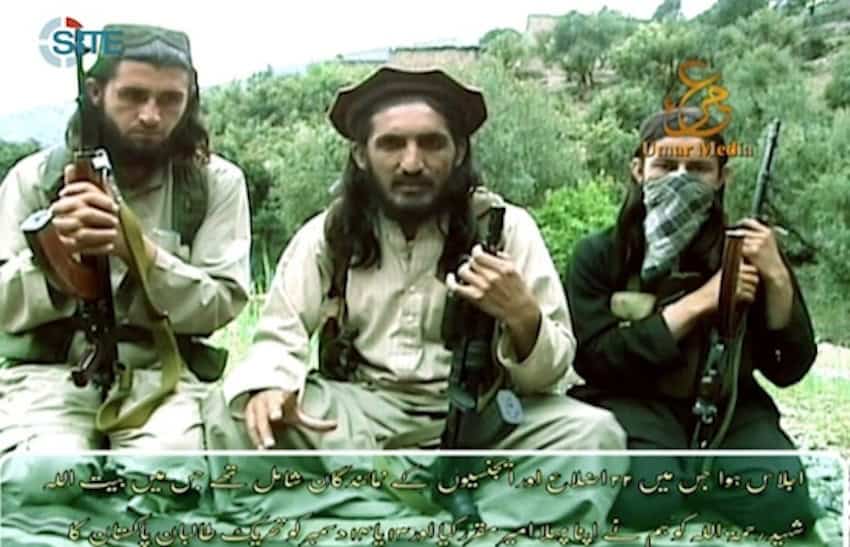
Leader of Jamaat-ul-Ahrar emerges after reports of his death
Omar Khalid Khurasani, who was reported to have died on Oct. 19 after a US drone strike, is alive. However, he confirmed the death of Khalifa Umar Mansour, the group’s military leader who was killed in a US airstrike back in Afghanistan in July 2016.
-
Taliban suicide bomber kills 15 Afghan army cadets
Resolute Support, NATO’s mission in Afghanistan, claimed that today’s bombing in Kabul “shows the insurgents are desperate and cannot win.” However the Taliban has sustained offensive operations in all areas of the country and has had battlefield successes against a struggling Afghan military.

-
US kills influential al Qaeda-linked Pakistani Taliban leader in Afghanistan
Omar Khalid al Khurasani was closely allied with al Qaeda and its emir, Ayman al Zawahiri. In the past Khurasani has called for the imposition of sharia law, the establishment of a global caliphate, and the seizure of Pakistan’s nuclear weapons. He was killed in a drone strike in Paktia province.
-
Taliban overruns Afghan army camp in Kandahar
Afghan forces suffered 97 percent casualties during the suicide assault. The attack is the latest in the southern province, where the Taliban has stepped up its attacks on Afghan military outposts.

-
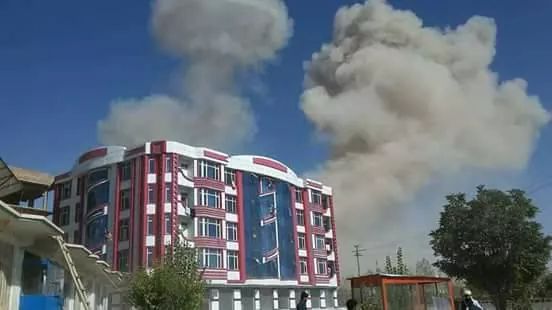
Taliban suicide assault teams kill Paktia police chief
Taliban suicide teams hit the police headquarters and a training center in the provincial capital of Gardez City. Twenty-two policemen and 20 civilians were killed and scores more were wounded.
-
Taliban overruns 3 districts in southern Afghanistan
Taliban forces have overrun two district centers in Kandahar and Farah provinces over the past two days. The jihadist group continues to gain ground in Afghanistan despite a change in US strategy that has reduced restrictions on local commanders to launch airstrikes against the group.
-
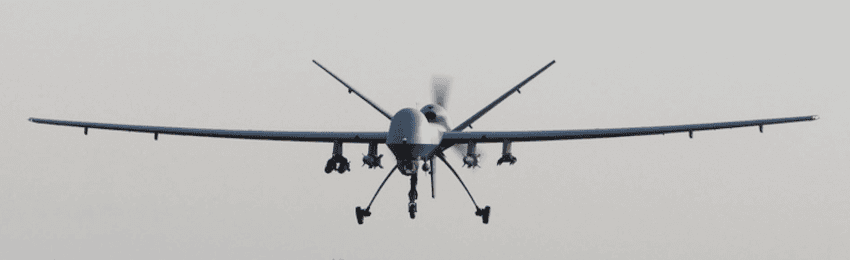
US drones target Taliban commander in Pakistan’s tribal areas
The strike took place just days after Pakistan freed two westerners and their children from Taliban custody in the same tribal agency.
-
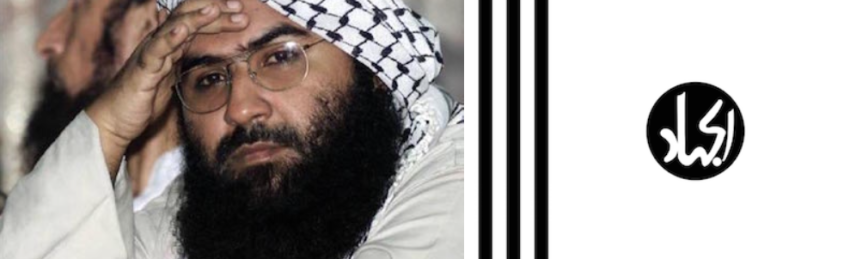
Indian forces kill Jaish-e-Mohammed commander in Kashmir
The commander, who went by the alias Abu “Khalid,” or Shahid Showkat, was highly sought by Indian security forces for his role in orchestrating attacks targeting Indian military positions and personnel.
-
Taliban storms base in northwestern Afghanistan
In what has become an all too common, the Taliban has released yet another propaganda video that shows it fighters occupying an Afghan military base during the daytime after overrunning it in a nighttime assault.

-
Taliban parades forces openly in Nimroz
As with previous propaganda videos, the Taliban demonstrates that it can organize its forces for assaults on bases and district centers and execute attacks over extended periods of time, or parade its troops in the open, without fear of being targeted from the air by Afghan or Coalition forces.

-
Pakistan’s intelligence service ‘has connections with terrorist groups’
Mattis and Dunford placed all of the blame for Pakistan’s support of terrorist groups on the ISI, and essentially absolved Pakistan’s government and the military of any responsibility for incubating and supporting regional and global jihadist organizations.

-
Lessons learned from 15 years in Afghanistan: SIGAR
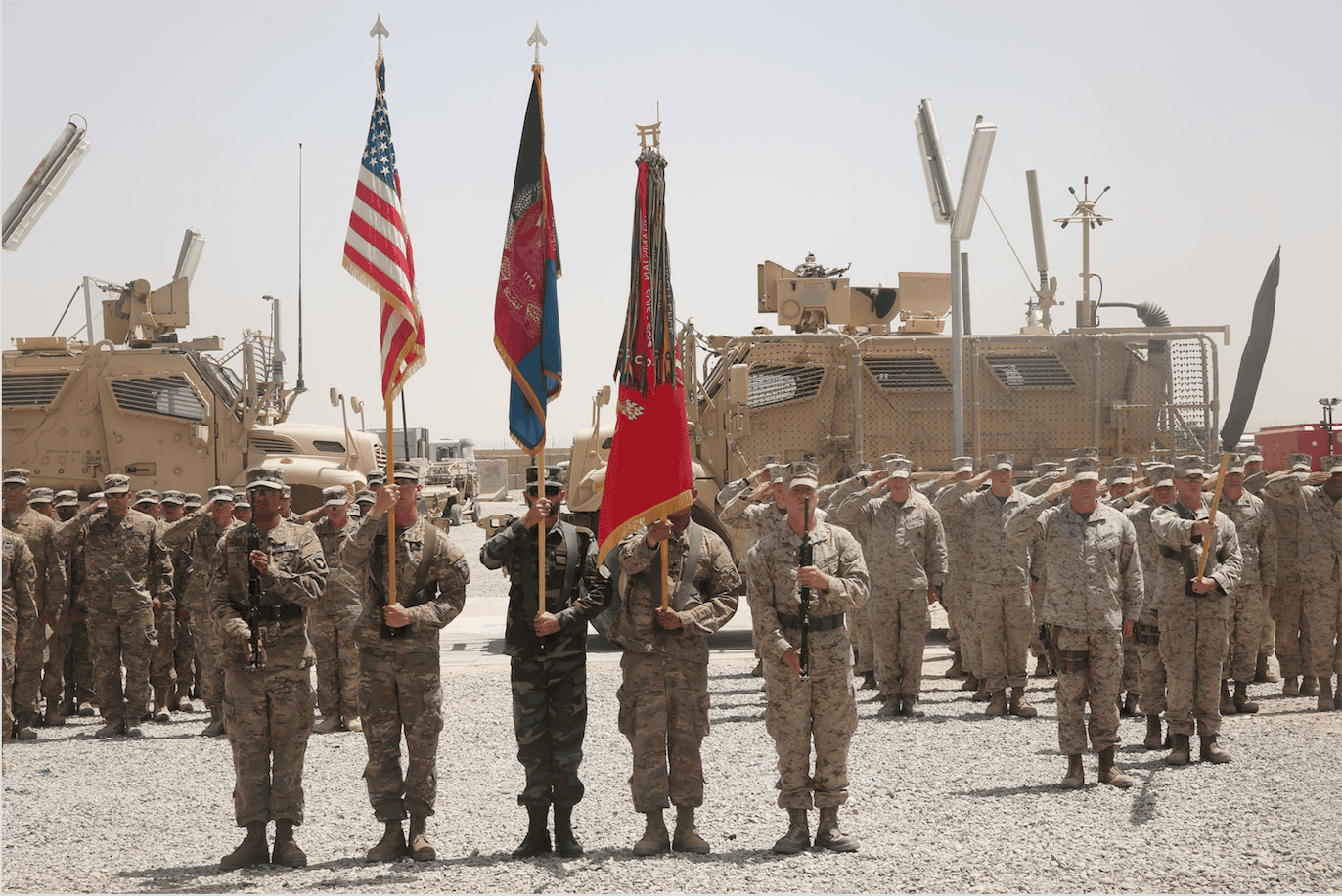
The Congressionally mandated Special Inspector General for Afghanistan Reconstruction (SIGAR) issued a detailed report evaluating the current challenges facing the Afghan National Defense and Security Forces (ANDSF) and the lessons learned from America’s nearly 15-year campaign in the country. The report argues that security priorities guiding US decisions early in the war effort negatively impacted the current priorities of building ANDSF long-term sustainability capabilities. The report, which is the first of its kind, concludes that the ANDSF is plagued by debilitating attrition, corruption, equipment shortages, incomplete training, a lack of security infrastructure and widespread illiteracy. ANDSF Shortfalls SIGAR’s report shows…
-
Taliban fighters promise to ‘play with the skulls’ of dead American soldiers
“The brave and Mujahid nation of Afghanistan rejects disbelief, apostasy, democracy, and slavery!” said one fighter interviewed in the Taliban’s latest propaganda video. “Last half century proves that this land was and will be the land of Islam and Jihad.”

-
Pakistani foreign minister: ‘We don’t have the assets to match’ Haqqanis and LeT
Pakistani Foreign Minister Khawaja Asif accused the United States of creating jihadist groups such as the Haqqani Network and Lashkar-e-Taiba, and supporting them to this day.

-
Islamic State, Taliban claim Kabul attack during Secretary of Defense’s visit
Both the Taliban and the Islamic State’s Khorasan “province” claimed responsibility for an assault on the airport in Kabul, Afghanistan this morning. The attack coincided with a visit by Secretary of Defense James Mattis to the country, although it appears he was not at the airport at the time.

-
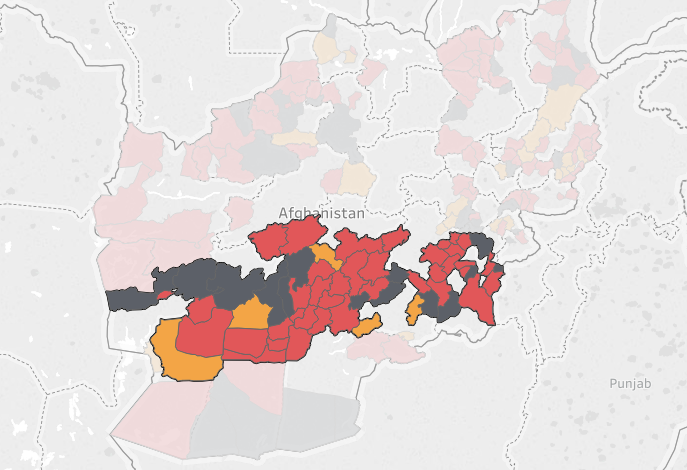
LWJ Map Assessment: Taliban controls or contests 45% of Afghan districts
As the United States enters a new phase of its war in Afghanistan, FDD’s Long War Journal presents a renewed assessment of the Taliban’s strength and disposition, with new interactive features.
-
Taliban retakes district in Afghan northwest
The district of Kohistan in Faryab province has changed hands twice over the past several months.

-
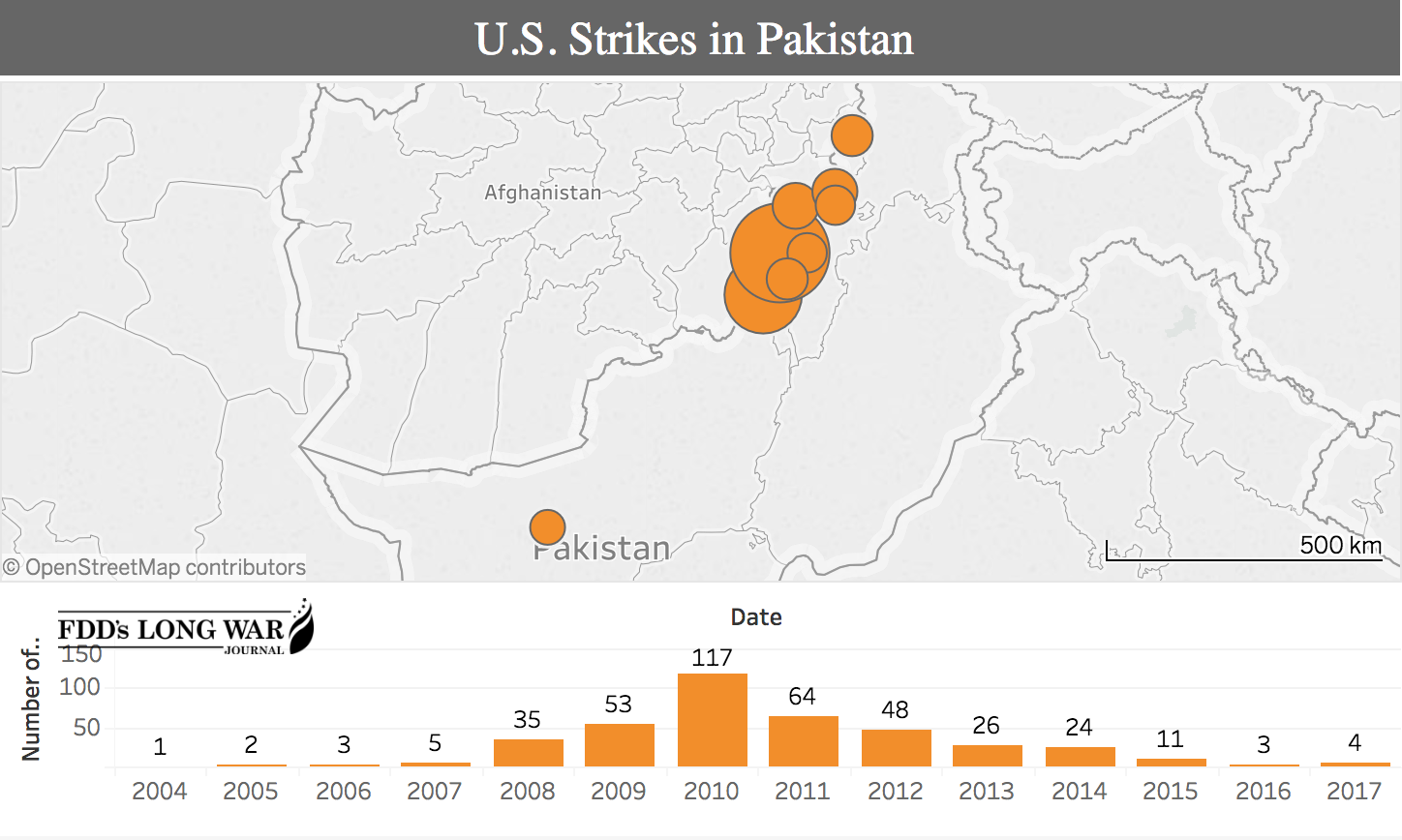
US drones strike jihadists in Pakistan
The US is likely to step up drone strikes in Pakistan after President Trump accused Pakistan of harboring and supporting jihadist groups last month.
-
US military apologizes for ‘highly offensive’ leaflet dropped in Afghanistan
A public affairs or information operations specialist made the grave error of equating the shahada solely with the Taliban, and the commanding general of Special Operations Joint Task Force – Afghanistan is now forced to apologize for the mistake.

-
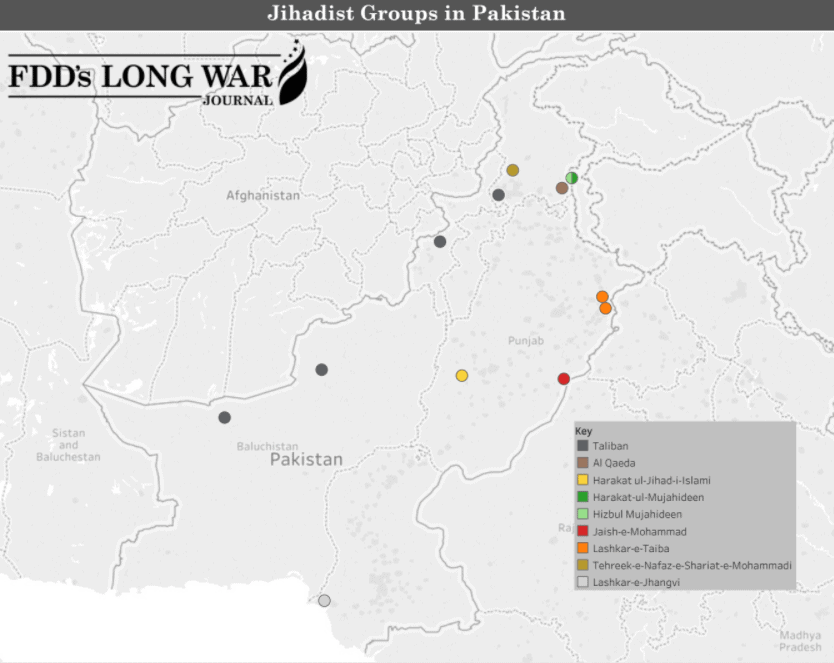
Pakistan suffers diplomatic defeat as BRICS names regional terrorist groups
The blow comes just two weeks after President Trump called out Pakistan for providing “safe haven” for terrorist groups operating in the region and advocated for closer ties with India.
-
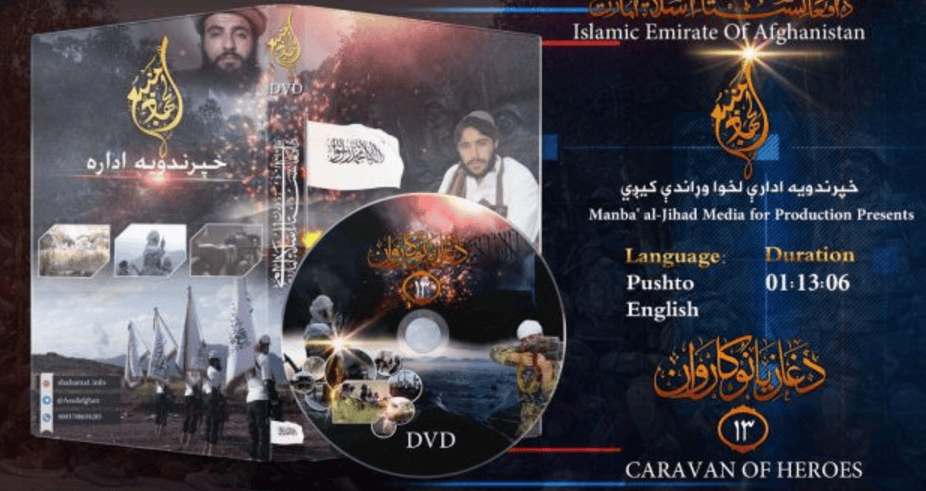
Taliban video documents takeover of district center in Kunar
As with previous videos reported on by FDD’s Long War Journal, the Taliban is able to organize and launch its attack, and then subsequently overrun Afghan government-controlled headquarters during broad daylight without fear of being targeted.
-
Anatomy of a Taliban ambush
The daylight ambush destroyed multiple Afghan vehicles, and despite the fact that US helicopters were nearby, the Taliban do not appear to have been targeted during the fighting.

-
NATO refutes Taliban claim it shot down US helicopter
Resolute Support, NATO’s mission in Afghanistan, claimed the aircraft made “a precautionary landing for a maintenance issue.”

-
US must retreat from Afghanistan for there to be ‘peace’, Taliban leader says
The Taliban released a statement attributed to its emir, Hibatullah Akhundzada, who says that “peace” is only possible if the “occupation” is ended. The statement is entirely self-serving and contains absurd claims. For example, Akhundzada writes that the Taliban wants a “free, independent and progressive Afghanistan,” which is completely inconsistent with the group’s ideology and history.

-
Analysis: Coalition and Afghan forces must target Taliban after overrunning bases
While such tactics may be viewed as reactionary or defensive, if the Afghan government wants to arrest Taliban gains, the Taliban must be forced to pay a heavy price for massing and striking outposts, bases, and district centers.