-
Pakistan, Afghan Taliban move toward ‘open war’ after fighting escalates
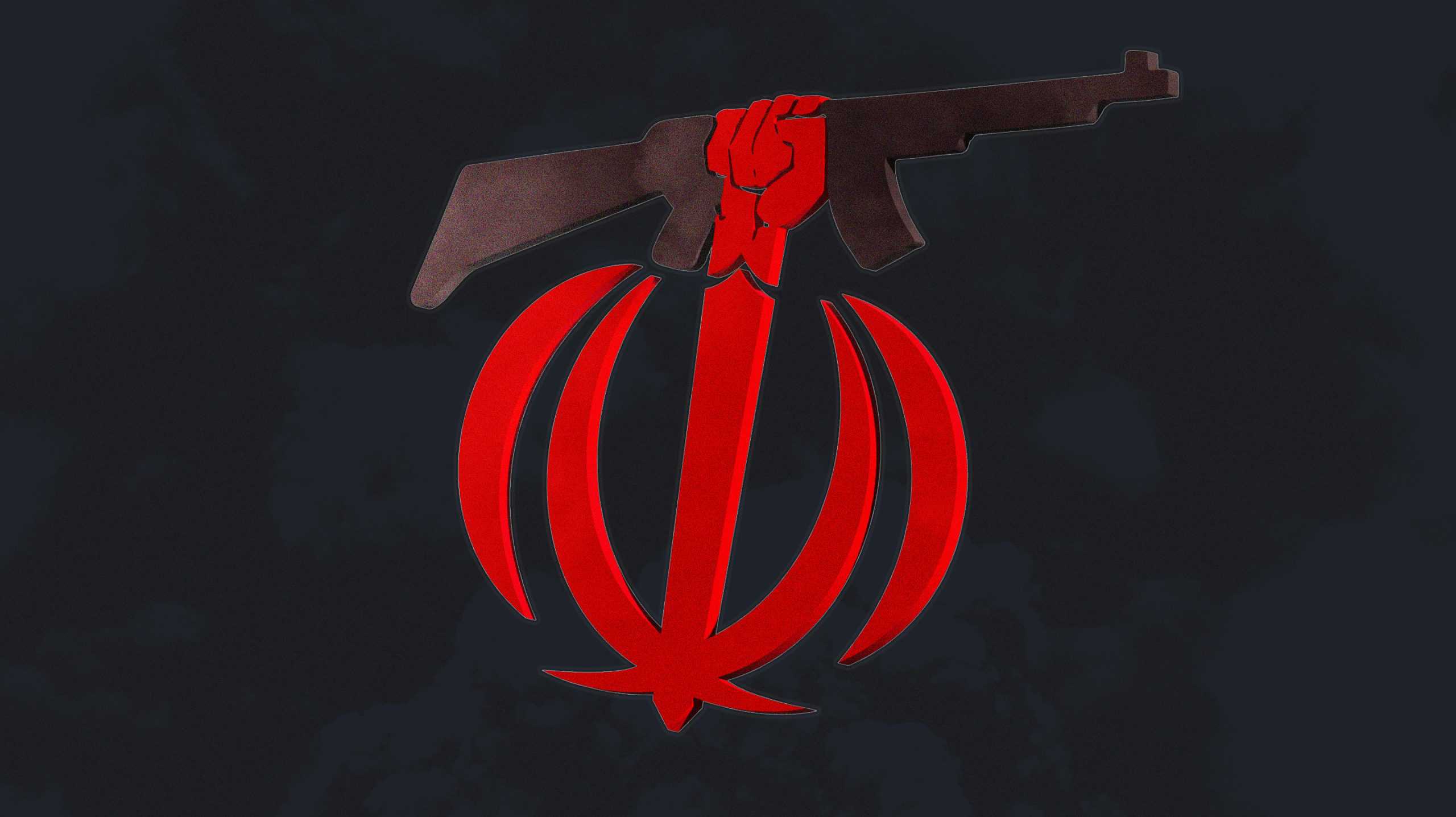
Last weekend, the Pakistani military targeted jihadi training camps in Afghanistan. After the Afghan Taliban, which shelters the terrorists, responded by attacking Pakistani military outposts, the Pakistani military launched Operation Righteous Fury on February 27, striking multiple targets throughout Afghanistan.
-
Terror attacks intensify in Pakistan as the TTP continues to operate from Afghanistan
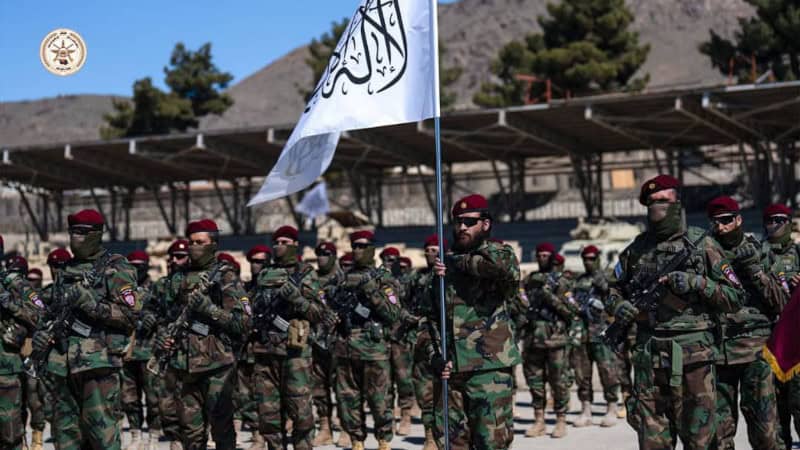
The Movement of the Taliban in Pakistan (TTP) launched suicide operations outside of a courthouse in the Pakistani capital of Islamabad and at a military cadet college in South Waziristan. Pakistan continues to blame Fitna al Khwarij, an India-supported terror group that does not exist, for attacks that the TTP is carrying out.
-
Pakistan, Afghan Taliban agree to ceasefire after another clash along the border
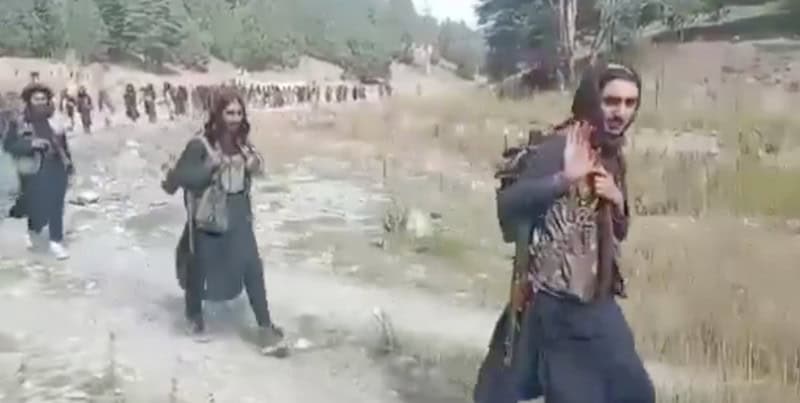
Pakistan and the Afghan Taliban have entered into a ceasefire after accusing each other of another round of deadly fighting along their shared border, this time at the Afghan border crossing at Spin Boldak in Kandahar province. The Afghan Taliban’s support for the Movement of the Taliban in Pakistan (TTP) remains the main point of contention between the two otherwise longtime allies.

-
Afghan Taliban, Pakistani military clash along the border
The Afghan Taliban and the Pakistani military each heralded their operations as a success and claimed to have inflicted high casualties on the other’s forces. The Afghan Taliban’s support for the Movement of the Taliban in Pakistan (TTP) is creating fissures between the two allies.
-
Pakistani Taliban leader thought to be targeted in airstrike on Afghan capital
Pakistan is thought to have carried out an airstrike in Kabul that targeted Movement of the Taliban in Pakistan (TTP) emir Noor Wali Mehsud. If Mehsud’s death is confirmed, he would be the second high-level foreign terrorist leader killed in Kabul since the US withdrawal from Afghanistan in August 2021. On July 31, 2022, the US killed Al Qaeda emir Ayman al Zawahiri in a strike on Kabul.
-
Analysis: Pakistan attempts to shift blame for TTP attacks toward India
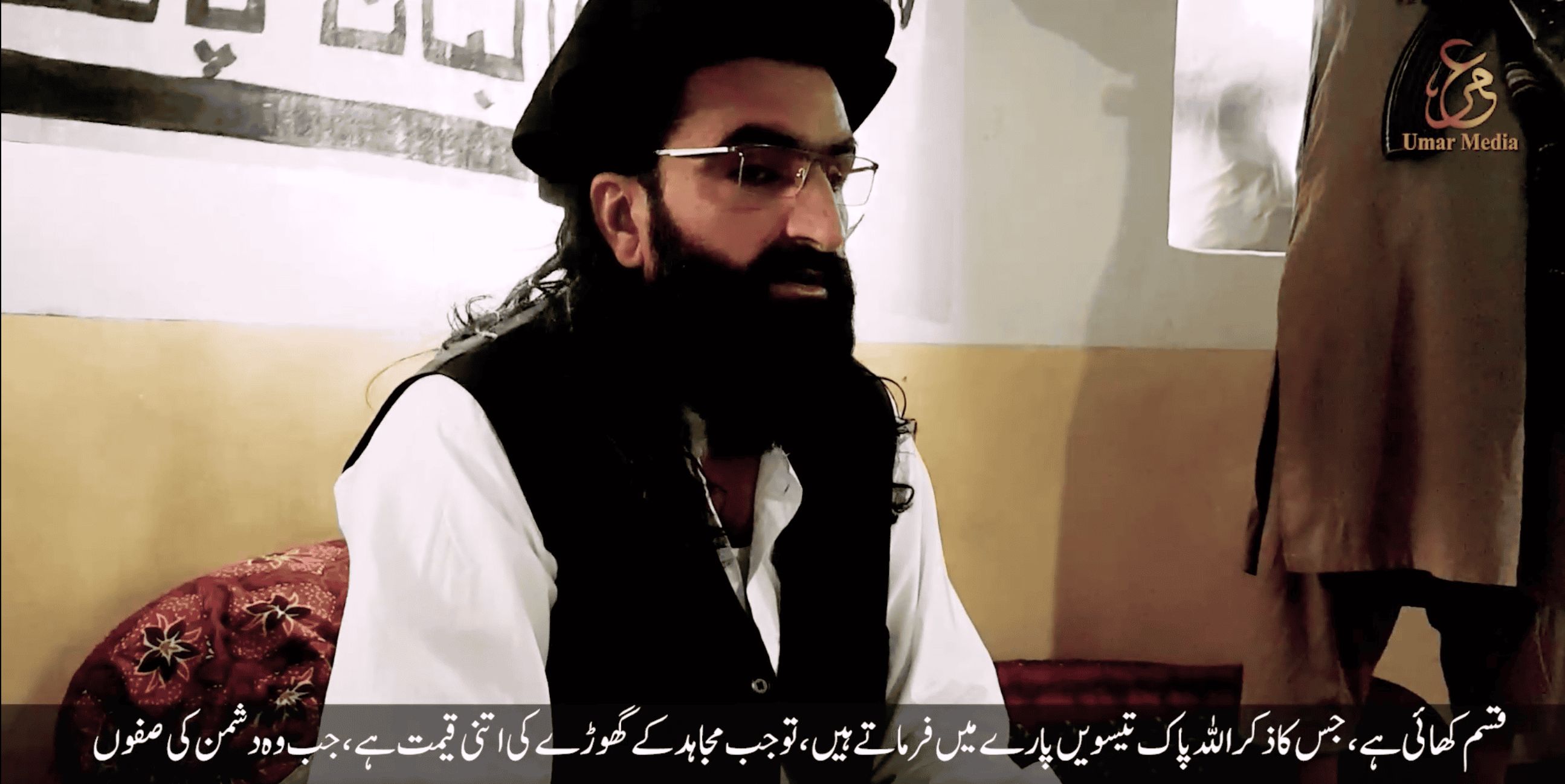
Pakistani officials blamed an attack in the northwestern province of Khyber Pakhtunkhwa that killed 11 Pakistani soldiers on the “Indian Proxy, Fitna al Khwarij.” However, the accusation is an attempt to redirect the responsibility for violence toward India and mask Pakistan’s role in the formation of and support for the Afghan Taliban and its spinoff, TTP.
-
Analysis: The “bonds are close” as the Pakistani Taliban benefits from its Afghan safe haven
The United Nations Analytical Support and Sanctions Monitoring Team reports that “the bonds are close” between the Afghan Taliban and the Movement of the Taliban in Pakistan. The Pakistani Taliban trains at Al Qaeda camps and has received high-tech weapons systems from the Afghan Taliban
-
Analysis: Al Qaeda expands its network of training camps in Afghanistan
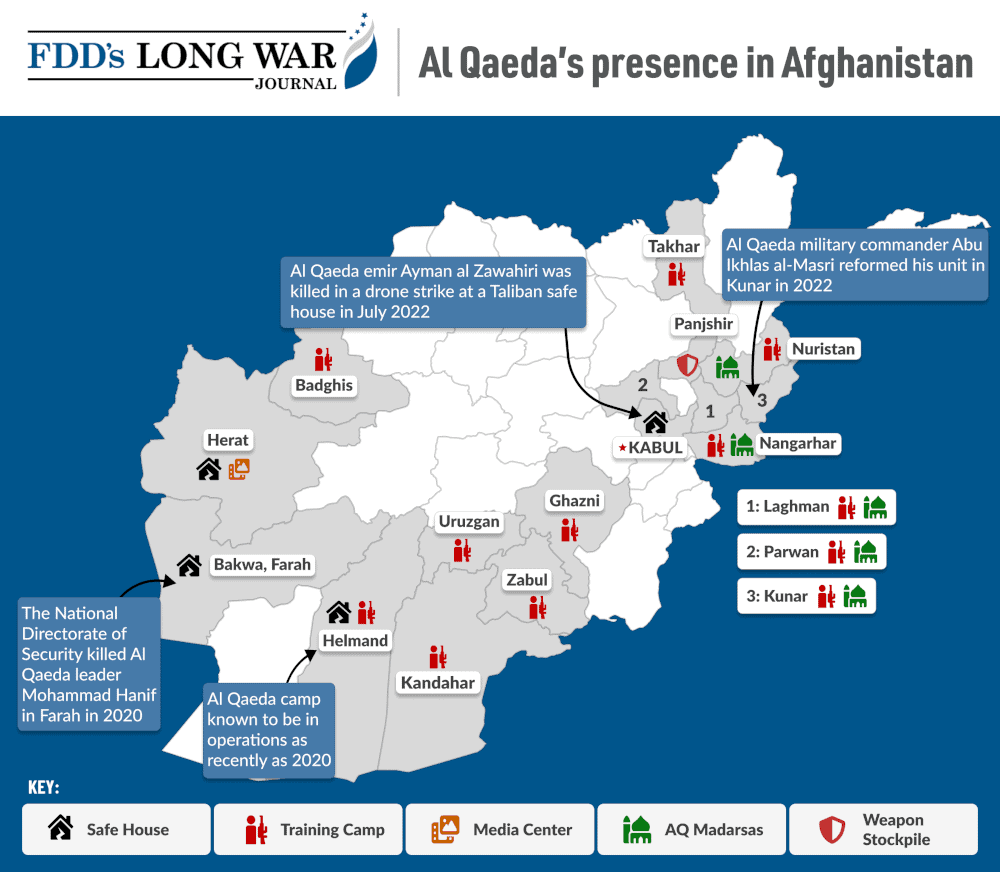
The United Nations Analytical Support and Sanctions Monitoring Team reports that Al Qaeda is operating training camps in two new Afghan provinces: Kandahar and Takhar. The terrorist group now operates training camps in 12 of Afghanistan’s 34 provinces. Additionally, the Monitoring Team notes that Al Qaeda “still uses Afghanistan as a permissive haven under the Taliban.”
-
Turkish charity leaders meet with Taliban officials
A recent meeting between Turkish aid organization representatives and the Taliban’s deputy prime minister highlights renewed economic and investment interest by Turkish entities in Afghanistan. The Taliban’s growing ties with Turkey are a worrying development as Afghanistan remains a haven for terrorists and narco-state.

-
As U.S. seeks peace, Taliban celebrates its jihadist training camps
The Taliban continues to promote its training camps that pump out jihadist fighters who indiscriminately attack Afghan civilians, soldiers and police.

-
Generation Jihad Ep. 28 – Our Review of the Outpost
Hosts Bill Roggio and Tom Joscelyn review The Outpost, a new movie based on a book by CNN’s Jake Tapper.
-
Generation Jihad Ep. 18 – What We Don’t Know About Russian Bounties
Hosts Tom Joscelyn and Bill Roggio discuss reports saying that Russia offered bounties to Taliban fighters to attack Americans.
-
Generation Jihad Ep. 12 – The ISIS Spokesman’s Latest Rant
Bill Roggio and Tom Joscelyn on the latest diatribe released by Abu Hamza al-Qurashi, the Islamic State’s spokesman, who portrays the coronavirus as an act of divine retribution against the West and accuses the Taliban of working with the “Crusaders.”
-
Generation Jihad Ep. 11: An Al Qaeda Sleeper Agent in Pensacola
Hosts Bill Roggio and Tom Joscelyn discuss the FBI’s breakthrough in the investigation into the Dec. 6, 2019 shooting at Naval Air Station Pensacola.
-
Al Qaeda linked Kashmiri terror chief denounces Pakistan, calls for renewed jihad
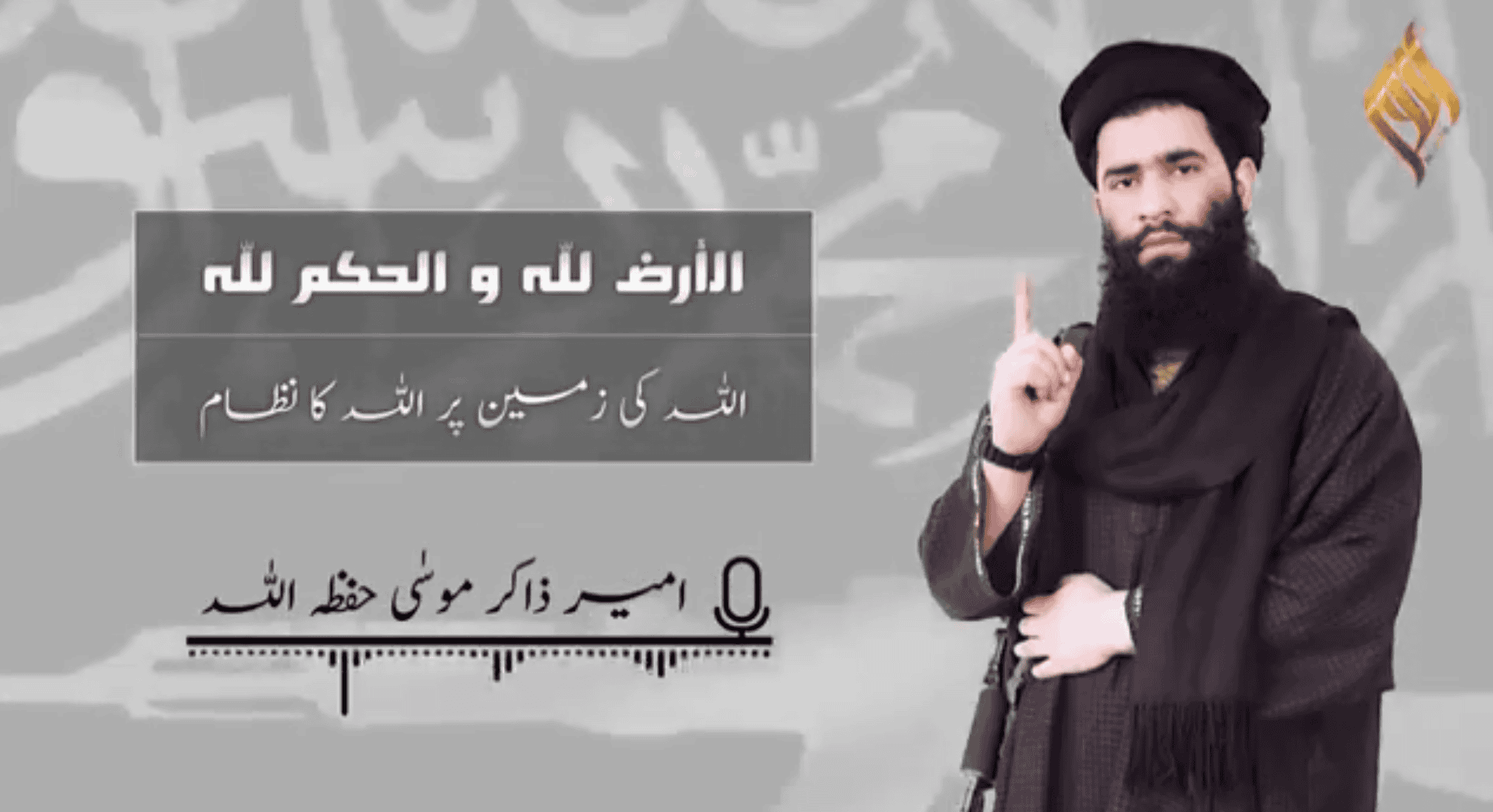
Zakir Musa uses the message to paint a picture for the future of Ansar Ghazwat-ul-Hind’s jihad in the Kashmir–a jihad without ties to Pakistani guidance, with fighters sourced from throughout the region, and focused on the implementation of Sharia, or Islamic law, in Kashmir through terror.
-
Half of Afghan population living in districts outside government control
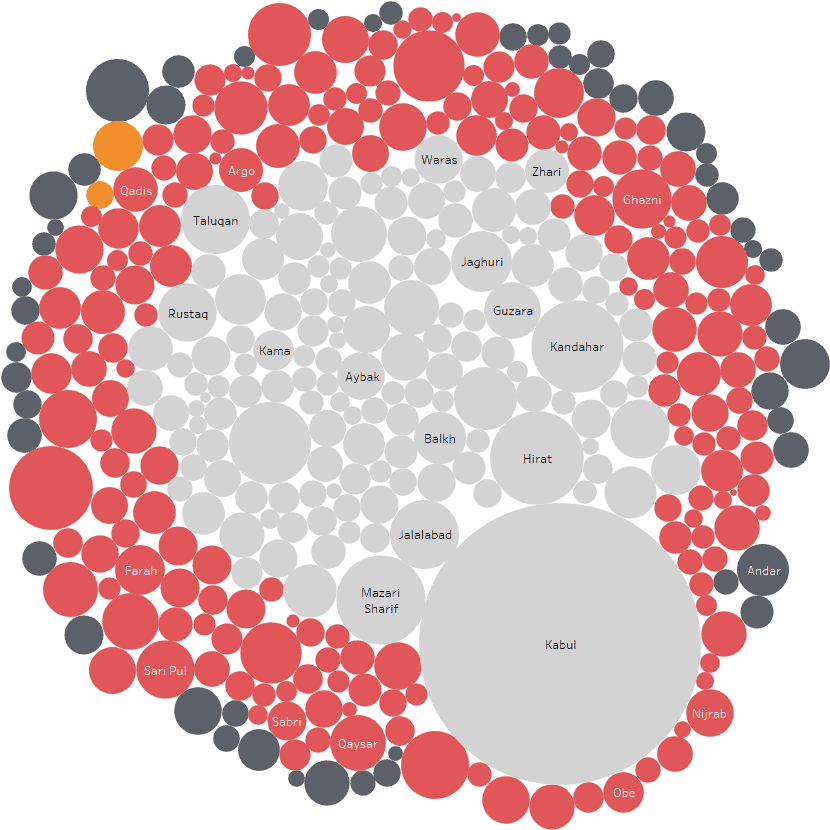
Some 41 percent of the Afghan population resides in a contested district and more than nine percent reside in a Taliban controlled district, according to a new study by FDD’s Long War Journal.
-
General Raziq’s assassin trained at a Taliban camp
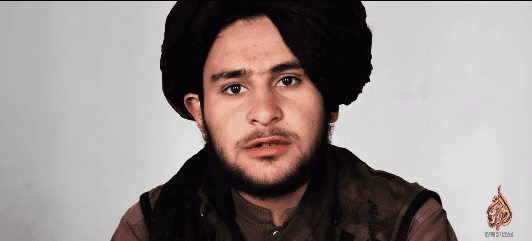
The US military and Resolute Support have yet to identify Raziq’s assassin as a member of the Taliban, let alone acknowledge that he trained in a Taliban camp.
-
Afghan mission releases district-level assessments
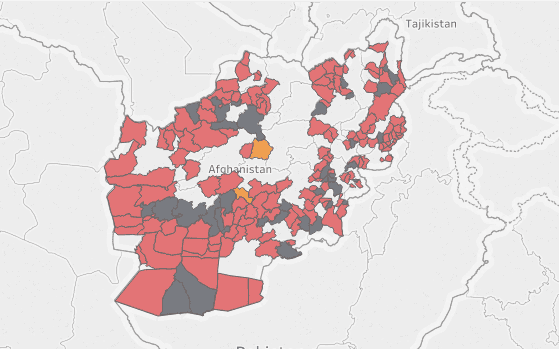
The Afghanistan watchdog was finally able to release the military’s own district-level assessment, allowing for a direct comparison with our data. The Taliban currently controls 37 districts, contests 200, and claims to control two more.
-
Video shows Taliban overran district center in Afghan east
Afghan officials denied that the Gomal district center in Paktika province was overrun at the end of August. Video shows that Gomal was indeed seized by the Taliban.
/assets/images/featured-image-default.jpg)
-
State Department: Pakistan continues to provide safe haven for Taliban, allied jihadists
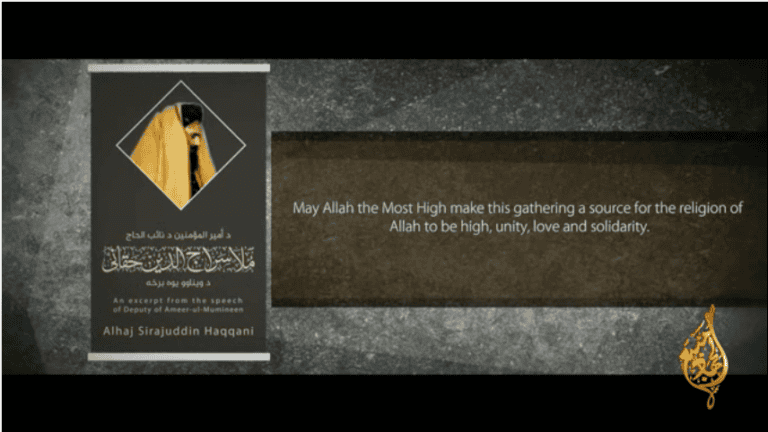
The State Department’s newly released Country Reports on Terrorism says that Pakistan “did not take substantial action against the Afghan Taliban,” including the Haqqani Network, in 2016. The Taliban’s leadership has long had a presence in Pakistan.
-
Mapping the emergence of the Islamic State in Afghanistan
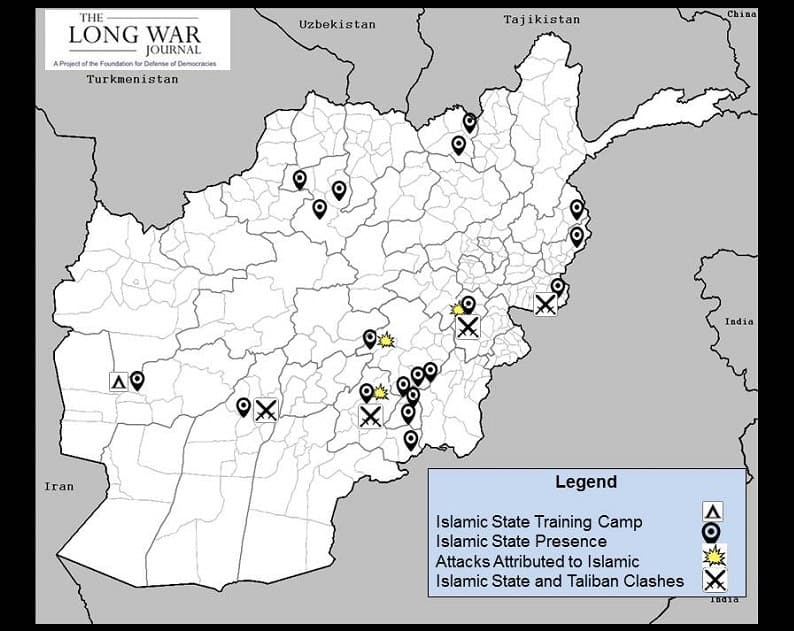
The Islamic State claims it operates in multiple Afghan provinces, and runs a training camp in Farah.
-
Analysis: Reported ban of Haqqani Network unlikely to end Pakistan’s support of group
Groups like Lashkar-e-Taiba have previously been banned in Pakistan, but continue to receive the support of the military and intelligence establishment.
-
Al Qaeda condemns Pakistani Taliban’s attack on Peshawar school
The spokesman for al Qaeda in the Indian Subcontinent (AQIS) has released a statement condemning the Pakistani Taliban’s attack on a Peshawar school earlier this week, calling it “un-Islamic.”
-
Afghan Taliban releases statement condemning attack on Pakistani school
The Afghan Taliban has released a statement condemning the Pakistani Taliban’s attack on the Army Public School in Peshawar.