-
Generation Jihad Ep. 183 — Day after tomorrow in southern Lebanon?
Bill and Joe unpack recent headlines related to Israel’s defensive war in Gaza and simmering tensions in its north with Hezbollah, including the IDF chief of staff saying that Hamas brigades in Rafa have been dismantled; thousands of Iran-backed fighters offering to join Hezbollah in a battle against Israel; officials from the Islamic Republic meeting with the Taliban about taking joint action against Israel; how long Egypt will tolerate Israeli forces at its border; and why the Israeli government has yet to share a clear plan for Gaza almost 9 months into the war.
-
Israel’s operations in Gaza are headed for a new phase
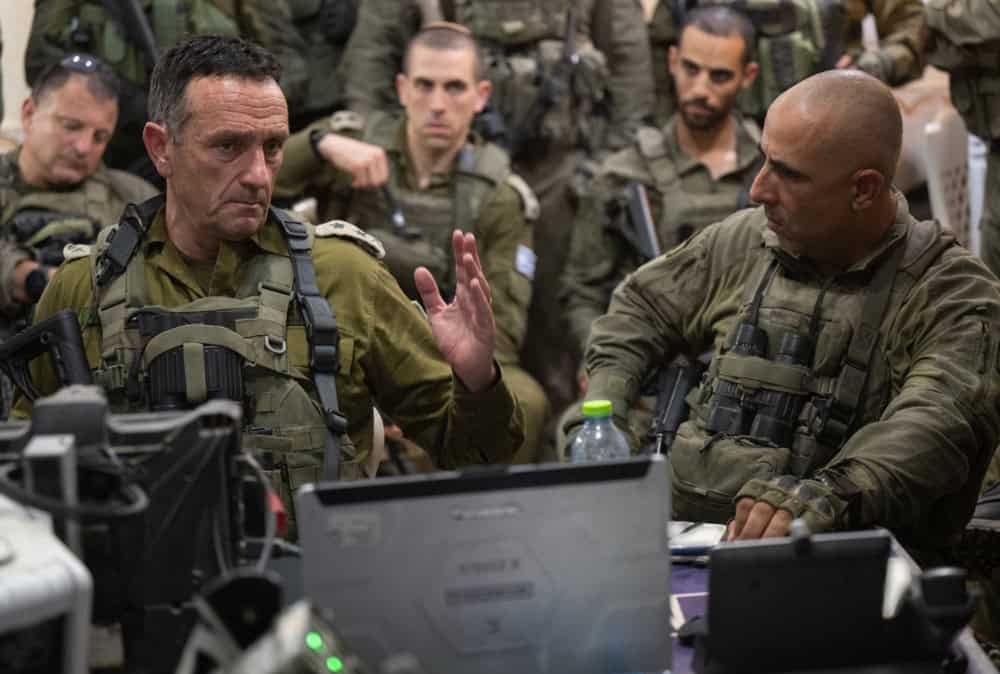
Israeli Defense Minister Yoav Gallant traveled to Washington, DC, where he discussed the next phase in Israel’s operations in Gaza. Separately, IDF Chief of Staff Herzi Halevi praised the IDF for its progress in defeating Hamas in Rafah and uncovering tunnels in the area.
-
Iran-affiliated cell reportedly found storing explosives in Jordan’s capital
Jordanian authorities announced an investigation that may have successfully thwarted an Iranian-backed attempt to destabilize the Kingdom. The efforts of Iran, its proxies, and allied organizations in Jordan have notably increased since Hamas attacked Israel on October 7.

-
Generation Jihad Ep. 182 — When terrorists act like terrorists
Bill and Behnam discuss new sanctions that dropped this week, including Canada’s designation of Iran’s Islamic Revolutionary Guard Corps and the U.S. designation of a proxy militia in Iraq; the Houthis sinking yet another ship; and threats made by Hezbollah leader Hassan Nasrallah to conduct attacks in Cyprus. And an update on the Gaza floating pier because Bill.
-
Ukraine’s new Unmanned Systems Forces takes shape
Ukraine announced the commander of its nascent Unmanned Systems Forces (USF), Colonel Vadym Sukharevskyi. Sukharevskyi detailed various plans for the USF and how Ukraine plans to continue leveraging unmanned technology in its conflict with Russia.

-
Iran and Taliban discuss “joint action” against Israel
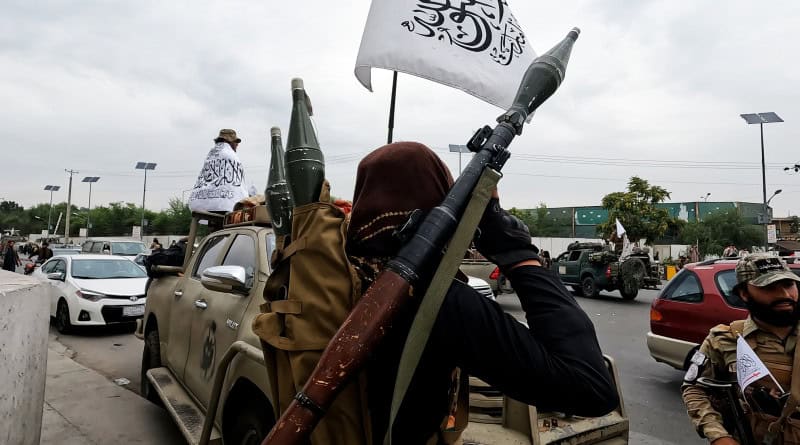
The Tehran regime and the Taliban administration have reaffirmed their growing ties and anti-Israel sentiment throughout the Gaza conflict. The two have also cooperated in the past to help the Taliban conquer Afghanistan.
-
Israeli forces in Rafah report discovering numerous tunnels and significant terrorist infrastructure
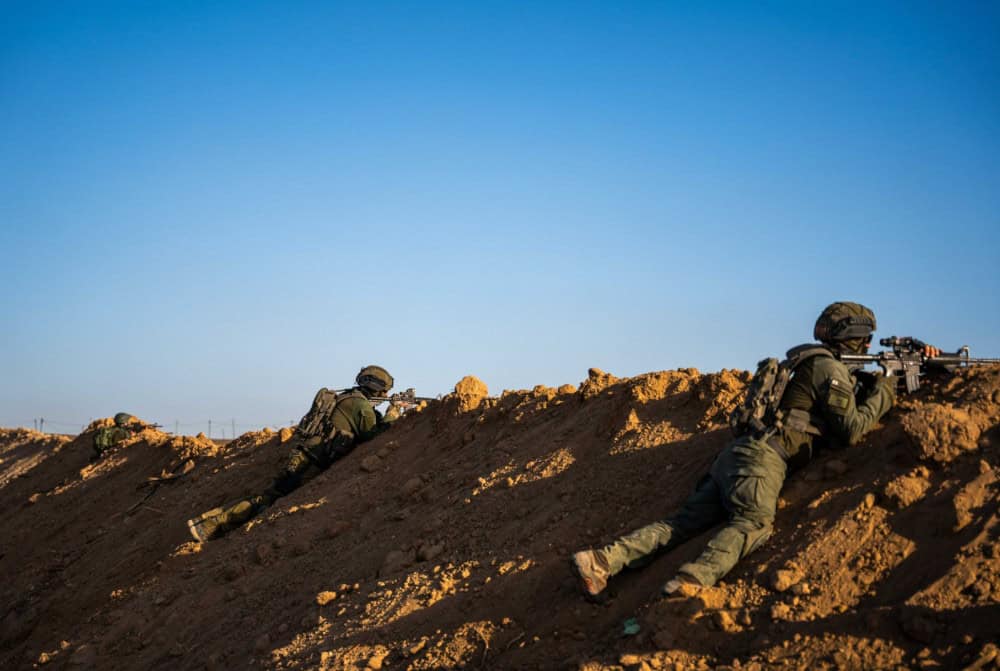
Israel Defense Forces units continue to operate in Rafah, uncovering numerous tunnels and weapons in civilian homes in southern Gaza. In central Gaza, mortar fire killed two IDF soldiers and severely wounded three. The IDF also carried out several targeted airstrikes against terrorists and a rocket launch site.
-
Hezbollah publishes drone footage of Israel as Nasrallah issues new warnings
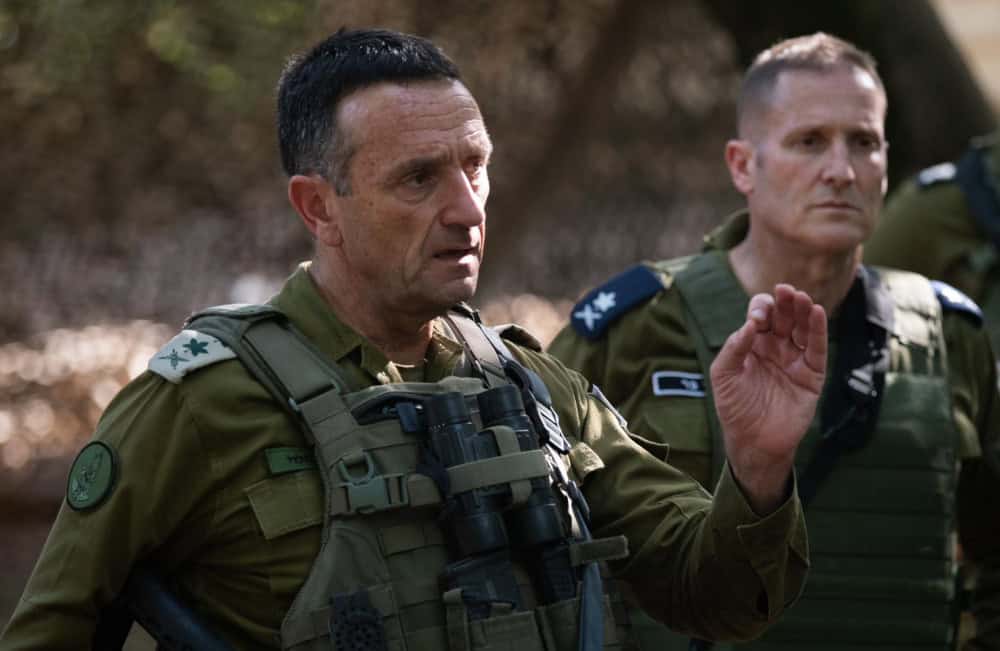
Israel-Hezbollah tensions increased on June 18 and June 19. Hezbollah released drone footage showing sites in northern Israel, and the group’s leader, Hassan Nasrallah, threatened Cyprus and warned it against letting the IDF use its bases. IDF Chief of Staff Lieutenant General Herzi HaLevi and Israeli Defense Minister Yoav Gallant held discussions with Israel’s Northern Command to discuss the situation.
-
Turkish charity leaders meet with Taliban officials
A recent meeting between Turkish aid organization representatives and the Taliban’s deputy prime minister highlights renewed economic and investment interest by Turkish entities in Afghanistan. The Taliban’s growing ties with Turkey are a worrying development as Afghanistan remains a haven for terrorists and narco-state.

-
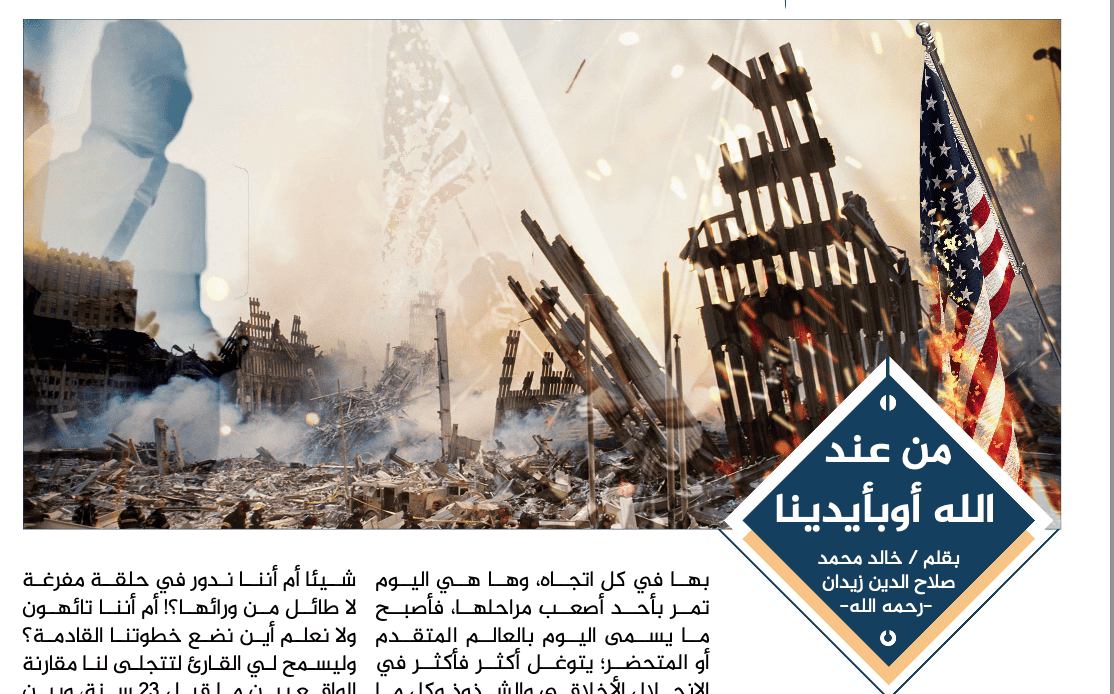
Al Qaeda’s enduring challenge: A vision of victory over America
The recent article, penned by the now believed deceased son of al Qaeda leader Sayf al-Adl, clearly demonstrates al-Qaeda’s strategic vision and continued threat.
-
Shabaab advertises creation of “special forces” unit
Shabaab’s video, which demonstrates its new so-called ‘special forces’ training center, is eerily similar to productions put out by the Afghan Taliban before it took over Afghanistan.

-
Generation Jihad Ep. 181 — Al Qaeda’s leader has a new rallying cry. We should listen.
The (still technically unofficial) leader of Al Qaeda, Saif al-Adel, wrote an article under a pseudonym calling for people around the world to flock to Afghanistan for training to conduct attacks against “the Zionists.” Clear efforts by Al Qaeda to capitalize on the conflict in Gaza — but is the threat credible? Does al Qaeda in Afghanistan even have the means? Yes and yes, say Bill and Will Selber, LWJ contributor and retired Middle East Foreign Area Officer. They discuss how we give an enemy time and space to innovate and then ignore their threats at our own peril.
-
IDF increases naval strength with new logistics support vessel
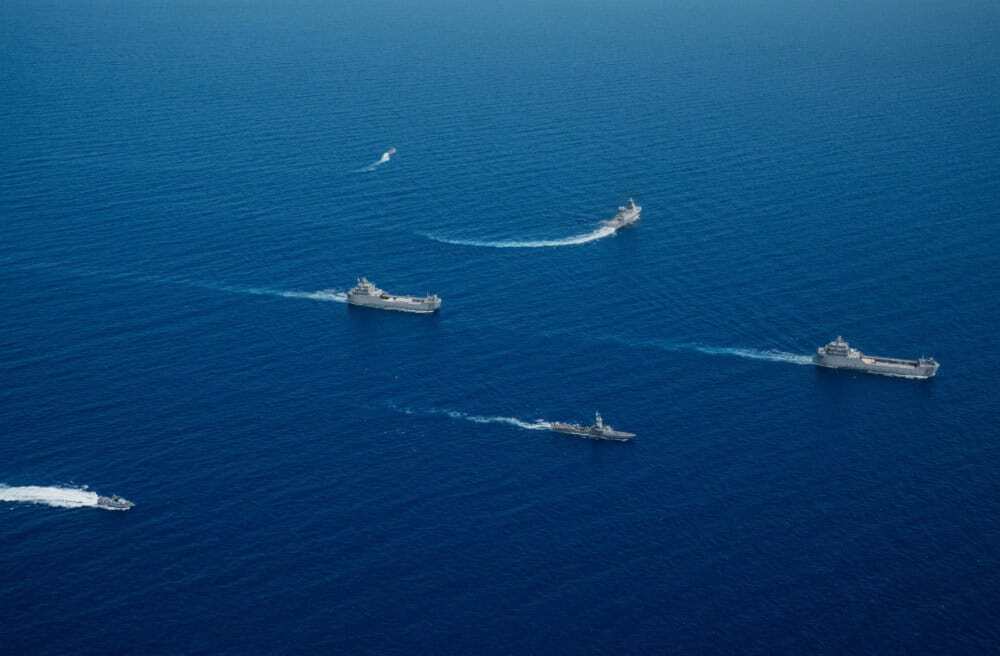
The Israeli Navy took delivery of the INS Komemiyut, a new logistics support vessel (LSV), on June 16, the second of these new landing craft in the past year. The vessels are capable of transporting troops and large vehicles, expanding Israel’s operational range and joint-operations capability.
-
Generation Jihad Ep. 180 — Meanwhile in the West Bank…
The Islamic Republic of Iran tightening its noose around Israel can be evidenced by activity from the Houthis and in Gaza, Lebanon, Syria, Iraq, and — lest we forget — the West Bank. How does the West Bank threat compare to the Gaza threat? Who holds power in the West Bank, and which terrorist groups are active there? Top of the list? Islamic Jihad. They discuss Joe’s recent research on the senior members of Islamic Jihad that were killed in a counterterrorism operation in the West Bank and losses suffered by the group’s Syria branch in Lebanon.
-
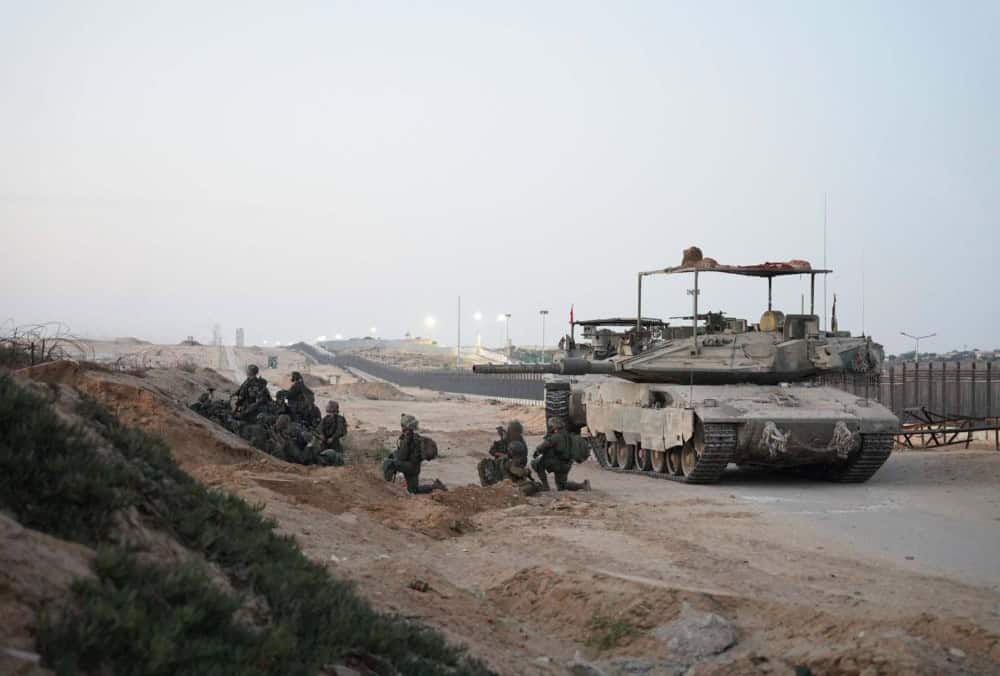
IDF presses forward in Rafah after recent losses
The Israel Defense Forces (IDF) lost 11 soldiers in several days of fighting in Gaza. In one of the deadliest incidents since the IDF’s ground operation began, eight soldiers were killed by an explosion targeting their armored personnel carrier on June 15. The IDF continues operations in Rafah against Hamas and other terrorist groups.
-
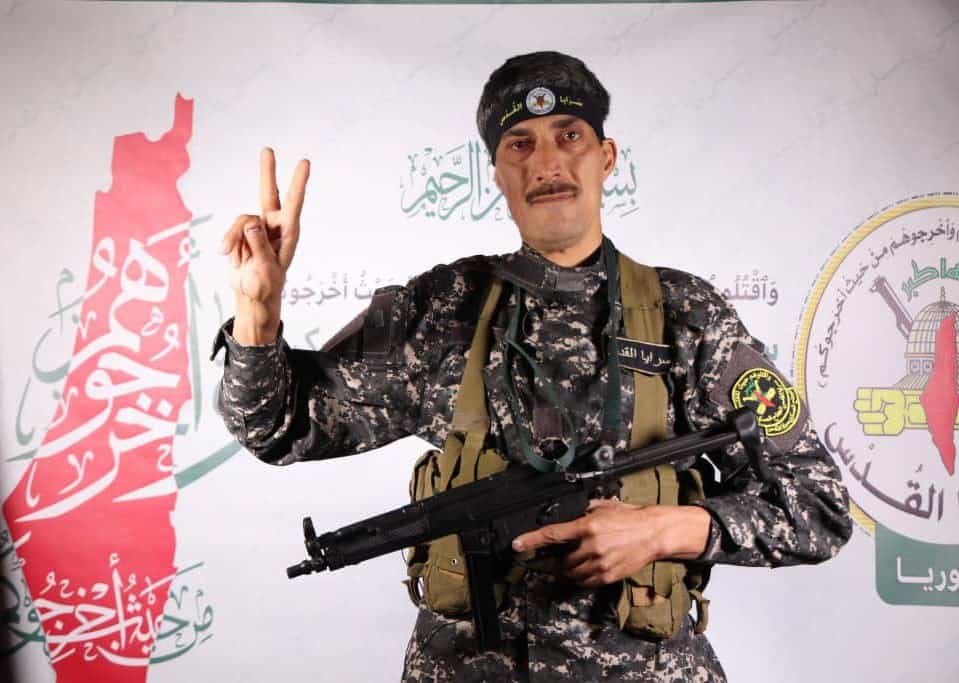
Losses mount in Lebanon for Islamic Jihad’s Syrian branch
Palestinian terrorist groups fighting in Lebanon continue to lose fighters to Israeli strikes as Islamic Jihad claims the death of a member on Saturday.
-
Generation Jihad Ep. 179 — Uncertainty: It’s the new weapon, weapon of choice
Bill and Behnam unpack a recent DIA report on the impact of Houthi attacks on international shipping and discuss everything the Houthis have been able to do with the limited resources supplied by Islamic Republic of Iran (and considering the bang for their buck, why wouldn’t they continue to supply weapons?); the perilous pattern of the U.S. ignoring when its enemies scream from the rooftops what their intentions are; and the credibility of claims made by the Houthi leader that an attack against Israel is being planned with help from the Islamic Resistance in Iraq — should we believe him?
-
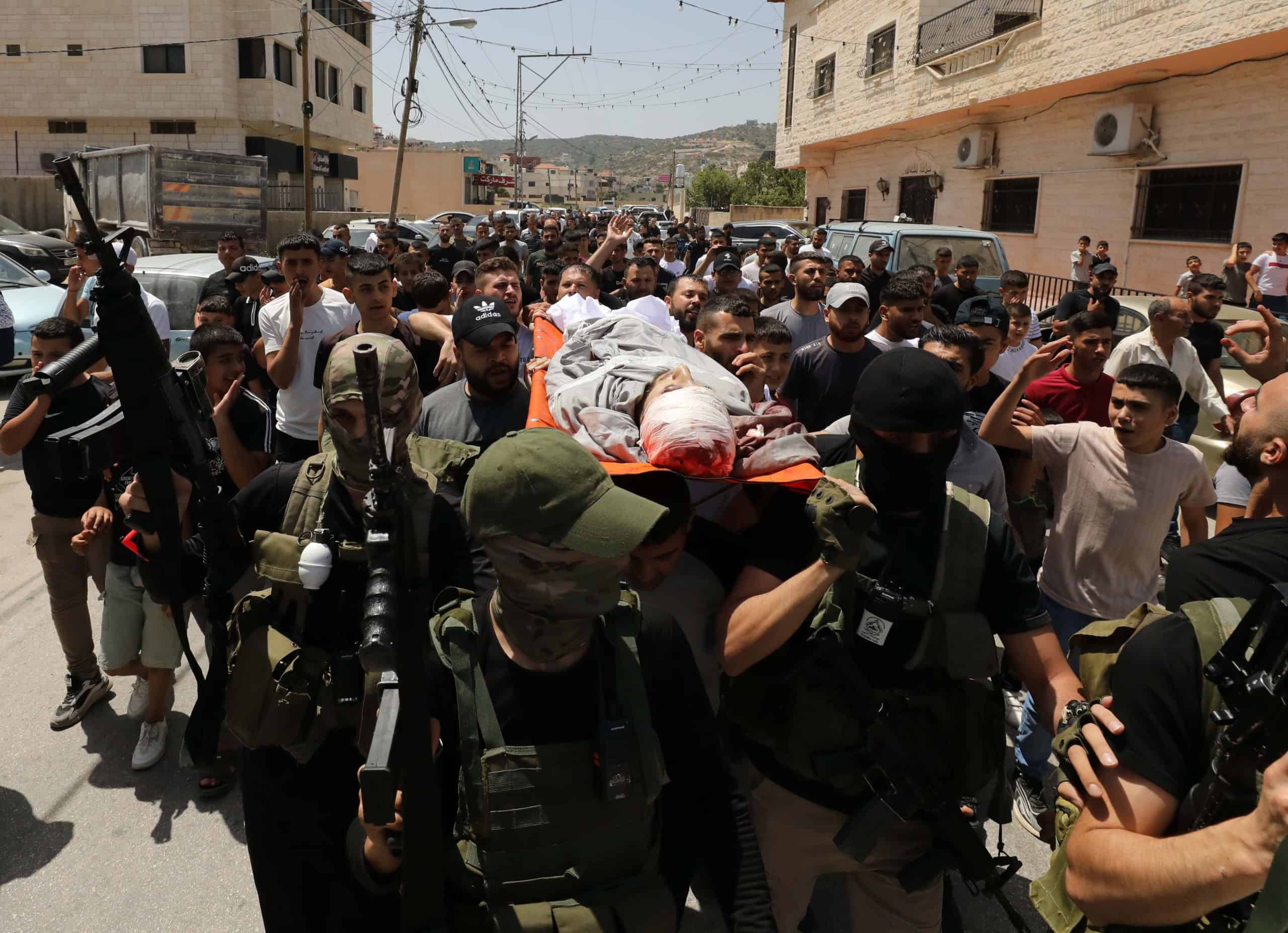
Senior members of Islamic Jihad’s branch in Jenin killed in a counterterrorism operation
Israeli forces operating in the northern West Bank city of Qabatiya killed two members of Islamic Jihad’s branch in Jenin.
-
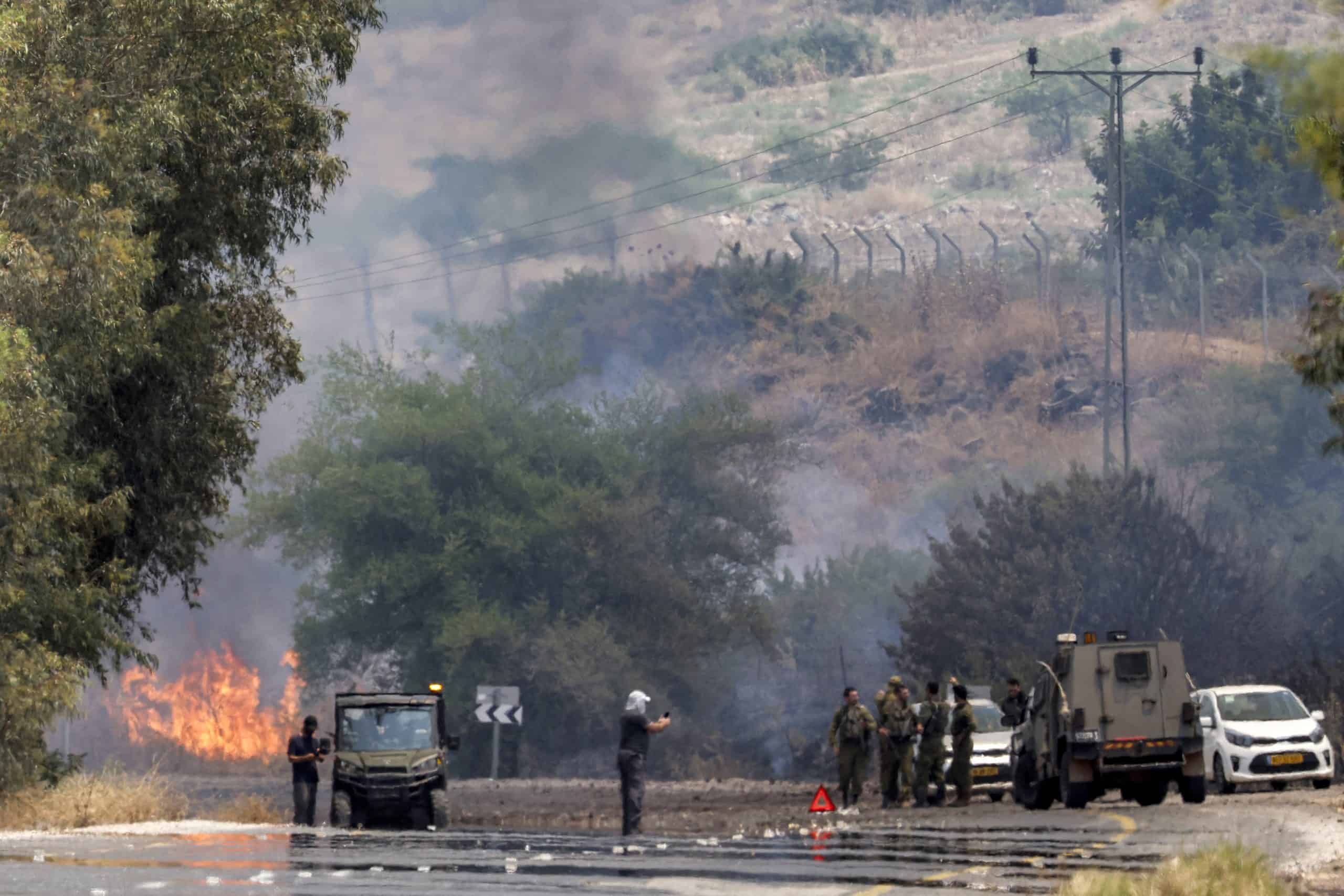
Analysis: The grave consequences of the UN’s failure in Lebanon
In a significant escalation, Hezbollah pummeled northern Israel on Wednesday with more than 200 rockets in the terror group’s largest single-day attack since the start of the war in Gaza. If the United Nations Interim Force in Lebanon (UNIFIL) does not execute its mandated mission by stopping Hezbollah attacks on Israel and ensuring the group withdraws north of the Litani River, the steadily intensifying violence on Israel’s northern border could become a full-scale war with massive loss of life.
-
The West Bank: A 3-year crisis led by Palestinian terrorist groups
Three years into the uptick of violence in the West Bank, Palestinian terrorist groups continue to operate against Israeli targets and are growing more sophisticated.

-
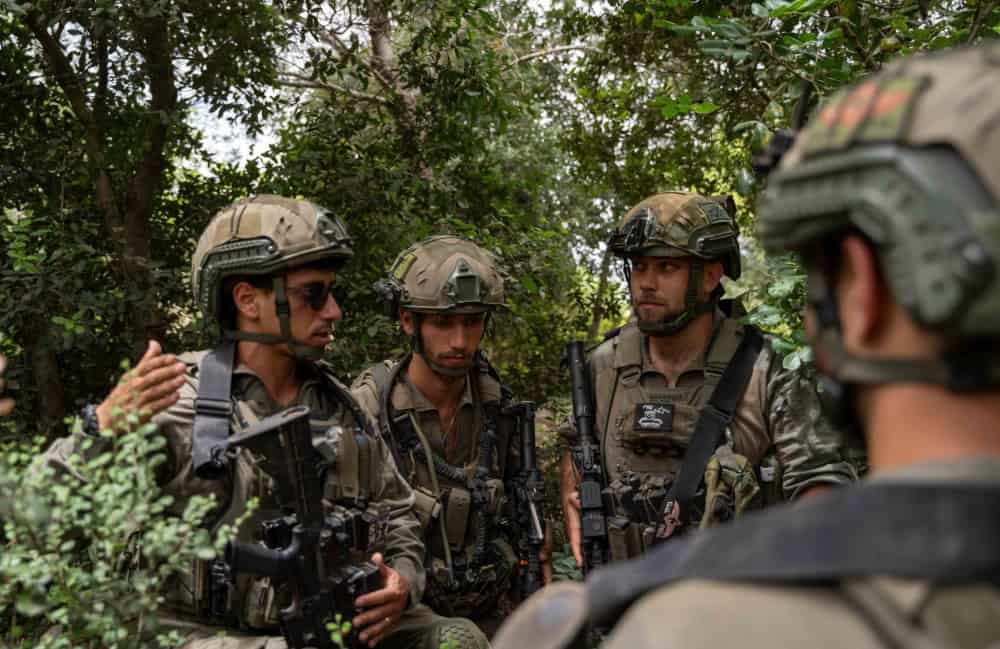
Hezbollah continues wave of rocket fire as IDF trains for a northern war
Hezbollah launched more than 100 rockets at Israel on June 13, a day after it launched more than 215 rockets. The continuing escalation, the largest in eight months of war, led to calls by Israeli mayors for Israel to decide about confronting the increasing threats. Iran’s acting foreign minister warned Israel against attacking Lebanon as IDF brigades train for a possible war in the north.
-
Analysis: Taliban leader Sirajuddin Haqqani becomes a statesman
After meeting the ruler of the UAE, Sirajuddin Haqqani traveled to Saudi Arabia to attend the Hajj. His travel was approved by the international community. Official recognition is almost certainly to follow.

-
Israel faces major Hezbollah escalation as Rafah battle continues
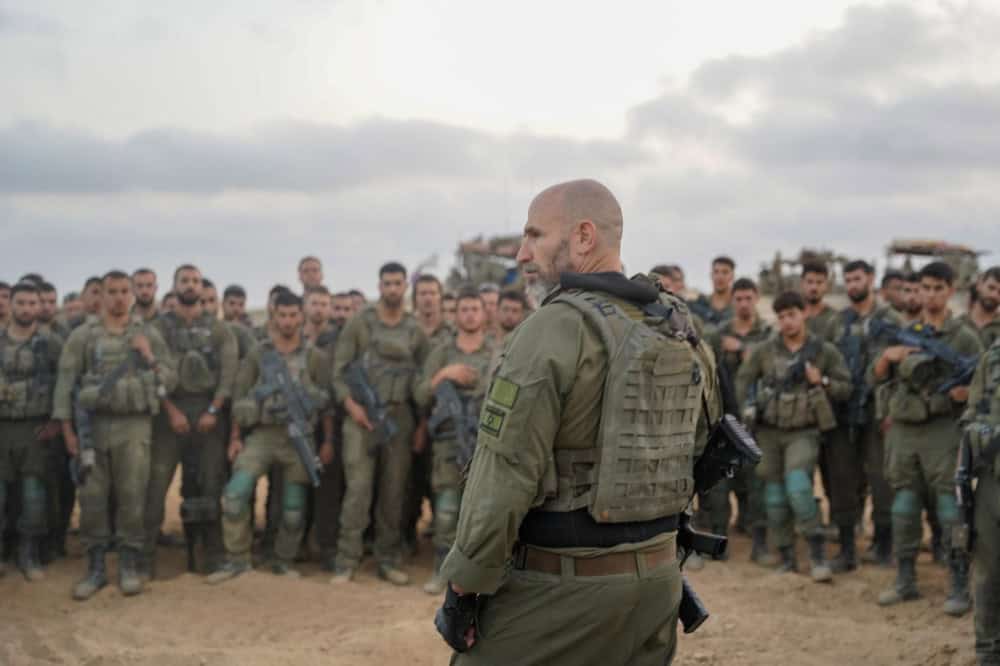
Hezbollah launched more than 215 rockets at Israel from Lebanon on June 12, its largest escalation of the war. The attacks came in the wake of Israel eliminating senior Hezbollah commander Taleb Sami Abdullah on June 11. The terrorist group also targeted areas along the Sea of Galilee in some of the deepest attacks it’s carried out since October 2023. In Gaza, the IDF’s 98th Division completed operations in central Gaza, and the IDF continues to operate in Rafah.
-
Islamic State operatives arrested after illegally crossing the US border
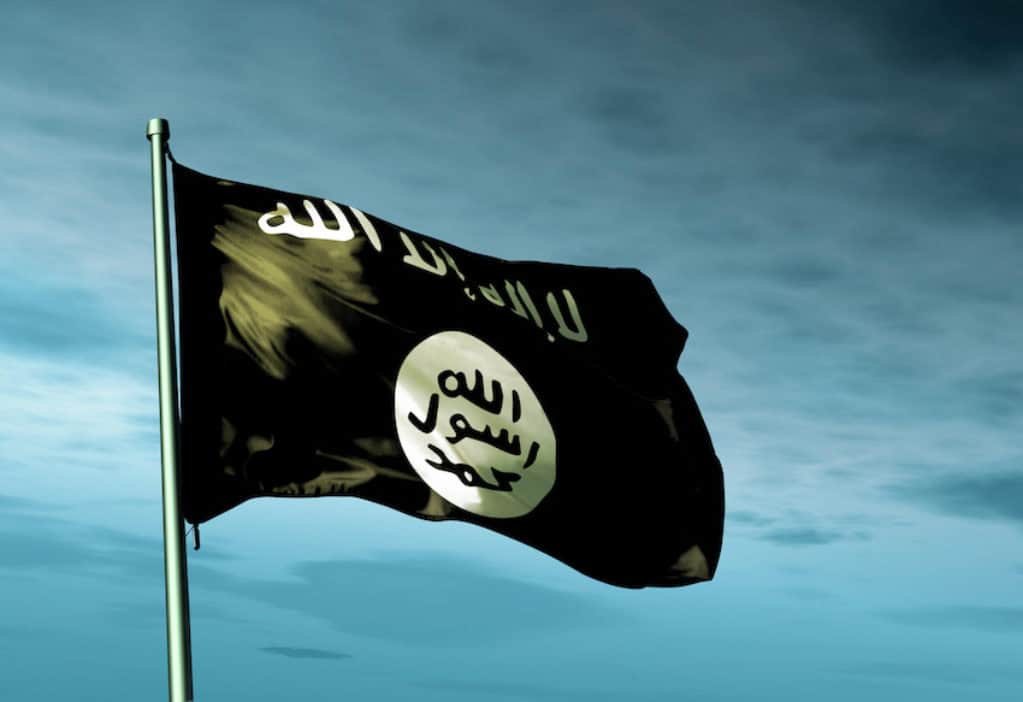
Eight Tajik nationals with ties to the Islamic State in Khorasan Province (ISKP) were recently arrested in major US cities after illegally crossing the Mexican border as early as 2023. The arrests underscore the resurgence of the ISKP after the US withdrawal from Afghanistan and may indicate terrorist groups are seeking to exploit America’s border crisis to stage attacks.
-
Jordanian authorities thwart major drug smuggling operation linked to Iran-backed militias
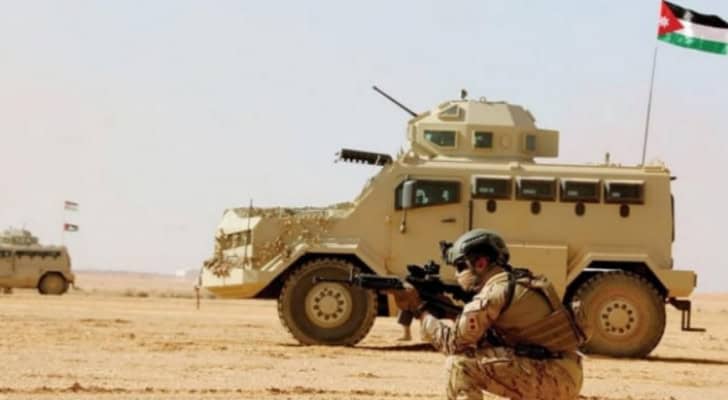
Jordanian authorities thwarted a major drug smuggling operation linked to Hezbollah and Iran-backed militias, seizing 9.5 million Captagon pills and 143 kilograms of hashish, highlighting regional security challenges and straining Jordan’s resources.
-
U.S. offers $5 million reward for member of Al Qaeda’s top leadership council
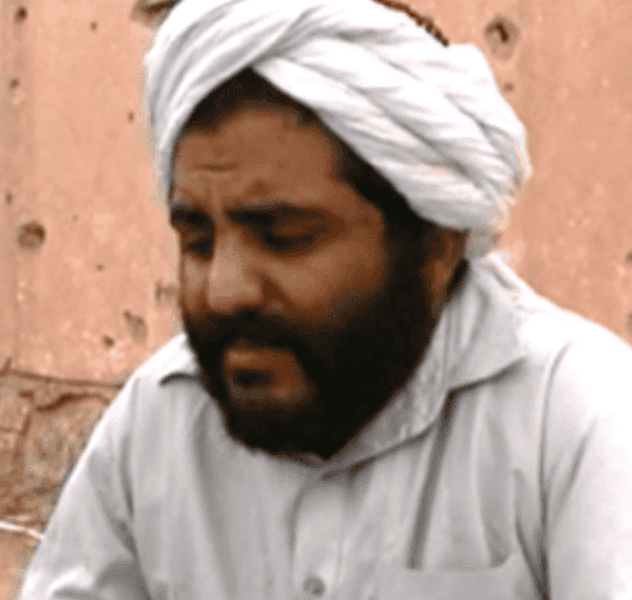
Hamza al Ghamdi is a legacy Al Qaeda leader who fought alongside Osama bin Laden against the Soviets, led bin Laden’s bodyguard, organized terror attacks in Tajikistan in the 1990s, and fought at the battle of Tora Bora. He is currently a member of Al Qaeda’s shura, or executive leadership council. Ghamdi is likely based in Afghanistan or Iran.
-
Generation Jihad Ep. 178 — “Even when Israel wins, it loses.”
Bill and Joe discuss Israel’s slow news weekend which included a hostage rescue followed by a high-level war cabinet resignation. The floating Gaza pier and al Qaeda are also discussed (because Bill).
-
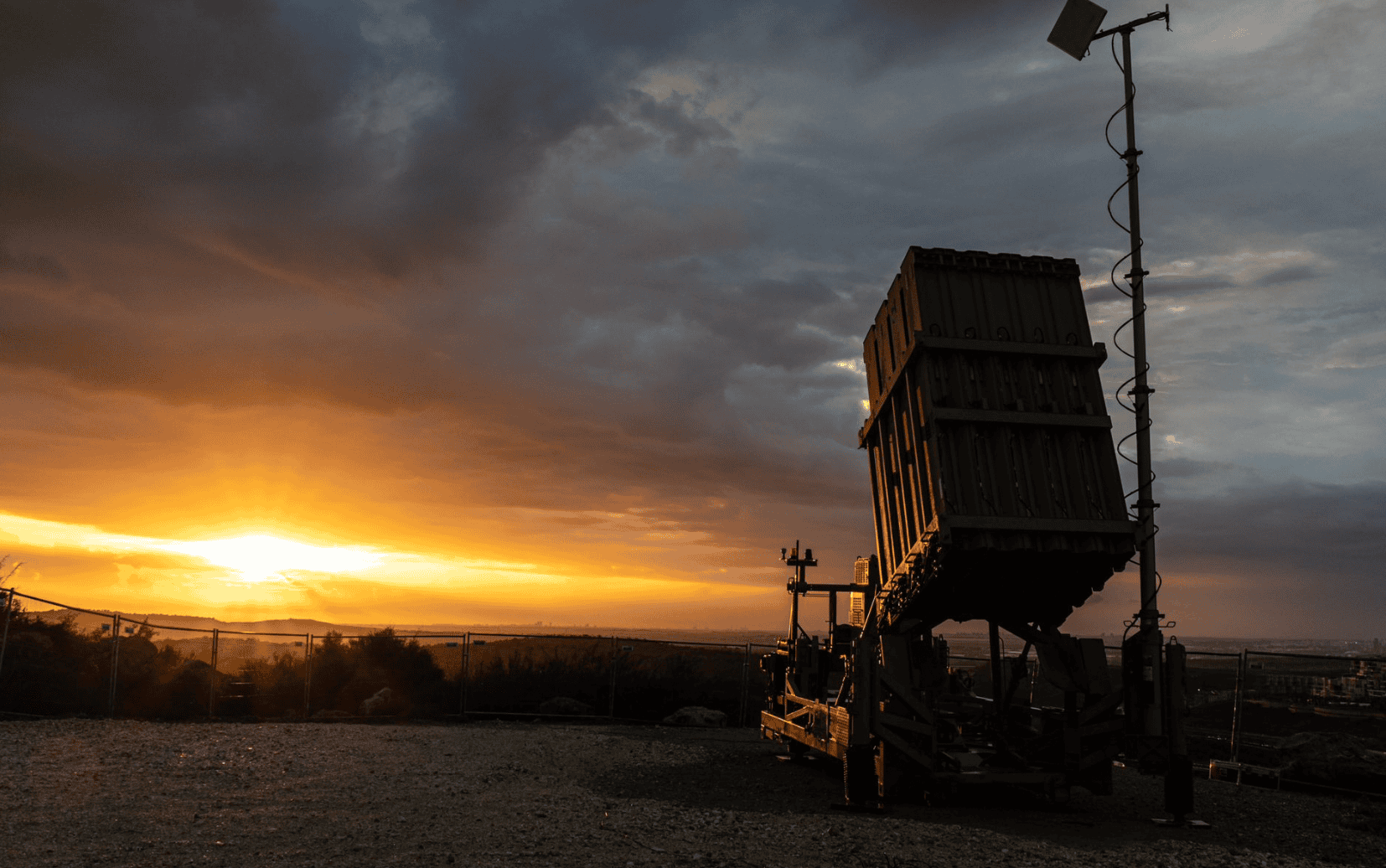
Hezbollah shoots down Israeli drone, targets warplane with surface-to-air missile
Hezbollah shot down a large Israeli Hermes 900 drone on June 10. The Iranian-backed terrorist group carried out numerous attacks across northern Israel, increasingly utilizing drones in its attacks. Israeli Defense Minister Yoav Gallant visited northern Israel to conduct an assessment on June 9, the same day that Benny Gantz resigned from Israel’s war cabinet.
-
ISKP’s transnational reemergence
Leveraging its stronghold in Afghanistan and networks across Central and South Asia, ISKP is surging as a formidable transnational actor, posing a threat from Asia to Europe. The Taliban’s self-portrayal as a counterforce to ISKP raises concerns about their true motives and the perpetuation of regional instability.
-
Gantz resigns from Israeli war cabinet following rescue of four hostages in Gaza raid
Israel rescued four hostages in a raid in Nuseirat in central Gaza. The operation began the morning of June 8 and targeted two buildings where Noa Argamani, Almog Meir Jan, Andrey Kozlov, and Shlomi Ziv were being held. The following day on June 9 Israel war cabinet minister Benny Gantz resigned from the cabinet and ended his party’s backing for the government.