-
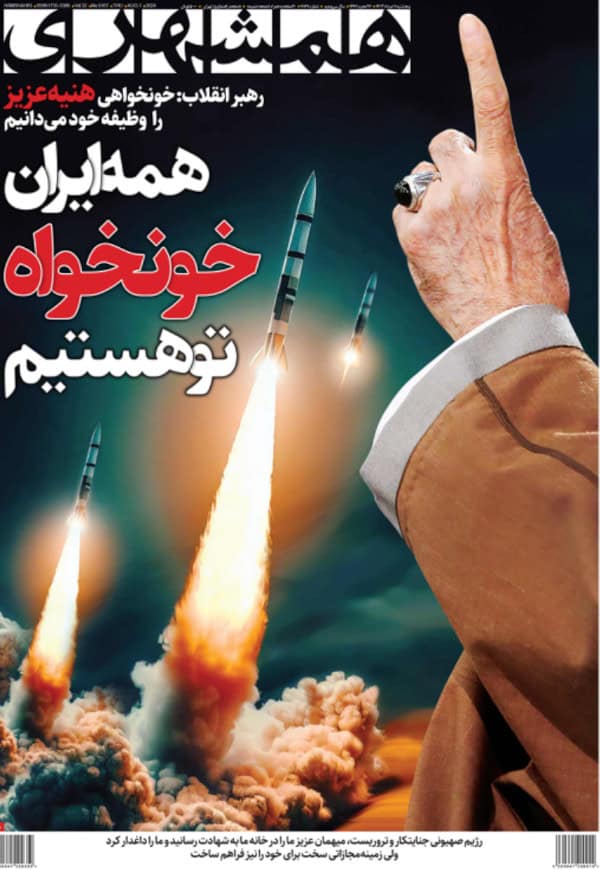
Analysis: The Islamic Republic prepares to avenge Ismail Haniyeh
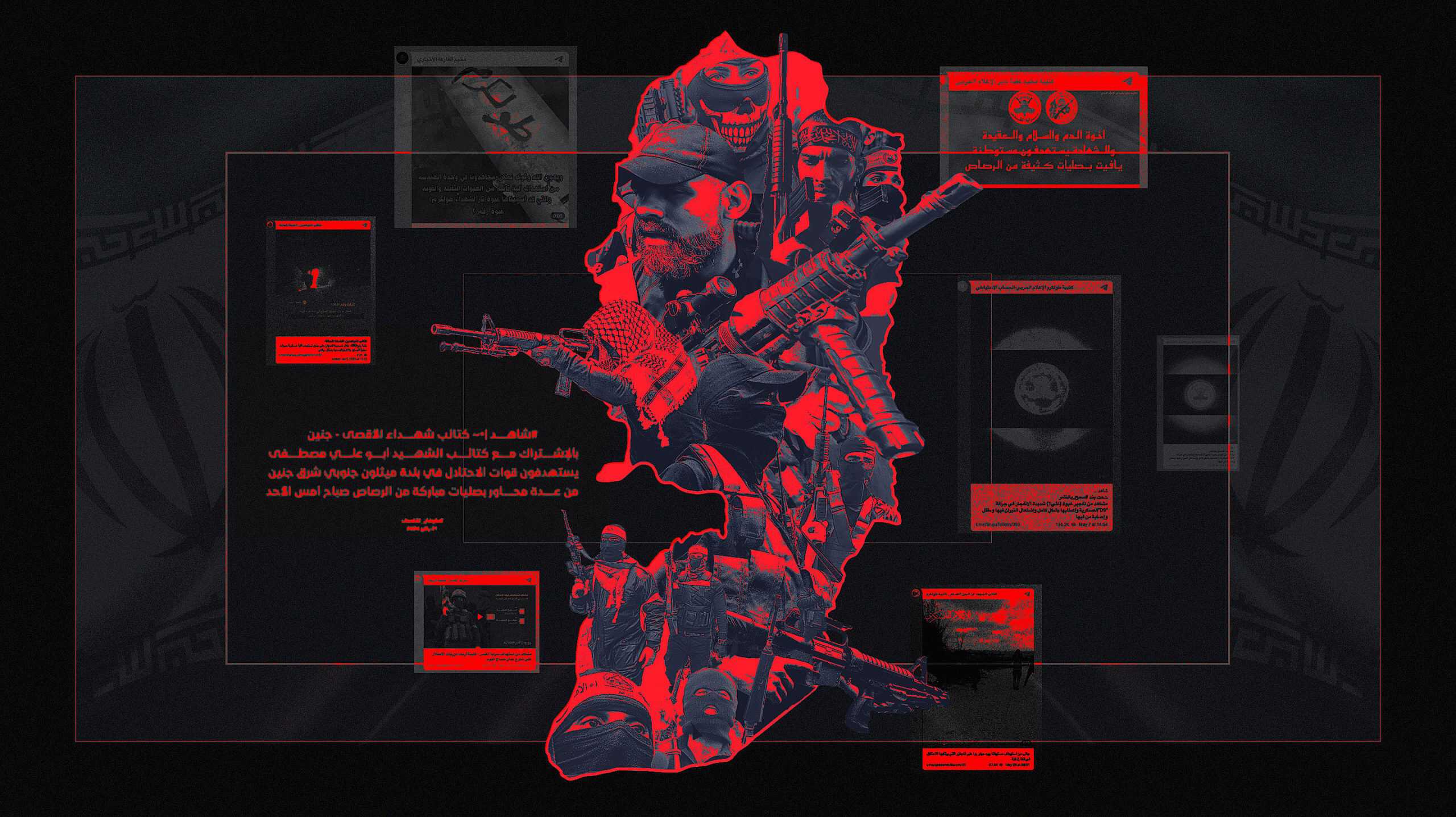
Despite Israel’s precision strike on a radar facility in Isfahan on April 19 and the recent assassination of Hamas Political Chief Ismail Haniyeh in Tehran, Iran remains undeterred from picking a fight with conventionally superior and even nuclear-armed states. For a regime that has perfected the art of proxy warfare, the Islamic Republic is increasingly seeing the political utility of overt and attributable conflict in the Middle East.
-
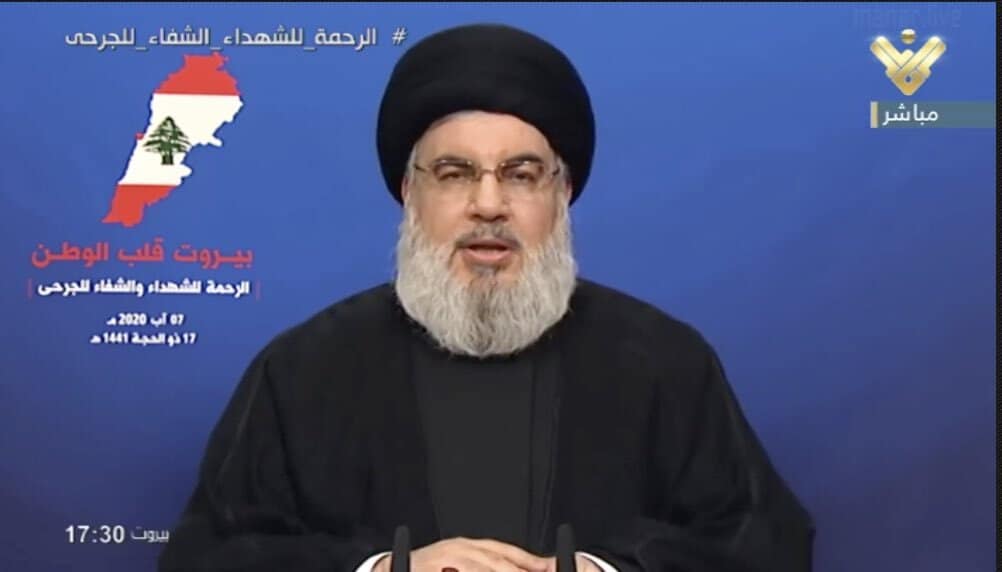
Analysis: Hints within Nasrallah’s speech about Hezbollah’s retaliation for Beirut strike
A speech by Hassan Nasrallah, the secretary general of Hezbollah, suggests Hezbollah intends to conduct painful retaliation for Fuad Shukur’s assassination but that the organization is still not interested in escalating to a full-scale conflict with Israel. When it comes, the retaliatory strike will likely aim to remain below the threshold that leads to the outbreak of war.
-
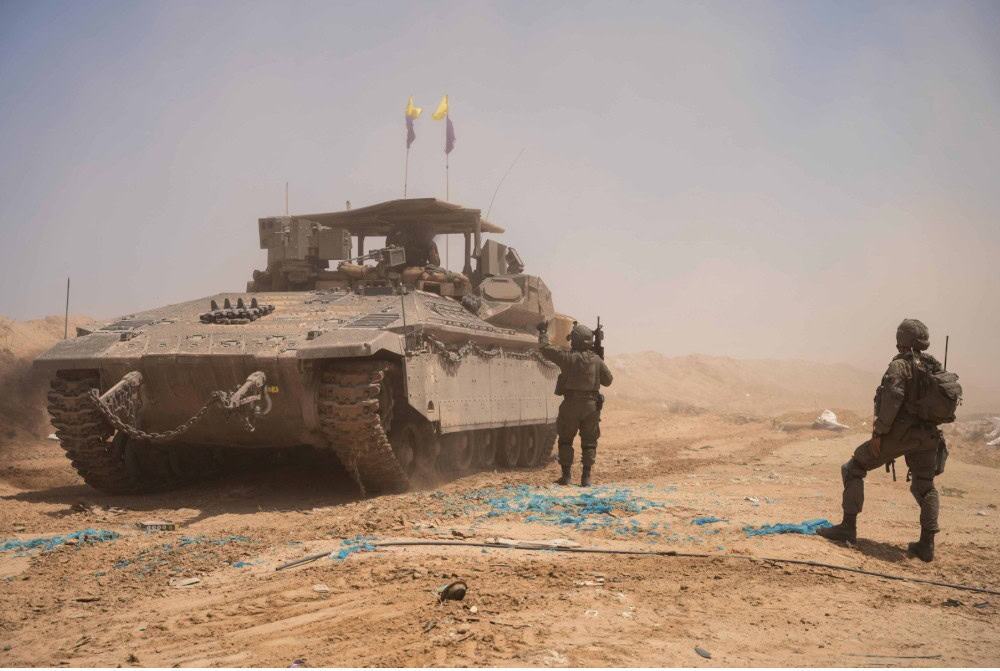
Hezbollah fires rocket barrages at northern Israel
Hezbollah launched a barrage of rockets targeting the western Galilee on the evening of August 1. Iran and Hezbollah have vowed to retaliate against Israel for the killing of a senior Hezbollah commander in Beirut and Ismail Haniyeh in Tehran. The IDF continues to operate in Gaza, targeting Hamas operatives hiding in a school and a man the IDF accused of being a terrorist who used journalism work as a cover.
-
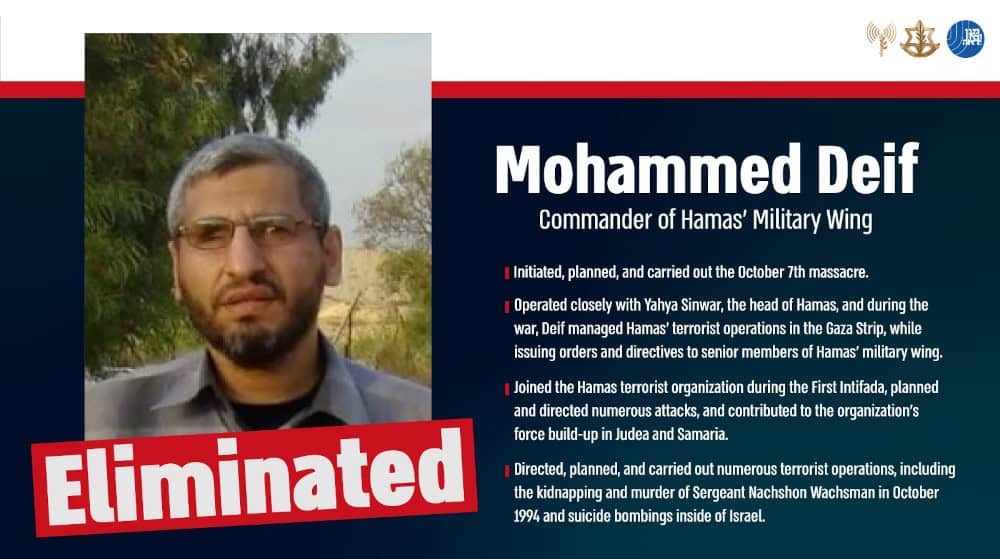
Israel confirms Hamas commander Muhammed Deif killed in airstrike
The Israeli Security Agency (ISA) and the Israel Defense Forces (IDF) confirmed on August 1 that a July 13 airstrike had successfully killed Hamas’ military commander, Mohammed Diab Ibrahim al-Masri, also known as Muhammed Deif.
-
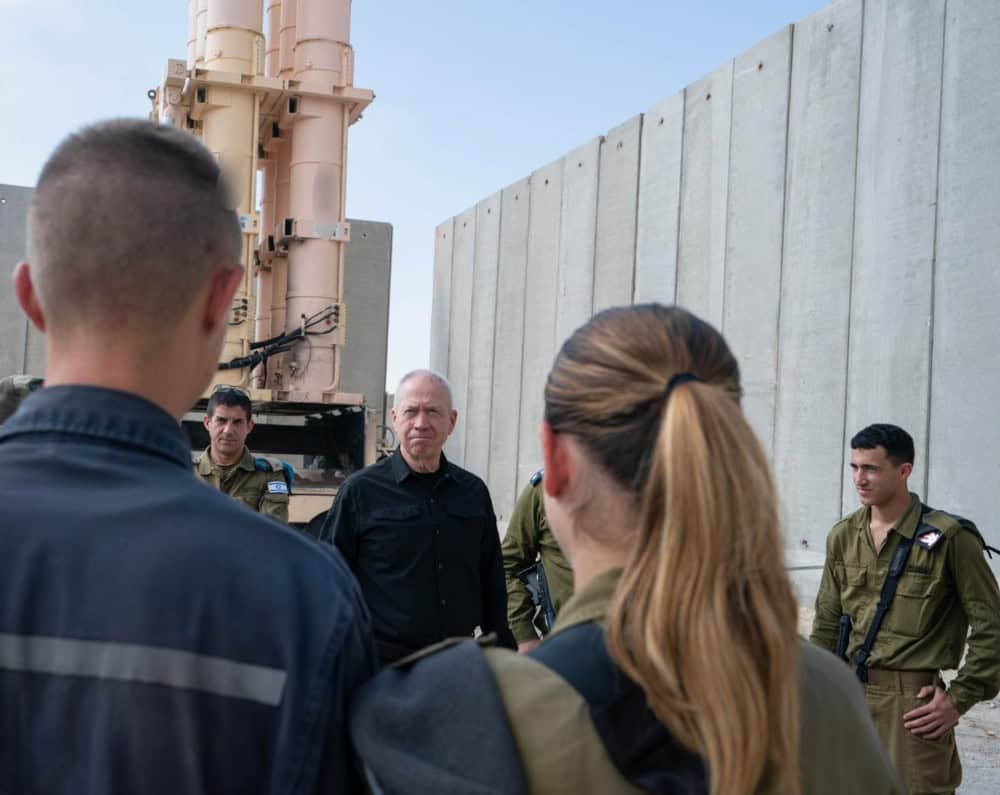
Israel prepares for possible Iranian and Iranian-proxy retaliation after killings of Hezbollah and Hamas leaders
The Israel Defense Forces targeted a building in Beirut and eliminated senior Hezbollah commander Fuad Shukr on July 30. In the early hours of July 31, Hamas leader Ismail Haniyeh was killed in Tehran. Israel did not take credit for the latter killing, but Iran and its proxies have blamed Israel and vowed to respond, and Israel is preparing for possible attacks.
-
Generation Jihad Ep. 196 — Demon Resume
Co-host worlds collide today as Bill and Wednesday CH Will Selber are joined by Monday CH Joe Truzman and Friday CH Behnam Ben Taleblu to discuss the at least two high-profile assassinations carried out in the last 24 hours presumably by Israel: one in southern Beirut that killed top Hezbollah commander Fuad Shukr, and another in Tehran that killed Hamas leader Ismail Haniyeh.
-
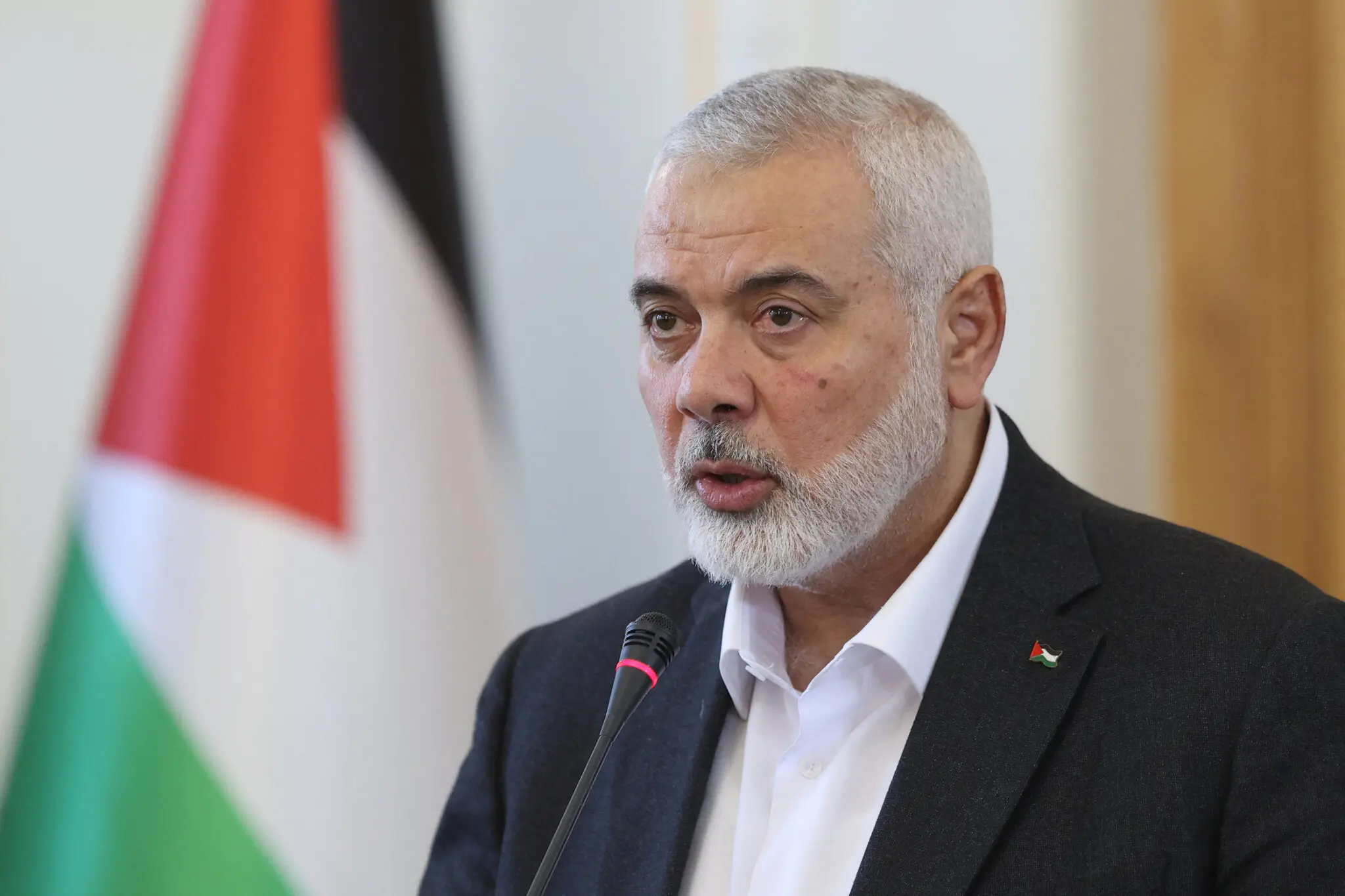
Hamas chief political leader Ismail Haniyeh killed in Tehran
Haniyeh represented Hamas in high-stakes negotiations and was one of the key public faces of the Palestinian terrorist group.
-
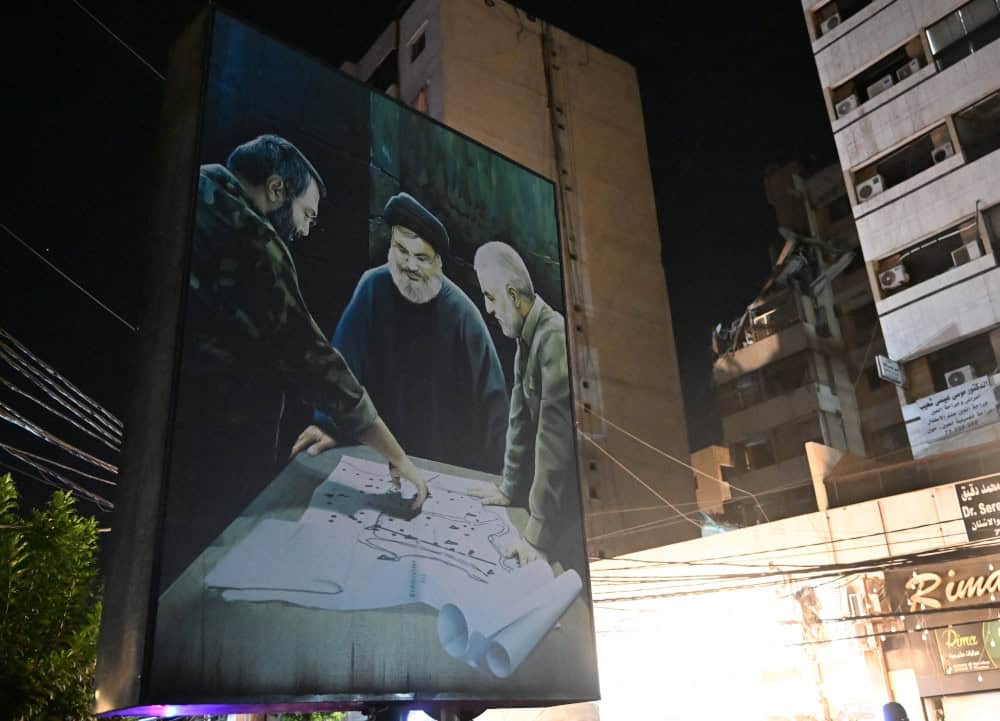
Israeli airstrike kills top Lebanese Hezbollah commander
The Israeli military carried out an airstrike on the southern suburbs of Beirut Tuesday evening, killing Fuad Shukr, a top Lebanese Hezbollah commander.
-
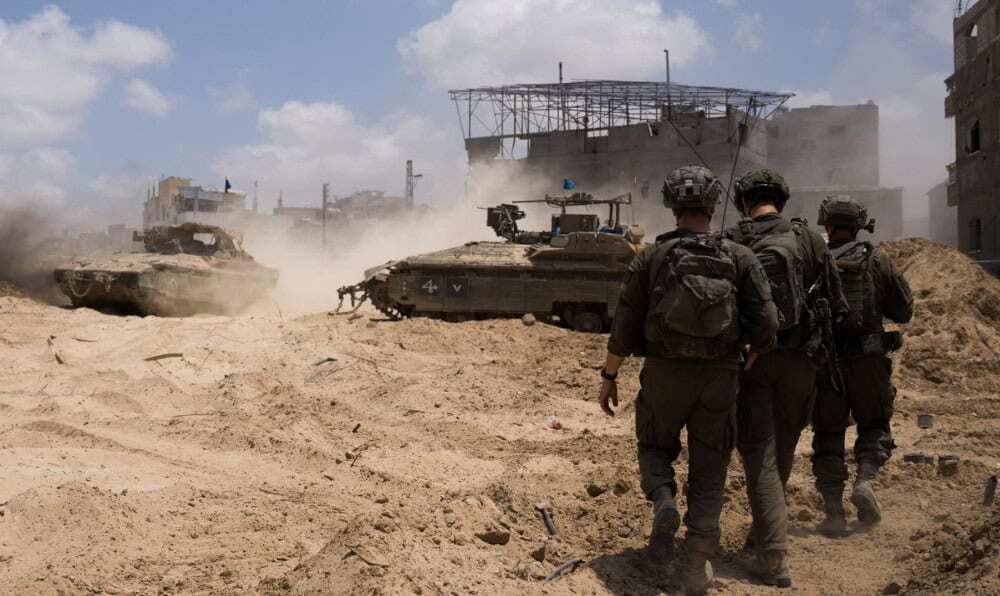
IDF wraps up week-long operation in Khan Younis
The IDF’s 98th Division wrapped up a week-long battle in Khan Younis against Hamas. The division recovered the bodies of five hostages, and the IDF said it eliminated an estimated 150 terrorists. The week-long operation is one of several raids the IDF has launched since May to eliminate militants who returned to previously cleared areas.
-
Generation Jihad Ep. 195 — Hezbollah’s brazen escalation
Bill and Joe are joined by David Daoud to unpack this weekend’s Hezbollah rocket attack on a Druze community in Israel’s Golan Heights that killed 12 Israeli children — and whether we should soon expect an all-out Israel-Hezbollah war.
-
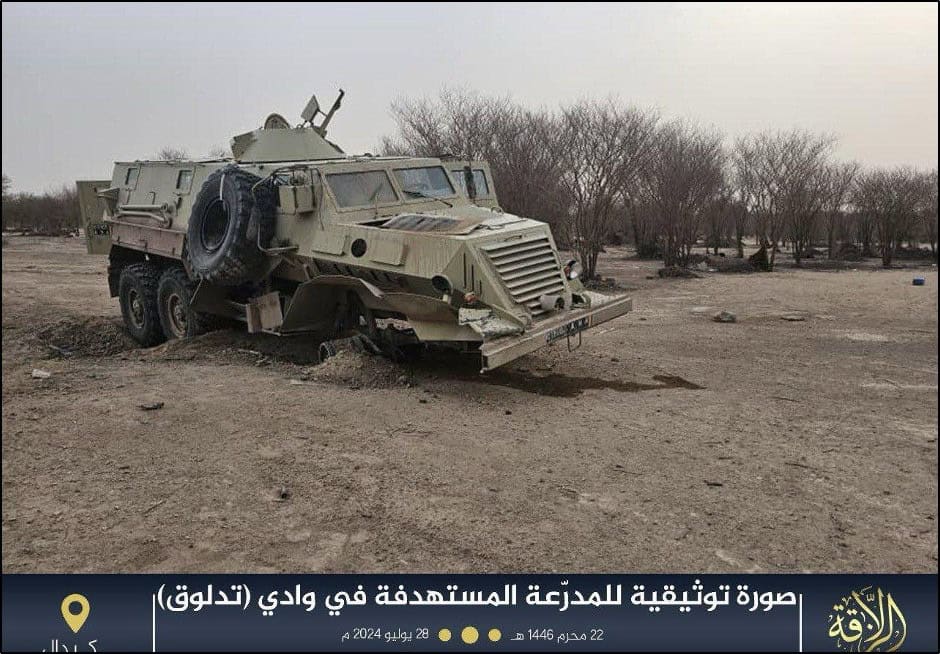
Tuareg rebels, JNIM each claim victory over Russia’s Wagner Group in Mali
Over the weekend, fierce fighting between Tuareg rebels and the Malian military, backed by mercenaries from Russia’s Wagner Group, was reported in the extreme north of Mali. The Russian mercenaries suffered dozens of casualties—the group’s largest loss to date inside Africa.
-
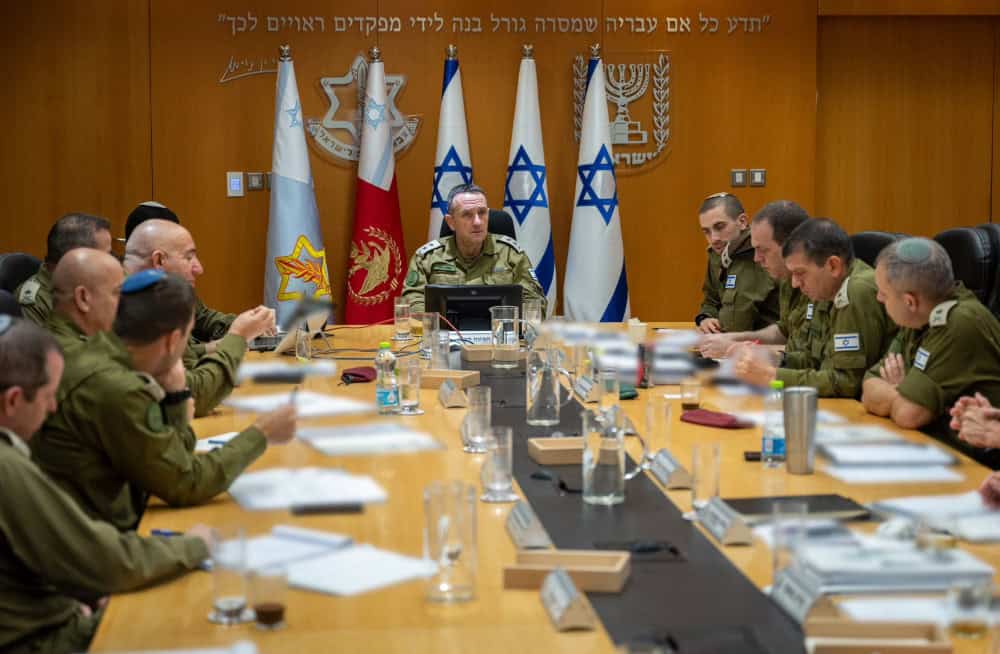
Israel weighs response after Hezbollah rocket kills 12 young civilians
Israel’s defense minister and chief of staff held meetings with IDF officials and officers in the IDF’s Northern Command to discuss plans for possible operations against Hezbollah after a Hezbollah rocket killed 12 civilians in Majdal Shams on July 27. Despite Hezbollah’s denials about the attack, the IDF presented new evidence of the trajectory of the rocket and its type on July 28. Prime Minister Benjamin Netanyahu returned to Israel to meet with the security cabinet to decide Israel’s next steps.
-
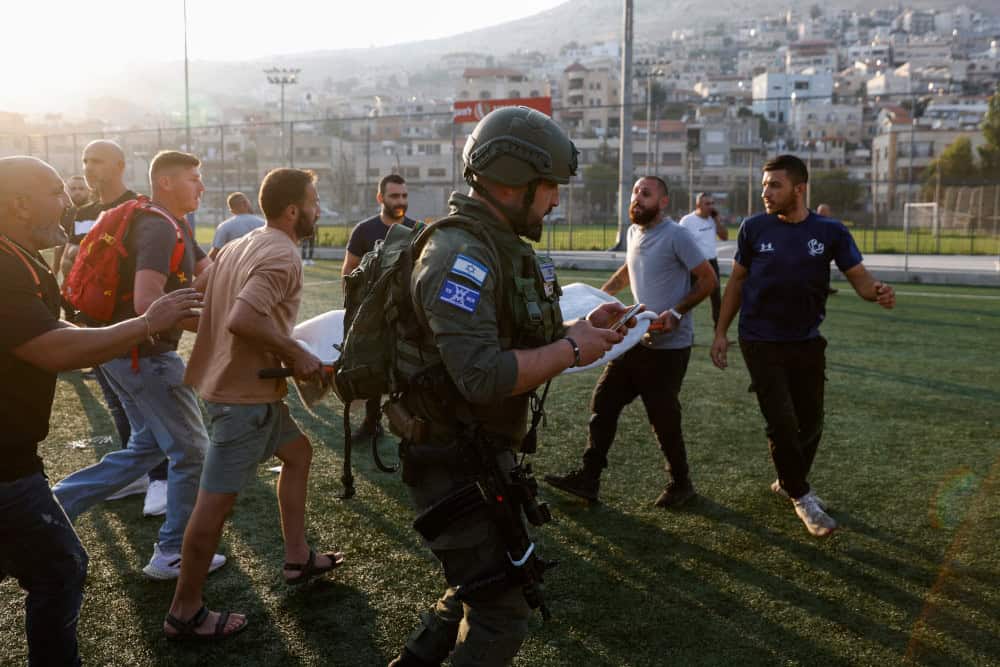
Analysis: Hezbollah rocket fire kills 12 civilians in northern Israel
Rocket fire from Lebanon killed 12 Israeli civilians in the northern Druze town of Majdal Shams on July 27, and Israel cites evidence that Hezbollah is responsible, while the group issued a denial. Israel will undoubtedly retaliate, and a significant escalation in the conflict is likely.
-
Israeli forces recover the bodies of 5 hostages in Gaza
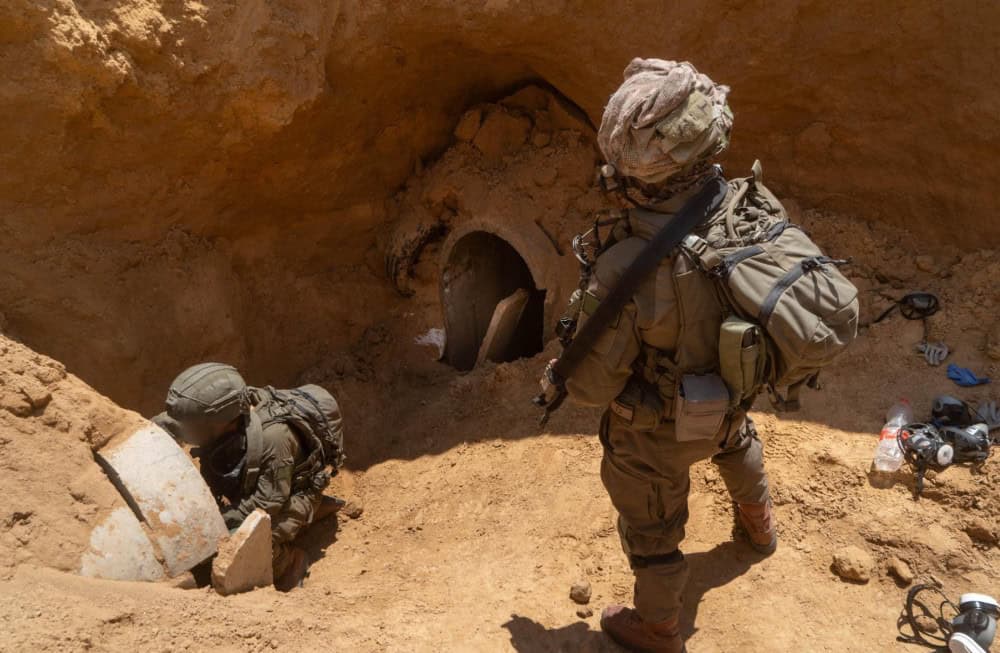
The Israel Defense Forces (IDF) recovered the bodies of five hostages in Gaza, the IDF said on July 25. The hostages were found in a tunnel under Khan Younis that was 20 meters deep in an area designated as a humanitarian zone. The IDF also announced that one Israeli soldier was killed in southern Gaza and two severely wounded.
-
Analysis: The perils of a Turkish-Syrian rapprochement
Since Turkey and Syria broke off relations in 2011, Ankara has played a prominent role in fighting Bashar Al-Assad’s regime in Syria by supplying material support to insurgent groups seeking to overthrow Assad and maintaining forces in the opposition-held northwest. However, Turkish President Recep Tayyip Erdogan and Assad recently signaled they are interested in restoring diplomatic ties.

-
Analysis: Iran reestablishes its presence in the Caucuses with Armenian arms deal
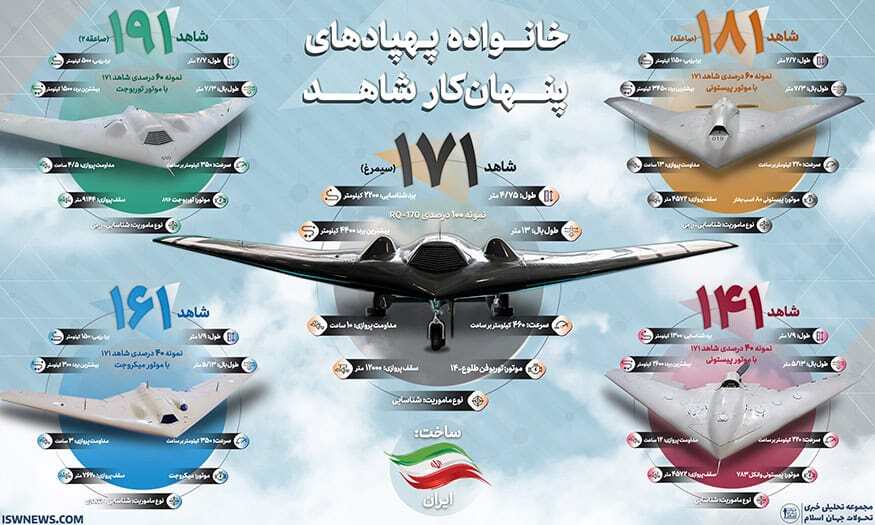
Iran signed a new arms agreement with Armenia, seeking to increase its influence in the Caucuses and counter Israel-Azerbaijan military ties.
-
US Treasury Department designates Islamic State facilitators across Africa
Yesterday, the US Treasury Department sanctioned three Islamic State facilitators based in Zambia, Uganda, and South Africa. The three have operated as part of a coordinated network that moves money between Islamic State franchises in Somalia, South Africa, Uganda, the Democratic Republic of the Congo (DRC), and Mozambique.
-
IDF trains for escalation in the north as Hezbollah publishes a new drone video
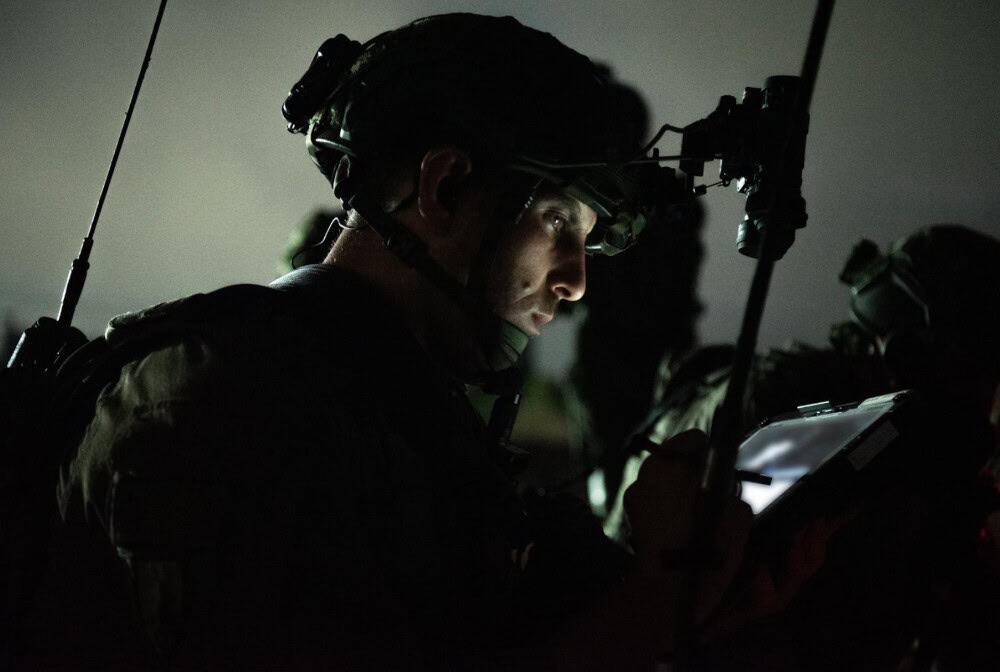
Israel’s 228th Reserve Brigade conducted an exercise in northern Israel that included “combat scenarios in Lebanon.” Hezbollah published footage it said was taken by drones that flew over Israel’s Ramat David Airbase.
-
Analysis: Israeli drone strike kills wanted West Bank commanders
An Israeli drone strike on Tuesday morning in the northern West Bank city of Tulkarm killed two West Bank commanders belonging to Hamas and al-Aqsa Martyrs’ Brigades.

-
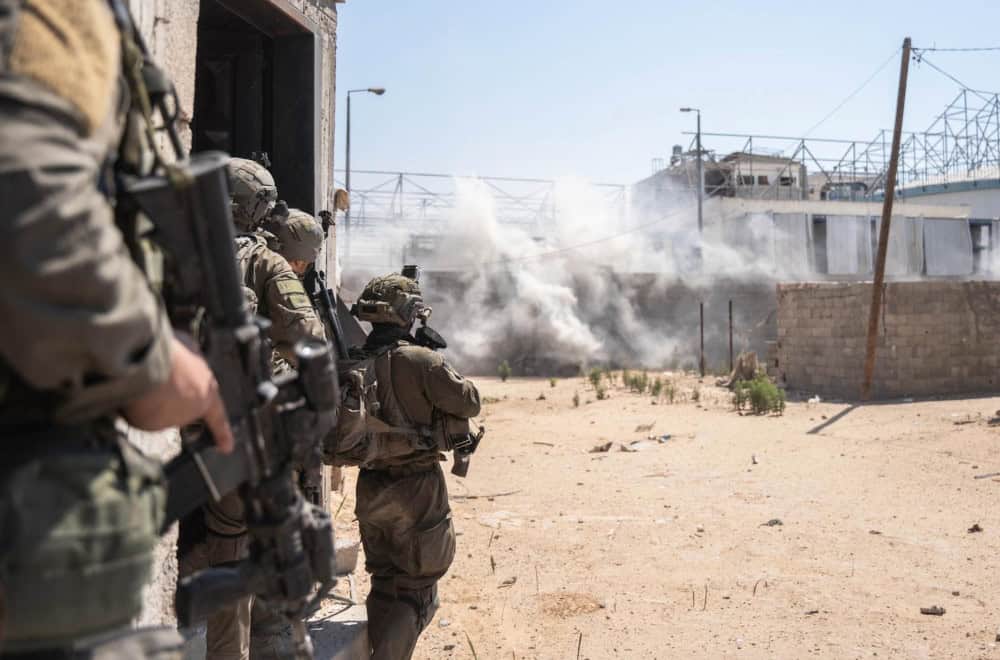
Israeli forces launch raid into Khan Younis after terrorists return
The Israel Defense Forces (IDF) began a new operation in the southern Gaza city of Khan Younis due to Hamas activity and rocket fire from the area. The IDF’s 98th Division led the raid with tanks, paratroopers, and commandos. The IDF also announced the deaths of two more Israeli hostages in Gaza and asked civilians to evacuate western Khan Younis.
-
Analysis: Shabaab mounts large-scale offensive, Somali Armed Forces claim victory
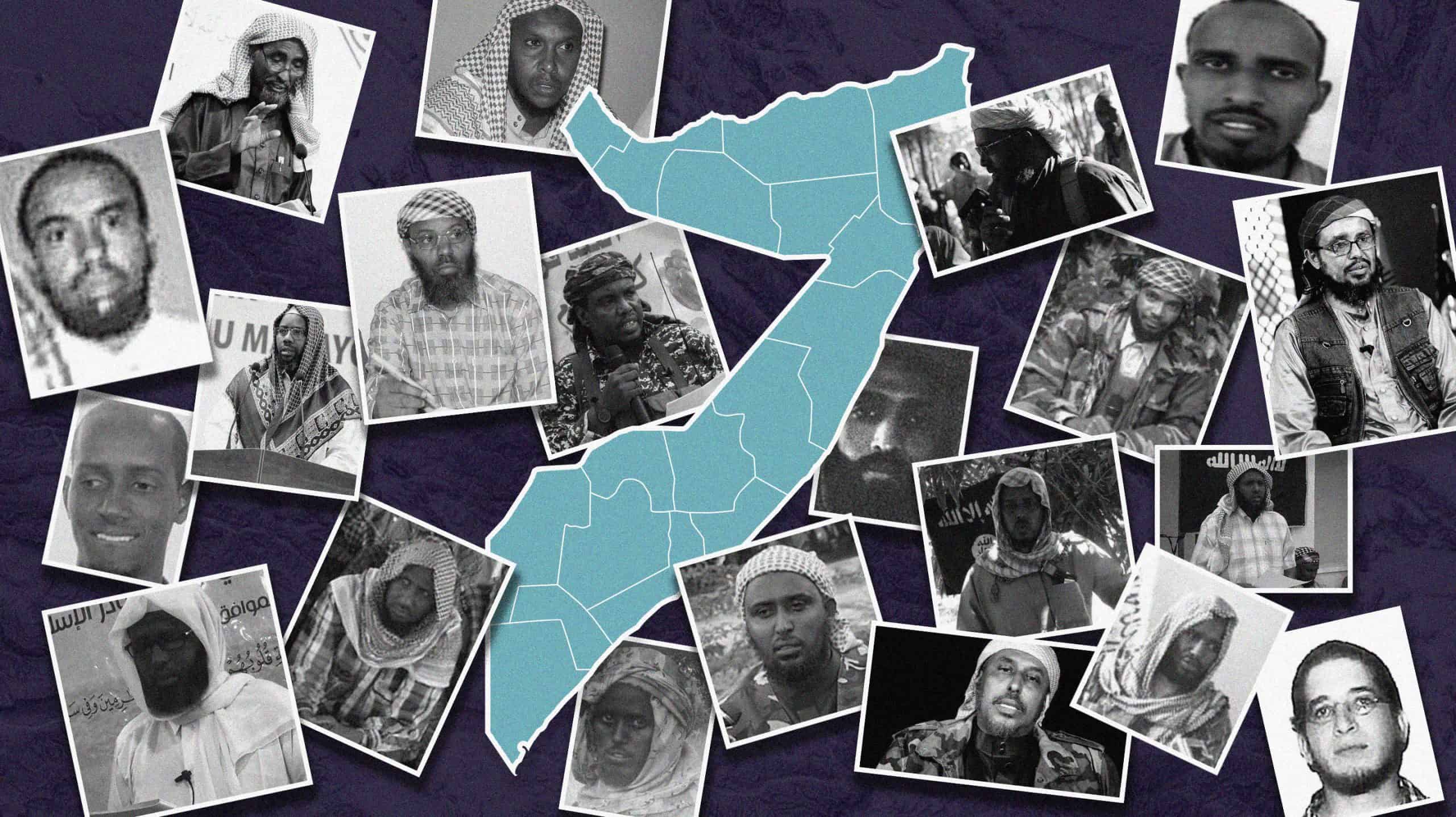
In a coordinated, multi-pronged offensive, Shabaab, al Qaeda’s branch for East Africa, assaulted multiple Somali National Army (SNA) bases across southern Somalia’s Lower Juba region yesterday. Each side has claimed victory, with both releasing footage purporting to verify their claims.

-
Generation Jihad Ep. 192 — The Houthis find out
Bill and Joe discuss Israel’s retaliatory strike against Houthi targets in Yemen following the Iranian-backed terror group’s drone strike in Tel Aviv, the CENTCOM Commander’s surprisingly honest letter to the Secretary of Defense, and the irony of Pakistan designating Prime Minister Netanyahu as a terrorist (congrats to him on his new villa in Abbottabad).
-
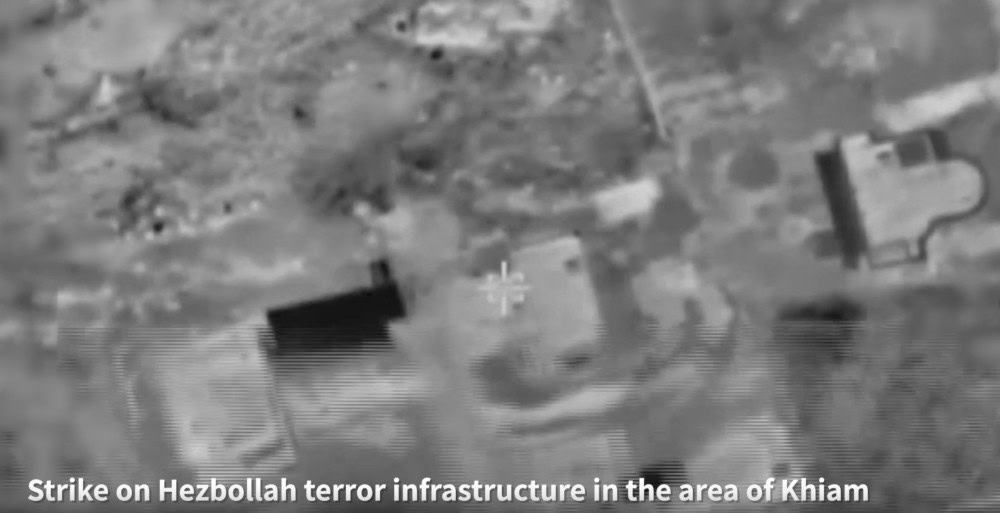
Amid Yemen-Israel escalation, Hezbollah increases attacks on Israel
Hezbollah increased attacks on Israel amid an escalation of Houthi-Israel tensions that grew after the Houthis attacked Tel Aviv with a drone, killing one person, and IDF retaliatory strikes. Israel’s Defense Minister Yoav Gallant said, “The blood of Israeli citizens has a price.”
-
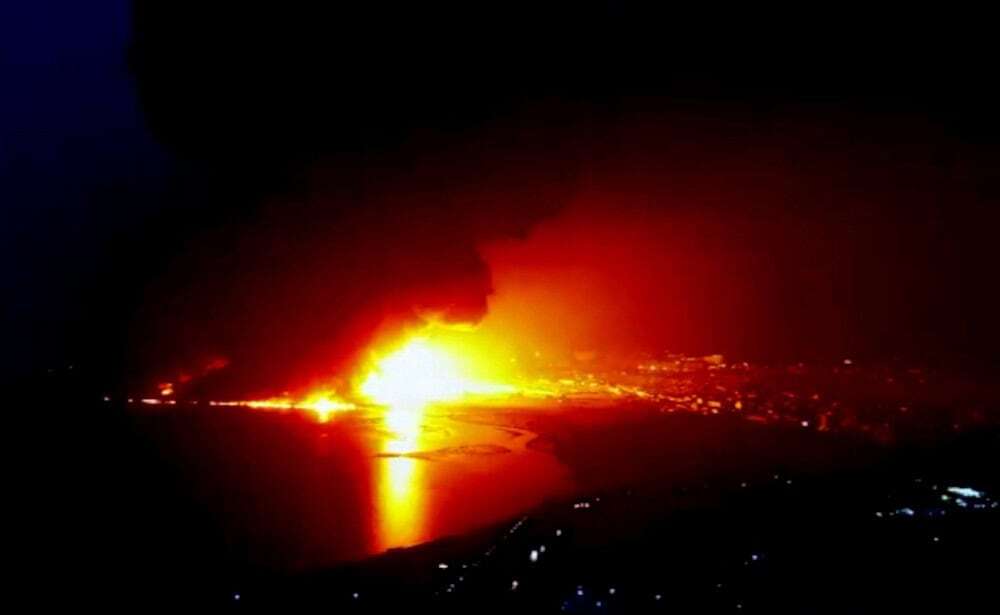
Israeli Air Force bombs sites in Yemen controlled by Iran-backed Houthis
In response to the Houthi drone attack on Tel Aviv yesterday, the Israeli Air Force carried out strikes against Houthi targets in Hudeydah, Yemen.
-
Generation Jihad Ep. 191 — Drone strike in Tel Aviv
Bill and Behnam are joined by fellow FDD expert and friend of the show David David to talk about the drone strike in Tel Aviv — what we know so far and what it means for the broader war.
-
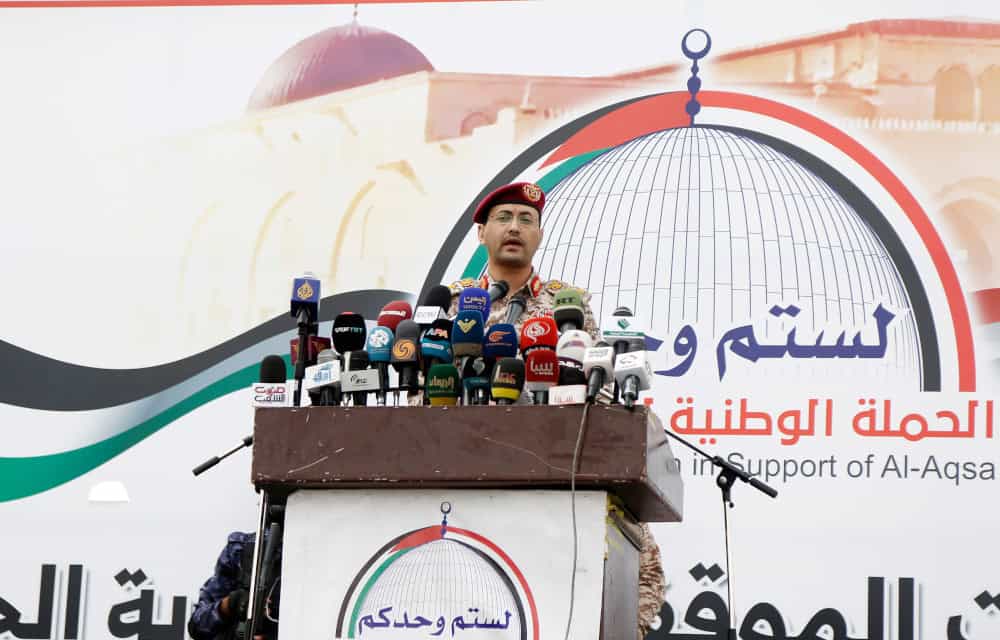
Houthi drone is responsible for deadly attack on Tel Aviv
Houthis in Yemen claimed responsibility for launching a long-range UAV that killed one person and injured at least 10 others in Tel Aviv on Friday morning.
-
Generation Jihad Ep. 190 — Partnering with terrorists to fight terrorists
The UN Analytical Support and Sanctions Monitoring Team has released its latest report on Afghanistan and the myriad of jihadist activity therein. To discuss, Bill is joined by former director of this team at the UN and longtime friend of the show Edmund Fitton-Brown. Edmund is now a senior advisor to the Counter Extremism Project and previously served as the UK’s ambassador to Yemen.
-
IDF carries out precision strikes on Hamas on two fronts
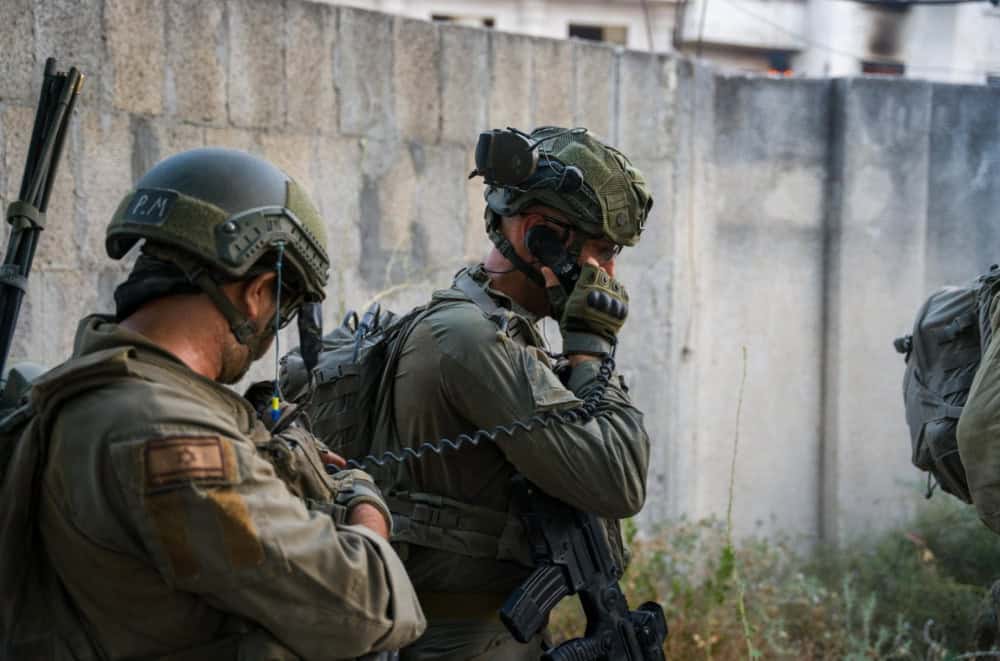
The Israel Defense Forces (IDF) carried out precision airstrikes on several Hamas members in Gaza and targets in Lebanon. Israeli forces also eliminated a Hezbollah member in a Lebanon strike, part of a growing pattern of targeting individual terrorists. In addition, the IDF said an RPG attack in Gaza wounded a soldier.
-
Analysis: What we know about Russia’s new 3-ton glide bomb
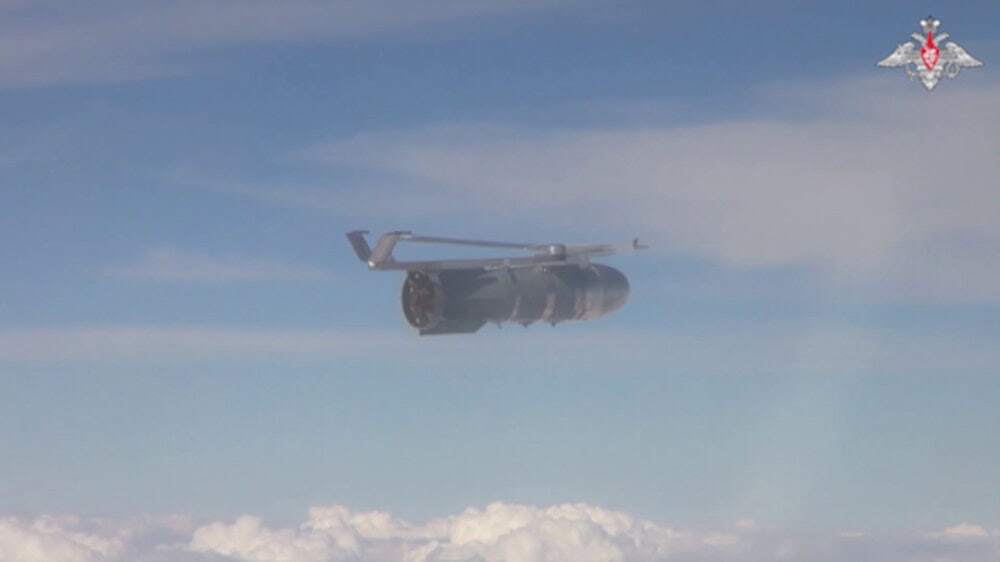
New footage confirms Russia has begun using three-ton bombs equipped with “UMPK” wing and guidance kits, adding to the serious threat that Russian glide bombs already pose to Ukraine. Here is what we know about the new weapon and its implications for the war.
-
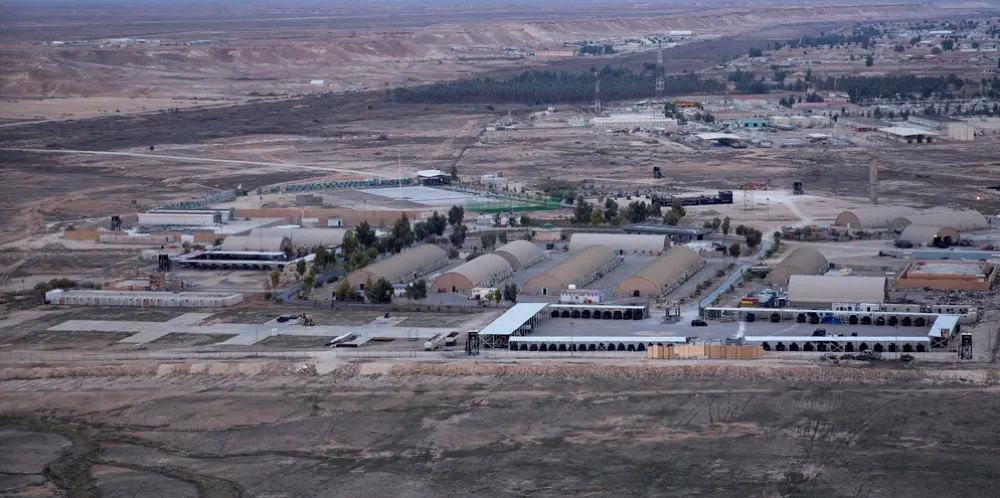
Iran-backed militias target US base in Iraq
Iran-backed militias relaunched attacks on US bases in Iraq amid internal rifts within Iraq’s Shia Coordination Framework. Significant factions want an end to the international coalition’s mission and the withdrawal of American forces from Iraq.