-
Israel’s Defense Minister meets with US leaders and sees progress in Gaza
Israel’s Minister of Defense recently held important talks with US Secretary of Defense Lloyd Austin, CENTCOM head General Michael Kurilla, and White House Coordinator for the Middle East and North Africa Brett McGurk. Gallant spelled out Israel’s current strategy in Gaza and discussed threats from Iran and Hezbollah.

-
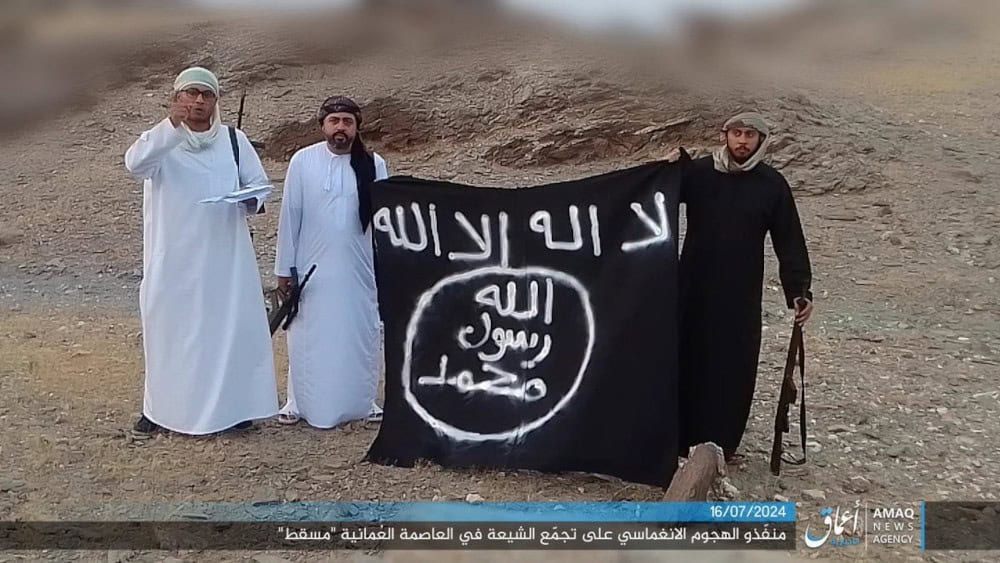
The Islamic State claims responsibility for Omani Shia mosque attack
A recent Islamic State (IS) attack in Oman, coupled with the group’s growing capacity in Iraq and Syria, suggests that IS strongholds across the Middle East present a threat as formidable as its Asian branch.
-
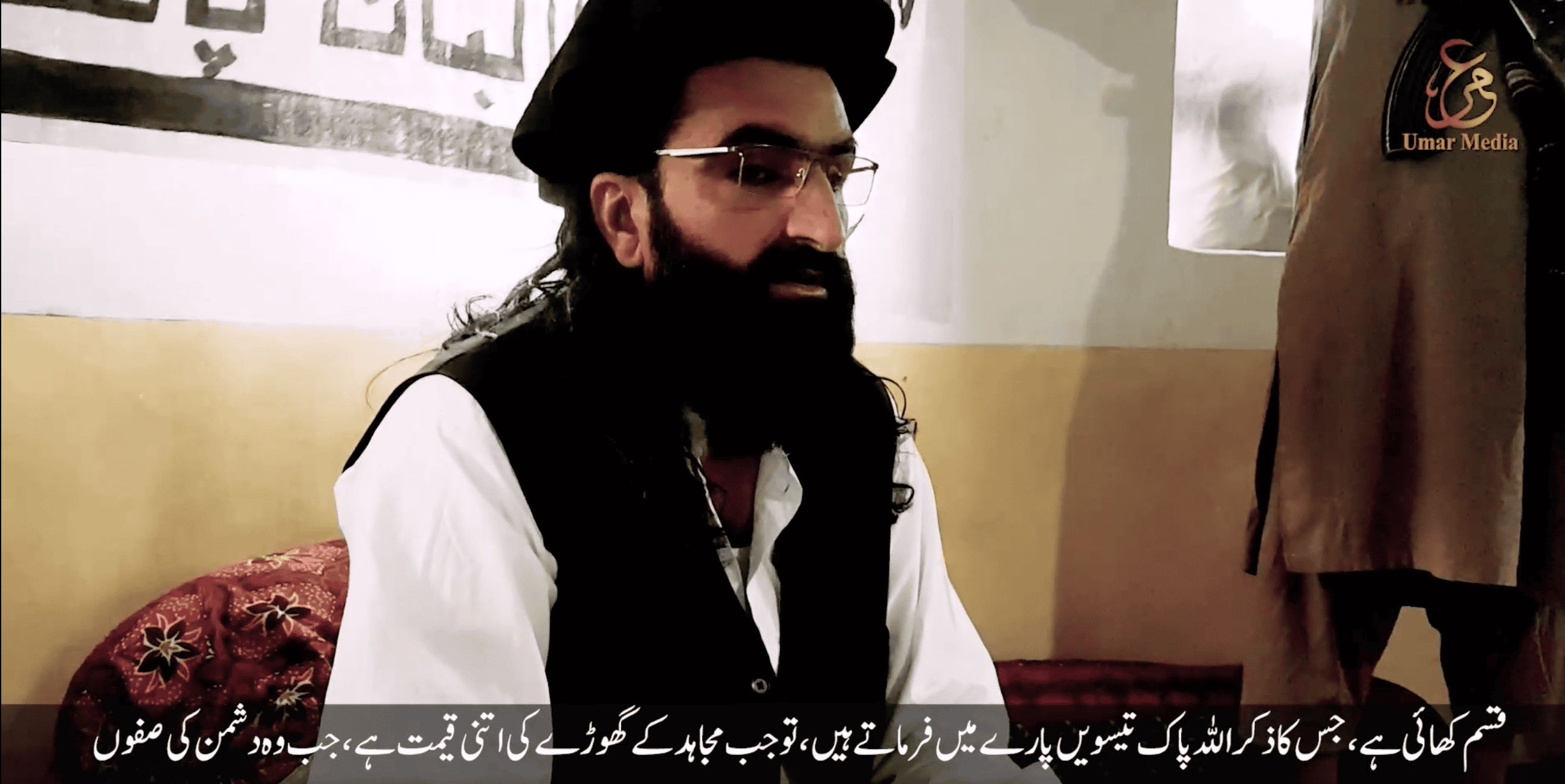
Analysis: The “bonds are close” as the Pakistani Taliban benefits from its Afghan safe haven
The United Nations Analytical Support and Sanctions Monitoring Team reports that “the bonds are close” between the Afghan Taliban and the Movement of the Taliban in Pakistan. The Pakistani Taliban trains at Al Qaeda camps and has received high-tech weapons systems from the Afghan Taliban
-
Generation Jihad Ep. 189 — Two top Hamas commanders walk into a Gaza villa…
(…and don’t walk out.) Amidst the chaos of this weekend’s assassination attempt against President Trump, the Israel Defense Forces took advantage of Hamas being on the ropes in Gaza by conducting an operation targeting two of the remaining top brass: top Hamas commander Mohammed Dief and Rafa’a Salameh, Hamas brigade commander in Khan Younis. Bill and Joe unpack the strike and discuss a lesser-known terror group inside Gaza (is it the ‘Popular Resistance Committee’ or ‘The Committee for Popular Resistance’?), and the issue of battlefield longevity with which Israel seems to be grappling.

-
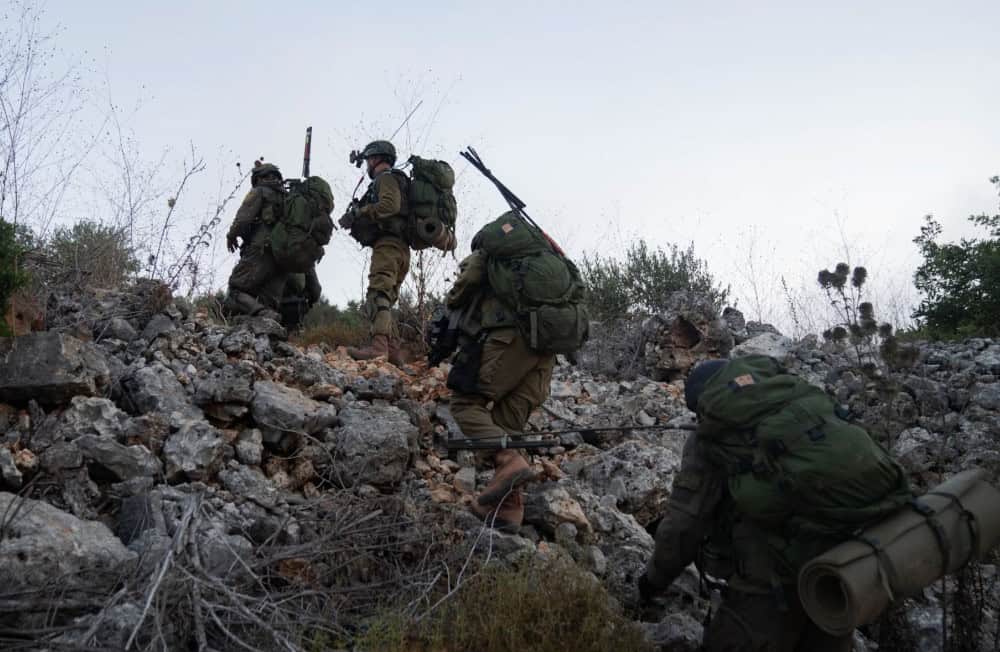
After a significant escalation, Hezbollah continues attacks in lower numbers
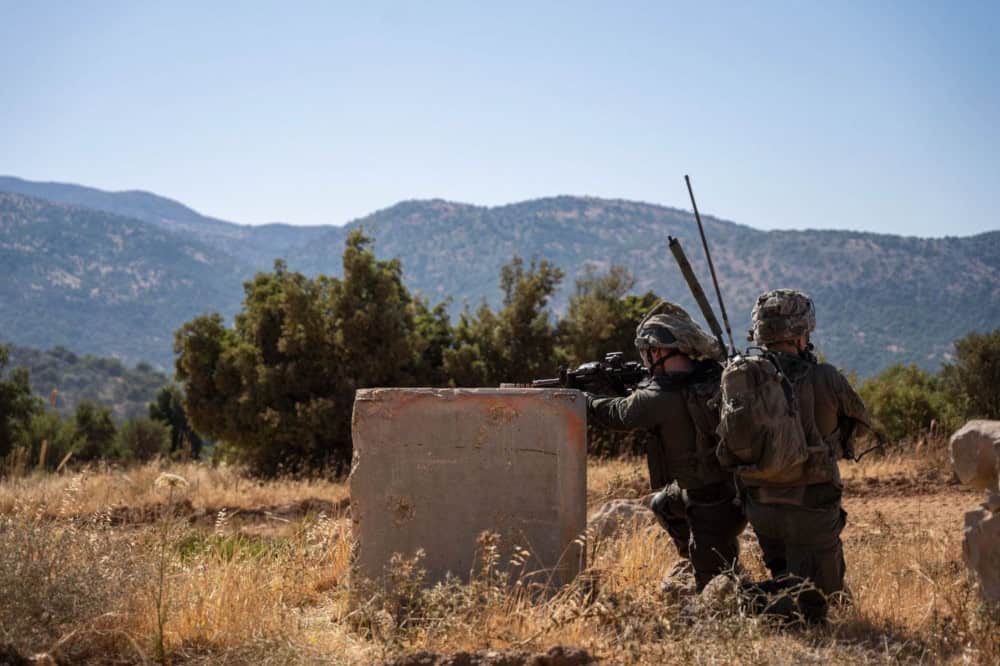
Hezbollah escalated attacks on Israel on July 13, followed by somewhat reducing attacks over the next two days. The IDF responded with a series of precision airstrikes on terrorist infrastructure in Tebnit, Rab El Thalathine, Ayta ash Shab, Odaisseh, Kfarkela, and Houla in southern Lebanon. In addition, two IDF units conducted training in northern Israel in case of further escalation.
-
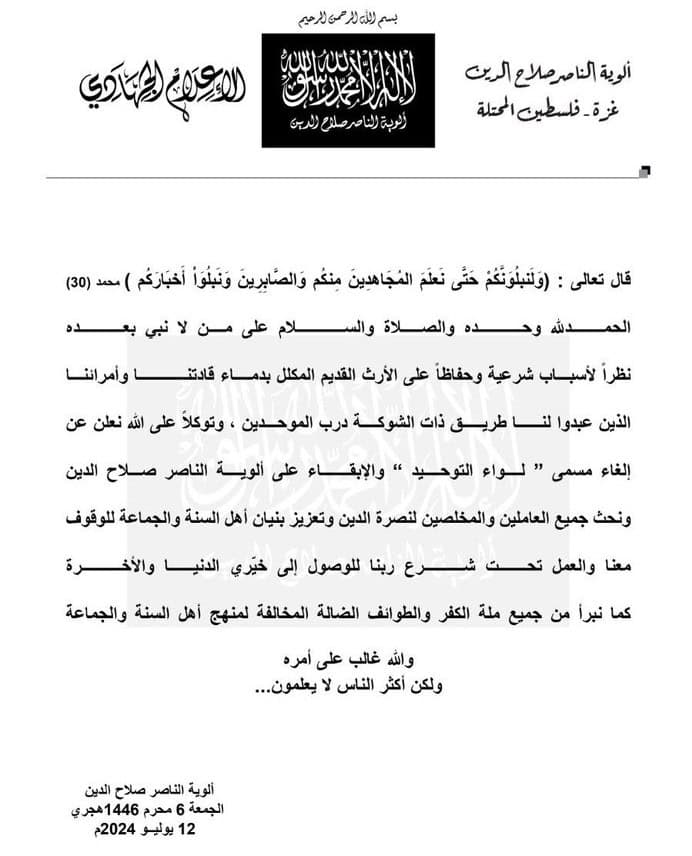
Analysis: Al-Nasser Salah al-Din Brigades breaks with Liwa al-Tawhid
The Al-Nasser Salah al-Din Brigades, an ally of Hamas and other Palestinian terrorist organizations, announced that it has disavowed Liwa al-Tawhid, a longtime affiliate. While the reasons for the split are not clear, the division may present an opportunity for Israeli anti-terrorism efforts.
-
Israel continues to assess whether Hamas commander Deif was killed in airstrikes
The Israel Defense Forces targeted Hamas armed forces commander Mohammed Dief and Hamas Khan Younis Brigade commander Rafa’a Salameh on July 13. On July 14, the IDF assessed that Salameh was killed in the strike and continued attempting to determine the fate of Deif.

-
Jihadis mount prison mutinies across Africa
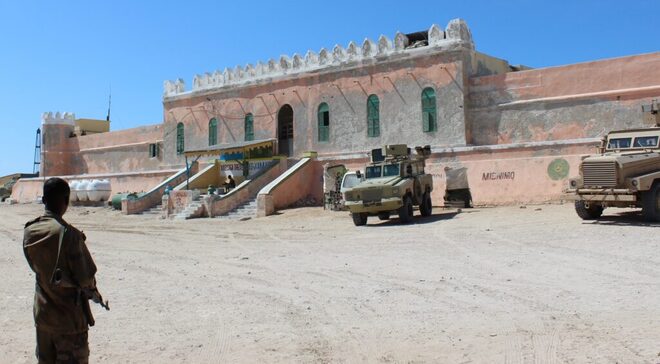
Over the last few days, jihadis have mounted two attacks inside prisons in Somalia and Niger. While the mutiny inside the Nigerien prison was successful, the Somali prison assault appears to have been thwarted. Nonetheless, both incidents highlight the lingering threat of jihadi prison breaks on the continent and the importance jihadist groups put on such operations.
-
Israeli airstrike targets Hamas military leader Muhammed Deif and Khan Yunis commander Rafa’a Salameh
An Israeli airstrike on July 13 targeted Hamas military leader Mohammed Diab Ibrahim al-Masri, aka Muhammed Deif, and Khan Yunis Brigade commander Rafa’a Salameh. The pair were targeted above ground in an area between al-Massawi and Khan Younis in southern Gaza.

-
IDF releases its first probe into October 7 failures as the Shejaiya raid ends
The Israel Defense Forces (IDF) released the first of a number of inquiries into the failures during the battles against Hamas terrorists in communities along the border of Gaza on October 7, 2023. The first inquiry focused on Kibbutz Beeri, where 101 civilians were killed and 30 taken hostage. The IDF also ended a two-week raid into Shejaiya, and Israel’s defense minister said 60 percent of Hamas terrorists had been eliminated in nine months.

-
Analysis: Al Qaeda expands its network of training camps in Afghanistan
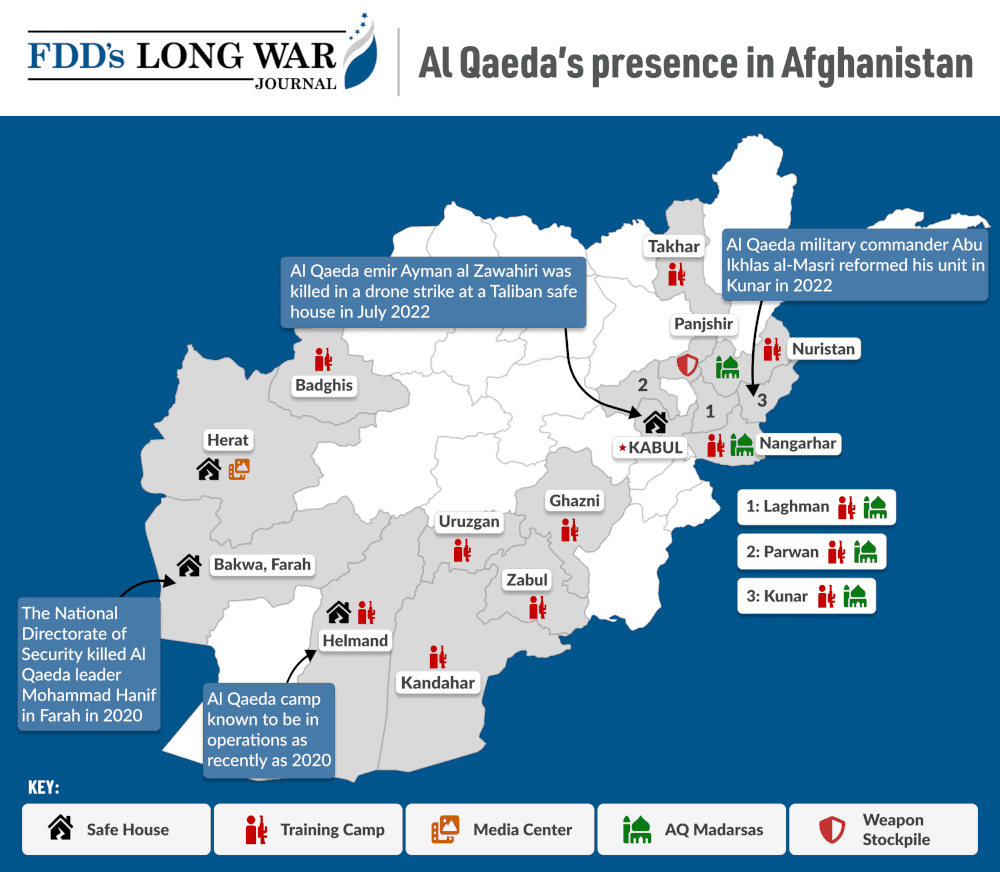
The United Nations Analytical Support and Sanctions Monitoring Team reports that Al Qaeda is operating training camps in two new Afghan provinces: Kandahar and Takhar. The terrorist group now operates training camps in 12 of Afghanistan’s 34 provinces. Additionally, the Monitoring Team notes that Al Qaeda “still uses Afghanistan as a permissive haven under the Taliban.”
-
IDF uncovers 6 tunnels in Gaza’s Shejaiya neighborhood; Hezbollah rockets kill 2 Israelis in the north
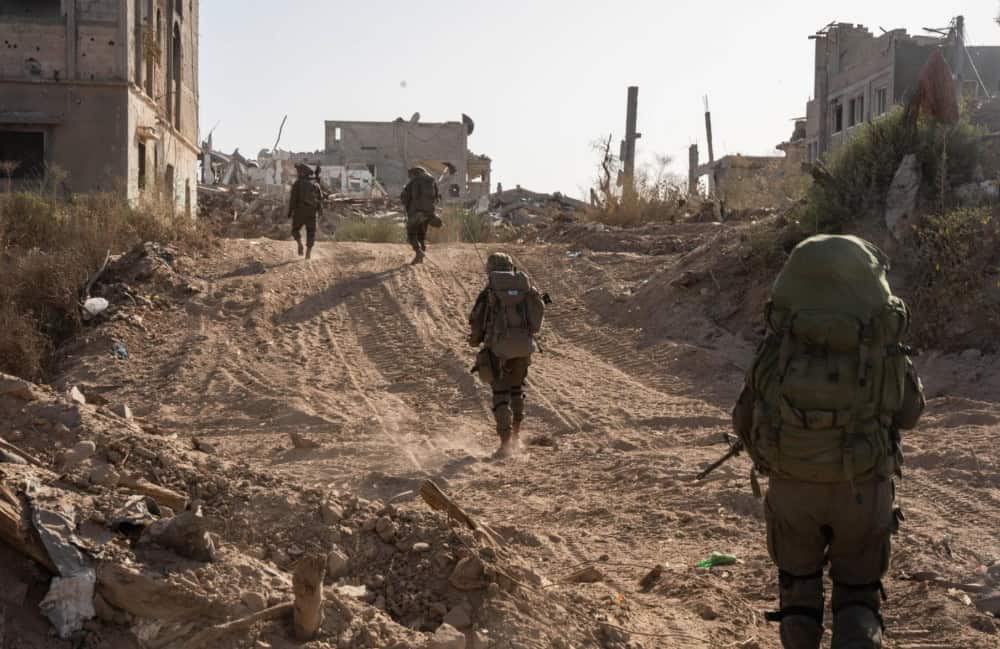
Two Israelis were killed in a Hezbollah rocket barrage targeting the Golan Heights on July 9. Hezbollah claimed the attack was in response to the killing of one of its members. Israel faces multi-front threats, including from the Iranian-backed Houthis in Yemen and Iranian-backed militias in Iraq. The IDF uncovered six tunnels in the Shejaiya neighborhood in north Gaza and demolished them, the IDF said on July 9.
-
Analysis: A greatly expanded arsenal means this is not the Hezbollah of 2006
Hezbollah has used the years since the 2006 Lebanon War to build and acquire a formidable arsenal of mortars, rockets, missiles, and drones integrated into a vast network of underground facilities and human shields. Analysis of Hezbollah’s arsenal suggests that a major war with the terrorist organization could present serious challenges for Israel, underscoring its need for adequate air and missile defense capacity and offensive munitions.
-
Israeli forces enter Gaza City neighborhoods to target terrorist infrastructure
Israeli forces launched a new offensive in Gaza City. The IDF’s 99th Division targeted terrorists, operatives, and weapons in several neighborhoods after calling on civilians to evacuate toward the south. In addition, Israeli forces continued to operate in Shejaiya, uncovering weapons and munitions.

-
Generation Jihad Ep. 188 — Hostage diplomacy with terrorists
Bill and Joe catch up on headlines related to the war in Gaza and the additional Iranian-backed conflicts at Israeli borders, including a status update on the latest round of hostage negotiations, action in the West Bank, and how Israel should handle Tehran’s noose-tightening. They also discuss the recent sighting of a top Hezbollah military official and specially designated global terrorist at the funeral of a Hezbollah commander.
-
Hezbollah rocket barrage on Israel wounds several, including a US citizen
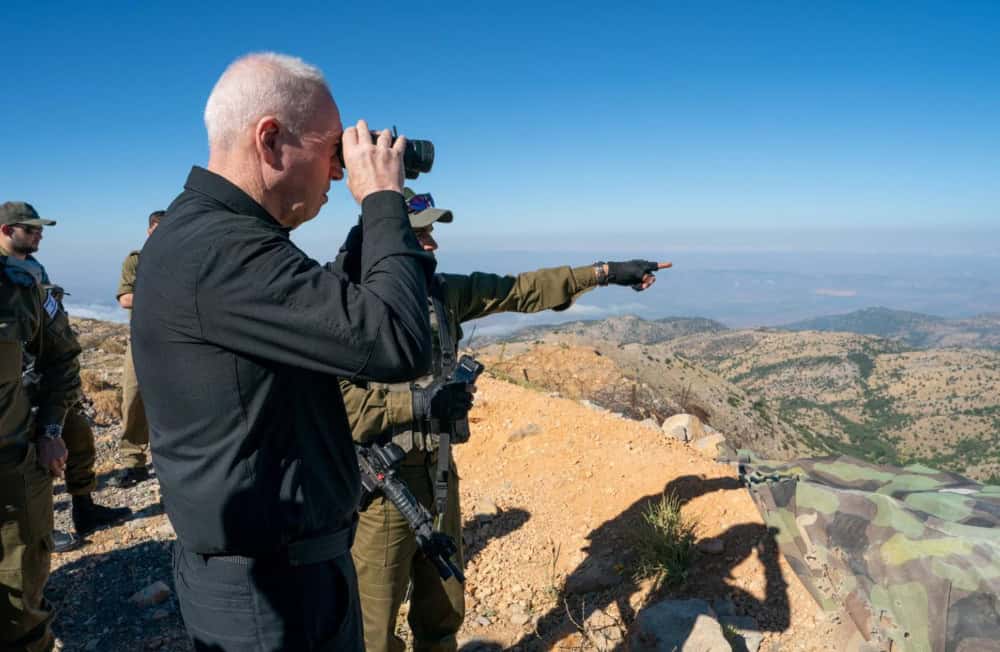
Hezbollah launched several barrages of rockets and anti-tank missiles at Israel on July 7. The attacks injured several people, including an IDF soldier, an Israeli civilian farmer, and a US citizen. Israel’s Minister of Defense visited Mount Hermon in the Golan Heights and said Hezbollah has lost 15 senior commanders, including three division commanders, in fighting over the last nine months.
-
IDF operations in northern Gaza’s Shejaiya neighborhood eliminate dozens of terrorists
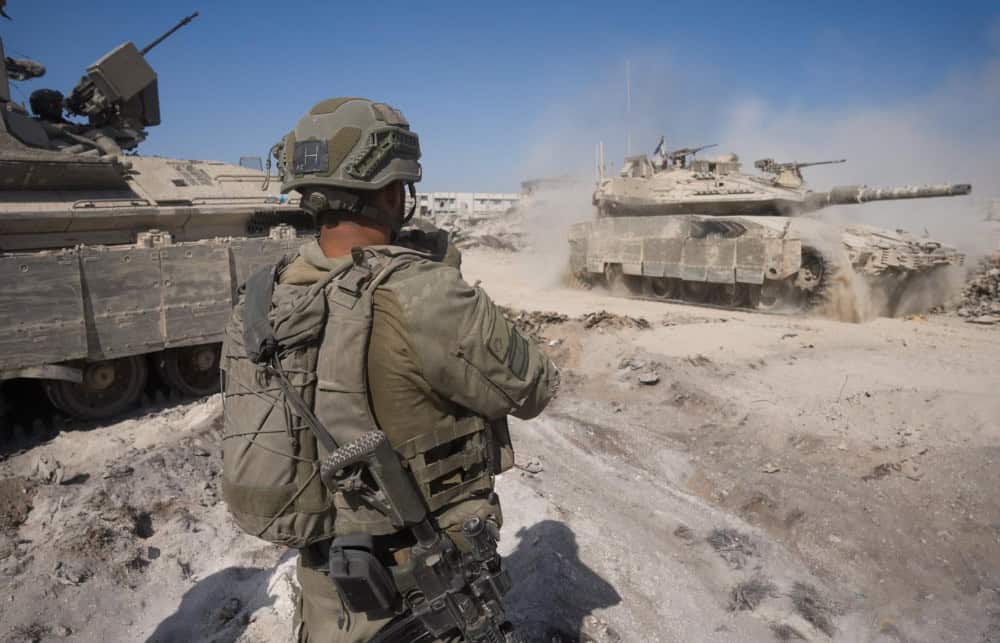
The IDF continues operations in northern Gaza’s Shejaiya neighborhood, stating it has eliminated 100 terrorists and destroyed 100 terrorist infrastructure sites since June 27. The IDF also released footage reportedly showing Hamas abusing Gazans who sought aid.
-
Jihadi archives: Islamic State’s eulogy of Sudanese jihadist Mohamad Makkawi Ibrahim
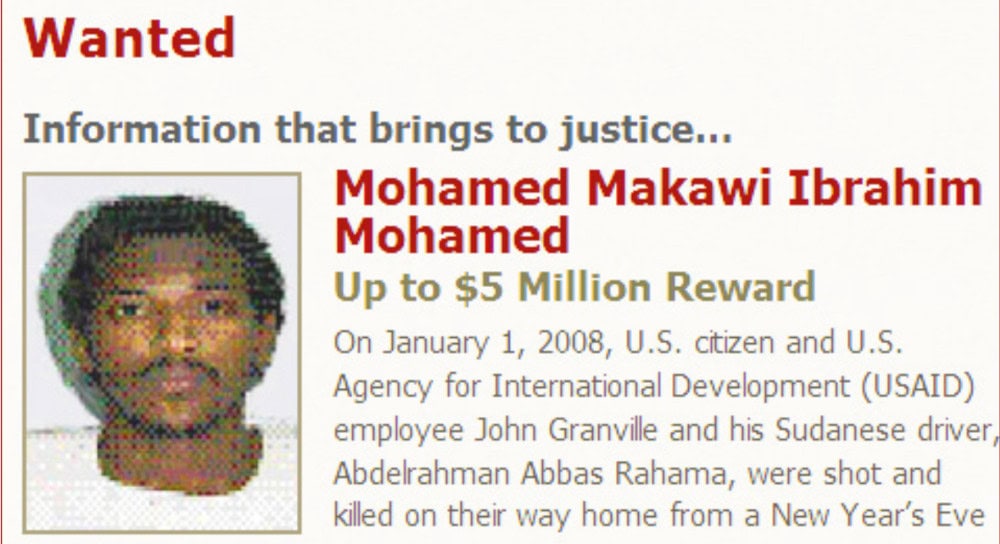
In May 2016, the Islamic State (IS) issued a eulogy for the infamous Sudanese jihadist Mohamad Makkawi Ibrahim through its weekly Al-Naba newsletter. The eulogy flew under the radar at the time but offers an interesting look into the career of one of the Islamic State’s first so-called “martyrs” in Somalia. It also provides an early chronicle of the Islamic State’s history in the Horn of Africa.
-
Hezbollah fires rockets at northern Israel after senior commander killed
The IDF eliminated Muhammad Nimah Nasser, the commander of Hezbollah’s Aziz Unit, the second senior Hezbollah commander eliminated in the last month. The IDF stated Nasser commanded a unit responsible for firing rockets and anti-tank missiles from southwestern Lebanon toward Israeli civilians. A new Israeli Mountain Brigade also completed a training in northern Israel.

-
Generation Jihad Ep. 186 — A conversation with Lieutenant General Sami Sadat
Bill and Will Selber are joined by Lieutenant General Sami Sadat who among many other roles served as deputy commander of the Afghan ground forces and later the deputy chief of staff of the Afghan National Army. Now, he leads the Afghan United Front. They discuss America’s role in giving the Taliban the upper-hand that ultimately led to the collapse of Kabul; the vital role of morale during war; just how established Al Qaeda is inside Afghanistan and whether the Taliban-Al Qaeda relationship got stronger after U.S. withdrawal; and more.
-
Tunnel destroyed and 100 terrorists eliminated in central Gaza
The Israel Defense Forces found a long tunnel in central Gaza and have eliminated around 100 terrorists in recent operations, the IDF said on July 1. On June 30, Israel also told civilians to evacuate Khan Younis after rocket fire, and Israeli Prime Minister Benjamin Netanyahu conducted meetings with IDF commanders to discuss the war in Gaza.

-
Shabaab hits Djibouti military base with suicide bombing in central Somalia
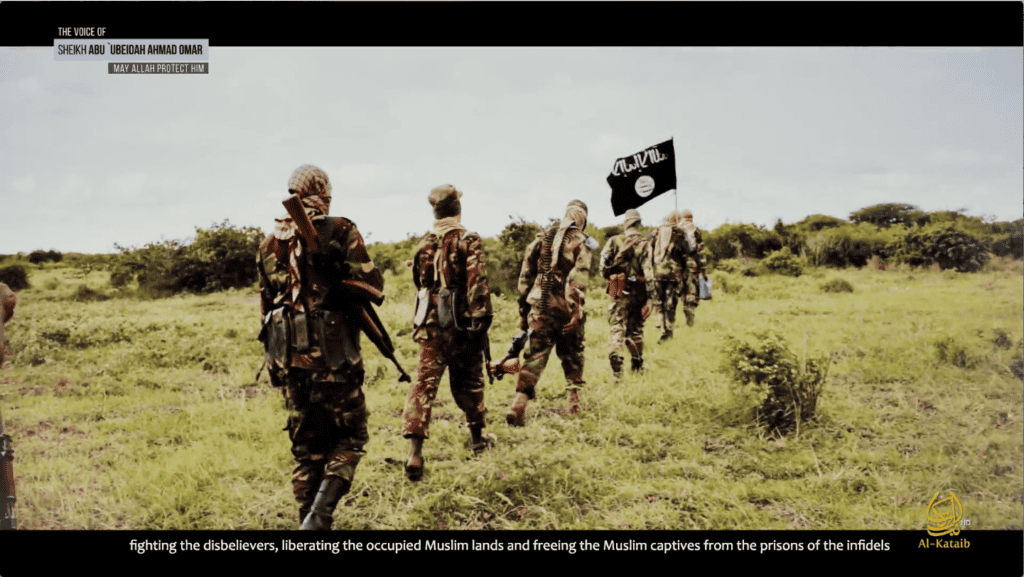
Shabaab, al Qaeda’s branch in East Africa, took responsibility for a suicide car bombing targeting Djiboutian and Somali troops at a military base in central Somalia yesterday. The blast was the 14th suicide bombing conducted by Shabaab so far this year.
-
Hezbollah drone attack injures 18 IDF soldiers
Hezbollah increased its attacks on northern Israel with barrages on June 27 and June 28. It also carried out a series of drone attacks on June 30, injuring 18 IDF soldiers, one of them severely. The IDF responded to the attacks with a series of airstrikes on half a dozen locations in southern Lebanon.
-
Generation Jihad Ep. 185 — Cognitive Combat
Bill is joined by his colleague Bradley Bowman to talk about a new FDD monograph edited by Brad, “Cognitive Combat: China, Russia, and Iran’s Information War Against Americans.” They discuss ways in which America’s adversaries are waging information warfare against it, how the U.S. can defend itself in the information domain — and how it can go on the offensive.
-
Israeli forces return to northern Gaza’s Shejaiya neighborhood in surprise raid
The Israel Defense Forces launched a new offensive into the northern Gaza neighborhood of Shejaiya, an area the IDF previously cleared of Hamas terrorists in December 2023 during the first ground maneuvers of the campaign. This raid and similar ones aim to defeat returning Hamas terrorists and find Israeli hostages.

-
Key Russian division gets new commander amid stalled offensive at Chasiv Yar
A June 22 message on a Telegram channel affiliated with the Russian 98th Guards Airborne Division seems to indicate Major General Yevgeny N. Tonkikh has been replaced as the division’s commander. The reason for the change is unclear, though it could be tied to stalled Russian progress in the city of Chasiv Yar, among other possible reasons.

-
Iran-backed Iraqi militia threatens to strike US interests should Israel attack Lebanon
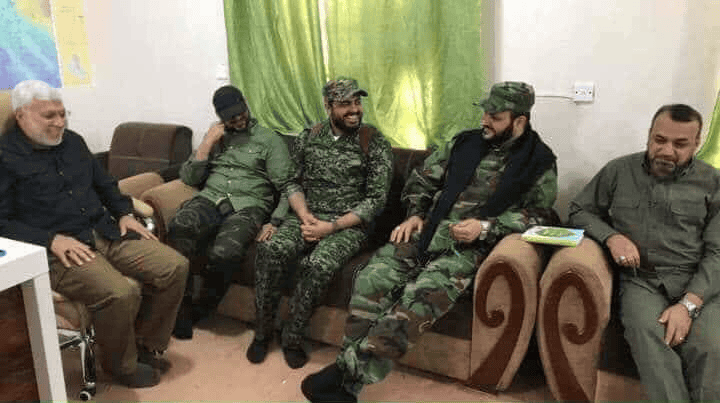
The leader of Asaib Ahl al Haq, a dangerous and influential Iran-backed Iraqi militia, threatened US bases in the event of a large-scale Israeli military campaign against Hezbollah in southern Lebanon. Iran’s proxies are renewing strikes against US bases in the region.
-
Generation Jihad Ep. 184 — PSA for Israel: take our weapons, not our advice
Bill and Wednesday co-host Will Selber explain why Israel is not fighting an insurgency in Gaza as they unpack (and dismantle) a recent Foreign Affairs article authored by David Petraeus et al: “Israel’s War of Regime Change Is Repeating America’s Mistakes: But Israel Can Still Learn From America’s Successes” — wait, what successes? Israel should learn from our mistakes by repeating our mistakes?
-
IDF trains for war in the north as Iranian proxies threaten attacks from Iraq and Yemen
Israeli IDF Chief of Staff Lt. Gen. Herzi Halevi, Israeli Prime Minister Benjamin Netanyahu, and Israeli President Isaac Herzog visited northern Israel on June 25 and June 26 as Israel prepares for a possible war with Hezbollah. An Iranian-backed militia in Iraq launched a drone targeting Israel’s southern city of Eilat, and Israeli Defense Minister Yoav Gallant continued his trip to Washington to shore up support and discuss the Iranian threat.

-
Israel intercepts Hezbollah drones as Israel’s defense minister continues meetings in Washington
Israel faced drone attacks by Hezbollah between June 23 and June 25 while Israeli Defense Minister Yoav Gallant was in Washington, DC. Gallant met with US Secretary of Defense Lloyd Austin, discussing the need to return security to northern Israel. Austin expressed concern about the chances of war between Israel and Hezbollah.