-
Generation Jihad Ep. 81 — An update on Russia’s war in Ukraine
Host Bill Roggio is again joined by John Hardie, deputy director of FDD’s Russia Program, to discuss the latest from Russia’s war in Ukraine, including Putin’s announcements on mobilization and additional annexations as well as other developments from the battlefield.

-
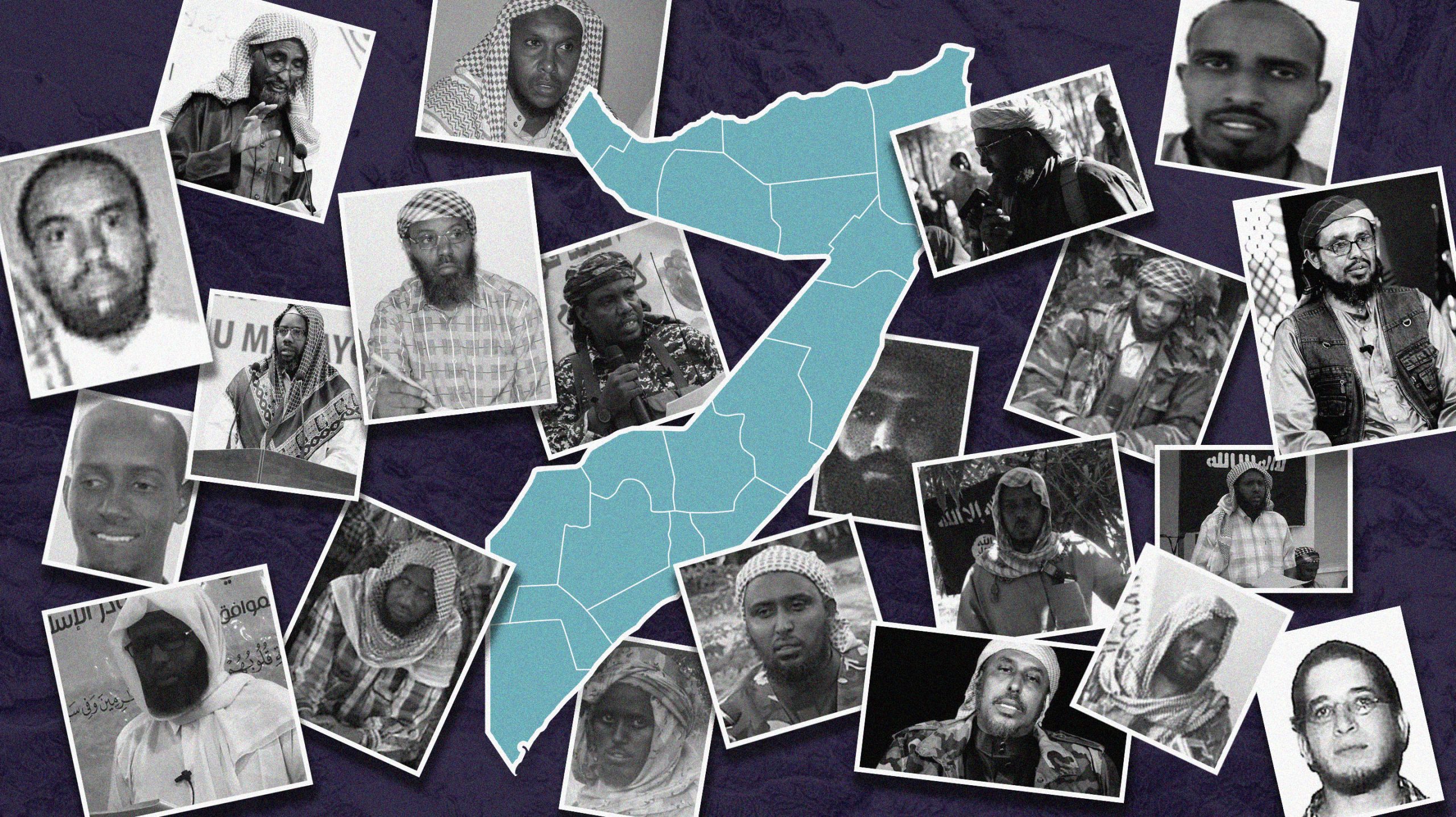
U.S. military kills wanted Shabaab leader in airstrike in Somalia
Abdullahi Yare was a founding leader of Shabaab, had a $3 million reward out for his capture, and is the first senior Shabaab leader killed in more than two years.

-
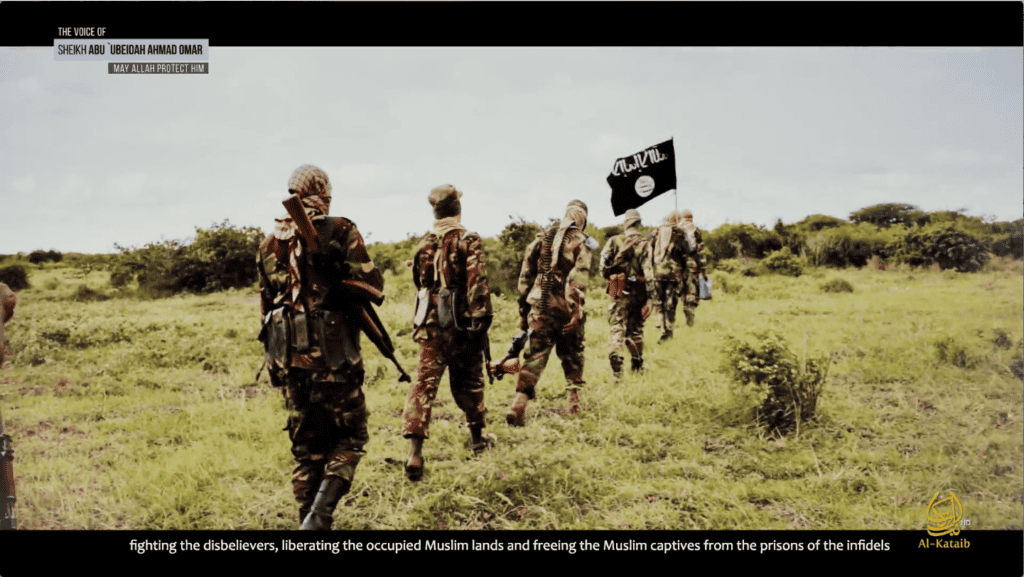
Shabaab conducts triple suicide bombing in central Somalia
Exact numbers are still unknown, but Shabaab is feared to have killed at least a dozen people in retaliatory suicide bombings as it faces severe military challenges across central Somalia.
-
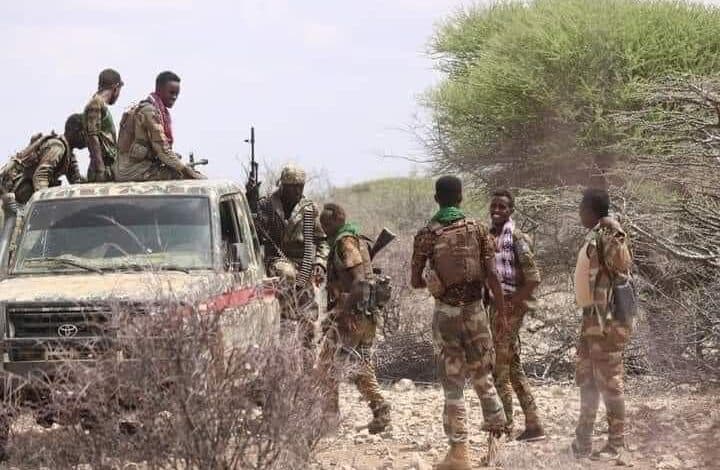
Shabaab continues to lose ground in central Somalia
Shabaab faces one of the largest counter-offensives against it in recent years. However, to be successful, Somalia must also work to effectively hold liberated areas and not just conduct clearing operations.
-
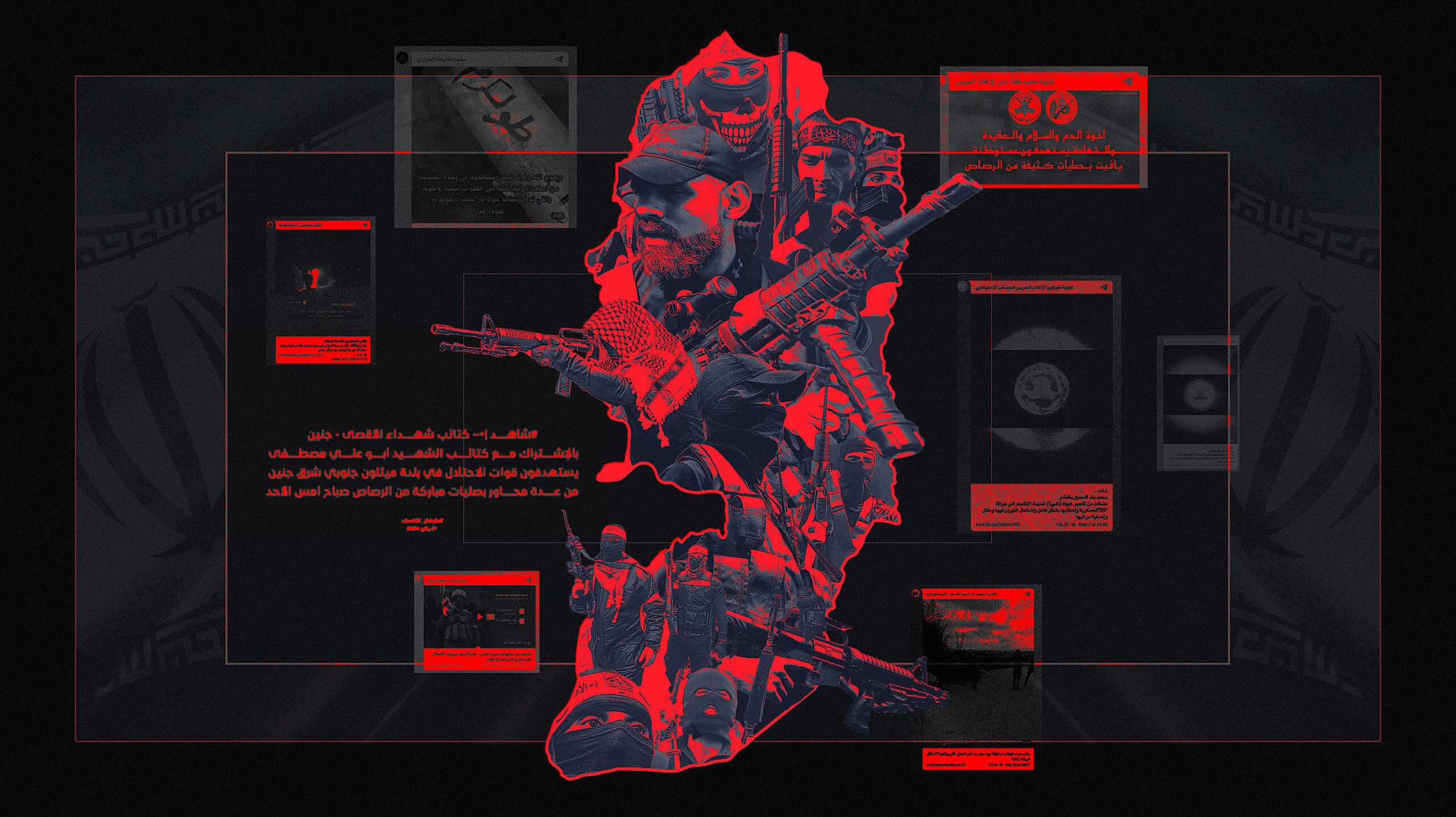
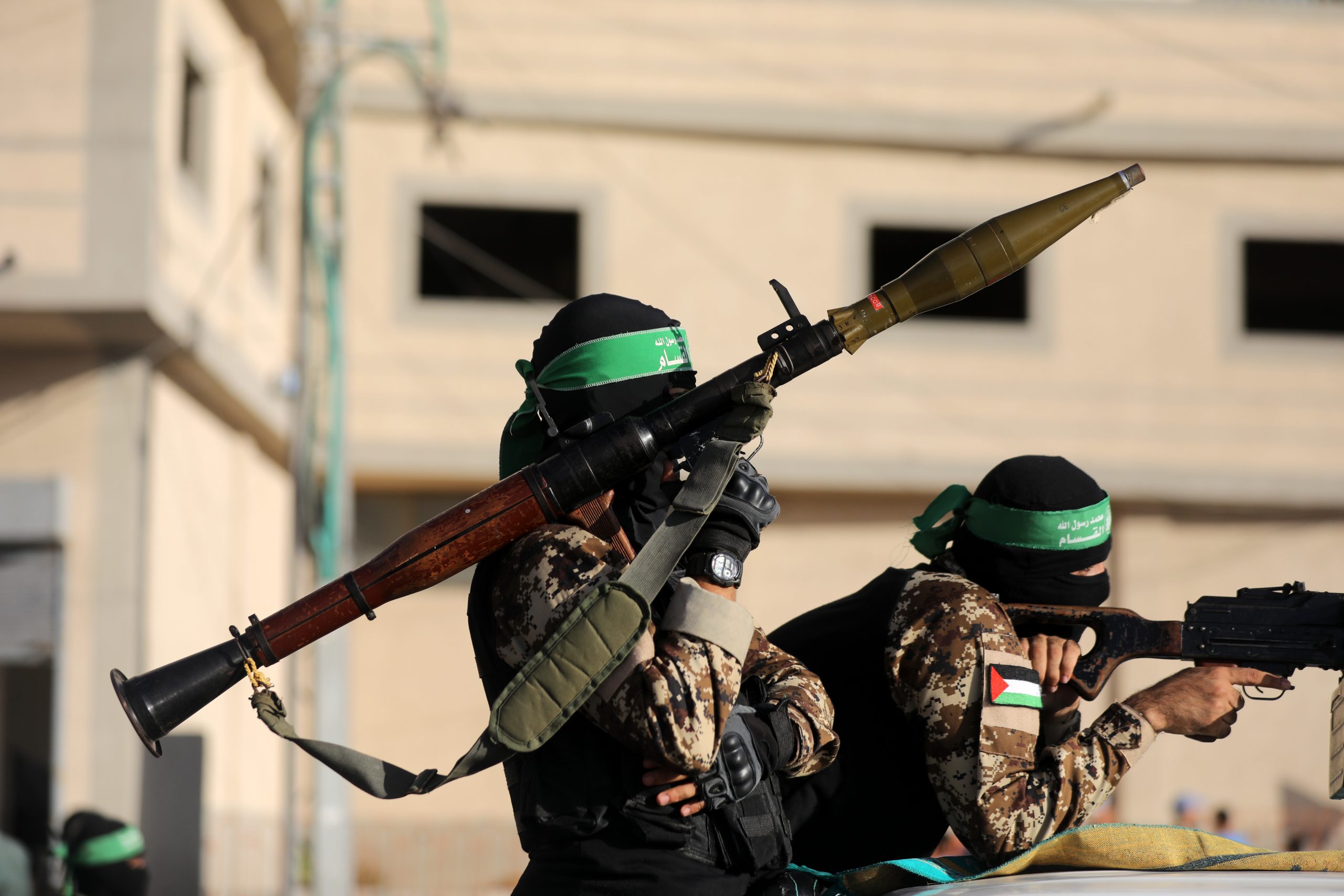
Hamas Operatives in Gaza Continue to Direct Attacks in the West Bank
Evidence continues to grow that Hamas is directing attacks in the West Bank against both the IDF troops and Israeli citizens.
-
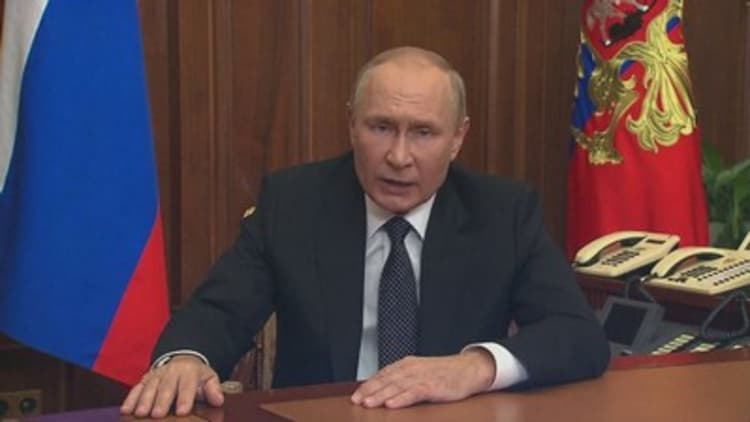
In an About-Face, Russia Announces Mobilization and ‘Referendums’ in Occupied Ukrainian Territories
In a televised address on Wednesday morning, President Vladimir Putin promised to ensure the security of upcoming “referendums” in occupied Ukrainian territories and declared Russia would conduct a “partial mobilization.” These announcements represent an about-face from the Kremlin’s position on these issues mere days ago, likely reflecting Putin’s realization that drastic measures are necessary to avoid defeat in Ukraine. While mobilization likely will not buy victory for the Kremlin, it could enable Moscow to sustain the war and hold already occupied territory, although mobilized Russian troops will take time to arrive on the battlefield in large numbers. After railing against…
-
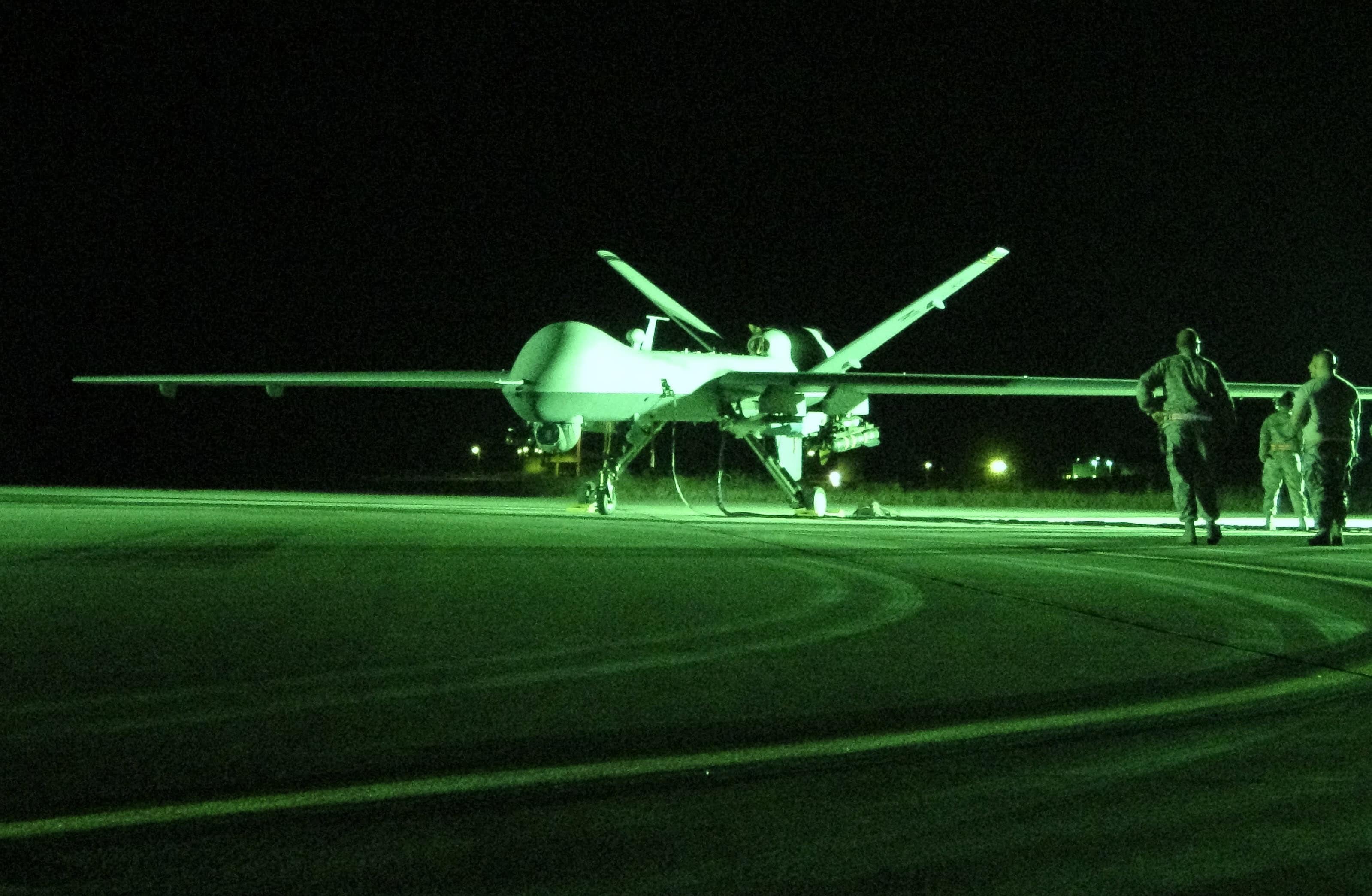
U.S. airstrike kills 27 Shabaab fighters in central Somalia
The recent drone strike comes as the Somali National Army (SNA) mounts a large offensive against Shabaab in Somalia’s central Hiraan Region.
-
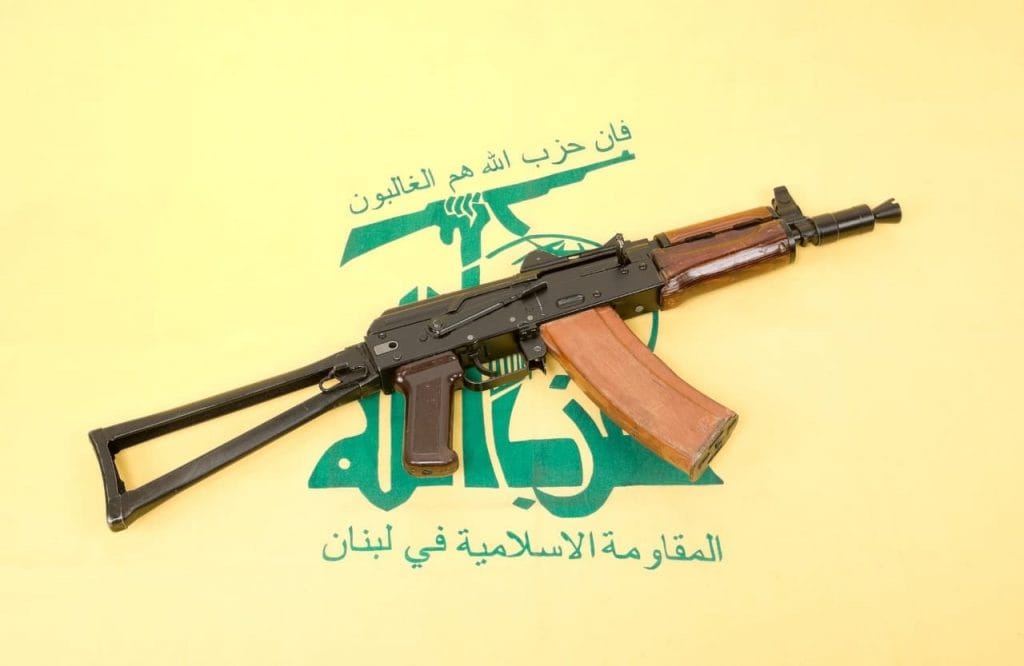
Hezbollah smuggling weapons to the West Bank amid surge in militant activity
FDD’s Long War Journal confirmed with a senior Israeli military official that Hezbollah is transferring weapons to the West Bank.
-
Arrest of Militants Signals Hamas’ Involvement in Uptick of West Bank Violence
Israel’s Shin Bet arrested several Hamas operatives in the West Bank this month in connection to planned shooting and bombing attacks against Israelis.

-
U.S. frees Taliban narcotics kingpin in exchange for Navy veteran
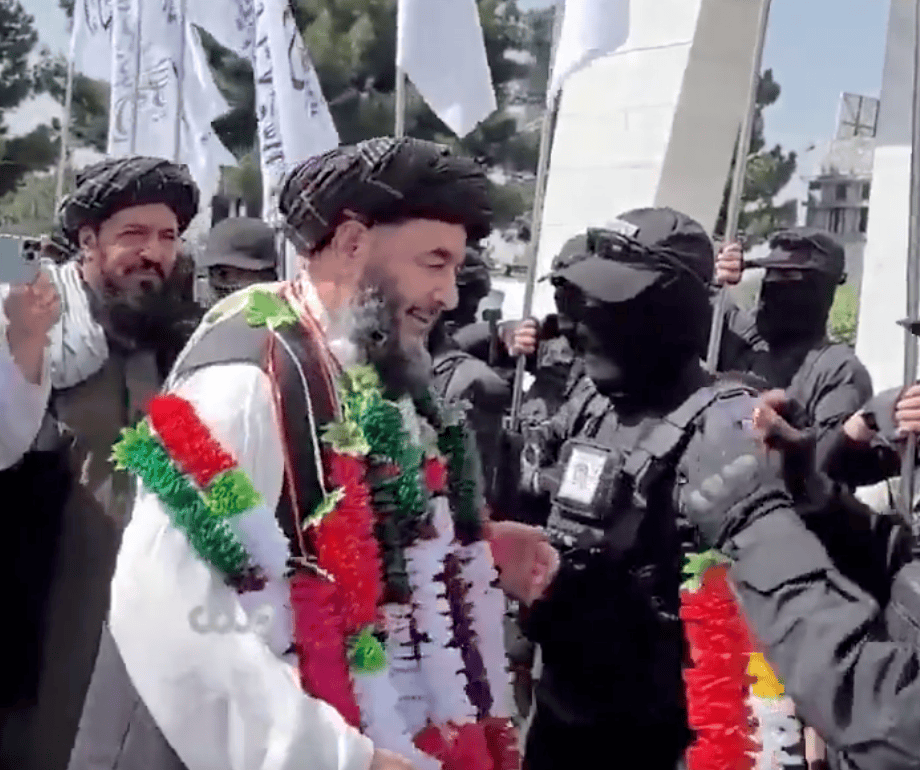
The Taliban released Mark Frerichs, an American veteran who has been held hostage since early 2020, in exchange for Haji Bashir Noorzai, a convicted Taliban drug kingpin who was serving a life sentence for smuggling heroin into the United States.
-
Islamic State claims first attacks inside Benin
The two claims of responsibility now confirms that both al Qaeda and the Islamic State are active inside the small West African country.

-
Ukraine’s Counteroffensives in Kharkiv and Kherson and the Road Ahead
Ukraine’s stunning victory in Kharkiv Oblast has reshaped the battlefield and dealt a powerful blow to Vladimir Putin’s ambitions in Ukraine. Meanwhile, Ukrainian forces continue to wage a more gradual but no less important counteroffensive in southern Ukraine. This analysis will unpack them both and highlight some factors that will shape the road ahead. Kharkiv Counteroffensive The Ukrainian General Staff, with Western assistance, formulated a plan to retake territory on two fronts: Kherson Oblast in southern Ukraine and Kharkiv Oblast in the east. For months, Kyiv telegraphed its intention to launch a counteroffensive in Kherson, while keeping its plans in…

-
A Newly Established Militant Organization in the West Bank Claims Several Attacks
A nascent militant organization has been established in the West Bank and has claimed several attacks against IDF troops.

-
Israel’s Defense Minister Reveals Syrian Military Sites Used to Produce Advanced Weapons for Iran
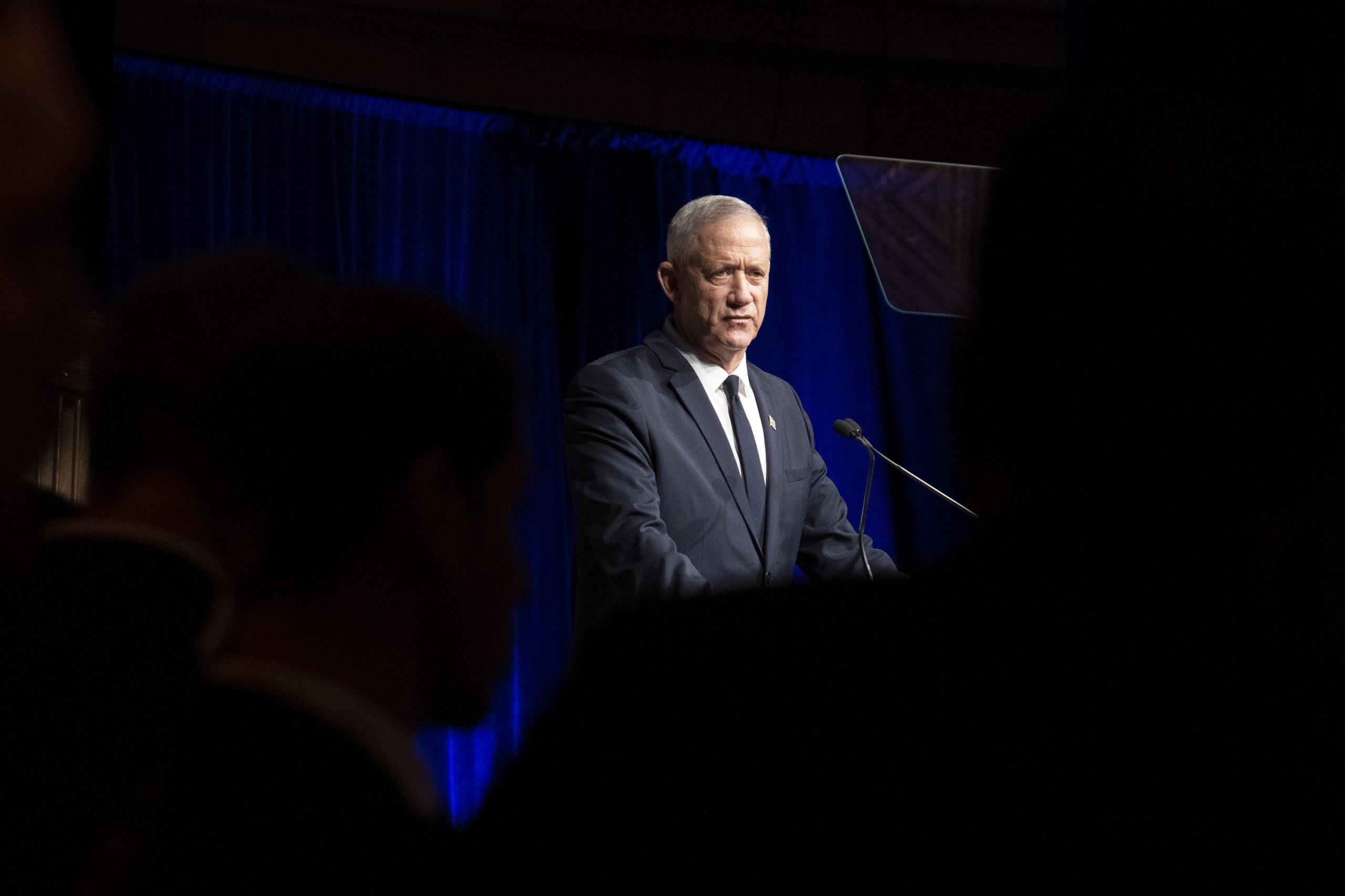
Israel’s defense minister revealed Syrian military used to manufacture advanced arms for Tehran.
-
Generation Jihad Ep. 80 — Where do things stand in Ukraine?
In the first iteration of Long War Journal’s expanding coverage, Bill is joined by John Hardie, deputy director of FDD’s Russia Program, to examine the current state of Russia’s war in Ukraine. They unpack and analyze the latest information, from tactical and theater-level to strategic.
-
Generation Jihad Ep. 79 — An update on the Islamic State
Bill is joined again by Edmund Fitton-Brown and Caleb Weiss to take a look at the current global footprint of the Islamic State.
-
Contested area of northern Somalia witnesses rare suicide bombing
The Sanaag Region, a territory contested by both Somalia and Somaliland, witnessed its first suicide bombing yesterday. No group has officially taken credit, though Shabaab is widely suspected given its history in the area.
-
Mounting Evidence of the PA’s Security Services Clashing With IDF Troops in the West Bank
Attacks launched by the Palestinian Authority’s Security Services against IDF troops has increased since the uptick in violence in the West Bank began last year.

-
Rare photo surfaces of top Al Qaeda leaders inside Iran
FDD’s Long War Journal confirmed the authenticity of a photograph of senior Al Qaeda leaders Saif al Adel, Abu Muhammad al Masri, and Abu Abu al Khayr al Masri in Tehran, Iran, circa 2015. Saif al Adel may be the next leader of Al Qaeda.

-
Saudi Arabia Designates Individuals for Supporting Yemen’s Houthi Movement
On Wednesday, Saudi Arabia designated five individuals for providing support to the Iran-backed Houthi movement.

-
Generation Jihad Ep. 78 — The Islamic Emirate of Afghanistan Turns One
Friend of the show LTG (Ret.) H.R. McMaster joins Bill once again to discuss America’s botched withdrawal from Afghanistan one year ago. Despite overwhelming evidence to the contrary — including an ongoing close relationship with al Qaeda, the United States designated the Taliban as “partners in peace” and handed the terrorist group keys to a state apparatus. Afghanistan fell and became the Islamic Emirate of Afghanistan. But it didn’t have to.
-
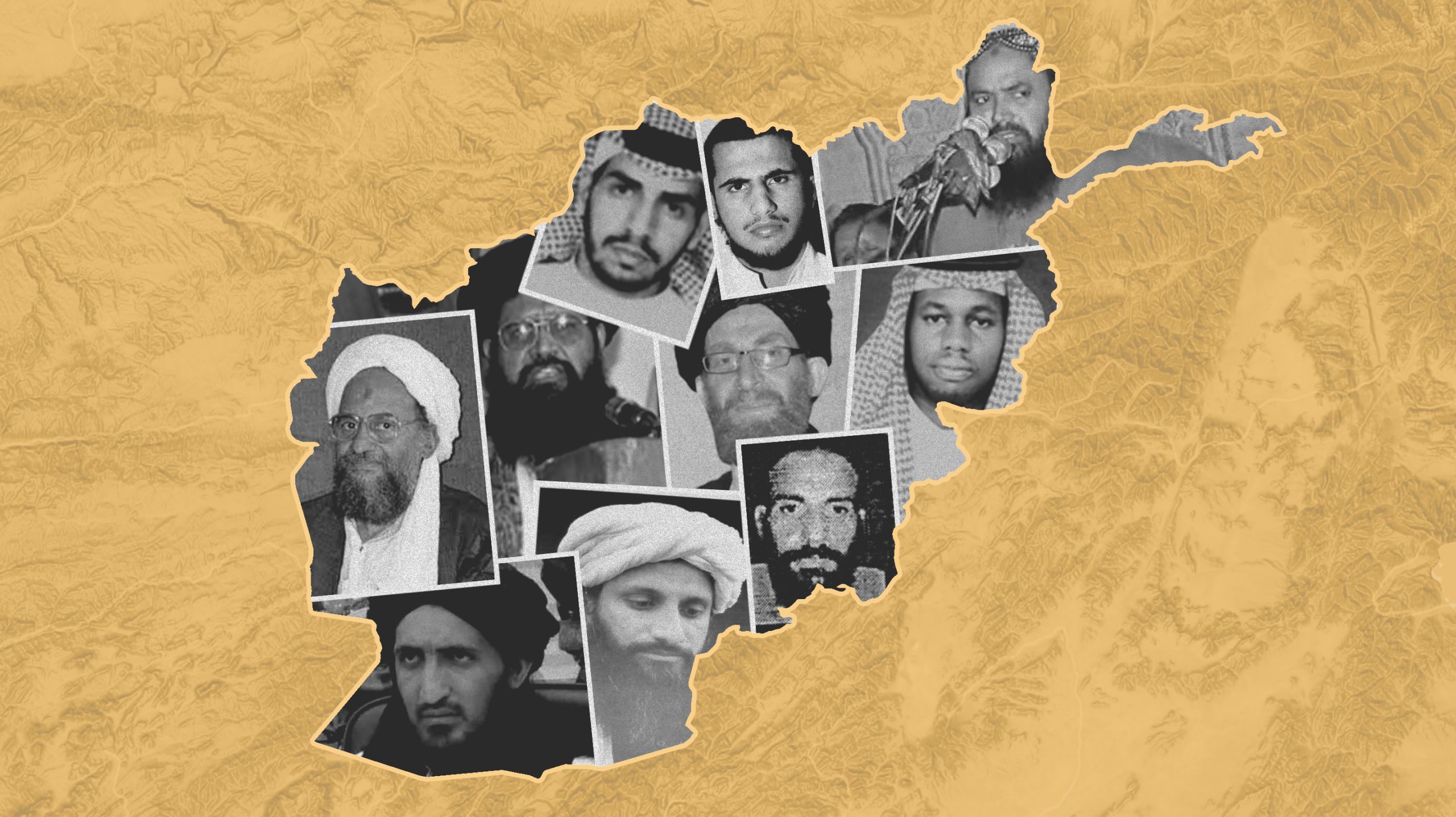
One year after U.S. withdrawal, resistance to Taliban rule grows
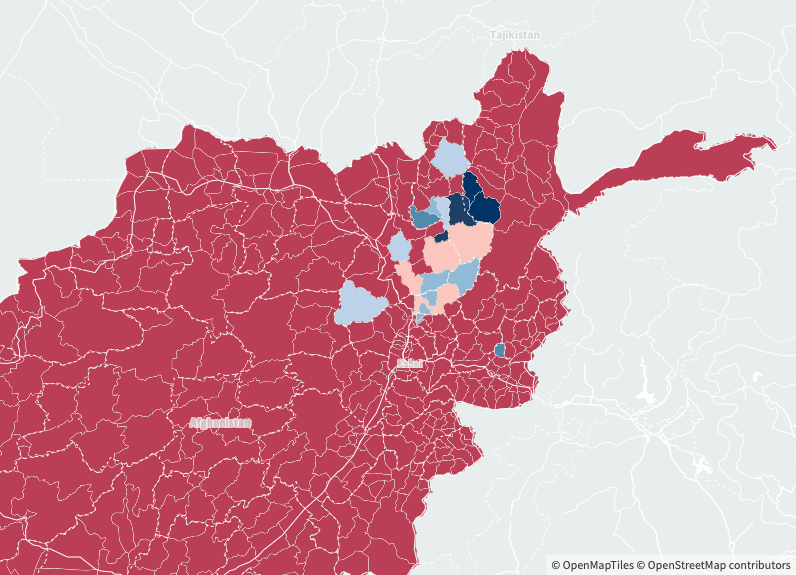
One year after America’s chaotic withdrawal from Afghanistan, resistance to the Taliban’s brutal regime has organized in northern Afghanistan and is beginning to challenge the Taliban’s primacy. FDD’s Long War Journal is mapping the resistance activities.
-
Taliban circulates video of Haqqanis plotting 2010 suicide raid against U.S. troops
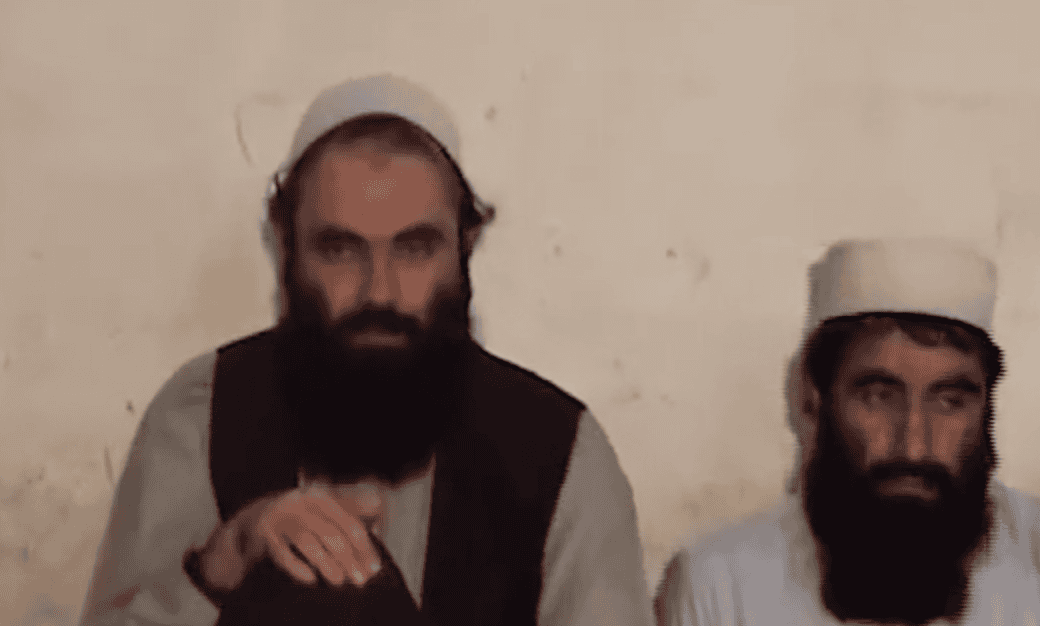
Sirajuddin Haqqani, who at the time was the operational commander of the Haqqani Network, was joined by his brother Badruddin Haqqani, Qari Zakir, the Taliban’s chief of suicide bombers, Mullah Sangeen Zadran, a dangerous Haqqani leader, and Ghani Muhammad, an Al Qaeda-linked military commander based in Pakistan, in the video. They give a send off to the suicide assault team that attacked Forward Operating Base Fenty on Nov. 12, 2010.
-
Taliban Appoints Former Guantanamo Bay Detainee to Lead Fight in Panjshir
Zakir’s appointment to lead the fight against the National Resistance Front (NRF) in Panjshir and the district of Andarab in the neighboring province of Baghlan is a clear indication that the NRF is challenging the Taliban’s primacy in central and northern Afghanistan. Zakir is a capable military commander.
-
Analysis: Thirty hour long hotel siege emblematic of Somalia’s remaining security challenges
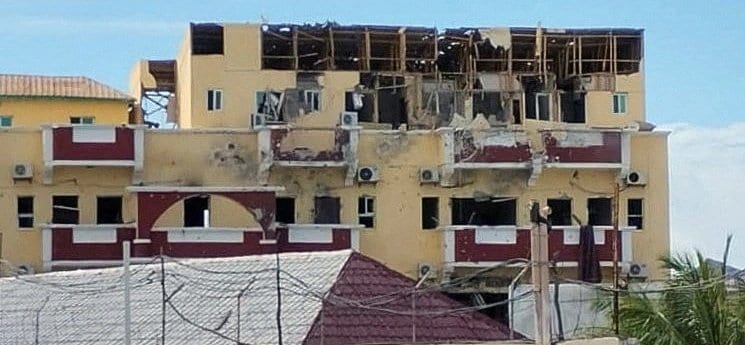
Shabaab’s recent hotel siege in Mogadishu, beginning on Friday and ending early Sunday, signals the severe challenges that remain in combating the al Qaeda branch.
-
Generation Jihad Ep. 77 — Catching up with John Batchelor
In this episode, Bill interviews John Batchelor, host of CBS Eye on the World with John Batchelor. Bill has been a regular on John’s radio show for more than a decade and considers him a mentor and friend. They discuss the Long War and how September 11, 2001 shaped both of their careers.
-
US picks up pace of airstrikes in Somalia
Since resuming military activity inside Somalia earlier this year, the Biden Administration has ramped up the pace of airstrikes in the Horn of Africa country in recent weeks. Since June 3, the US has conducted at least six airstrikes against Shabaab, al Qaeda’s branch in East Africa.
-
Islamic State conducts second major prison break in Congo
The raid also marks the first time that the Allied Democratic Forces, the local name for the Islamic State’s Central Africa Province, has struck inside Butembo city.

-
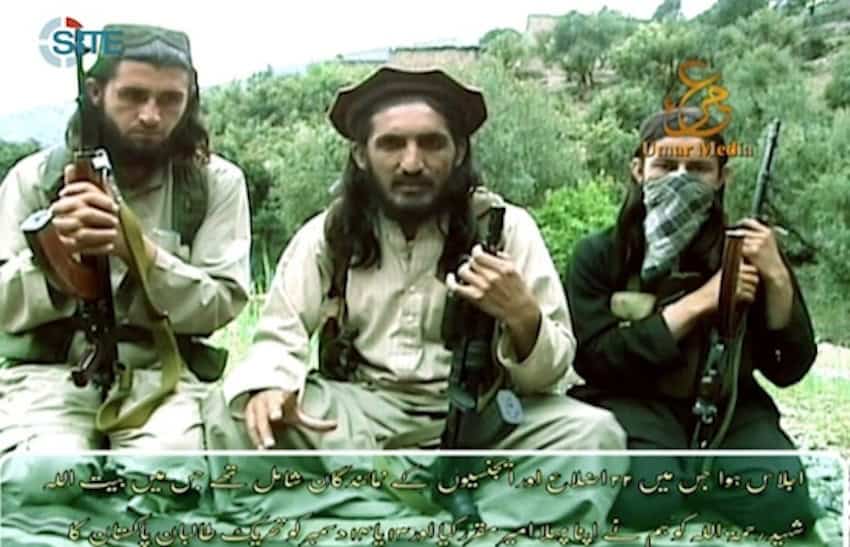
Senior Pakistani Taliban leader reportedly killed in Afghanistan
Jamaat-ul-Ahrar and Movement of the Taliban in Pakistan leader Omar Khalid Khurasani, who is believed to have given sanctuary to Ayman al Zawahiri in the past, has called for global jihad, attacks on the US, and the establishment of the caliphate, and celebrated the Sept. 11, 2001 attacks on the U.S. He is reported to have been killed in a district in Afghansitan that has hosted an Al Qaeda training camp in the past.
-
Generation Jihad Ep. 76 — What just happened in Gaza?
Bill is joined again by Jonathan Schanzer, senior vice president for research at FDD, and by Joe Truzman, research analyst at FDD’s Long War Journal, to discuss the latest round of violence that emanated from the Gaza Strip this weekend and eventually resulted in an Egyptian-brokered ceasefire. They also unpack details about the terrorist group behind the escalation, Palestinian Islamic Jihad (PIJ) — including where they get their weapons, training, and funding (spoiler alert: it’s Iran).