-
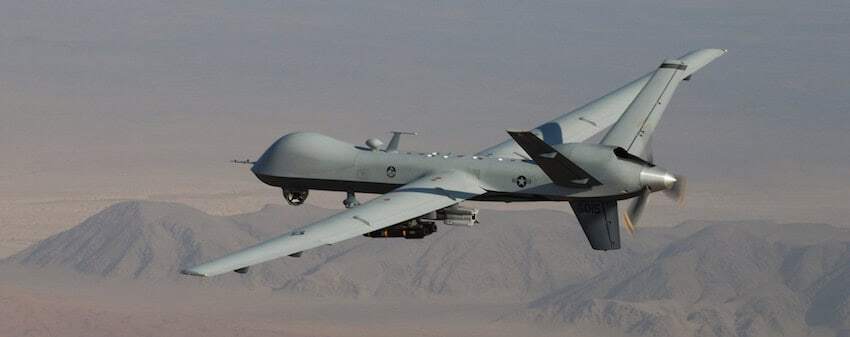
2 Taliban commanders reportedly killed in US strike in Pakistan
Yesterday’s strike is just the second reported in Pakistan this year, and the second since the US killed Afghan Taliban emir Mullah Akhtar Muhammad Mansour in an attack in Baluchistan province in May 2016.
-
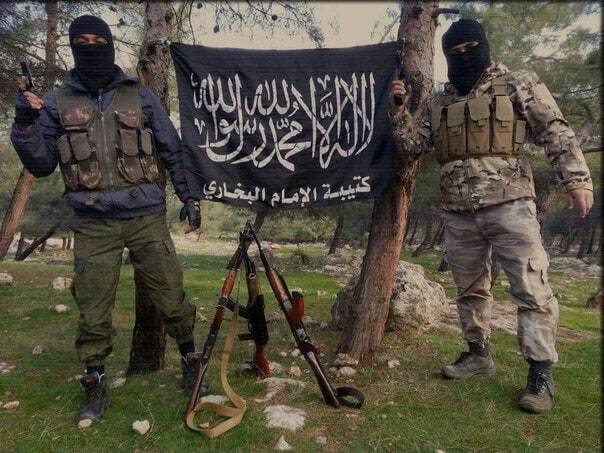
Al Qaeda affiliated Uzbek leader assassinated in Syria
Salahadin al Uzbeki, a veteran of the jihad in Afghanistan and leader of the Taliban-loyal Katibat Imam al Bukhari, has reportedly been assassinated by an “Islamic State infiltrator” in Idlib.
-
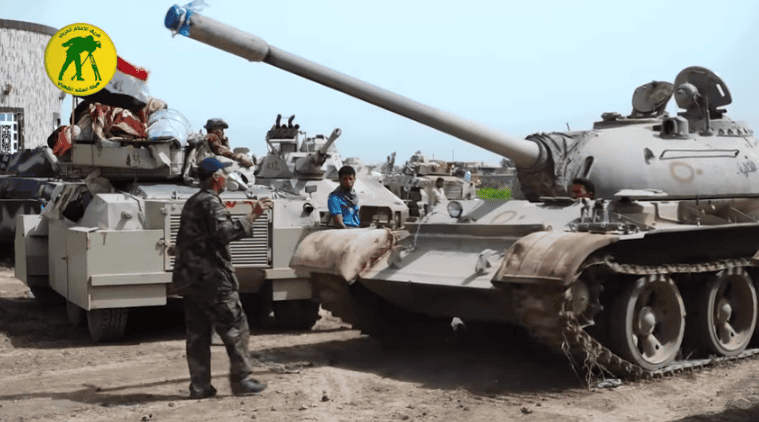
Iraqi Popular Mobilization Forces launch operation southwest of Mosul
Backed by the Iraqi air force, The Popular Mobilization Forces (PMF), the umbrella organization of diverse militias, launched an offensive this week in Nineveh Province, southwest of Mosul, to capture territory from the Islamic State. Iran’s Islamic Revolutionary Guard Corps (IRGC) has embedded operatives in the PMF.
-
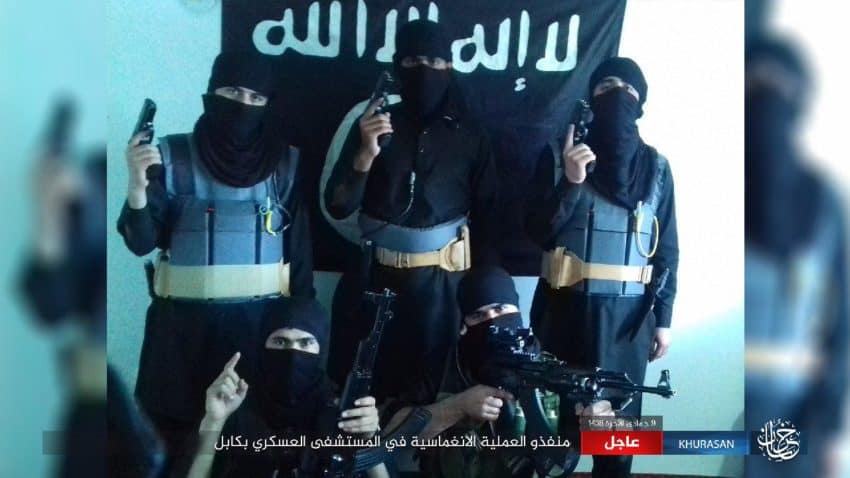
Islamic State Khorasan province’s emir targeted in US raid
The US military has invested significant resources in battling the Islamic State in Afghanistan, despite the fact that the group controls areas in just four districts in Nangarhar.
-
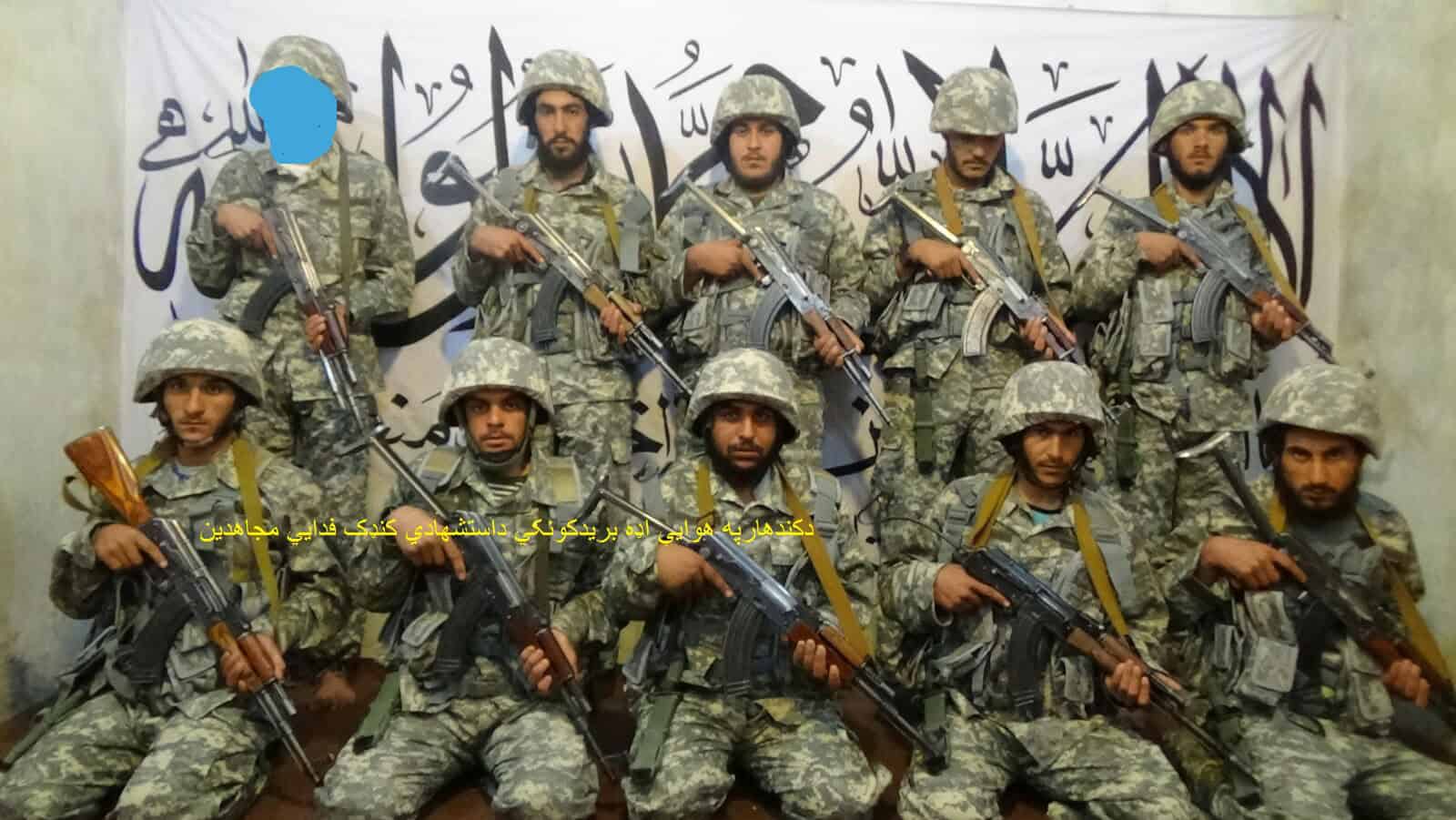
Taliban announces start of ‘Operation Mansouri’
This year’s “spring offensive” is named after Mullah Akhtar Muhammad Mansour, the previous emir who was killed by the US in a drone strike in Pakistan in May 2016. As in previous years, the Taliban said the main focus of its operation is the targeting of both foreign and local forces.
-
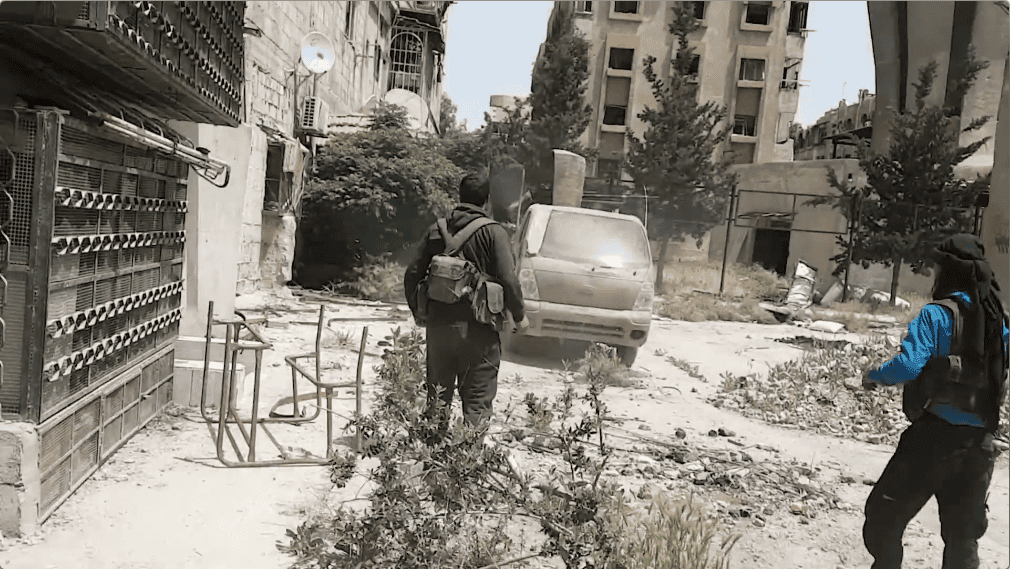
Islamic State battles rival jihadists for control of Yarmouk camp in southern Damascus
Hay’at Tahrir al Sham (“Assembly for the Liberation of the Levant”) and the Islamic State continue to battle for control of the Yarmouk camp in southern Damascus.
-
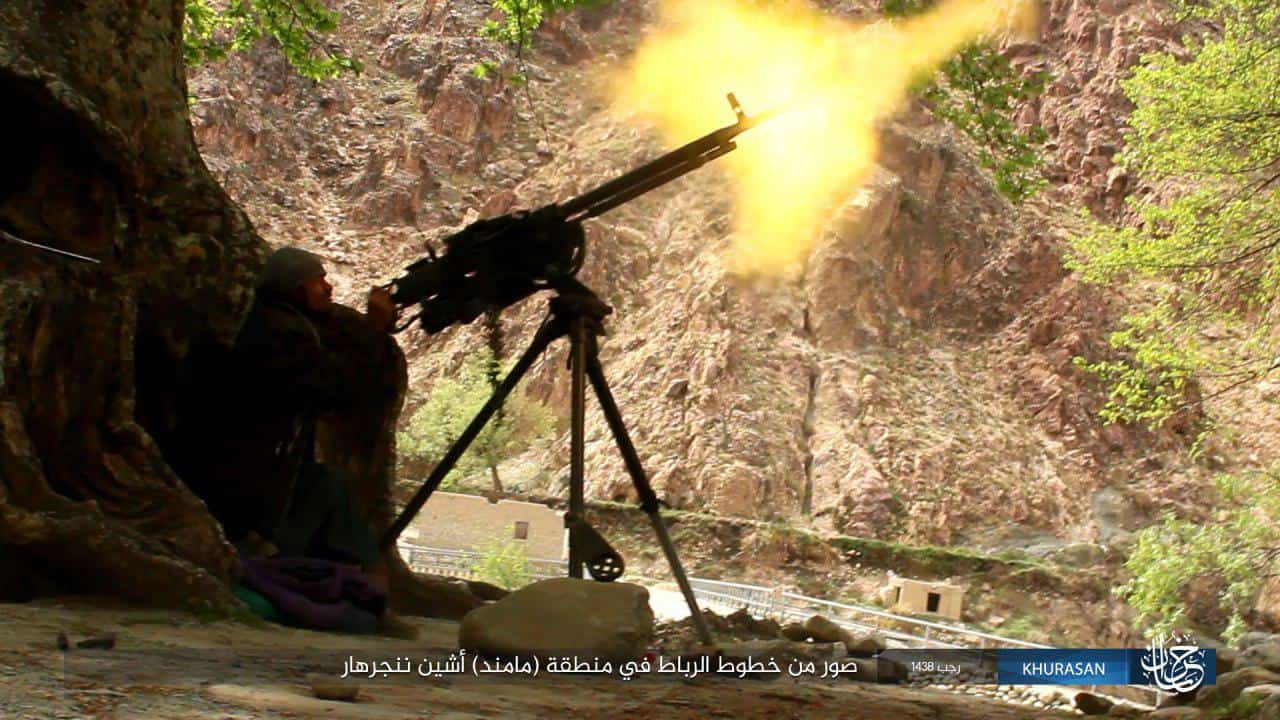
2 American service members killed fighting Islamic State in eastern Afghanistan
Two American soldiers were killed during a raid against the Islamic State in Afghanistan’s eastern Nangarhar province. A third American perished during combat earlier this month. The Islamic State’s so-called Khorasan province has lost ground since the beginning of 2016, but is still able to engage in heavy fighting and launch significant attacks.
-
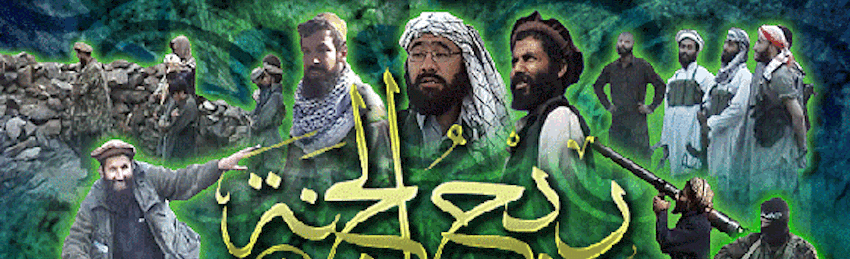
Afghanistan’s terrorist resurgence: Al Qaeda, ISIS, and beyond
Bill Roggio testifies before the House Committee on Foreign Affairs Subcommittee on Terrorism, Nonproliferation, and Trade on terrorist groups in Afghanistan and the threat posed to the United States and its allies.
-
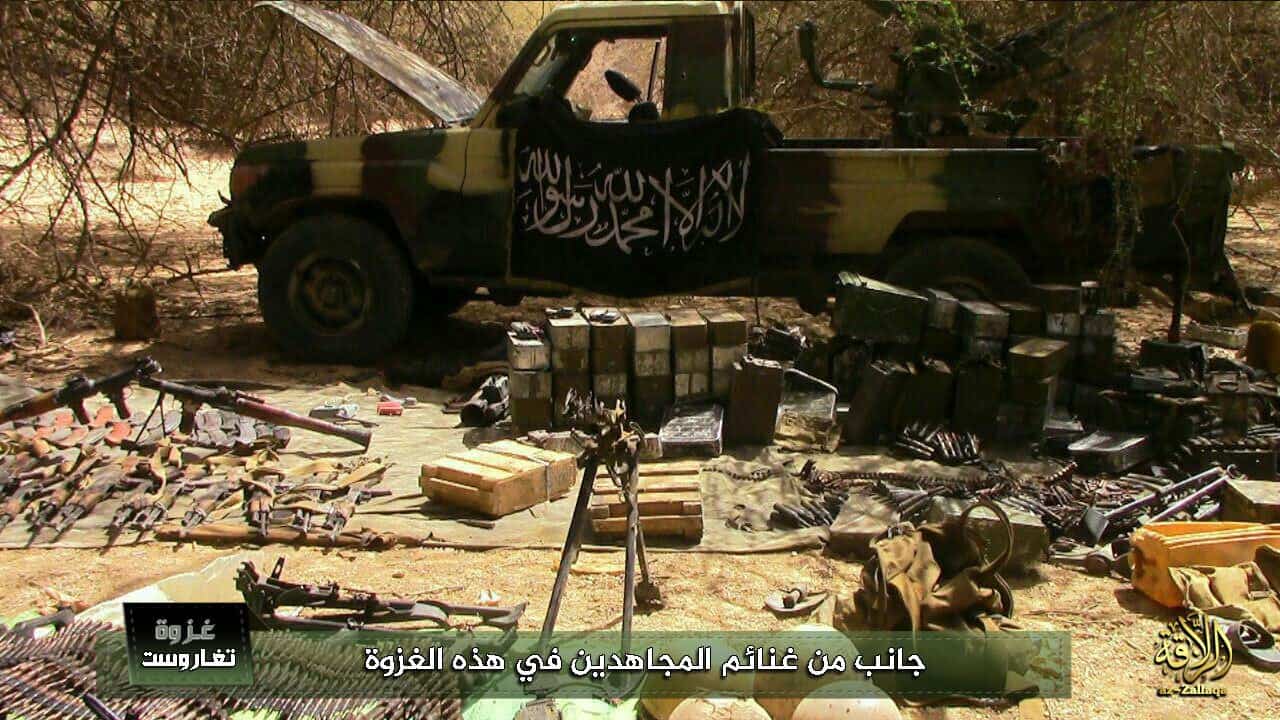
JNIM shows spoils from deadly assault near Timbuktu
The photos confirm the report released last week that while it withdrew from a Malian base after French intervention, it captured large amounts of weapons and equipment.
-
Why the UK launched its first targeted drone strike ever
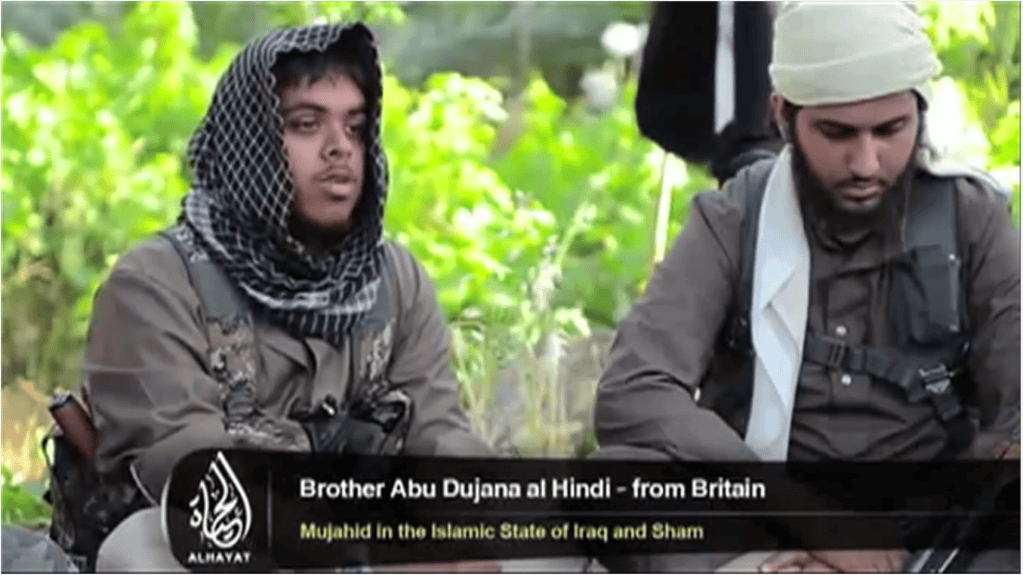
The UK Parliament’s Intelligence and Security Committee has released its investigative report on the Aug. 21, 2015 drone strike that killed UK national Reyaad Khan. The bombing was “the first time outside participation in a military campaign that the UK had conducted a lethal drone strike against a terrorist target.” Khan was one of the Islamic State’s most prolific cyber planners.
-
US military kills AQIS leaders, fighters in southern Afghanistan
Usama Ibrahim was a member of al Qaeda in the Indian Subcontinent’s top leadership body and the chief of Al Sahab Media, al Qaeda’s official media production arm. Tariq Bhai was AQIS’ “head of Bangladeshi Affairs.”
-
Taliban strikes US base in eastern Afghanistan
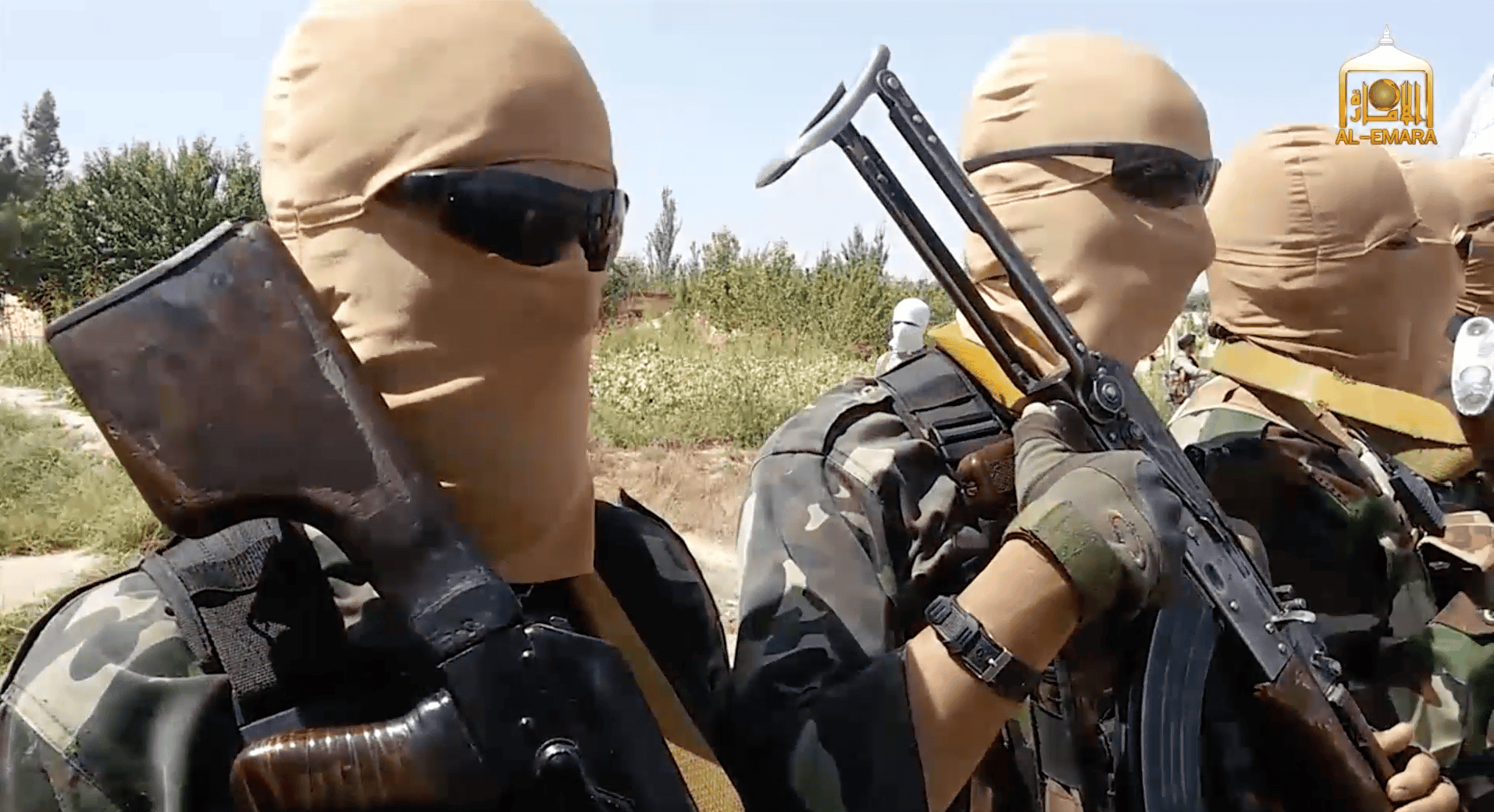
The Taliban claimed the attack was a suicide assault, however this has not been confirmed. Camp Chapman is used by the CIA to hunt al Qaeda in the region.
-
Afghan defense minister, Army chief of staff resign after deadly suicide assault
Afghanistan’s defense minister and the Army chief of staff have resigned, and President Ashraf Ghani has fired four Army corps commanders as US Secretary of Defense James Mattis is visiting the country.
-
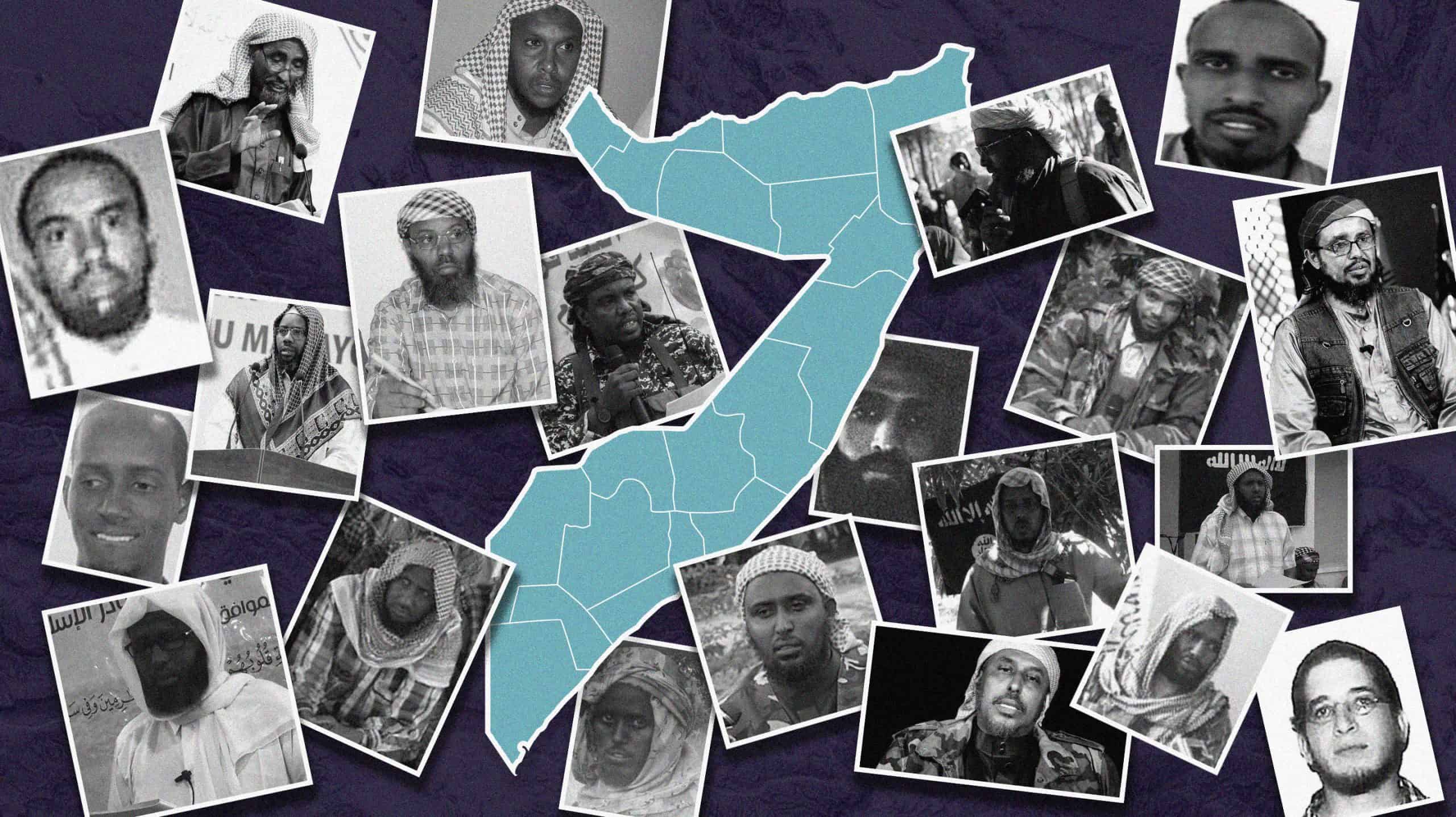
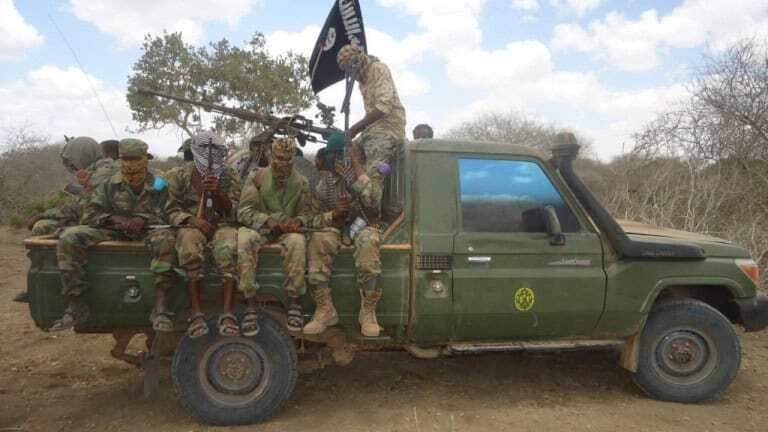
Shabaab targets soldiers in Puntland ambush
The al Qaeda branch claimed a massive IED attack on a military convoy in Puntland, as well as shelling a military base in southern Somalia that also reportedly hosts US troops.
-
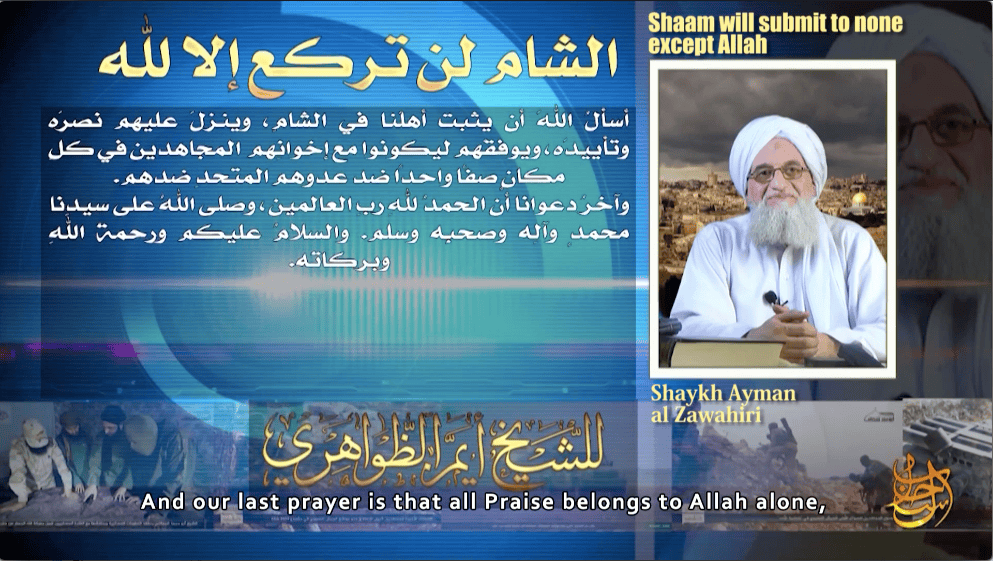
Ayman al Zawahiri warns against ‘nationalist’ agenda in Syria
In a new audio message, Ayman al Zawahiri warns jihadists that they should avoid a strictly “nationalist” agenda in Syria. He also says the jihadists should focus on waging a “guerrilla” war inside Syria and not place too much emphasis on controlling territory at this time. Zawahiri’s words are likely intended to influence some of the debates occurring within jihadist circles.
-
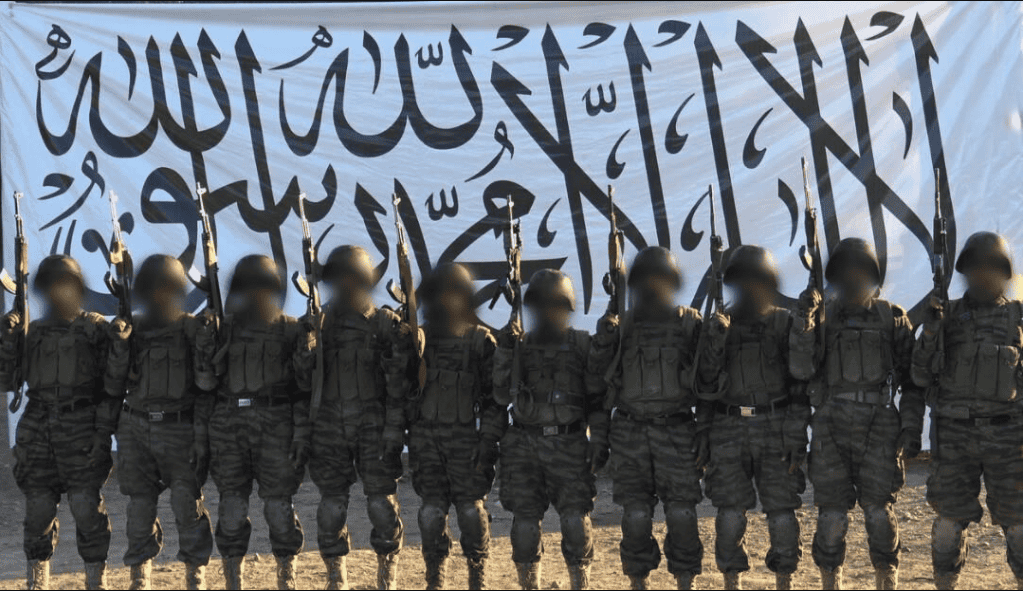
Taliban ‘infiltrated’ Afghan Army to carry out deadly attack in north
“4 of these martyrdom seekers were infiltrated Mujahideen that were performing their duties in headquarter as soldiers for a long period of time in order to conduct this type of attack,” the Taliban claimed.
-
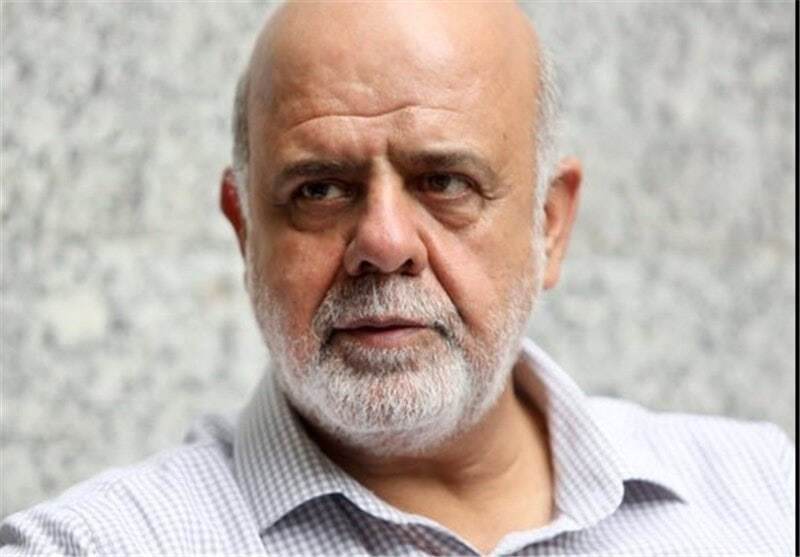
Qods Force commander to advance Tehran’s influence as ambassador to Iraq
An Iranian general from the Islamic Revolutionary Guard Corps (IRGC) this week began his new position as Tehran’s ambassador to Iraq. The selection of Brigadier General Iraj Masjedi, the senior adviser to the commander of the IRGC extraterritorial branch the Qods Force, highlights Tehran’s strategy to assert itself as the dominant foreign power in its western neighbor following the Mosul campaign. Since 2003 all Iranian ambassadors to Iraq have been Qods Force officers.
-
Russian government blames neo-Nazi group for attack claimed by Islamic State
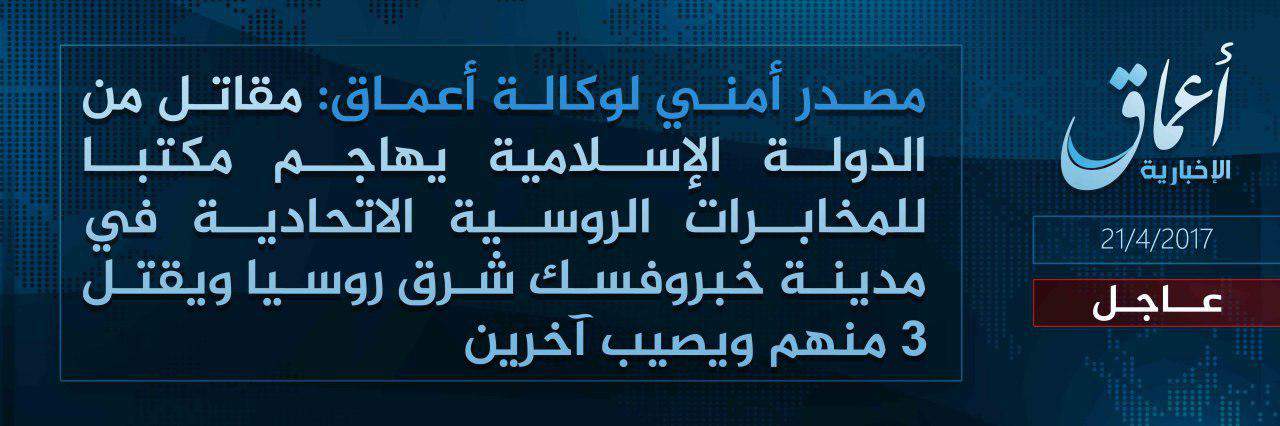
The Islamic State’s Amaq News Agency quickly claimed credit yesterday for a shooting in the Russian city of Khabarovsk that left at least one FSB officer dead. However, the Russian government claims that “information” about the gunman “points to his being a member of a neo-Nazi group.”
-
Analysis: Qatar’s ill-timed hostage deal increases pressure on Washington
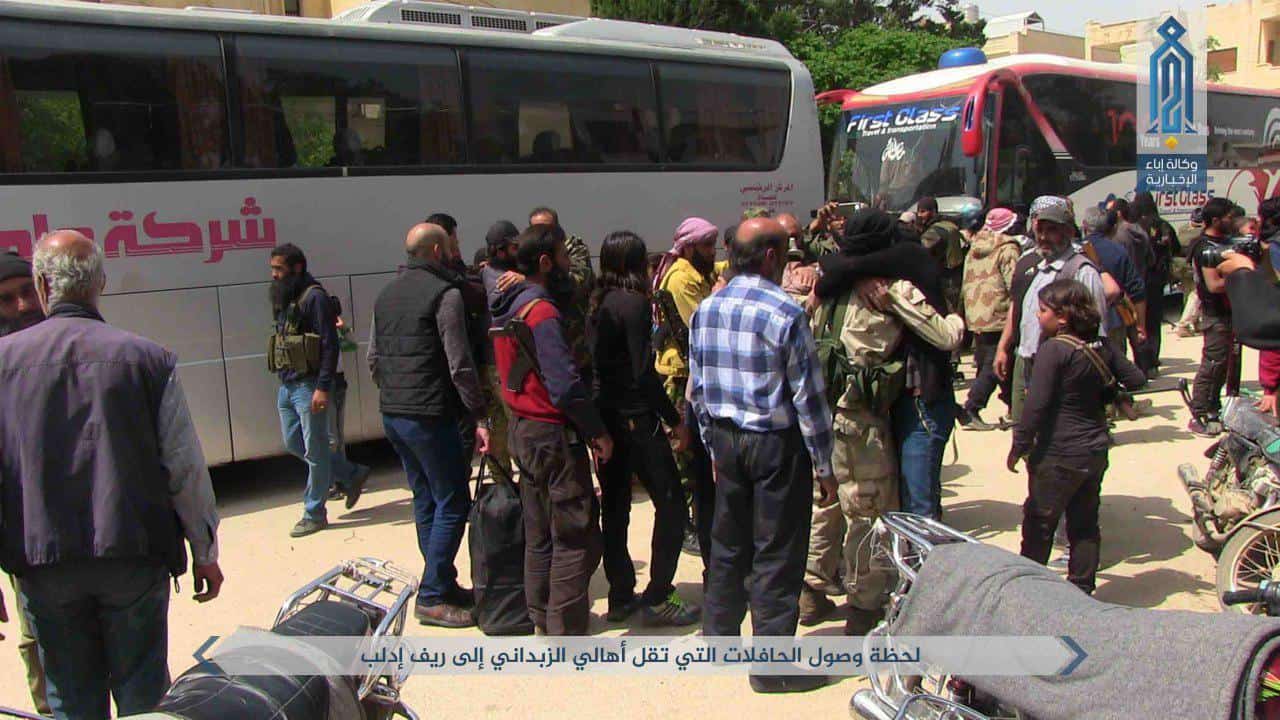
Qatar recently secured the release of Qatari hostages, including members of the royal family. But its diplomatic victory was marred by reports that a multi-million dollar ransom was paid to a US-designated terrorist group and an al Qaeda-linked joint venture in Syria.
-
Taliban kills more than 140 Afghan soldiers in suicide assault
The suicide assault was carried out by 10 Taliban fighters dressed as Afghan policemen. It may be the most effective raid on a military installation in Afghanistan since the September 2012 attack on Camp Bastion.
-
US: Abu Bakr al Baghdadi’s ‘close associate’ killed in special operations raid
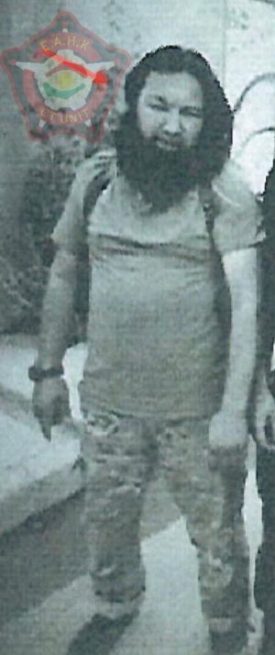
The US military announced today that Abdurakhmon Uzbeki, a “close associate” of Abu Bakr al Baghdadi who facilitated the New Year’s Eve attack in Istanbul, Turkey, was killed during a special forces raid in Syria on Apr. 6.
-
Taliban assaults Afghan Army corps headquarters in north
The Taliban has launched several major attacks against high-profile targets in Balkh in the past.
-
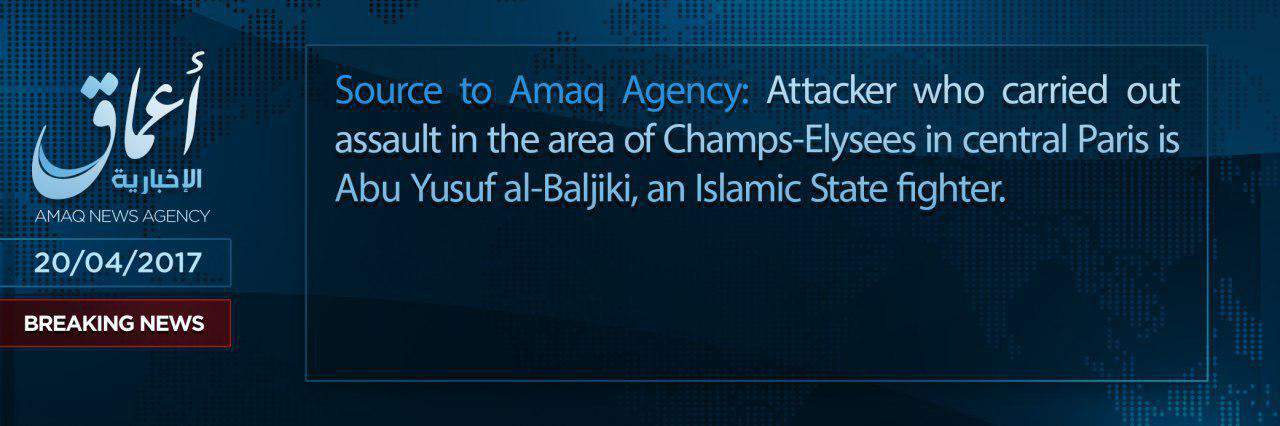
Champs-Élysées attacker an Islamic State ‘fighter,’ group claims
The Islamic State’s Amaq News Agency has claimed responsibility for today’s attack in the Champs-Élysées shopping area of Paris. Europe has been struck at least four times in recent weeks, but the Islamic State has only taken credit for two of the attacks.
-
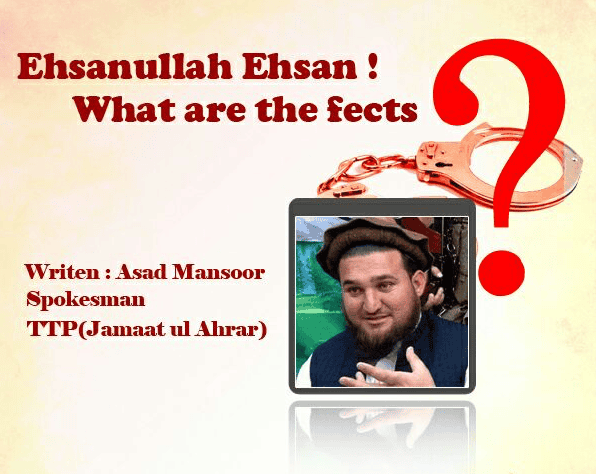
Pakistani Taliban faction claims spokesman was captured in Afghanistan
Jamaat-ul-Ahrar said that Ehsanullan Ehsan was captured on Mar. 7 by Pakistan’s Inter-Services Intelligence Directorate along with three others and subsequently turned over to the Pakistani military. The group’s claim contradicts the Pakistani military’s version of events. Earlier this week, Pakistani officials said Ehsan had voluntarily turned himself in.
-
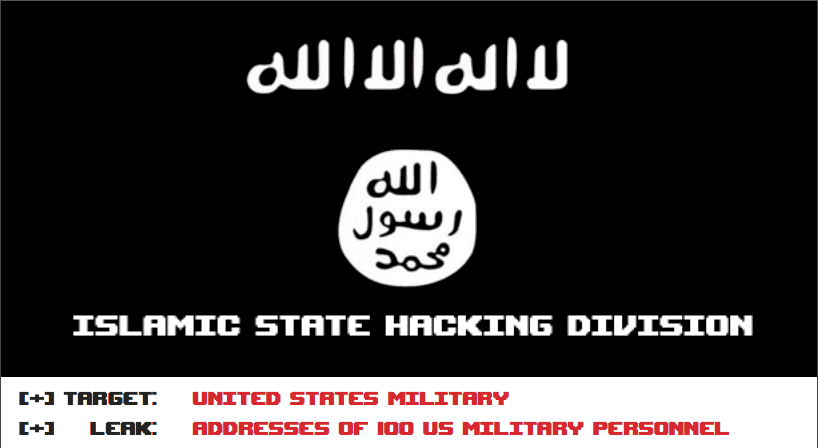
Ohio man pleads guilty to terror charges after posting Islamic State hit list
The Department of Justice announced yesterday that a 24 year-old Ohio man, Terrence J. McNeil, has pleaded guilty to terrorism charges. Prosecutors charged McNeil with soliciting the murders of American servicemen after he republished an Islamic State “hit list” online. The list was first compiled by Junaid Hussain, an Islamic State operative who was subsequently killed in a drone strike in Raqqa, Syria.
-
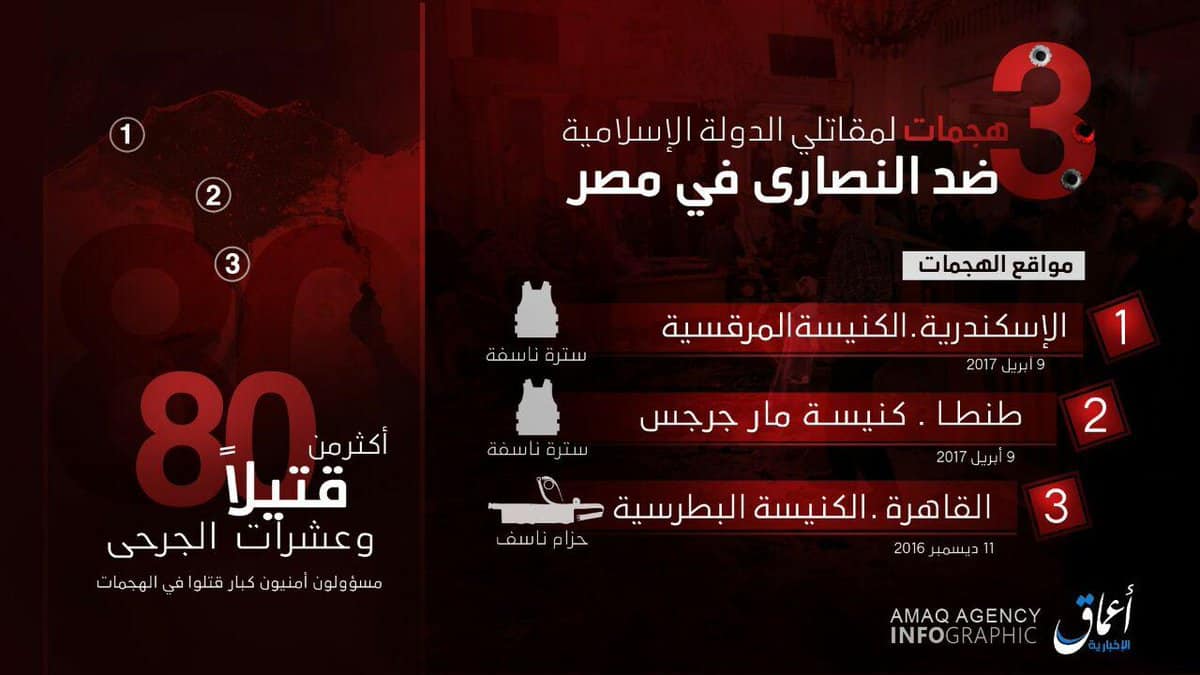
Islamic State fighters fire at Egyptian policemen near Saint Catherine’s Monastery
Islamic State gunmen shot and killed at least one Egyptian policeman near the Saint Catherine’s Monastery in the southern Sinai late yesterday. Several others were reportedly wounded. The group’s Sinai “province” is waging a low-grade insurgency against the Egyptian government and claims to have executed scores of attacks this year.
-
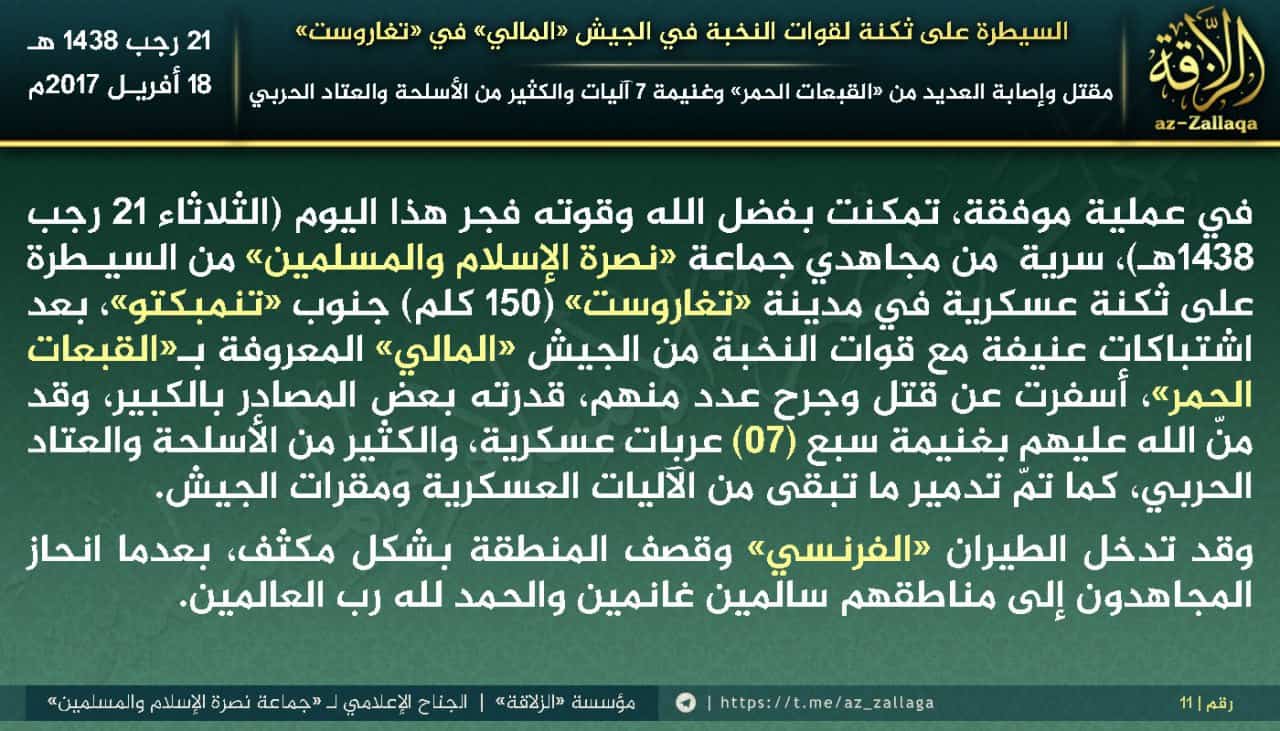
JNIM claims number of attacks across Mali
The attacks targeted Malian troops, UN peacekeepers, and Bambara militiamen. In one coordinated assault in the Timbuktu region, it also clashed with French forces.
-
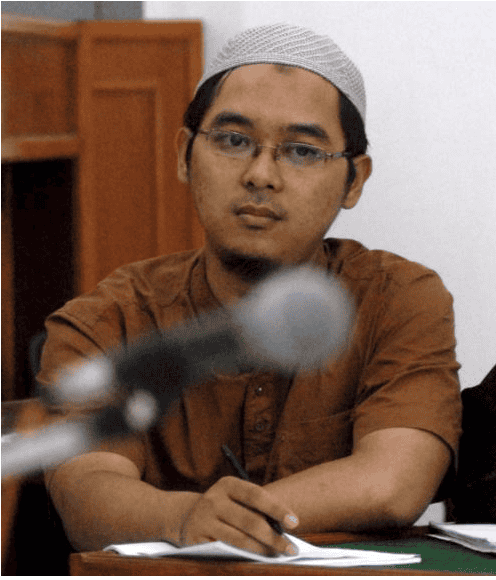
Indonesian authorities hunt Islamic State operative’s cyber recruits
On Mar. 30, the US Treasury Department designated Bahrun Naim as a terrorist. Naim is one of the most prolific planners of the Islamic State’s so-called “remote-controlled” attacks. Most of his plots have been thwarted by counterterrorism officials, but he has a broad network of supporters in Indonesia.
-
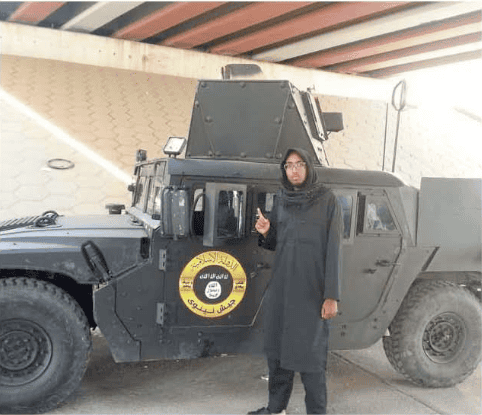
State Department designates 2 Canadian citizens for joining jihadist groups
The State Department announced yesterday that two Canadian citizens have been added to the US government’s list designated terrorists. Tarek Sakr has been “linked” to al Qaeda’s “affiliate” in Syria and Farah Mohamed Shirdon is a member of the Islamic State. According to press reports, jihadists associated with Sakr are suspected of playing a role in the kidnappings of two Americans in Syria.
-
Reading Iran’s Reaction To US Missile Strikes In Syria
Iran’s political elite have weighed-in on the recent US cruise missile strikes in Syria and used the opportunity to plug their regime’s narrative. While time will tell if Iran will ultimately read the strike as a show of American resolve or indecision, Iranian officials have fallen back on gloating, intimidation, and misinformation tactics that so often characterize Persian-language reporting.