-
US Treasury continues to target AQAP’s financial network
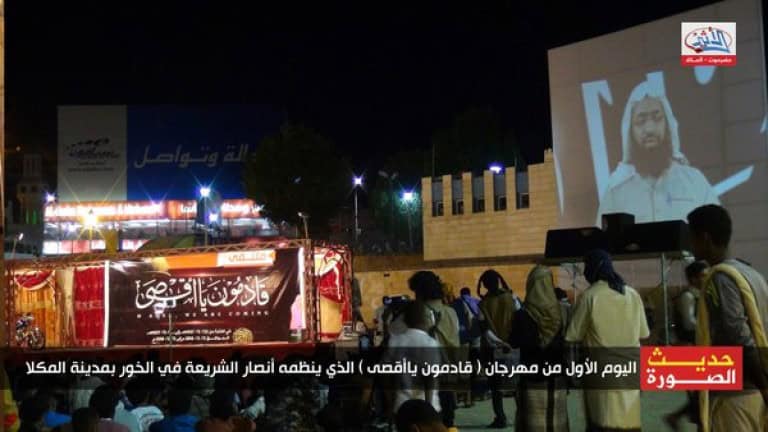
The US Treasury Department announced the designations of two “key facilitators” for Al Qaeda in the Arabian Peninsula (AQAP) today. A charity that is really a “front organization” for AQAP and has collected funds from Gulf businessmen was also designated. Treasury has systematically targeted AQAP’s support network throughout the year and today’s announcement is part of a series of related moves.
-
British captive John Cantlie appears in new propaganda video from Mosul
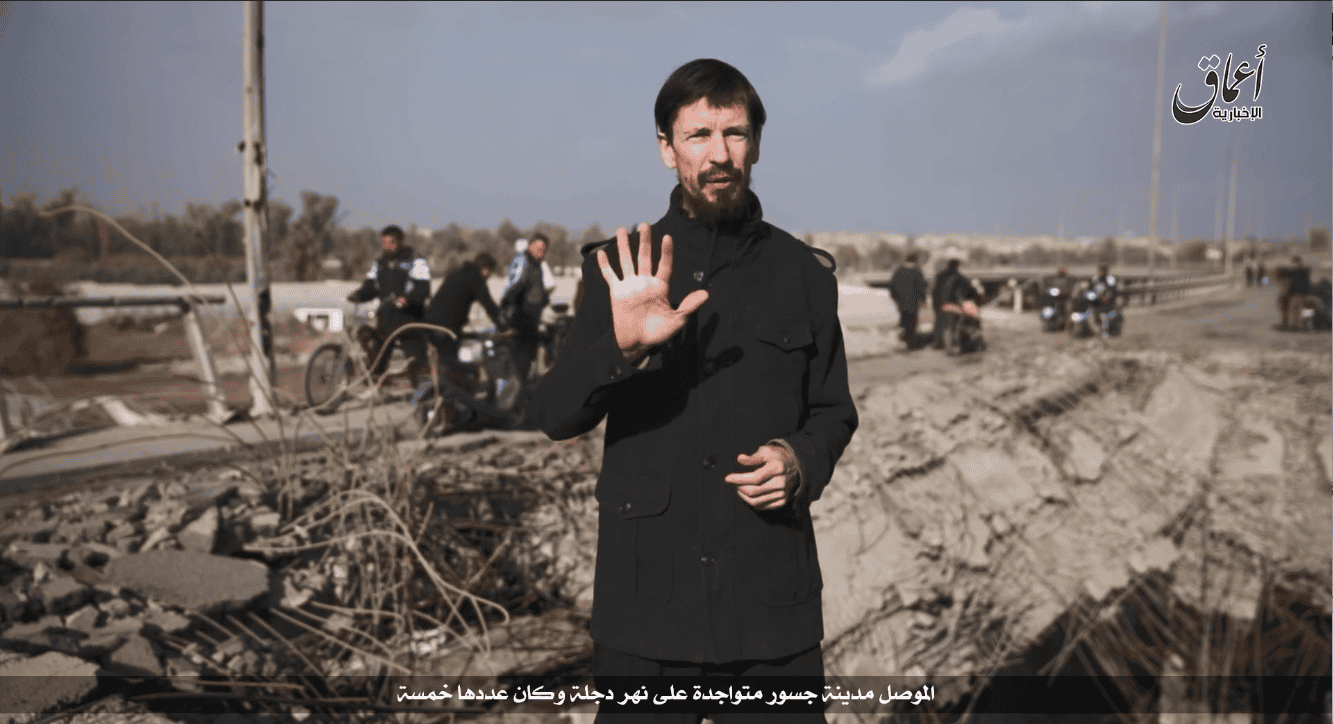
The Islamic State’s Amaq News Agency has released a new video featuring John Cantlie, who discusses the destruction of four of the five bridges in Mosul. The US-led coalition destroyed or damaged the bridges in November at the request of the Iraqi government in order to interrupt the flow of suicide bombers driving vehicle-borne improvised explosive devices (VBIEDs).
-
Suspected jihadists launch jailbreak in southern Mali
No one has claimed the assault, but Ansar Dine was behind a jailbreak last month.

-
Islamic State has claimed more than 1,000 suicide attacks thus far in 2016
The Islamic State has claimed 1,034 suicide bombings in Iraq, Syria and Libya through the first eleven months of 2016. Many of the recent claimed suicide attacks have taken place in and around Mosul, where the so-called caliphate is trying to thwart a multi-sided offensive.

-
New Islamic State spokesman seeks to rally Sunnis against Iran, West
The Islamic State has released a message from its new spokesman, Abu al Hassan al Muhajir. Abu Muhammad al Adnani had served in that role for years until his demise in August. Muhajir tries to rally Sunnis to the Islamic State’s cause in Iraq and elsewhere.

-
Taliban seizes cache of weapons after overrunning district in Kandahar
When the Taliban assaulted the district of Ghorak in Kandahar last month, it seized a number of US-made weapons that were supplied to the Afghan security forces from a base that was overrun.

-
Turkey is on a collision course with the Syrian regime and its backers
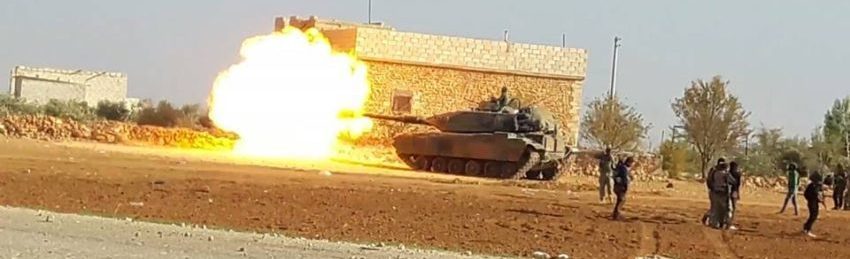
As each side converges on the Islamic State-held city of al-Bab, a military confrontation between Turkish-led rebels and pro-regime forces appear inescapable. In the meantime, tensions between Ankara and Moscow are rising yet again, risking pulling the United States and NATO further into the Syrian theater.
-
AQIM claims two attacks in northern Mali
The two attacks, including a suicide bombing, targeted foreign bases at airports in northern Mali. Al Qaeda has launched more than 200 attacks in Mali and the neighboring countries in the past year.

-
North Carolina man pleads guilty to conspiring with Islamic State recruiter
Justin Nojan Sullivan has pleaded guilty to terrorism charges, including conspiring with Islamic State operative Junaid Hussain to plan “mass casualty shooting attacks on behalf” of the Islamic State. Hussain, who was killed in an airstrike last year, asked Sullivan to make a video of the attacks and Sullivan agreed. Hussain was one of the Islamic State’s key digital planners.

-
Islamic State claims its ‘soldier’ carried out Ohio State attack
The Islamic State’s Amaq News Agency claims that its “soldier” carried out the attack at Ohio State University yesterday. The wording is similar to that used after previous claims of responsibility for attacks in both Europe and the US.

-
Filipino troops battle Islamic State-loyal forces for town
Filipino forces have been battling for control over a southern town after Islamic State-loyal forces captured it last week.

-
Taliban feature 2 training camps in latest propaganda
The Taliban said 100 mujahideen have graduated from its Khalid bin Walid Camp and 50 more from its branch, the Abu Dujana Camp. The Taliban claimed that the Khalid bin Walid Camp has 12 branches throughout Afghanistan.

-
Analysis: Iraqi Popular Mobilization Forces in Iran’s game plan
The Iraqi Popular Mobilization Forces (PMF) have announced plans about securing the border with Syria and pushing into the country following the Islamic State’s defeat in Iraq. There are discussions in Western policy circles that PMF’s movement is part of a broader Iranian strategy to establish a land corridor stretching from Iraq to the Mediterranean. However, Iran already exercises freedom of movement via its air bridge to Syria, and is unlikely to risk hard-fought gains for building a sustainable land bridge. Tehran has other plans for Iraq and Syria, in which the PMF plays important roles.

-
Iraqi Popular Mobilization Forces close in on Tal Afar
The Popular Mobilization Forces continues to flex its military muscles in Iraq. The PMF has surrounded Tal Afar and has promised it would lead the offensive to retake the city, despite Iraqi and US claims that the group would only operate in rural areas of western Mosul.

-
Al Qaeda’s general command comments on ‘martyrdom’ of senior figure in Afghanistan
Al Qaeda’s general command has released a statement commenting on the “martyrdom” of Faruq al Qahtani and others. They were killed in an American airstrike on Oct. 23 in Afghanistan. Osama bin Laden’s files show that Qahtani was tasked with establishing new safe havens for al Qaeda in Afghanistan in 2010, if not earlier.

-
US adds Islamic State leader, external operations planners to global terrorist list
Abdullah Ahmed al Meshedani manages foreign fighters as they enter Iraq and Syria, while Abdelilah Himich and Basil Hassan are planners for the Islamic State’s external operations network.
-
Taliban claims to overrun district center in Kandahar
The claim cannot be independently verified, but Ghorak district has been hotly contested and Taliban has overrun it in the past. Security in Kandahar province also appears to be deteriorating.

-
Islamic State suicide bomber kills dozens at Kabul mosque
The attack is the second of its kind in the Afghan capital by the Islamic State in the past six weeks.

-
Islamic State fighters remain in a few blocks of Sirte, Libya
More than six months after a ground offensive was launched to dislodge the Islamic State from Sirte, Libya, the so-called caliphate’s fighters remain holed up inside a few blocks of the city. According to AFRICOM, approximately 200 jihadists are entrenched in their positions.

-
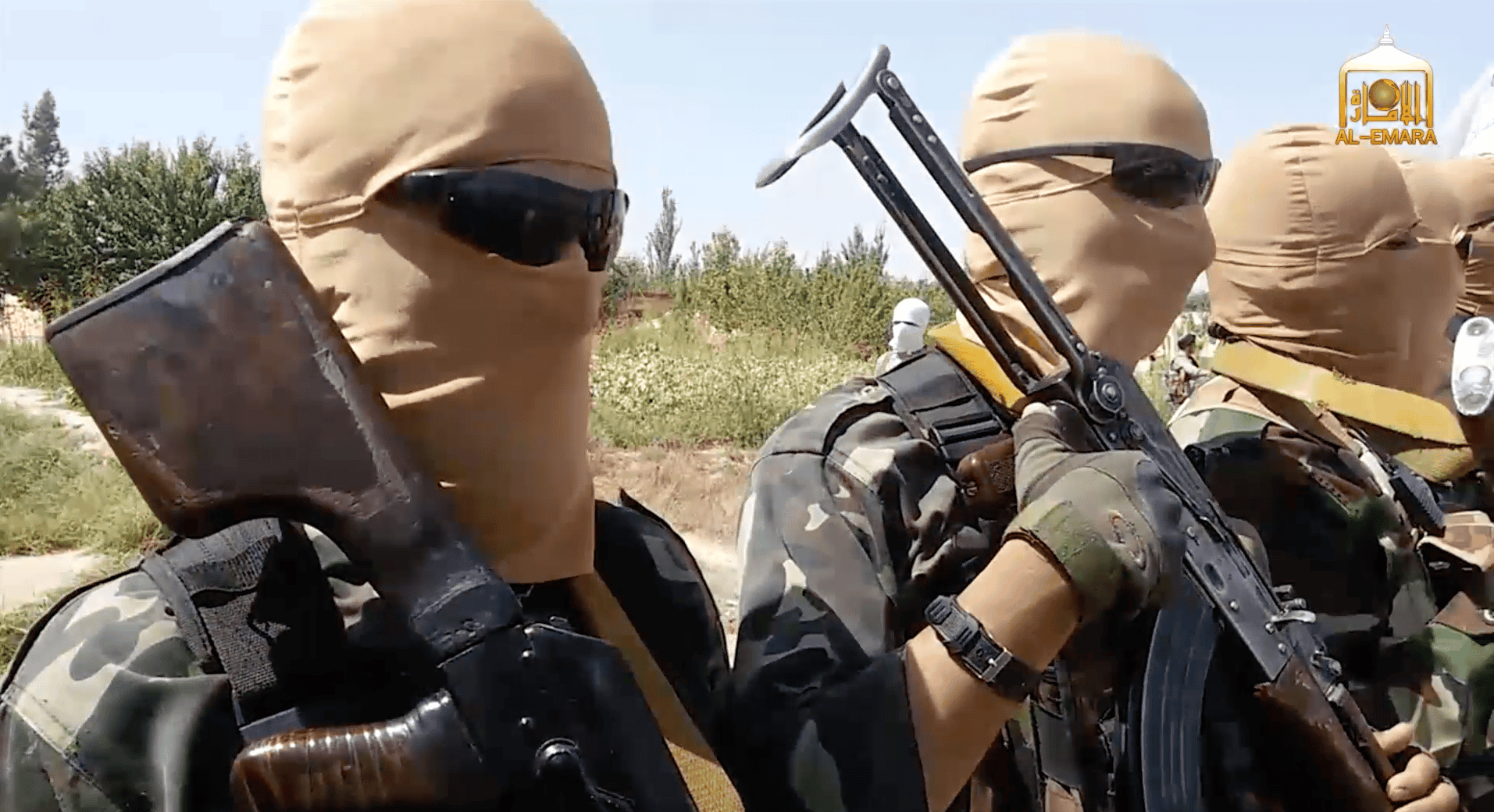
Taliban deny shadow governor killed in raid
The Taliban denied reports that Mullah Attaullah was killed by police forces. The Afghan government has a spotty track record when reporting on the deaths of Taliban commanders.
-
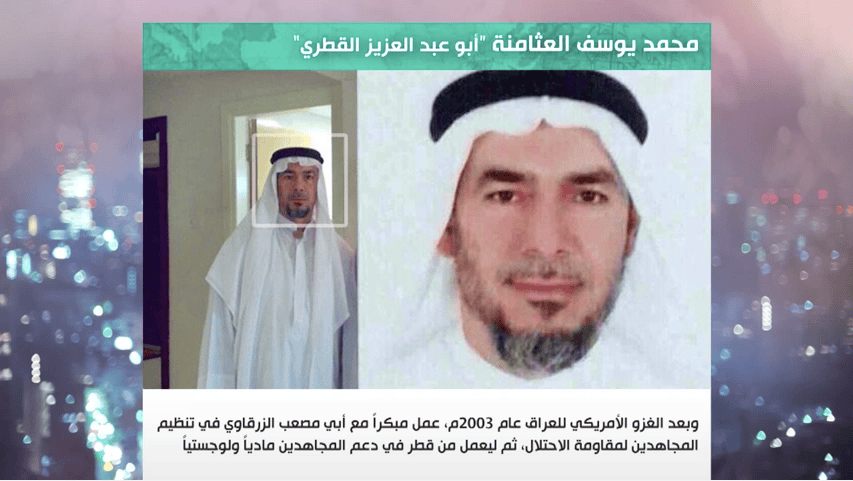
Analysis: Jund al Aqsa’s deep Gulf roots
Jund al Aqsa, a US and UN designated terrorist organization, was subsumed by al Qaeda’s rebranded Syrian branch in early October. The group had deep ties to al Qaeda’s fundraising network in the Gulf prior to the merger.
-
Clapper: US collects and analyzes more intelligence on jihadi groups now than ever
During a congressional hearing earlier today, Director of National Intelligence James Clapper testified that “violent extremism” — that is, jihadism — demands more intelligence collection and analysis now “than at any other point in history.”

-
Pentagon: More than 60 vehicle bombs destroyed during Mosul offensive
The Pentagon says that more than 60 vehicle bombs have been destroyed in airstrikes since the battle for Mosul began in October. The Islamic State claims to have carried out 120 “martyrdom operations,” many utilizing vehicle-borne improvised explosive devices (VBIEDs), during this same timeframe. However, some of these claimed suicide bombings were likely neutralized before they could hit their intended targets.

-
US-led coalition killed emir of Islamic State’s ‘Middle East external networks’
Abd al-Basit al-Iraqi, the Islamic State’s emir of Middle East external networks, was killed in an airstrike in Raqqa, Syria on Nov. 12. Abd al-Basit was involved in plotting “against Americans, Turkish and European targets” in the Middle East, according to Operation Inherent Resolve (OIR) Spokesman Colonel John Dorrian.

-
Taliban claims it downed second Afghan helicopter
Afghan officials confirmed a helicopter encountered problems in Logar province, but said it “made a hard landing due to technical problems.”

-
Bagram suicide bomber reconciled with Afghan government in 2008
The Taliban suicide bomber who killed two American soldiers and two contractors at Bagram Air Base in Afghanistan’s central province of Parwan on Nov. 12 had joined the Afghan government’s “peace process” and reconciled in 2008.
-
Taliban, Islamic State both claim to have shot down helicopter in central Afghanistan
The Taliban and the Islamic State have issued competing claims for attacks in Afghanistan in the past. The Taliban has had some success in shooting down US and Afghan military helicopters.
-
Taliban suicide bomber kills 4 in attack inside Bagram Air Base
The base has been the focus of high-profile Taliban and jihadist attacks in the past. Resolute Support did not say how a Taliban suicide bomber was able to penetrate security at Bagram Air Base.

-
Taliban claims suicide assault on German consulate
The Taliban claimed that it attacked the German consulate to avenge those killed in an airstrike in Kunduz, but another consulate in Mazar-i-Sharif was targeted in a similar assault earlier this year. That attack highlights the interlinking web of jihadist networks.

-
US Treasury designates Saudi jihadist cleric, three others in Syria
The US Treasury Department designated Dr. Abdallah Muhammad al Muhaysini and three other jihadists in Syria today. All four of them have worked for Al Nusrah Front, now known as Jabhat Fath al Sham (JFS), which is al Qaeda’s arm in Syria. Muhaysini claims to be an “independent” cleric, but Treasury says he is part of Al Nusrah’s “inner leadership circle.”