President Obama’s speech yesterday which outlined his vision of the future of the fight against al Qaeda and allied groups was a long time coming. You can read the entire transcript here.
There are a number of items in the speech that we can refute, in great detail, but we won’t. The most important issue is that this administration is seeking to withdraw from the fight against al Qaeda and return to a pre-9/11 posture. This should come as no surprise, as Obama has from the beginning of his presidency called for the end of US involvement in both Iraq and Afghanistan, and after the Abbottabad raid in May 2011, touted the death of Osama bin Laden (and, subsequently, some of his lieutenants) as the end of al Qaeda.
The crux of this argument is excerpted below:
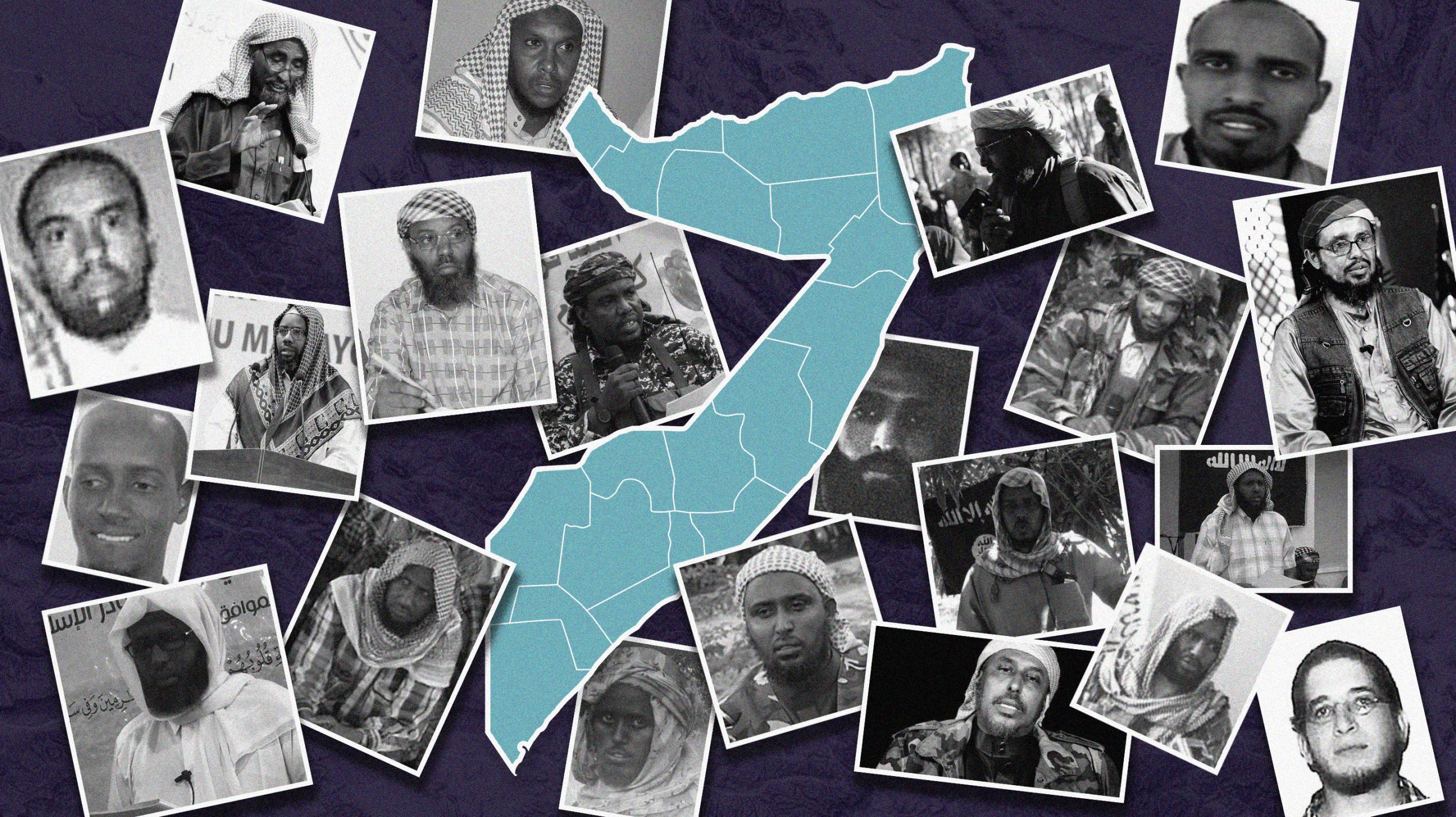
Today, the core of al Qaeda in Afghanistan and Pakistan is on a path to defeat. Their remaining operatives spend more time thinking about their own safety than plotting against us. They did not direct the attacks in Benghazi or Boston. They have not carried out a successful attack on our homeland since 9/11. Instead, what we’ve seen is the emergence of various al Qaeda affiliates. From Yemen to Iraq, from Somalia to North Africa, the threat today is more diffuse, with Al Qaeda’s affiliate in the Arabian Peninsula – AQAP -the most active in plotting against our homeland. While none of AQAP’s efforts approach the scale of 9/11 they have continued to plot acts of terror, like the attempt to blow up an airplane on Christmas Day in 2009.
Unrest in the Arab World has also allowed extremists to gain a foothold in countries like Libya and Syria. Here, too, there are differences from 9/11. In some cases, we confront state-sponsored networks like Hizbollah that engage in acts of terror to achieve political goals. Others are simply collections of local militias or extremists interested in seizing territory. While we are vigilant for signs that these groups may pose a transnational threat, most are focused on operating in the countries and regions where they are based. That means we will face more localized threats like those we saw in Benghazi, or at the BP oil facility in Algeria, in which local operatives – in loose affiliation with regional networks – launch periodic attacks against Western diplomats, companies, and other soft targets, or resort to kidnapping and other criminal enterprises to fund their operations.
And a bit later:
Lethal yet less capable al Qaeda affiliates. Threats to diplomatic facilities and businesses abroad. Homegrown extremists. This is the future of terrorism. We must take these threats seriously, and do all that we can to confront them. But as we shape our response, we have to recognize that the scale of this threat closely resembles the types of attacks we faced before 9/11.
As we have said many times in radio interviews and during debates: What we are witnessing with respect to al Qaeda’s operations today in the Middle East, Asia, and Africa is very similar to what we witnessed in the decade prior to 9/11– attacks on US embassies and military facilities, jihadists fighting local insurgencies, attacks on and kidnappings of Westerners, etc. Except that, prior to 9/11, al Qaeda’s footprint was far, far lighter than it is today. In the 1990s, al Qaeda was active in Afghanistan; its operatives were participating in the insurgencies in Bosnia, Chechnya, and Southeast Asia; and the group maintained a network throughout Africa, the Middle East, and Southeast Asia.
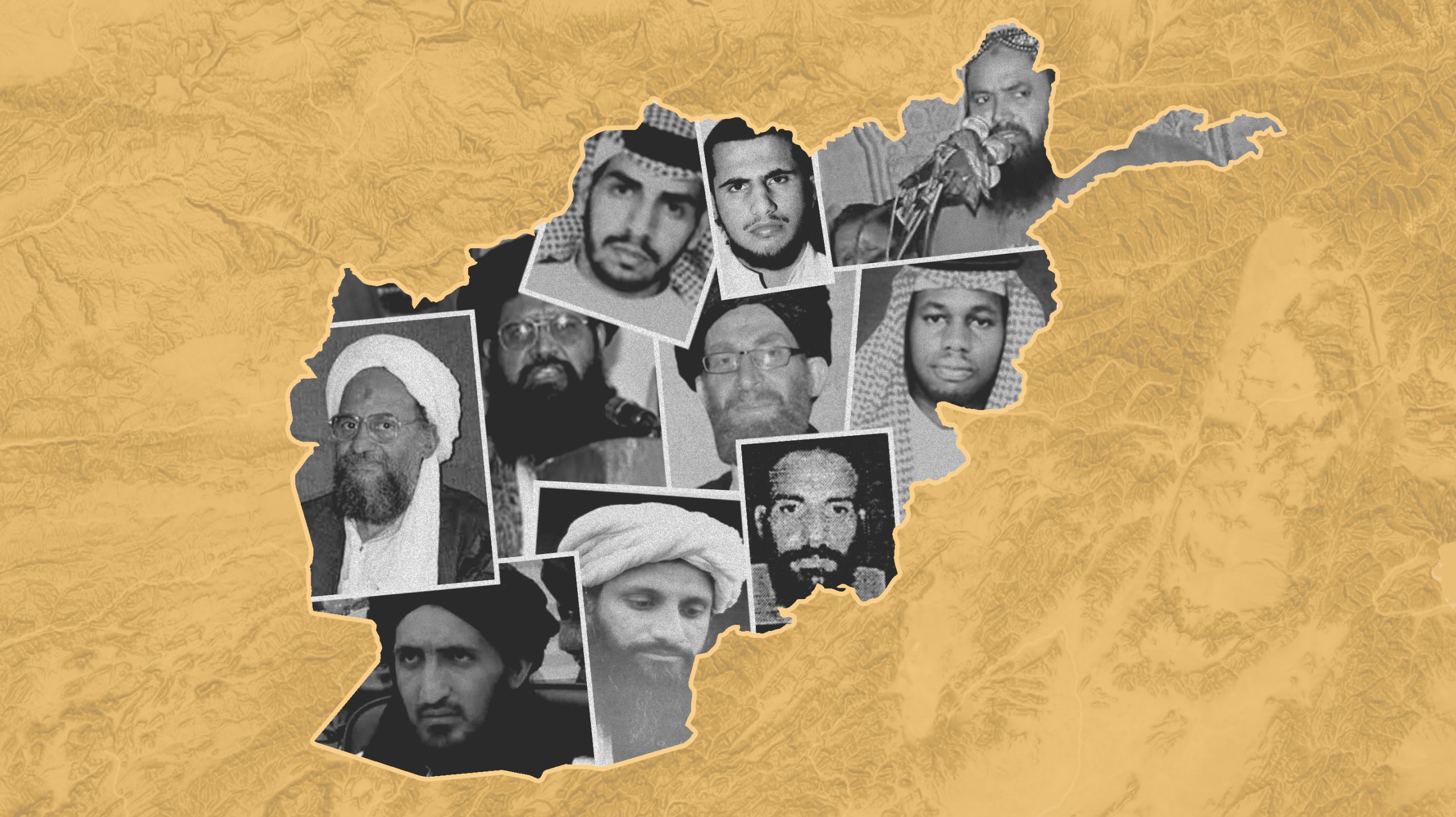
Today, al Qaeda continues to operate in Afghanistan (claims that al Qaeda has been defeated in Afghanistan fall apart when you look at Kunar and Nuristan, for starters); it has an extensive network in Pakistan and has metastasized within the plethora of jihadist groups there; it is conducting active insurgencies in Yemen, Iraq, Syria, Mali, Algeria, Nigeria, and Somalia; and it maintains networks in all of the areas where it existed prior to 9/11.
As al Qaeda’s network has expanded, it now has more resources to draw upon to conduct such attacks. And even though al Qaeda hasn’t successfully executed a major attack on US soil since 9/11, the operatives it selects to conduct such attacks will come from more diverse backgrounds. For instance, if, 11 years ago, someone had said that individuals from Belize or Niger could be used to attack the US, the suggestion would have been ridiculed. When Umar Farok Abdulmutallab, a Nigerian, attempted to blow up a plane over Detroit on Christmas Day, 2009, the reality set in that al Qaeda isn’t merely an Arab phenomenon.
This administration assumes that local insurgencies will remain local and that their efforts will be focused on the “near enemy,” or the local governments they oppose, vs. the “far enemy,” most notably the United States. But this is a major misunderstanding of al Qaeda, its guiding philosophy, and how it has operated historically. Al Qaeda has always focused most of its efforts to fight the near enemy, and has culled certain operatives from this cadre of seasoned fighters to plan and conduct attacks against the West.
Just as al Qaeda’s network has expanded, the US is now seeking to pull back from the war. For instance, the drone strikes, which have killed some of al Qaeda’s most senior ‘legacy’ leaders, will be reduced considerably, despite the fact that al Qaeda is replenishing its leadership cadre with experienced jihadists, some from Pakistan. Also, Obama touts that he has ended the war in Iraq and will do the same in Afghanistan. But the wars in Iraq and Afghanistan will not end as US forces are withdrawn; only US involvement in those wars will end. Iraq is returning to a pre-surge state of violence; al Qaeda in Iraq is resurgent, and its affiliate in Syria, the Al Nusrah Front, is a potent force. Few people believe that the Afghan government can prevent the Taliban, which remains closely allied with al Qaeda, from retaking some areas it controlled as late as 2009.
Ultimately, this administration, like the last, has no comprehensive policy to deal with the threat posed by al Qaeda and its allied groups. There is no strategy to deal with state sponsors of terror groups (primarily Pakistan, Iran, and Syria); al Qaeda’s and allied groups’ ability to exploit the situations in ungoverned spaces; and finally, and most importantly, the radical Salafi jihadist ideology that remains attractive to a small but consequential segment of the Muslim world.