A so-called “good Taliban” leader in North Waziristan threatened to carry out suicide attacks against two officials from Pakistan’s Tribal Electric Supply Company if the utility does not turn the power back on in the tribal agency. The report, from The News, is republished in full below:
A senior Taliban commander and administrator of a religious seminary in North Waziristan, Maulana Abdul Khaliq Haqqani, on Monday threatened to send suicide bombers to eliminate two officials of the Tribal Electric Supply Company (Tesco) if they did not restore power supply to Waziristan within 48 hours.
The Taliban leader issued a strong-worded statement to media against the Tesco officials and also warned tribal journalists of dire consequences if his statement did not appear in their respective papers.
Maulana Abdul Khaliq Haqqani, the administrator of Gulshan-e-Ilm Madrassa in Miramshah, directed his fighters to kidnap the two officials, Tesco regional chief Pervaiz Khan and Executive Engineer Jamshed Ali Khan, and bring them to North Waziristan where they would be given exemplary punishment for their failure to ensure power supply to Waziristan.
He directed the Taliban of Darra Adamkhel and Mohmand Agency, led by Commander Tariq Afridi and Maulvi Omar Khalid, respectively, to kidnap the two senior Tesco officials.
Taliban operating in Darra Adamkhel and Mohmand Agency are known for their brutality and ruthlessness among their fellow tribal militants.
Haqqani said he would then send his suicide bombers to eliminate them if they did not restore power supply to the tribal region.
He said he had obtained complete details and addresses of the two officials and his fighters would soon target them there.
I would give cash rewards to my fighters if they kill Pervaiz Khan and Jamshed Ali Khan in front of their house and I will claim responsibility for their killings, the Taliban commander said in the statement that he personally delivered to reporters here, with a warning of serious consequences if his statement was not given space in the newspapers.
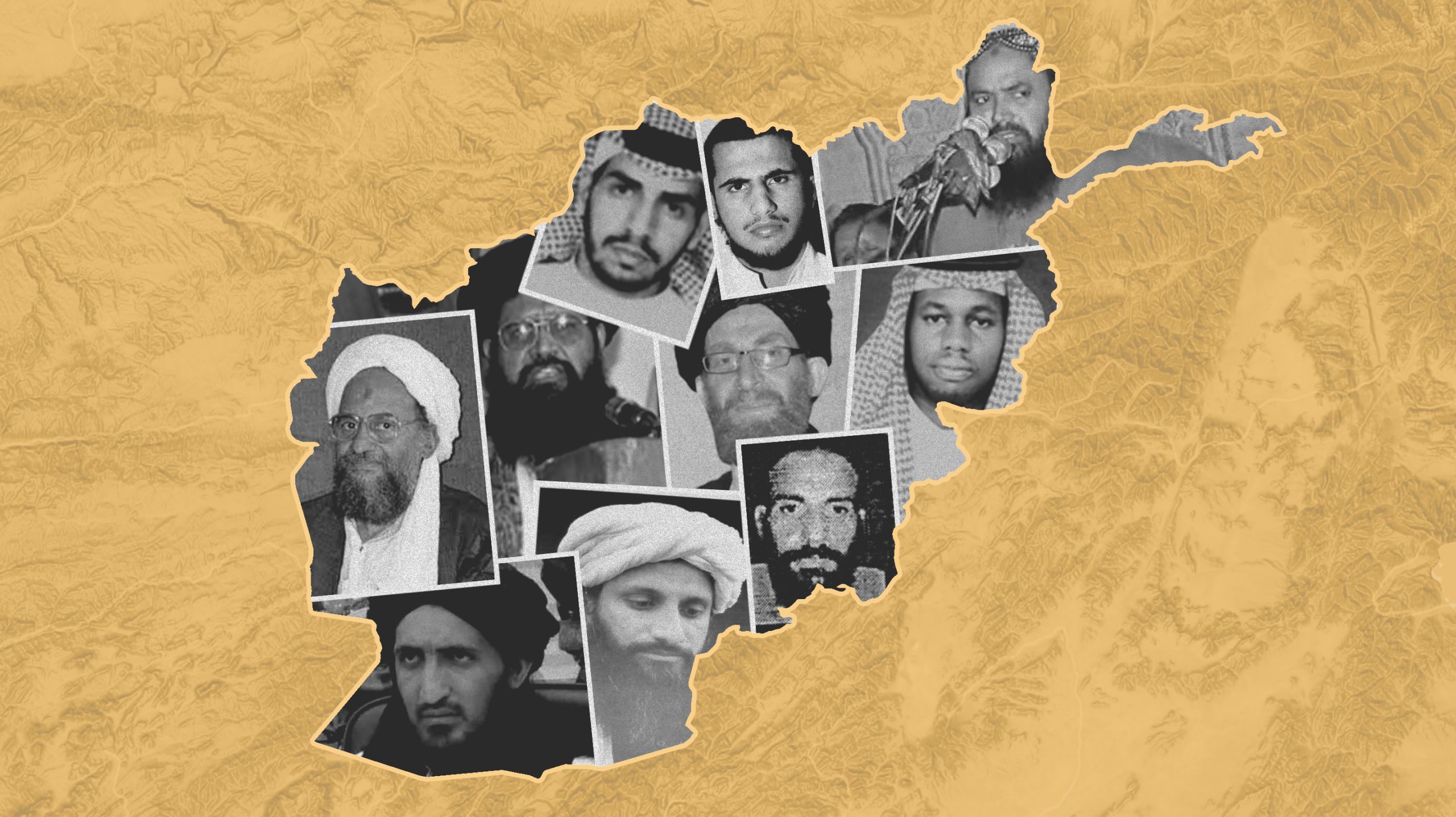
Maulana Abdul Khaliq Haqqani is a deputy of overall North Waziristan Taliban leader Hafiz Gul Bahadar. He is known to provide support for the Haqqani Network and other Taliban fighters in Afghanistan. [See LWJ report, Pakistani Army rejects North Waziristan operation, for a list of senior Taliban and al Qaeda leaders operating in the tribal agency].
Abdul Khaliq Haqqani also appeared in a US diplomatic cable dated March 10, 2006. The cable mentions fighting in North Waziristan (note that despite the claims made by the Pakistani military of easily handling the Taliban, the military sued for peace shortly afterward and allowed the Taliban to establish their state within a state in the tribal agency):
Several Pakistani press reports dating back to September and November 2005 tie Maulvi Abdul Khaliq Haqqani and Maulana Saddiq Noor to known anti-coaltion militants Abdullah Masood [Mehsud], Zakeem Khan, former Afghan Taliban commander Jalaluddin Haqqani and his son, Siraj Haqqani. Abdul Khaliq heads the Darul Uloom Fareeda Gulshan-e Ilm madrassa in Miram Shah, the target of a March 7 raid.
To better understand the company that the Haqqanis keep (Siraj and Jalaluddin’s histories are well known), here is a refresher on Abdullah Mehsud, who was killed in 2007:
Abdullah Mehsud, born Noor Alam, was a member of the Mehsud clan in South Waziristan, and was a clansman of Baitullah Mehsud, the most powerful commander in the tribal agency [note, this was written in 2007, Baitullah later founded the Movement of the Taliban in Pakistan]. Abdullah fought against the U.S. and the Northern Alliance during the opening days of Operation Enduring Freedom in Afghanistan, and surrendered to U.S. forces in Kunduz in December 2001. He spent 25 months in custody at Guantanamo Bay, and was later released to the Pakistani government. Abdullah then returned to South Waziristan, where he rebuilt his Taliban cadre and reinitiated attacks against Coalition forces in Afghanistan and the Pakistani government in the Northwest Frontier Province and beyond. Abdullah was believed to have commanded 5,000 Taliban foot soldiers.
The Pakistani government signed “peace deals” with the Taliban in South Waziristan in 2005 and 2006, but Abdullah continued to consolidate his power in the region. In the spring of 2007, Abdullah was implicated by Interior Minister Sherpao as being behind the flood of suicide attacks across the country. One of the suicide attacks targeted Sherpao in his home district of Charsadda in the Northwest Frontier Province. The Pakistani government had a warrant out for his arrest but failed to execute it until today.