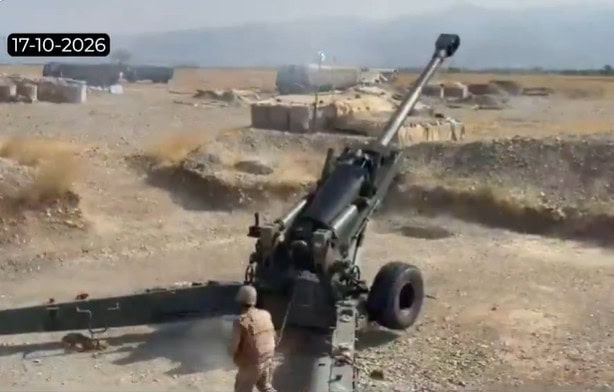
Belmont Club looks at the mortar attack on the mess hall in Mosul, and the media and European inclination to misrepresent, and in some cases ignore wholesale the nature of the Islamofascist enemy and the deeds of Saddam’s regime. The goal of the enemy in Iraq is to reduce our will to fight and push for the withdrawal of American troops, and the media’s portrayal of the Islamofascists as a legitimate ‘resistance’ only helps their cause by weakening support for the Iraqi people both domestically and internationally.
The price American would pay for abandoning Iraq would be steep; however the Iraqis would pay an even greater price – the destruction of any hope of creating a free nation and the ensuing violence as the Islamofascists prey upon the weak. History is filled with examples of the resulting outcome when nations reject their security commitments. Betsy Newmark points to a New York Times movie review of Hotel Rwanda, which was viewed and discussed with Anthony Lake, President Clinton’s National Security Advisor during the slaughter in the African nation. The interview describes what happens when the United Nations places the interests of its members over the interests of a people they were charged to protect. It also demonstrates how weak leadership can lead to unimaginable horrors.
In Rwanda, the United States did not simply not intervene. It also used its considerable power to discourage other Western powers from intervening. At the height of the carnage, when Belgium lost 10 peacekeepers, the United States demanded a total United Nations withdrawal. Some African countries objected, and eventually Washington settled for a severe cutback in the 2,500-man United Nations force. The commander of the force in Kigali, Maj. Gen. Rom