
-
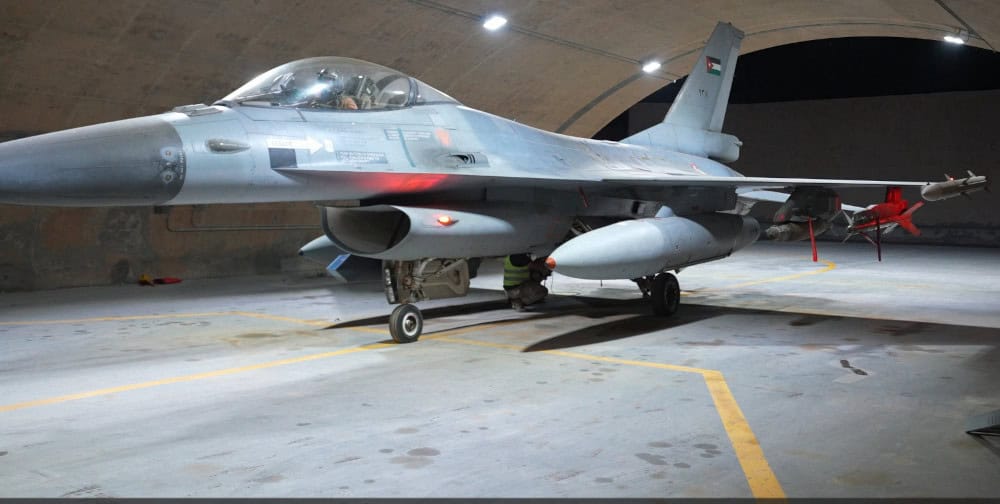
Jordanian Air Force strikes targets in Syria in retaliation for deadly church attack
On October 26, the Jordanian Air Force conducted multiple strikes against suspected Islamic State positions in southern Syria, targeting militants Jordan linked to an October 23 attack on a church in Karak that killed nine people and wounded dozens. Jordan said the strikes killed more than 20 militants, while Syrian authorities reported seven civilian deaths.
-
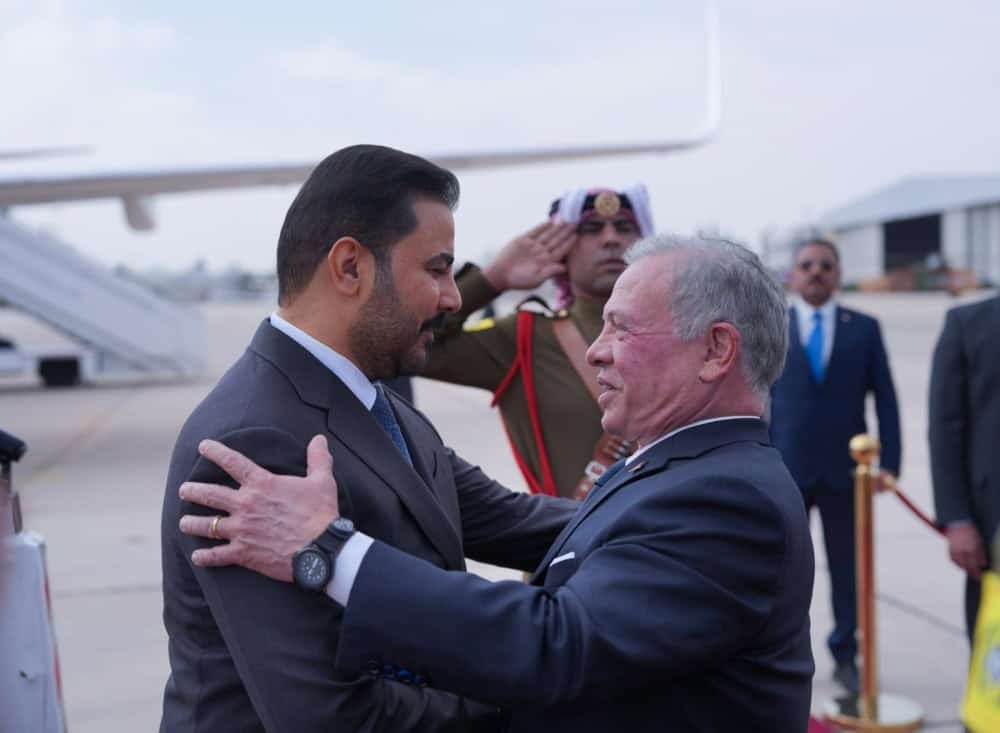
Iraq juggles border security and ties with Iran, Syria, and Jordan
Iraqi Prime Minister Ali al Zaidi is seeking to strengthen border security and regional cooperation amid tensions with Iran over the closure of a key crossing in Iraq’s Maysan province, while also pursuing closer ties with Jordan and Syria. The developments come as Baghdad continues to face threats from Iranian-backed militias, concerns over instability along its borders, and challenges to bringing armed groups under state control.
-
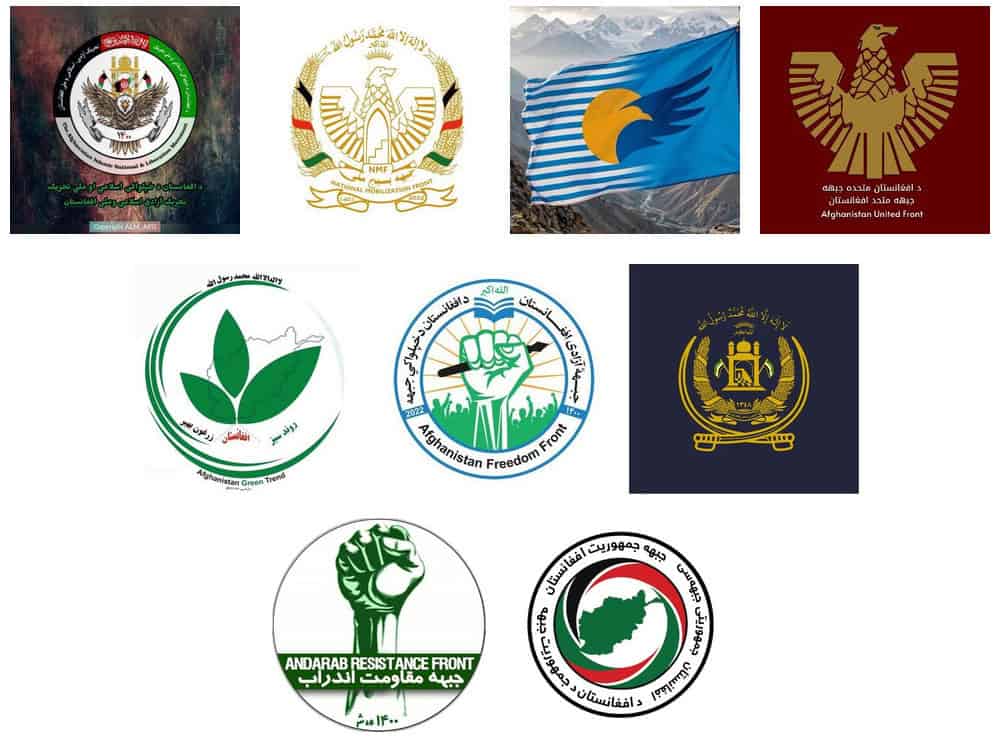
Pakistani outreach presents a dilemma for Afghanistan’s anti-Taliban resistance
Pakistan’s reported outreach to anti-Taliban resistance groups reflects deteriorating ties with its longtime ally. But accepting Pakistani support could deepen divisions in the resistance and undermine its standing among Afghans who blame Islamabad for decades of bloodshed.
-

Iraqi parliament approves most remaining cabinet appointments, including Iran-backed militia figures
After five months of negotiations, almost all remaining spots in Iraqi Prime Minister Ali al Zaidi’s cabinet were approved by the parliament on October 15. Among the three deputy prime ministers is Laith al Khazali, whom the US State Department designated a Specially Designated Global Terrorist in 2020.
-

The Houthis’ Red Sea power play
The Houthis are on the offensive in Yemen, threatening one of the world’s most important maritime chokepoints and bringing the war back to Saudi Arabia’s doorstep. Bill Roggio is joined by FDD research analyst and Long War Journal contributor Bridget Toomey to discuss the Iranian-backed group’s renewed campaign to conquer Yemen, its advances along the…
-

Ukrainian intelligence details new low-cost Russian cruise missile
A new missile called the Filin adds to Russia’s growing arsenal of low-cost, long-range munitions, placing strain on Ukraine’s overstretched air defenses. Ukraine is expected to scale production of faster interceptor drones, but this addresses only part of the challenge of countering Russia’s evolving missile and drone capabilities.
-
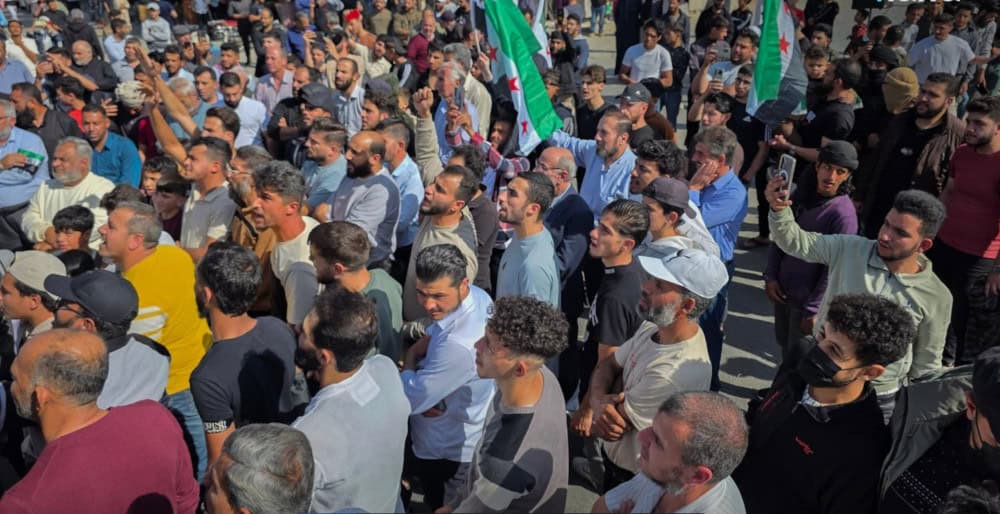
Protests break out in Syria against ‘Israeli incursions and attacks’ as tensions rise
Protests erupted across southern Syria and Damascus on October 23 against Israeli military operations in the buffer zone along the Golan border, following reports that a Syrian man with disabilities was killed during an IDF raid. The protests come amid growing Syrian condemnation of Israeli incursions, as well as diplomatic efforts by Syrian officials to…
-

FBI arrests alleged Islamic State supporter accused of plotting to assassinate Texas congressman
A 17-year-old Texas teenager allegedly plotted to assassinate Republican US Representative Keith Self at a veterans’ fundraiser as part of a broader Islamic State-inspired terrorist plot. Federal agents arrested the suspect after he acquired a firearm.
-
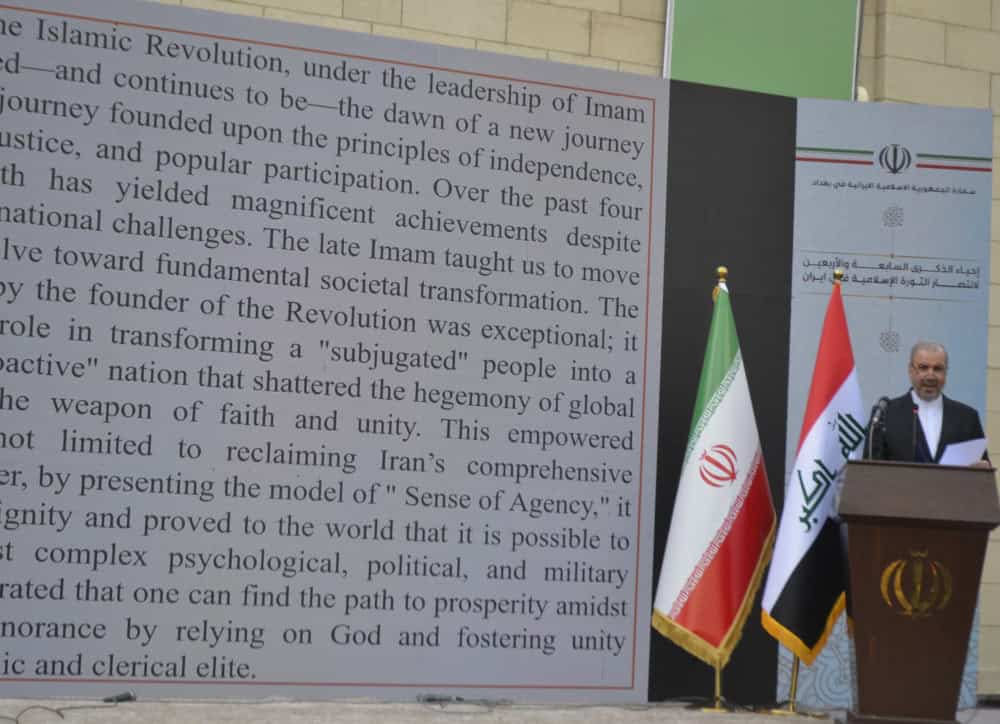
Iran says it has agreement with Iraq to expel Kurdish Iranian opposition groups
Iran’s ambassador to Iraq claimed on October 20 that Iraq has agreed to expel Iranian Kurdish opposition groups based in the Kurdistan Region. The announcement came amid increased Iranian attacks on these groups and as the Kurdistan Workers’ Party withdraws from positions in northern Iraq as part of a peace process with Turkey. An Iraqi…
-
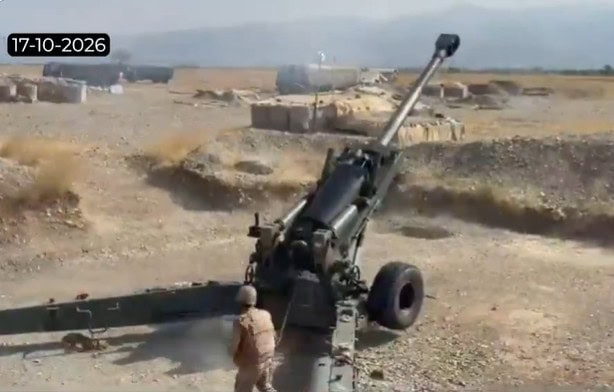
Pakistan-Taliban border clashes continue amid diplomatic efforts
Pakistani forces and the Taliban exchanged heavy fire along the border as Russia, the European, and China pressed for dialogue and action against terrorist groups operating from Afghanistan.
-
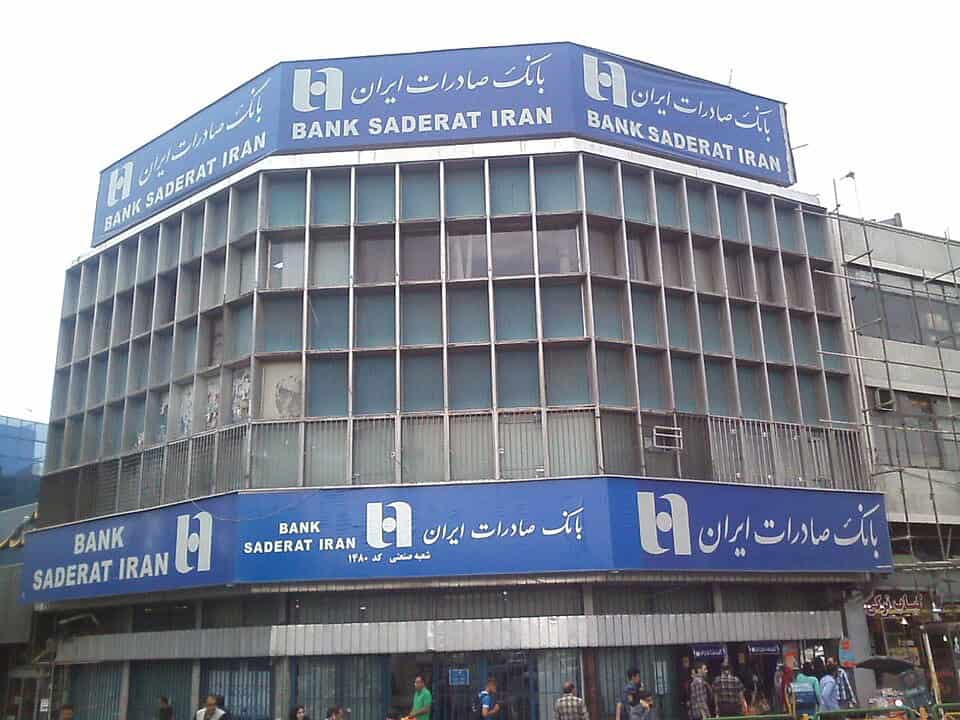
Lebanon revokes Iranian bank’s license amid US pressure over Hezbollah financing
Lebanon has revoked Bank Saderat Iran’s operating license amid US pressure to disrupt Hezbollah’s financial networks. The bank has a documented history of channeling Iranian funds to Hezbollah, but whether Lebanese authorities have closed its branches or initiated liquidation proceedings remains unclear.
All Articles
-
Election Results; Iraqis Fight al Qaeda
The much anticipated results from the December 15th election are now available. Iraq the Model provides a full breakdown of the apportionment of seats in the new Iraqi parliament. The Shiite-dominated UIA has fallen ten votes short needed to independently form a government. They will now be required to reach out to an outside party to create a coalition government. The Kurdish Alliance netted 55 votes, the Sunni led Accord Front 44, Allawi’s Iraqi List 25 and al-Mutlaq’s Dialogue Front 11. Coalition forces anticipated attacks would coincide with the release of the election results, in an attempt to hijack the…

-
Two more al Qaeda Commanders believed killed in Damadola
Al Qaeda’s losses in Damadola may be even worse than thought last evening. Since the death of Abu Khabab al-Masri, Khalid Habib and Abd Rahman al-Maghribi were reported, two more al Qaeda commanders are believed to have been killed. Dan Darling provides a breakdown of the al Qaeda leaders thought to have been killed in the nightime airstrike: Abu Khabab al-Masri (WMD committee head) Abd Rahman al-Masri al-Maghribi (al-Zawahiri’s son-in-law, al Qaeda commander) Abu Ubeidah al-Masri (Kunar operations chief) Marwan al-Suri (Waziristan operations chief) Khalid Habib (southeastern Afghanistan commander) Abdul Hadi al-Iraqi (southwestern Afghanistan commander) Mr. Darling includes Abdul Hadi…
-
al Qaeda, Taliban Suicide Attacks Unpopular in Afghanistan
The Taliban and al Qaeda have renewed their suicide campaign in Afghanistan. The recent strike on al Qaeda leadership in Damadola is believed to have been the scene of a planning session to increase attacks in Afghanistan. The meeting was attended by senior Taliban and al Qaeda commanders, and al Qaeda lost three very senior operatives: the head of the WMD program and chief bomb maker, one of two al Qaeda commanders in Afghanistan, and the commander of al Qaeda in Pakistan. There have been three suicide attacks in the last week alone, two in Kandahar and one in Spin…

-
al Qaeda Commanders al-Magrabi and Habib killed in Damadola
The final results of from the airstrike in the Pakistani border town of Damadola are now known. In addition to Abu Khabab al-Masri, who was al Qaeda’s chief bomb maker, head of the WMD program, and former terror camp commander, two other al Qaeda commanders were killed in the strike. ABC News confirms that Khalid Habib [or Khaled al-Harbi] and Abdul Rehman al Magrabi perished in the attack. Khaled al-Harbi is al Qaeda’s operational commander in Pakistan and Afghanistan. Al-Harbi splits duty in Afghanistan with Abd al Hadi Al Iraqi, and both are considered “two of [al Qaeda’s] most able…
-
Abu Khabab al-Masri Killed in Pakistan Strike
The strike on the compound in Damadola, Pakistan, where Ayman al-Zawahiri. al Qaeda’s number two in Command, was believed to be attending a dinner to celebrate a Mulslim holiday, has netted at least one high-level al Qaeda operative. Pakistani intelligence has confirmed that Abu Khabab al-Masri, al Qaeda’s chief bomb maker and chemical weapons expert. Counterterrism expert Dan Darling reported that Masri ran al Qaeda’s Weapons of Mass Destruction Program, known as “Project al-Zabadi” and was likely involved in the foiled Amman WMD attack. After the U.S. ejected the Taliban from power in Afghanistan, Masri’s training camps were discovered.Tapes were…

-
Counterinsurgency Operations in Anbar
Since Coalition and Iraqi forces conducted Operations River Gate, Iron Fist and Steel Curtain on the western stretch of the Euphrates River Valley, the insurgency has been largely quiet in the region. The fruits of the year-long Anbar Campaign have allowed the joint Coalition and Iraqi forces to shift from overt offensive search & destroy and clear & hold operations to a more subtle counterinsurgency posture, which includes establishing and nurturing local governments and police forces, rebuilding civilian infrastructure and conducting security operations. This is what Colonel Stephen W. Davis, the Commander of Marine Regimental Combat Team – 2, refers…
-
Hunting Zawahiri and al Qaeda on the Border
Four days after the strike in the Pakistani border village of Damadola in the province of Bajaur, the status of Ayman al-Zawahiri, al Qaeda’s second in command, remains unknown. Zawahiri was purportedly invited to a dinner celebration for the Muslim holiday of Eid, but it is likely he sent senior aides to attend the dinner. A statement issued by the administration of Pakistan’s semi autonomous tribal regions indicates four or five of those killed in the strike were indeed “foreign terrorists” and that “between 10 and 12 foreign extremists had been invited to the dinner.” This refutes claims all of…

-
Security Incidents in Iraq
al Qaeda in Iraq has issued a statement claiming to “have set up an umbrella body to coordinate their fight against U.S.-led forces and the Iraqi government.” Notably excluded from this body of insurgent groups are Ansar al-Sunnah and the Iraq Islamic Army. A look at the reported security incidents in Iraq from the past week may give some insight as to why al Qaeda sees the need for further consolidation and coordination of the jihadi groups in Iraq. Reuters compiles the list of major security incidents in Iraq on a near-daily basis. The following list contains the incidents reported…
-
Zawahiri, and al Qaeda’s Future Plans
The fate of Ayman al-Zawahiri is still unknown after an airstrike in the Pakistani town of Damadola, near the Afghan border in the province of Bajaur. An Al-Arabiya source close to al Qaeda states Zawahiri is still alive, and Pakistani intelligence sources claim he escaped the attack. American intelligence officials are still eager to see the results of the DNA tests, and are unusually optimistic on the possibility Zawahiri was indeed killed in the strike. The fact that a team was able to gather remains indicates a certain level of sophistication and coordination in the strike, as Bajaur is a…
-
al Qaeda Attacked: Zawahiri Dead?
Unconfirmed reports from Pakistani and U.S. intelligence sources indicate a CIA airstrike was carried out against a compound in Pakistan which contained Ayman al-Zawahiri, al Qaeda’s number two in command, and four other unnamed senior al Qaeda leaders. Eighteen people are believed to have been killed in the strike. According to Reuters, “A Pakistani intelligence official said four U.S. aircraft had intruded into Pakistani airspace and fired four missiles.” The Counterterrorism Blog quotes a source which indicate ten missiles were fired. The aircraft are believed to have been predator drones, presumably armed with Hellfire missiles. The strike is said to…
-
The Iraqi Police and Continuing Operations
In the immediate wake of the double suicide attack on the police recruiting station in Ramadi, which claimed over eighty lives and injured over seventy, the Sunni police candidates lined back up to volunteer while the carnage was still fresh. The police continue to be a main target of al Qaeda’s intimidation campaign, as a concerted effort is being made to stand up the national and local police forces in 2006, just as training the Iraq Army was the main effort in 2005. On Thursday, one week after the horrific attack in Ramadi, another police recruitment drive was conducted. Captain…
-
al Qaeda vs. the Iraqi Insurgency
Fighting between al Qaeda and elements of the insurgency, and al Qaeda and tribal groups, has been occurring i n Iraq for some time. Reports have been trickling in for well over a year in incidences of resentment, infighting and outright open warfare between the groups. In the Qaim region of Western Iraq, along the Syrian border, members of the Albu Mahal tribe rose up against al Qaeda and their tribal ally. Further incidents of “red-on-red” fighting occurred in the cities of Husaybah and Mosul. In Ramadi, insurgents openly took up arms against al Qaeda for threatening their Shiite neighbors.…
-
A Look Ahead: Fighting the Insurgency in Iraq
The future fight in Iraq requires constant maintenance on all three fronts: political, military and economic. Yesterday, the White House issued a document titled Progress and the Work Ahead in Iraq. The fact sheet provides a clear, concise and honest look at the challenges in all three arenas for the year ahead. This document can be considered the summary of the “short term” goals of the National Strategy for Victory in Iraq. In the political realm, the emphasis is placed on the formation of a new Iraqi government. The desired outcome is the creation of a national unity government and…
-
The Waziristan Problem
A recent upsurge in violence in Pakistan’s tribal regions (or Federally Administered Tribal Areas of Pakistan’s North-West Frontier Province) is a cause for great concern for the United States and her allies in the War on Terror. In the past, Pakistani forces conducted several offensives in the region, with mixed results. The tribal area of North Waziristan has seen an increase in clashes between Pakistani forces and pro al Qaeda and Taliban forces. A rocket attack against a Pakistani outpost in Sarbandji village near the town of Miran Shah killed seven Pakistani soldiers. Pakistan claims fourteen “terrorists were killed when…

-
al Qaeda Attacks the Iraqi Police
al Qaeda has pulled off yet another successful attack on Iraq’s security forces. Two suicide bombers disguised as senior police officers penetrated the security in an Interior Ministry compound in east Baghdad. Reuters reports the bombers would have entered the actual Interior Ministry building but not for the cautious eyes of Iraqi policemen; “Once inside the checkpoint, Interior Ministry guards became suspicious of one of the attackers because of his bulk, and shot at him, detonating his explosive belt. The second bomber then blew himself up, causing more carnage.” Over 28 were murdered and 25 wounded in the dual suicide…
-
The Easy Way
The Washington Post has printed corrections to the article Bloggers, Money Now Weapons in Information War – U.S. Recruits Advocates to the Front, Pays Iraqi TV Stations for Coverage: A Dec. 26 article misstated the accreditation of Web journalist Bill Roggio when he was embedded with U.S. Marines in Iraq. He was accredited by the Weekly Standard. The article said that Roggio was embedded with the Marines at the time of publication, but Roggio had returned to the United States. The article also described Roggio as a retired soldier; he served four years on active duty and two years with…
-
Blowback from the Ramadi Attack
The city of Ramadi is the last bastion of the insurgency and al Qaeda in Anbar province. Yesterday’s deadly attack on prospective police recruits waiting outside the recruiting center may go a long way to erode that support. The Washington Post reports “at least 80 Sunni Arabs were killed and 61 wounded” by the suicide bomber, and residents of Ramadi are furious. Tribal leaders, who are very influential in the Iraqi culture, were killed during the attacks. The responsibility for the attack is being placed directly on al Qaeda’s shoulders. “Neither the Americans nor the Shiites have any benefit in…
-
al Qaeda Counteroffensive
al Qaeda and the insurgency began the New Year with an anemic offensive of thirteen car bombs in Baghdad and northern Iraq which resulted in only twenty casualties, no deaths. The past two days have seen a dramatically increased level of effectiveness in the employment of suicide bombers and attacks on infrastructure. Over 160 Iraqis have been killed and hundreds wounded in over eight suicide and car bomb attacks in Baghdad, Ramadi, Najaf, Kerbala and Muqdadiyah. Oil production and gasoline distribution in northern has been disrupted by effective attacks. There are three main foci to these attacks: Shiites, Sunnis willing…
-
Ramadi Operations Continue
Coalition and Iraqi forces continue to plug away against the insurgency in Ramadi. The latest operation, Spider Web, was directed at the Jazerra region north of Ramadi, and was designed to clear the region and establish a “permanent overwatch, in the form of a combat outpost and tactical strong points.” The operation was conducted by two battalions of Iraqi troops from the 1st and 2nd Battalions, 3rd Brigade, 1st Division. Operation Spider Web is the latest in a series of operations that began in October with Mountaineers, and continued over the next three months with Panthers, Bruins, Lions, Tigers, Shank,…
-
Global War, Global Enemy
In the current environment of politicizing the War on Terror, it is often lost that the fight against al Qaeda and its global allies of the International Islamic Front far exceeds the scope of operations in Afghanistan or Iraq. The presentation on the major al Qaeda attacks worldwide reinforces the global nature of the fight, but al Qaeda’s statements must also be looked at as well to obtain a full understanding of their strategy. They provide a constant reminder of the nature of the enemy. Two recently released statements, one from the recently captured al Qaeda commander Abu Musab al-Suri…
