US Secretary of State John Kerry told Congress that Pakistan’s government and military are “very cooperative and very engaged in the fight against terrorism” while Senator Bob Corker accused the country of “outright blatant duplicity” for supporting the Afghan Taliban.
Kerry and Corker squared off on Pakistan on Feb. 23 during a State Department budget request hearing. Corker challenged Kerry’s omission of Afghanistan in his opening statement, and then said he “witnessed that continued duplicity on Pakistan’s part” during a recent visit to Afghanistan.
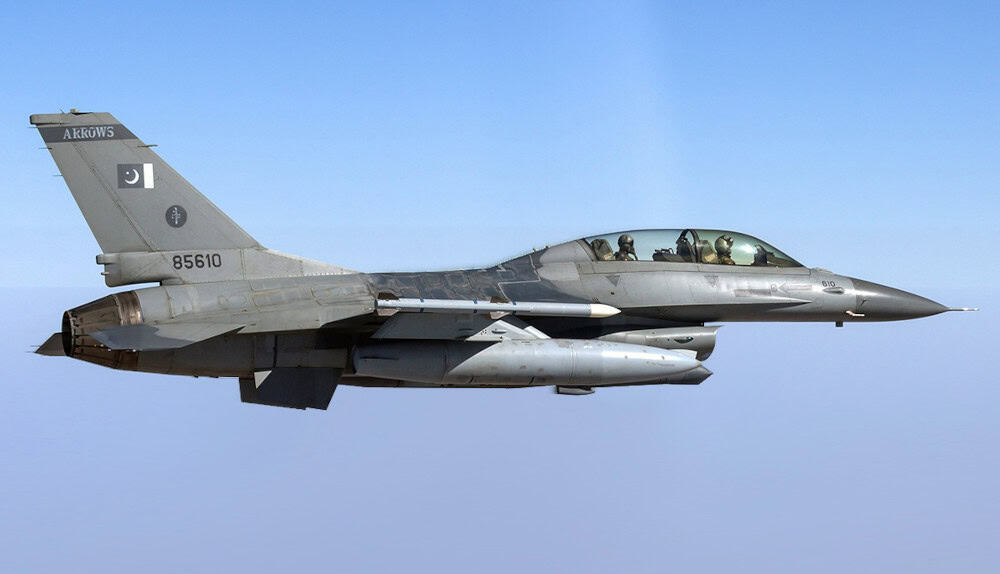
“They [Pakistan] continue to support the Taliban, the Haqqani network, and give safe haven to al Qaeda,” Corker, the Senate Foreign Relations Committee Chairman, noted. He then objected to the US government’s recent approval of the sale of F-16 fighters and other equipment worth nearly $700 million to Pakistan. He claimed that “zero US taxpayer dollars will go to subsidize Pakistan’s purchase until such a time as they do the things that we know they could do to stop helping to destabilize Afghanistan.”
Kerry rose to Pakistan’s defense, and called the situation in the country “a very complicated mix.”
“The government itself, the military has been very cooperative and very engaged in the fight against terrorism,” Kerry stated, noting that Pakistani soldiers have been killed during military operations in the tribal areas.
Kerry then claimed that there are “entities that complicate our efforts very significantly,” without naming them. This is almost certainly a reference to Pakistan’s Inter Services Intelligence Directorate, which is more commonly known as the ISI. The ISI is known to support the Afghan Taliban, the Haqqani Network, (a Taliban subgroup), and a host of Pakistani jihadist groups allied with al Qaeda, including Lashkar-e-Taiba and Harakat-ul-Muhajideen.
While Kerry treats the ISI as an entity separate from the military and government, the ISI is actually part of Pakistan’s military. ISI directors have served as the Chief of Army Staff, the highest military rank in Pakistan, and arguably the most powerful person in Pakistan.
Kerry also claimed that the Pakistani military “drove the Haqqani Network into new locations” during its ongoing offensive in North Waziristan, known as Zarb-e Azb. While the Pakistani military has said the offensive in North Waziristan has targeted all jihadist groups based there, this is untrue. Zarb-e Azb has only focused on groups that actively oppose the government, such as the Movement of the Taliban in Pakistan and the Islamic Movement of Uzbekistan. These organizations are often referred to as the “bad Taliban” as they do not take direction from the ISI and the military, and focus their efforts inside Afghanistan and India.
Organizations like the Haqqani Network and the Hafiz Gul Bahadar Group are called “good Taliban” as they do not attack the Pakistani state. However, these groups do support al Qaeda and the so-called “bad Taliban.”
The Pakistani military gave sufficient notice before the launch of Zarb-e Azb in June 2014 that allowed the Haqqanis and the Hafiz Gul Bahadar Group to vacate North Waziristan. The Haqqani Network is known to have relocated to the neighboring tribal agency of Kurram. Not a single senior or mid-level Haqqani Network leader has been killed or captured during the 20 months of Pakistan military operations in North Waziristan.
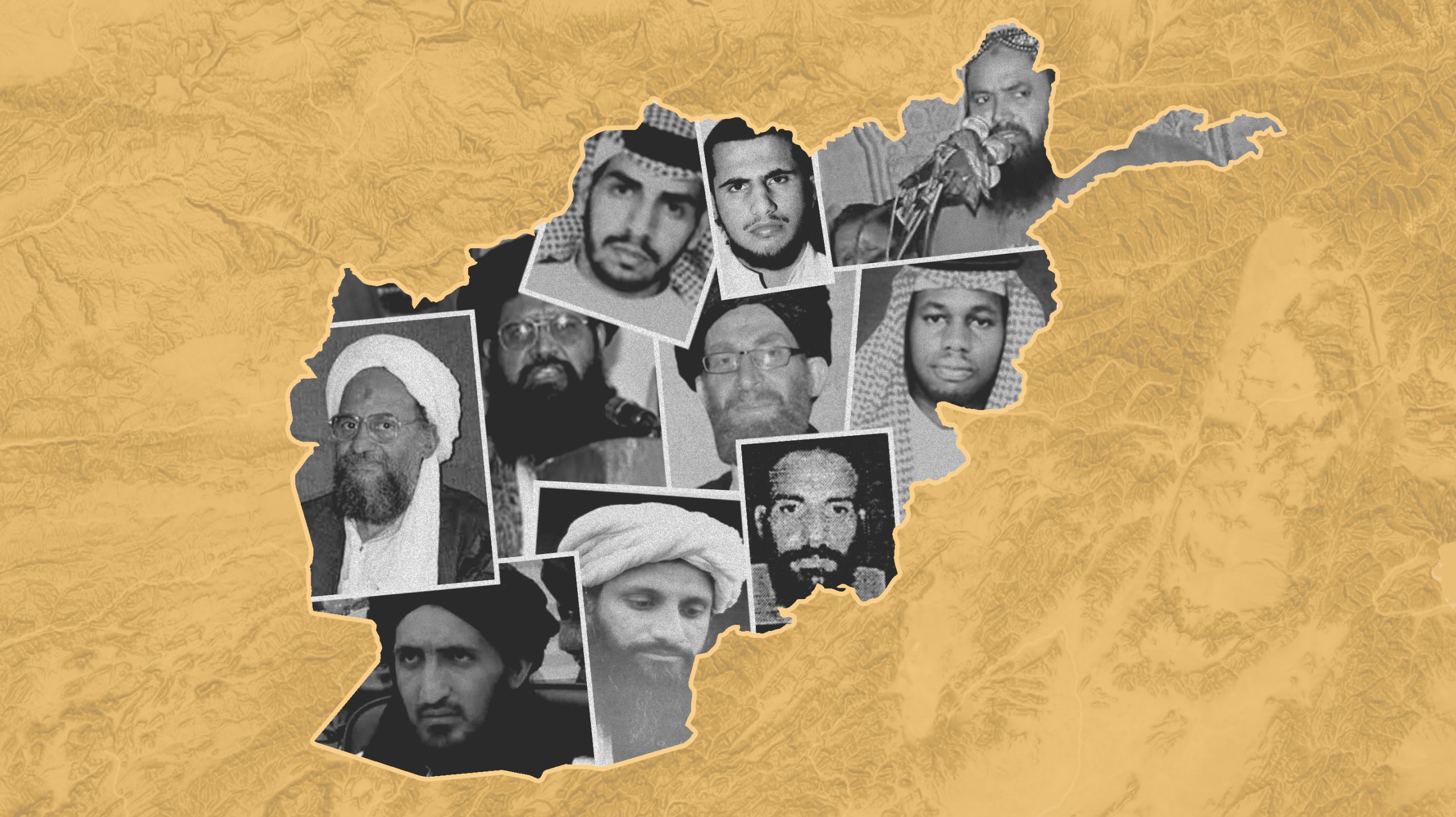
Pakistan’s “long line of duplicity” in Afghanistan, as Corker concluded in his exchange with Kerry, continues to this day. This duplicity can be seen with the Pakistani state’s relationship with Siraj Haqqani, one of the Afghan Taliban’s two deputy emirs who is the operational commander of the Haqqani Network, and the Taliban’s Quetta Shura.
According to The New York Times‘ Carlotta Gall, Siraj “moves freely around Pakistan, and has even visited the Pakistani intelligence headquarters of the Afghan campaign in Rawalpindi.” Other Haqqani Network leaders are known to travel to the gulf to raise money for the Taliban and al Qaeda.
The leadership of the Afghan Taliban, which is based outside of the Pakistani city of Quetta and is known as the Quetta Shura, receives direct support from the ISI and the military. The Taliban openly recruits inside Pakistan and runs training camps and command and control centers throughout the country, but most prominently in the tribal areas and the provinces of Baluchistan and Khyber Pakhtunkhwa. The Afghan Taliban is open about its relationship with al Qaeda, and in August 2015, the group accepted al Qaeda’s pledge of allegiance.