|
An incomplete videotape by Osama bin Laden, titled “A Message to the American People.” The US military believes it was produced sometime between Oct. 9 and Nov. 5, 2010. |
Osama bin Laden directed al Qaeda’s global operations from his “command center” in a compound in the northwestern Pakistani city of Abbottabad before he was killed in a US raid on May 2, according to a senior US intelligence official. The US military has released videotapes that show bin Laden recording propaganda tapes in the compound and watching footage of himself on television.
“This compound in Abbottabad was an active command and control center for al Qaeda’s top leader and it’s clear … that he was not just a strategic thinker for the group,” the official told reporters, according to the Department of Defense transcript. “He was active in operational planning and in driving tactical decisions inside al Qaeda.”
“The materials reviewed over the past several days clearly show that bin Laden remained an active leader in al Qaeda, providing strategic, operational and tactical instructions to the group,” continued the official. “Though separated from many al Qaeda members who are located in more remote areas of the region, he was far from a figurehead. He was an active player making the recent operation even more essential for our nation’s security.”
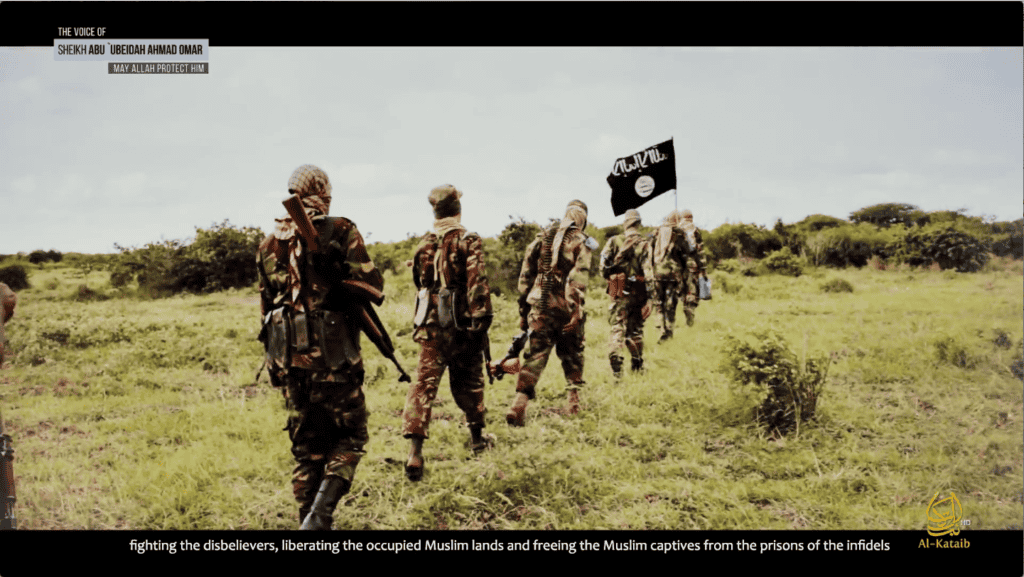
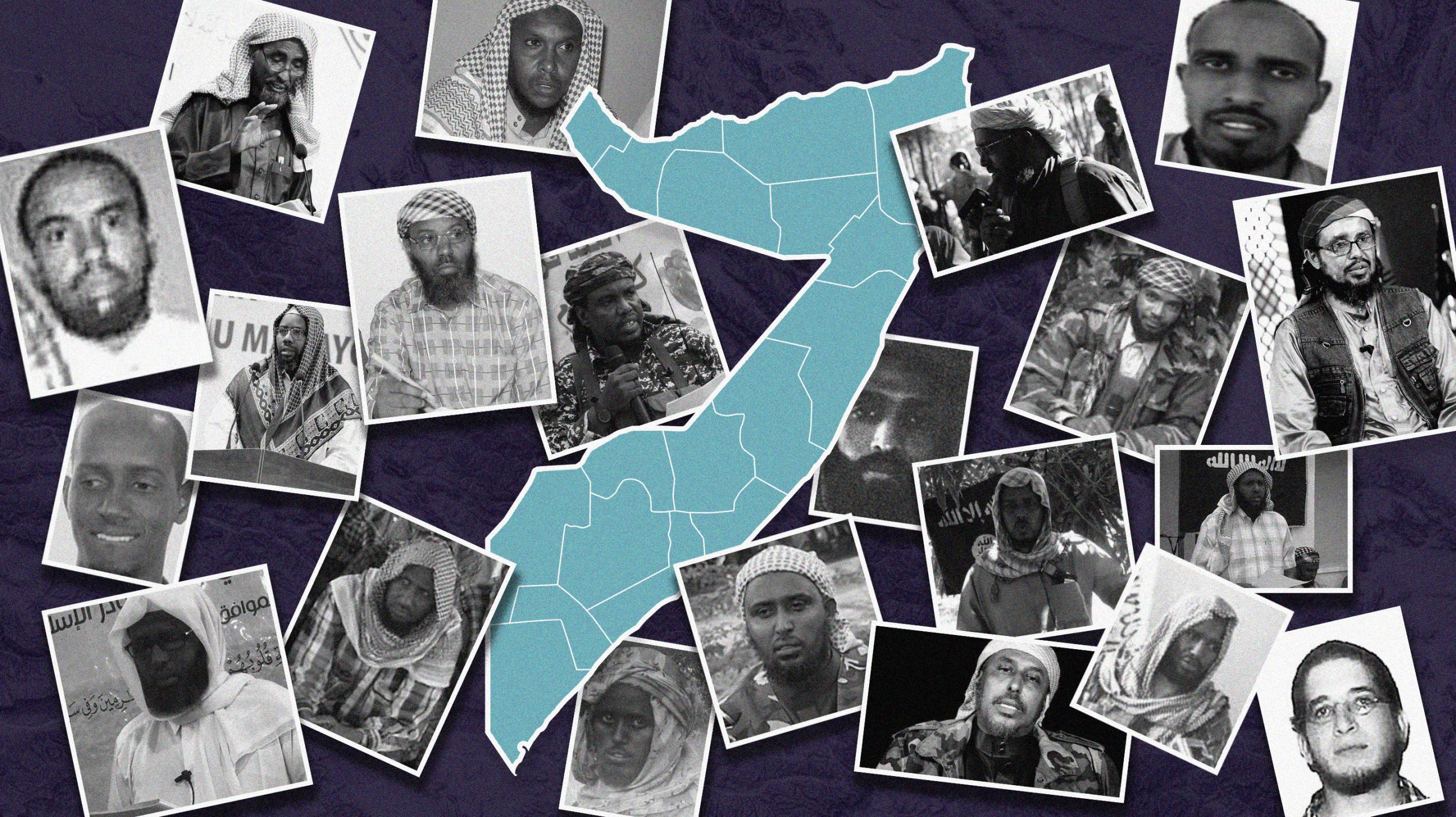
Bin Laden was also “giving strategic direction” to al Qaeda affiliated groups such as Shabaab in Somalia and al Qaeda in the Arabian Peninsula in Yemen, officials told The Associated Press.
The US military has released five videotapes. Four of them show bin Laden rehearsing propaganda messages, and the other shows him channel surfing on a small television while wrapped in a blanket and wearing a cap. In that tape, he appears to be watching news related to al Qaeda’s activities; pictured on the television is jihadist propaganda, including stock footage of the al Qaeda emir taken prior to Sept. 11, 2001. In some of the videos in which he is seen rehearsing prepared statements, his beard is dyed black.
“This is clearly an al Qaeda leader who was very interested in his own image,” the defense official continued. “And he took very seriously and engaged very heavily in al Qaeda propaganda operations … our take-away is that he jealously guarded his image.”
The tapes are part of what has been described as a “treasure trove” of data, including numerous computer hard drives, CDs, thumb drives, and documents seized during the May 2 raid that killed the highly-sought terrorist at the fortified safe house in Abbottabad. Hundreds of CIA and FBI analysts are frantically reviewing the tapes to gain insight on al Qaeda’s network and bin Laden’s activities.
The intelligence official quoted by Reuters said that bin Laden’s deputy, Ayman al Zawahiri, is likely to assume control of al Qaeda, despite his description as an “extremely controlling … micromanager [who] is not especially charismatic.” Zawahiri is also known to have created fissures in wider jihadist circles by criticizing popular movements, such as Hamas, for any willingness to seek political solutions. Zawahiri’s critiques often divide al Qaeda supporters and members into opposing camps, as evidenced in the reactions to his statements at jihadist Internet forums.
The official also speculated that al Qaeda’s failure to appoint a new leader demonstrates that the terror group is shocked by bin Laden’s death. It is “noteworthy that the group did not announce a new leader, suggesting it is still trying to deal with bin Laden’s demise,” he told Reuters.
But al Qaeda, like other allied Islamist terror groups, appoints leaders by convening its shura, or council. A new leader is selected only after the members of the shura reach a consensus, a process that often takes days to weeks. The Movement of the Taliban in Pakistan waited three weeks to select Hakeemullah Mehsud to replace Baitullah Mehsud after the latter was killed in a US Predator airstrike in South Waziristan, Pakistan in August 2009.
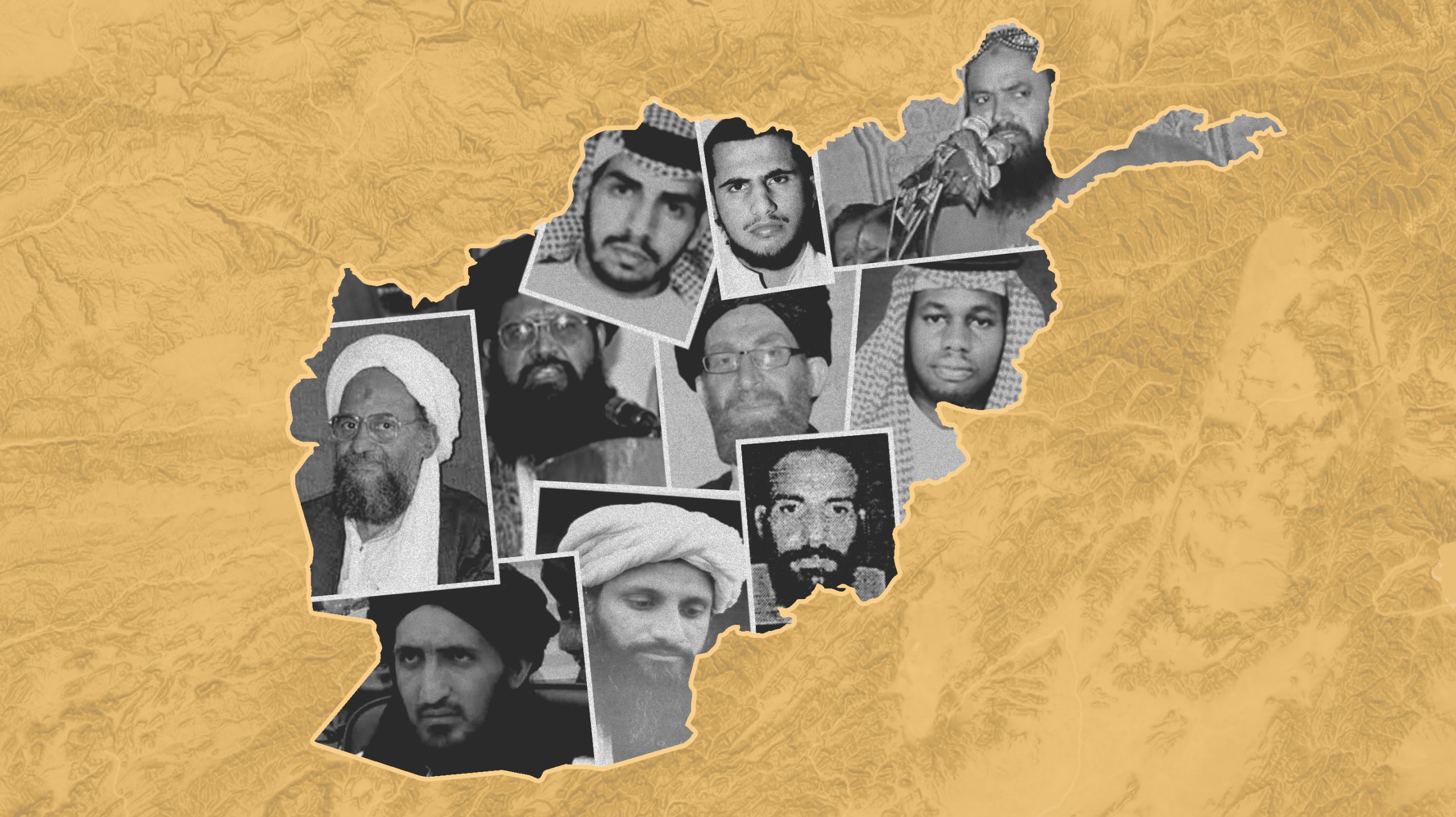
Aside from Zawahiri, other possible contenders to lead al Qaeda include Saif al Adel, Abu Yahya al Libi, Sa’ad bin Laden, and Ilyas Kashmiri [see LWJ report, After bin Laden: who will lead al Qaeda?.]
An Associated Press report on bin Laden videos, with additional clips: