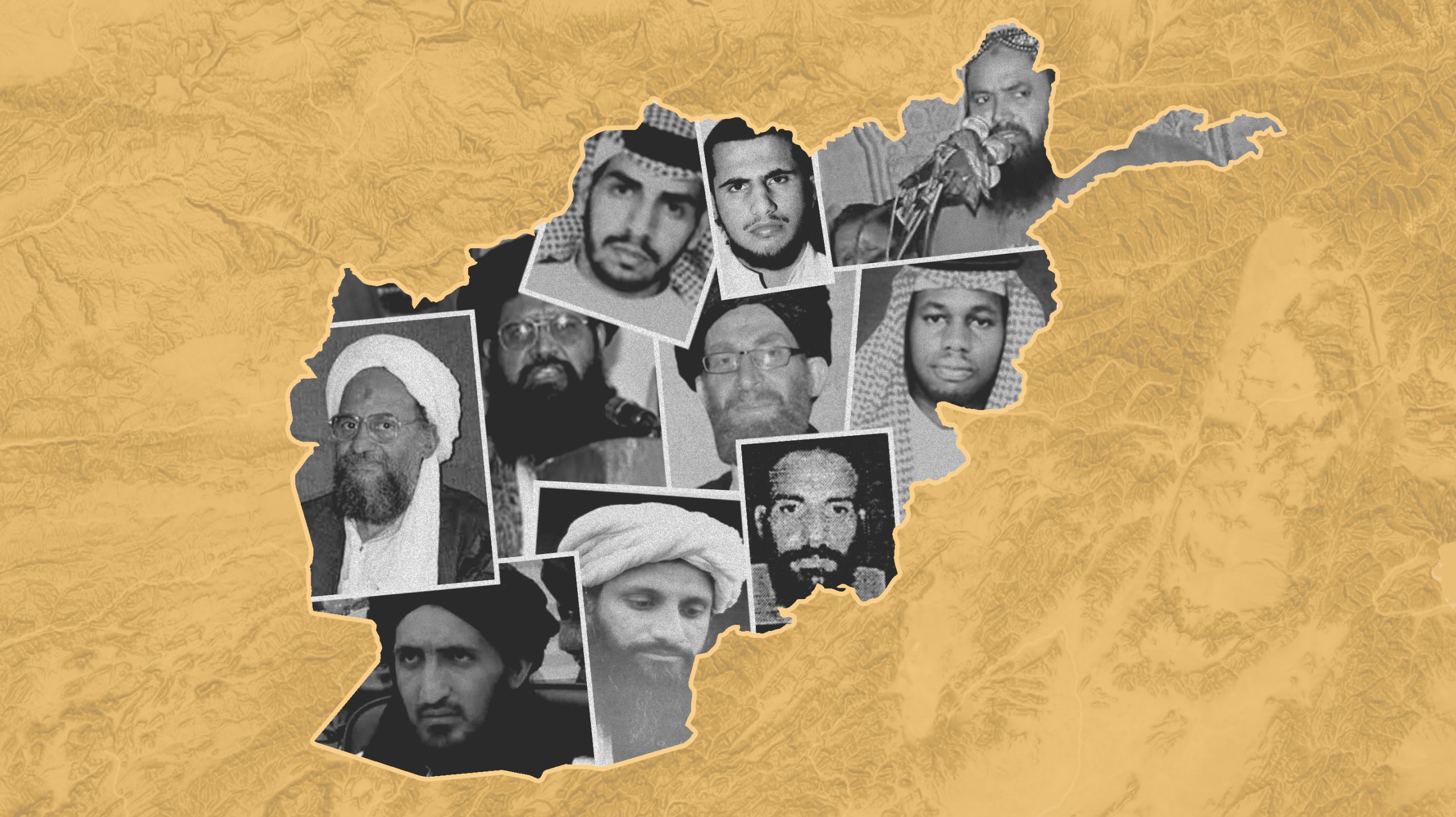
Yesterday’s helicopter attack in North Waziristan is directed at Mohsin Matawalli Atwa, one of the architects of the 1998 attacks on the U.S. Embassies in Eastern Africa
|
|
|
Muhsin Musa Matwalli Atwah |

Yesterday’s assault on a suspected Taliban/al Qaeda position in North Waziristan was directed at a high value al Qaeda target. The Associated Press reports, via unnamed Pakistani sources, the target was al Qaeda operative Muhsin Musa Matwalli Atwah. Atwah was one of the main planners of the devastating suicide attacks against the U.S. Embassies in Kenya and Tanzania on August 7, 1998, which killed 291 persons and wounded about 5,000. Rewards for Justice issued a $5 million reward for the capture of Atwah.
“Seven suspected militants and two children were believed killed, but it was unclear if the operative was slain,” according to the Associated Press. A Pakistani minister (unnamed) confirmed Atwah has been killed in the strike. There is no word if other al Qaeda commanders were at the location of the attack.
|
|
|
North Waziristan, Click to Enlarge. |

The mode of attack for this strike is critical. Note that Pakistani helicopter gunships struck at Atwah, not U.S. Predator drones based from Afghanistan (or perhaps within Pakistan itself). [MSNBC states, however that “local villagers, speaking to NBC News, claimed a Predator drone firing a Hellfire missile was responsible for the attack.” This is likely a ploy to direct wrath at the U.S., however is not beyond the realm of possibility.] Syed Saleem Shahzad indicates the Pakistani Army has received helicopters and equipment to conduct such nighttime strikes.
The Pakistanis recognizes the there are serious internal political problems with allowing U.S. aircraft to conduct raids within its sovereign territory, and yet the “miscreants” in the tribal areas cannot be ignored, both because of internal security problems and external pressure to root out al Qaeda. The condemnation from inside Pakistan and throughout the Muslim world against the U.S. and Pakistani governments was intense after the Damadola raid. The use of Pakistani air assets to take down Atwah’s hideout solves these problems, as Pakistan is now dealing with an internal security issue and not giving the appearance of having its sovereignty violated by the Americans.
It is very likely the U.S. is providing the needed training, weapons systems and intelligence to conduct this mission. As seen with the Damadola strike, there is plenty of behind the scenes cooperation between the U.S. and Pakistan to take out high-value al Qaeda targets.
While this strike is an encouraging sign, there is still the problem of the rise of the Taliban in the North West Frontier Province. Syed Saleem Shahzad presents an alarmist case that the Taliban is massing in North and South Waziristan in the tens of thousands, and this resurgence is fueled by terrorist groups which fought in Kashmir.
The implications are disturbing to the security situation in Afghanistan, and the prospects of nuclear Pakistan falling to the Islamists. Pakistan must decide if it has the will to send in the Army en masse to crush this Taliban uprising.