-
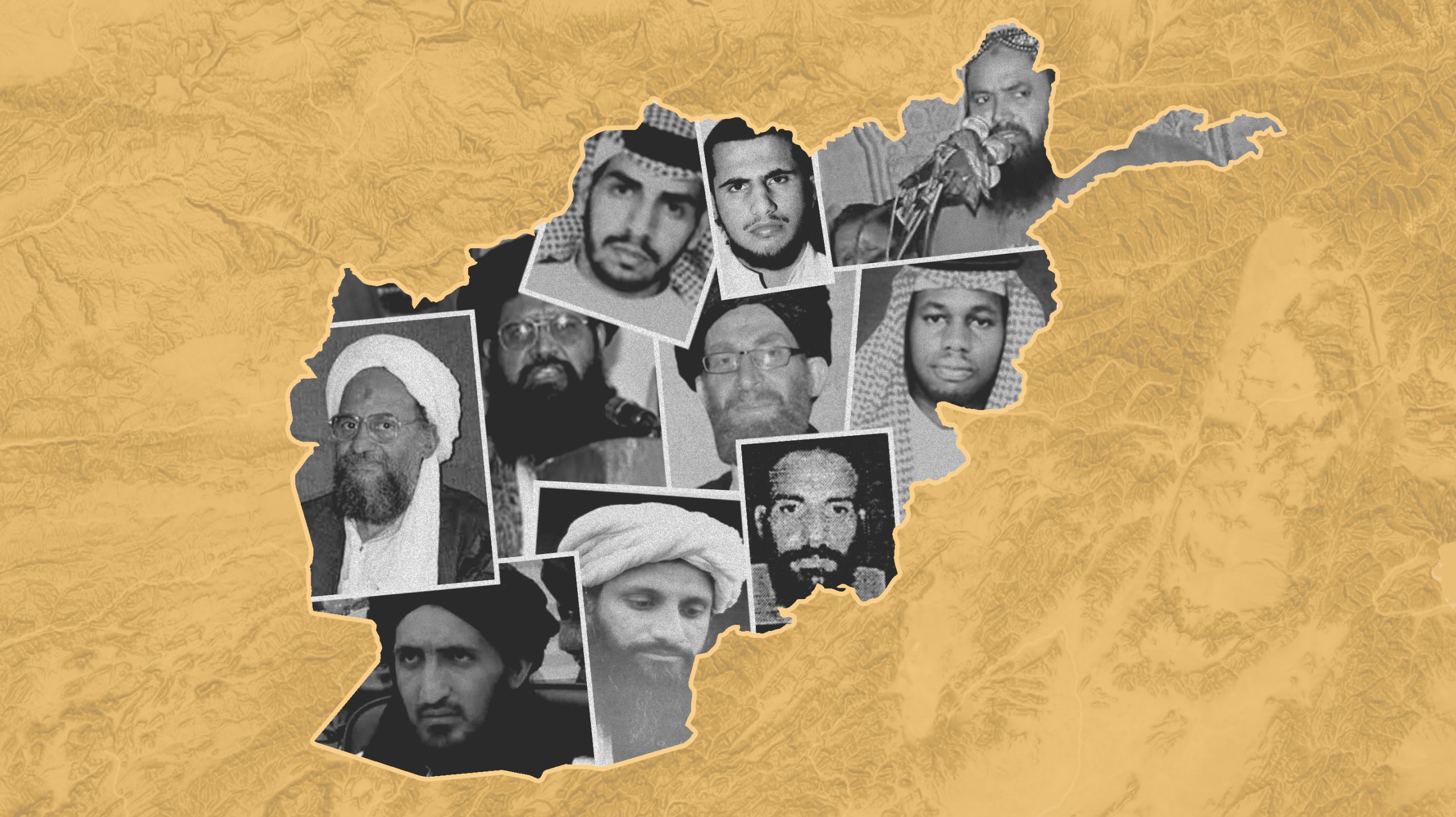
U.N. report cites new intelligence on Haqqanis’ close ties to al Qaeda
A report by a U.N. monitoring team cites new intelligence concerning Sirajuddin Haqqani’s ties to al Qaeda. The report also mentions the Hattin Shura, which U.S. officials say is the most important decision-making body within al Qaeda.
-
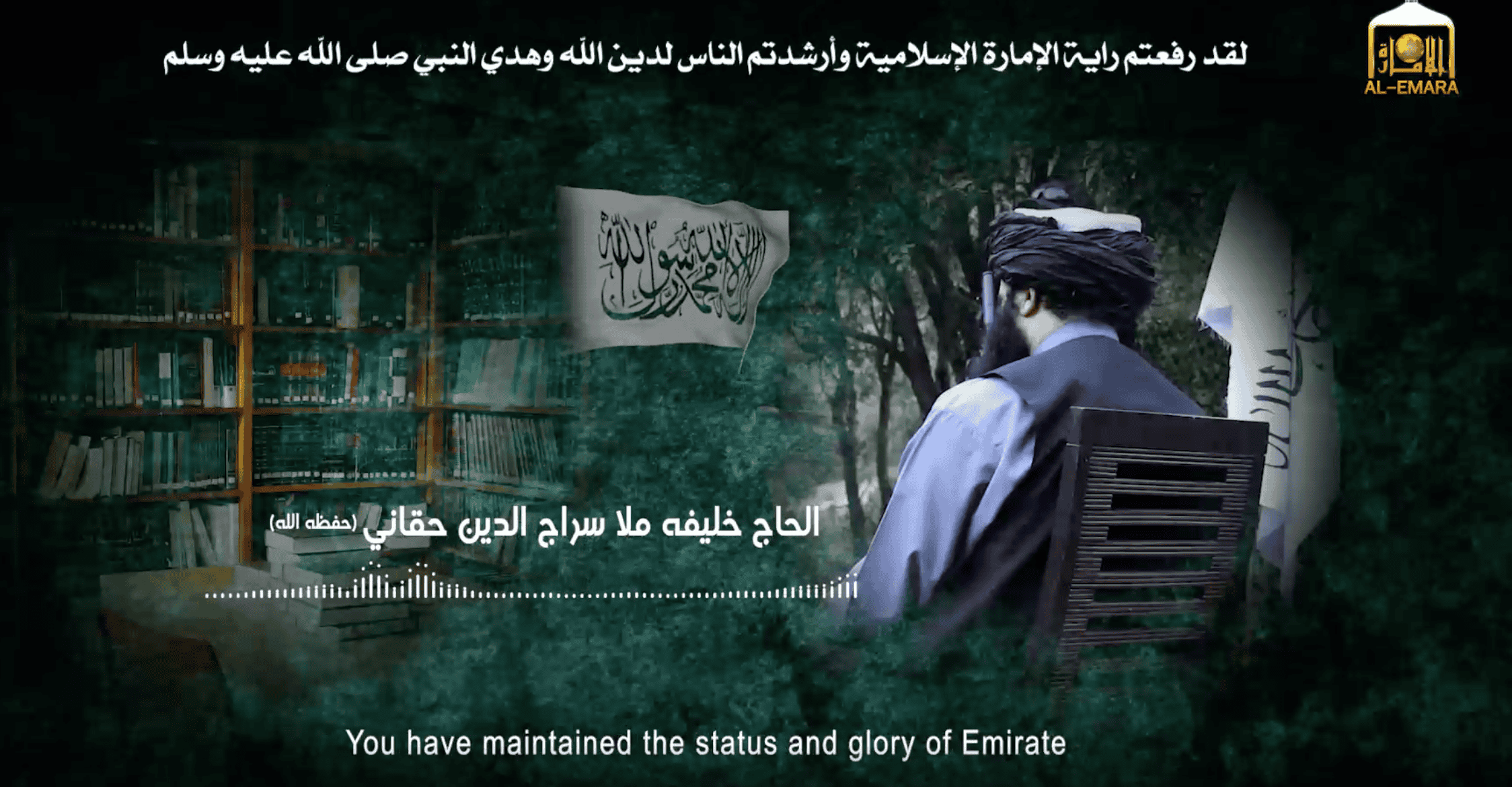
Taliban maintains close ties with al Qaeda, DIA reports
According to the DIA, the Taliban has “maintained close ties with al Qaeda” and is “very likely preparing for large-scale offensives against population centers and Afghan government installations.” The DIA’s assessment directly contradicts claims made by Zalmay Khalilzad, the U.S. special representative for Afghanistan reconciliation.
-
Ep. 31 – Al Qaeda’s Media Chief Killed in Taliban Country
Hosts Tom Joscelyn and Bill Roggio discuss the demise of Husam Abd-al-Ra’uf, al Qaeda’s media chief. Afghan forces hunted him down in a Taliban-controlled village nearly eight months after the U.S. State Department trumpeted the Taliban’s supposed counterterrorism assurances.
-
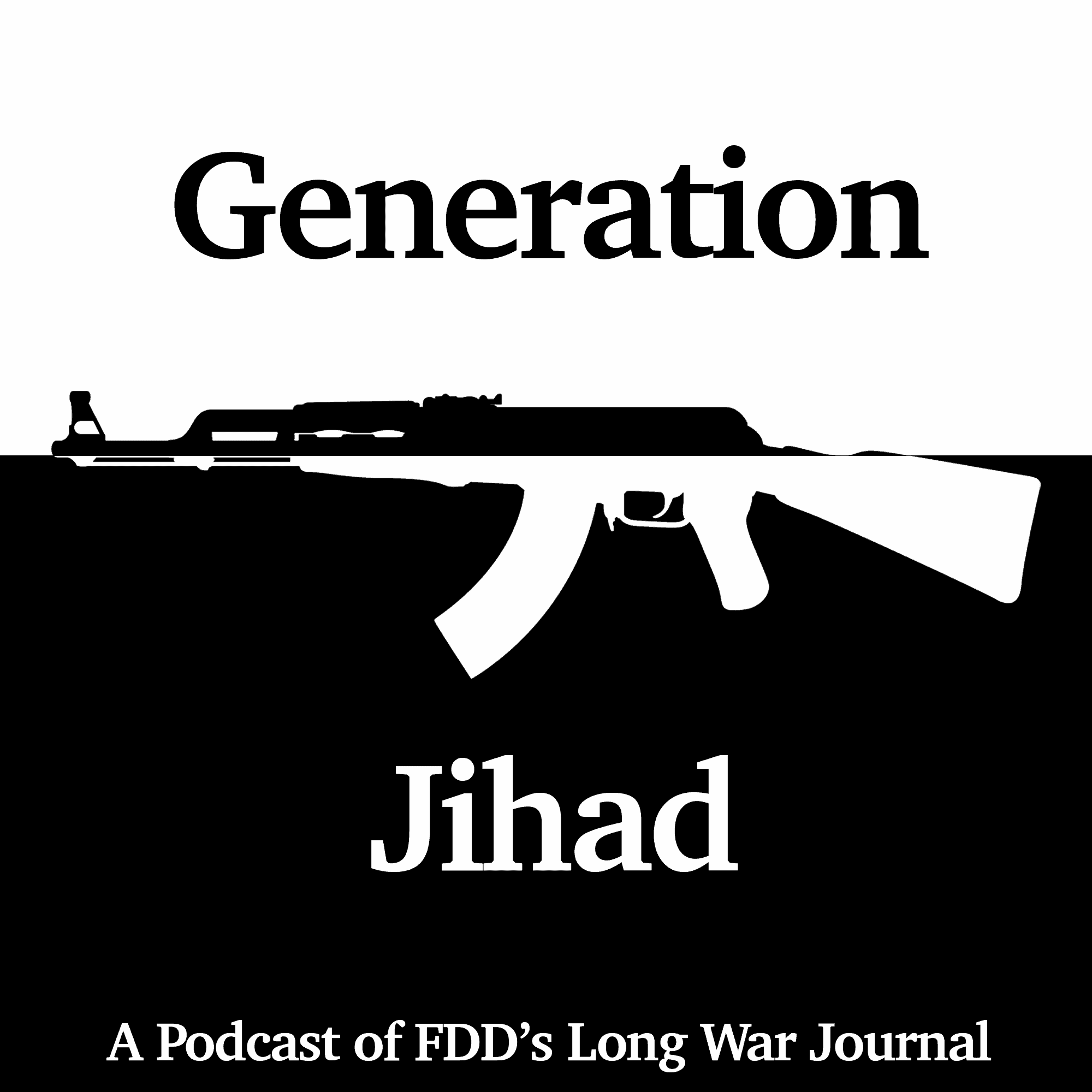
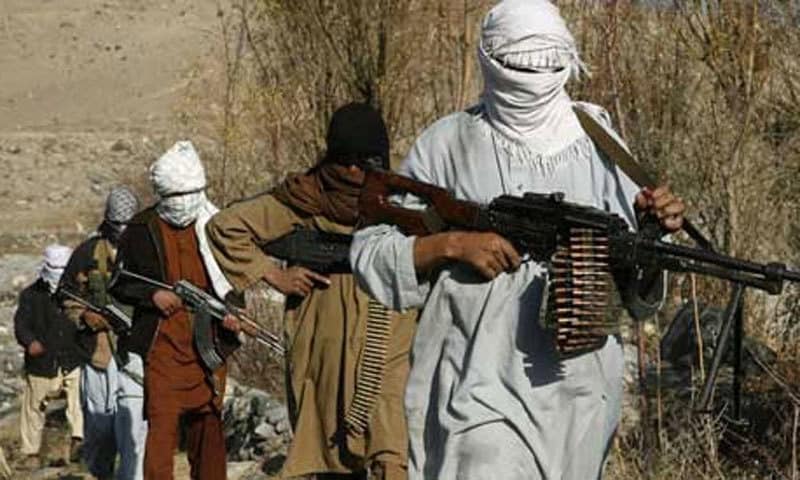
Taliban kill 47 policemen in northern Afghan province
Takhar province’s deputy chief of police is among 47 security personnel killed overnight in the restive northern province. Taliban attacks persist throughout the country.
-
Generation Jihad Ep. 29 – An Interview with Edmund Fitton-Brown
Edmund Fitton-Brown joins hosts Tom Joscelyn and Bill Roggio to discuss his work for the United Nations Security Council.

-
Analysis: Taliban is caught in a lie by denying Al Qaeda’s presence in Afghanistan
The Taliban’s denial of Al Qaeda’s presence in Afghanistan means that one of the two groups are not telling the truth. Either Al Qaeda has crafted an elaborate scheme to pretend it fights in Afghanistan alongside the Taliban, or the Taliban is lying, and Al Qaeda has fought there for decades and remains to this day.

-
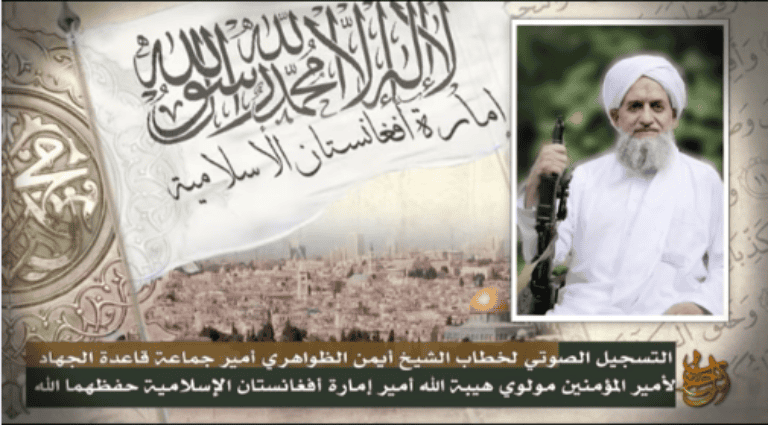
Taliban falsely claims al Qaeda doesn’t exist in Afghanistan
During an online conference last week, CENTCOM commander Gen. McKenzie questioned the Taliban’s commitment to its supposed counterterrorism assurances. He pointed to al Qaeda’s presence in eastern Afghanistan and claimed Ayman al Zawahiri is there. In response, the Taliban falsely claimed that al Qaeda hasn’t been present in Afghanistan since the days of the Islamic Emirate.
-
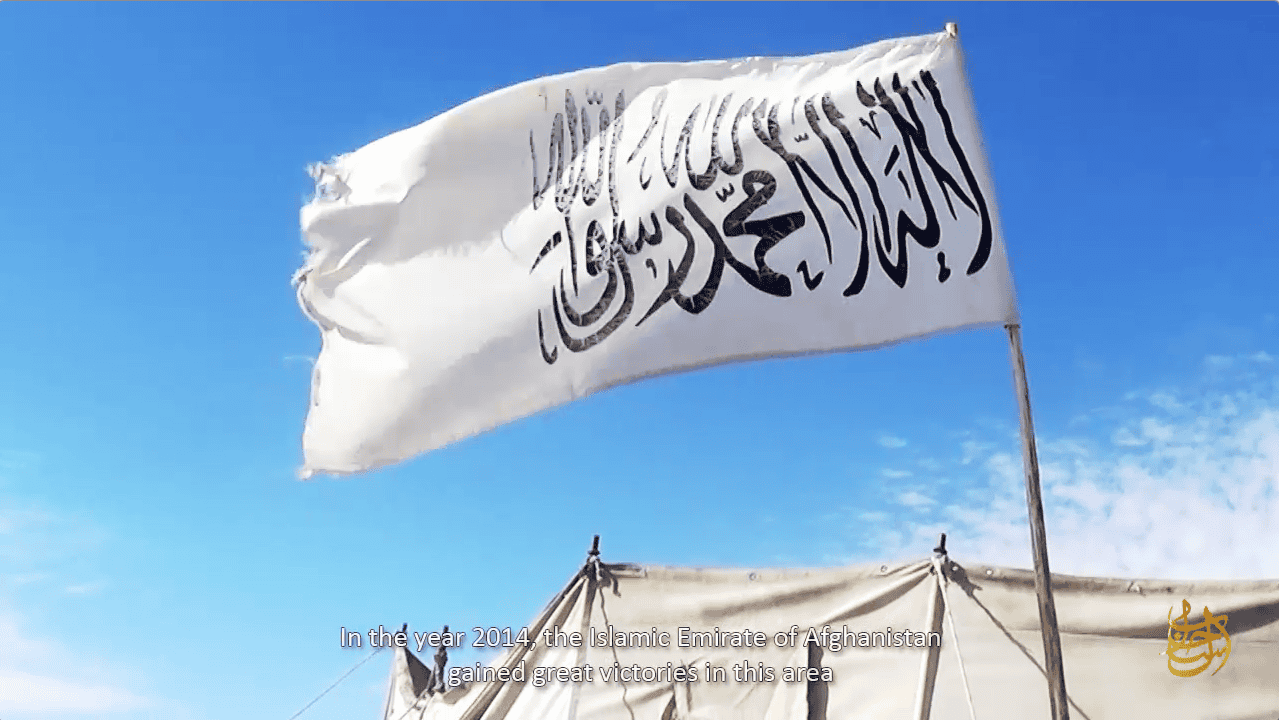
U.N.: Taliban “regularly consulted” with Al Qaeda throughout negotiations with U.S.
According to a new report by a UN monitoring team, the Taliban “regularly consulted with Al Qaeda during negotiations with the United States and offered guarantees that it would honor their historical ties.” The analysis contains numerous allegations of ongoing collusion between the Taliban and Al Qaeda.
-
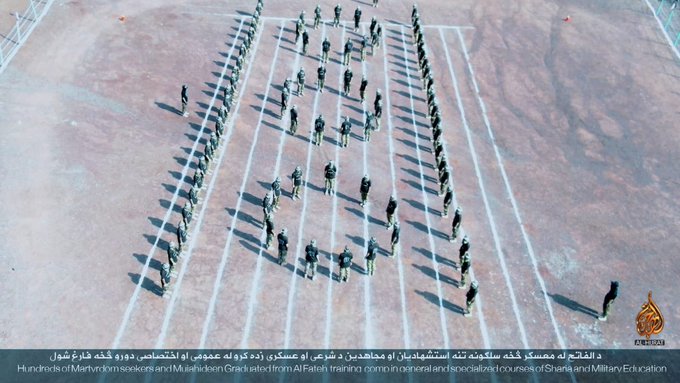
Taliban ‘reluctant to publicly break with al Qaeda,’ Inspector General reports
According to a new report by the Lead Inspector General for Operation Freedom’s Sentinel, U.S. officials have assessed that the Taliban is “reluctant to publicly break with al Qaeda,” while Pakistan continues to harbor senior Taliban leaders, including the Haqqanis. The report confirms that the Taliban went on the offensive following the Feb. 29 withdrawal agreement with the U.S.
-
Analysis: AQAP’s new emir reaffirms allegiance to Zawahiri, praises Taliban
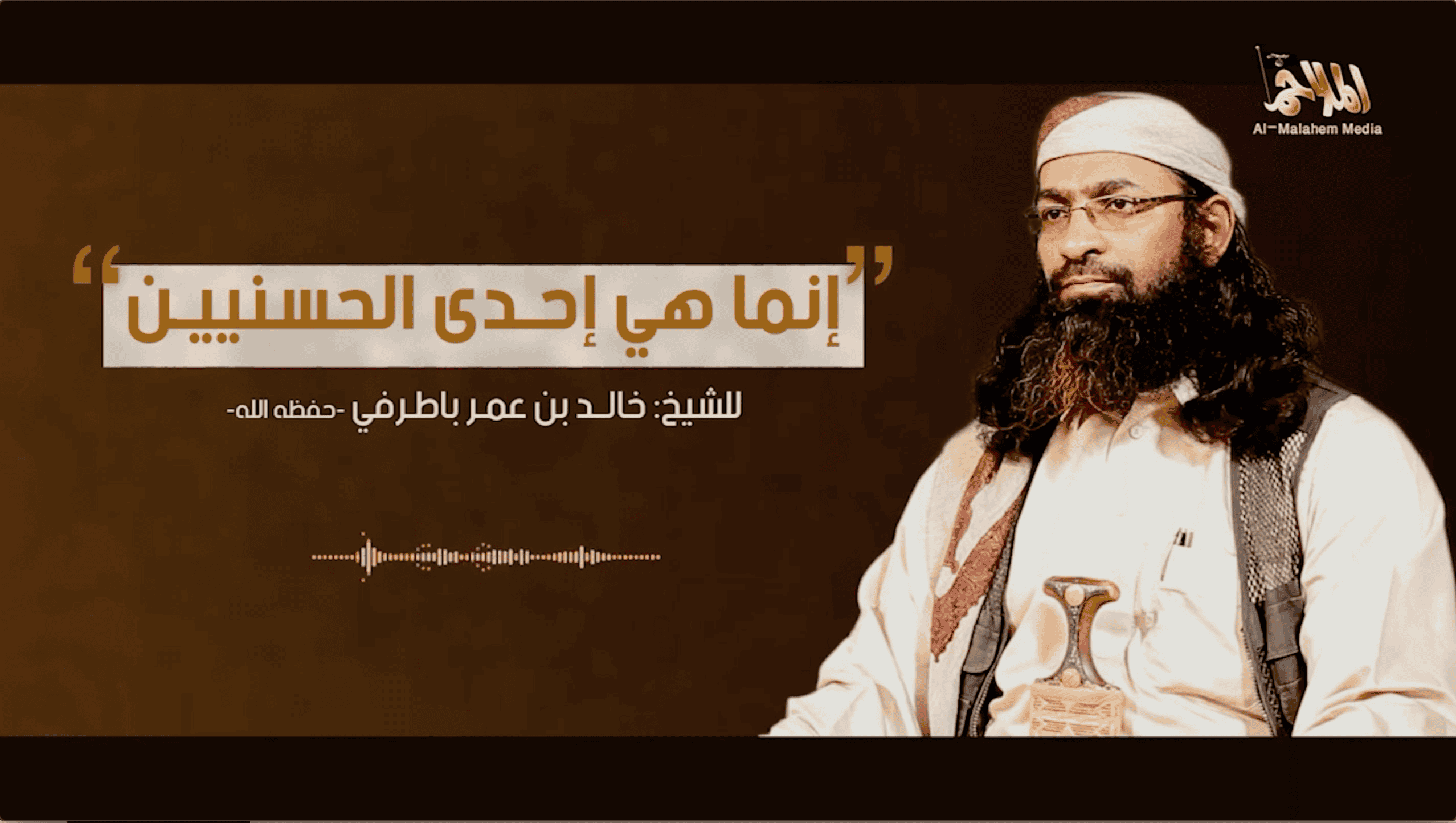
Last week, AQAP released an audio message form its new emir, Khalid Batarfi. In it, Batarfi renews his allegiance to Ayman al-Zawahiri on behalf of AQAP. He also praises the Taliban and Shabaab.
-
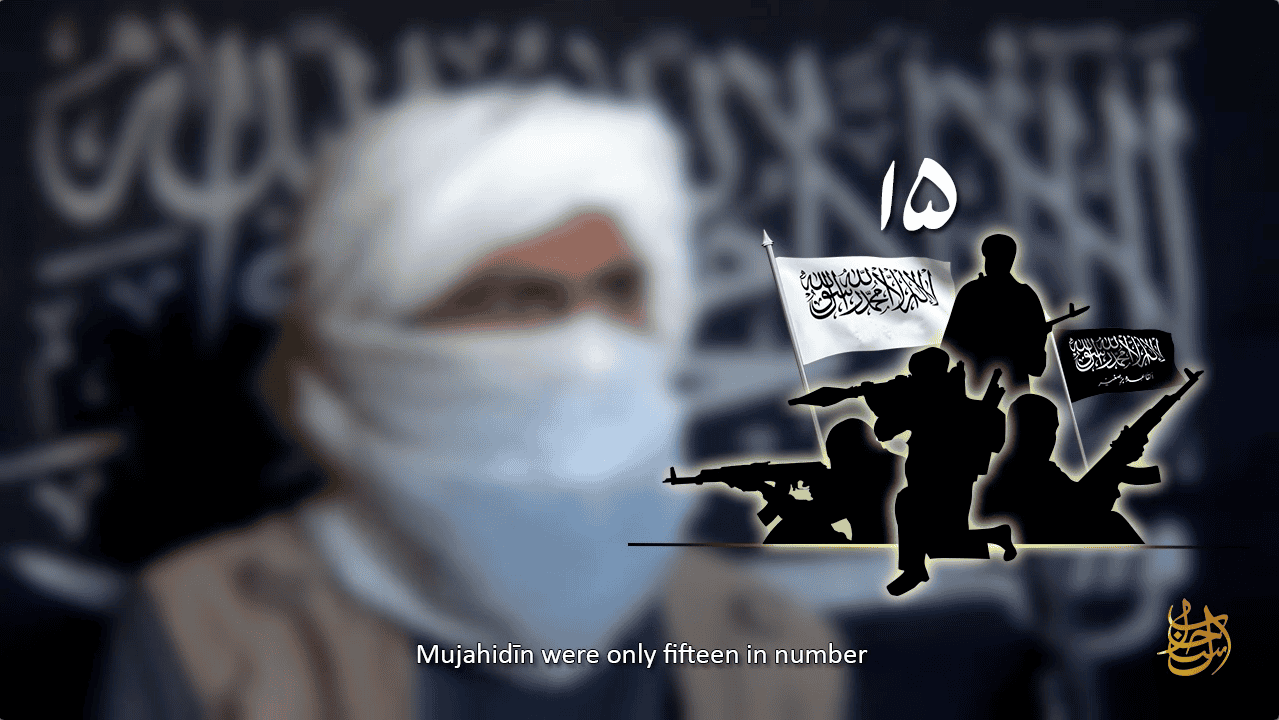
Analysis: Taliban leader declares victory after U.S. agrees to withdrawal deal
Secretary of State Mike Pompeo claims the Taliban has agreed to “destroy” al-Qaeda as the U.S. withdraws from the country. The text of the withdrawal agreement doesn’t say that and the Trump administration hasn’t explained how the Taliban’s alleged “break” from al-Qaeda will be verified or enforced.
-
Analysis: Taliban continues to lie about presence of foreign fighters in Afghanistan
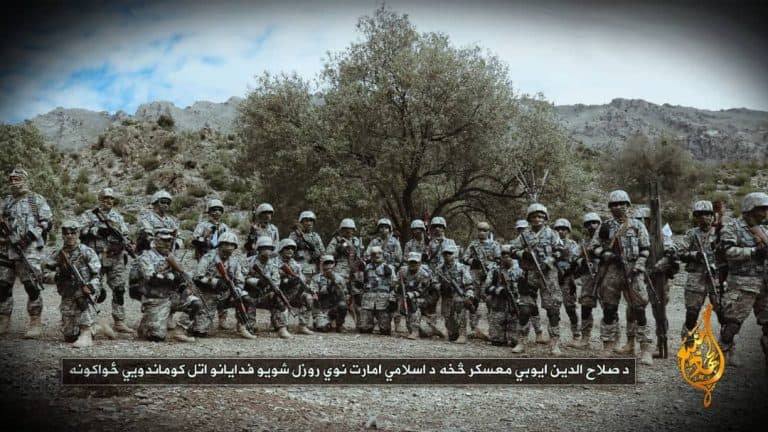
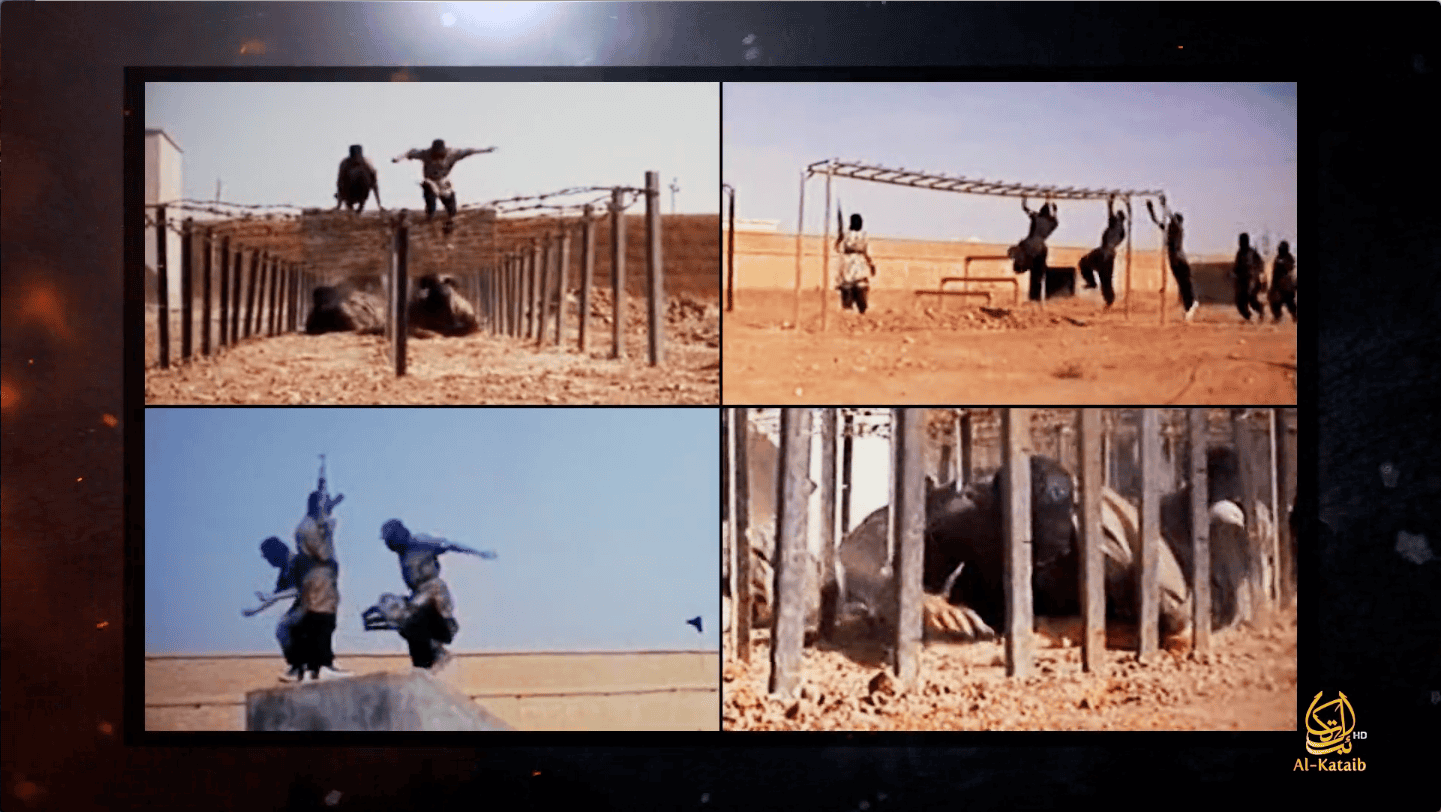
FDD’s Long War Journal reported earlier this month that the Turkistan Islamic Party released new images of its men fighting and training in Afghanistan. The Taliban, which is currently seeking to downplay the presence of foreign terrorist groups in Afghanistan, subsequently issued a statement claiming that the montage was “falsified.” That is a lie.
-
Taliban liaison to al Qaeda freed as part of prisoner-for-hostage swap
Eleven Taliban leaders have been reportedly exchanged for three kidnapped Indian engineers. One of the newly-freed Taliban commanders is Abdul Rashid Baluch. The US designated Baluch as a terrorist in 2015, reporting that he “served as a Taliban liaison officer to al Qaeda (AQ) and was responsible for planning meetings between Taliban senior leadership” and al Qaeda “members in Karachi, Pakistan.”
-
Taliban commemorates 18 years of war that was fought to defend al Qaeda
In 2001, Omar was unwavering in his position that the Taliban was religiously obligated to protect Osama bin Laden and his al Qaeda cadre. The Taliban has remained true to Omar’s words, and fought an 18 year long war to defend the terror group.
-
Afghan officials identify AQIS members killed in controversial Musa Qala raid
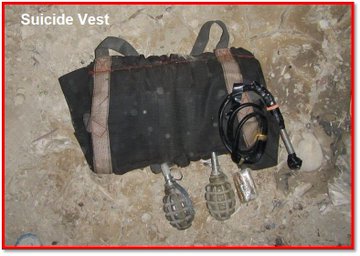
Afghan officials have identified several AQIS members who were killed during a controversial raid in Musa Qala, Helmand earlier this week. They have also posted images purportedly documenting the weaponry, explosives and cash seized at the jihadists’ compound.
-
Testimony: The Trump Administration’s Afghanistan Policy
On Sept. 19, Thomas Joscelyn testified before the House Committee on Foreign Affairs at a hearing titled, “The Trump Administration’s Afghanistan Policy.” His testimony focused on the close working relationship between the Taliban and Al-Qaeda.
-
UN Security Council continues to report on al Qaeda-Taliban alliance
Since July 2018, the UN Security Council has published at least four reports documenting al Qaeda’s close and longstanding relationship with the Taliban.
-
Al Qaeda growing stronger under Taliban’s umbrella, UN finds
According to a recently released report by a UN Security Council monitoring team, the Taliban is the “primary partner for all foreign terrorist groups operating in Afghanistan,” including al Qaeda. The only exception is the Islamic State, which opposes the Taliban.
-
Senior al Qaeda official praises Taliban’s ‘victory’ in Afghanistan
Asim Umar, a senior al Qaeda official, has released a statement praising the Taliban’s “victory” in Afghanistan over the US. He also criticizes ISIS for dividing the jihadists’ ranks, praying that Allah ends the “fitnah.”

-
Ayman al-Zawahiri eulogizes Jalaluddin Haqqani
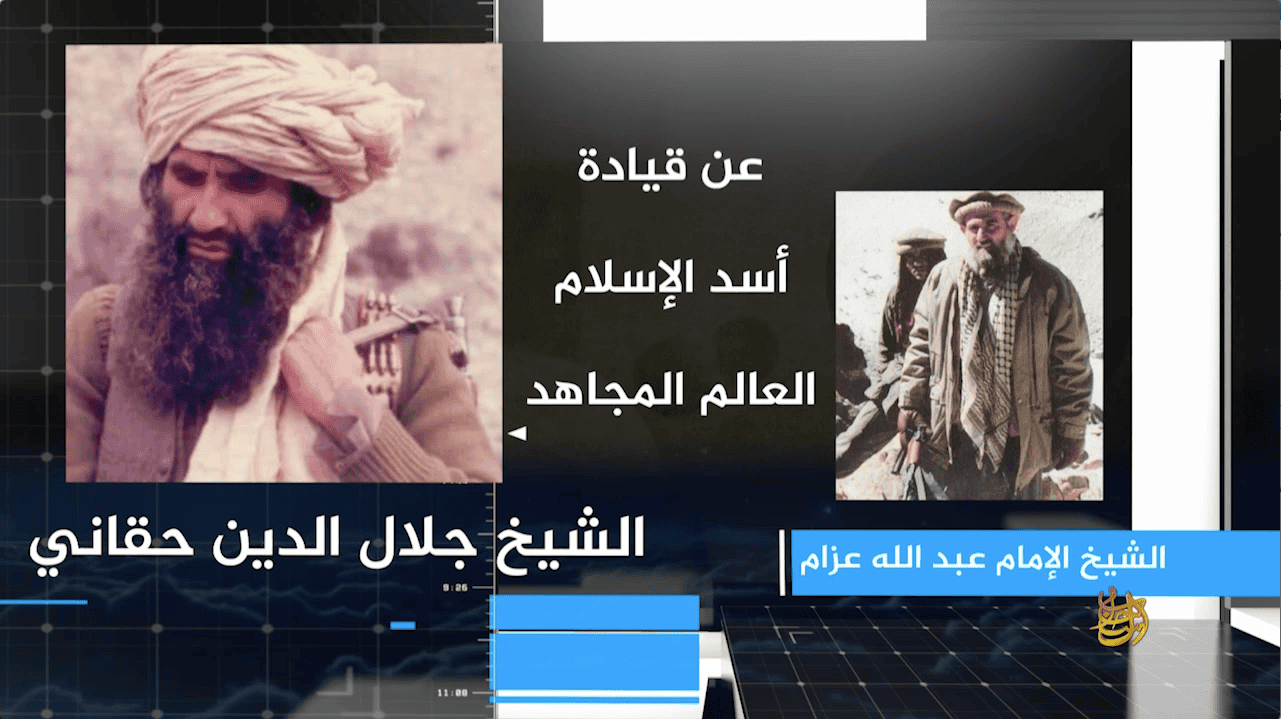
Ayman al-Zawahiri has released a eulogy for Jalaluddin Haqqani, a key figure in the Taliban-al Qaeda axis. The Taliban announced Haqqani’s death last year. Zawahiri offers his condolences to the Taliban and its overall leader, the “Emir of the Faithful,” Hibatallah Akhundzada.
-
Al Qaeda video emphasizes unity with Taliban’s Islamic emirate
Al Qaeda has released a new video emphasizing its unity with the Taliban’s Islamic Emirate of Afghanistan. The video features a joint Taliban-al Qaeda ambush on an Afghan army convoy in Paktika province.

-
Turkistan Islamic Party head decries Chinese occupation
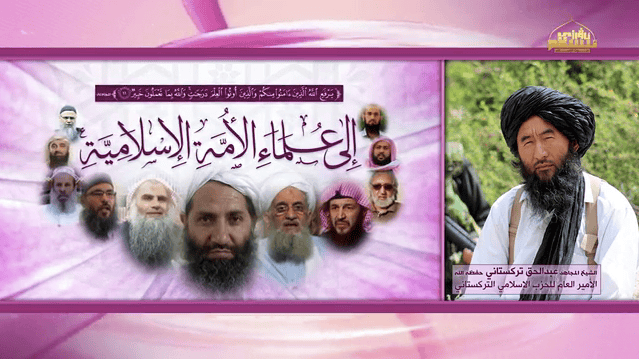
The head of the Turkistan Islamic Party (TIP), Abdul Haq al-Turkistani, has called on jihadist “scholars” to do more to address the plight of Uighurs. Al-Turkistani addresses his message to Taliban leader Haibatullah Akhunzada, Ayman al-Zawahiri, and a number of al Qaeda ideologues.
-
Analysis: The costs of withdrawal from Afghanistan
President Trump’s decision to withdraw American forces from Afghanistan will have consequences. The Taliban and al Qaeda will declare victory, while the US will find it harder to hunt terrorists throughout the region.
-
Taliban, Pakistani military mourn death of extremist cleric
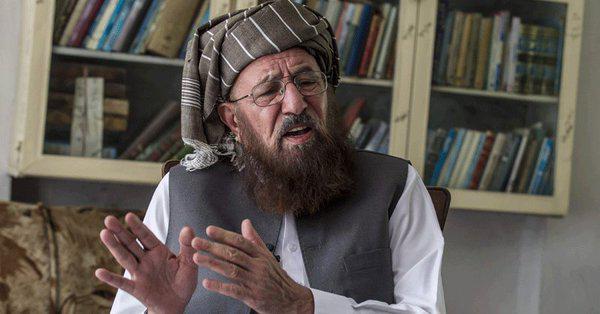
The Afghan Taliban, Pakistani Taliban and Pakistani military have all honored Maulana Sami ul-Haq, a influential and radical cleric who was stabbed to death. Haq’s madrassa has been a breeding ground for the Taliban and other jihadist groups in the region.
-
Badness personified
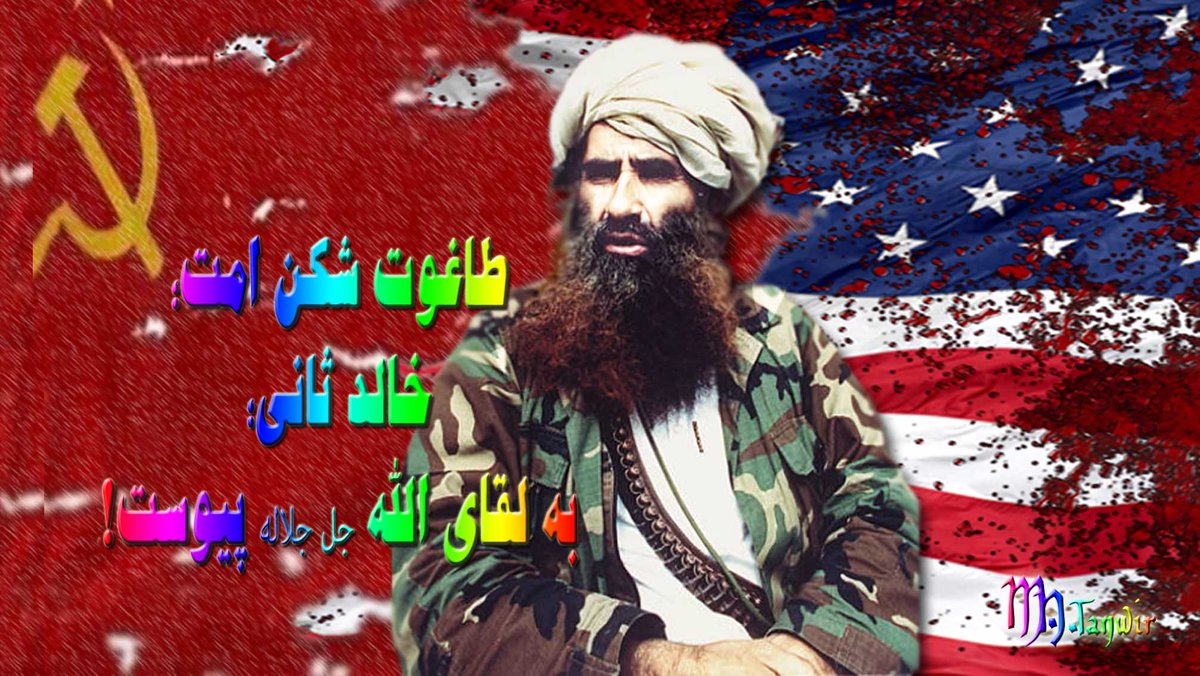
Jalaluddin Haqqani is dead. The terror network he created lives on.
-
Pakistan continues to harbor Taliban, including al Qaeda-linked Haqqanis
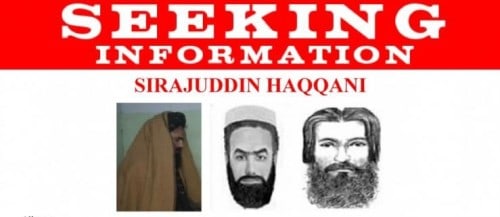
According to a new report by the State Department, the Afghan Taliban and its Haqqani Network are still “operating in Pakistan-based safe havens and threatening U.S. and Afghan forces in Afghanistan.” Pakistan has assisted the US in counterterrorism operations against al Qaeda. However, by refusing to move against the Taliban, including the Haqqanis, Pakistan is harboring al Qaeda’s most important allies in the region.
-
Analysis: Losing a War
The Trump administration is desperately trying to negotiate with the Taliban’s senior leadership. The Obama administration did as well, with the effort ending in a diplomatic fiasco.
-
Al Qaeda leader argues Taliban’s ‘blessed emirate’ a core part of new caliphate
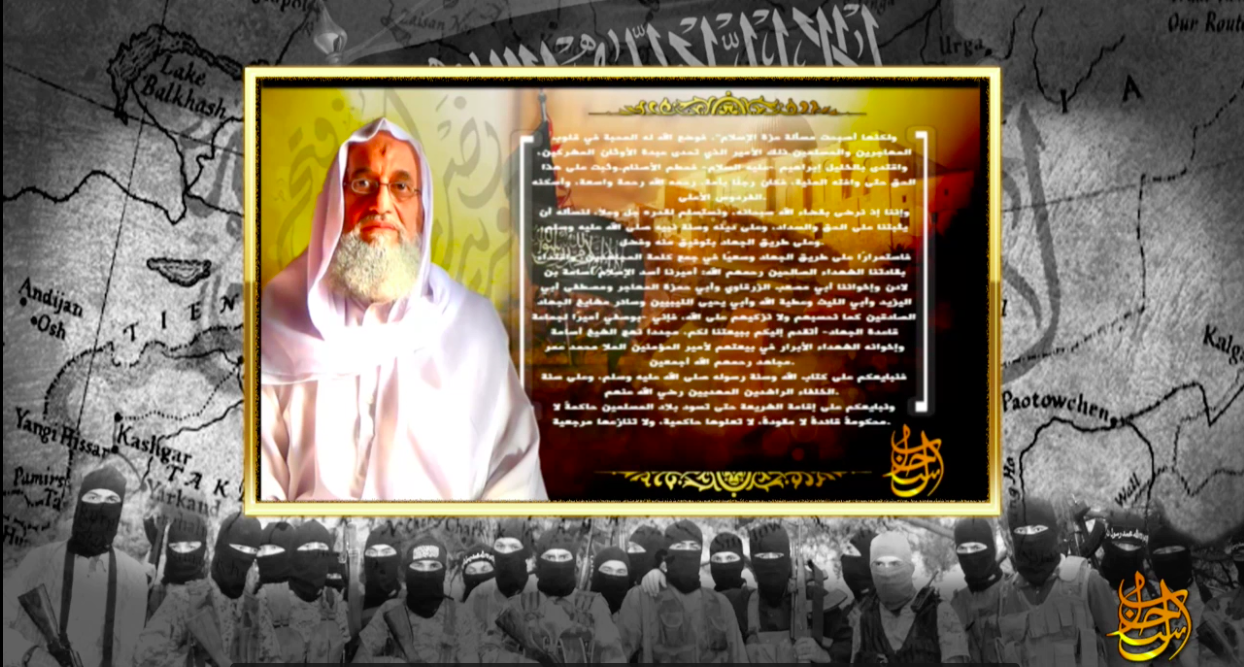
Al Qaeda has released a new message from its emir, Ayman al Zawahiri, who argues that the Taliban’s Islamic Emirate of Afghanistan is a core part of a new, imagined caliphate.