-
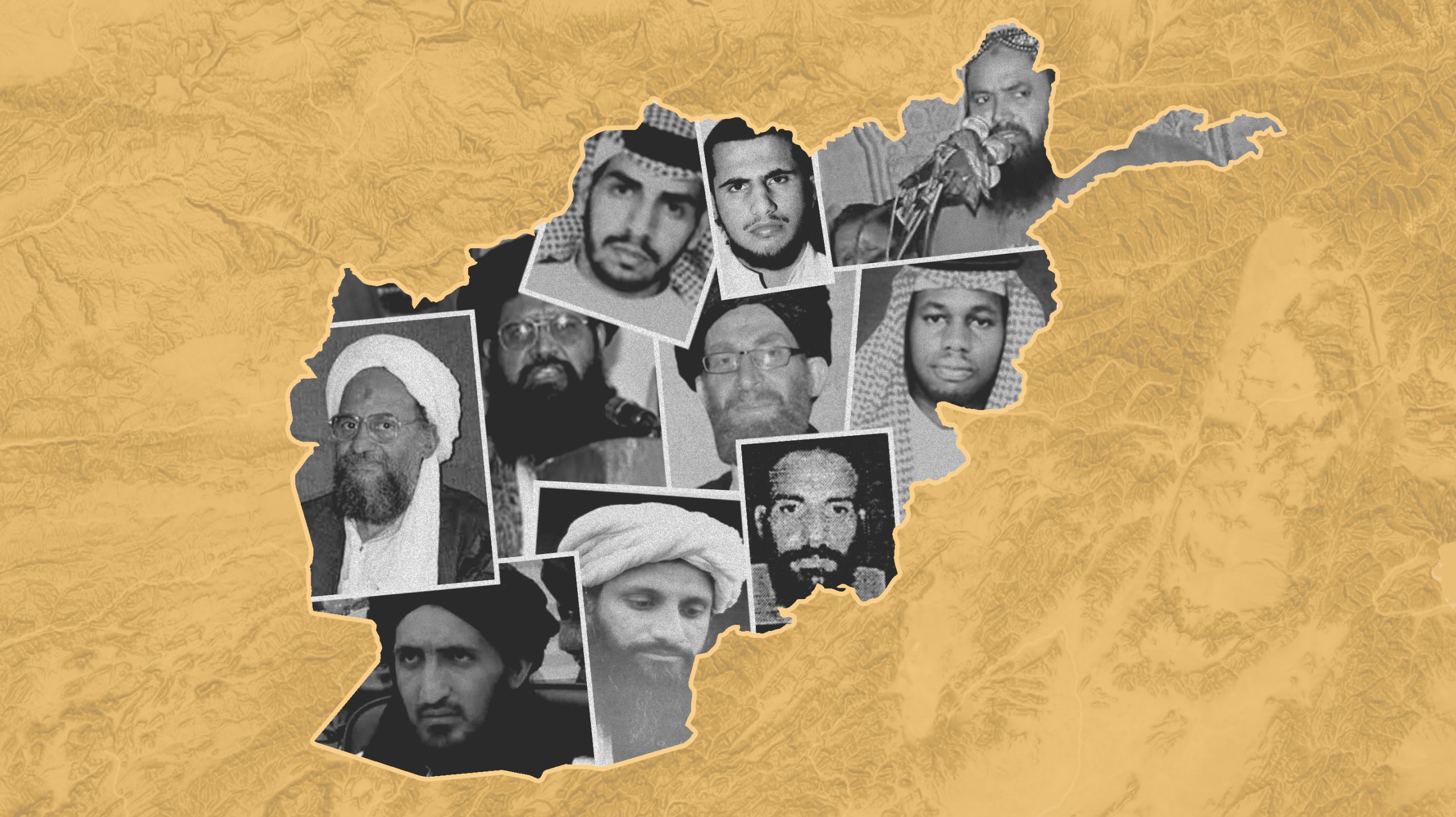
Syria investigates deadly attack on US forces, US names 2 National Guard soldiers as victims
The Iowa National Guard released the names of two US soldiers who were killed by an Islamic State member in Syria on December 13. In the aftermath of the attack, Syrian Foreign Minister Assad al Shaibani spoke with US Secretary of State Marco Rubio on December 14 and said the Syrian government would work with the US to degrade and destroy the Islamic State (IS). Syria’s Interior Ministry also conducted an anti-IS operation and detained five people. In northern Syria, an armed group killed four Syrian Interior Ministry personnel.
-
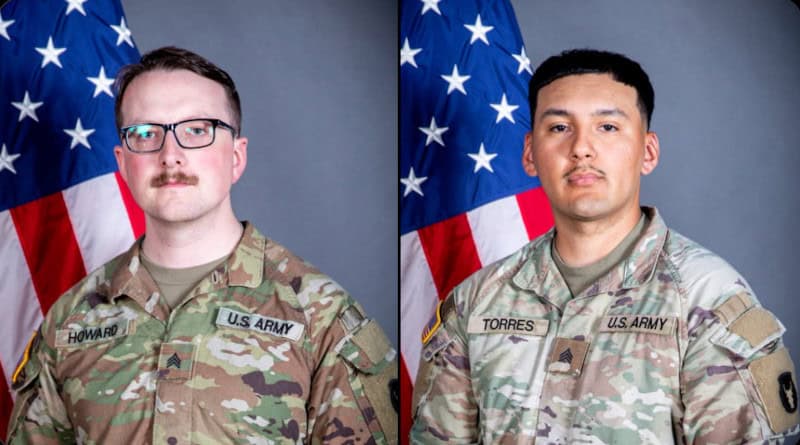
Sunni Arab tribes mobilize against the Syrian Democratic Forces
Several Sunni Arab tribes in northeast Syria, which encompasses 30 percent of the country and is currently under the control of the Kurdish-led Syrian Democratic Forces (SDF), have called for a general mobilization against the SDF.
-
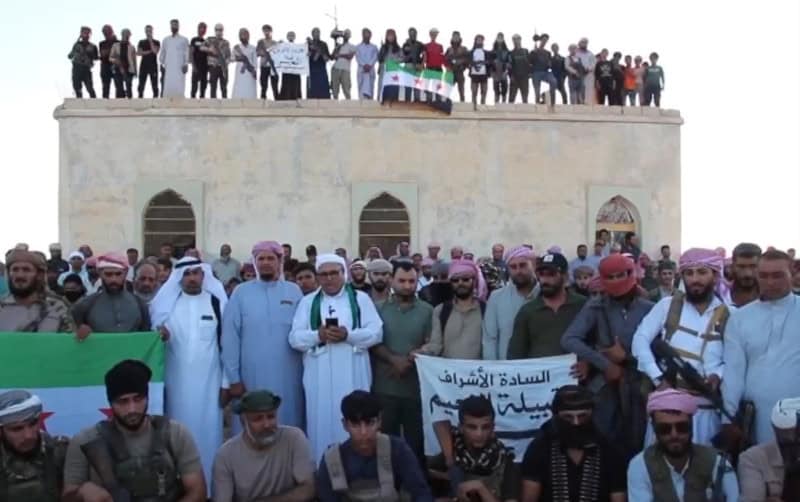
Turkey ramps up military support for Syria
The Turkish Ministry of Defense announced that Turkish Minister of Defense Yasar Guler and Syrian Minister of Defense Murhaf Abu Qusra signed a memorandum of understanding regarding the training of Syrian troops and a military consultancy after talks in Ankara.
-
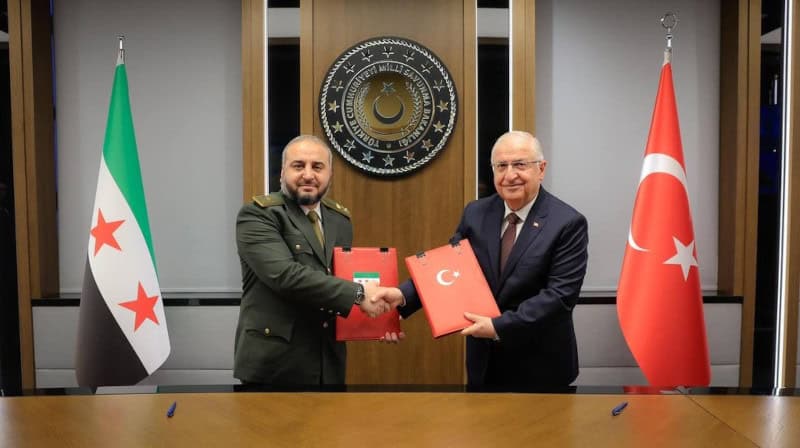
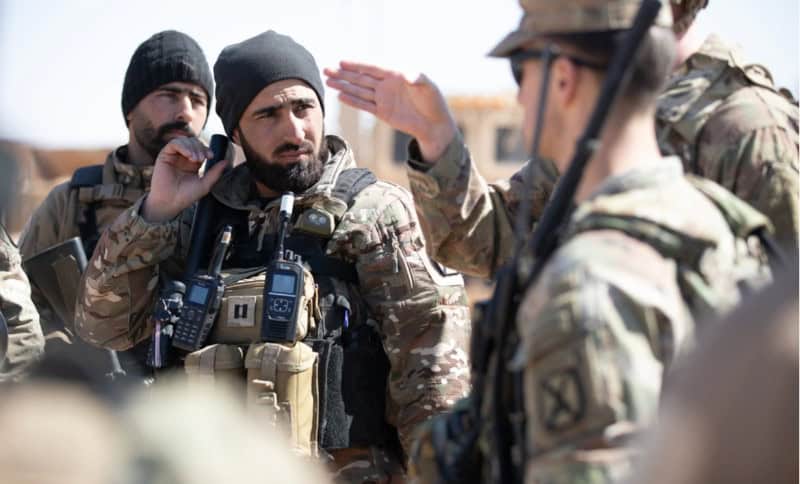
American troops train Syrian Free Army at Tanf Garrison as US weighs next moves in Syria
US troops stationed at Tanf Garrison in southern Syria continue to train and support the Syrian Free Army (SFA). As reports emerge that US forces could redeploy from parts of Syria while the Syrian government expands its control, the future of the Tanf Garrison is unclear. The US-backed SFA works with the new Syrian authorities and conducts de-mining and other security operations.
-
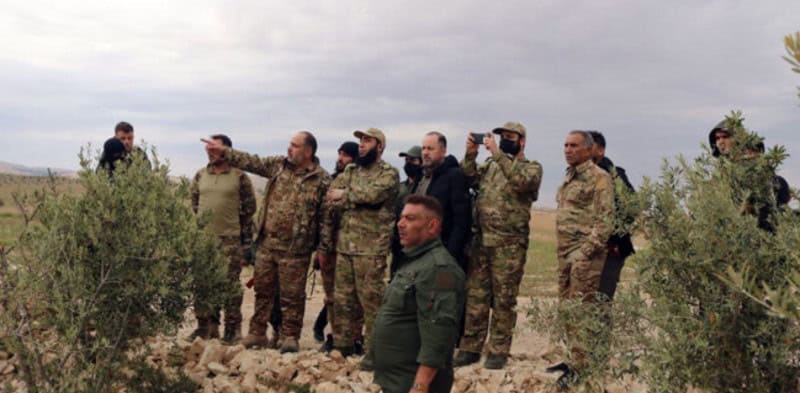
Syrian government, SDF, and other factions move to end tensions over strategic dam
The transitional Syrian government and the US-backed Syrian Democratic Forces (SDF) have come to an agreement regarding the strategic Tishrin Dam in central Syria. The dam has been the site of almost four months of clashes between the Turkish-backed Syrian National Army and the SDF. Under the new agreement, the Syrian government will take control of the site, and the SDF will withdraw to positions further east.
-
Conflict in Syria Continues
Ahmad Sharawi joins Bill for an update on Syria’s ongoing conflict, including: the recent Alawite insurgency against the government led by Abu Muhammad al-Jawlani, the role of jihadist groups and involvement of the Syrian National Army and Syrian Democratic Forces, Israel’s position on minority protection in Syria, and the feasibility of military action in the region.
-
US pushes countries to repatriate nationals in Syria’s displaced-persons camps
US assistance for camps in Syria that house Islamic State-linked families “cannot last forever,” acting US Ambassador to the UN Dorothy Shea told the UN on February 12. The spotlight on the camps comes as the Islamic State continues to pose a threat, and a new Syrian government attempts to assert control over the country.
-
Analysis: Who will form the core of Jolani’s unified army?
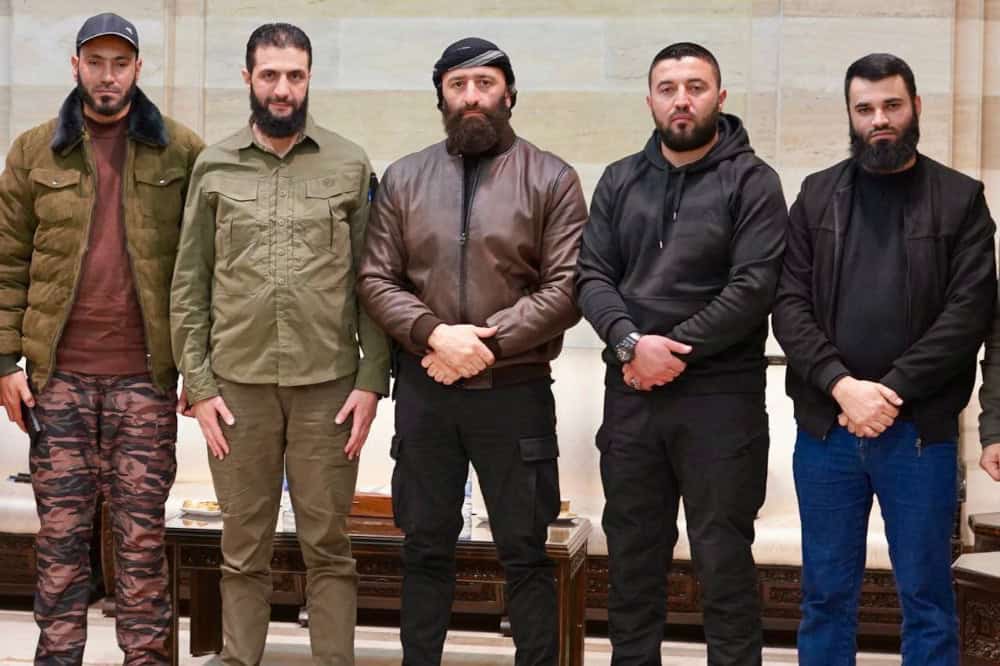
Abu Mohammad al Jolani, leader of Hayat Tahrir al Sham (HTS), has announced plans to dissolve existing factions and form a unified national army under centralized control in post-Assad Syria. The question is: who will constitute the core of this new national army?
-
Islamic State sleeper cells target Raqqa
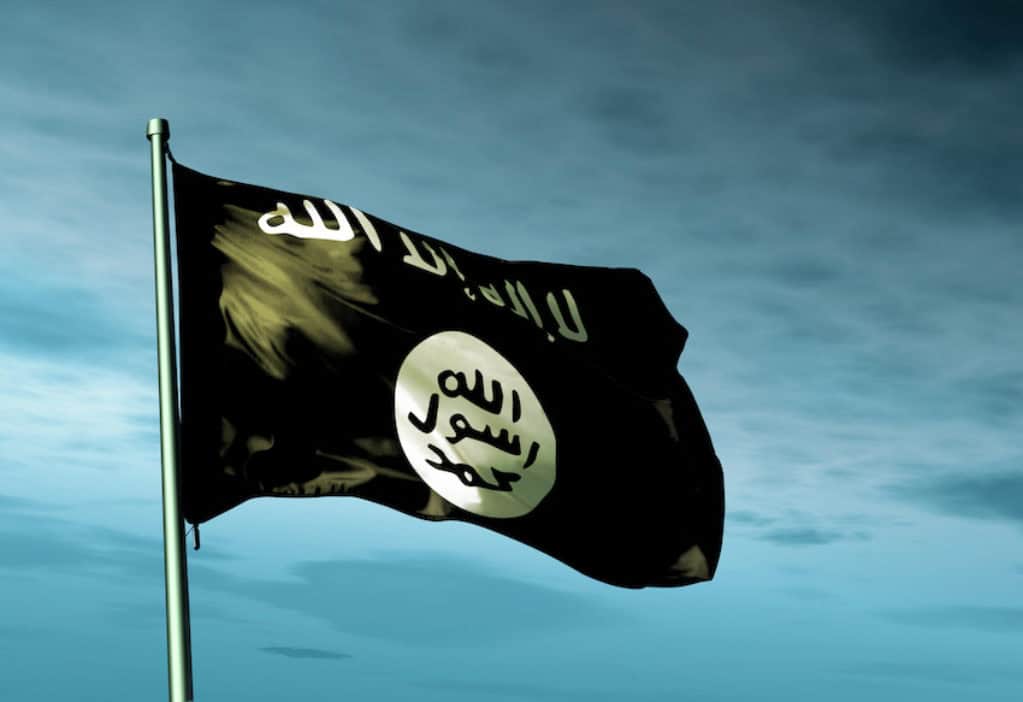
The rising of Islamic State sleeper cells could become more common as the Kurdish-dominated SDF is diverted to the newly announced Turkish invasion of northern Syria.
-
Islamic State unleashes suicide bombers in Hajin, Syria
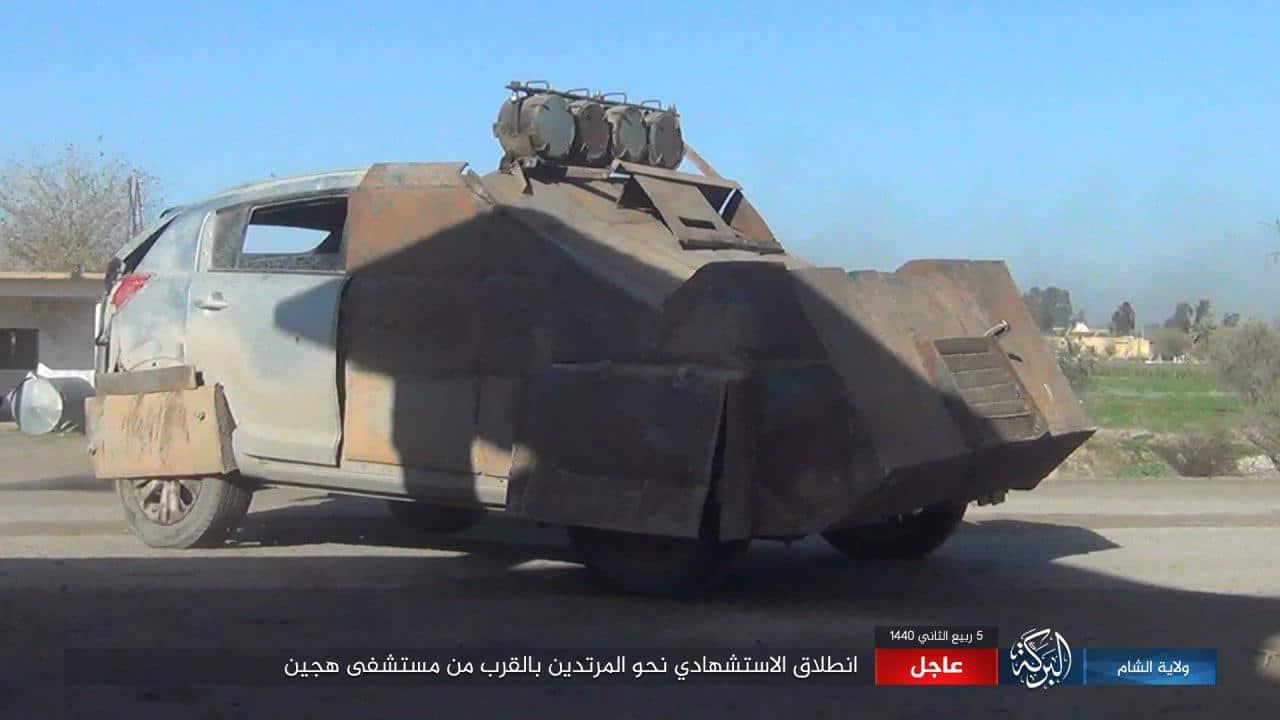
In the past 24 hours, the Islamic State has conducted more than one suicide bombing against US-backed forces in Hajin, Syria. One Islamic State “martyr” blew himself up near the Hajin hospital, which became the scene of intense fighting earlier this week.
-
US-backed forces battle Islamic State for control of Hajin, Syria
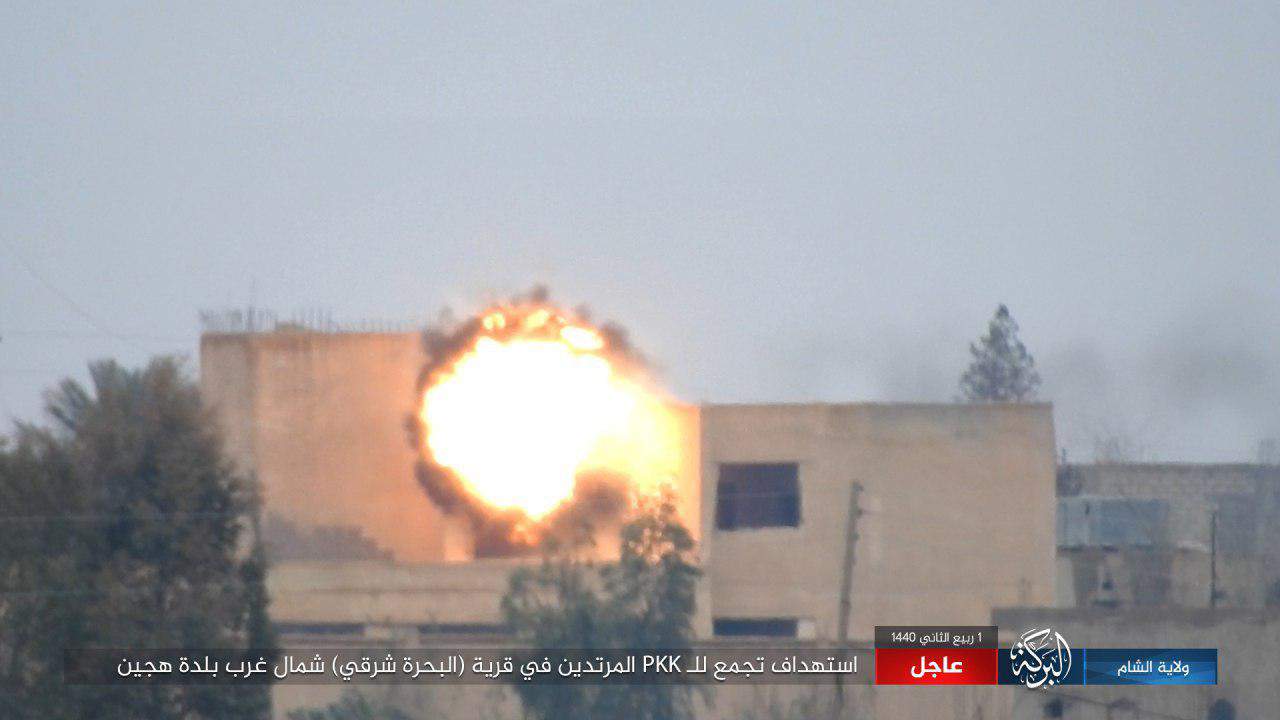
The US-led coalition, Combined Joint Task Force – Operation Inherent Resolve (CJTF-OIR), says it was forced to strike a hospital in Hajin, Syria because it was being used by Islamic State fighters. US-backed forces have been battling the Islamic State for control of Hajin for weeks.
-
US-led coalition says ‘much work remains to defeat’ to ISIS
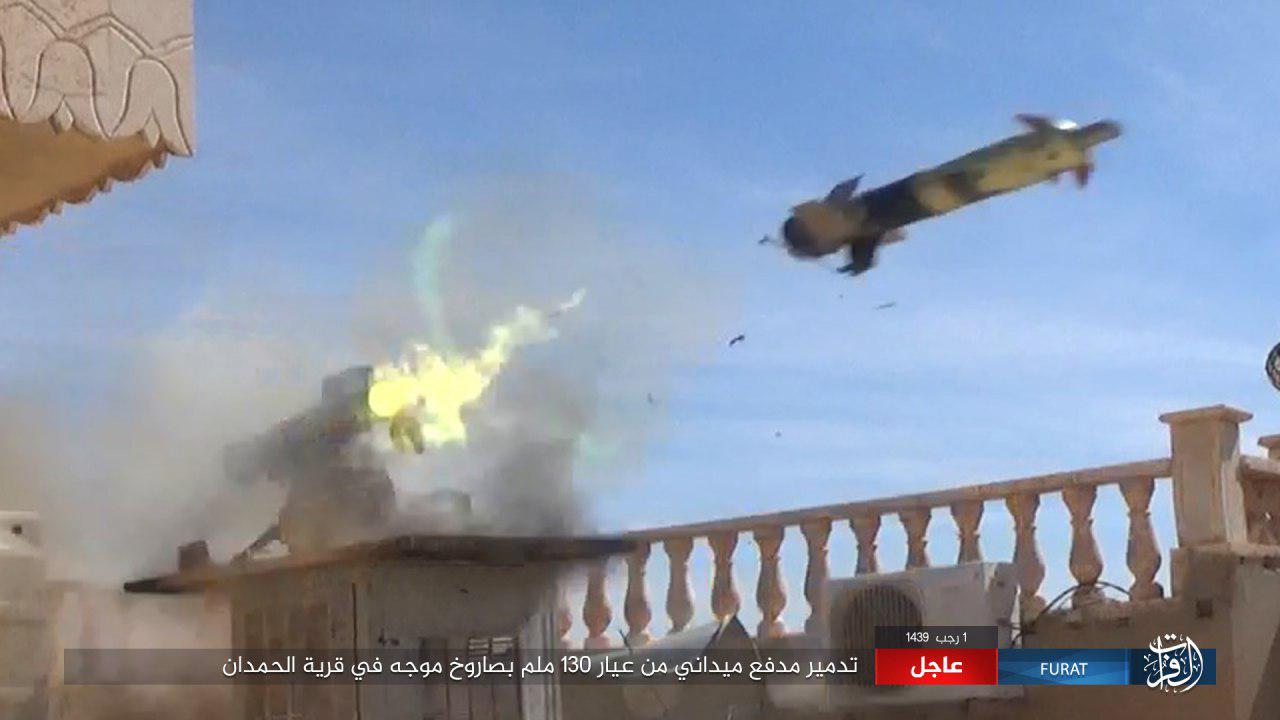
The US-led coalition said in a statement that “much work remains to defeat” Abu Bakr al Baghdadi’s organization in Iraq and Syria. The statement is at odds with the White House’s view that ISIS has been “almost completely destroyed.”
-
Russia struck Syrian Democratic Forces in eastern Syria, US says
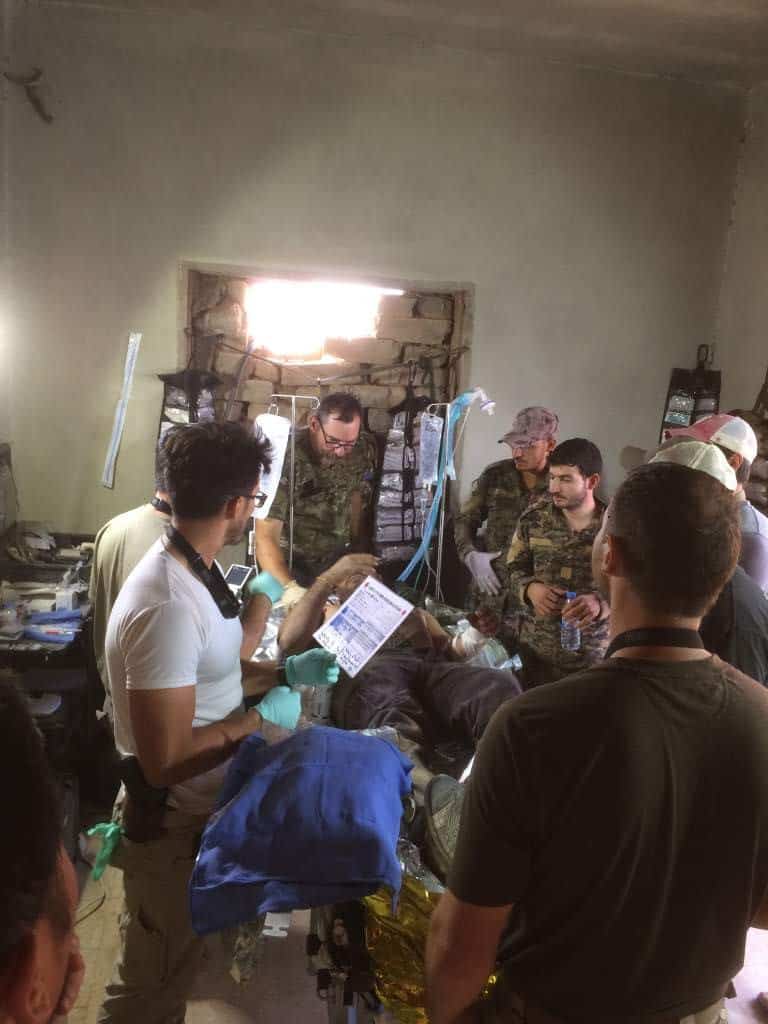
The US says that Russian forces struck and wounded several fighters belonging to the Syrian Democratic Forces (SDF). The incident highlights the fact that despite “de-confliction,” the US and Russia are often not on the same page in Syria.
-
Islamic State loses more ground in Raqqa, Deir Ezzor
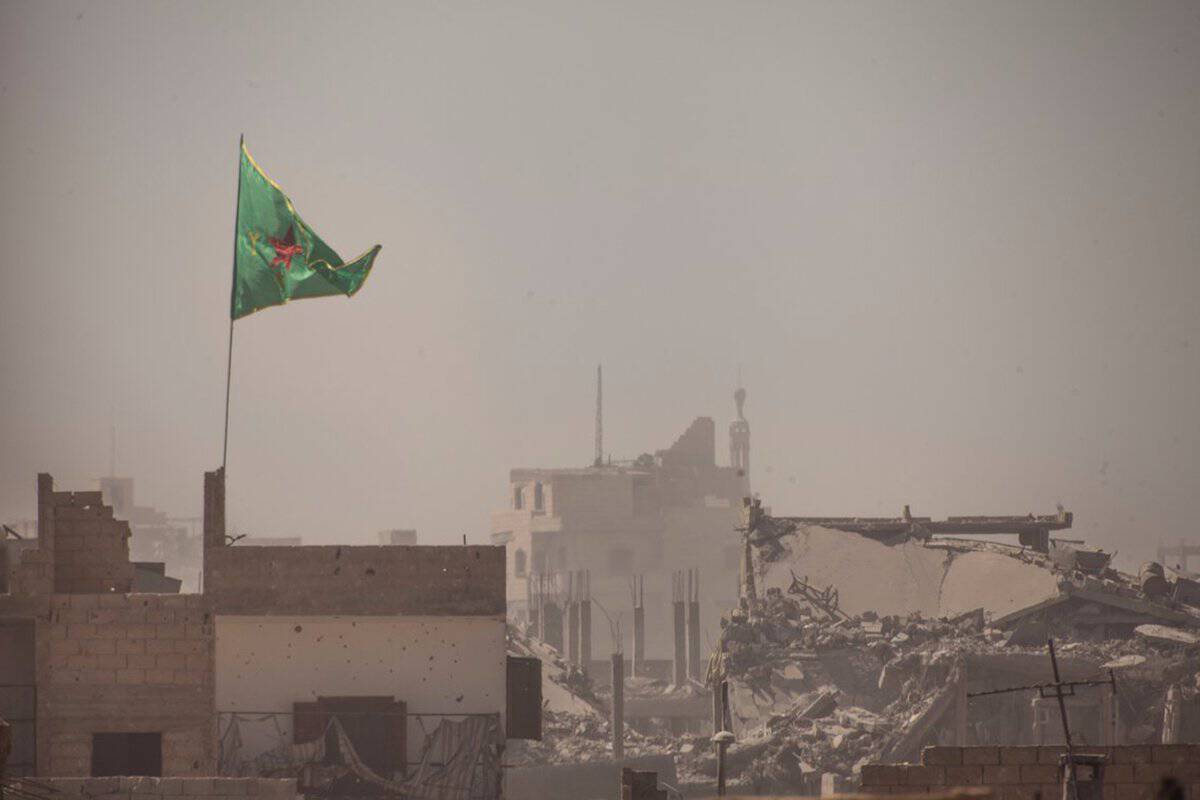
As US-backed forces seize the city of Raqqa, the Syrian regime moves to retake ground in Deir Ezzor, where the Islamic State has laid siege to Bashar al Assad’s forces since 2014. Assad’s regime has received a boost from Iranian-sponsored militias, as well as the Russians, during its recent offensive in eastern Syria.
-
US-backed forces enter Islamic State stronghold within Raqqa
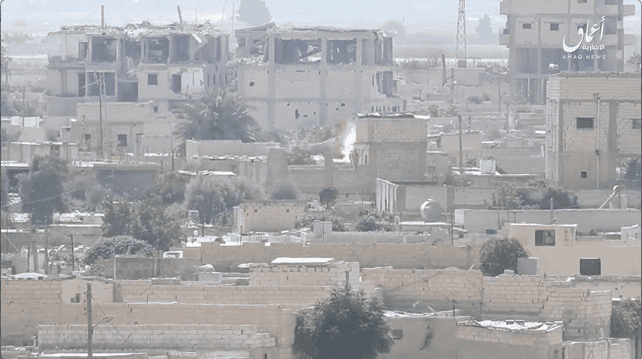
US-backed Syrian Democratic Forces (SDF) have entered the Old City of Raqqa after the coalition blew two holes in a historic wall the Islamic State was using as a defensive fortification. The SDF’s fighters first approached the Old City in mid-June, but the wall and heavy fighting in a nearby neighborhood impeded their advance. Meanwhile, an Australian jihadi is featured in a new propaganda video recorded in Raqqa.
-
Anti-Islamic State coalition begins Raqqah offensive
While the US military insists that the loss of Raqqah and Mosul will deal a “a decisive blow” to the Islamic State, the group still controls a significant amount of terrain in both Syria and Iraq.
-
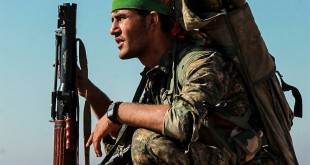
Two US-backed groups clash in northern Syria
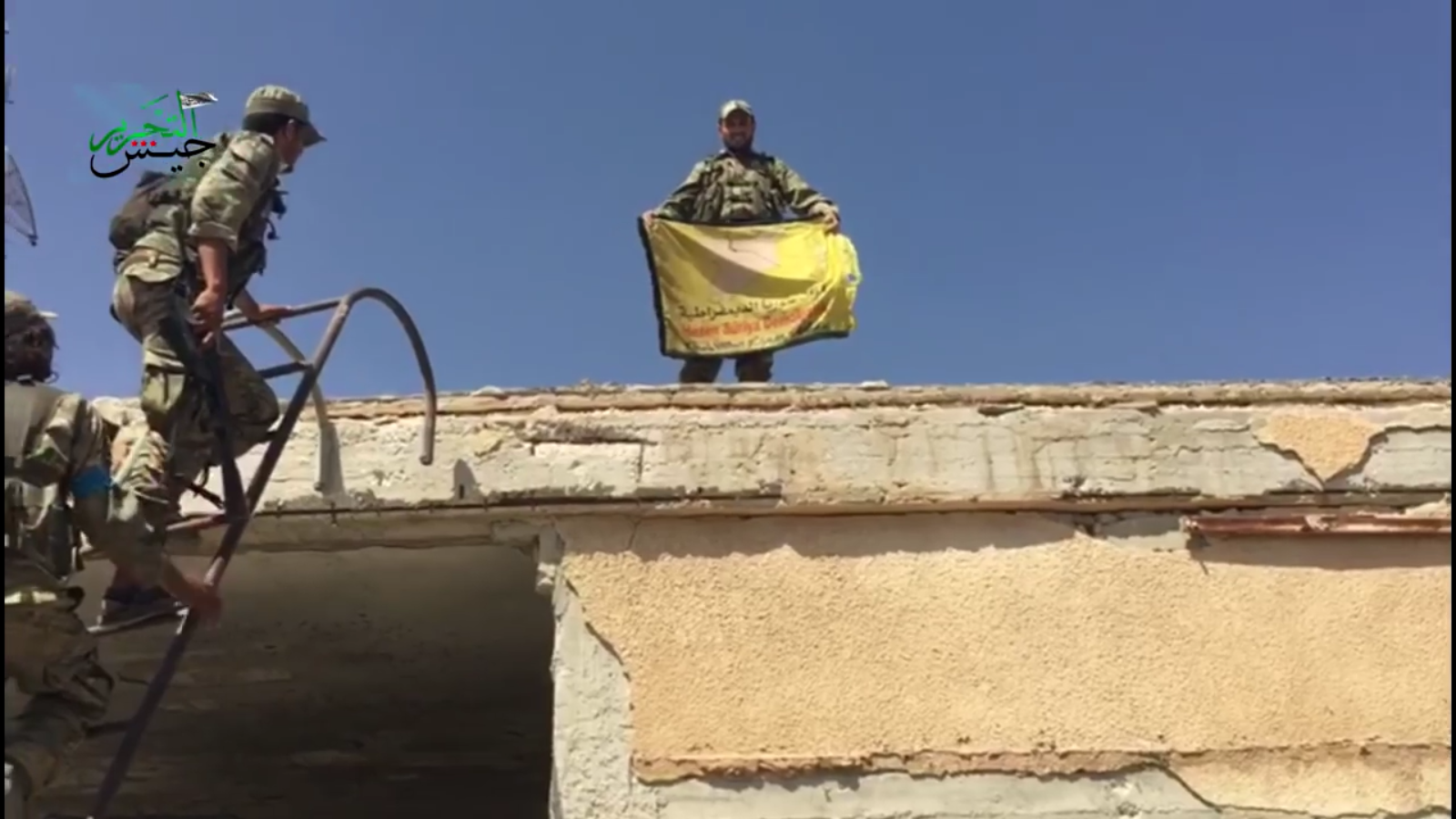
Jaysh al Tahrir, a group that has received several US TOW anti-tank missiles in the past, fought with the Kurdish-led Syrian Democratic Forces (SDF) in northern Aleppo. The SDF is the main anti-Islamic State fighting force for the United States and has received considerable support from the West.