-
Analysis: Shabaab’s multi-day incursion into Ethiopia
In addition to recently striking two Ethiopian outposts inside Somalia right on the border with Ethiopia, Shabaab also launched a three-day incursion into Ethiopia itself. On the Ethiopian side, officials from the Somali Region have stated that Shabaab was attempting to assist an ethnic Oromo insurgent group. This claim is likely dubious but follows a clear historical precedent.

-
Generation Jihad Ep. 73 — Prison Break (Jihadi Edition)
You guessed it. Our guest is, indeed, Caleb Weiss. This time, he and Bill discuss how (and which) prison breaks fit into the larger strategy of various Jihadi groups — and why some don’t bother.

-
Ayman al Zawahiri is alive; Taliban and Al Qaeda “remain close,” UN reports
Zawahiri lives. The Taliban-Al Qaeda alliance remains strong. The leaders of Al Qaeda’s branches in North and East Africa have assumed roles in Al Qaeda’s line of succession.

-
Generation Jihad Ep. 72 — Somalia’s controversial ex-NISA chief
Caleb Weiss is back to unpack with Bill the controversy surrounding the former head of Somalia’s National Intelligence and Security Agency (NISA). They discuss his background and build a context for better understanding the recent headlines concerning the ex-chief.
-
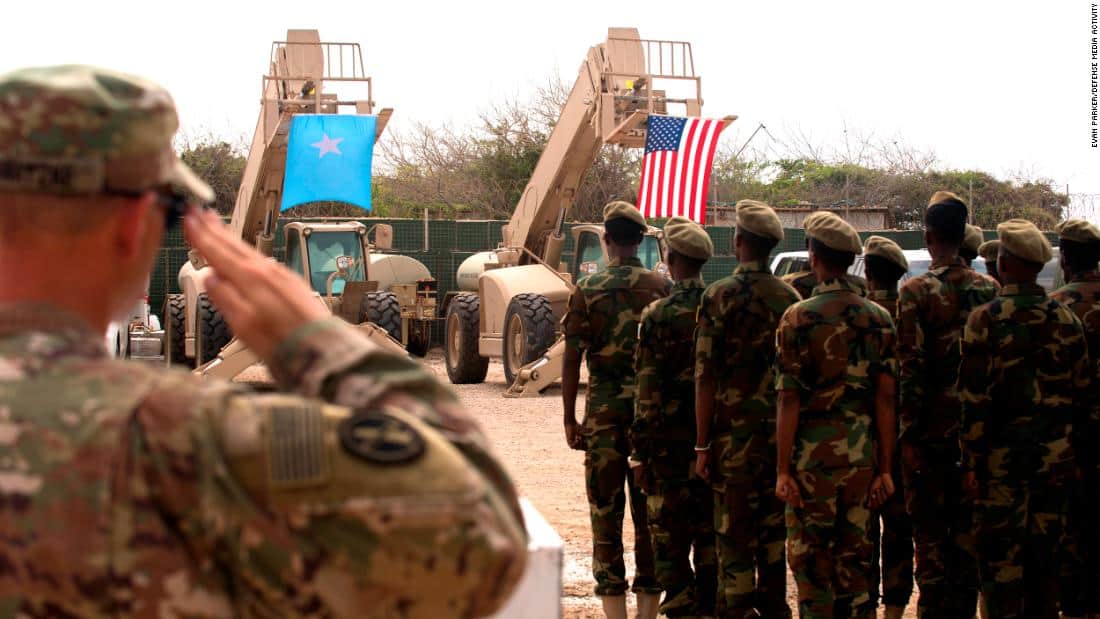
U.S. reinserts troops in Somalia after long-awaited elections are completed
On May 15, Somalia completed its election process, selecting Hassan Sheikh Mohamud as the new president. Sheikh previously served as president of Somalia from 2012 until 2017 and defeated the incumbent Farmajo in a long-awaited and contentious election.
-
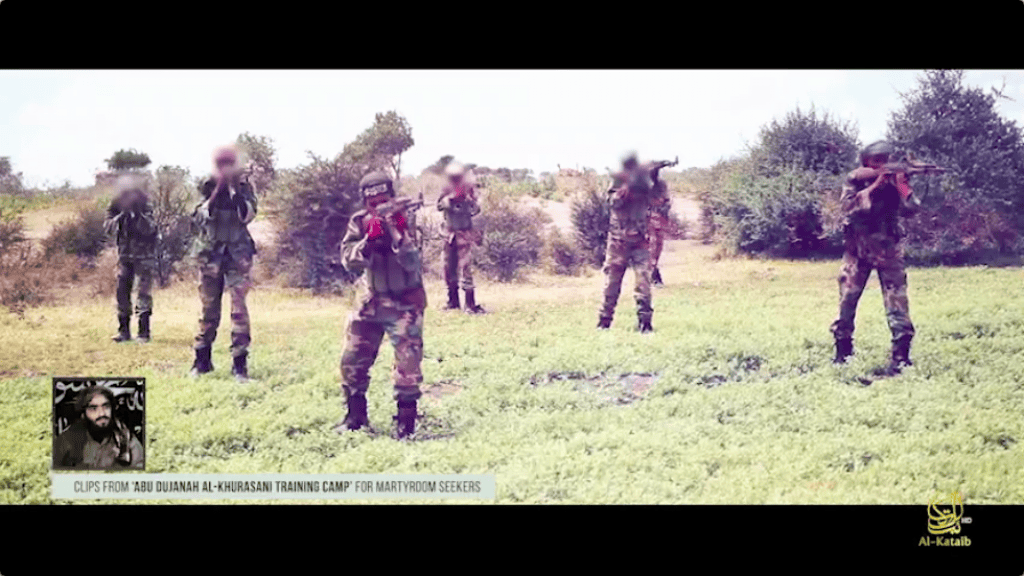
Shabaab says it killed scores of Burundian troops in Somalia
Shabaab claims it killed 173 Burundian troops in a large-scale assault on a military base in southern Somalia. Neither the African Union nor Burundi has commented on Shabaab’s casualty numbers.
-
Shabaab celebrates its assassinations in Mogadishu, jihadist attacks in the West
Shabaab again highlights operations from its urban assassination unit in Mogadishu. In doing so, it places these killings in the context of the wider global jihad.

-
Shabaab targets Somali police chief in Mogadishu suicide bombing
Shabaab attempted to kill Somalia’s police chief in yet another suicide bombing in the Somali capital.
-
Generation Jihad Ep. 67 — Meanwhile in Africa
Host Bill Roggio is joined by two Long War Journal regulars, Caleb Weiss and Andrew Tobin, to give listeners an update on what’s happening on the ground in Africa from the Sahel — including that more than 400 Malians have been slaughtered in under one month — to “elections” and Shabaab attacks in Somalia.
-
Shabaab kills dozens in twin suicide bombings targeting Somalia’s election process
The dual suicide bombings targeting an election site in central Somalia comes just one day after a brazen attack on a large military base in Mogadishu.
-
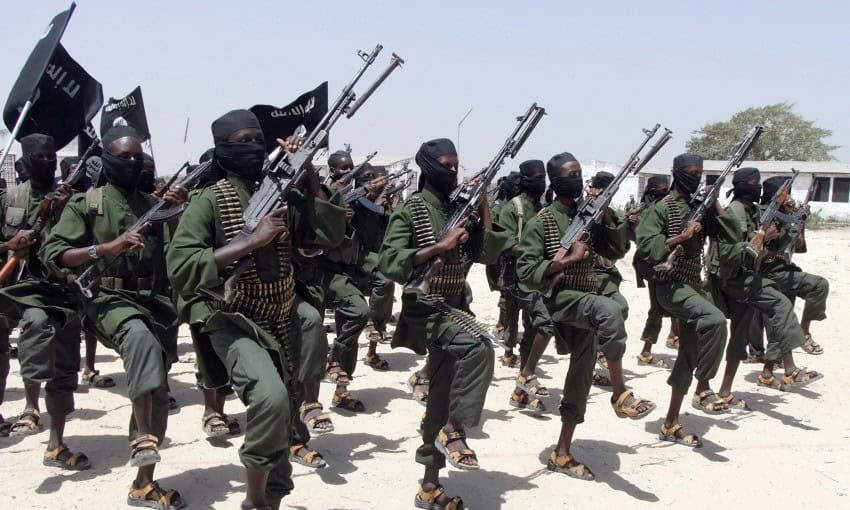
Shabaab attacks international hub in Mogadishu where U.S. Embassy is located
Two Al Shabaab gunmen assaulted Halane military base near Mogadishu’s international airport, killing six.
-
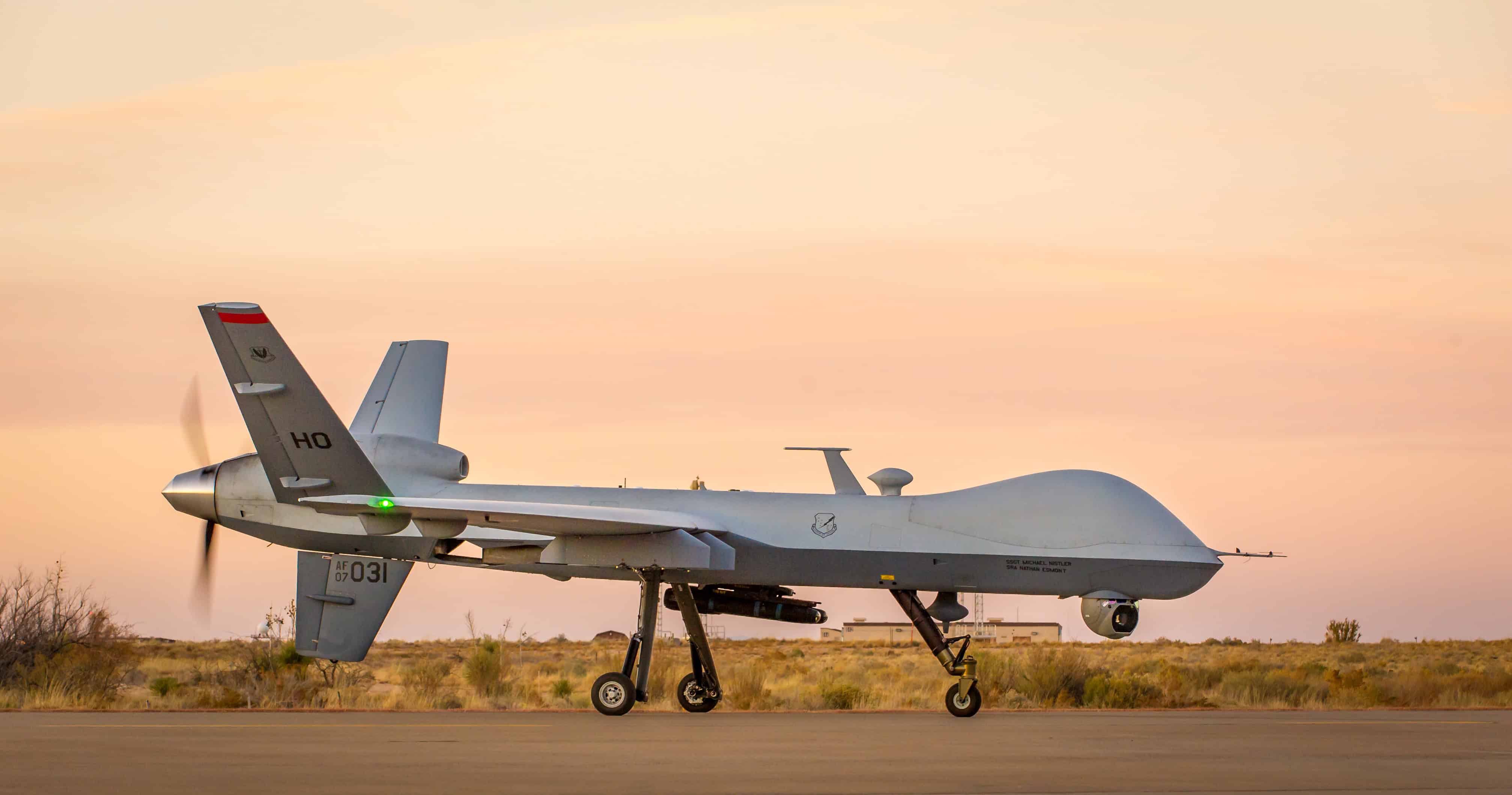
US Launches First Drone Strike Against Shabaab in Seven Months
One week after a series of suicide bombings in Mogadishu, the US conducts its first drone strike against al-Shabaab since August 2021.
-
Shabaab launches simultaneous attacks across Mogadishu
Shabaab launched near simultaneous assaults across 5 areas of Mogadishu and its suburbs, showing the group’s continued strength as Somalia preps for its upcoming presidential election.
-
Generation Jihad Ep. 61 — The State of the Jihad
Bill Roggio is joined by Edmund Fitton-Brown, Coordinator of the United Nations Security Council Analytical Support and Sanctions Monitoring Team, to discuss the findings from his team’s latest report on the statuses of ISIS and al-Qaeda.
-
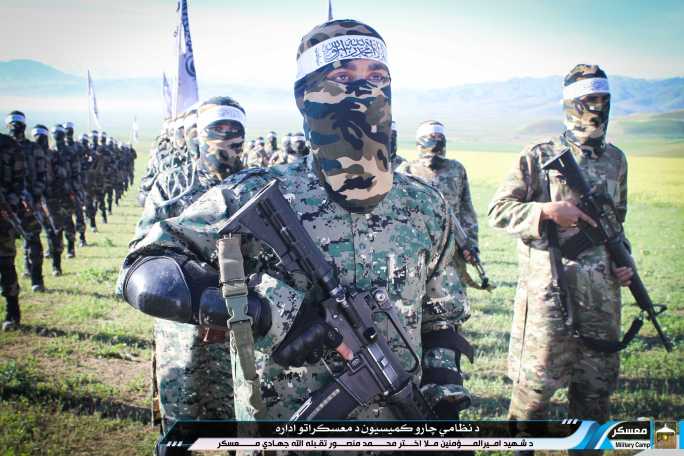
The Dynamic Terrorism Landscape and What It Means for America
On Feb. 2, Bill Roggio testified before the House Committee on Homeland Security at a hearing titled, “The Dynamic Terrorism Landscape and What It Means for America.” His testimony focused on the state of Al Qaeda, the Islamic State, the fall of Afghanistan to the Taliban, state sponsors of terrorism such as Iran and Pakistan, and the growing threat of global jihadism.
-
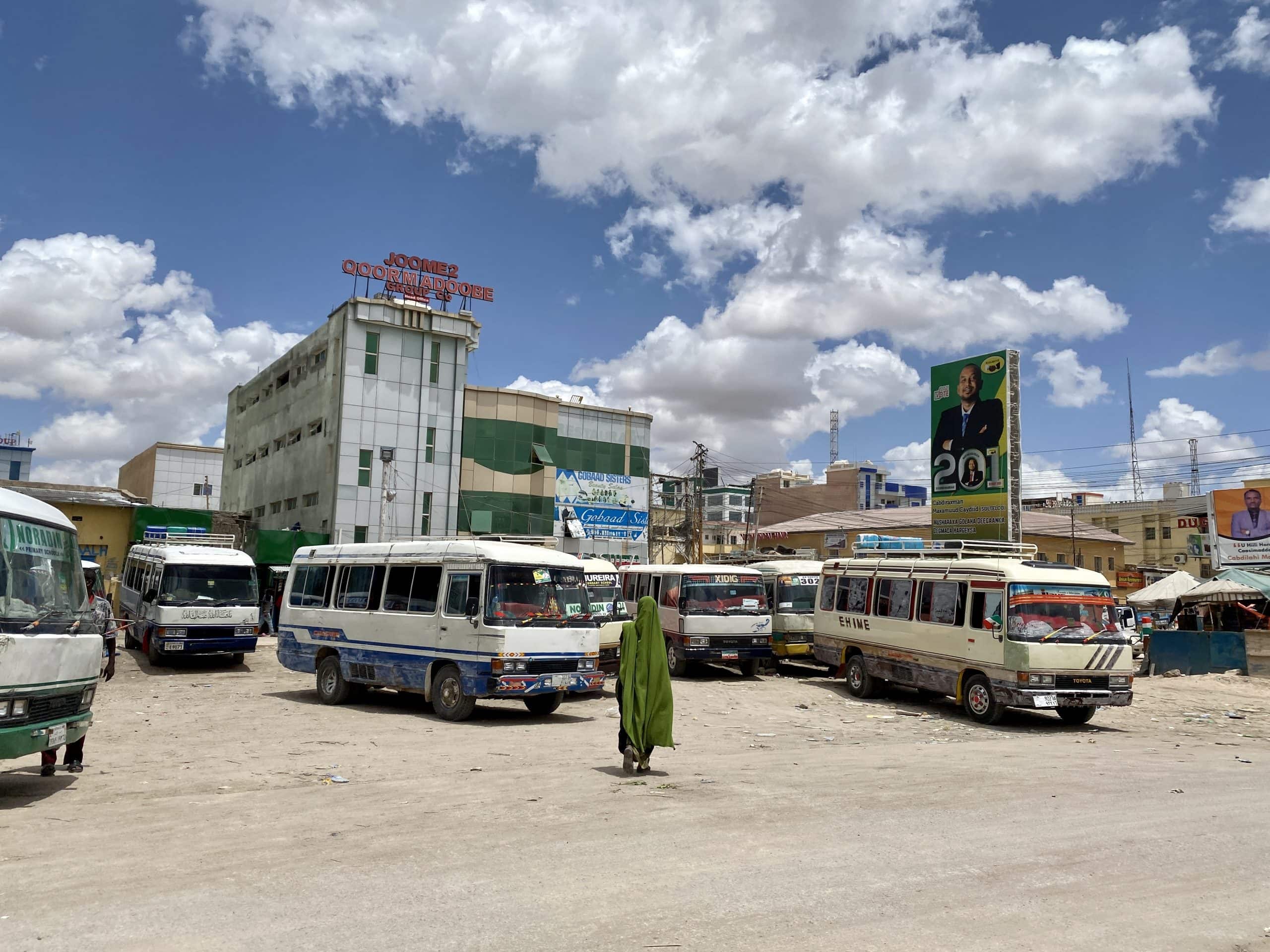
Analysis: Somaliland’s lingering jihadi threat
Terrorists haven’t launched major attacks in Somaliland in more than a decade. However, this does not mean it doesn’t face any real threats from Shabaab or the Islamic State.
-
Ep. 54 — What Shabaab Wants
Hosts Tom Joscelyn and Bill Roggio discuss a new message from Shabaab’s emir. They also discuss their reluctance to report on a video, titled “America Burns,” produced by Al Qaeda’s main propaganda arm. Powered by RedCircle Take a look around the globe today and you’ll see jihadists fighting everywhere from West Africa to Southeast Asia. They aren’t the dominant force in all of those areas, or even most of them. But jihadism has mushroomed into a worldwide movement, with al-Qaeda, the Taliban, ISIS and other groups waging guerrilla warfare and launching terrorist attacks on a regular basis. Each week Generation…
-
Shabaab takes credit for suicide bombing at a Mogadishu cafe
The bombing appears to have been part of a larger effort against Somalia’s main intelligence apparatus.
-
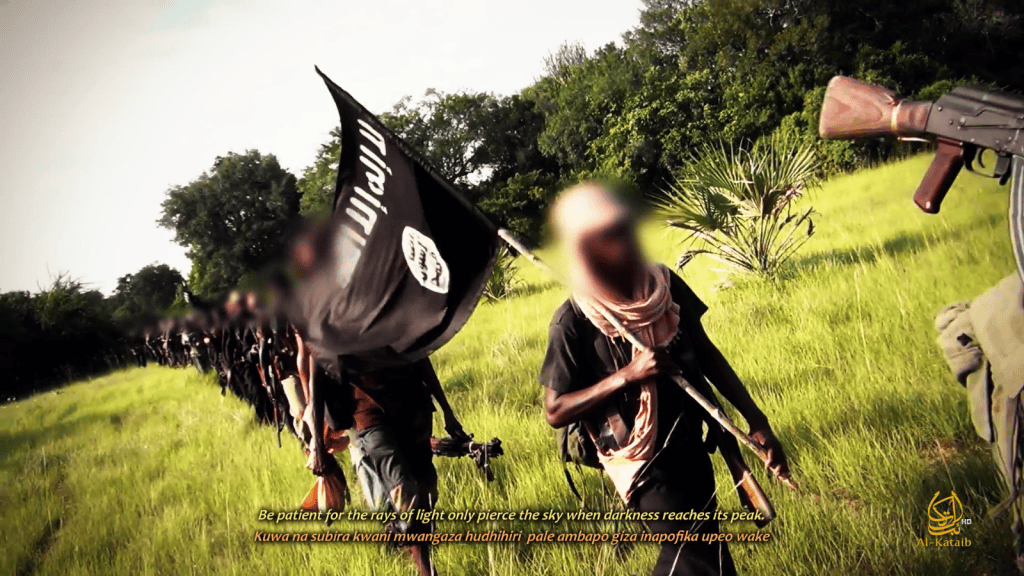
Shabaab mounts increased rate of attacks inside Kenya
Shabaab, al Qaeda’s branch in East Africa, continues to conduct a high operational tempo inside northeastern Kenya.
-
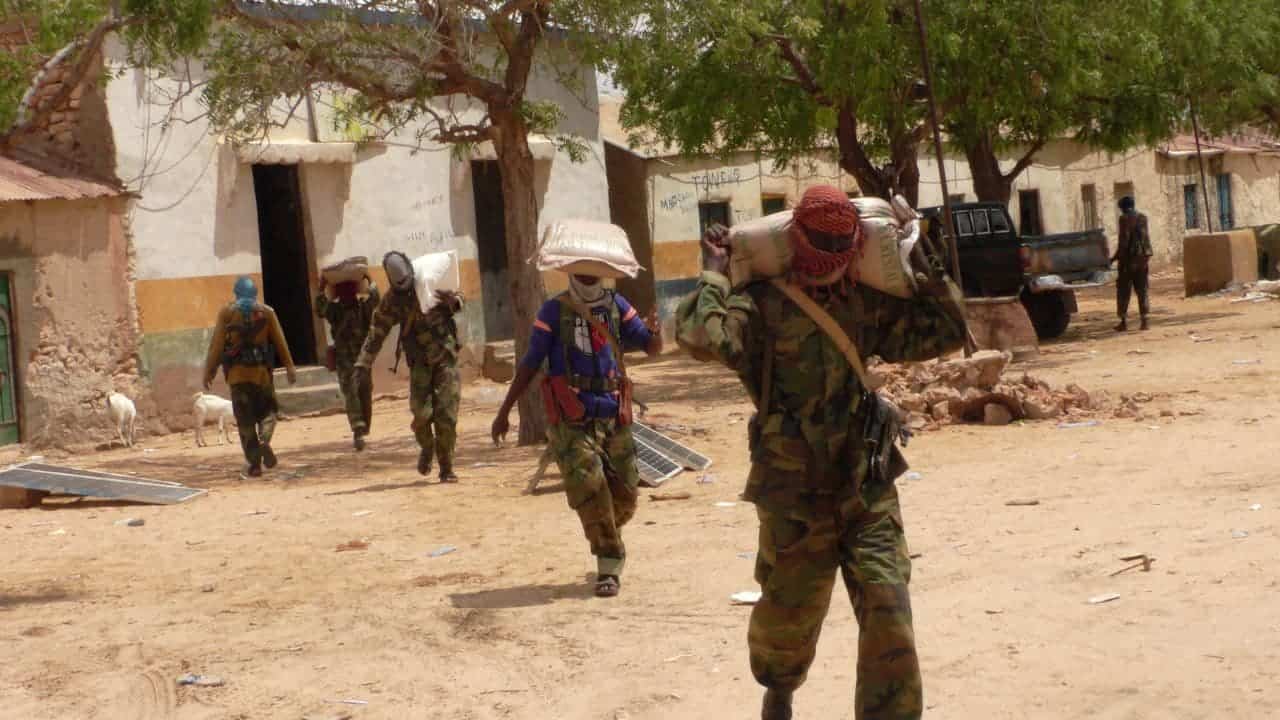
Shabaab photos detail control over town in central Somalia
Shabaab has controlled the central Somali town of Bacaadweyne for over a month thanks to a forced political deal with the local clan.
-
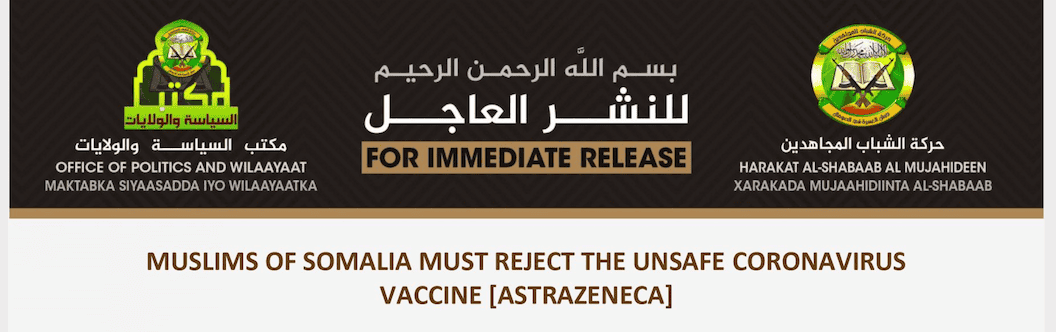
Shabaab recommends black seed and honey to combat coronavirus
Shabaab, al Qaeda’s branch in East Africa, uses recent reports concerning potential problems with the AstraZeneca vaccine to present itself as a legitimate governing force.
-
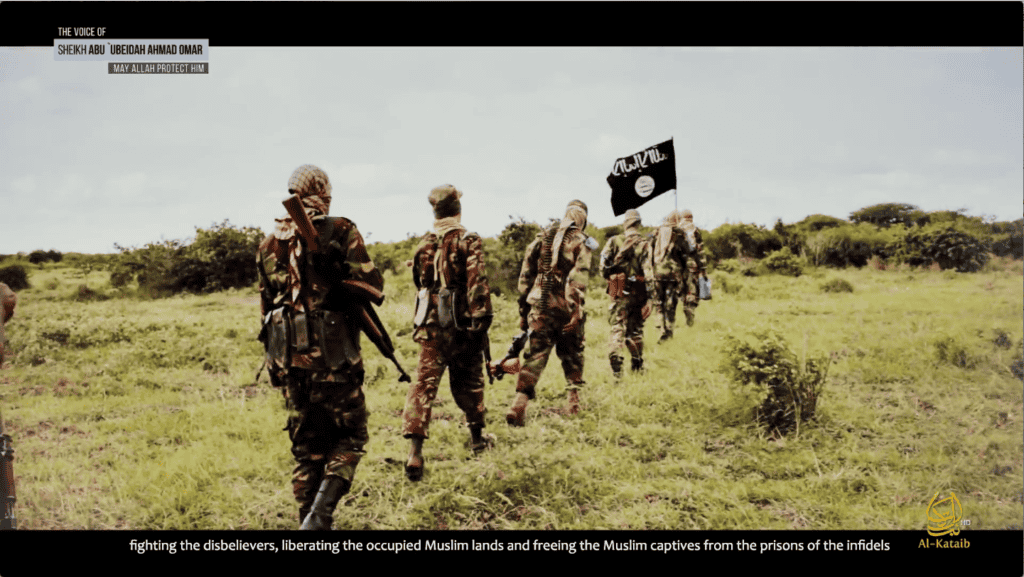
Shabaab mounts prison break in northern Somalia
Shabaab says it freed more than 400 prisoners from the central prison of Bosaso in northern Somalia, however, this number remains unconfirmed. The group also reiterates that prison assaults are one of its main goals in its fight against the Somali state.
-
Kenyan governor claims Shabaab controls over half of northeastern Kenya
The governor of Kenya’s Mandera County recently stated that Shabaab is controlling “over 50 percent’ of northern Kenya and “more than 60 percent” of Mandera. Kenyan authorities have quickly scrambled to contradict these claims.
-
Shabaab assassinates high-ranking military officials in central Somalia
Shabaab killed several military officials in a suicide bombing today in Galkayo. This is just the latest in a renewed assassination campaign that has targeted a wide range of high profile Somali leaders this year.
-
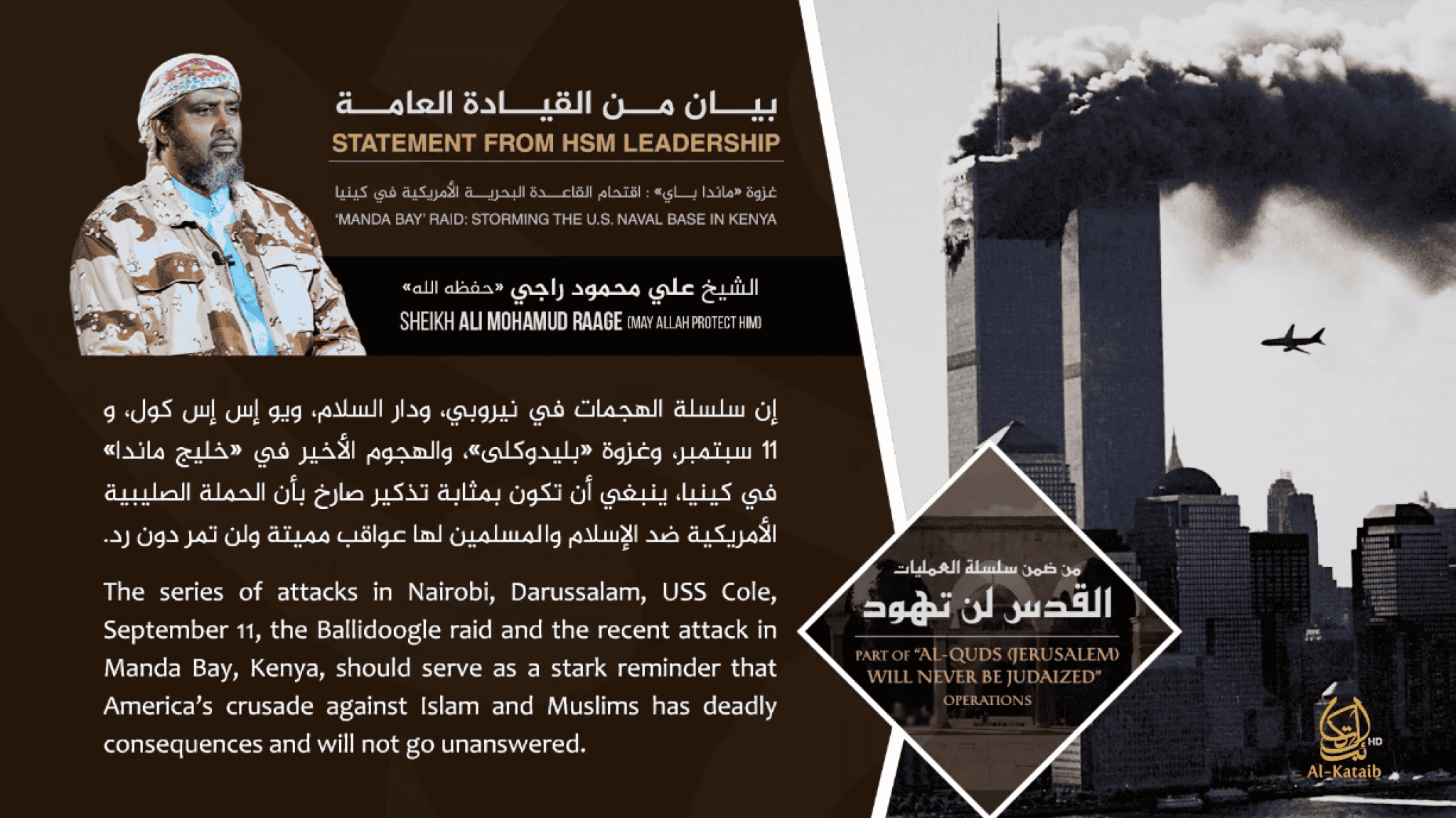
Alleged Shabaab operative charged with plotting 9/11-style hijacking
The Department of Justice (DOJ) announced yesterday that Cholo Abdi Abdullah, a 30-year-old Kenyan national, has been charged with plotting a 9/11-style attack inside the U.S. Abdullah allegedly served as an “operative” for Shabaab, al Qaeda’s branch in East Africa.
-
Ep. 36 – The U.S. withdraws from Somalia
Hosts Tom Joscelyn and Bill Roggio discuss President Trump’s decision to order the withdrawal of a small American force from Somalia. Shabaab, al Qaeda’s branch in East Africa, will continue to fight on, waging an insurgency against the Somali government while threatening countries throughout the region and possibly elsewhere as well.
-
U.S. launches airstrikes as it argues Shabaab is ‘contained’ in Somalia
The effort to degrade and contain Shabaab without will be all the more difficult without a U.S. presence in the country.
-
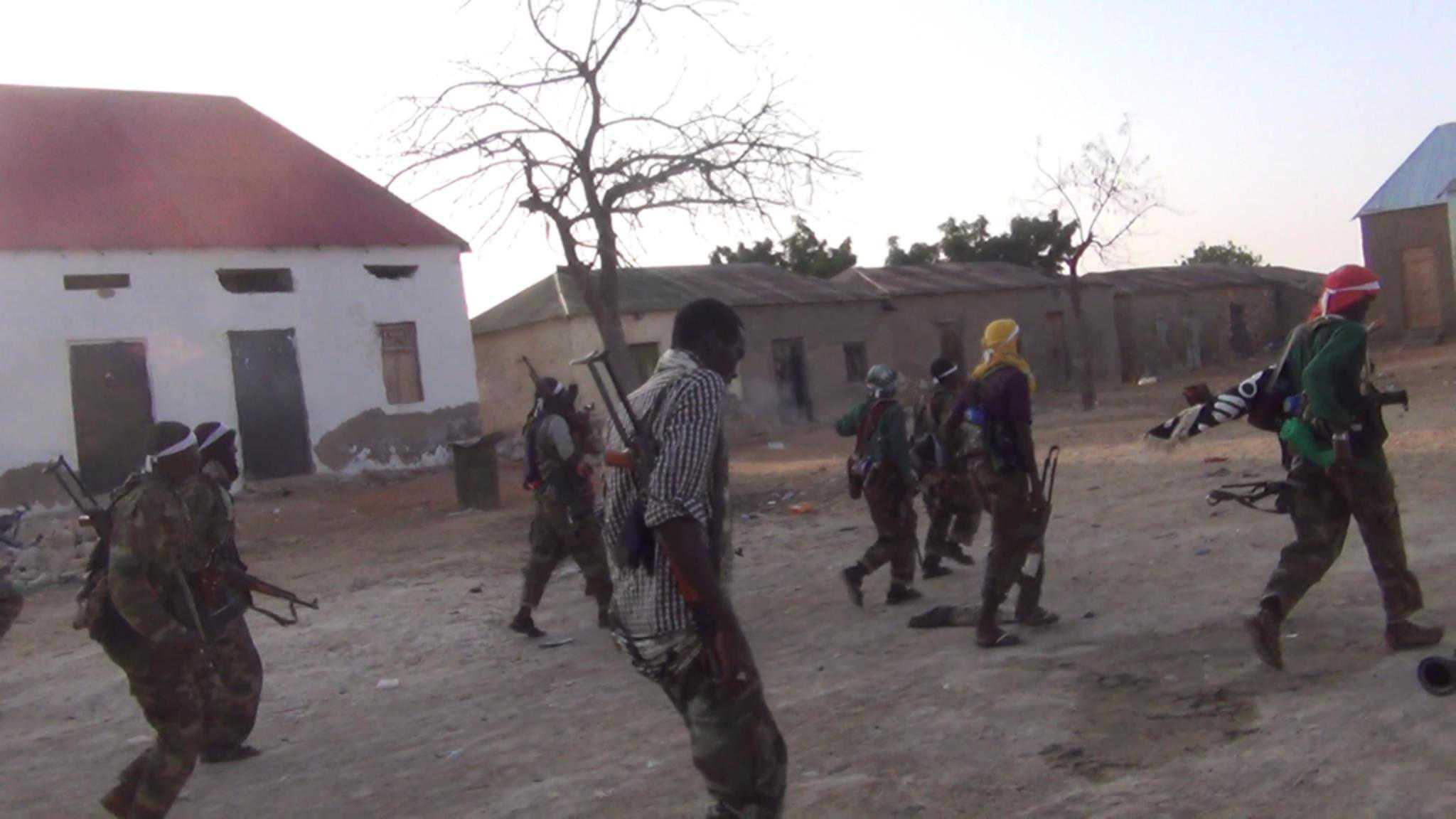
Shabaab raids military base in central Somalia
Shabaab briefly occupied a Somali military base and its adjacent town yesterday following a major assault in central Somalia.
-
US forces targeted by Shabaab suicide bombing
At least one US soldier was wounded in the blast, while two Somali troops were also killed. This is the third time the group has reported clashing with American troops inside Somalia since Aug. 24.
-
Shabaab hits hotel, military base with suicide assaults
In two days, Shabaab has launched two suicide assaults across southern Somalia. Additionally, it continues to target high-ranking government officials in a renewed assassination campaign.