-
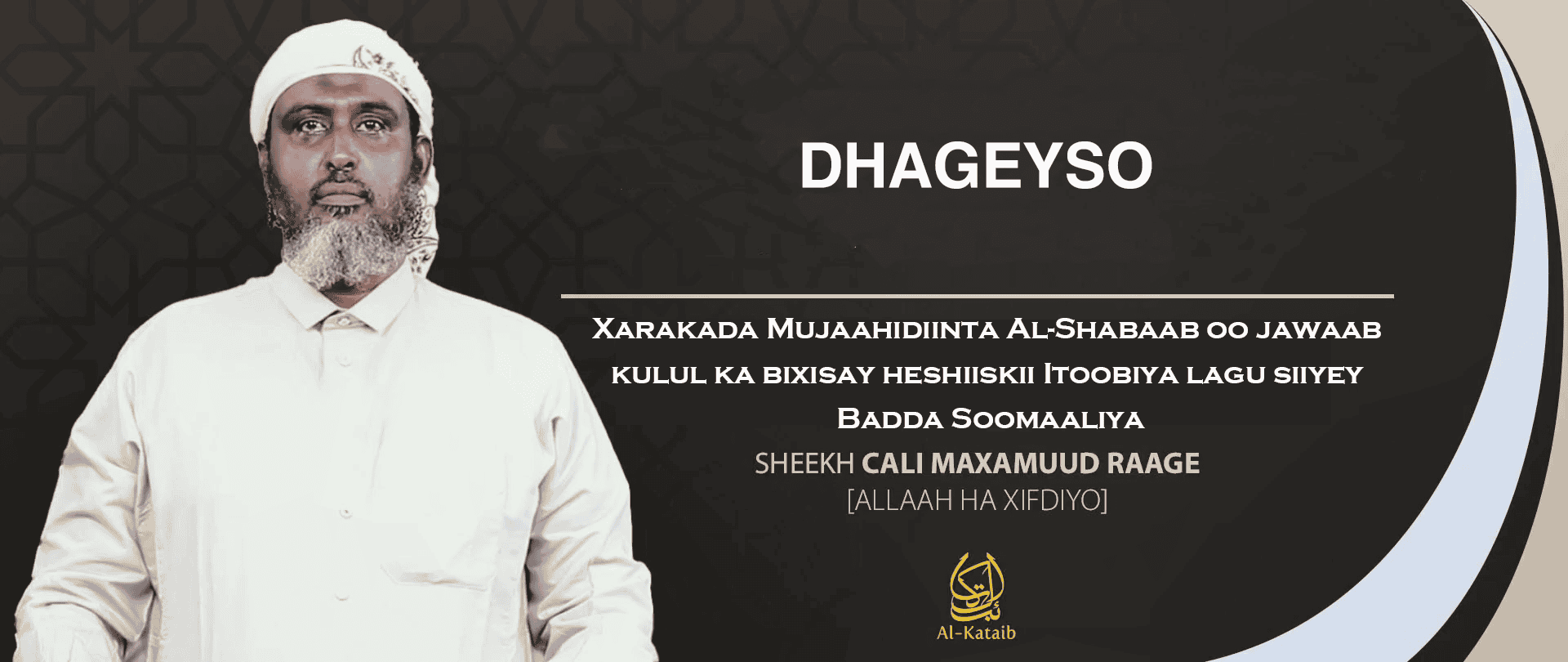
Shabaab says it rejects Red Sea access deal between Ethiopia and Somaliland
Ali Mohamud Rage, Shabaab’s spokesman, says the al-Qaeda branch is willing to spill blood over the recent Red Sea access deal signed between Ethiopia and Somaliland.
-
New Jersey man arrested for attempting to join Shabaab, inspired by support of Hamas
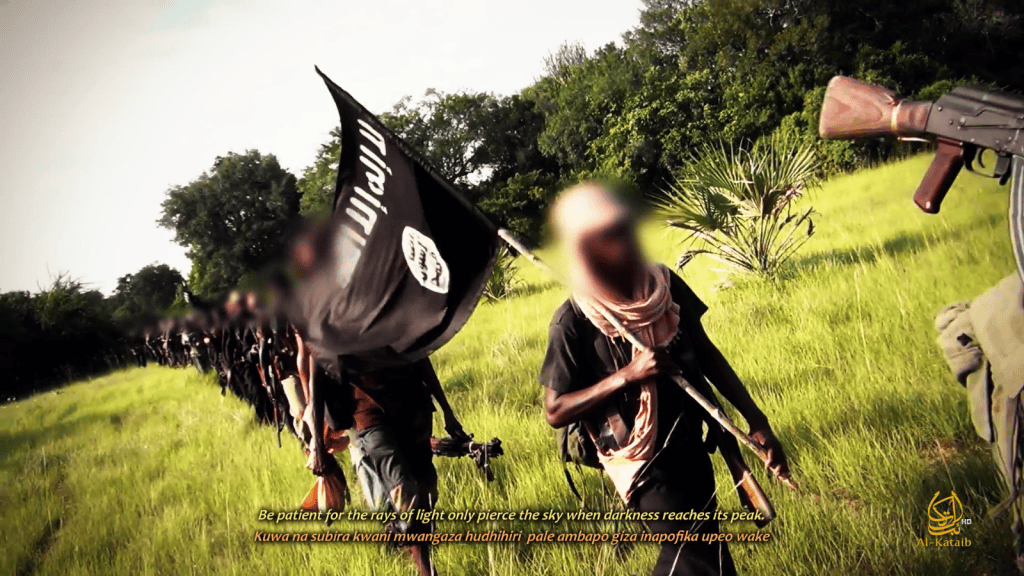
The man reportedly traveled from Egypt to Kenya, where he planned to use Shabaab facilitators to cross into Somalia. The American citizen was motivated by his support of Hamas and desire to target the U.S. for its support of Israel.
-
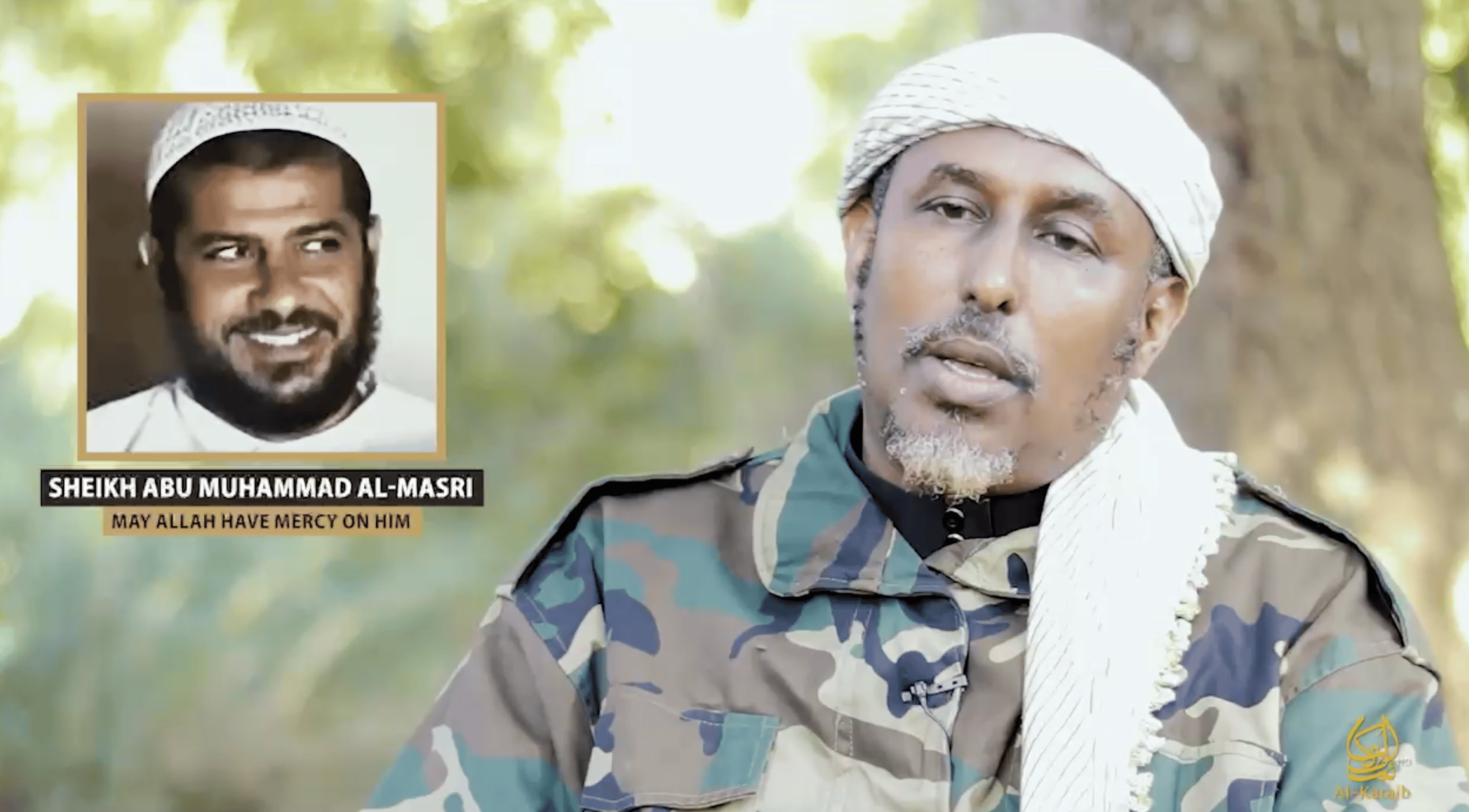
Shabaab claims several al-Qaeda leaders present during infamous ‘Black Hawk Down’ incident
Mahad Karate, a senior official and a deputy emir of Shabaab, al-Qaeda’s branch for East Africa, again named several al-Qaeda leaders present in Mogadishu during the infamous ‘Black Hawk Down’ incident in 1993.
-
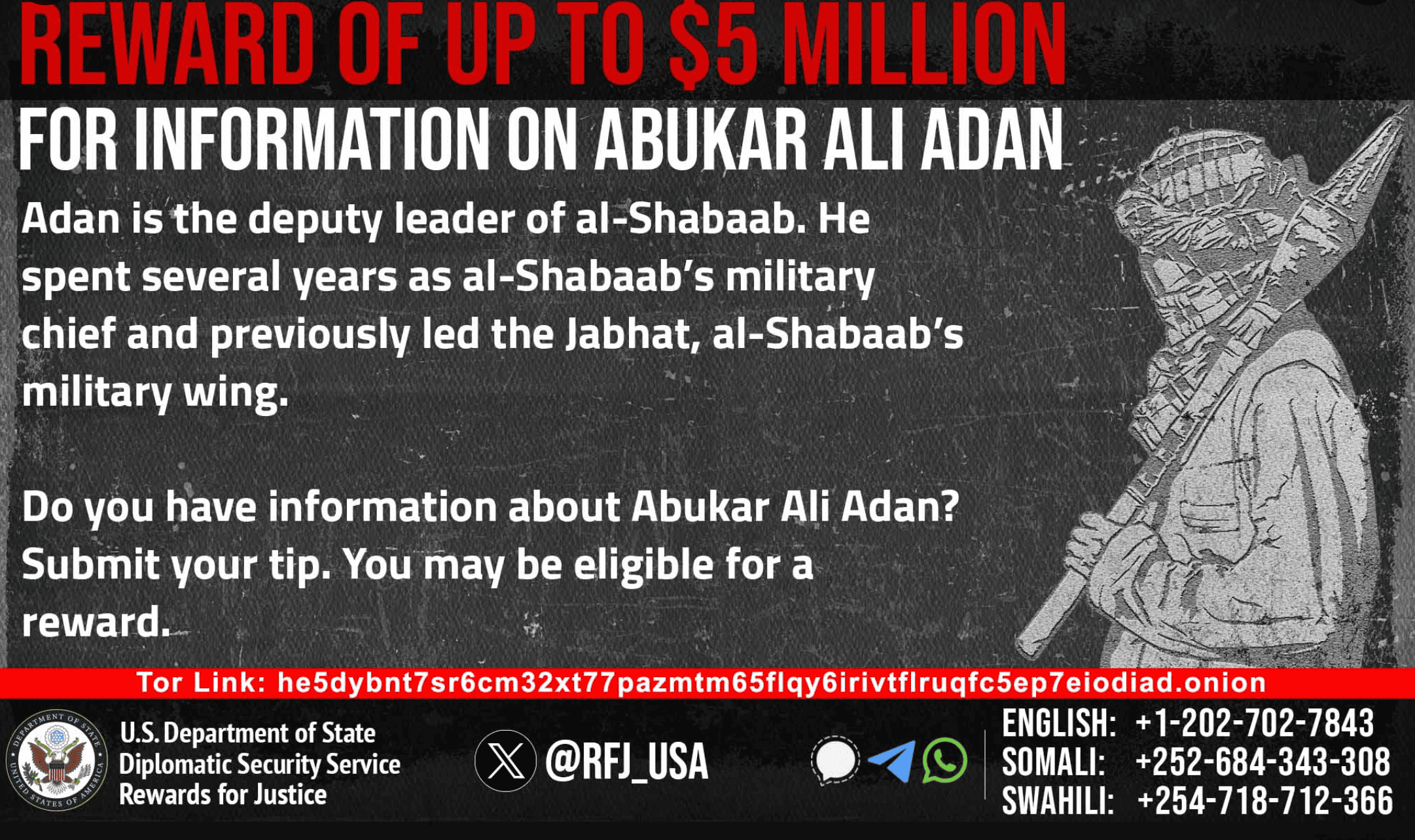
U.S. offers $5 million reward for Shabaab’s deputy emir
Abukar Ali Adan, the deputy leader of Shabaab, Al Qaeda’s branch in East Africa, is a dangeorus commander who has led the group’s military wing and has ties to other Al Qaeda branches in African and on the Arabian Peninsula.
-
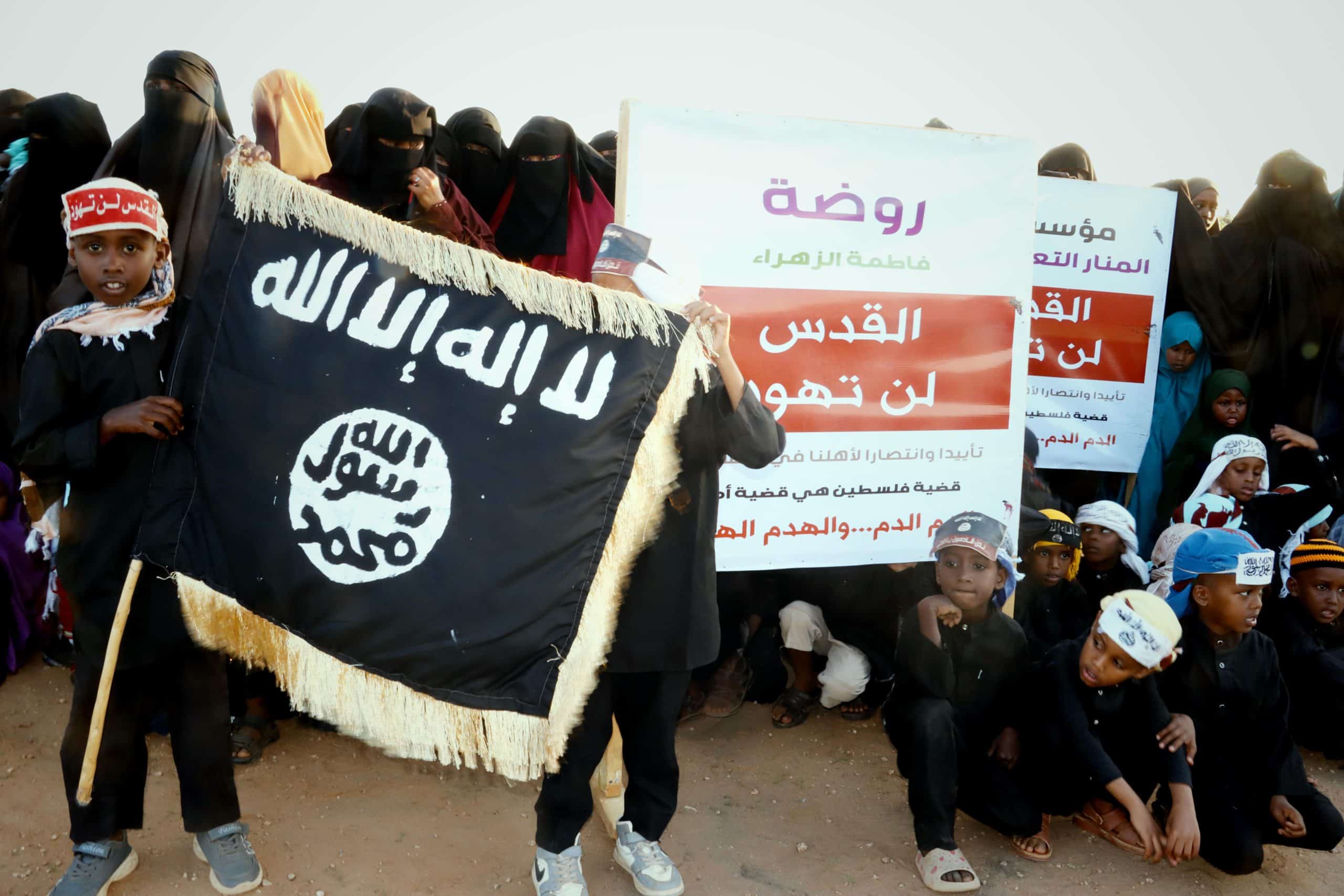
Shabaab hosts massive pro-Palestine protests in southern Somalia
Featuring many women and children, Shabaab’s large protests in southern Somalia sought to put the current fighting in Israel and Palestine into the context of global jihad.
-
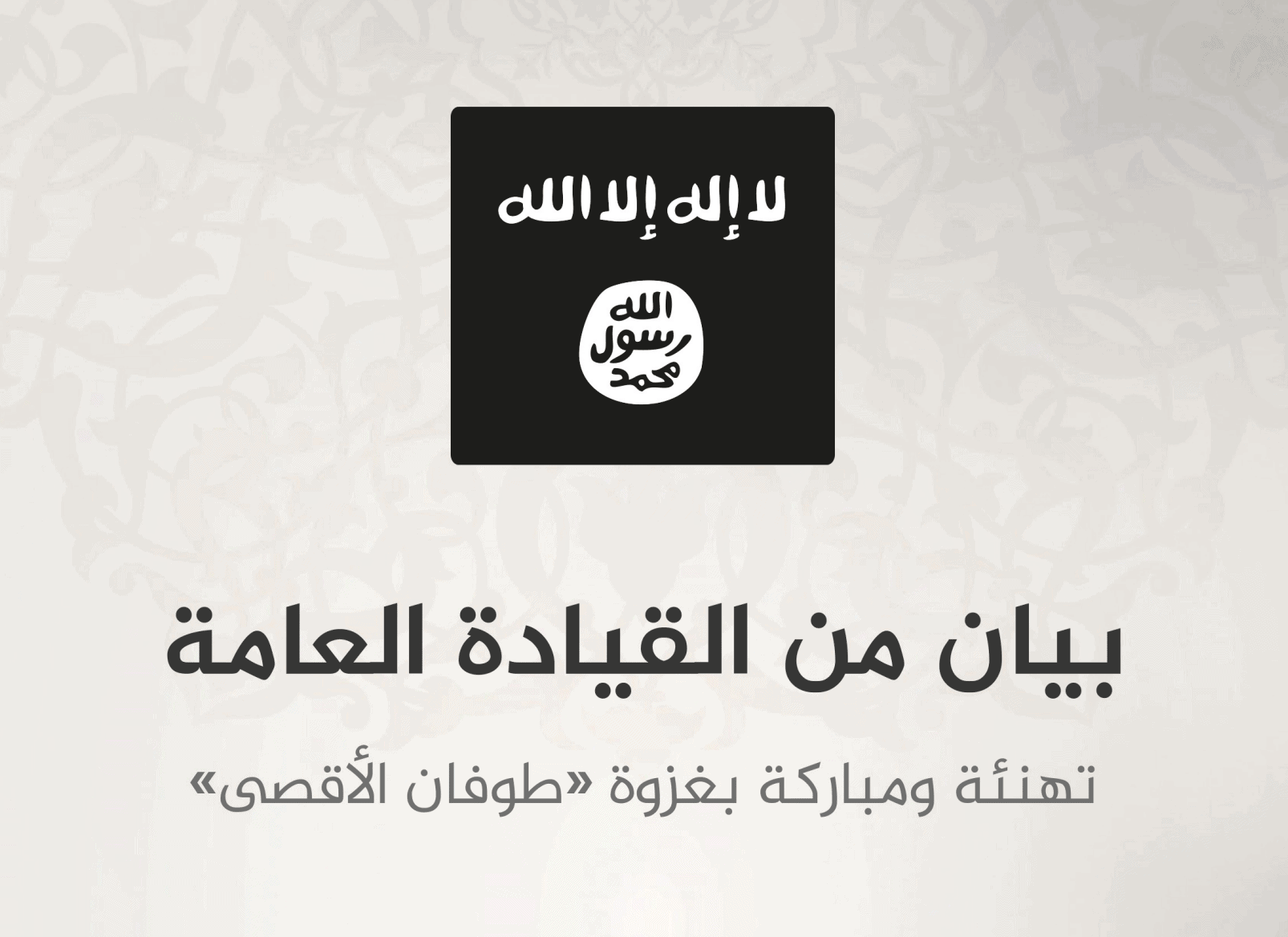
Shabaab celebrates Hamas-led invasion of Israel, calls people to jihad
Shabaab congratulates Palestinian militant factions for their “victories” over Jews. This is not the first time Shabaab has interjected itself into the Israeli-Palestinian conflict.
-
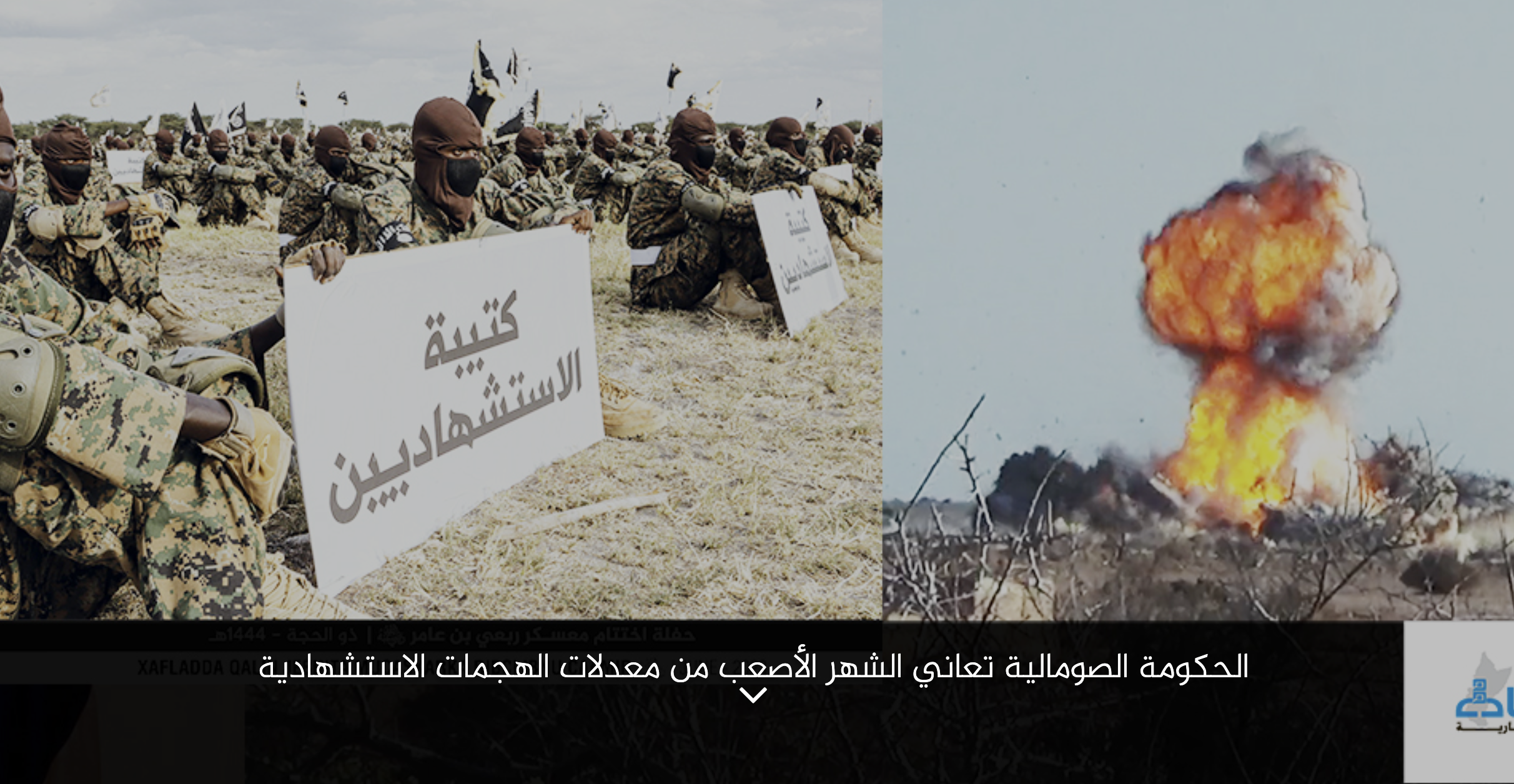
Shabaab responds to FDD’s Long War Journal study on its suicide bombings
Shabaab denied “randomly” targeting civilians in its suicide bombings. This is a mischaracterization of the data on its suicide campaign.
-
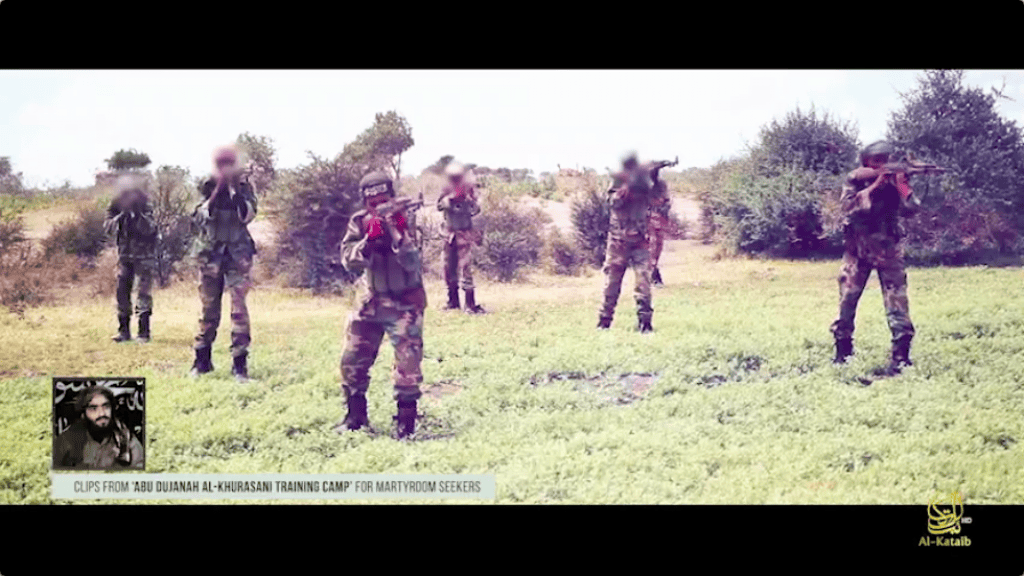
Somalia suffers worst month on record for suicide bombings
At least 14 successful or attempted suicide bombings were reported in Somalia in September. This is the single highest monthly total since Shabaab began its suicide bombing operations in 2006.
-
U.S. designates Islamic State financier in Somalia
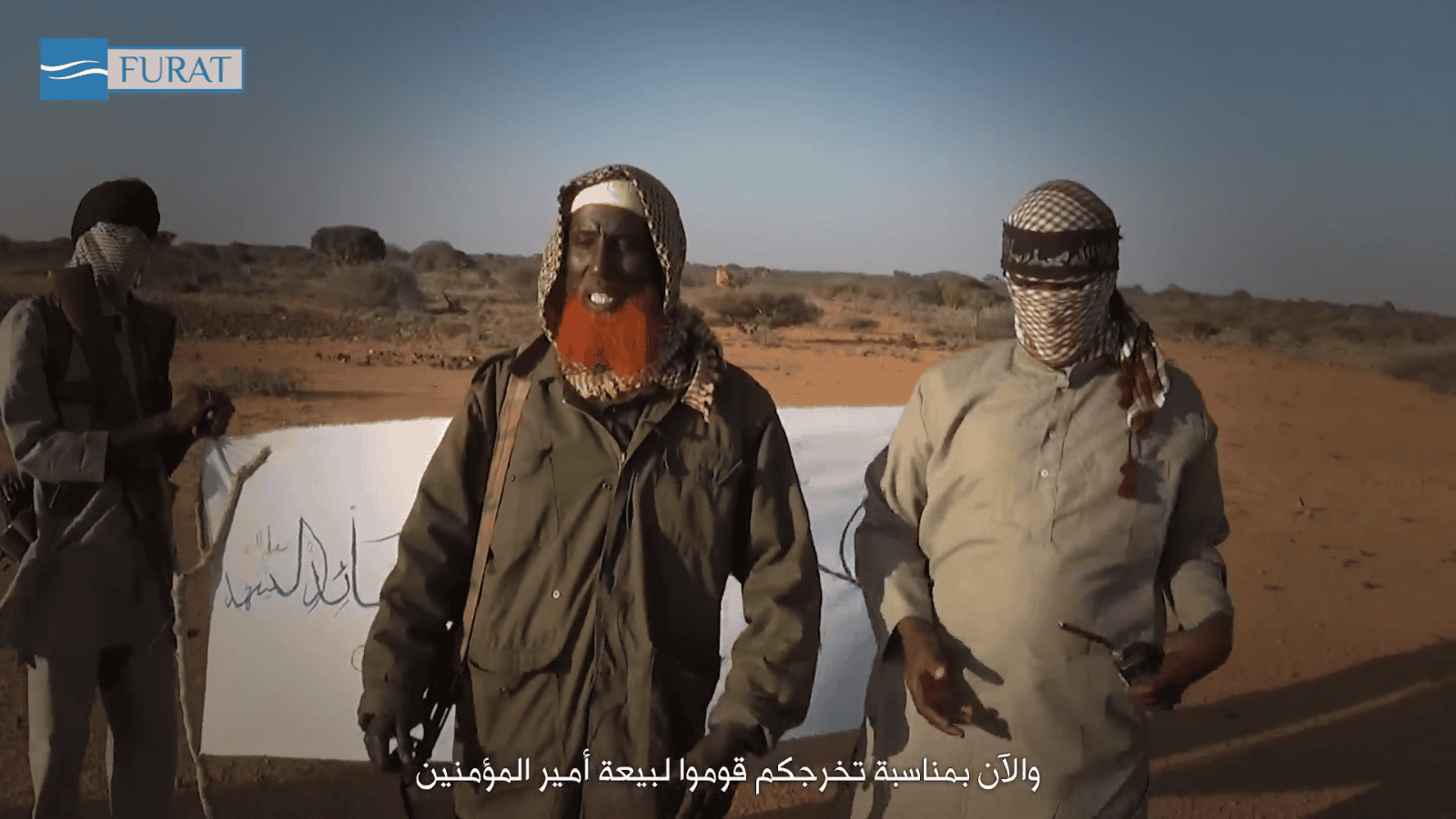
The U.S. government designated Abdiweli Mohamed Yusuf, the financial emir of the Islamic State’s Somali Province. This move, however, has much wider implications than just the Islamic State’s Somali operations.
-
AFRICOM launches ‘self-defense’ airstrikes against Shabaab in Somalia
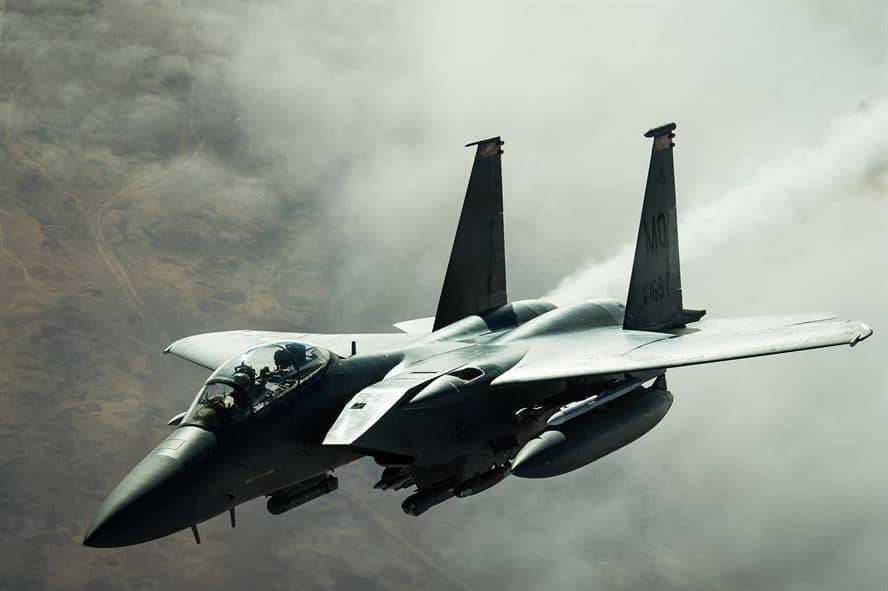
AFRICOM has launched four airstrikes against Al Qaeda’s branch in Somalia this month as it continues to provide air support for the Somali National Army.
-
Analysis: Shabaab takes advantage of slowed counter-offensive
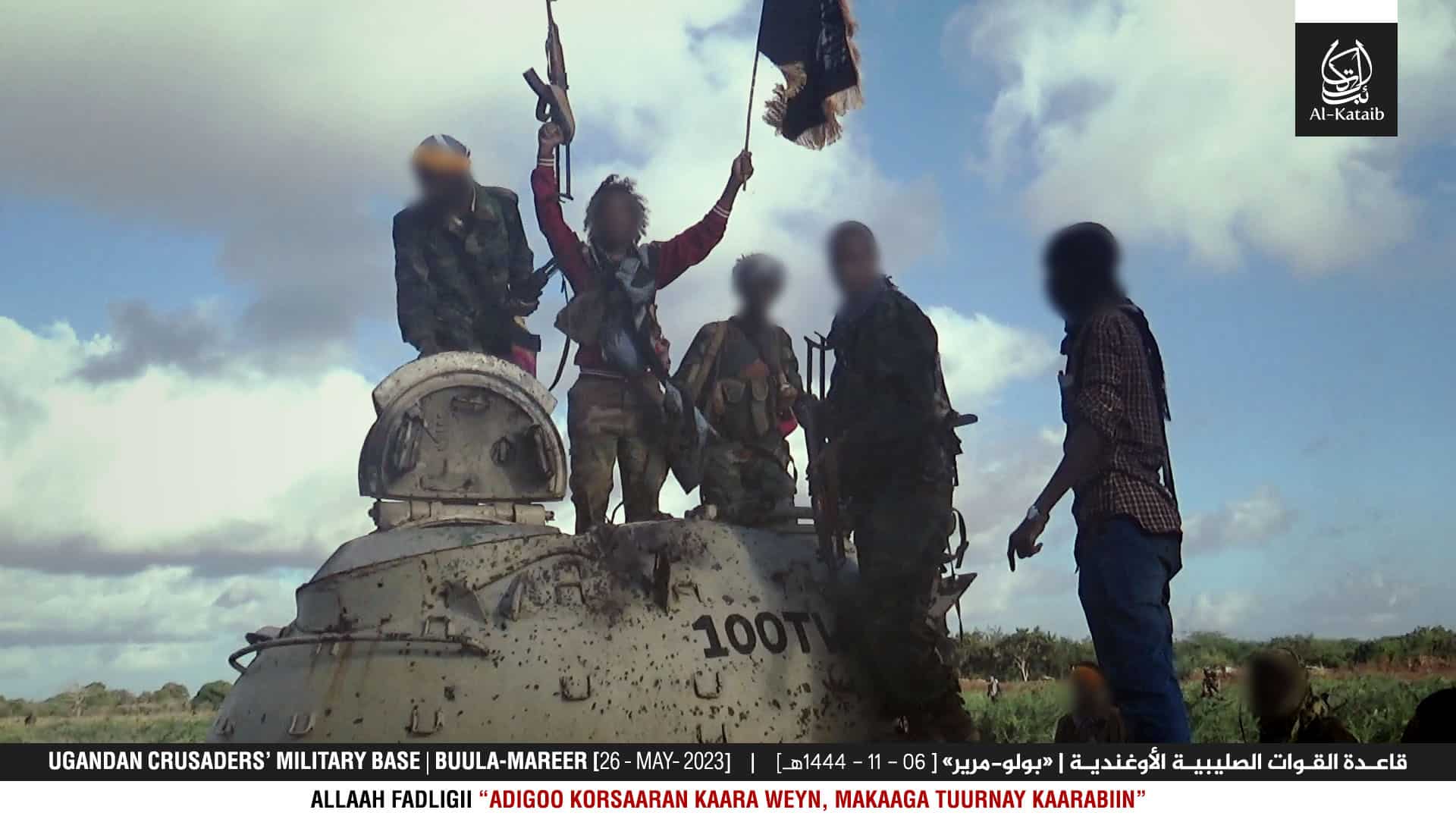
In the face of delayed or stalled offensive action taken against it, Shabaab seeks to rally its forces.
-
Shabaab storms army base in central Somalia
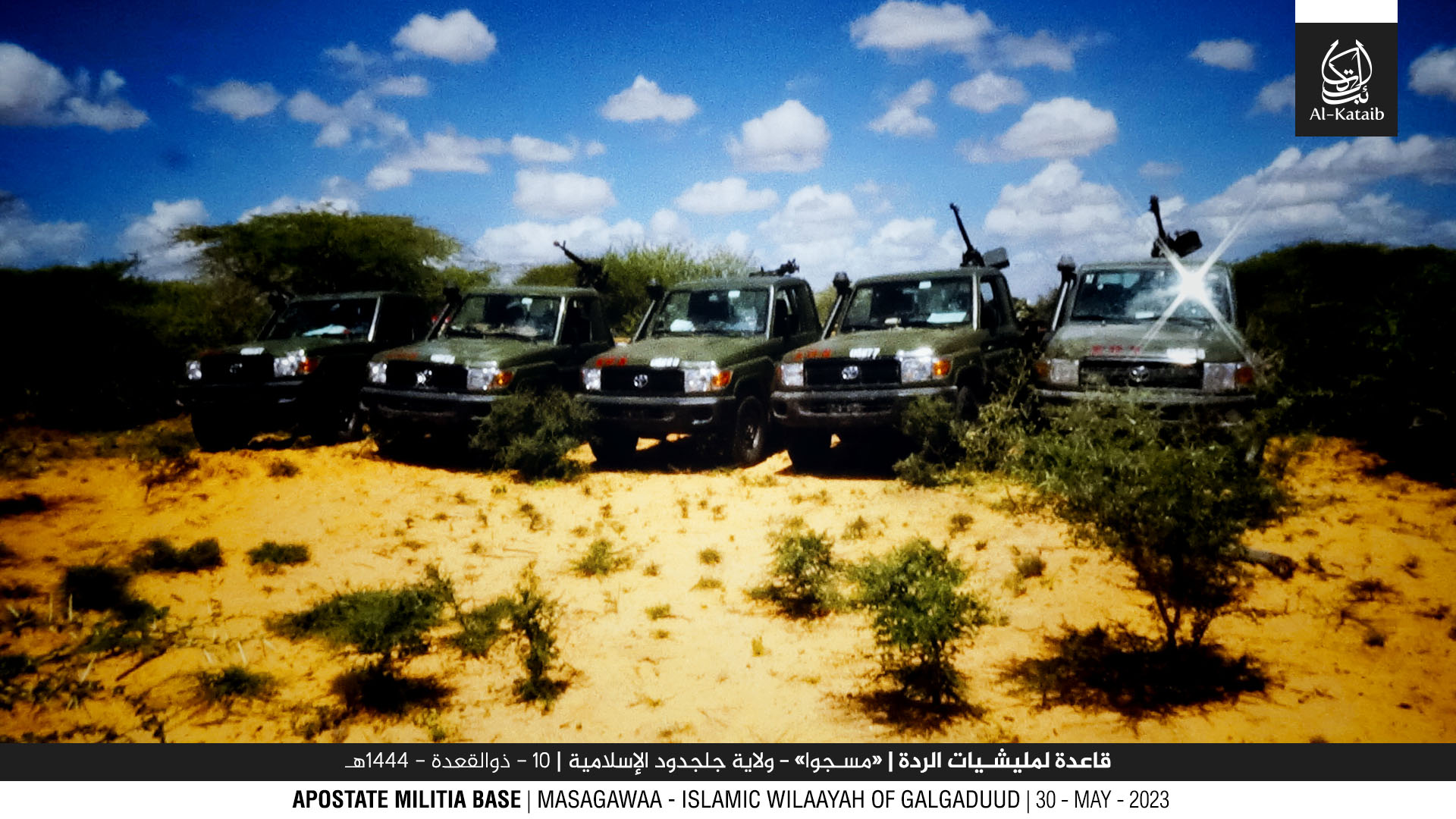
Though Somalia says the raid was repelled, the major attack nevertheless came just days after a similar raid was conducted on a Ugandan military base in southern Somalia.
-
Shabaab overruns Ugandan base in Somalia
The massive raid comes as Shabaab is facing its biggest challenge to its rule and territory in over a decade.
-
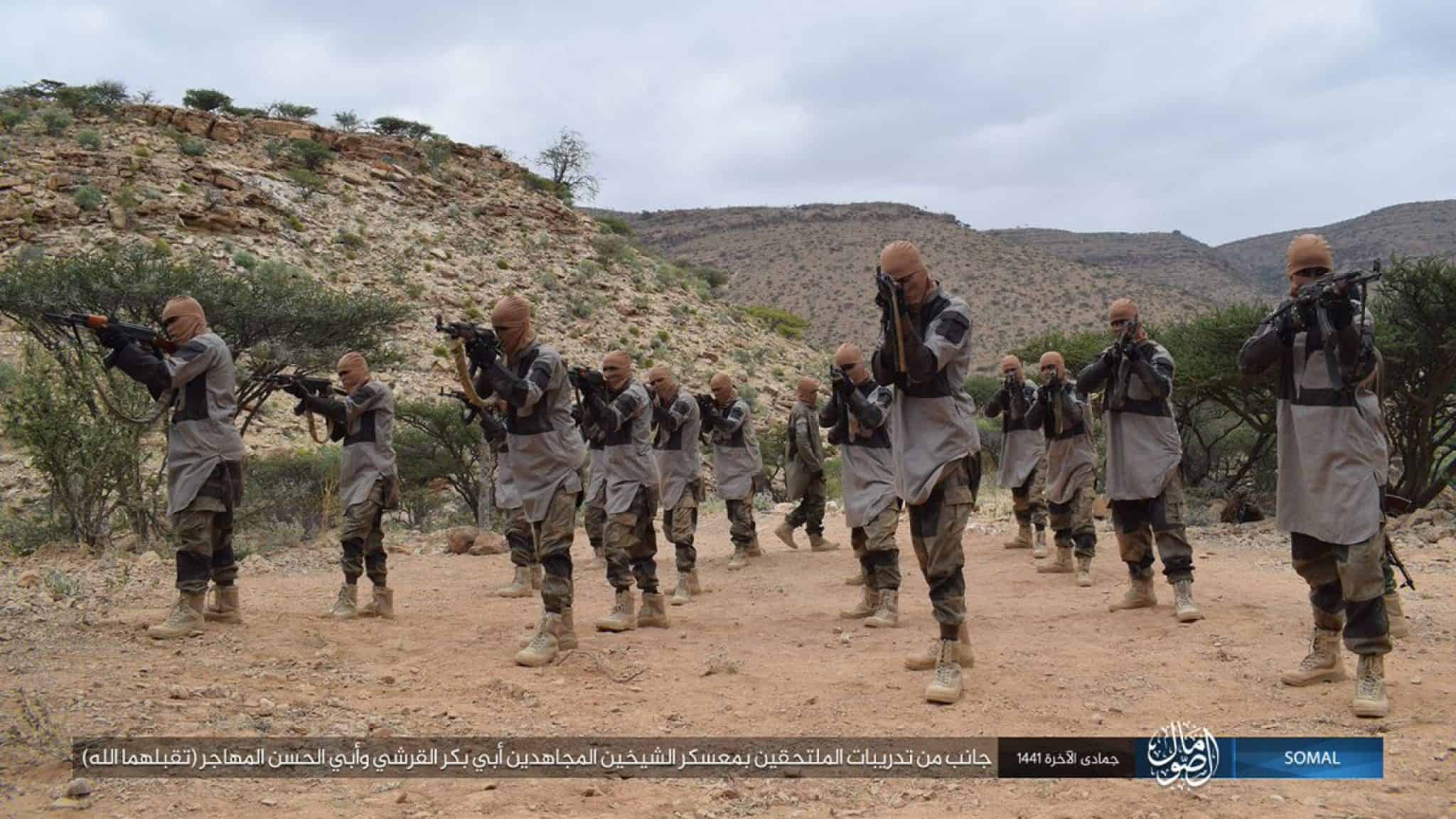
Analysis: U.S. Military kills key Islamic State leader in Africa
U.S. Special Operations Forces killed Bilal al-Sudani, a key Islamic State operative responsible for coordinating the group’s finances and activities across central, eastern, and southern Africa (and beyond).
-
U.S. military strikes Shabaab in central Somalia
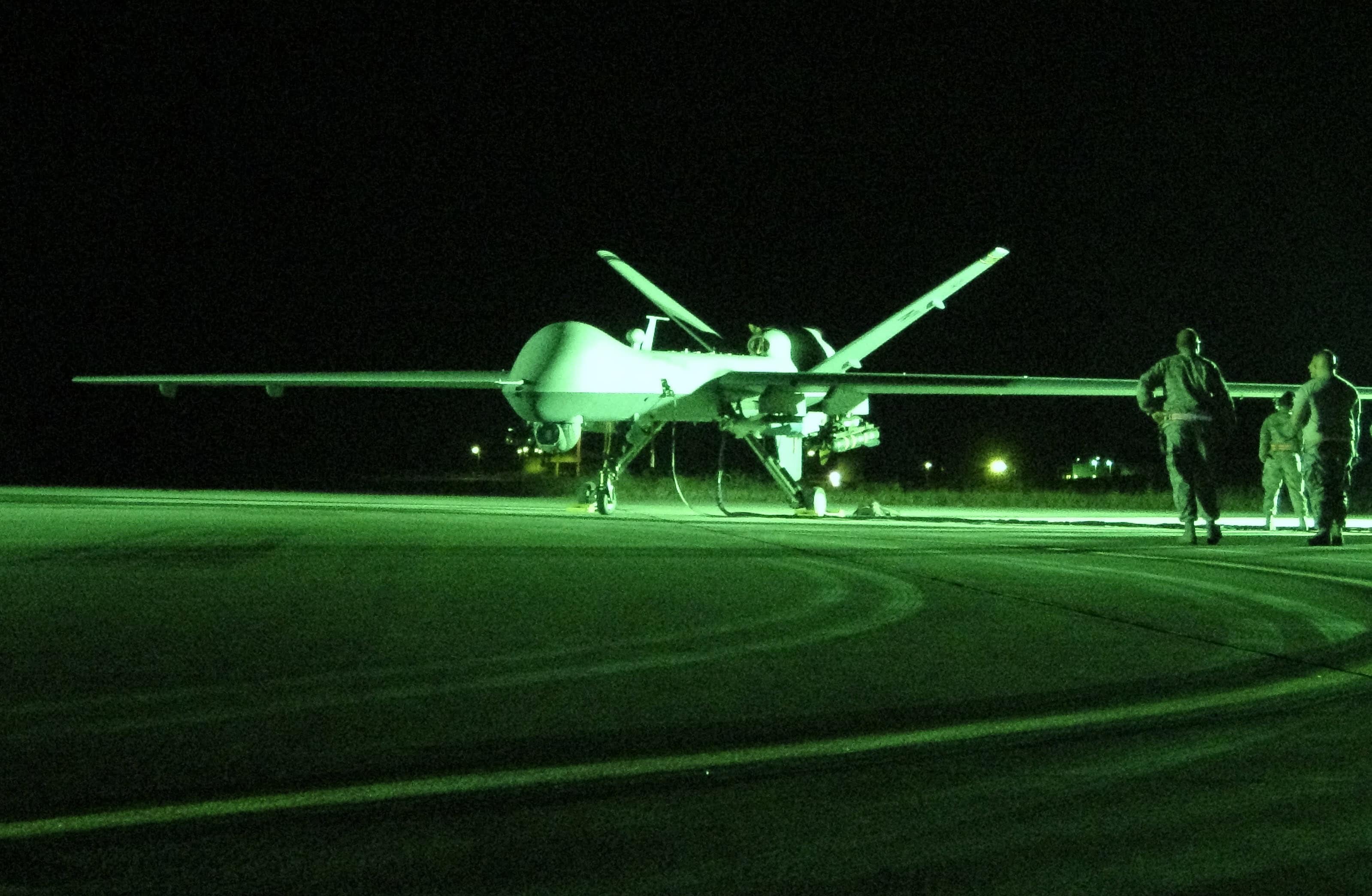
The U.S. military targeted Shabaab, al Qaeda’s branch in East Africa, in a pair of strikes in central Somalia over the past several days. The first attack took place on Jan. 20 near the town of Galcad in Somalia’s central region of Galguduud. U.S. Africa Command (AFRICOM) said it killed at least 30 Shabaab members in what it calls “a collective self-defense strike.” Somali troops recently recaptured Galcad as part of major counter-offensives against the jihadist group. That airstrike corresponds to a massive Shabaab suicide assault on a Somali National Army (SNA) base in the town, in which two suicide…
-
State places $10 million bounty on Kenyan Shabaab commander
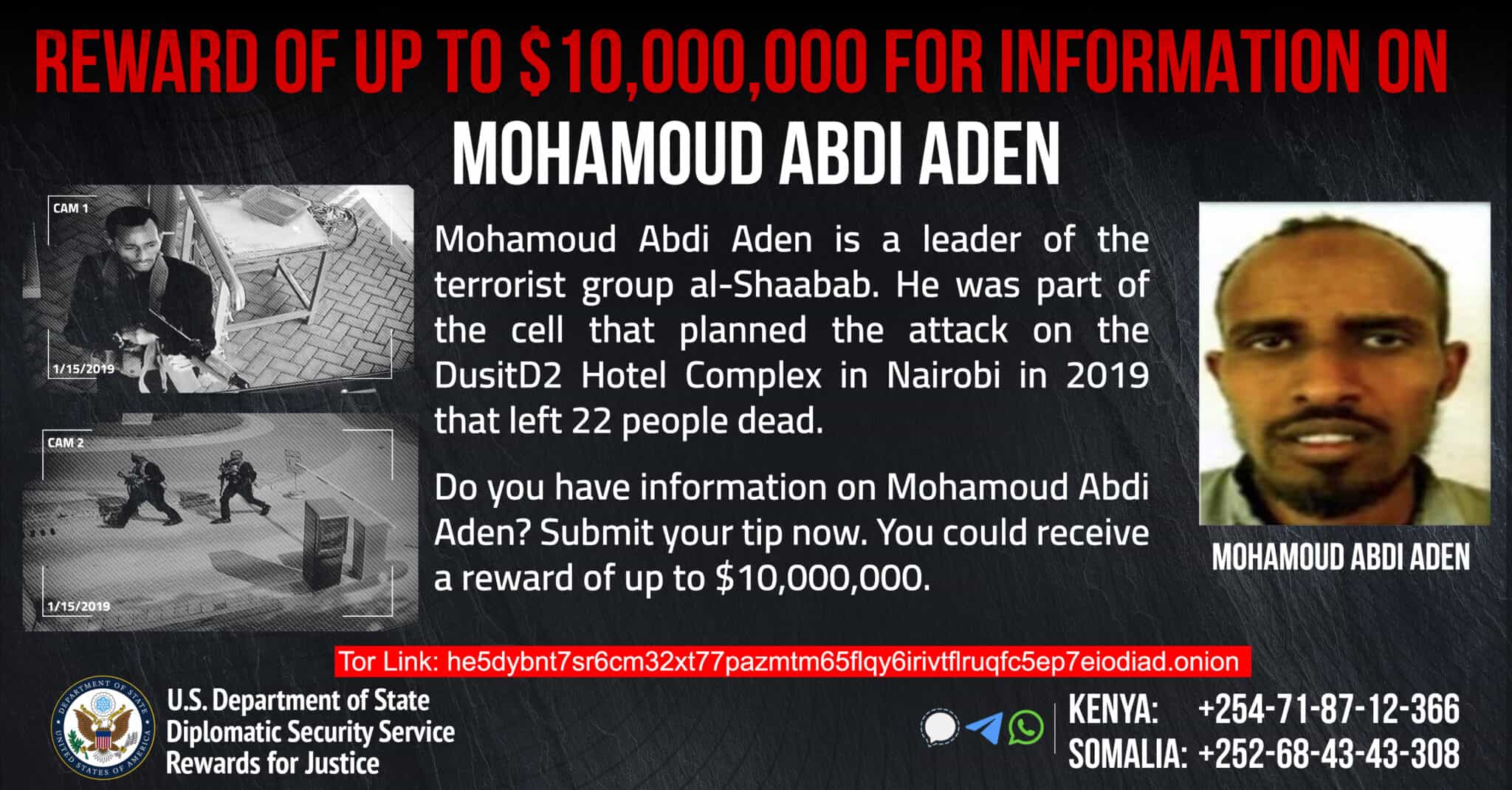
Mohamoud Abdi Aden is the second Kenyan-Somali the U.S. State Department has placed a $10 million bounty on in the last week. Shabaab now has five leaders with $10 million bounties, the most for any Sunni jihadist group.
-
U.S. offers $10 million bounty for top Shabaab military commander
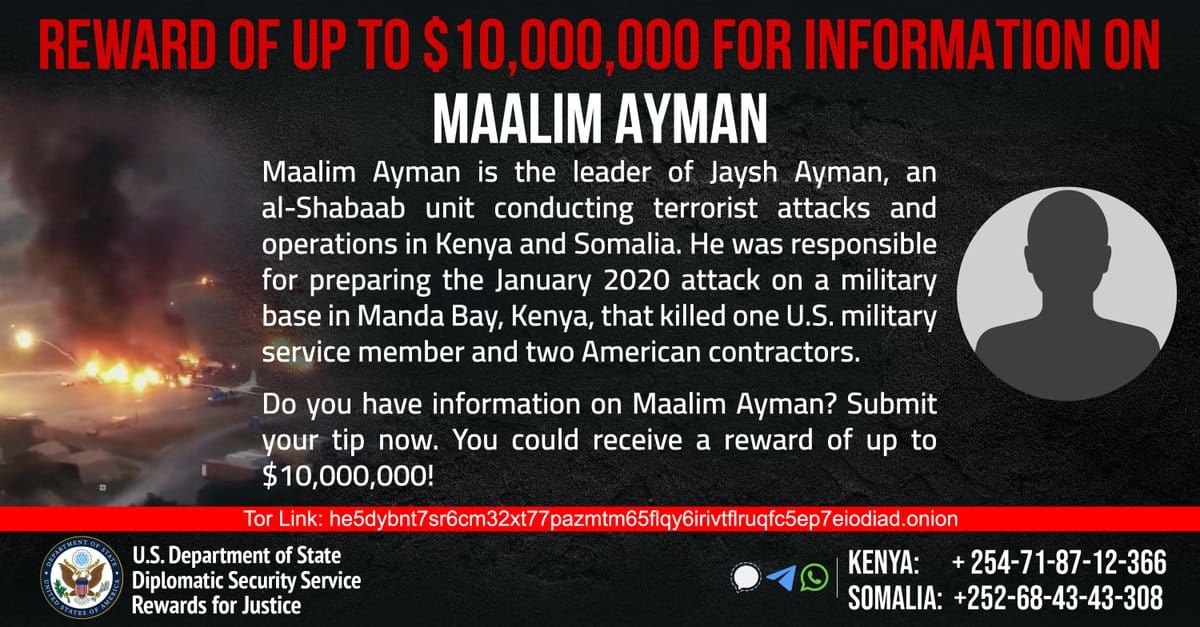
The U.S. has now placed a $10 million bounty on Maalim Ayman, the leader of Shabaab’s military wing in Kenya. Maalim Ayman now joins the ranks of other high-profile Sunni jihadis around the world demanding a similar price tag.
-
Another long hotel siege ends in Mogadishu
Another hotel siege perpetrated by Shabaab in Mogadishu was ended by Somali security forces almost twenty four hours after it began. The al Qaeda branch continues to lash out against civilians in response to military operations against it.
-
Shabaab kills over 100 people in suicide bombings in Mogadishu
Shabaab killed at least 100 people at the same place where it killed upwards of 500 civilians almost exactly five years ago.
-
Shabaab assaults hotel in southern city of Kismayo
Shabaab unsurprisingly framed the terrorist attack as retaliation for the current military operations against it across the country.
-
US government sanctions several Shabaab officials and affiliated individuals
Nine individuals were designated by the U.S. Treasury Department while an additional five were also blacklisted by the U.S. State Department.
-
Generation Jihad Ep. 82 — Zawahiri’s successor and a Shabaab update
Bill is joined again by Caleb Weiss, long-time contributor to Long War Journal and friend of the show. They discuss why al Qaeda hasn’t (publicly) named a successor to Zawahiri, as well as several updates on Shabaab.

-
U.S. military kills wanted Shabaab leader in airstrike in Somalia
Abdullahi Yare was a founding leader of Shabaab, had a $3 million reward out for his capture, and is the first senior Shabaab leader killed in more than two years.

-
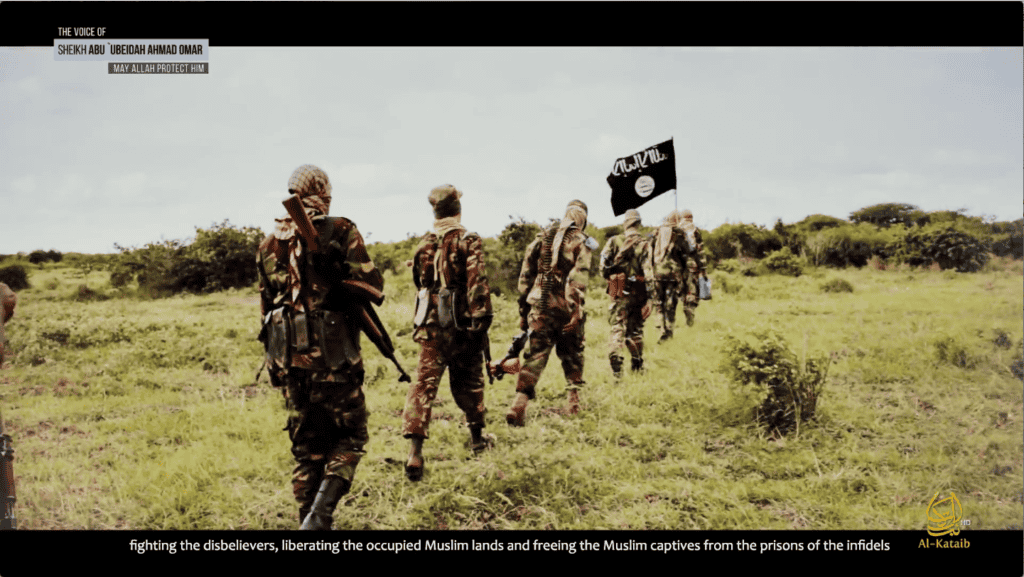
Shabaab conducts triple suicide bombing in central Somalia
Exact numbers are still unknown, but Shabaab is feared to have killed at least a dozen people in retaliatory suicide bombings as it faces severe military challenges across central Somalia.
-
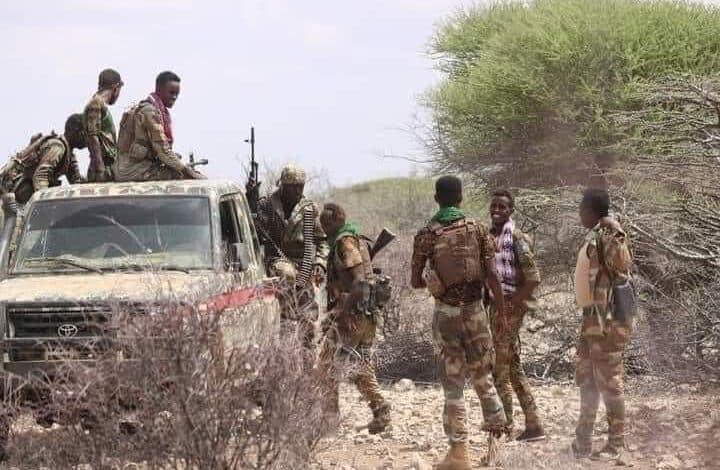
Shabaab continues to lose ground in central Somalia
Shabaab faces one of the largest counter-offensives against it in recent years. However, to be successful, Somalia must also work to effectively hold liberated areas and not just conduct clearing operations.
-
U.S. airstrike kills 27 Shabaab fighters in central Somalia
The recent drone strike comes as the Somali National Army (SNA) mounts a large offensive against Shabaab in Somalia’s central Hiraan Region.
-
Contested area of northern Somalia witnesses rare suicide bombing
The Sanaag Region, a territory contested by both Somalia and Somaliland, witnessed its first suicide bombing yesterday. No group has officially taken credit, though Shabaab is widely suspected given its history in the area.
-
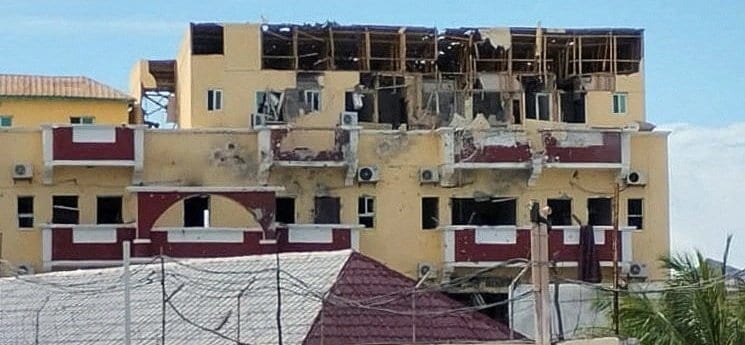
Analysis: Thirty hour long hotel siege emblematic of Somalia’s remaining security challenges
Shabaab’s recent hotel siege in Mogadishu, beginning on Friday and ending early Sunday, signals the severe challenges that remain in combating the al Qaeda branch.
-
US picks up pace of airstrikes in Somalia
Since resuming military activity inside Somalia earlier this year, the Biden Administration has ramped up the pace of airstrikes in the Horn of Africa country in recent weeks. Since June 3, the US has conducted at least six airstrikes against Shabaab, al Qaeda’s branch in East Africa.
-
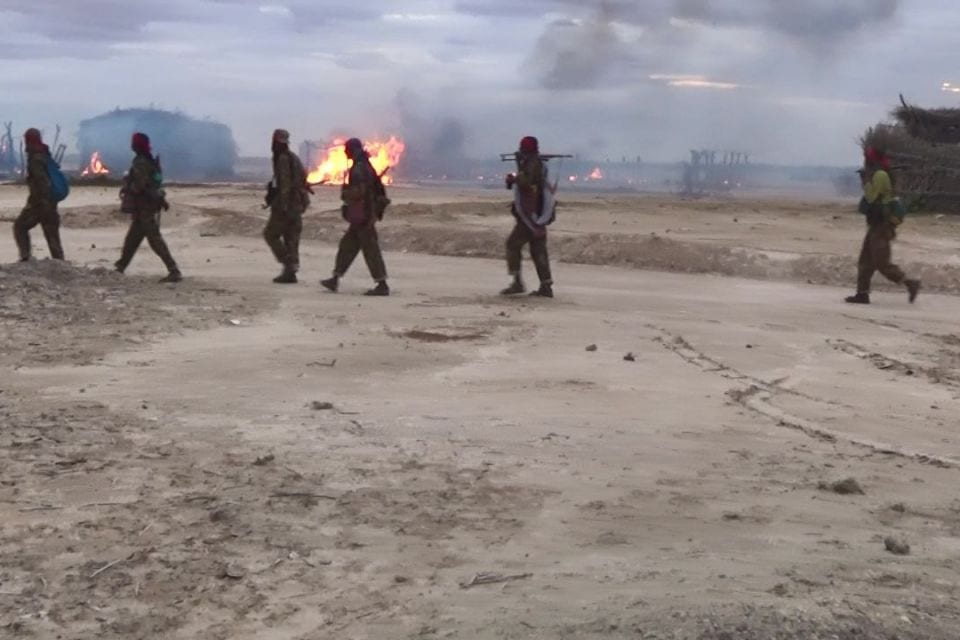
Puzzles deepen in the context of Shabaab’s attempted Ethiopian invasion
New reporting has shed new light on Shabaab’s recent incursions into Ethiopia. However, many perplexing elements remain uncovered.