-
Half of Afghan population living in districts outside government control
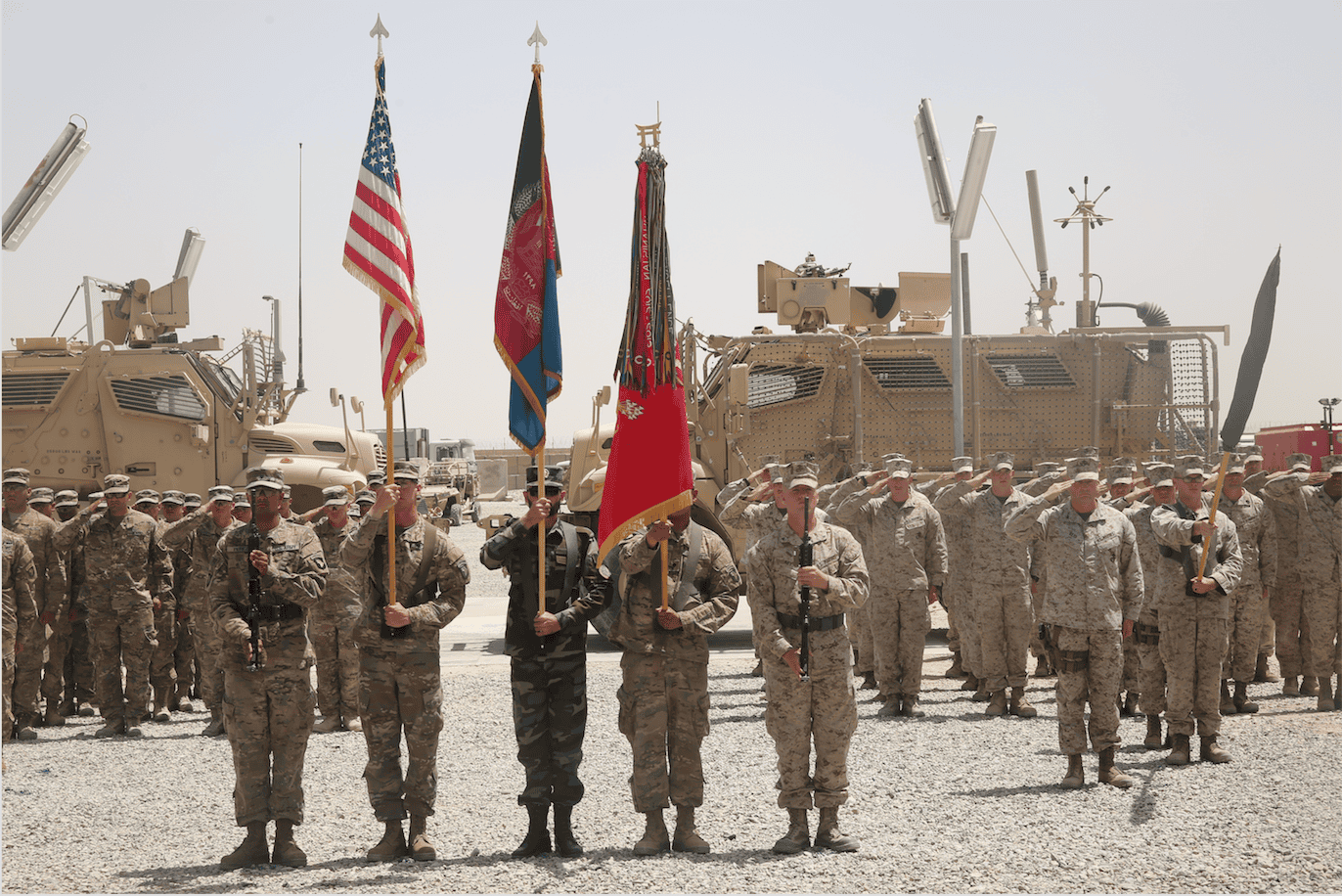
Some 41 percent of the Afghan population resides in a contested district and more than nine percent reside in a Taliban controlled district, according to a new study by FDD’s Long War Journal.
-
Resolute Support invents new terms to obfuscate Taliban control
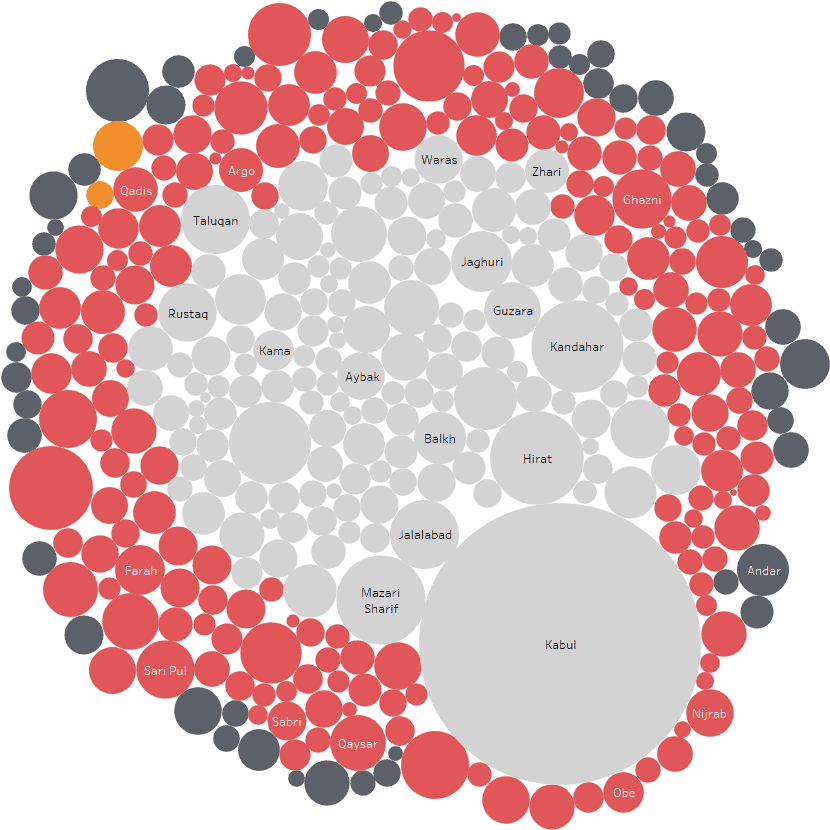
Resolute Support continues to invent new terminology to obfuscate the extent of Taliban control in Afghanistan.
-
Taliban control of Afghan districts remains unchanged despite increased US military pressure
The Taliban continue to maintain its grip on half of Afghanistan despite US military’s reinvigorated effort to force the group from its strongholds.

-
Afghan mission releases district-level assessments
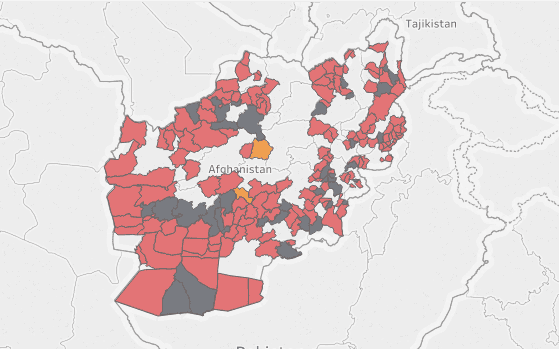
The Afghanistan watchdog was finally able to release the military’s own district-level assessment, allowing for a direct comparison with our data. The Taliban currently controls 37 districts, contests 200, and claims to control two more.
-
US military blocks release of key Afghan force development data
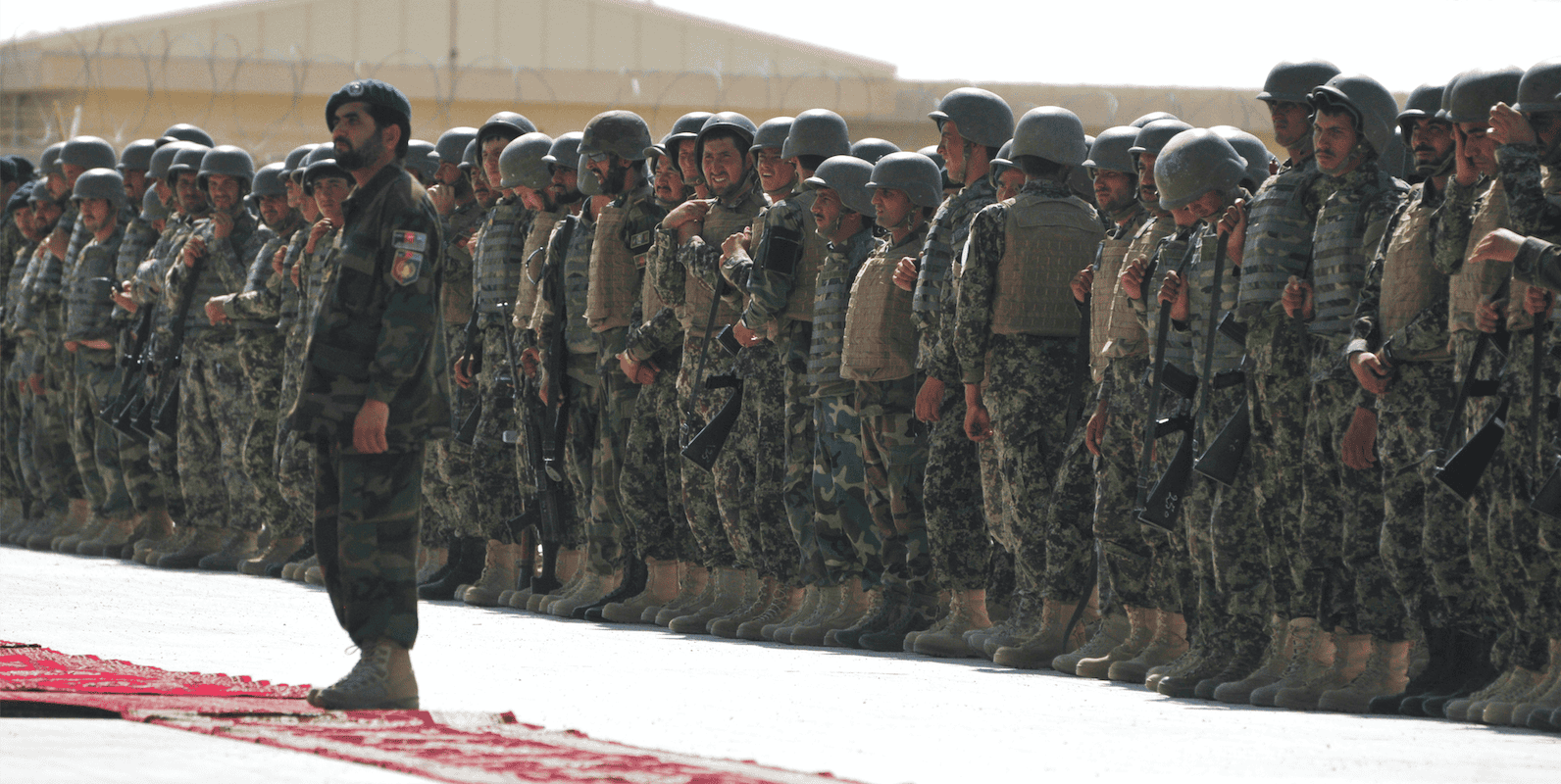
For the first time, US and Coalition authorities are restricting access to key indicators of Afghan security force development. The lack of transparency comes on the heels of a new strategy to enhance Afghan forces in order to supplant Coalition troops in the fight against the Taliban.
-
DoD releases Afghan district data, continues to withhold other key information
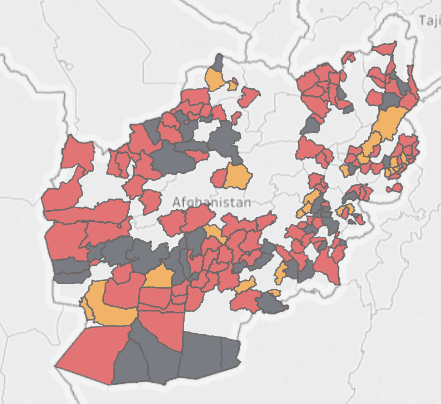
The district control data shows that the Taliban continues to slowly wrest control of Afghan districts from the government. SIGAR is still not authorized to released key information on district and population control as well as the Afghan security forces.
-
SIGAR: ‘Afghan government district control deteriorated’
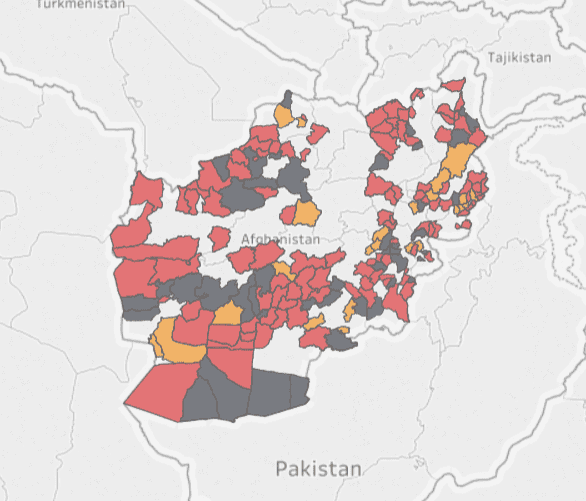
The Afghan government’s ability to control its territory has “deteriorated” as the Taliban has gained control of additional districts, according to SIGAR. This tracks with an analysis of Afghanistan’s districts conducted by FDD’s Long War Journal, which tracks Taliban controlled and contested districts.
-
SIGAR: Alarming rate of Afghan trainees in the US are going AWOL
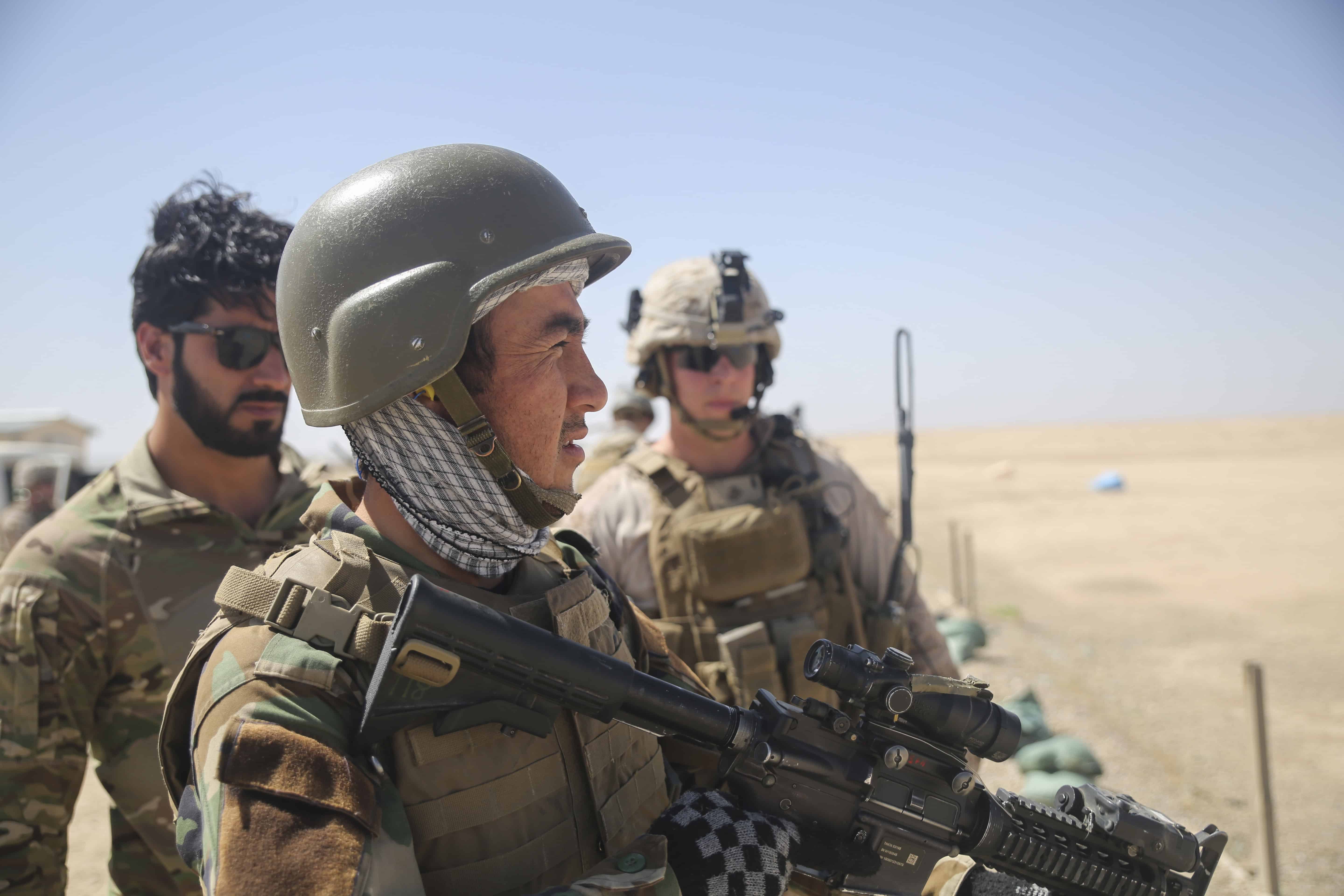
Afghan forces account for just one percent of the total number of foreign military personnel trained in the US since 2005, but account for nearly 50 percent of the AWOL cases in the same time frame.
-
Lessons learned from 15 years in Afghanistan: SIGAR
The Congressionally mandated Special Inspector General for Afghanistan Reconstruction (SIGAR) issued a detailed report evaluating the current challenges facing the Afghan National Defense and Security Forces (ANDSF) and the lessons learned from America’s nearly 15-year campaign in the country. The report argues that security priorities guiding US decisions early in the war effort negatively impacted the current priorities of building ANDSF long-term sustainability capabilities. The report, which is the first of its kind, concludes that the ANDSF is plagued by debilitating attrition, corruption, equipment shortages, incomplete training, a lack of security infrastructure and widespread illiteracy. ANDSF Shortfalls SIGAR’s report shows…